
Queensland's oldest provincial city, and its corridor
Rug Cleaning Ipswich
and the Western Corridor,
Heritage to Springfield
Forty-three suburbs run from the heritage streets around the Ipswich CBD, through the old coalfield and river towns, out to Greater Springfield and the Ripley Valley. The Logan Motorway makes this a straighter run for us than most of Brisbane. Free pickup and delivery, hand washing at our Yatala facility, and about 7 days from your door back to your floor.
- Safe for delicate and handmade rugs
- 48-hour express service available at additional cost
- Free pickup and delivery on a dedicated corridor run
Reveal the Clean
Watch it clean automatically, then take control.
experience
 Expert care
for your rugs
 Free
pickup & delivery
 Trusted, licensed
and insured experts
turnaround
 Guaranteed
satisfaction
One honest figure for the whole corridor
Whether the rug came from a heritage hallway or a new estate living room, it is read in daylight before it is priced. One figure, in writing, and it is the figure that gets invoiced.
- 1Booked onto the corridor runOne motorway, then one exit to our door
- 2Collected rolled at the doorThe driver rolls and loads it for you
- 3Read, quoted, then immersedPriced once, then hand worked at Yatala
- 4Delivered in about 7 daysDry through the base and groomed flat
Get an honest assessment
No obligation · free pickup & delivery · we reply next business day
Rug washing across Ipswich, from the old city ring to Ripley
Queensland's oldest provincial city
The Borough of Ipswich was proclaimed on 3 March 1860, making it the second oldest local government area in Queensland after Brisbane, and it took city status on 1 December 1904. The 2021 census recorded 229,208 people across 1,094 square kilometres, about 40 kilometres southwest of the Brisbane CBD, bordered by the City of Brisbane and the City of Logan to the east, the Scenic Rim to the south and Somerset and the Lockyer Valley to the north and west. This page speaks for the whole corridor rather than the CBD locality alone, because that is how the runs are actually organised and how households here think about where they live.
Two extremes of housing on one motorway, and both of them full of rugs worth washing.
Three corridors inside one city
In practice this territory has three distinct parts and they send us three distinct kinds of work. The heritage city core and its first ring, taking in North, East and West Ipswich, Sadliers Crossing, Coalfalls and Basin Pocket, holds some of the oldest housing stock in the state: timber homes on hillside streets, high ceilings and hardwood floors, and wool and Persian pieces bought when a rug was a household investment. The coalfield and river suburbs east of the centre, from Booval and Bundamba through Blackstone, Dinmore, Riverview and Redbank to Goodna, are working suburbs with post-war stock and long ownership. And the new master-planned east and south, Greater Springfield at Springfield, Springfield Central, Springfield Lakes, Spring Mountain and Augustine Heights, plus the Ripley Valley, is a completely different rug population again.
The old ring sends us pieces where the care goes into fringes, older dyes and a foundation that has to be tested before anything gets wet. The new estates send us large modern rugs in big tiled rooms, where the job is removing a real load of fine construction dust without flattening the pile. Same corridor, same run, entirely different decisions on the bench.
A straighter run than most of Brisbane
It is about 55 kilometres from the Ipswich CBD to our wash floor and it usually takes 40 to 45 minutes: the Logan Motorway east to the M1, then one exit south to Computer Road. That is a simpler trip than a lot of Brisbane suburbs manage. The eastern end of the corridor is closer again. Springfield, Springfield Lakes, Springfield Central, Goodna, Camira, Carole Park and Gailes are 40 to 45 kilometres, around 35 to 40 minutes. Redbank, Redbank Plains, Collingwood Park, Bellbird Park, Augustine Heights and Spring Mountain sit at 42 to 50 kilometres. Riverview, Dinmore, Booval, Bundamba, Blackstone and Silkstone are 48 to 55. The CBD and its first ring, along with Brassall, Raceview, Yamanto, Ripley, South Ripley, Karalee and Barellan Point, are 55 to 62 kilometres and 40 to 50 minutes.
Because it is one clean motorway run, the corridor gets a collection day of its own rather than being tacked onto a Brisbane route. Pickup and delivery are included, the driver takes the rolled rug from the door, and a normal cycle runs about 7 days with 48 hour express available at additional cost.
Our Brisbane office, and the road the corridor's rugs take
Our Brisbane office
Premier Rug Cleaning and Washing - BrisbaneLevel 1, Suite 475/241 Adelaide St
Brisbane City QLD 4000
Adelaide Street handles enquiries, quotes and accounts and nothing else. No rug is ever cleaned there. All washing and drying happens at the Yatala facility, which the Logan Motorway connects to this corridor in one straight run.
What a corridor rug does with its week
The corridor has a collection day of its own rather than sharing a Brisbane route, which is why pickup and delivery are included and why a window comes back to you as soon as the day is scheduled.
Limestone kilns, a department store, a lost capital, a private city, a coalfield and a workshop
Six stops that explain how one city ended up with this much range.
The city began in 1827 as a limestone settlement, renamed Ipswich in 1843.
A city that began by supplying the essential ingredient understands our trade exactly. The wash is the essential step, and everything else in rug care is finishing work around it.
Captain Patrick Logan's 1826 exploration found large limestone deposits here, and by 1827 a settlement was burning lime on the hills above the Bremer. The place was called The Limestone Hills, then simply Limestone, and its kilns supplied the mortar early Brisbane was built with. In 1843 the growing town took a new name after Ipswich in England, but the first one never quite left: it is still on the hill, the street and half the institutions in town.
The 1849 drapery that grew into the great Ipswich department store.
Generations of Ipswich rugs came off that store's floor and plenty are still down in the city's older homes. We wash them the way they were sold, as things meant to last.
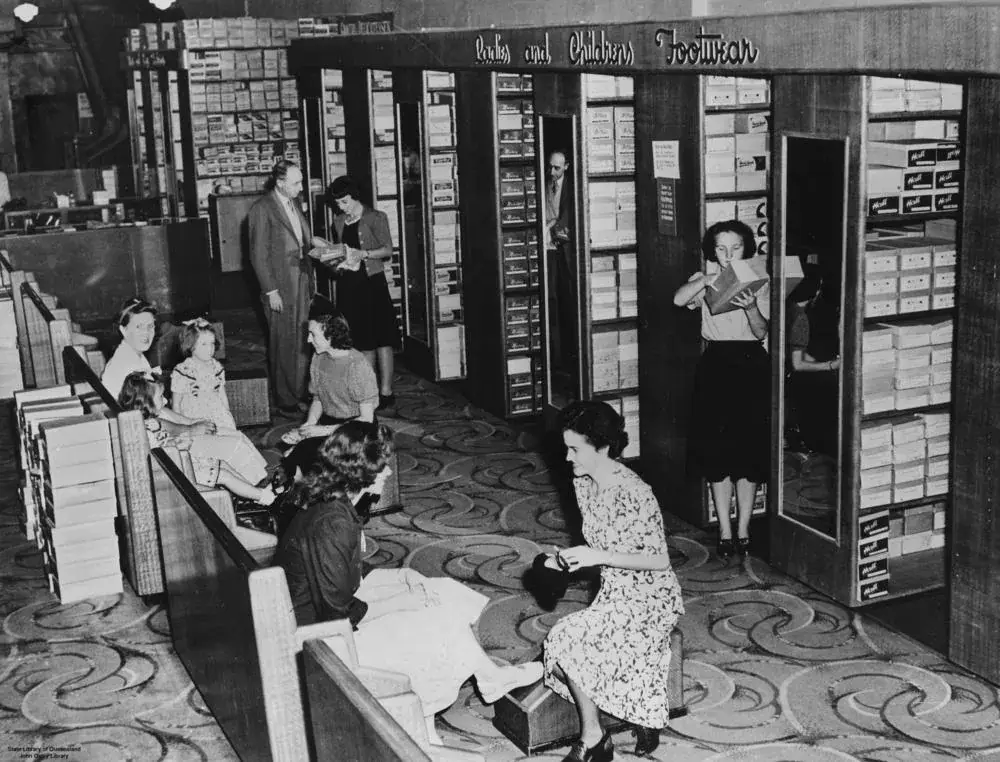
Benjamin Cribb opened a drapery here in 1849 and took John Clarke Foote into partnership in 1854, and Cribb and Foote grew with the city for over a century: a three-storey wing, a lift and its own electricity supply by 1912, a mail-order service reaching across Queensland, and a stock recorded as everything from buttons to cars. For its centenary the firm gave the city memorial gates, which stand at the sports grounds on Chermside Road in East Ipswich, and the business changed hands in 1972. Descendants of the Foote family still trade in Ipswich pharmacies today.
From about 1847, Ipswich was a serious candidate to be Queensland's capital.
This city has never needed Brisbane's approval to hold its own standards, and neither do its households. Rugs here are collected on a run of their own rather than tacked onto somebody else's.
As a busy river port at the head of navigation, Ipswich was a prime candidate for becoming the capital of the new colony from about 1847. Brisbane took the title in 1859, and Ipswich answered by simply getting on with it: proclaimed a municipality on 3 March 1860 and a city in 1904, with a main street of civic buildings that still carries the ambition of those years.
Australia's largest master-planned community, and its first privately built city.
New estates mean big living rooms, big rugs and a genuine load of fine construction dust in the pile. Those pieces are too large to handle at home and they come up remarkably well once the load is rinsed out of the base.
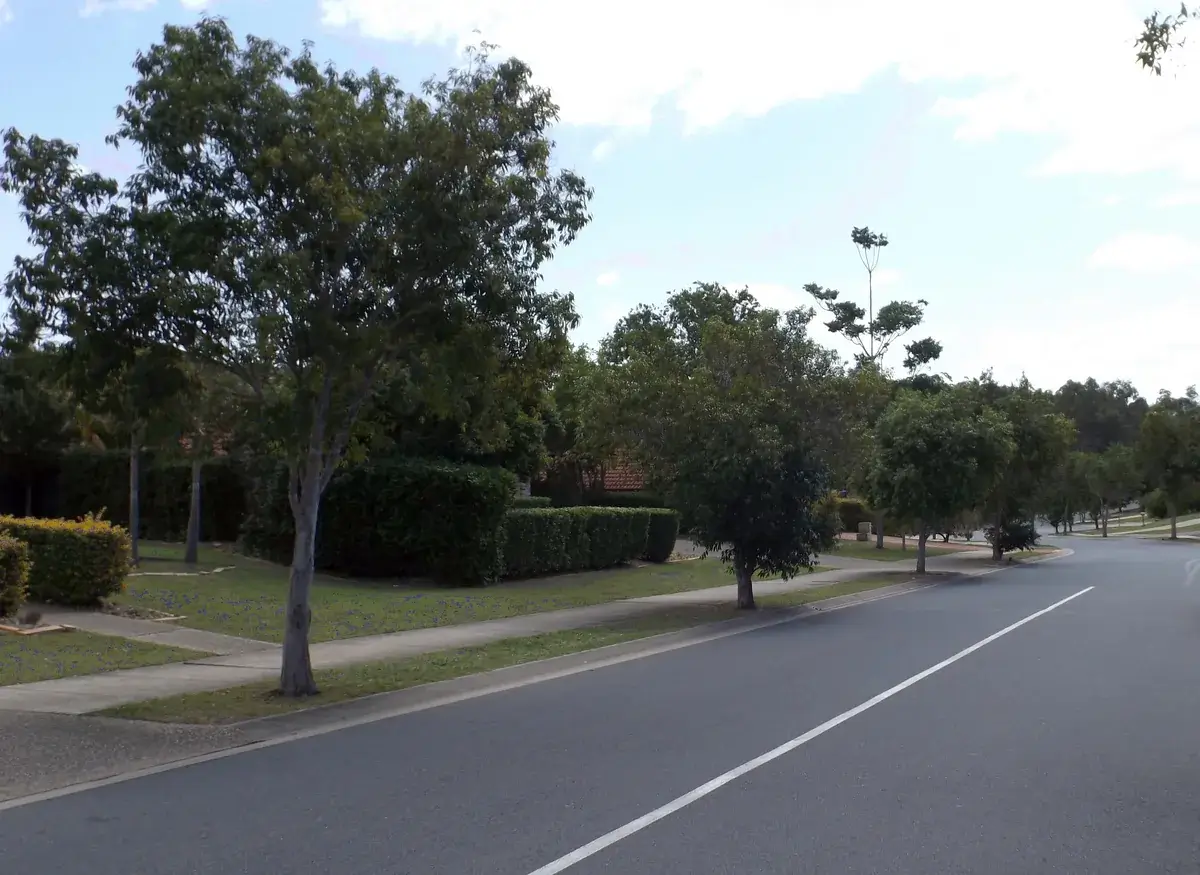
Greater Springfield covers 2,860 hectares and is described as Australia's first privately built city as well as its largest master-planned community, the first master-planned city in the country since Canberra. Its population was estimated at around 47,000 in 2021, and a projection puts it toward 105,000 by 2030. Springfield Central is now the corridor's second centre by any practical measure.
By 1904 this coalfield was producing 80 per cent of Queensland's total coal output.
Booval, Bundamba, Blackstone and Silkstone are long-settled suburbs with long-settled houses, and long-settled houses hold rugs that have never once been properly washed. Those are the jobs that surprise their owners most.
Coal was found south of the Blackstone township in 1866, the year after the Ipswich to Grandchester railway opened, and Lewis Thomas began systematic mining. By 1904 the Ipswich coalfield was producing 80 per cent of Queensland's total coal output, with over a thousand miners across the region. Blackstone itself was a Welsh settlers' village immediately south of present-day Bundamba, and a private tramway ran from Bundamba to the Blackleg Gully mine in 1881, extended to the West Moreton Colliery at Swanbank in 1886.
Australia's oldest continuously operating railway workshop, now a Queensland Museum site.
A workshop still doing its original job after a century and a half is the sort of company we like keeping. Our own trade has not changed method in 29 years, and North Ipswich sits on the corridor run.
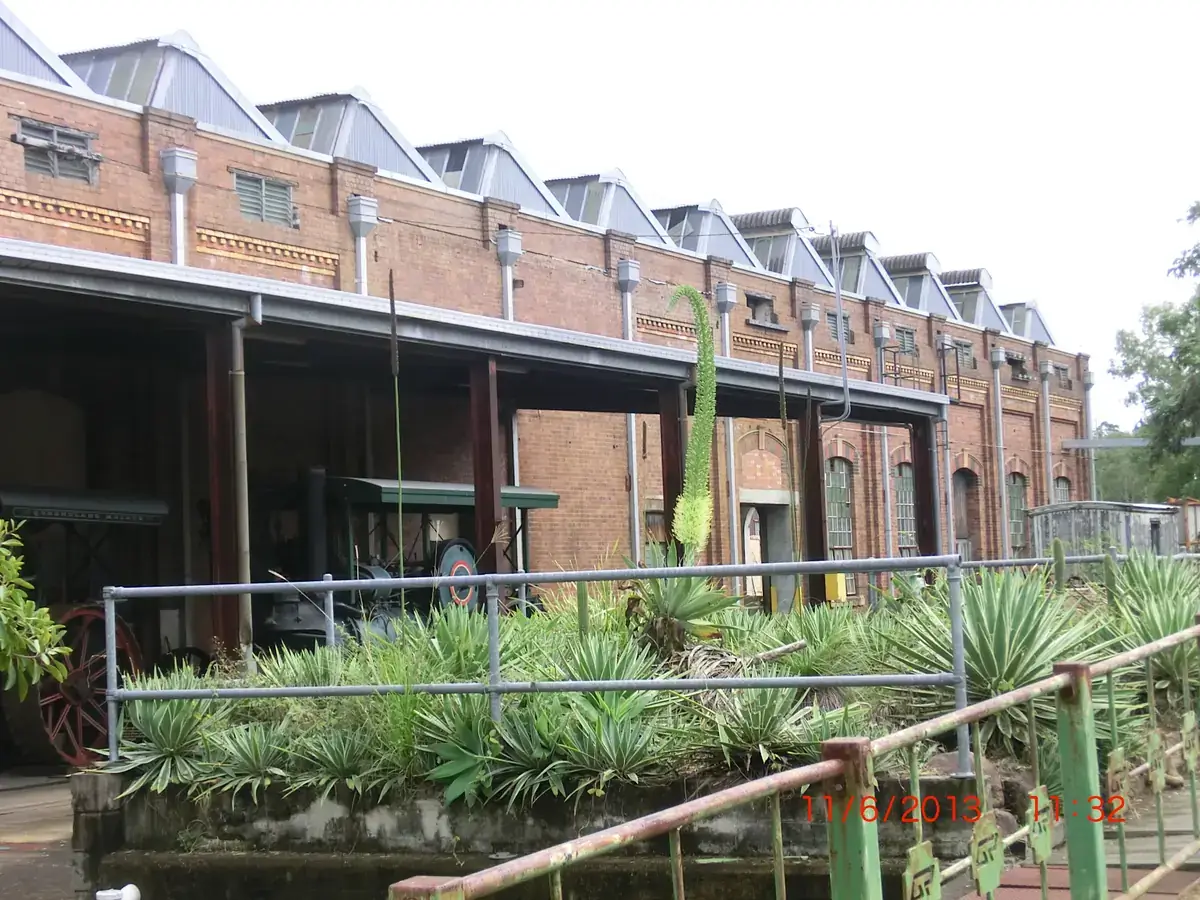
Queensland's first train left Ipswich for Bigges Camp, later Grandchester, on 31 July 1865. The North Ipswich workshops that grew out of that era employed more than 3,000 people at their peak, and the museum opened on the still-working site in 2002. It holds Australia's largest model railway and the country's oldest working steam locomotive.
What customers say about Ipswich
Rated 4.9 ★ from 18 customersaround Ipswich, collected directly from our customers after every clean.
The corridor's reviews, then the whole book
The cards above came from Ipswich corridor households. The counts below cover every region we wash for.
Every weave.
Every origin.
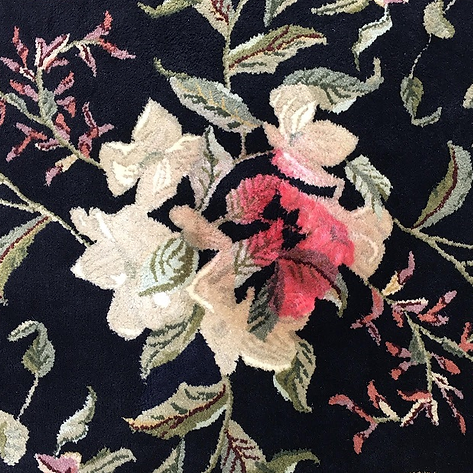
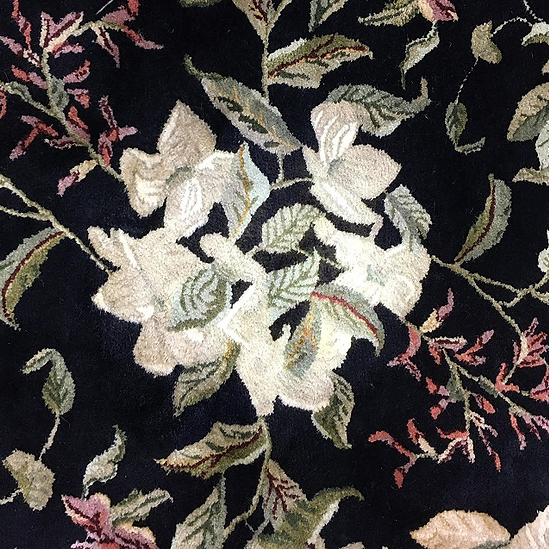
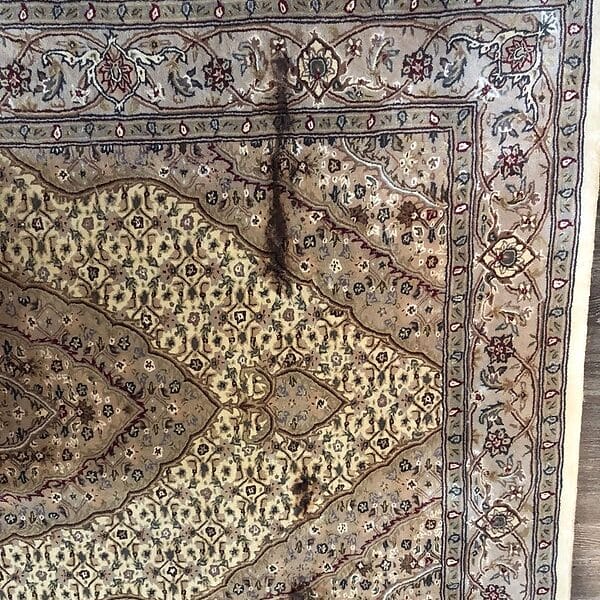
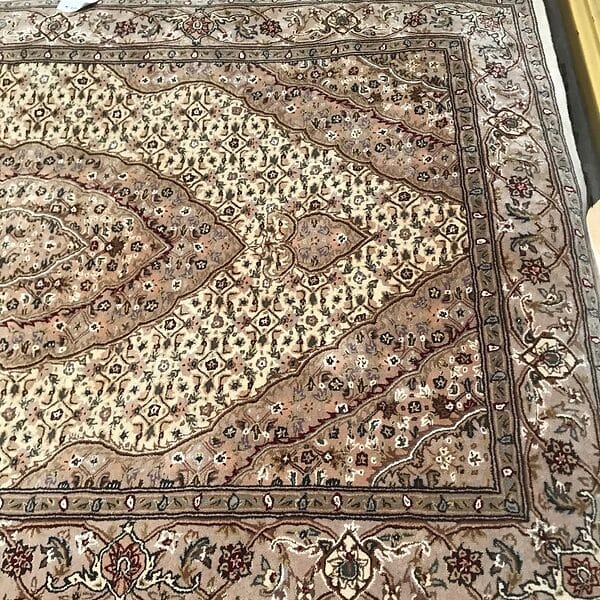
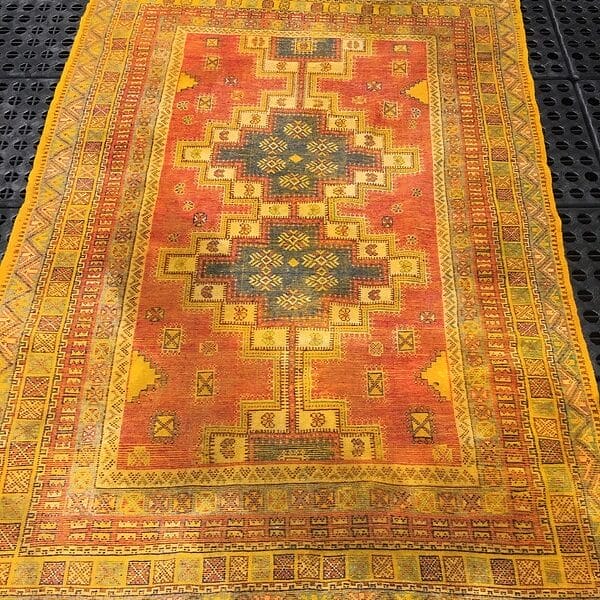
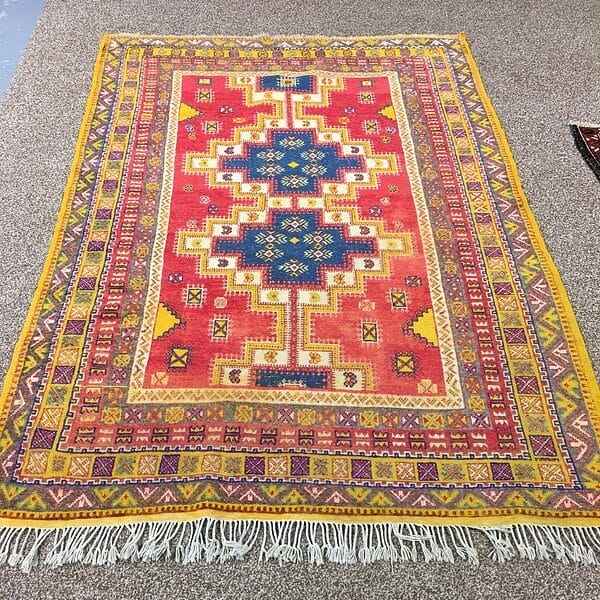
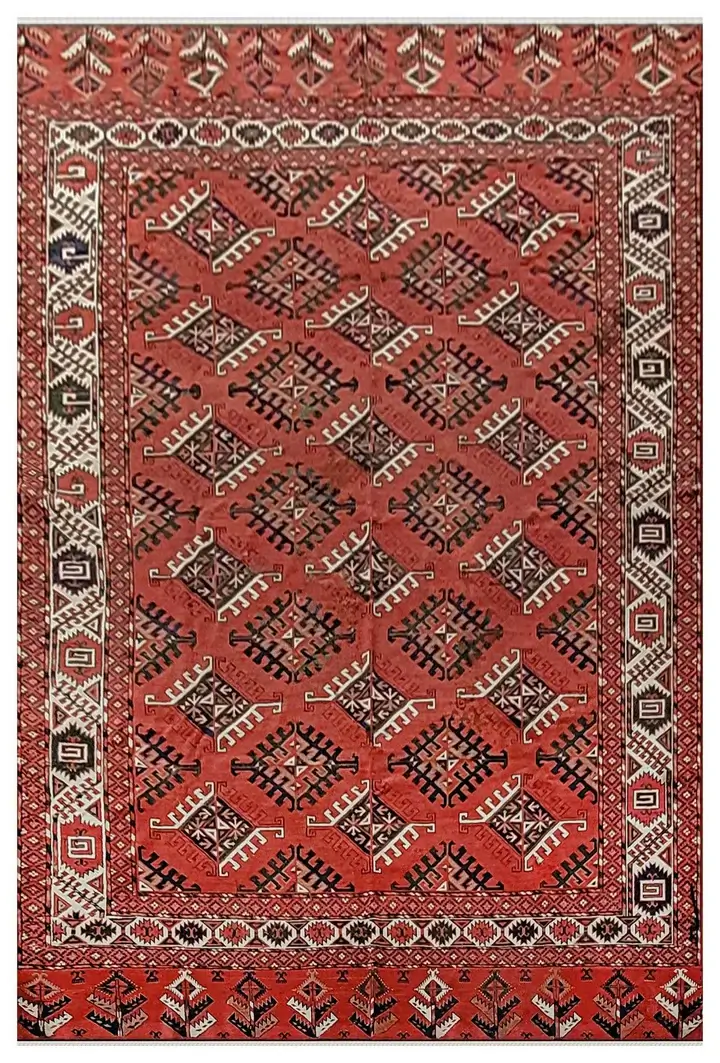
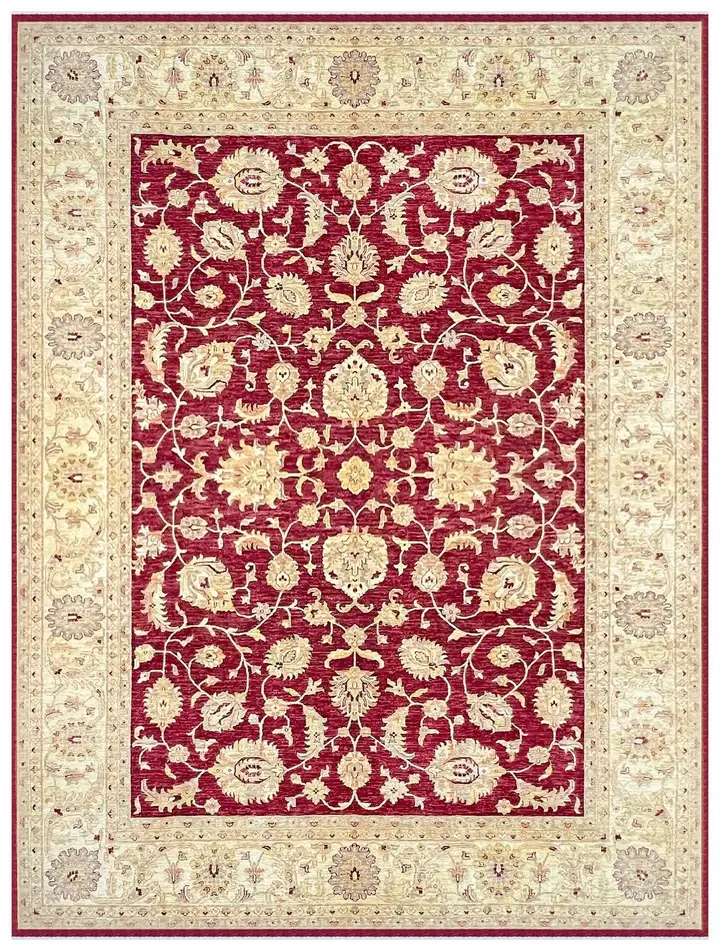
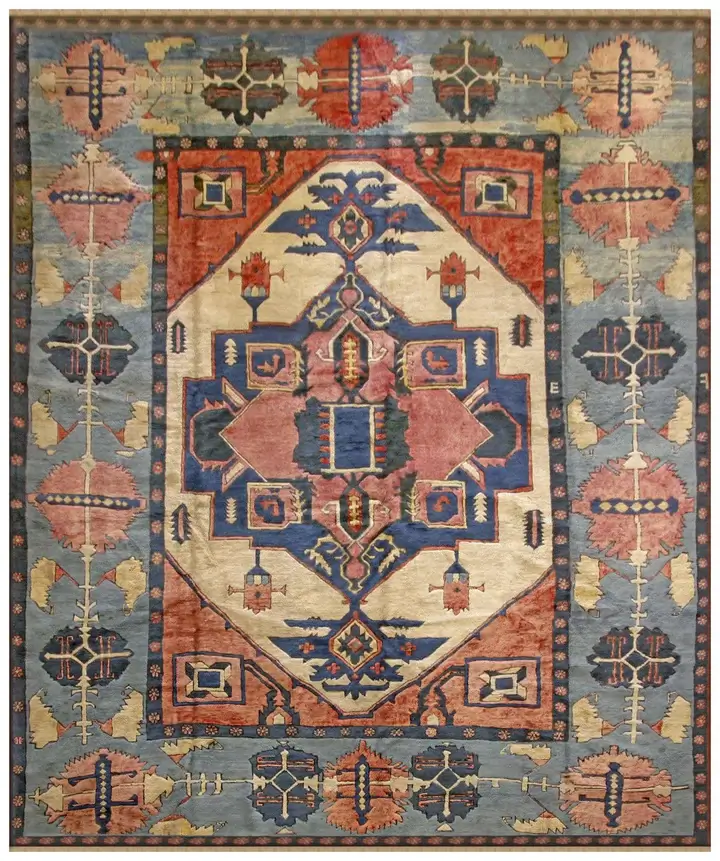
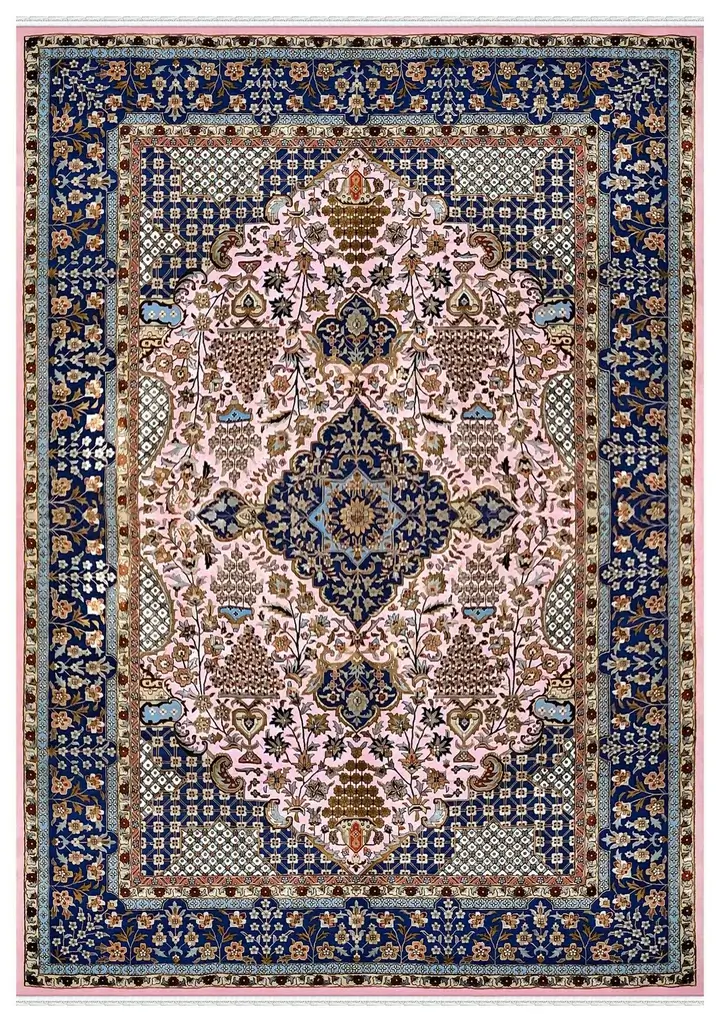
From Persian heirlooms to everyday synthetics. Twenty rug types, each hand washed to a method matched to its fibre and construction. Never a one-size clean.
- 29 years on rugs only
- IICRC-certified technicians
- Washed at our Yatala facility
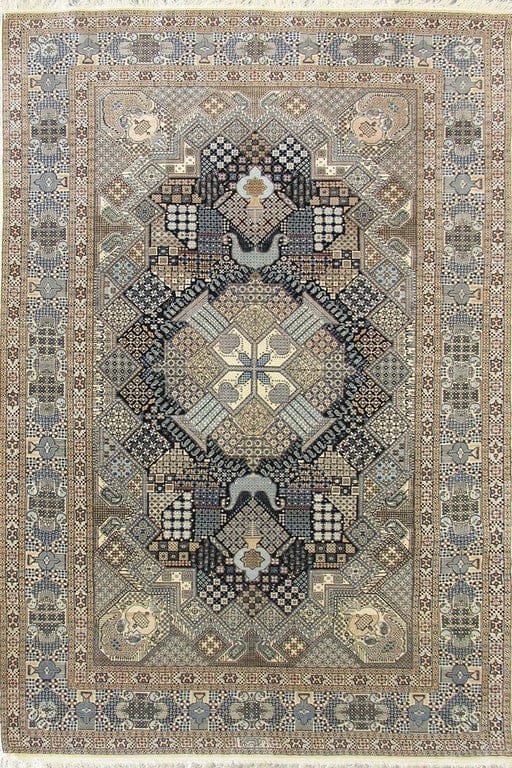
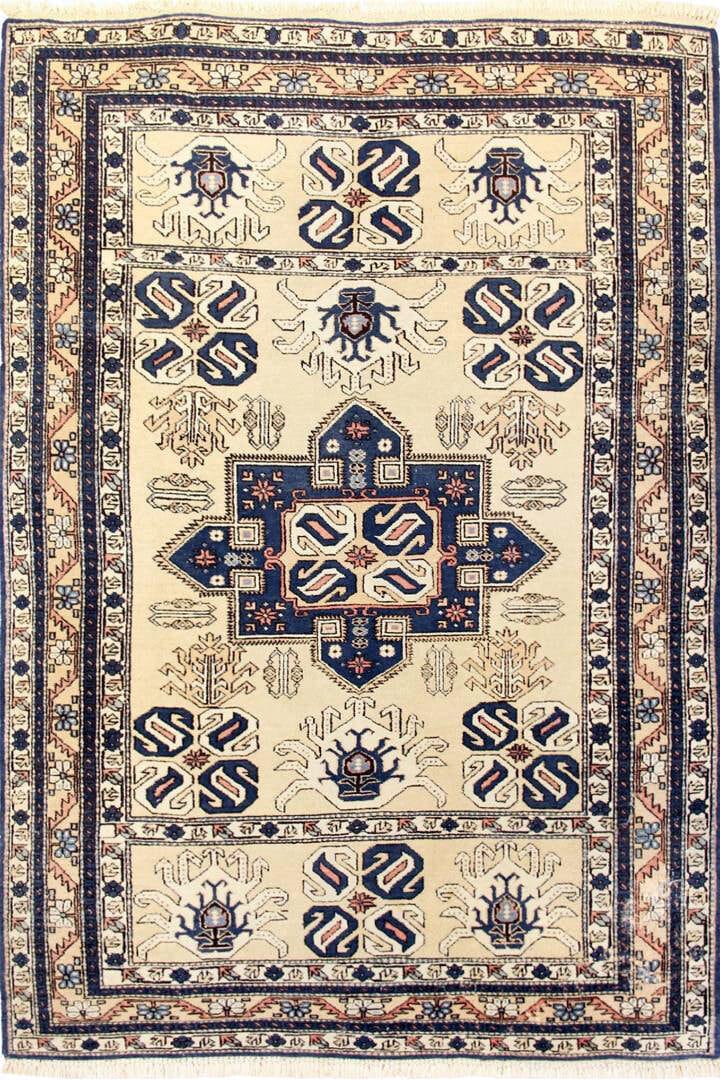
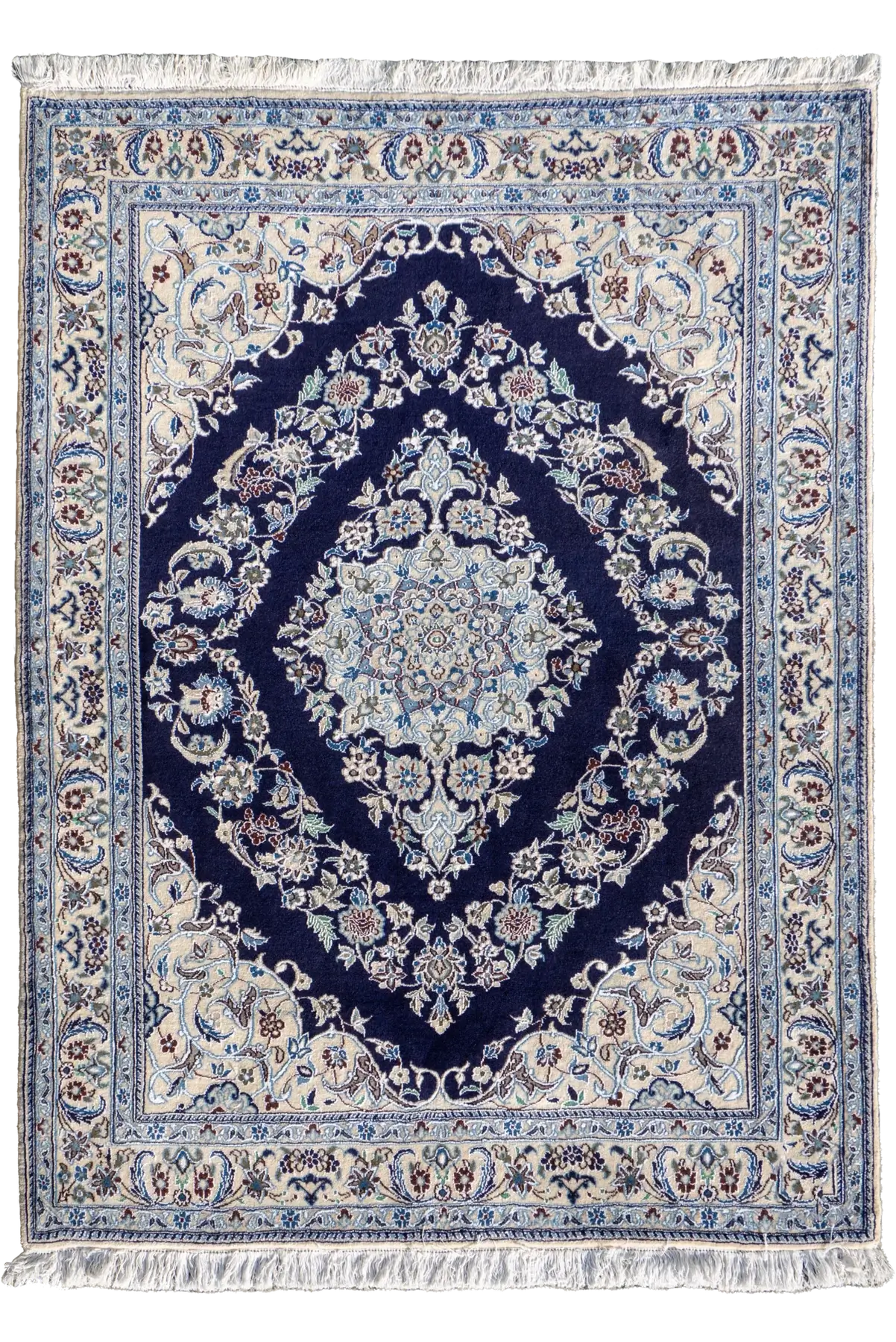
Choose your Ipswich suburb
From the old city ring through the coalfield towns to Springfield and Ripley.
Ipswich corridor questions, answered plainly
How much does rug cleaning in Ipswich cost?
The rug sets it. How big it is, what it is made from, how it was built and the shape it is currently in all get read first, and the number that follows holds through to the invoice. Pickup and delivery are included on the corridor run, and where a rug will not repay the work you are told at the assessment instead of afterwards.
Which suburbs does this corridor cover?
Forty-three of them, running from North, East, West and South Ipswich and the streets around the CBD, out through Booval, Bundamba, Riverview, Redbank and Goodna, and on to Springfield, Springfield Lakes, Springfield Central, Spring Mountain, Augustine Heights and the Ripley Valley. Each one has its own page linked above.
How long does it take, and is a faster option available?
About 7 days door to door on a normal cycle. Express work turning around inside 48 hours is available at additional cost when there is a date to meet. The drying stage is completed either way, because a rug that goes home damp will smell again within the month.
My rug is old enough that I am nervous about washing it. What happens first?
The assessment happens first, and nothing gets wet until it is done. The dyes are tested for movement, the foundation is checked for stability and the fringes are looked at separately. If any of that fails, the rug is cleaned dry with compound instead, and you are told which route it is taking and why before the work starts.
The dog has urinated on the hall runner and the smell keeps coming back. Why?
Because the source is in the backing, not the pile, and nothing applied on the surface reaches it. Urine soaks straight through wool and keeps generating odour from underneath, which is why sprays fade within a fortnight. Submersion rinses the foundation clear, enzymes neutralise the remainder, and complete drying stops the humid months restarting it.
Do you collect from Springfield and Ripley as well as the old city?
Yes, and the Springfield end is actually closer to our wash floor than the CBD is. The whole corridor shares one collection day, so neighbours can be booked together, and there is $20 off each rug after the first when several pieces travel on the same pickup.
Get your free quote today
Tell us about your rug and we’ll take it from there. Free pickup and delivery, and an honest assessment before any work begins.