
Head of navigation on the South Arm, 1876
Rug Cleaning Byangum,
Where the Boats Had
to Stop
A river-flat locality five kilometres from Murwillumbah, established in 1876 at the point where the South Arm stopped being navigable. Heritage timber homes, timber floors, and rugs that have stayed put.
- Safe for delicate and handmade rugs
- 48-hour express service available at additional cost
- Free pickup and delivery on the valley run day
Reveal the Clean
Watch it clean automatically, then take control.
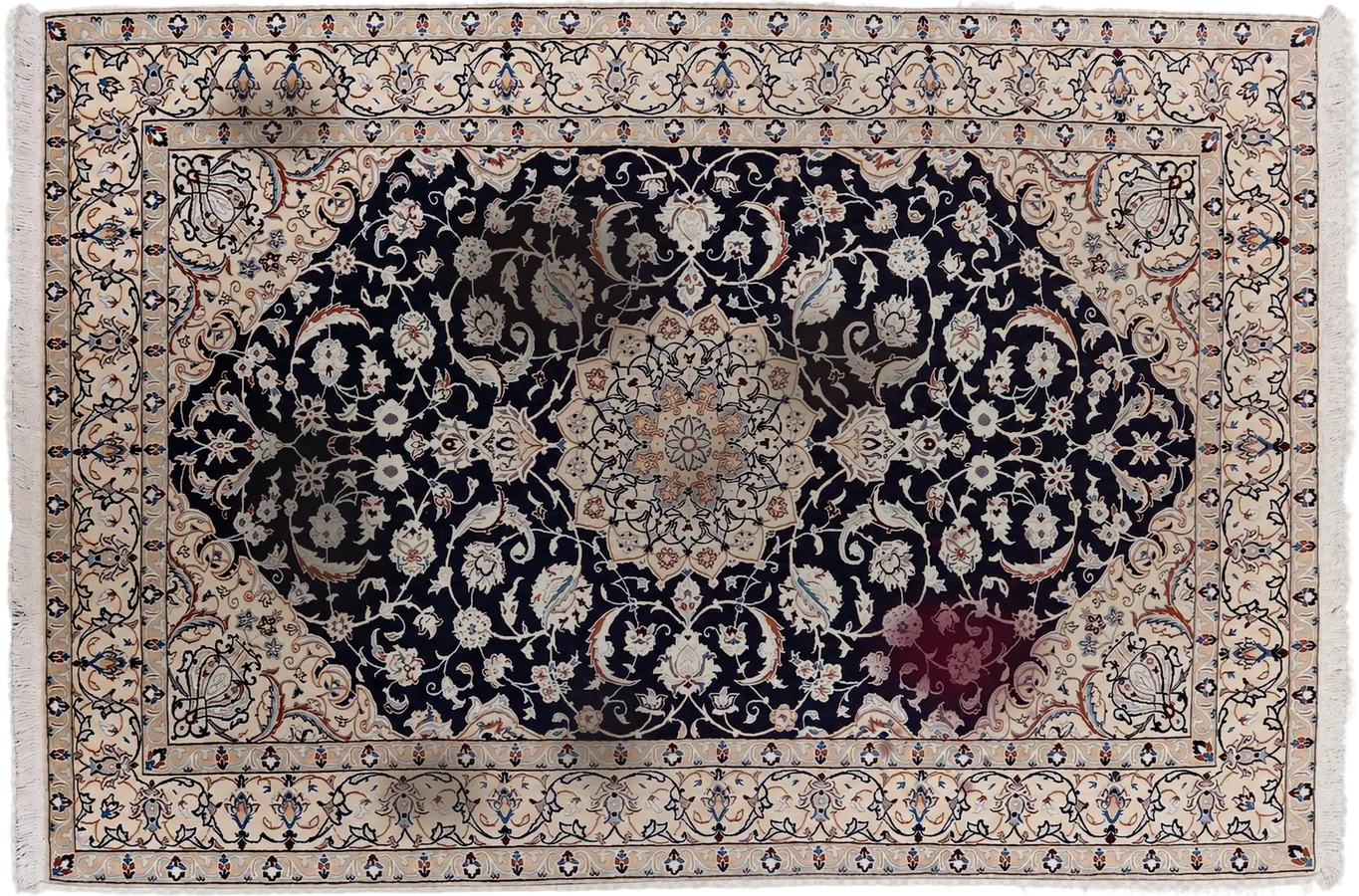
experience
 Expert care
for your rugs
 Free
Freepickup & delivery
 Trusted, licensed
and insured experts
turnaround
 Guaranteed
satisfaction
The base gets read, then the figure gets set
On a river flat the face of a rug is a poor guide to its condition. We read the base first, tell you what we find, and then give a figure. Where years of damp mean a bath would take more than it gave back, that is the answer you get and there is no charge for hearing it.
- 1Rolled at the gateOff timber boards, a verandah or a shed
- 2Base read, then costedOne figure, taken from the rug itself
- 3Bathed by hand at YatalaImmersed whole, rinsed until it runs clear
- 4Back in about 7 daysDried flat under control, groomed, rolled
Get an honest assessment
No obligation · free pickup & delivery · we reply next business day
Rug washing Byangum, on the Murwillumbah leg of the valley run
The point where the water stopped being useful
Byangum was established in 1876 at the head of navigation on the South Arm of the Tweed, which is a plain way of saying it grew up at the exact point where boats could go no further. For years before the present Byangum Bridge was built a ferry carried traffic across the river here, with the mountain standing behind it. That crossing is the whole reason the place exists. It marks where river transport handed over to road and rail, and everything that moved out of the upper valley had to change modes at this spot. Murwillumbah grew into the district's service town partly because Byangum drew the line for it. A hundred and fifty years on, people are still crossing the river in the same place, which is a decent record for a decision nobody wrote down.
Everything that goes out of this valley has to change hands somewhere, and for a century and a half that somewhere was here.
Timber houses from the dairy years
The housing on these flats is heritage timber from the district's dairy and banana era, built well before anybody thought about sealing a house against its climate. The wider valley built its dairy industry on refrigerated transport from the early 1900s, and timber-getters had worked the sub-tropical rainforest here from the 1840s before that, so the houses that survive were put up by people making a living off the land immediately around them. What those houses mean for us is very specific. Wide boards, air moving underneath and gaps everywhere produce a rug that is never completely dry, and damp wool holds soil rather than releasing it. It also means the base of a rug ages faster than its face, so a piece here can look far better than it actually is. That is why we read the reverse first.
Two sources of damp, both constant
Sitting where the South Arm opens into the wider valley puts this locality inside the wettest catchment in the state, and on a river flat the moisture arrives from two directions at once. Air holds it and will not release it for days at a time. Ground damp comes up through a timber floor from underneath. The rug in the middle of that gets no dry period at all, which is why almost every job we take from these flats comes back to the same set of consequences: mustiness before anything visible, growth on the reverse, moths working through damp wool more easily than they would through dry, and silt binding in rather than brushing out. All of it comes out in one wash. All of it returns if the drying afterwards happens in the same air that caused it, which is the entire reason the rug goes north for a week.
The Northern NSW office, and a room with the humidity set
Our Northern NSW office
Premier Rug Cleaning and Washing - Northern NSW
A service area listing rather than a counter to visit. It shows the country we cover, the driver comes to the gate, and the wash itself happens over the border.
Out of the valley, north
The driving is ours to cover and never reaches your quote. Byangum goes on the list with Murwillumbah and South Murwillumbah, and we confirm your window as soon as that day's route is locked in.
A crossing from 1876, dairy country and a population read honestly
A small river-flat locality at the point where the water stopped being a road.
Byangum was established in 1876 at the head of navigation on the South Arm of the Tweed, and for years before the present Byangum Bridge was built a ferry carried traffic across the river here.
A crossing point this old, still doing the same job, is the sort of specific local geography we like knowing before we ever drive up to a house here.
That crossing made this the practical edge of navigable water on this arm, the point where river transport gave way to the road and rail routes that grew Murwillumbah into the district's service town. People are still crossing the river in the same place a century and a half later.
The wider valley built its dairy industry on refrigerated transport from the early 1900s, with timber-getters having worked the district's sub-tropical rainforest from the 1840s before that.
Generations of farming families in the same houses usually means an inherited wool rug that is still the original piece, and those are worth a proper wash rather than a surface clean.
Byangum's position on the flat at the head of navigation made it a natural point for produce to move from valley farms toward Murwillumbah and onward, which makes this a working river-and-farm landscape rather than a town in its own right.
The count fell from 335 at the 2011 census to 133 in 2016 and recovered to 153 in 2021, a swing that lines up with locality boundary changes seen elsewhere in the shire rather than a real collapse.
A locality willing to leave an awkward number on the record is easy company for a business that would rather quote nothing than quote a rug it cannot improve.
The genuine current trend is the 133 to 153 movement, which is real growth for a locality this small and this close to Murwillumbah's own edge, and it is the figure worth paying attention to.
What customers say about Byangum
Rated 5.0 ★ from 8 customersaround Byangum, collected directly from our customers after every clean.
Byangum first, then the valley around it
A small locality has a short card list. The larger figure counts every address we collect from.
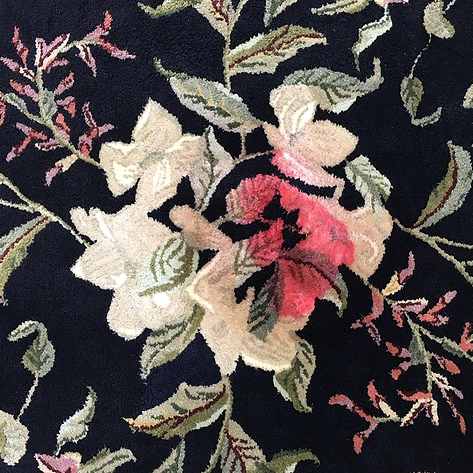
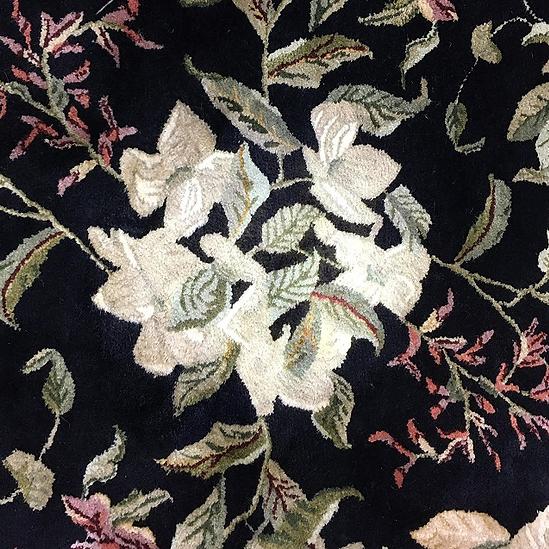
Every weave.
Every origin.
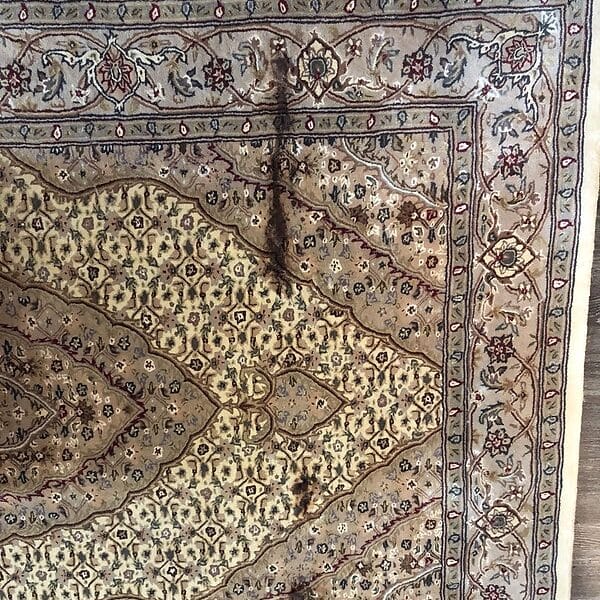
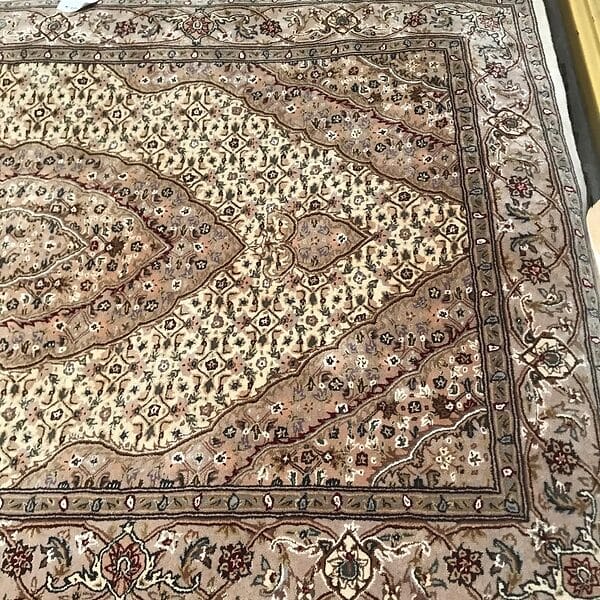
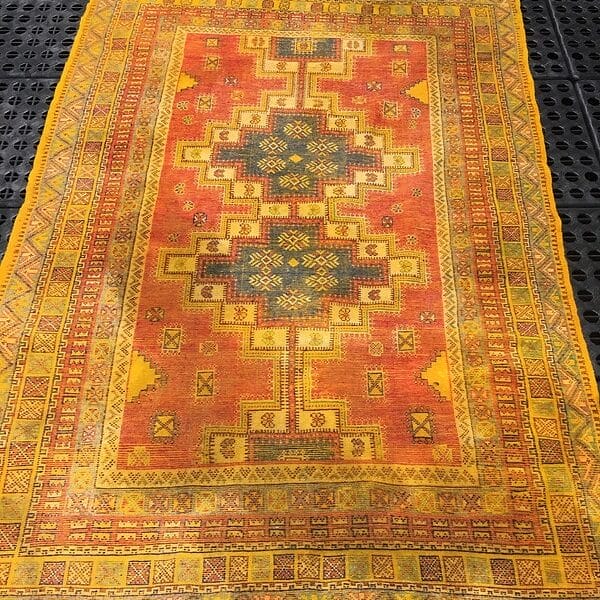
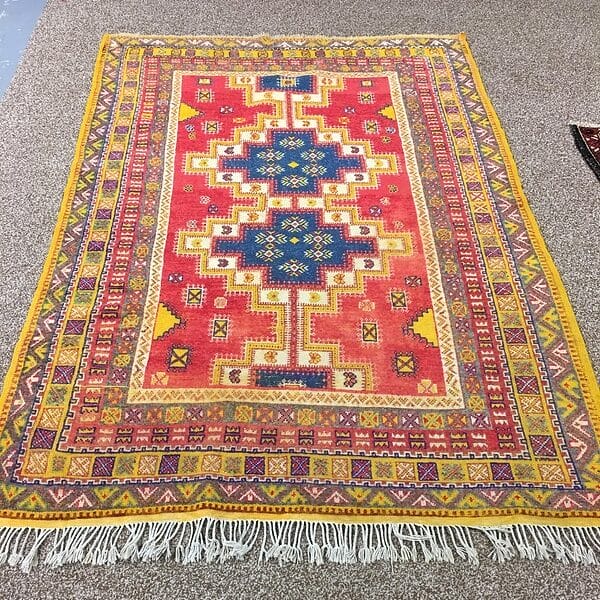
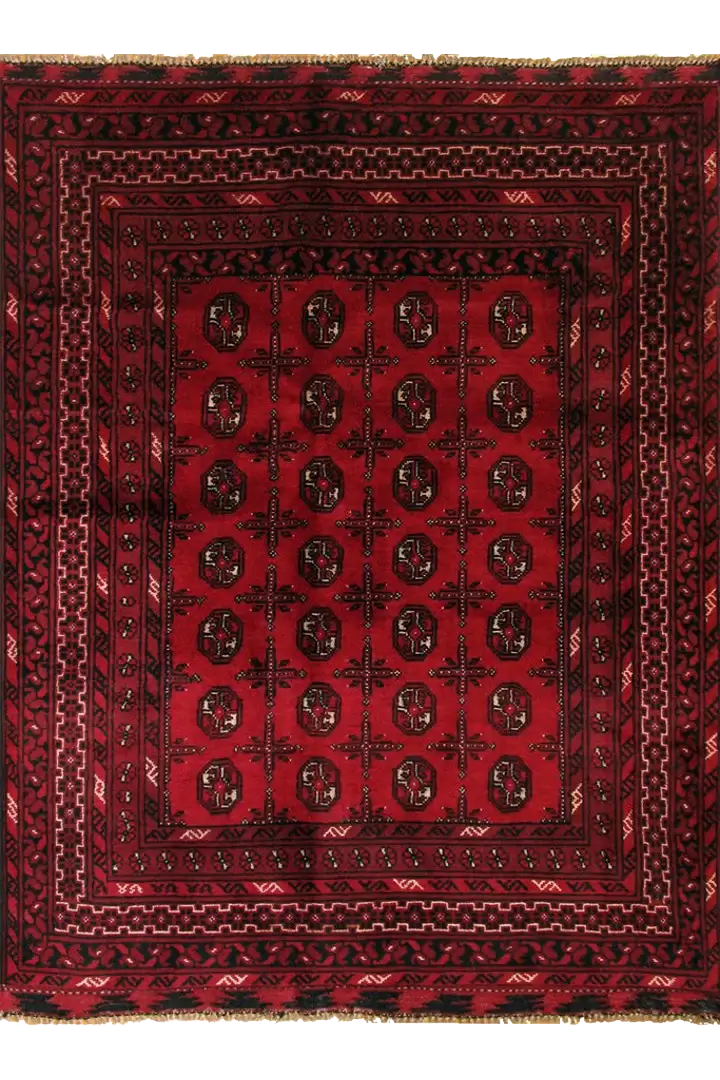
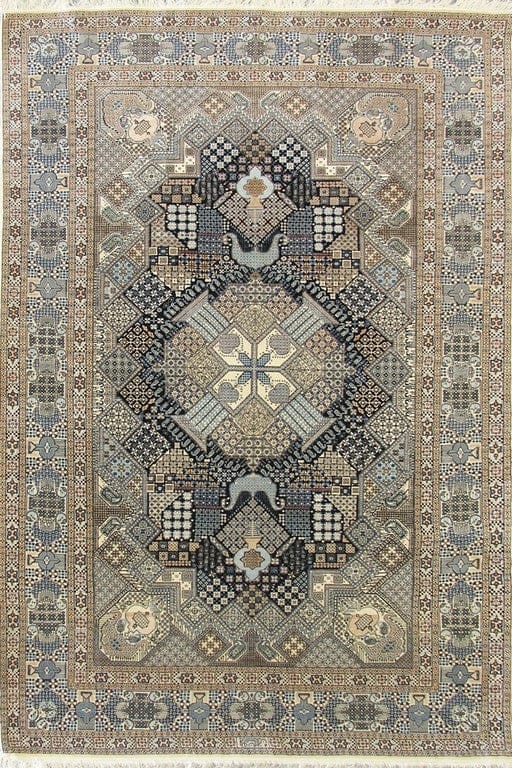
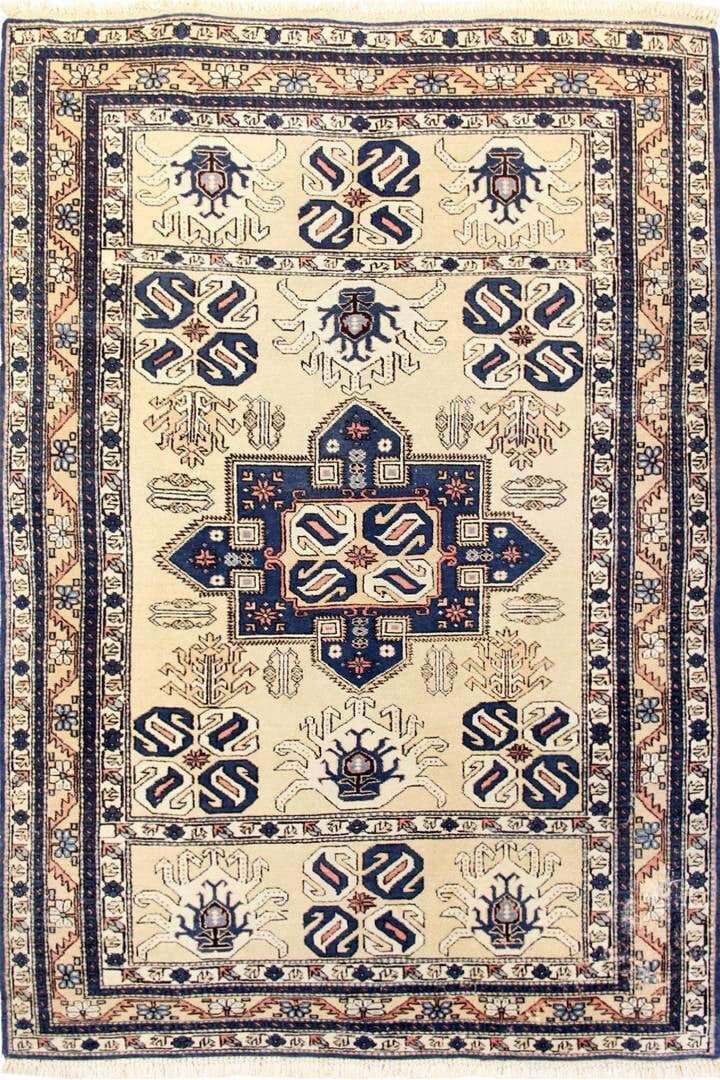
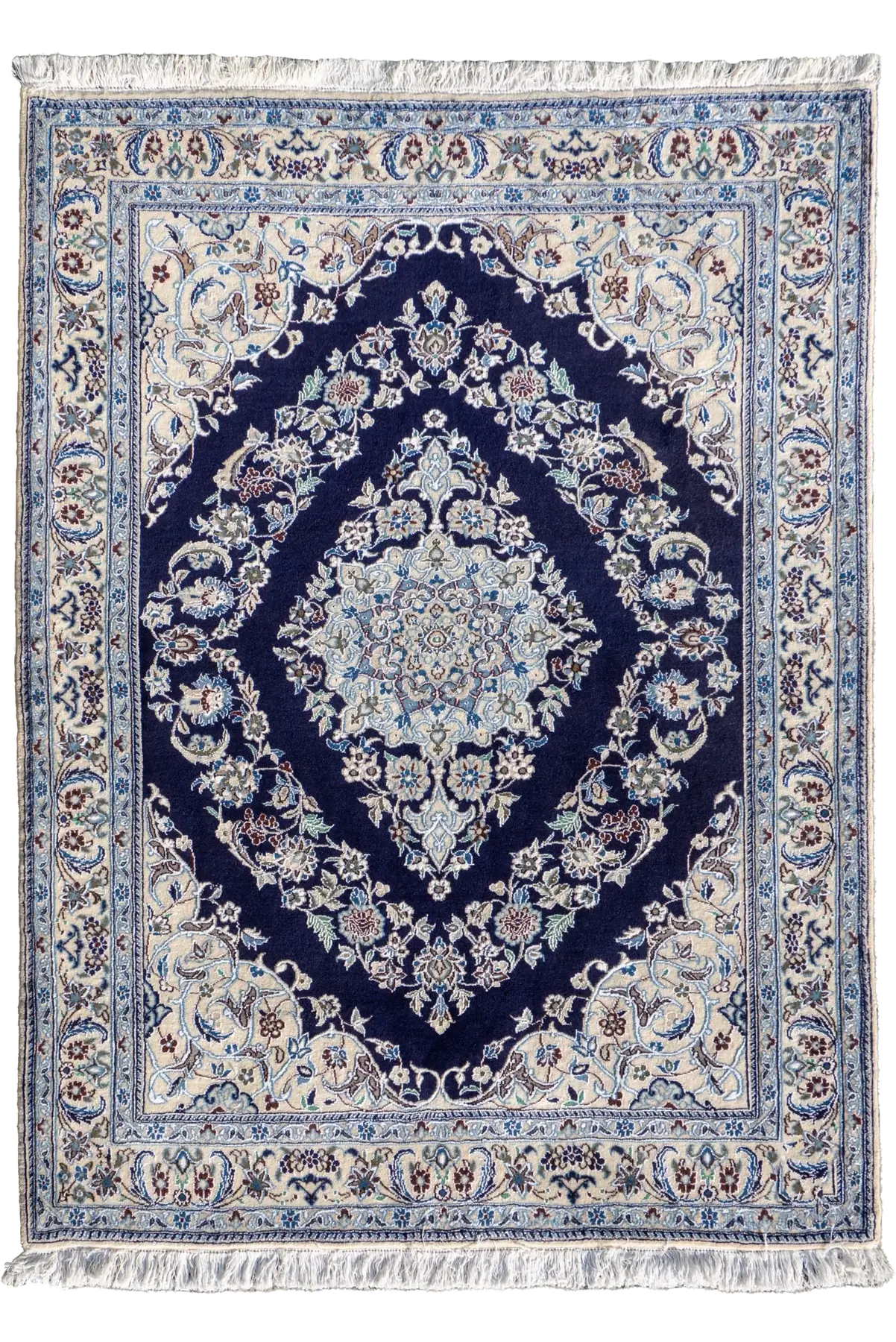
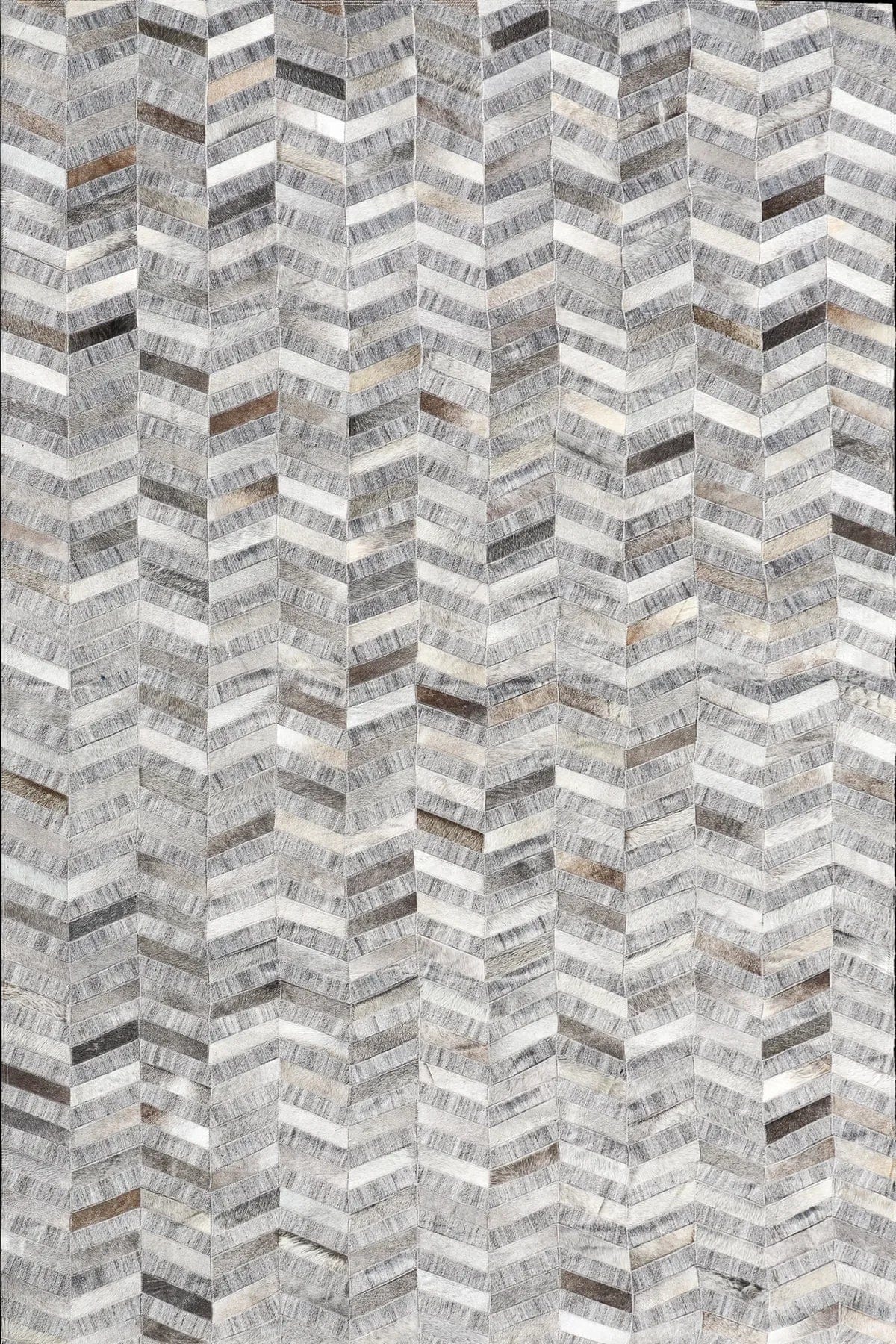
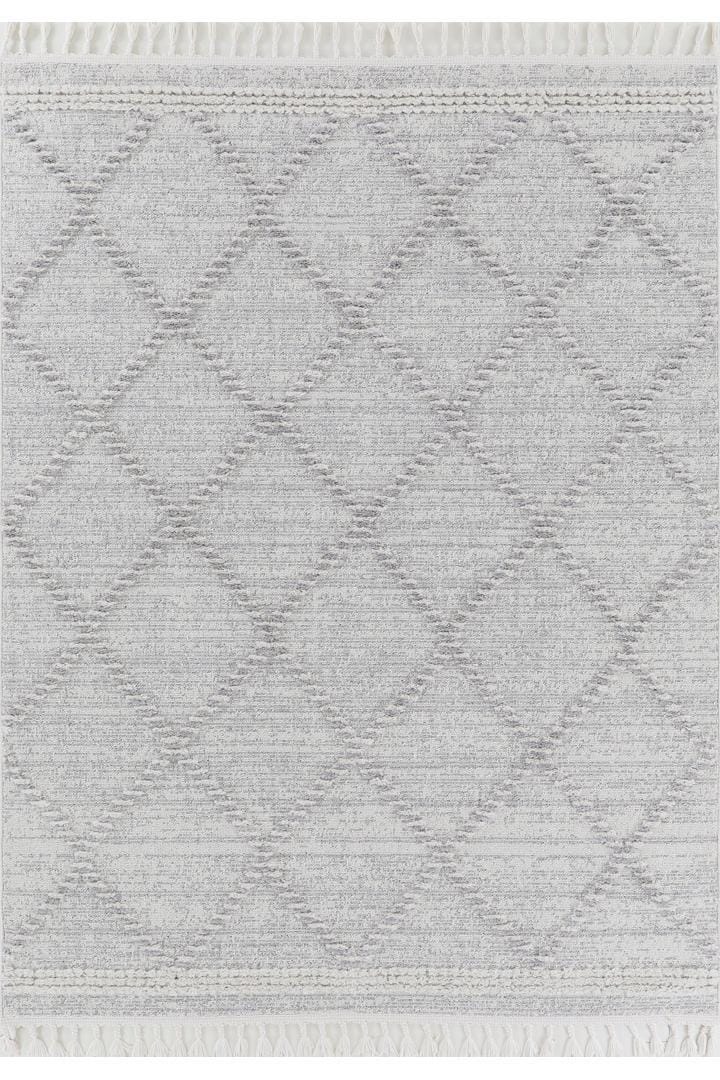
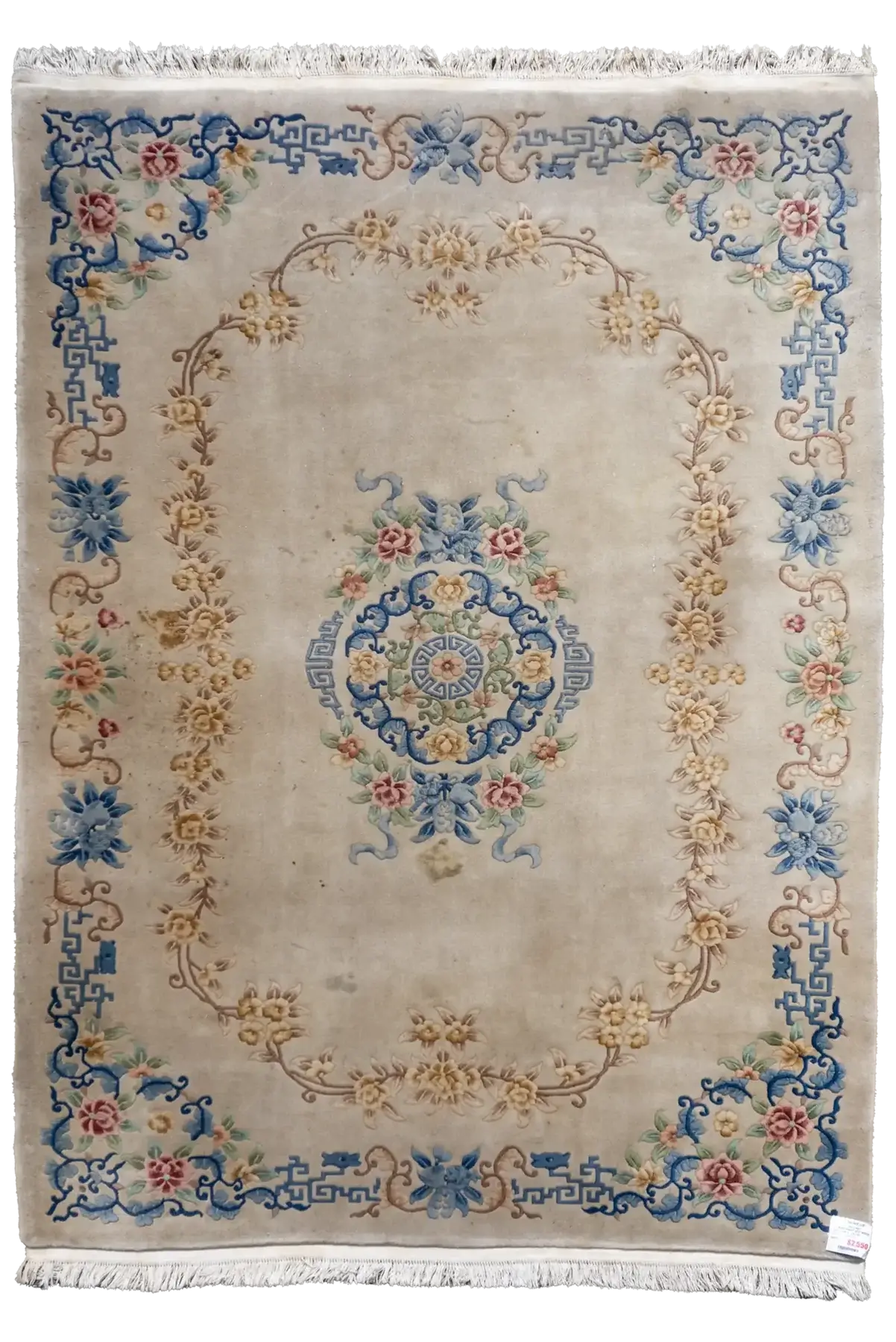
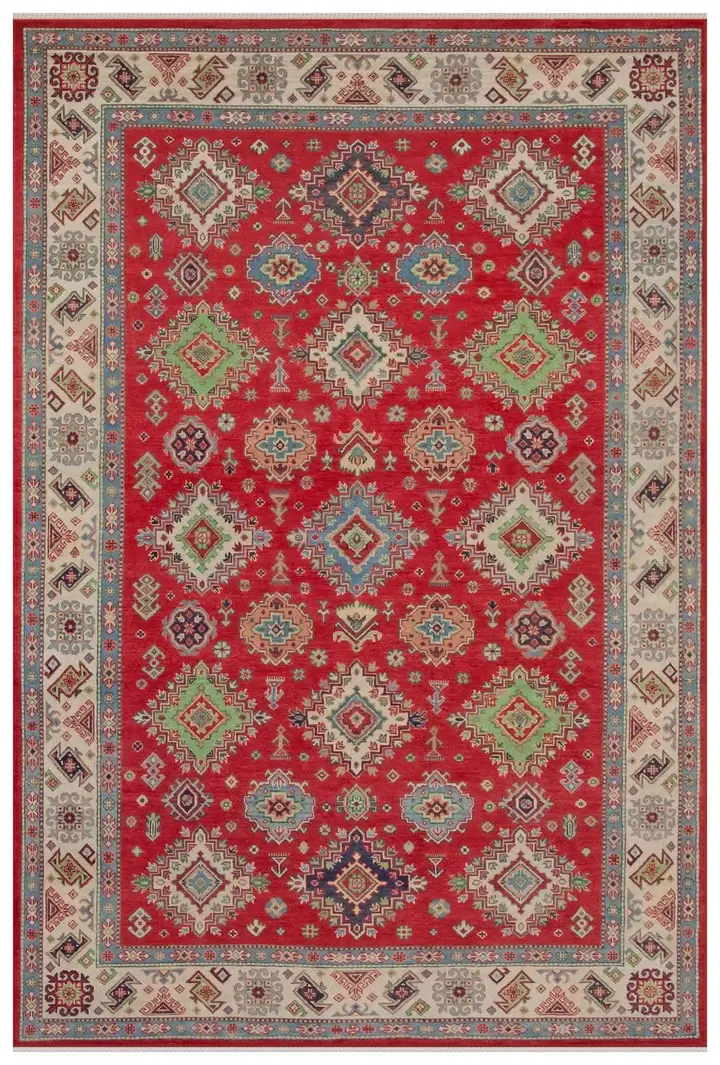
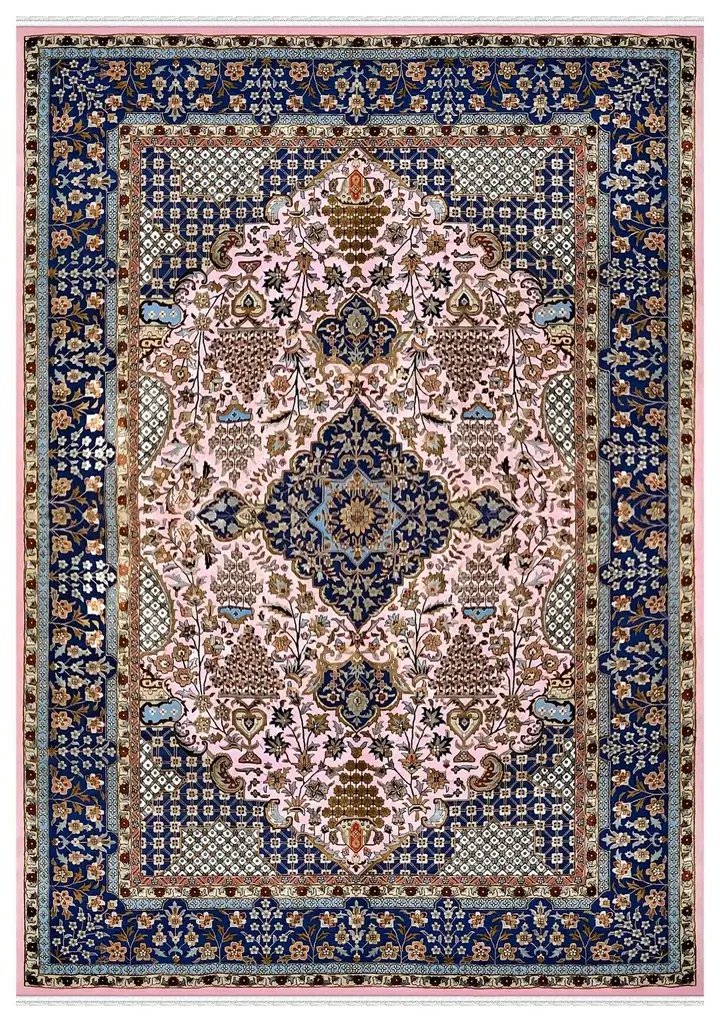
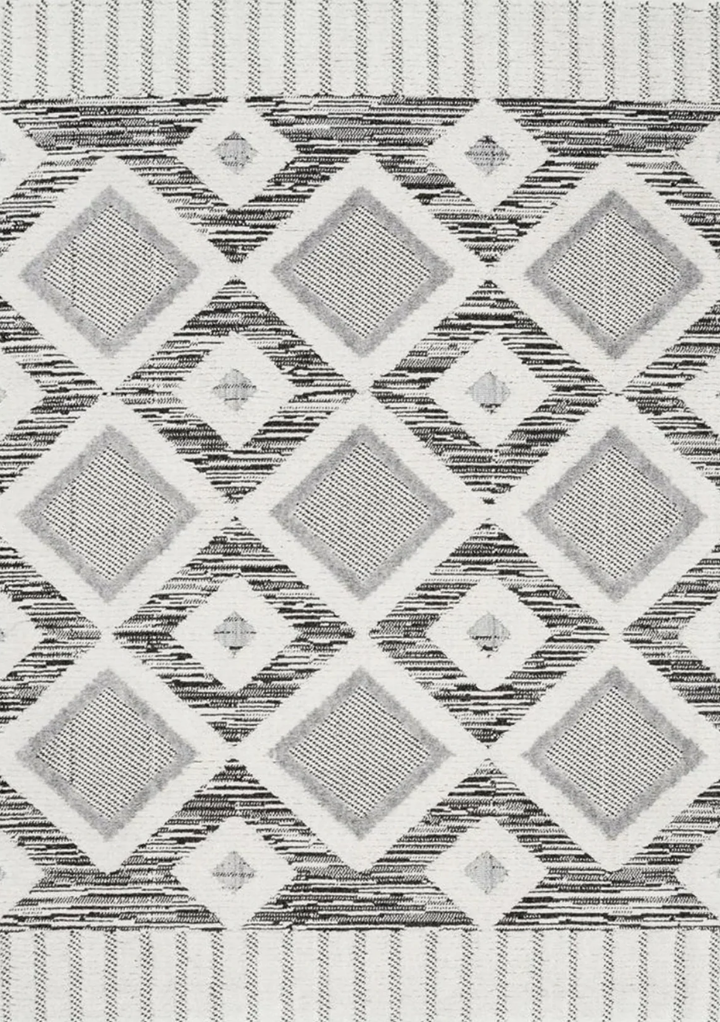
From Persian heirlooms to everyday synthetics. Twenty rug types, each hand washed to a method matched to its fibre and construction. Never a one-size clean.
- 29 years on rugs only
- IICRC-certified technicians
- Washed at our Yatala facility
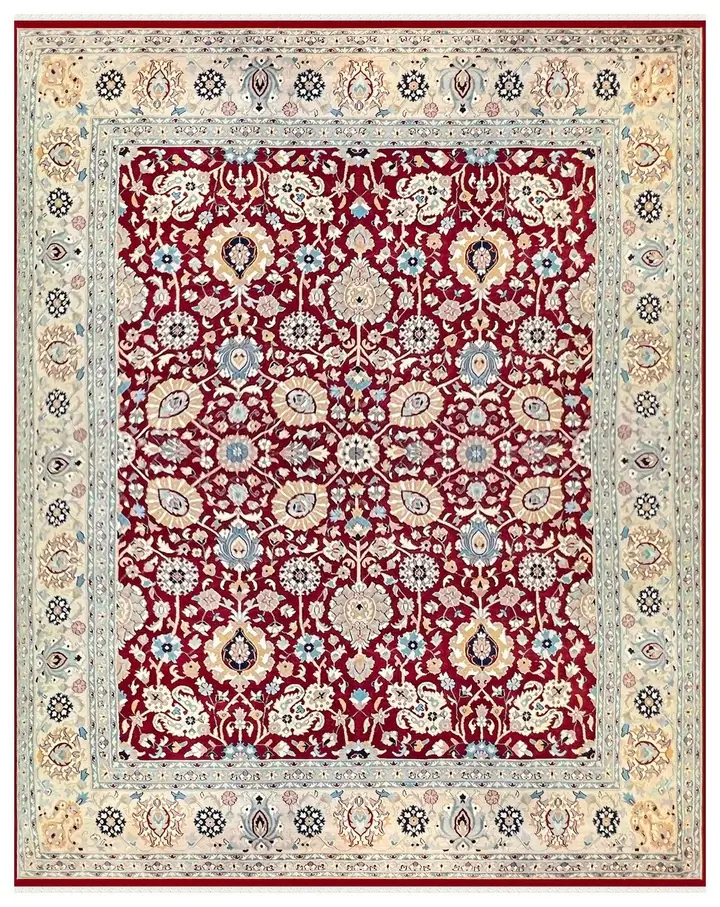
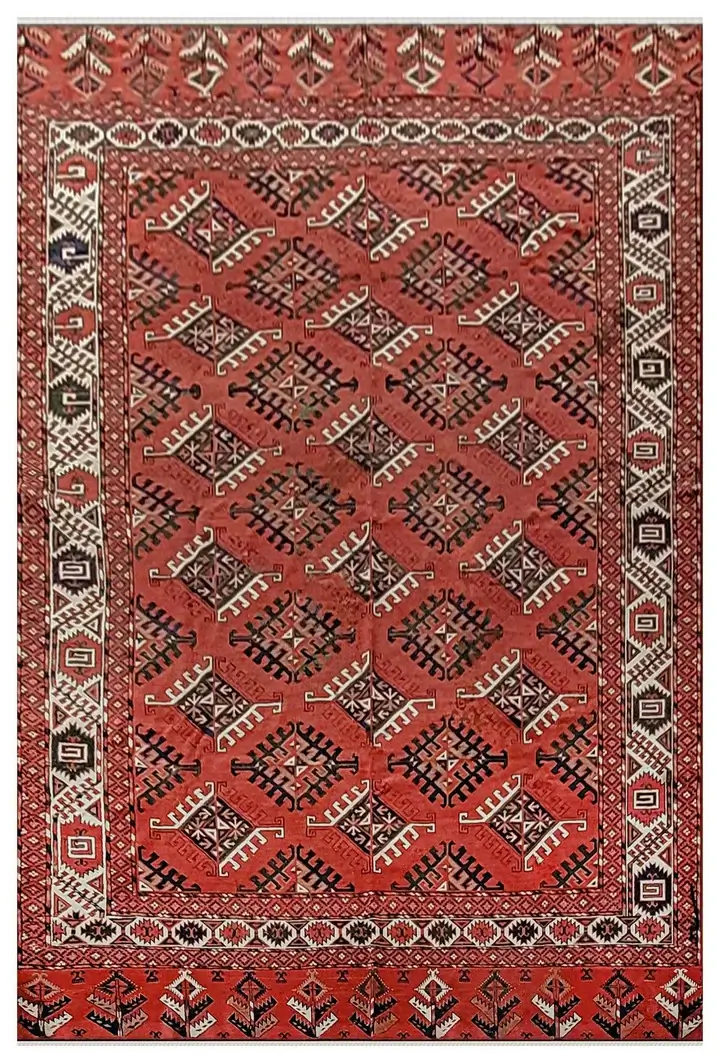
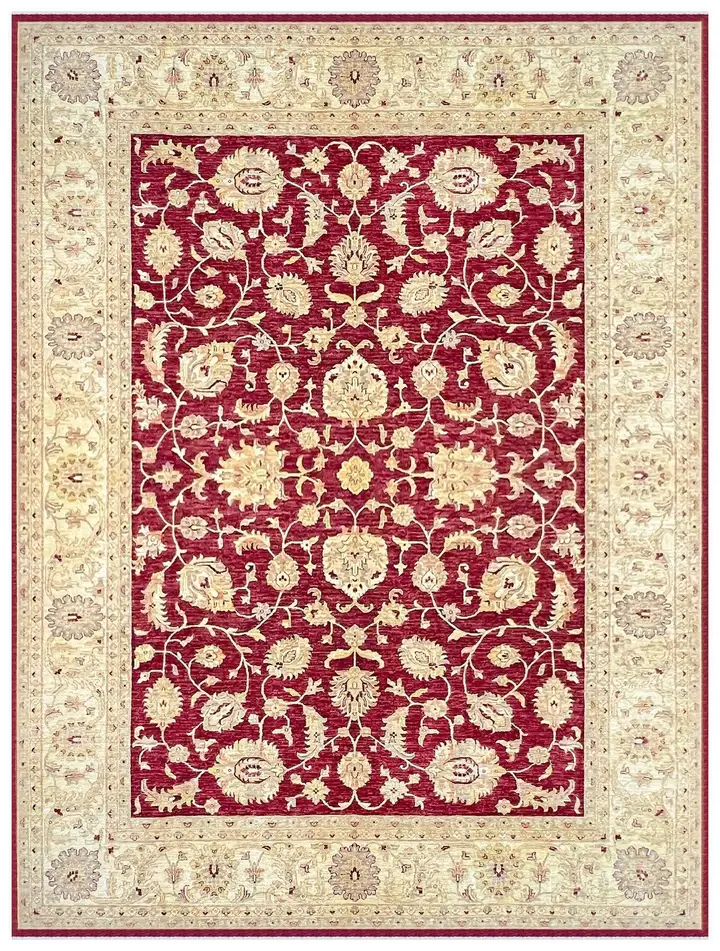
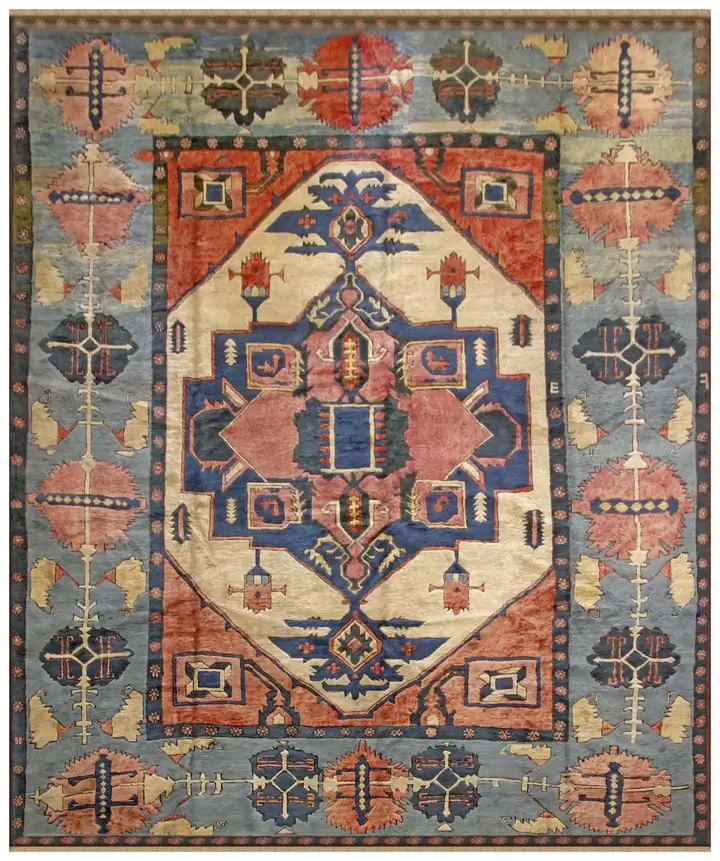
Collected on the same valley day as Byangum
The valley leg works out from Murwillumbah, taking the river flats before the foothills.
Common questions from the South Arm at Byangum
The rug looks fine. Why do you want to check underneath it?
Because on a river flat the face of a rug is the last thing to show trouble. Ground damp works on the foundation from below while the pile still looks respectable, so a piece can be much weaker than it appears. Reading the reverse first tells us whether immersion is safe, and it takes about a minute.
What sets the price for a Byangum rug?
The rug and nothing else. What it is made of, how it is built, how big it is and what state it is in. The number is fixed with the piece opened out, and the run from Murwillumbah is ours, so a flats address costs what a town one does.
It has been in the house since the dairy days. Can it still be washed?
Often yes, and it is worth finding out properly. Age on its own is not the barrier, a weakened foundation is, and years of river-flat damp are what weaken one. If the test says a bath is unsafe we tell you and offer the low moisture alternative with an honest account of what it will achieve.
The dogs come in off the flats and the rug at the door smells. Can that be fixed?
Usually. Out here it is rarely a single incident, it is urine and paddock soil built up in one part of the rug over years, never drying out in between. A full bath removes both at the source rather than at the surface, enzyme work handles the compounds behind the smell, and controlled drying stops it building straight back.
Do you collect from Murwillumbah, Condong and Uki as well?
All three sit on the valley leg, with South Murwillumbah and Dungay taken on the same circuit. Properties here are spread out, so two households sending rugs on one morning makes the day work better, and $20 off applies to each rug after the first.
The room smells musty in winter and clears up a bit in summer. Is that a problem?
It is worth acting on. A smell that comes and goes usually means the base of the pile is holding water and only partly drying out in warmer months, which is enough for growth to keep going quietly. Washed now it clears entirely. Left to cycle for another few years it becomes a treatment job with a less certain result.
Get your free quote today
Tell us about your rug and we’ll take it from there. Free pickup and delivery, and an honest assessment before any work begins.