
Between the motorway and the hills
Rug Cleaning Worongary,
Three Kinds of Country, One Process
Forestry in the northwest, family estates in the northeast, half-hectare blocks through the middle, and three quite different sorts of rug arriving from one boundary. Each is read on its own merits, hand washed at Yatala, and back on the floor in about 7 days.
- Safe for delicate and handmade rugs
- 48-hour express service available at additional cost
- Free pickup and delivery on the hinterland run
Reveal the Clean
Watch it clean automatically, then take control.
experience
 Expert care
for your rugs
 No-hassle
pickup & delivery
 Trusted, licensed
and insured experts
turnaround
 Guaranteed
satisfaction
An honest quote for Worongary households
Three kinds of country send three kinds of rug, so no single printed figure could be honest. Each piece is read on our floor and quoted once from what is there.
- 1Book the day through the formAny hour, and the window follows the run
- 2The driver collects the rolled rugFrom your door, estate street or acreage gate
- 3Hand washed at YatalaFull immersion at the acidity the fibre needs
- 4Back on the floor in about 7 daysDry through the base, groomed and rolled
Get an honest assessment
No obligation · free pickup & delivery · we reply next business day
Rug washing Worongary, across all three belts
A suburb that never settled on being one thing
Worongary is 14.1 square kilometres between the M1 and the foothills, 12.7 kilometres southwest of Surfers Paradise, sitting as the middle panel of the Mudgeeraba corner with Tallai above it and the motorway along its eastern edge. It runs three kinds of country inside one boundary: production forestry in the northwest, established residential streets in the northeast, and rural-residential blocks through the middle and south. Worongary Creek drains toward Clear Island Waters. There were 5,613 residents at the 2016 census and 6,021 in 2021. The name is recorded as deriving from an Aboriginal word describing a vine or the flight of a pigeon, and that is as far as the record safely goes.
The suburb works precisely because the three kinds of country were never blended into each other.
Estates, half-hectare blocks and forest quiet
Subdivision started here in 1979 and has never entirely stopped, which is why the housing runs from renovated originals through to acreage builds still smelling of paint. The northeast holds family estates from the 1980s onward. The middle and south hold the rural-residential belt, where blocks typically run 4,000 to 5,000 square metres, big enough for the shed, the pool fence and the horse float. The northwest is production forest and stays quiet. Rugs follow the same pattern exactly: hard-working family synthetics and wool blends in the estates, bigger and better wool on the acreage, and the occasional inherited Persian turning up in either. Because the belts developed at different times, they also send us rugs at different stages of life. The estate streets tend to produce first washes on pieces about a decade old, while the acreage sends bigger and older wool that has been kept properly and simply needs the load taken out of it.
Range-backed weather over all three belts
Worongary catches the same weather as Mudgeeraba next door: storm cells that back up against the range and drop harder rain than the beach strip sees, damp air that lingers between the hills afterwards instead of moving on, and cool winters that keep wood heaters going on the bigger blocks. Family households then add pets and school traffic to that. What the humidity does is keep things active. A spill that would dry out and go quiet on the coast stays chemically busy here, a pet accident keeps reasserting itself every wet week, and mould gets underway under furniture well before anyone notices a smell. Meanwhile acreage dust and shed grit work their way down through the pile to the foundation, where no vacuum head has ever reached. A full immersion wash at Yatala takes out the whole load in one process, and our controlled drying room finishes the piece properly, which is the step that decides whether the rug stays fresh through the next wet fortnight.
Our Gold Coast office, and the floor the washing happens on
Our Gold Coast office
Premier Rug Cleaning and Washing - Gold CoastUnit 9/38 Computer Rd
Yatala QLD 4207
Our Gold Coast office keeps the Computer Road address in Yatala, which doubles as the wash floor. All quoting and run scheduling happen at the office, and the rug is handled by our own team throughout.
From all three belts to one floor
The distance is ours. Worongary sits in the busiest corner of the hinterland run, so both trips ride the schedule and the window comes with the day.
A dairy that ran 85 years, three belts of country, a school that came late
How a farming corner became a suburb without choosing one identity.
The heritage-listed dairy farmhouse on Worongary Road, worked by one family from about 1901 to about 1986.
One family, one farm, 85 years of turning up before dawn. That is the standard a 29-year rug business measures itself against, and the honest assessment is where it shows.
The Schmidt farmhouse and its outbuildings, a dairy, a barn and a separate kitchen house, went up between the 1880s and about 1910 on land that had been part of a pastoral run in the 1850s. Johann Karl Schmidt, who emigrated from Germany in 1881 at 21, moved his family onto the property around 1901 and took title in 1912, and the Schmidt-Kurth family milked here for roughly 85 years until about 1986. It was added to the Queensland Heritage Register on 8 April 1997 and is recorded as one of very few 19th-century farmhouses left standing in the Gold Coast hinterland. Its grounds now also host a small volunteer-run military history museum.
Forestry in the northwest, family streets in the northeast, half-hectare blocks in between.
Three kinds of country send us three kinds of rug: estate family pieces, acreage wool and the odd inherited Persian. All three get the same immersion process and the same complete dry.
Worongary never settled on being one thing. The northwest corner still grows production forest, the northeast filled with family estates once subdivision began in 1979, and the middle and south hold the rural-residential belt where blocks typically run 4,000 to 5,000 square metres, big enough for the horse float and the shed. The Worongary Village shopping centre arrived in 2004 to serve all three at once. The suburb works precisely because the three kinds of country were left separate rather than blended together.
Worongary State School opened on 1 February 1993, nine decades after the district's name went on the map.
Suburbs that grow late tend to grow fast, and school-run households are exactly who form-first booking suits: rolled rug at the door in the morning, back washed and dry in about a week.
For most of its history Worongary was farmland with its name on a railway stopping place, and its children schooled in the neighbouring town. The suburb only got a school of its own on 1 February 1993, when Worongary State School opened to serve the estates then filling the northeast. The Hinterland Baptist Church followed in 1995, setting up in a relocated timber building, and between the school, the church and the 2004 shopping village, the corner finally acquired all the fittings of the suburb it had quietly become.
What customers say about Worongary
Rated 4.9 ★ from 8 customersaround Worongary, collected directly from our customers after every clean.
Worongary's verdicts, then the whole coast
The cards above come from Worongary addresses. The larger figure covers every suburb our vans collect from.
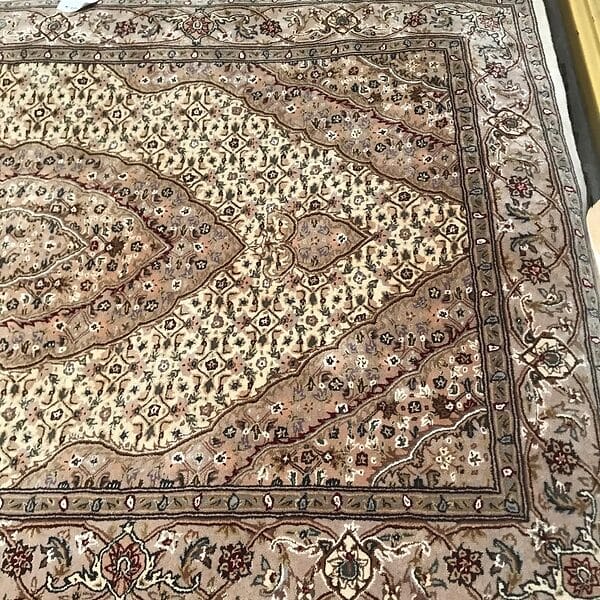
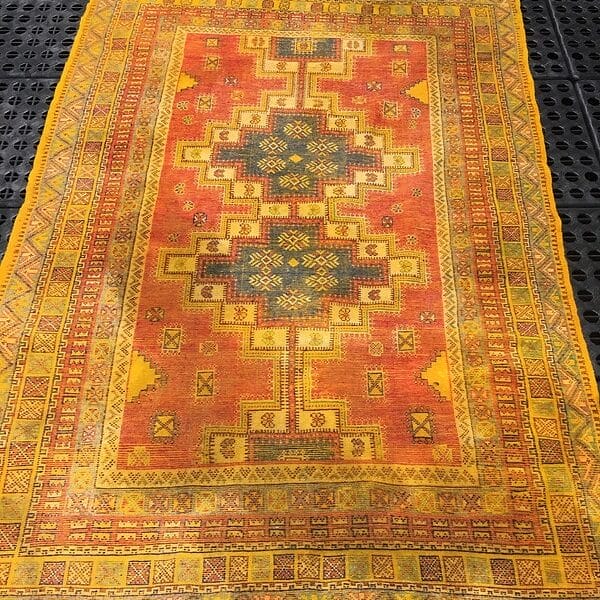
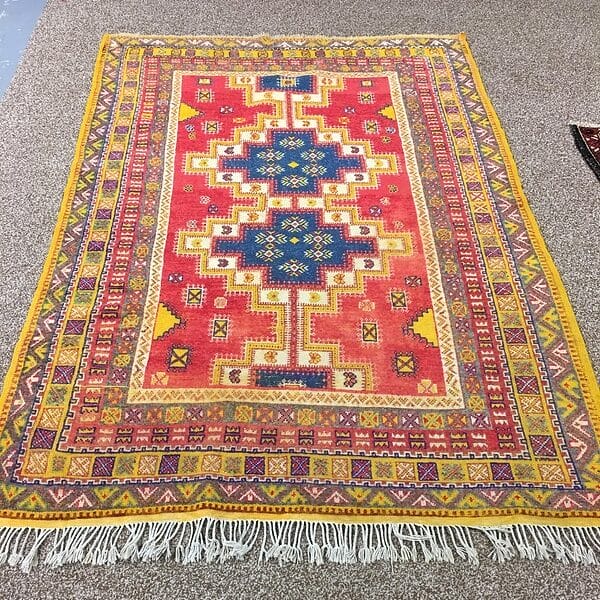
Every weave.
Every origin.
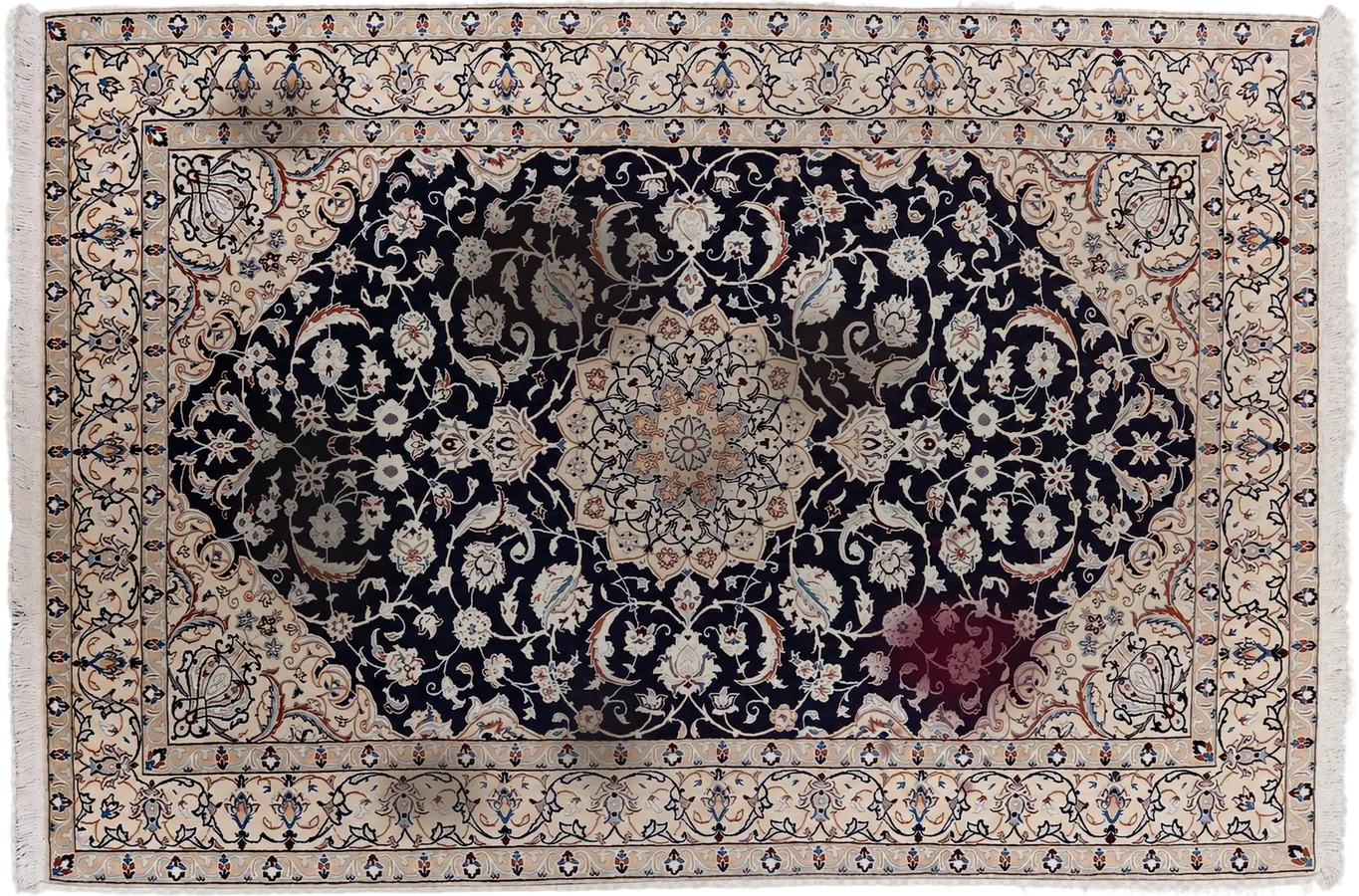
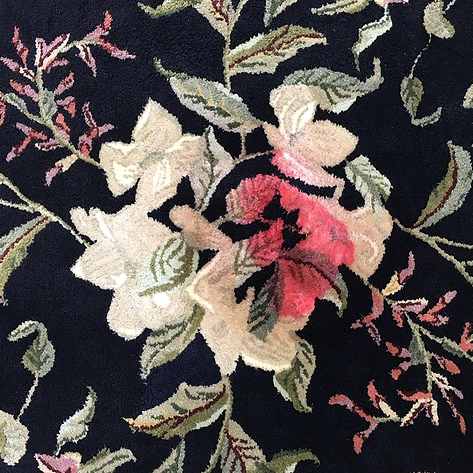
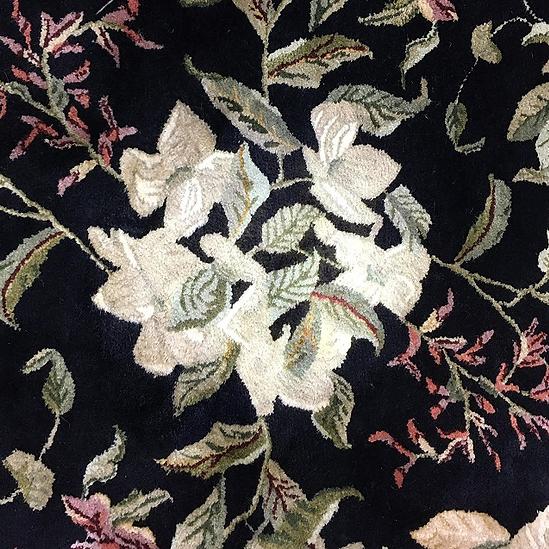
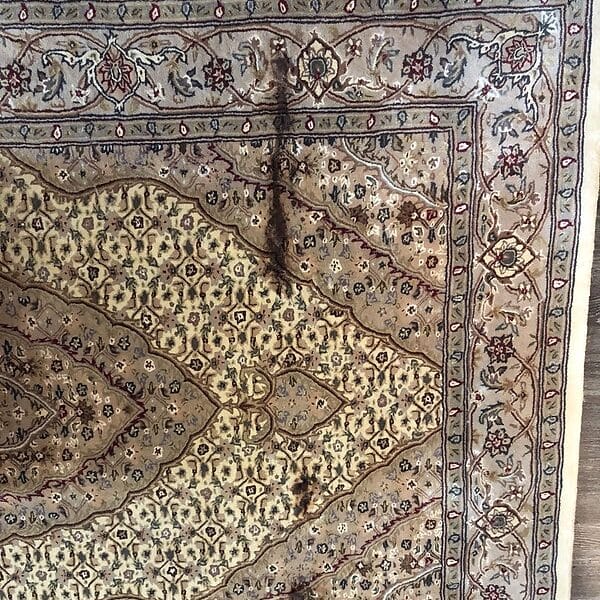
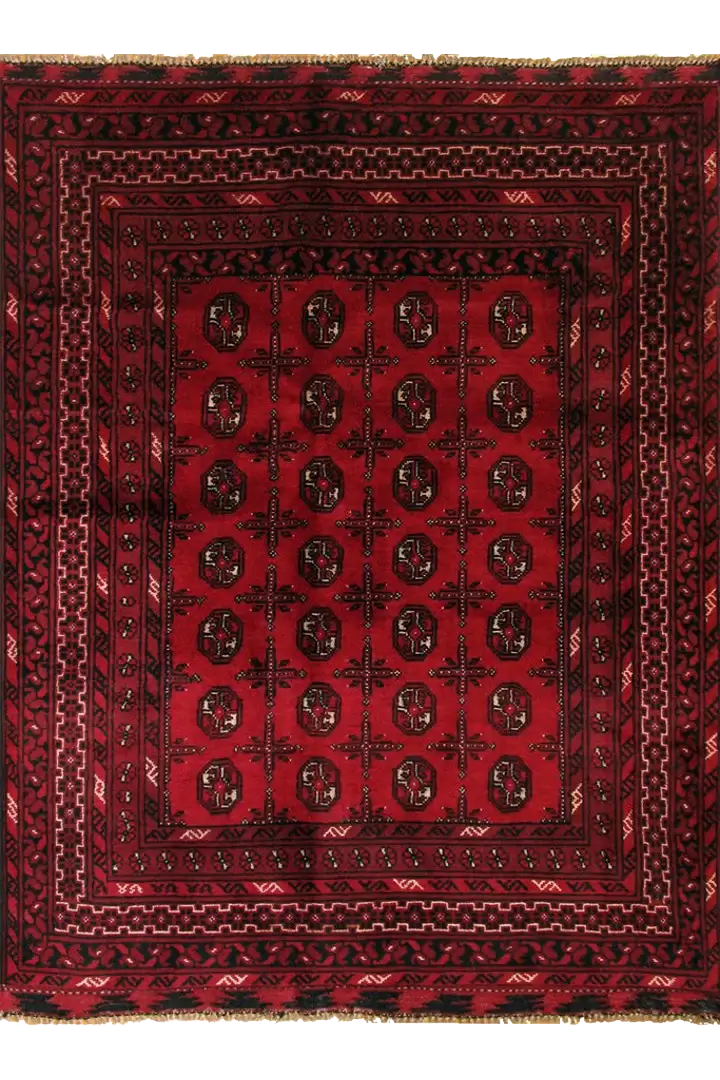
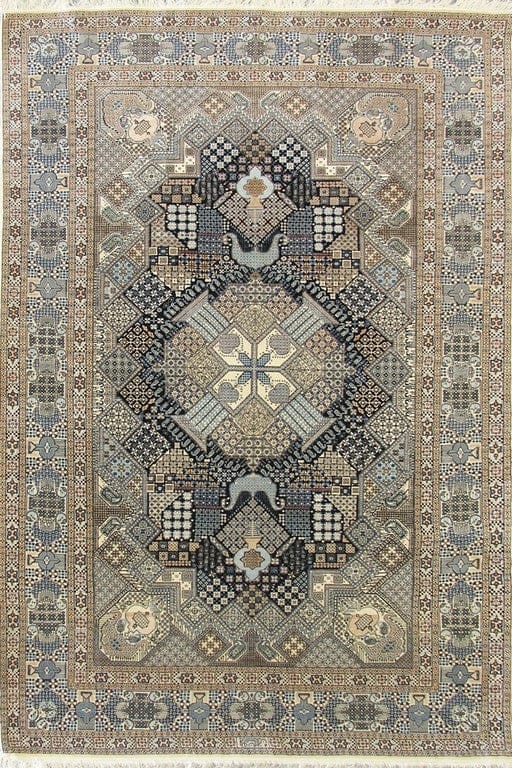
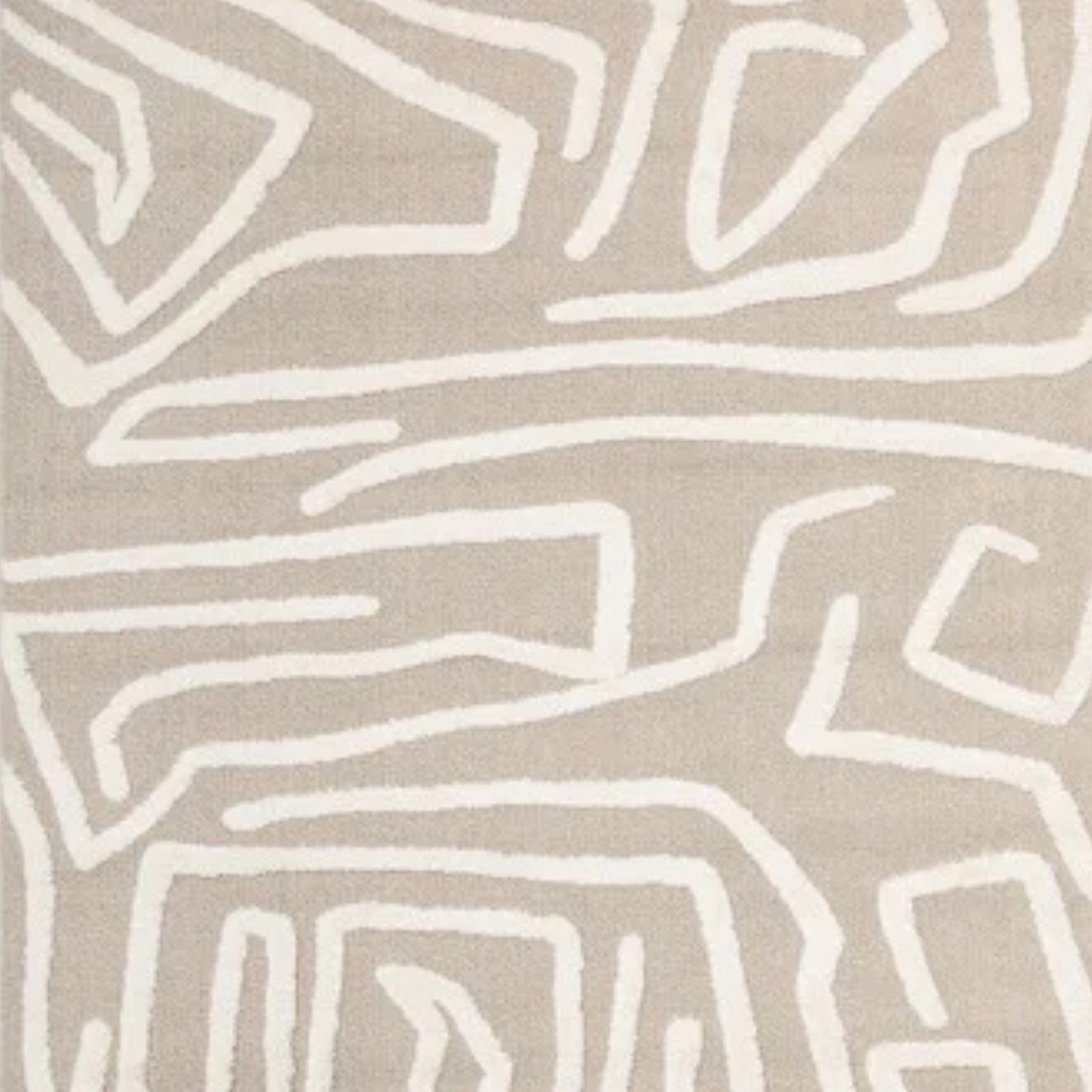
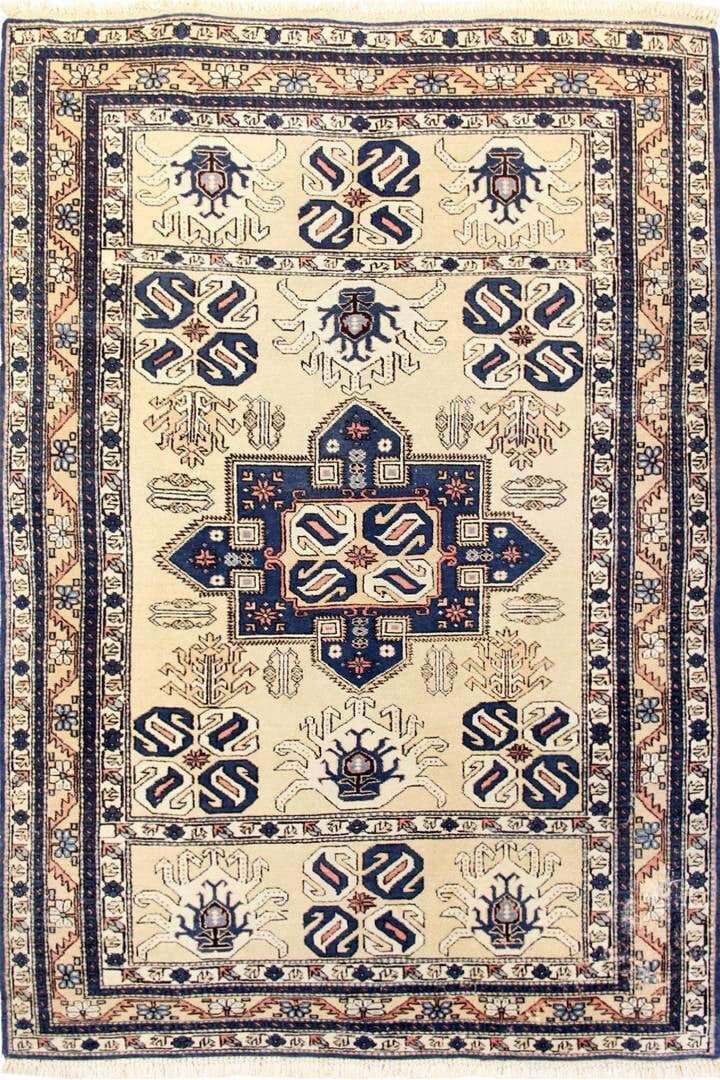
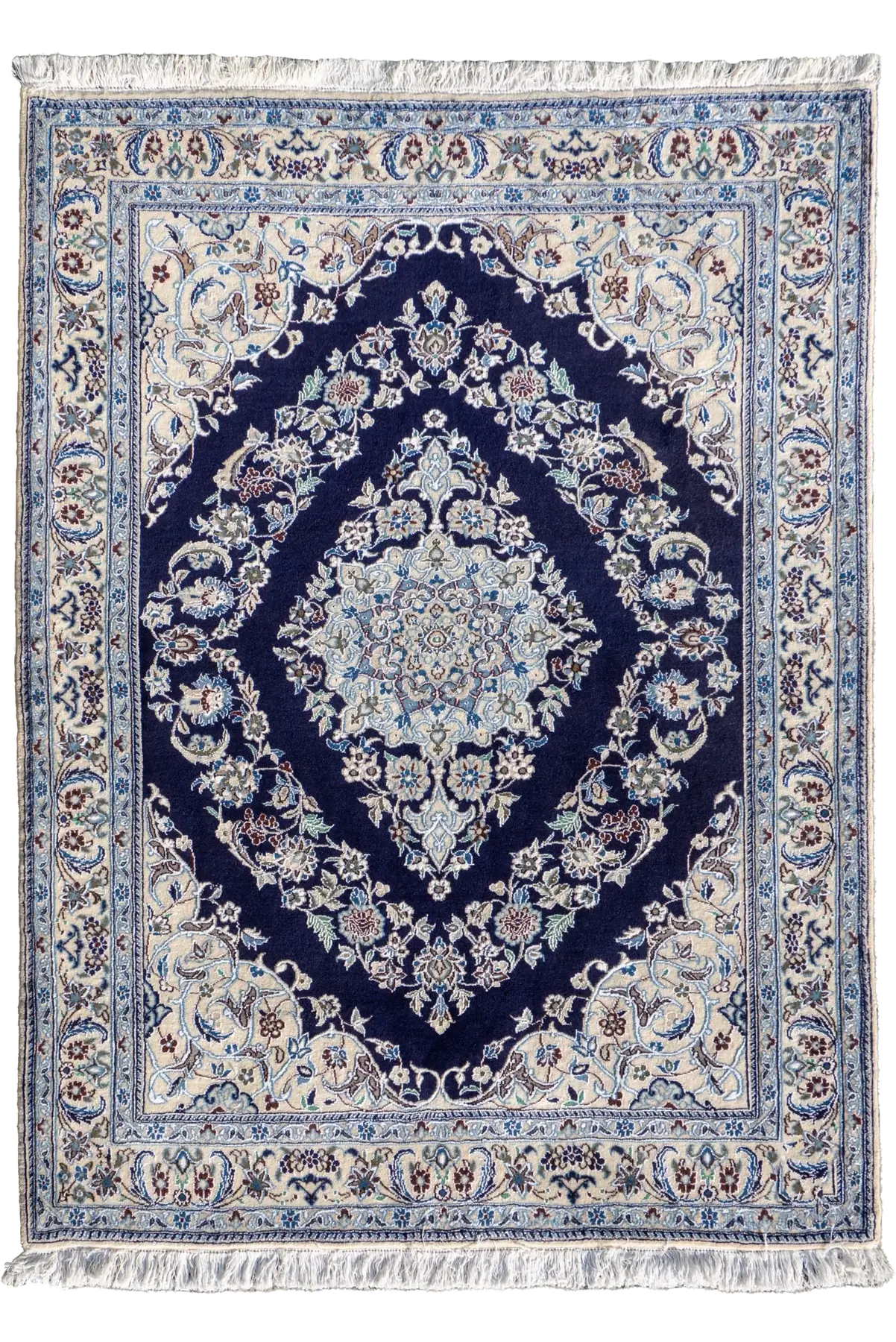
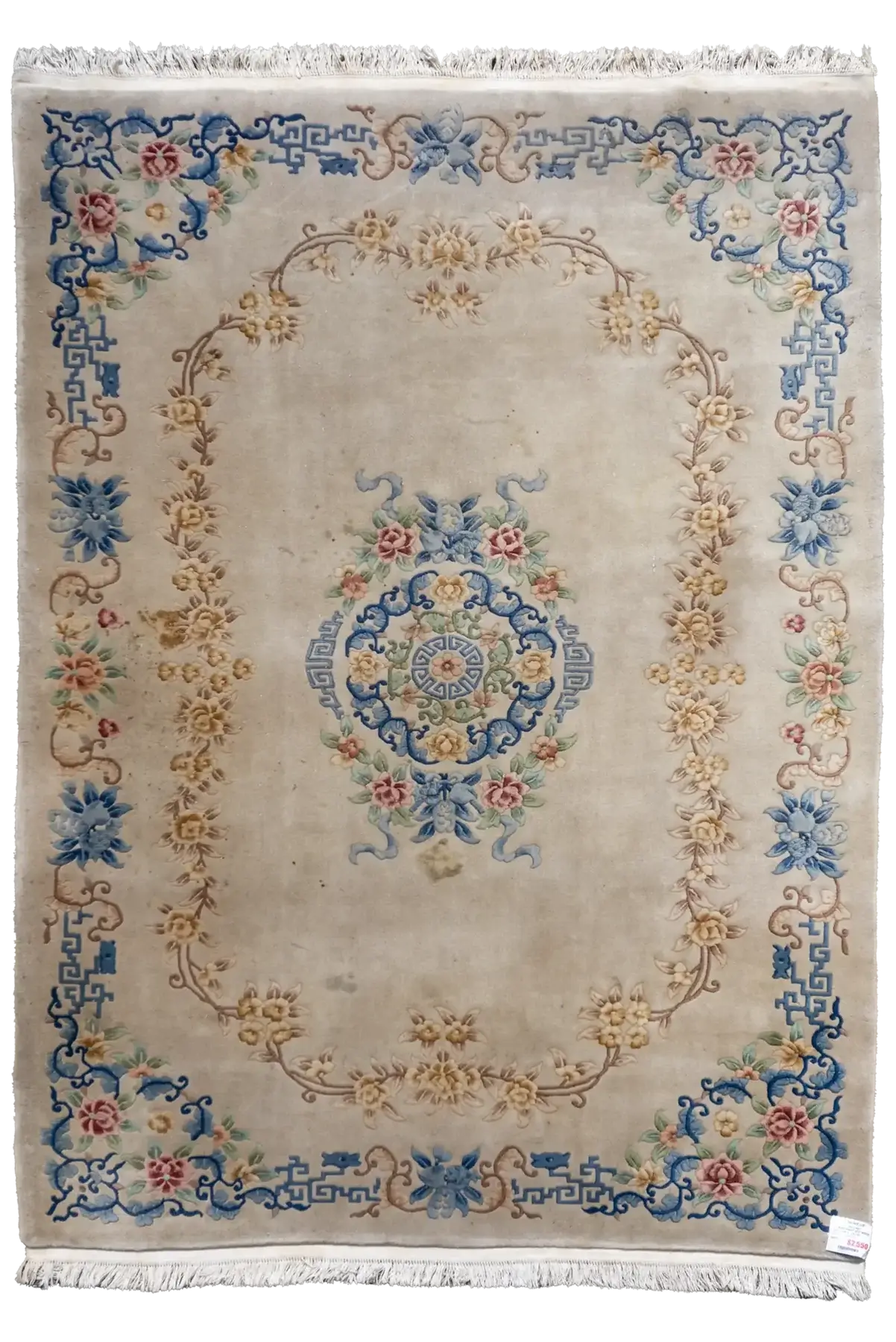
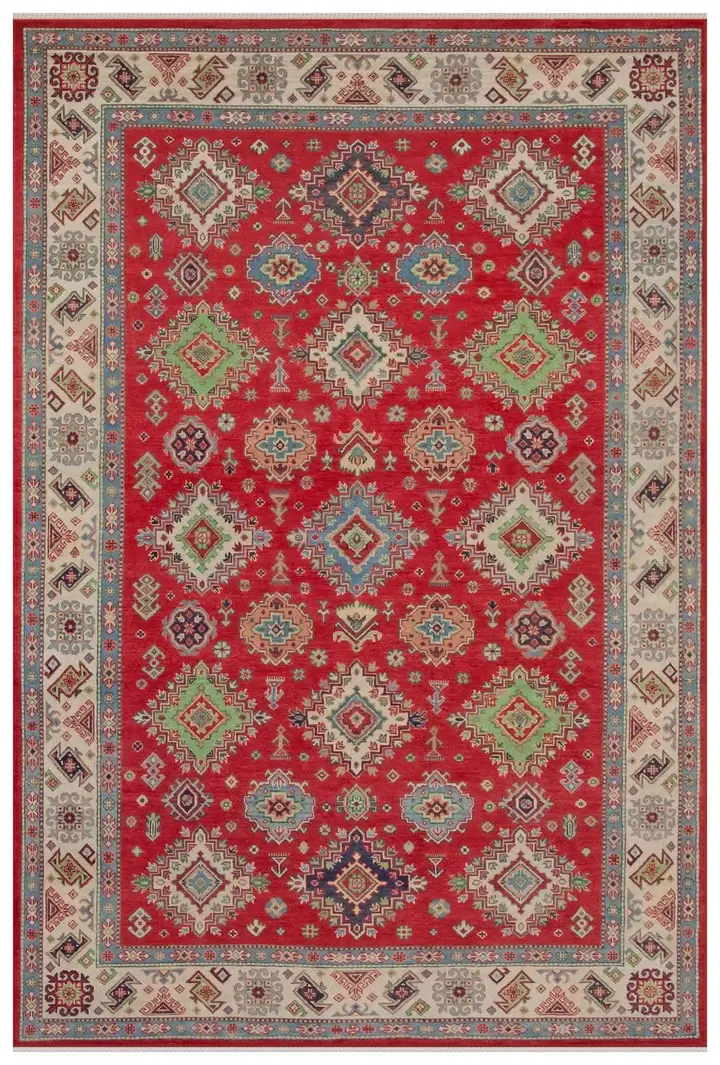
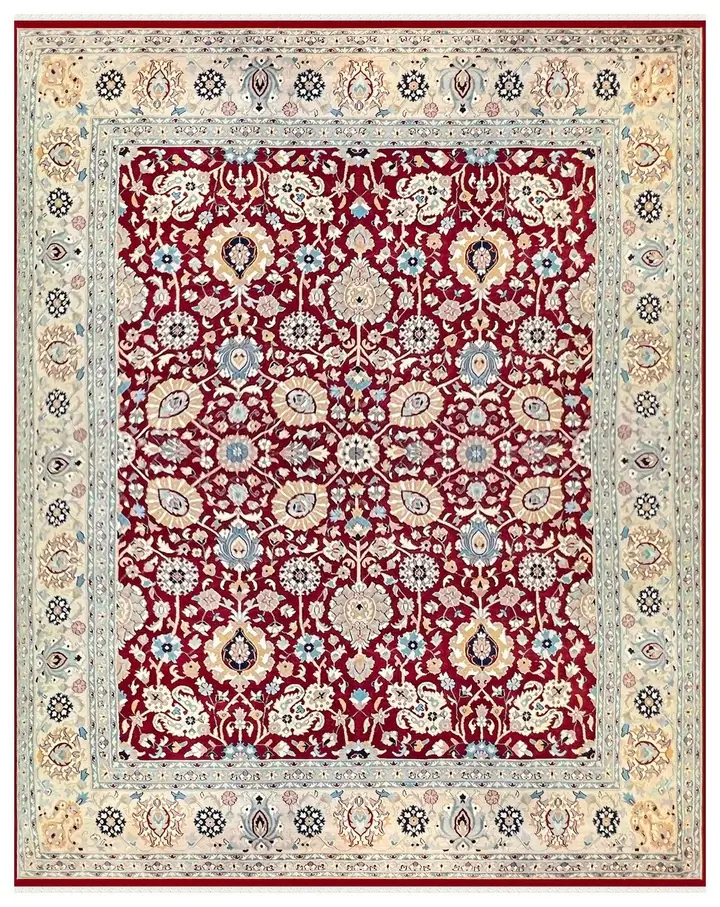
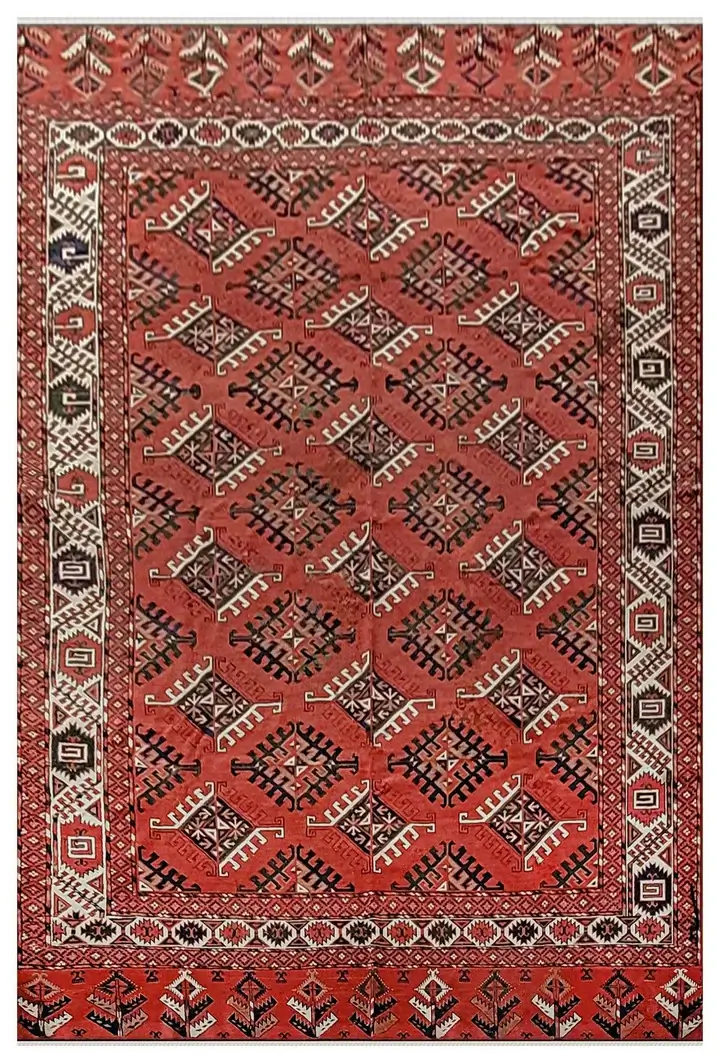
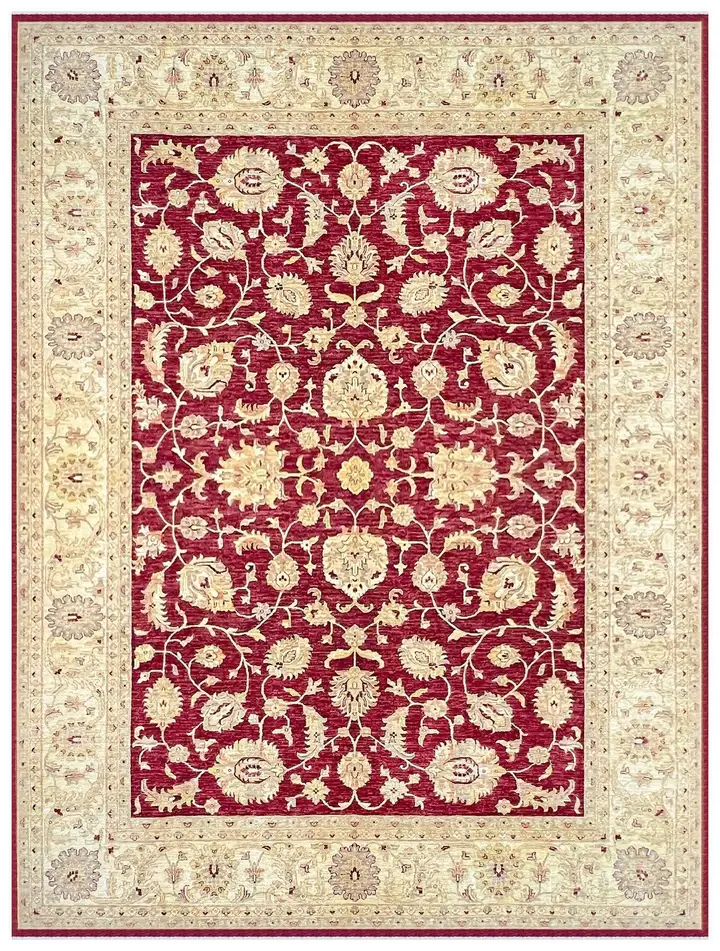
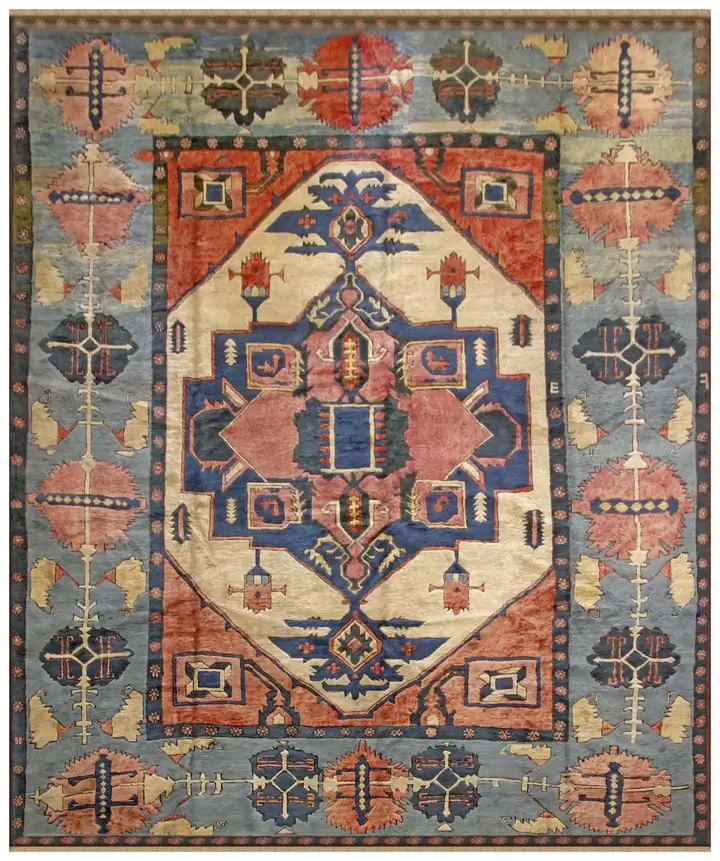
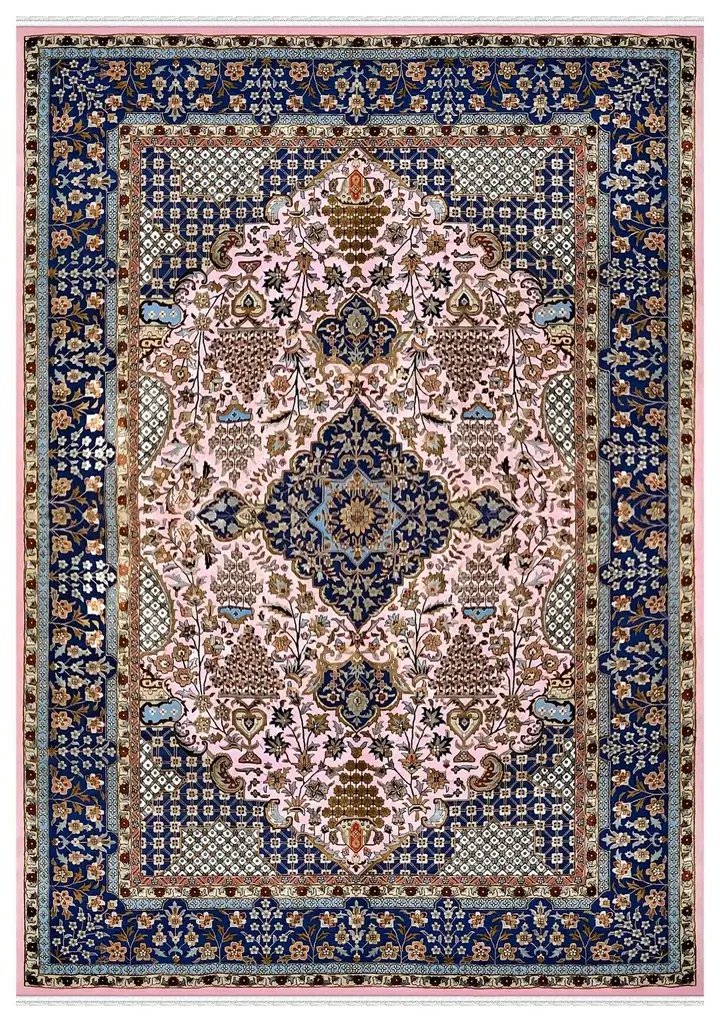
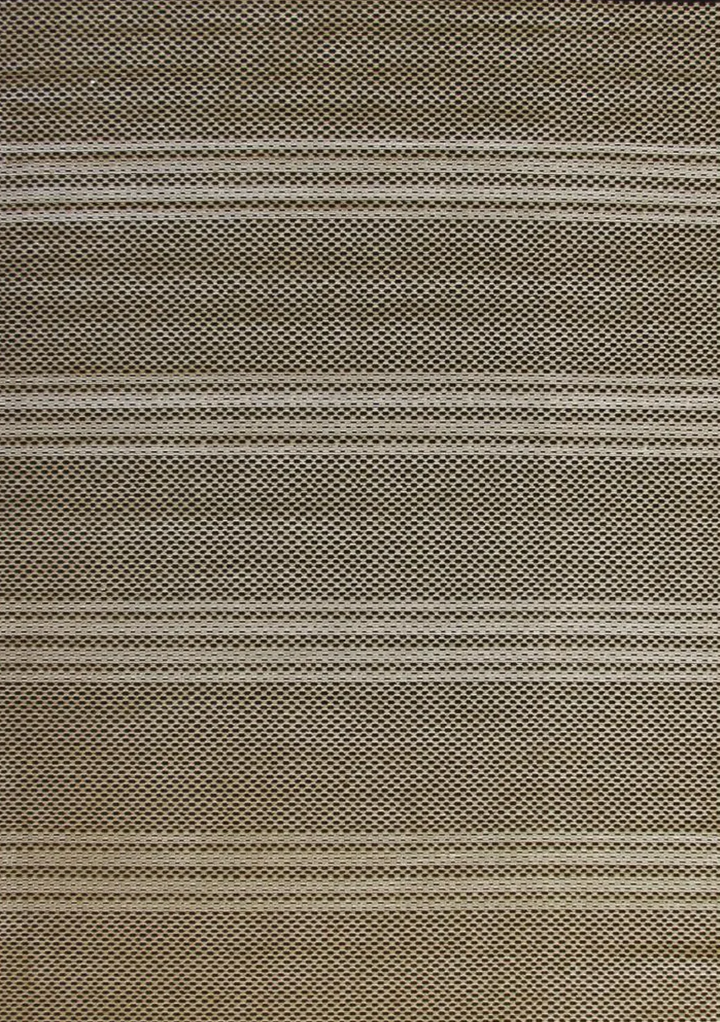
From Persian heirlooms to everyday synthetics. Twenty rug types, each hand washed to a method matched to its fibre and construction. Never a one-size clean.
- 29 years on rugs only
- IICRC-certified technicians
- Washed at our Yatala facility

Suburbs collected alongside Worongary
The same scheduled day reaches these neighbours.
Worongary questions, answered straight
What does rug cleaning in Worongary cost?
It depends which rug, and in this suburb that genuinely varies. An estate synthetic and an acreage wool piece are different jobs, so we read size, fibre and condition first and set one figure from that. It holds afterwards, and the collection and return are already inside it.
Can you collect from a half-hectare block with a long driveway?
Yes, and it happens on this run every week. Nobody is asked to drag a rug down to the road, and oversized acreage pieces are ordinary work for the wash floor. The rug is rolled at the house and put back in the same room on the agreed day.
Our rug is only a few years old but feels gritty underfoot. Why?
Because dust has worked down through the pile to the foundation, where the vacuum head has no reach. You feel it before you see it, and it is abrasive, so it is quietly wearing the fibre while the rug still looks presentable. Immersion is what removes it.
The dog urinated on the rug and the smell keeps returning. What is happening?
The source is sitting in the backing and whatever was used before only reached the pile. Then range-backed humidity keeps lifting it out again every wet week. The bath clears the backing, an enzyme stage settles the source, and complete drying stops the cycle restarting.
Do you also collect from Tallai, Mudgeeraba and Nerang?
Yes, along with Gilston and Highland Park. This corner is the busiest part of our hinterland run, so several addresses go into one load on the same day, and $20 comes off every rug after the first.
Can a rug be back within two days?
Where something has already fixed the date for you, the 48-hour express service runs at additional cost. Standard turnaround stays at about 7 days. In both cases the piece leaves the drying room dry through the base rather than dry to the touch.
Get your free quote today
Tell us about your rug and we’ll take it from there. Free pickup and delivery, and an honest assessment before any work begins.