
River fog, working-town dust, thirty-year homes
Rug Cleaning Nerang,
Where Every Hinterland Run Starts
Every valley, ridge and mountain run we make stages through this town, which makes a Nerang pickup the simplest booking on the Coast. The rug is hand washed at Yatala, dried in a controlled room, and back on the floor in about 7 days.
- Safe for delicate and handmade rugs
- 48-hour express service available at additional cost
- Free pickup and delivery on runs that pass daily
Reveal the Clean
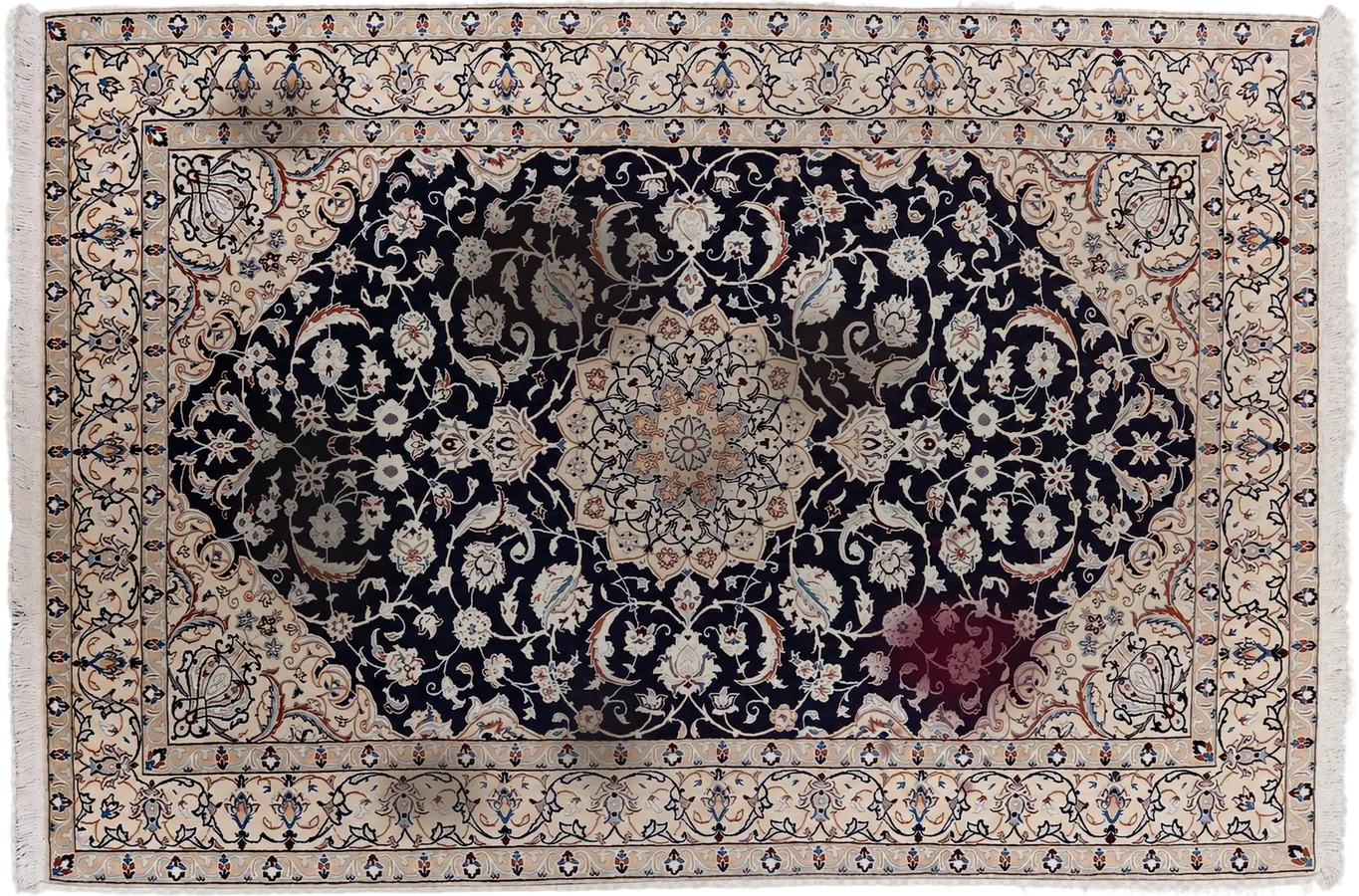
Watch it clean automatically, then take control.
experience
 Expert care
for your rugs
 Free
Freepickup & delivery
 Trusted, licensed
and insured experts
turnaround
 Guaranteed
satisfaction
An honest quote for the hinterland's oldest town
Working families do not enjoy surprises on an invoice. The rug is opened out and read on our floor, the figure is set from what is genuinely there, and nothing is added afterwards.
- 1On the first stop of the dayNerang is where the hinterland runs start
- 2Looked over and pricedOne figure, from the rug on our floor
- 3Full immersion at YatalaWhole rug in, rinsed until it is clean
- 4Delivered back about 7 days laterDry to the base, groomed and rolled
Get an honest assessment
No obligation · free pickup & delivery · we reply next business day
Rug washing Nerang, the town our runs stage from
The hinterland's biggest centre by a distance
Nerang covers 35.9 square kilometres where the hinterland meets the motorway, with the Nerang River running through the town that takes its name. Recorded readings of the river's word differ, and before British colonisation this was the country of the Kombumerri and Wanggeriburra people. It is the hinterland's biggest centre by a wide margin: 16,256 people at the 2011 census, 16,864 in 2016 and 17,048 in 2021. Maudsland lies north, Gaven and Molendinar northeast, Ashmore and Carrara east, Highland Park and Gilston south, and Mount Nathan and Advancetown west. Our floor at Yatala is about 35 kilometres away, usually under half an hour straight down the M1. Nerang anchors our hinterland runs, so the valley, ridge and mountain batches all stage through here, a town pickup slots into an ordinary day, and pickup and delivery sit inside the quote.
Pickup and delivery has been Nerang's way of doing business since a paddle steamer did it.
The oldest housing stock in the hinterland
Nerang holds the oldest housing in the hinterland: original timber homes and post-war brick around the town centre, 1980s and 90s family estates up the slopes, and river-flat acreage at the edges. The households are long-tenure trade and working families, and the rugs match that. Plenty of inherited wool pieces sit alongside big everyday rugs doing genuine work in living rooms that have seen thirty years of children. Neither group has usually been washed properly, because the standing assumption is that a vacuum is what a rug needs. It is not. A rug that has held a family for three decades has a foundation full of what those decades put there, and the only thing that gets it out is water. The driver takes it from the door and it is back in about a week.
River-town air, and a working town's dust
The air here is river-town air: humid summers that hold storm moisture in the valley, winter fog off the water in the mornings, and in between the ordinary dust of a place where things get made, repaired and driven. That mix settles into rug pile and compacts at the base, well below where surface cleaning reaches, and the humidity then keeps it locked in position. What owners notice is not dirt but flatness, a rug that has stopped catching the light the way it used to. A full immersion wash at Yatala floats the whole lot out, and the rug comes home completely dry from our controlled room, fog or no fog. Being under half an hour away makes a Nerang collection the easiest booking we take.
Our Gold Coast office, and the wash floor half an hour north
Our Gold Coast office
Premier Rug Cleaning and Washing - Gold CoastUnit 9/38 Computer Rd
Yatala QLD 4207
Two things share one Yatala address: the registered Gold Coast office and the floor where rugs are actually washed. Enquiries and scheduling go through the office. Collections and deliveries are driven by us, never handed to a courier.
Half an hour up the motorway
That short run belongs to us. Nerang is where the hinterland days stage from, collection and return are inside the booking, and the window is confirmed once the day is set.
A surveyor's grid, fourteen years as the railhead, and a paddle steamer
The town everything else on this side of the range grew around.
Martin Lavelle surveyed the township of Nerang in June 1865, and the river town grew from his grid.
The oldest town in the hinterland holds its oldest rugs. An honest assessment first, then a careful hand wash at Yatala, is exactly what inherited pieces need.
Nerang is the hinterland's original town, surveyed by Martin Lavelle in June 1865, with the first land sale in 1871 and a hotel trading by early 1872. The school opened on 1 November 1875 with 47 students, and the town grew the slow way, 95 residents in 1881 and 343 by 1901, serving the timber and farming country all around it. Everything else on this side of the ranges, the estates, the motorway exits and the suburbs that came later, grew up around Lavelle's original grid by the river.
The railway reached Nerang on 15 July 1889, and the town was the terminus for fourteen years.
Nerang is still where the hinterland's runs stage from, with our valley, ridge and mountain pickups all passing through. A town pickup here is the easiest booking on the Coast.
When the South Coast railway arrived on 15 July 1889, Nerang became the end of the line, the railhead where the hinterland's timber and produce met the trains for Brisbane. It stayed the terminus for fourteen years, until the line was pushed through to Tweed Heads on 10 August 1903 and Nerang settled into life as a busy station town instead. The trains stopped in 1964, and the old station ground sits quietly in the street grid today, a few blocks from where the modern town does its shopping.
The Maid of Sker, an 1884 iron paddle steamer built for the Nerang River trade, is preserved at Bischof Pioneer Park.
Pickup and delivery has been Nerang's way of doing business since a steamer did it. Ours runs by road now: the driver collects the rolled rug, and it is back washed and dry in about a week.
Before the railway, the river was the road, and the Maid of Sker worked it. Launched in 1884 from a Brisbane foundry for C. H. Philpott of the Nerang River, the little iron paddle steamer carried timber from the river mills, then ran weekly trips between Brisbane, Southport and Nerang with passengers, sugar and cargo from 1893 into the early 1930s. By 1925 she is recorded as the last paddle steamer working out of the Port of Brisbane. Moved to Bischof Pioneer Park in 1976, she is recorded as the region's only surviving trading vessel of her kind, sitting on dry land in the town she served.
What customers say about Nerang
Rated 4.9 ★ from 11 customersaround Nerang, collected directly from our customers after every clean.
The town's own reviews, then the whole coast's
The cards above came from Nerang addresses. The larger figure takes in the entire service area.
Every weave.
Every origin.
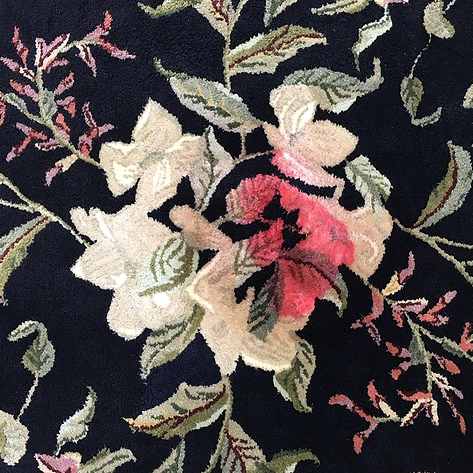
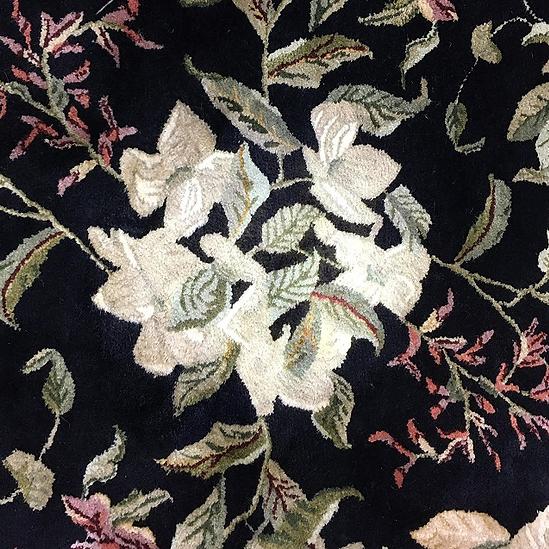
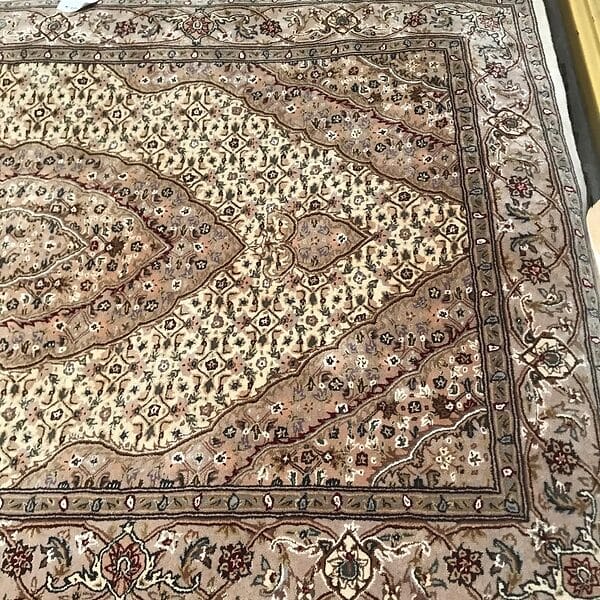
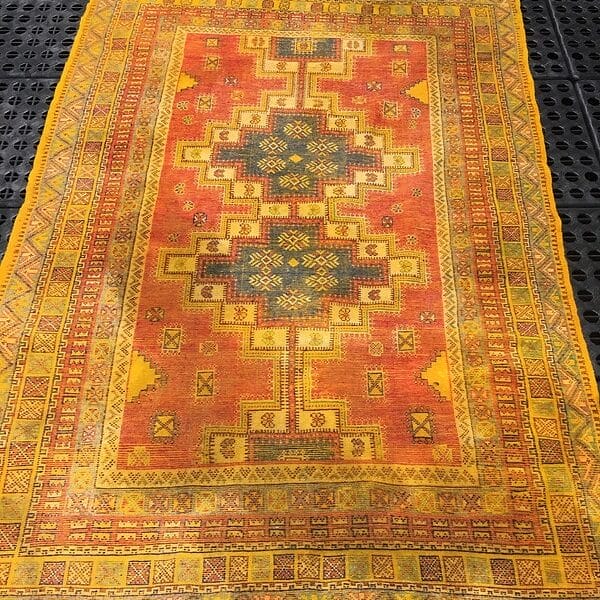
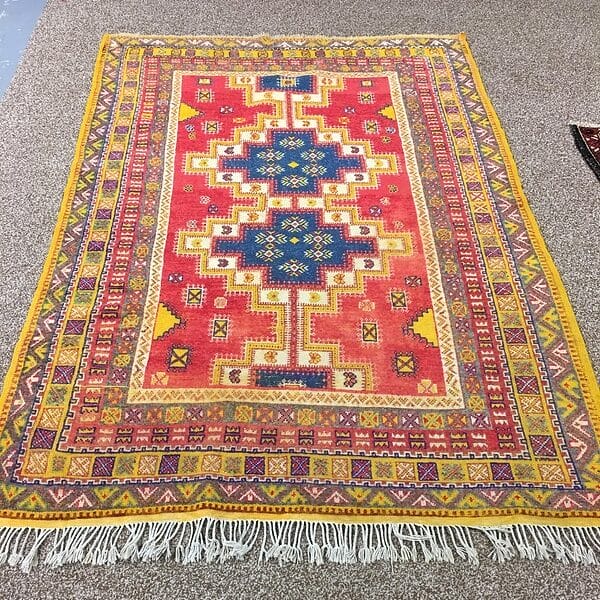
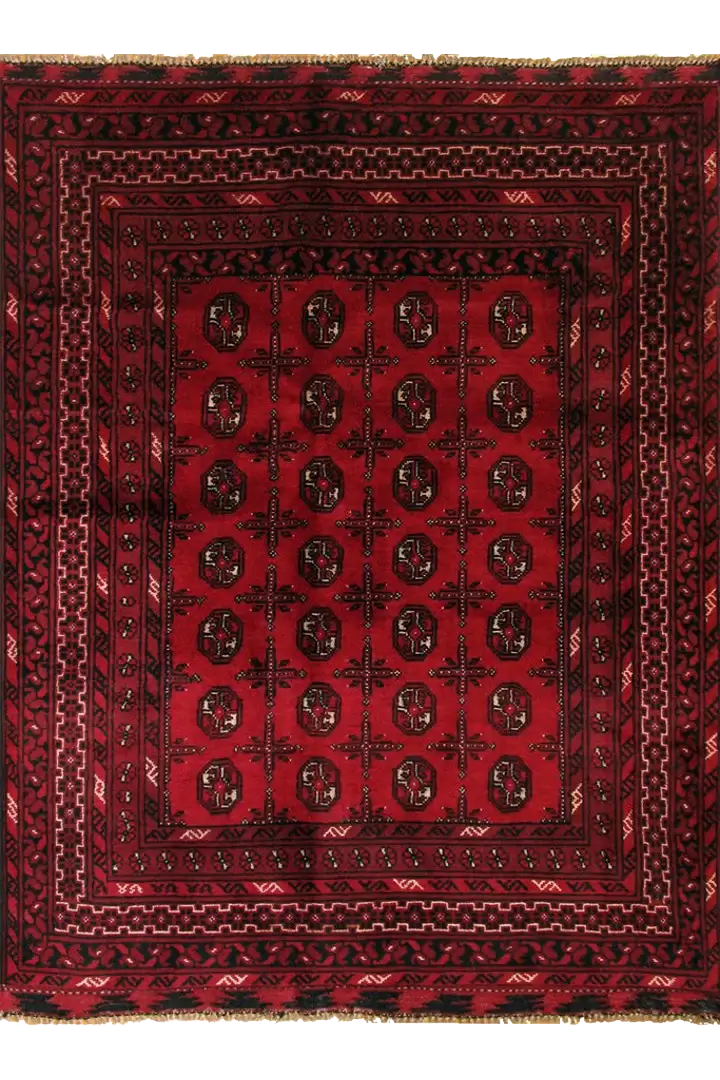
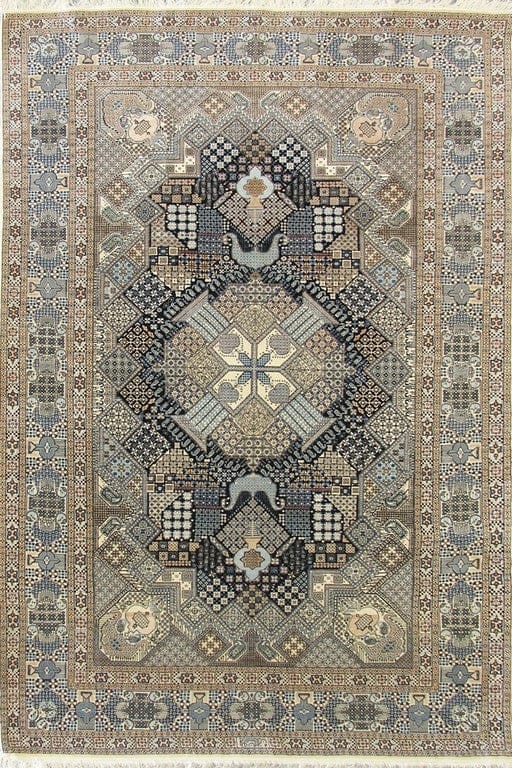
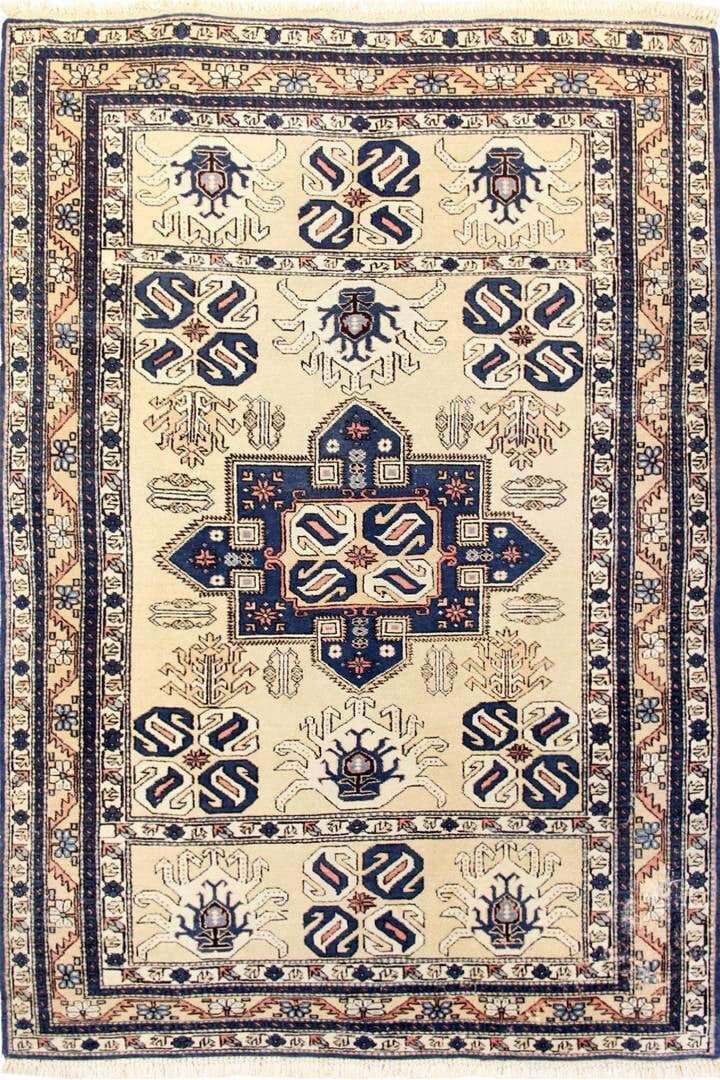
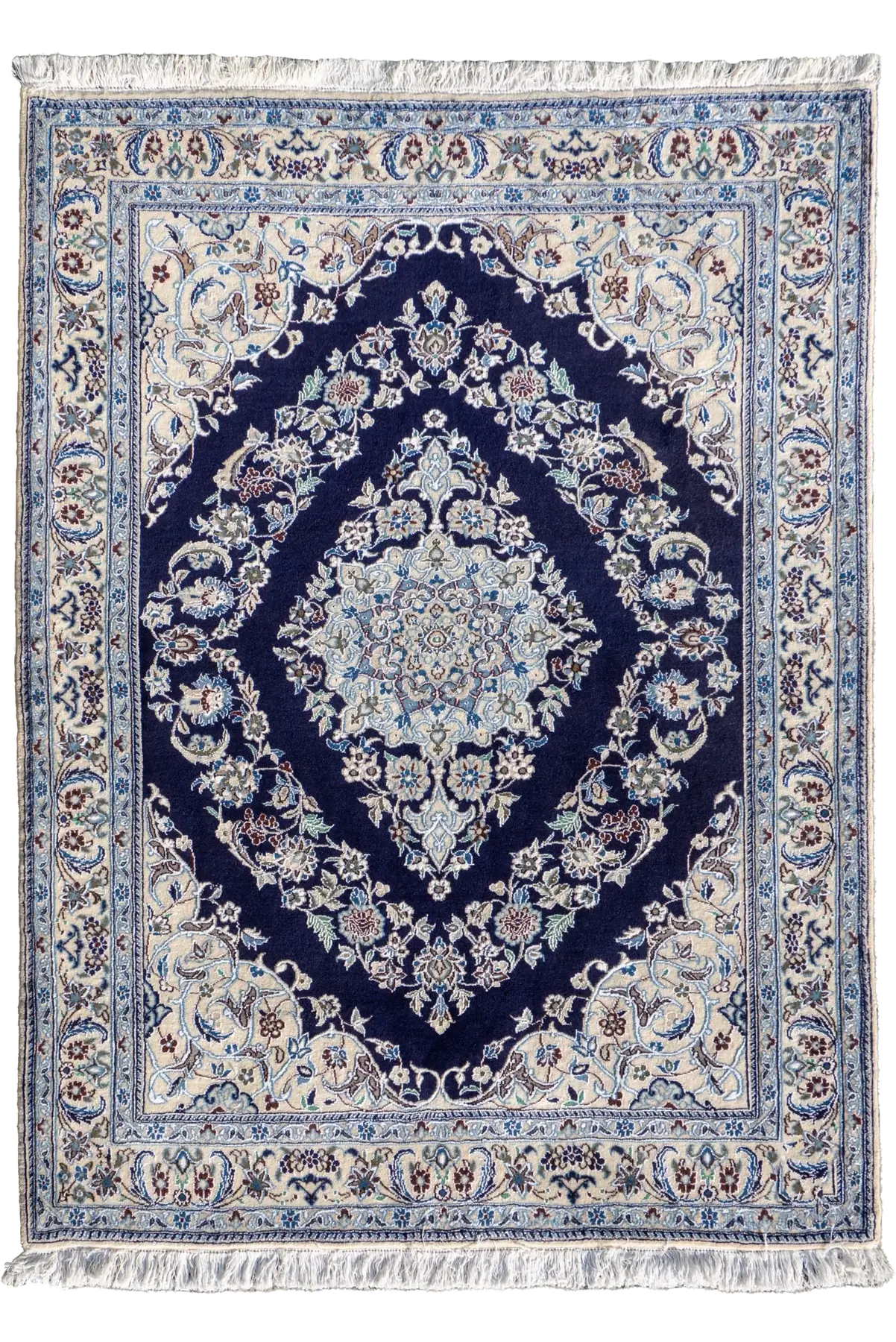
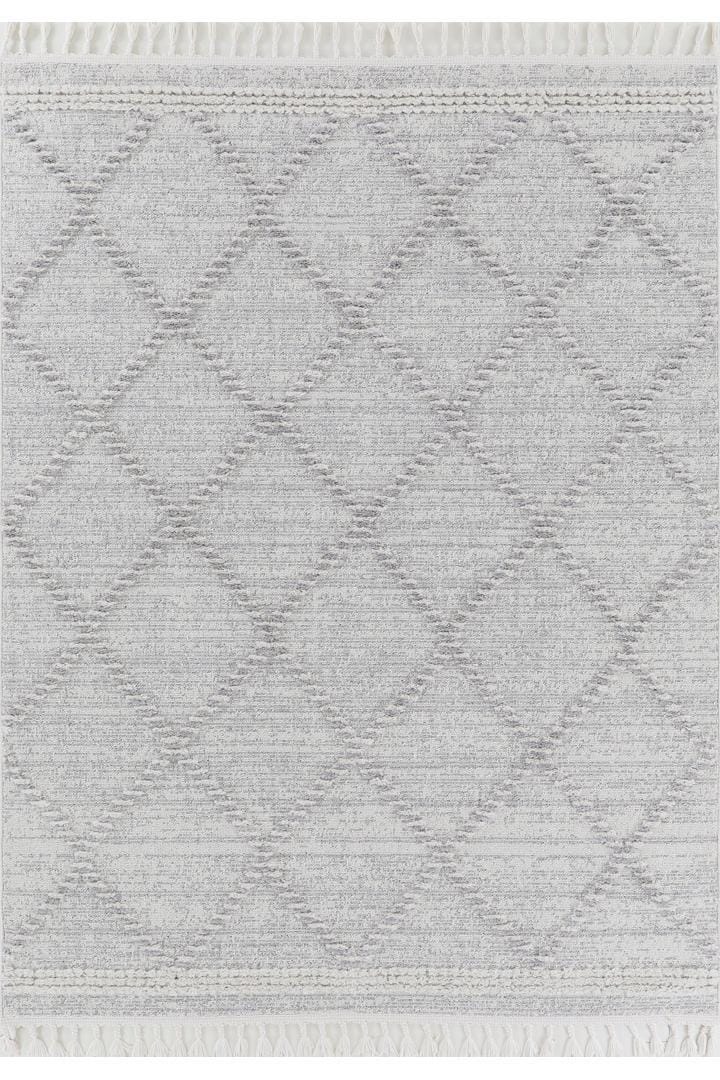
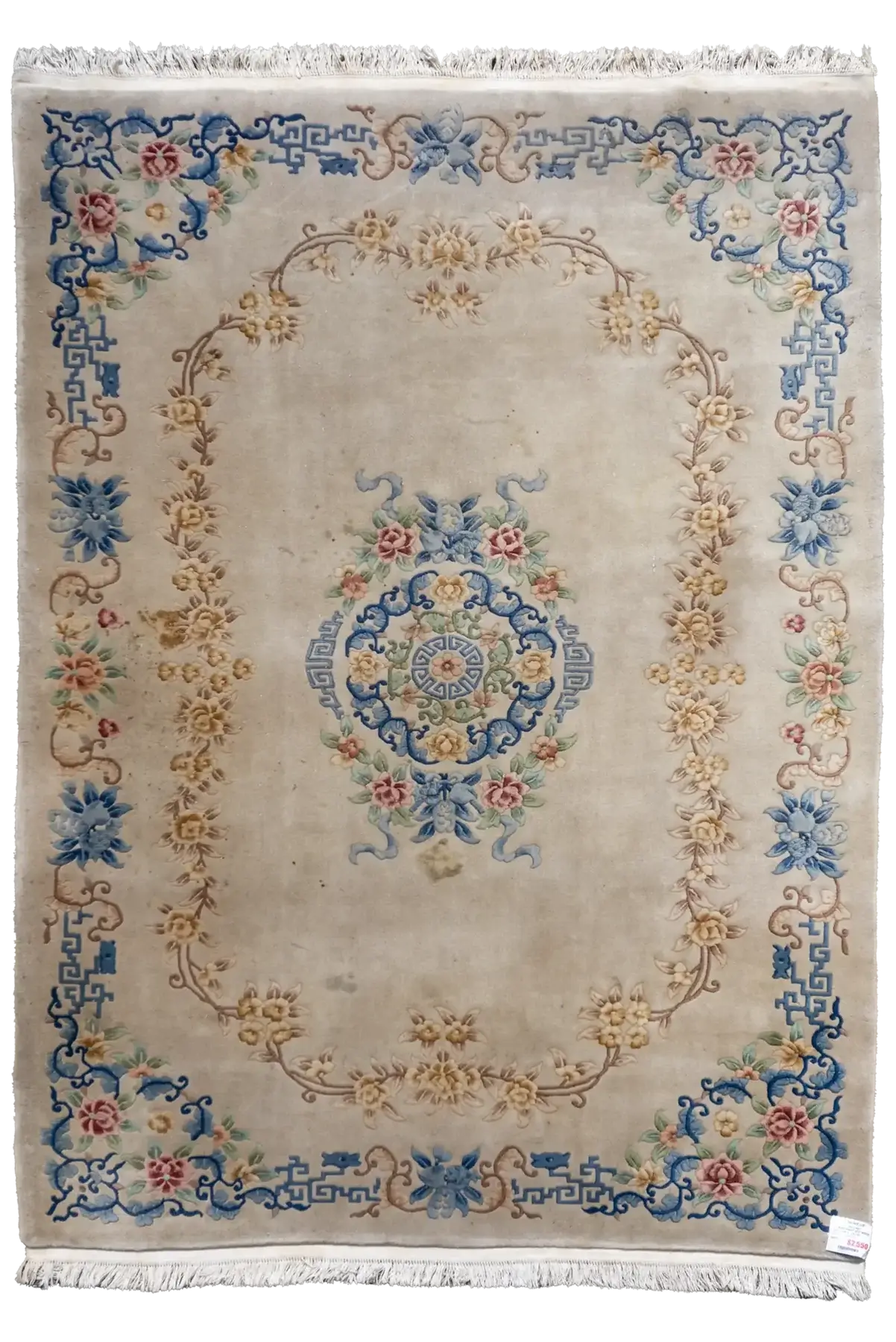
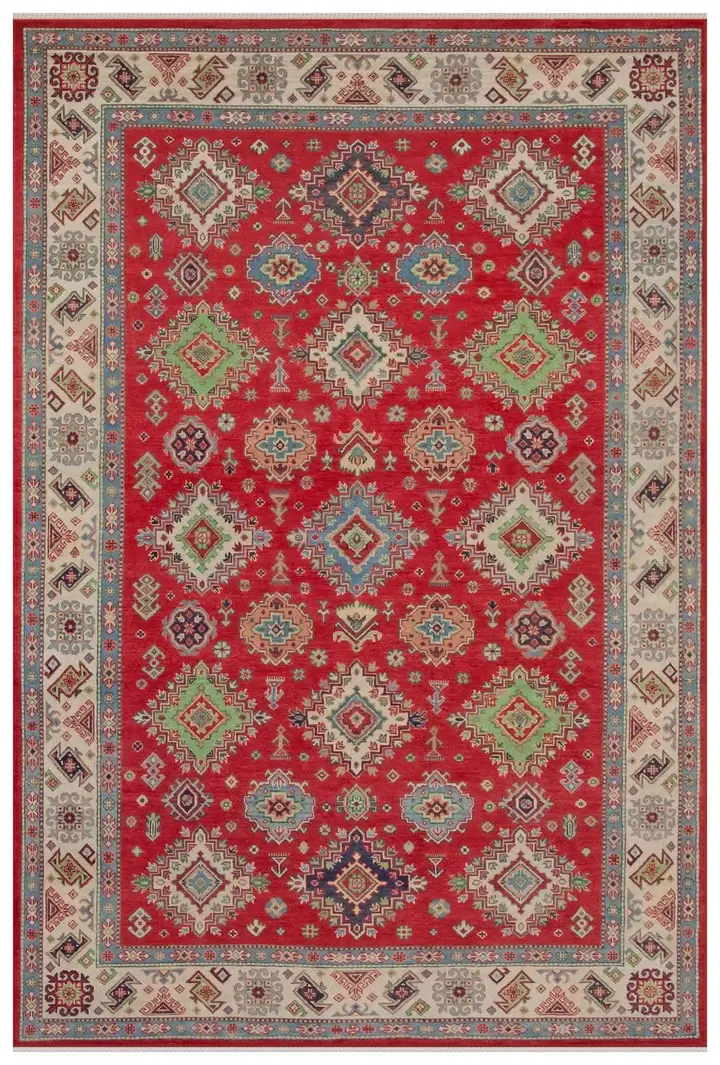
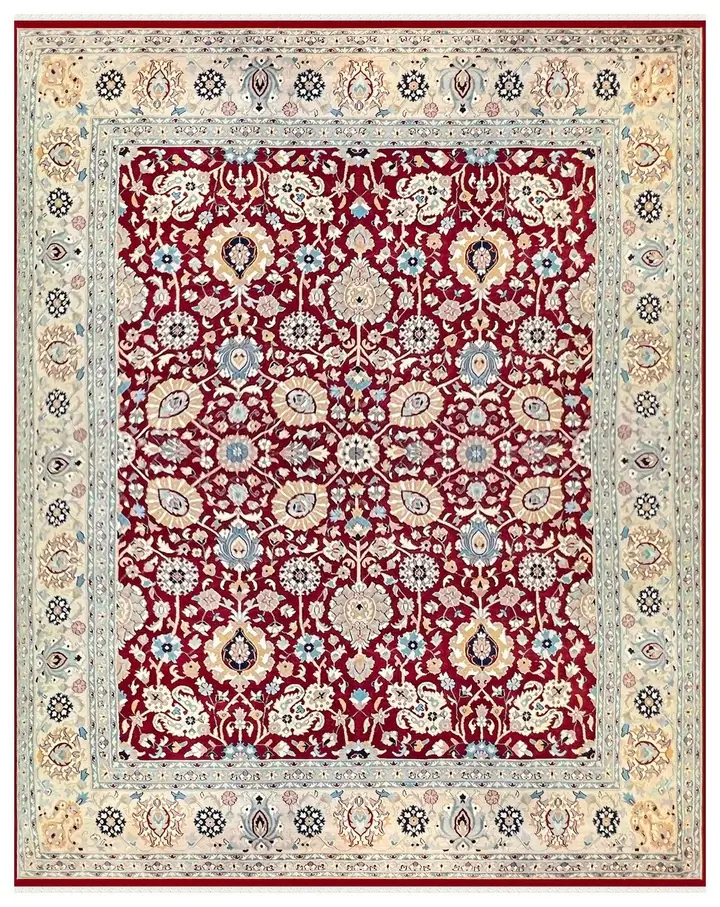
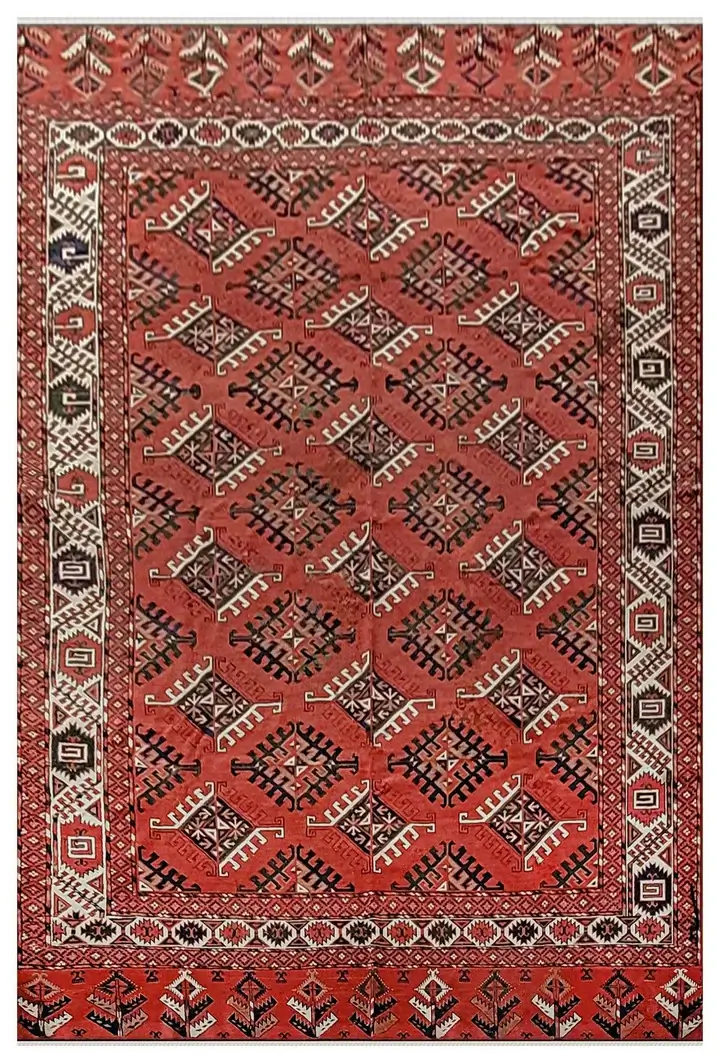
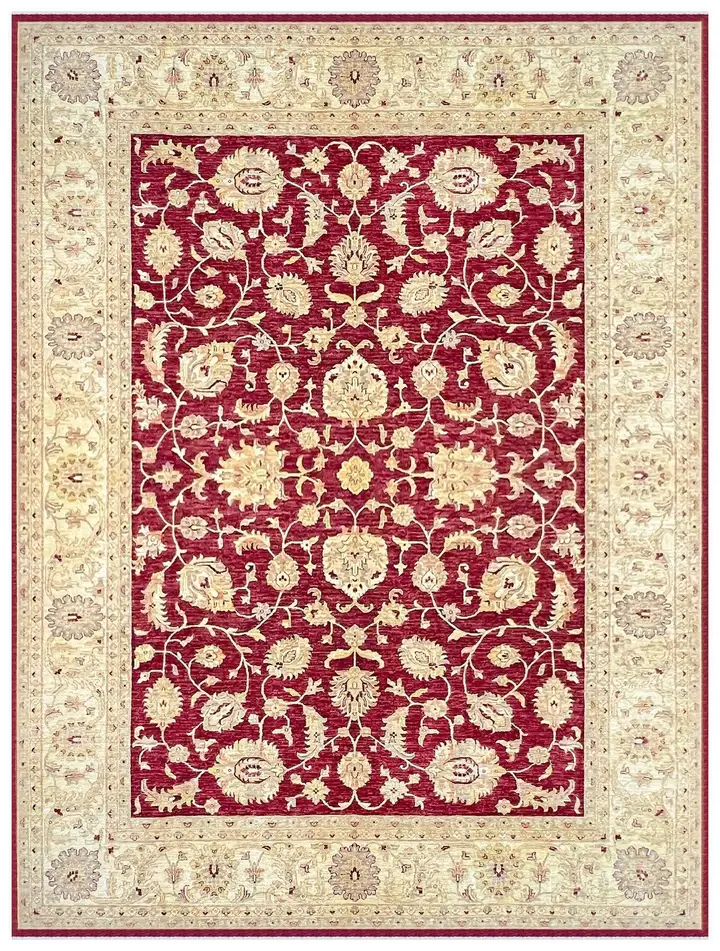
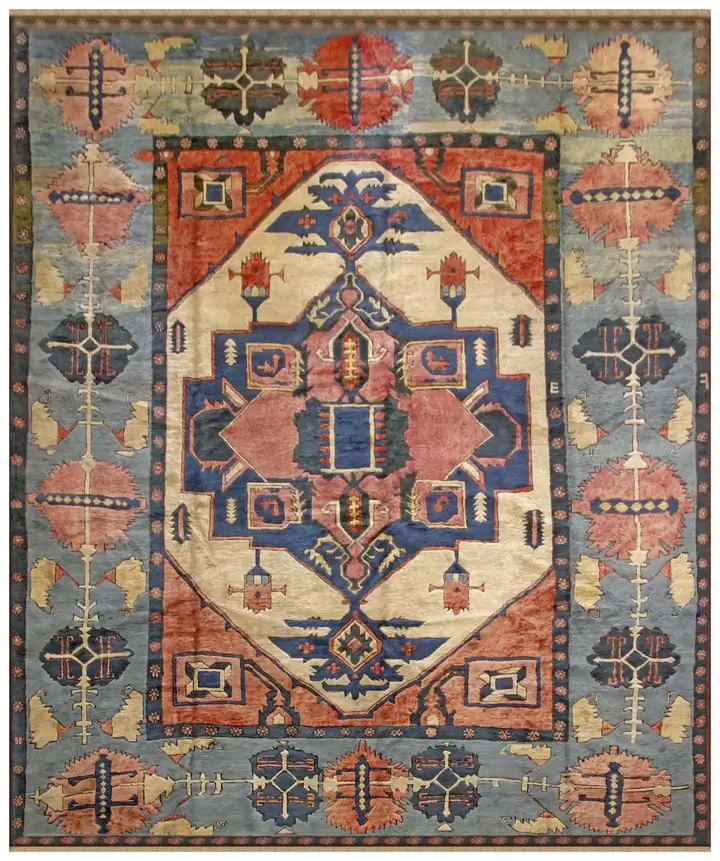
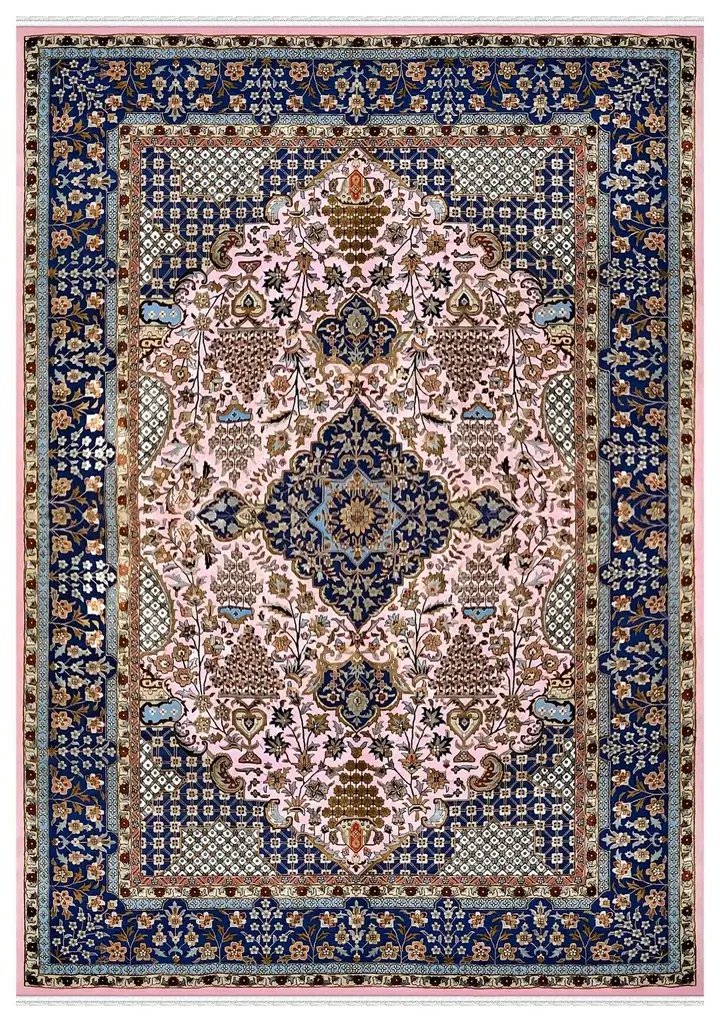
From Persian heirlooms to everyday synthetics. Twenty rug types, each hand washed to a method matched to its fibre and construction. Never a one-size clean.
- 29 years on rugs only
- IICRC-certified technicians
- Washed at our Yatala facility
Collected on the day Nerang is done
The runs branch out from here.
Nerang questions, answered straight
How quickly can you get to a Nerang address?
Faster than almost anywhere else we service. Every hinterland run stages through this town, so a Nerang collection does not need a day built around it and generally goes onto the next scheduled one. The facility is roughly thirty-five kilometres north, under half an hour, and collection and return are inside the quote.
Our rug has been in the family for decades and has never been washed. Is that a risk?
It is a reason to have it assessed rather than a reason to leave it. Fibre and construction are identified on our floor and a hidden corner is swabbed for dye movement before any method is chosen. If a full bath is not safe we say so and explain what low moisture work will realistically achieve. Nothing is attempted that the rug would not survive.
A pet urinated on the rug years ago and the smell still returns. Is it too late?
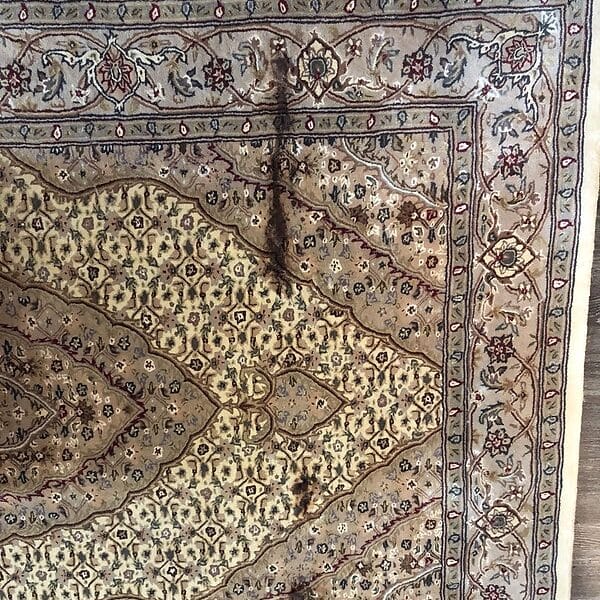
Usually not. Old urine residue is the most common version we see here, and it is also the one sprays do least for, because it is sitting in the backing where nothing surface-applied reaches. A bath flushes that layer clear, an enzyme stage works on the residue itself, and full drying leaves the winter fog nothing to reactivate.
The rug looks flat rather than dirty. Is a wash going to help?
Very likely, because flatness is usually load rather than wear. Grit packed at the foundation stops the pile standing properly and the rug stops catching the light. Washing removes the load and the pile comes back up. Where the pile has genuinely gone, we tell you that at the assessment instead of taking the job.
Do you also collect from Gilston, Highland Park and Advancetown?
Yes, along with Maudsland, Mount Nathan, Carrara and Molendinar. Nerang is where those runs branch from, so several streets can be covered on one visit, with $20 off each rug after the first.
What is the standard turnaround?
About 7 days from collection to delivery, and a 48-hour express option runs at additional cost. Nothing leaves the drying room while the foundation still holds moisture, which on a heavy older piece takes longer than people expect and matters more than they realise.
Get your free quote today
Tell us about your rug and we’ll take it from there. Free pickup and delivery, and an honest assessment before any work begins.