
Three crops, one railway, one rail trail
Rug Cleaning Stokers Siding,
Where Things Get a Second
Job
A village that changed crops three times and turned its closed railway into a trail. Rugs go rolled to Yatala, get bathed by hand and come back dry through to the backing.
- Safe for delicate and handmade rugs
- 48-hour express service available at additional cost
- 48 hour express available at additional cost
Reveal the Clean
Watch it clean automatically, then take control.
experience
 Expert care
for your rugs
 Free
pickup & delivery
 Trusted, licensed
and insured experts
turnaround
 Guaranteed
satisfaction
A figure from the rug, not from a price list
Rugs here get kept, which means we are usually looking at something with history in it. The driver reads it at your door, gives one figure that covers the job, and tells you outright when a piece is not worth the outlay. Looking costs nothing either way.
- 1Rolled at the gateOut of a hallway, a studio or a spare room
- 2Quoted on the spotOne figure, taken from the rug in hand
- 3Bathed at YatalaFully immersed, rinsed until it runs off clean
- 4Home in about 7 daysDried flat under control, groomed and rolled
Get an honest assessment
No obligation · free pickup & delivery · we reply next business day
Rug washing Stokers Siding, on the southern leg of the valley run
Three crops, and nobody thought it was a failure
Joseph Stoker bought six hundred acres here in 1882, on ground then marked as Dunbible Creek, and the district set about working out what it could actually grow. Sugarcane came first. Then paspalum grass arrived, the country turned out to suit dairying better, and the herds went in. Then from about 1910 bananas went onto the frost-free slopes alongside everything else. Three genuine changes of direction inside a few decades, each one a response to what the land was telling people rather than a plan being defended. What gave the settlement its name and its reason to exist was the meeting of the roads with the railway line, and the pattern of adapting rather than persisting has stayed characteristic of the place ever since.
Three crops, a closed line reopened as a trail, and a village full of artists. Nothing here gets thrown out.
A closed railway that found another use
The Stokers Siding station closed in 1974 and trains ran straight through to Murwillumbah afterwards without stopping in the village. The corridor could easily have gone to scrub, which is what usually happens. Instead it now carries the Northern Rivers Rail Trail, walked and ridden through the same cutting the trains used, which is about as clear a statement of local character as a place can make. In recent decades something similar has happened with the housing. Working artists have moved into the old weatherboard stock from the cane, dairy and banana years, adding studios and workspaces to houses built for farming families. The result is a village with a median age of forty six, materially older than the state figure, that nonetheless keeps producing new things out of old ones. Rugs in houses like these have usually been kept for reasons, and they get treated accordingly.
Under the range, where the air sits
Stokers Siding sits close under the Burringbar Range inside the wider caldera, and high ground behind a village does a specific thing to the air. It holds it. Moisture that arrives does not move on quickly, and while it lingers nothing inside a house dries out completely, particularly in an older weatherboard place with timber floors. A rug living in that pattern carries two separate burdens simultaneously: soil that has worked its way down through the pile over years, and a base of damp entirely hidden by a dry-feeling surface. The damp is what you smell, and the smell always shows up before there is anything to see. One wash takes care of both. Keeping them gone depends entirely on how the rug is dried afterwards, and a weatherboard village house under a range has no way of controlling that, which is the whole reason the rug travels.
One listing for the region, and one bath at the end of the run
Our Northern NSW office
Premier Rug Cleaning and Washing - Northern NSW
A service area listing rather than a place with a door. It shows the country we work through, the driver calls at your house, and every rug is washed at Yatala.
Up the corridor and over the border
We carry the distance. Stokers Siding is collected with Burringbar and Murwillumbah on the same leg, and the window is set once that day is booked.
Cane to dairy to bananas, a line to a trail, and a village of artists
A place that has never once thrown out something that still had a use in it.
Joseph Stoker purchased six hundred acres here in 1882 on ground then known as Dunbible Creek, and the district worked through sugarcane, then dairying once paspalum grass arrived to feed the herds, then bananas on the frost-free slopes from about 1910.
Households that adapt rather than start over are the ones who ask whether a rug can be brought back, which is generally the right question.
The settlement took its name and its purpose from the meeting of the roads with the railway line, and three genuine changes of crop inside a few decades say more about the place than any one industry would.
Stokers Siding railway station closed in 1974 and trains ran through to Murwillumbah without stopping afterwards, and the old corridor now carries the Northern Rivers Rail Trail.
A place that finds a second life for a railway is unlikely to need convincing that a tired rug has one too.
Leaving a disused line to go to scrub is the usual outcome. Turning it into something walked and ridden daily is the version this village went with.
Over recent decades working artists have settled in Stokers Siding, adding studios and workspaces to the weatherboard housing stock left behind by the cane, dairy and banana years.
Studio houses produce a genuinely different set of marks from farmhouse ones, and knowing that before we arrive shortens the conversation considerably.
The population stood at 663 at the most recent count located, with a median age of forty six, notably above both the state and national figures.
What customers say about Stokers Siding
Rated 5.0 ★ from 8 customersaround Stokers Siding, collected directly from our customers after every clean.
Village cards first, then the wider Northern Rivers
The cards above carry Stokers Siding addresses. The larger figure counts every locality on our runs.
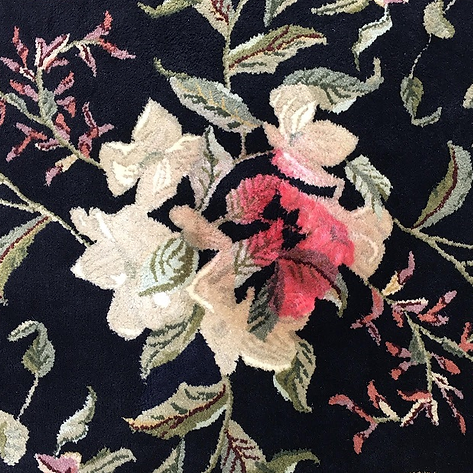
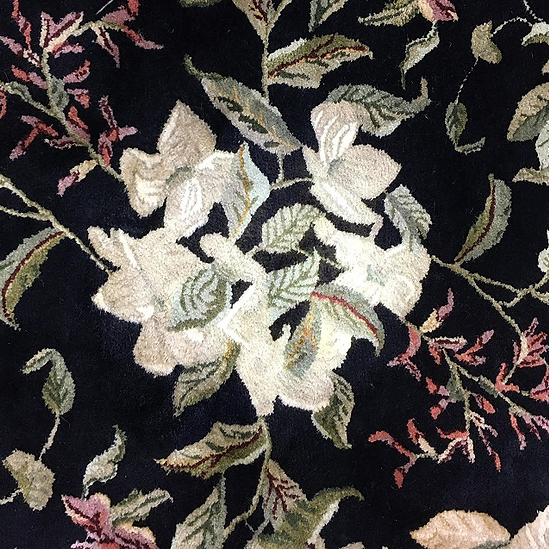
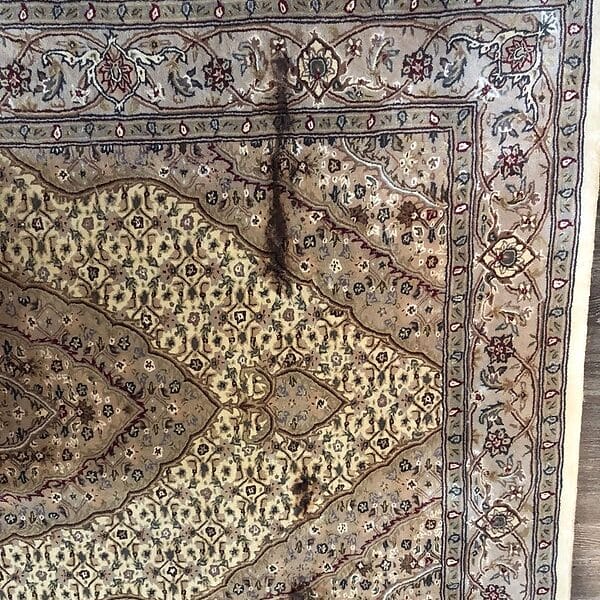
Every weave.
Every origin.
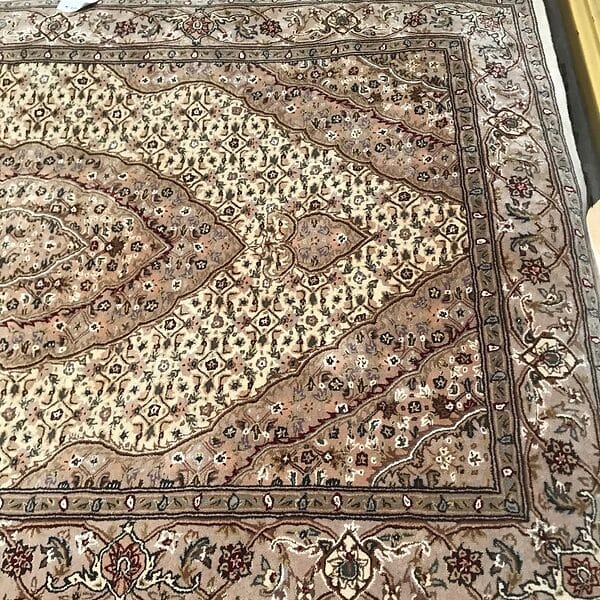
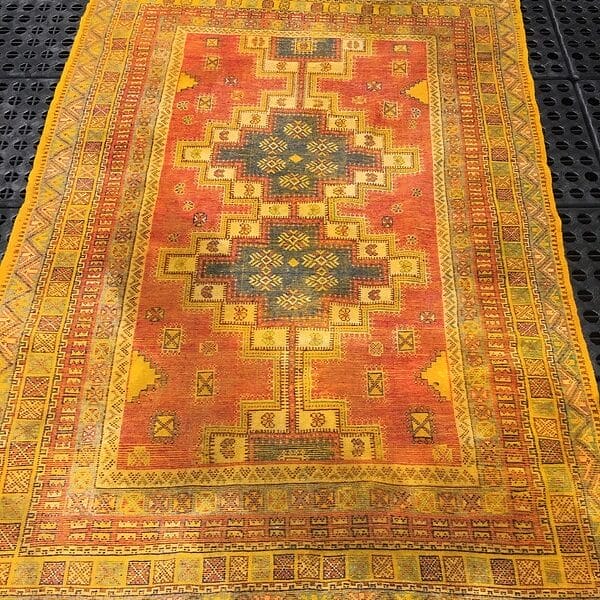
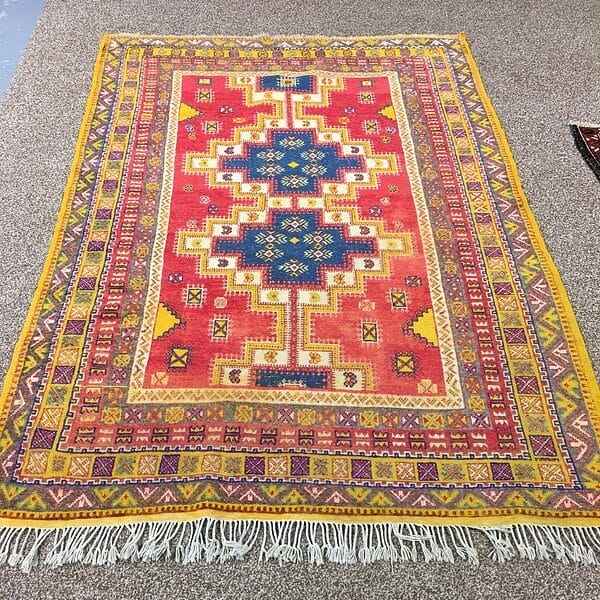
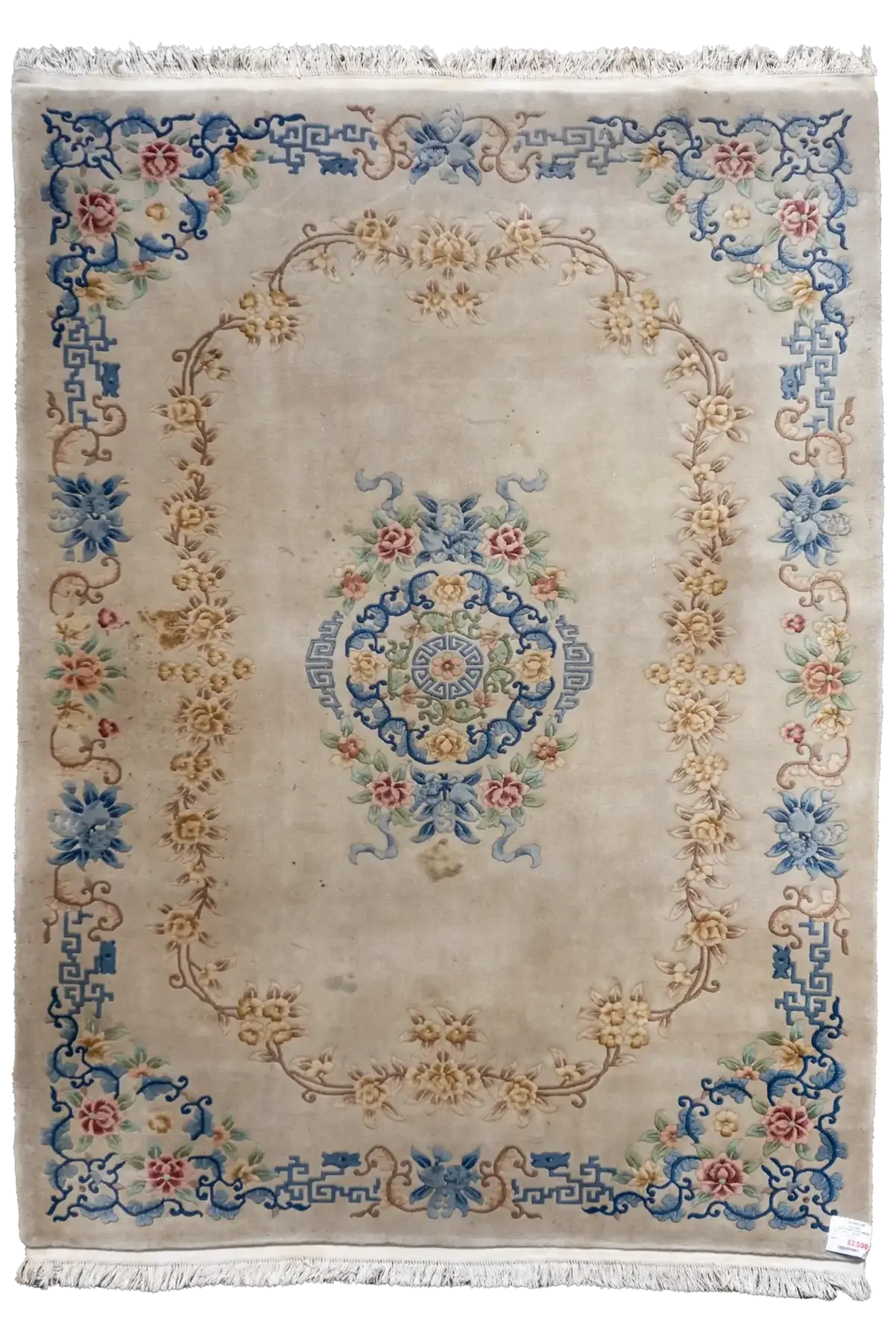
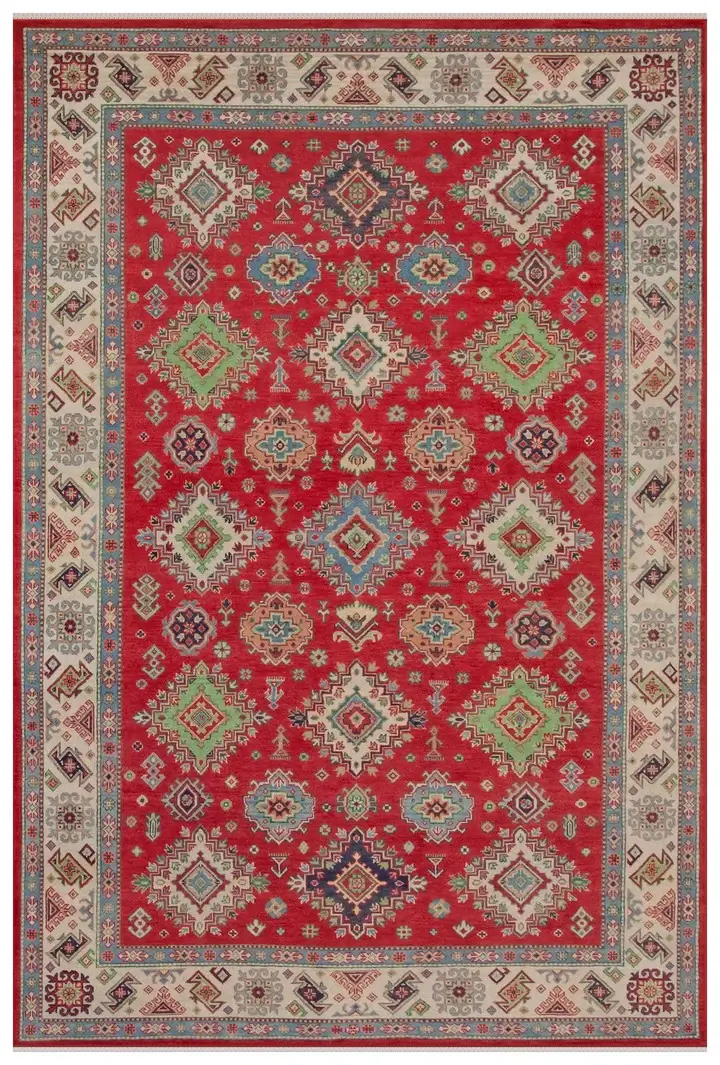
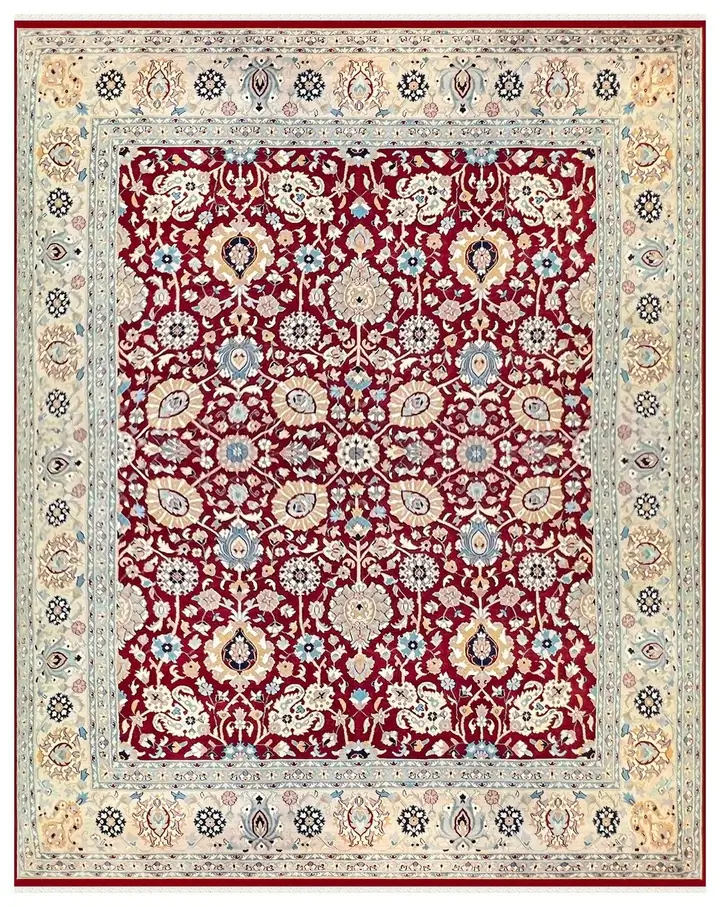
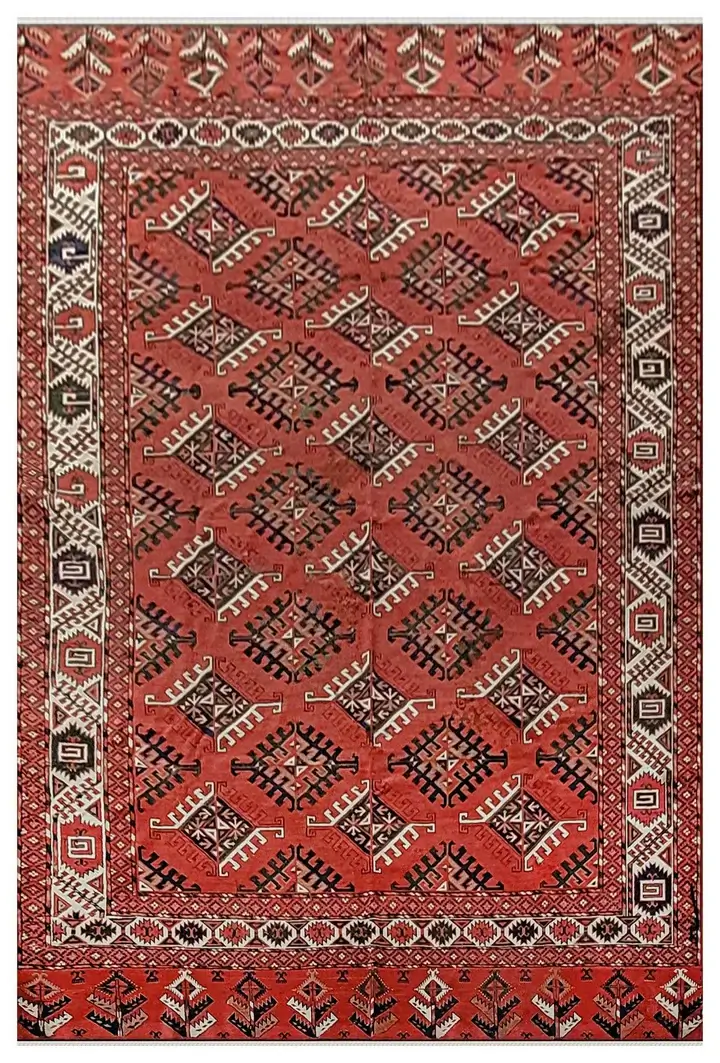
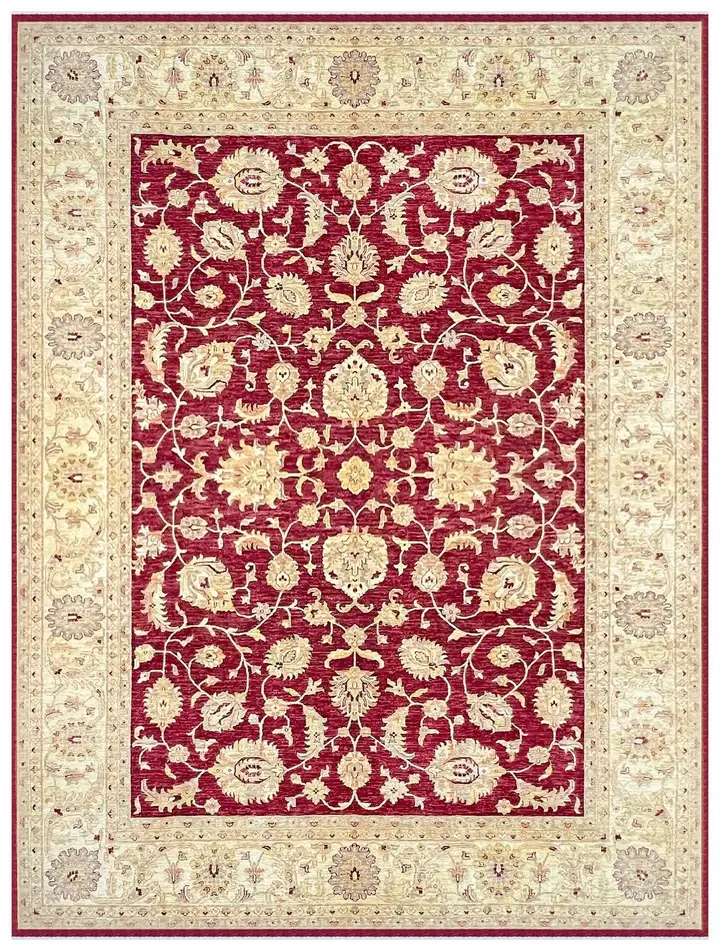
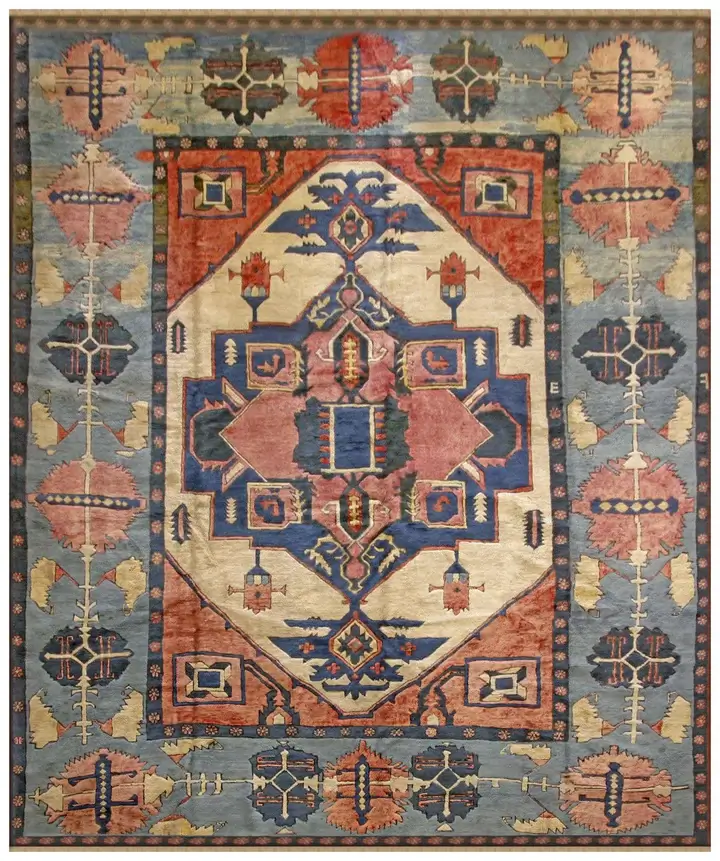
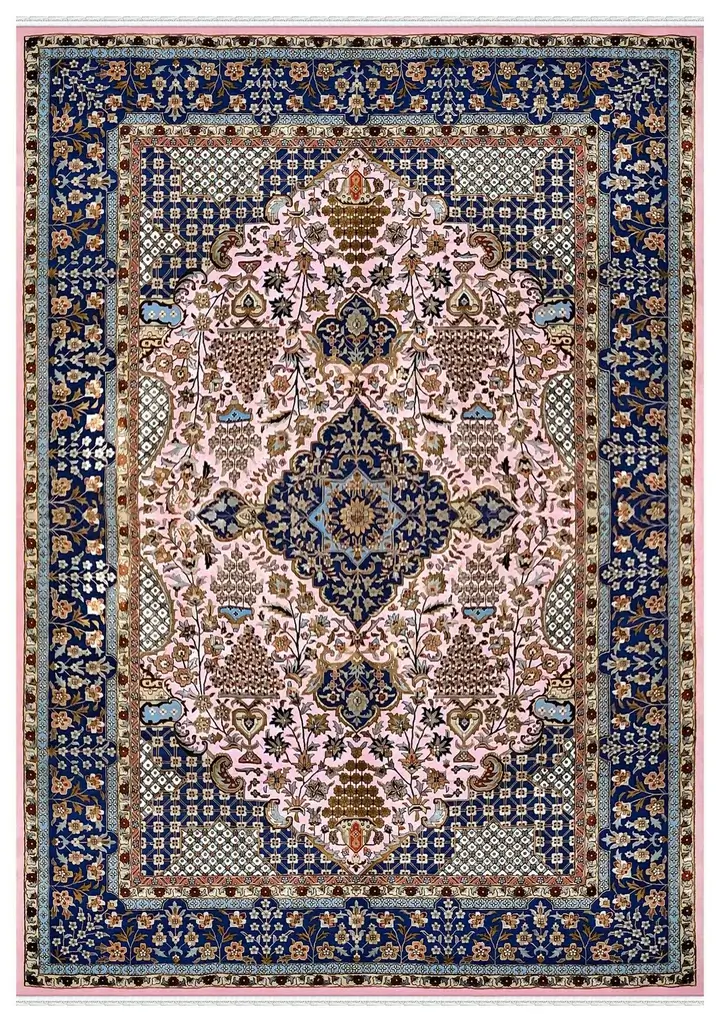
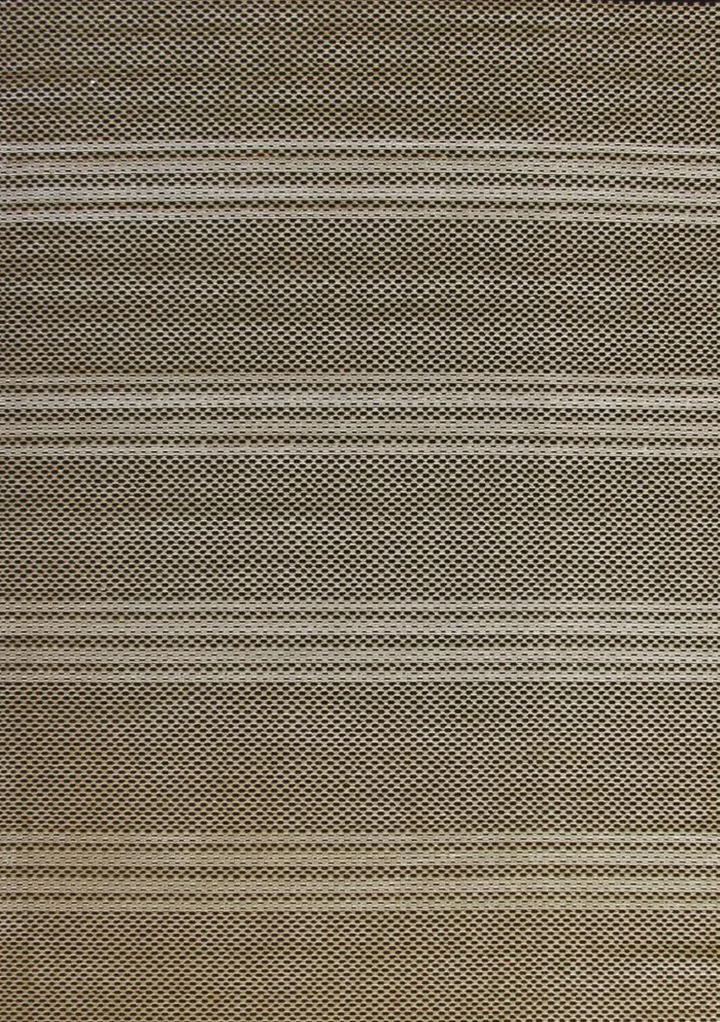
From Persian heirlooms to everyday synthetics. Twenty rug types, each hand washed to a method matched to its fibre and construction. Never a one-size clean.
- 29 years on rugs only
- IICRC-certified technicians
- Washed at our Yatala facility
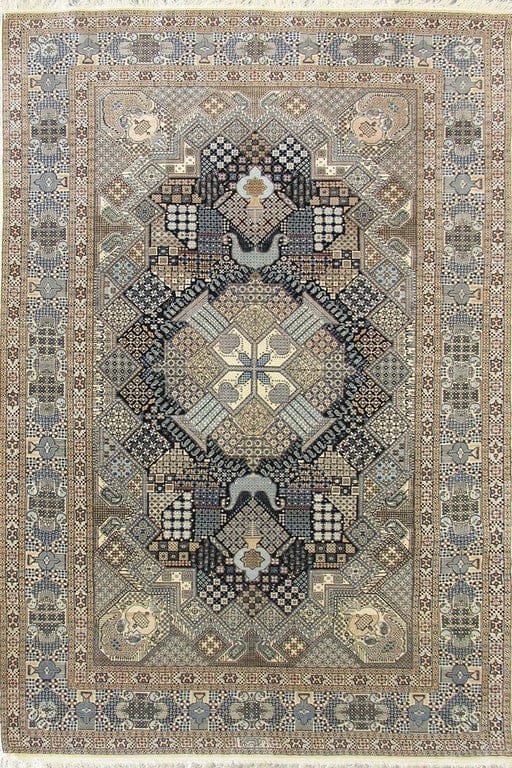
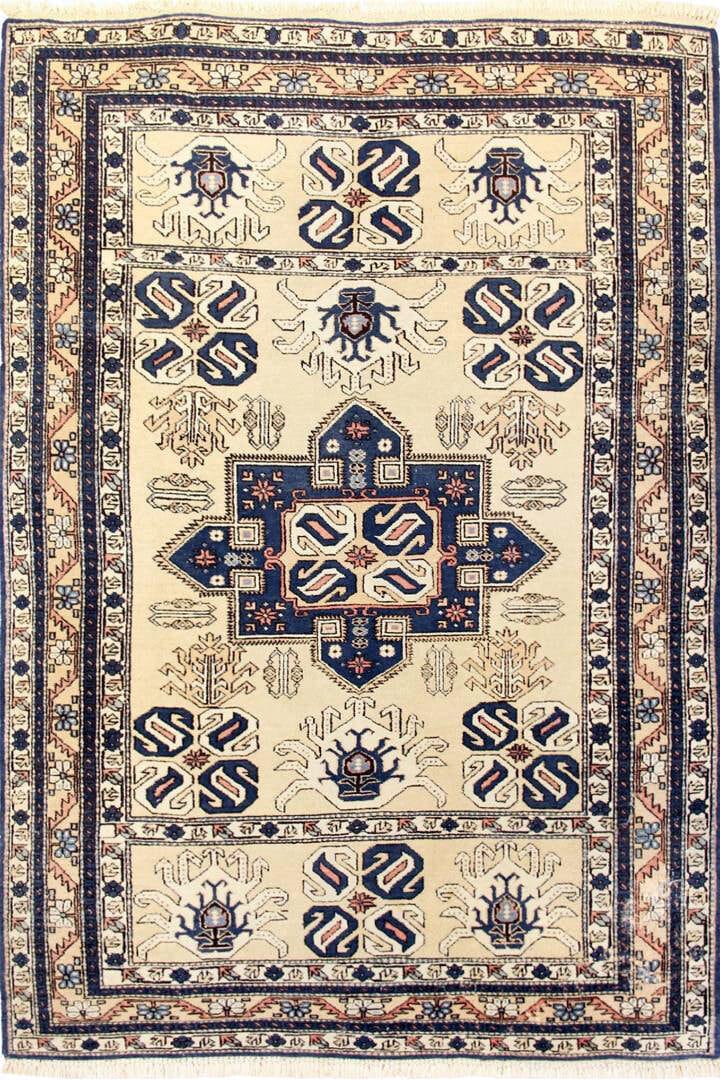
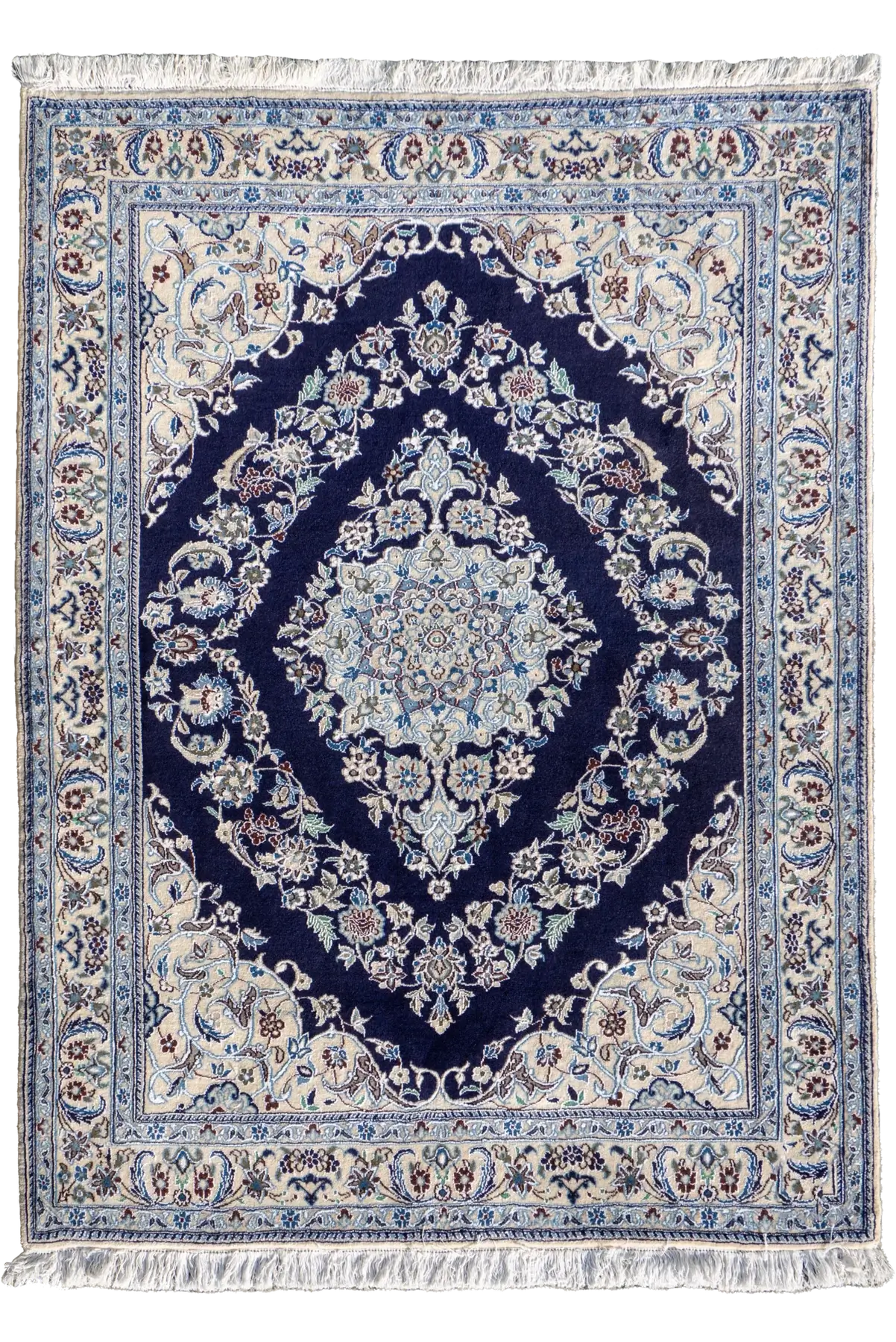


On the same southern leg as Stokers Siding
Set out the way the corridor runs, south toward Burringbar and back up toward the town.
Stokers Siding questions, answered plainly
Are you on this corridor regularly, or is it a special trip?
Regularly. The southern leg runs down the Tweed Valley Way and takes the village in on its scheduled day, so a collection here is ordinary rather than arranged specially, and the drive does not appear on your quote.
How is a Stokers Siding rug priced?
Entirely from the rug. How it is made, how big it is, what it is made of and what state it is in. The address plays no part. Whatever the driver quotes at your door is what you are invoiced when the rug comes back.
There is paint or pigment in the pile from a studio. Is that hopeless?
Not necessarily, but it depends on which pigment and how long ago. Water based work often responds well. Oils and some fixed pigments are a different proposition, and we will tell you honestly at inspection which one you are dealing with rather than promising a result we cannot deliver.
The dog has urinated repeatedly in one spot. Will a wash sort it?
Usually. The problem is that the urine is in the foundation, not the pile, so nothing applied on top has ever reached it. Full immersion does, enzyme work then breaks down the compounds responsible for the smell, and if the dye below has suffered we show you before any work is done.
Do you collect from Burringbar, Byangum and Mooball on the same day?
All three sit on this leg, with Murwillumbah and Uki as well. Houses out here are spaced apart, so a shared collection makes the morning work better for everyone, with $20 off each rug beyond the first.
The rug smells faintly musty but looks fine. Worth a call?
Definitely, and it is the cheap stage to act at. What you are smelling is moisture that has not left the base of the rug, and it becomes noticeable well ahead of any visible mark. A wash now resolves it outright. A wash after another wet season is a treatment job with a treatment price.
Get your free quote today
Tell us about your rug and we’ll take it from there. Free pickup and delivery, and an honest assessment before any work begins.