
Eleven square kilometres on the escarpment
Rug Cleaning Flaxton,
a Small Place With a
Long Reach
Acreage on quiet escarpment roads with rainforest hard against the boundaries. The rolled rug goes down the range, is bathed by hand at Yatala, and comes back dry to the base.
- Safe for delicate and handmade rugs
- 48-hour express service available at additional cost
- Free pickup and delivery on the Blackall Range run day
Reveal the Clean
Watch it clean automatically, then take control.
experience
 Expert care
for your rugs
 Free
Freepickup & delivery
 Trusted, licensed
and insured experts
turnaround
 Guaranteed
satisfaction
One figure for a rug that lives in cloud
The first question is not what a wash costs, it is whether this rug will repay one. We answer that before quoting. When the answer is yes you get a single number that holds, and when it is no you get told, and the rug goes back inside.
- 1Rolled at the verandahFrom a carport, a hallway or a shed
- 2Assessed, then quotedOne figure, taken from the rug itself
- 3Bathed by hand at YatalaImmersed whole, rinsed until it runs clear
- 4Back in about 7 daysDried flat under control, groomed, rolled
Get an honest assessment
No obligation · free pickup & delivery · we reply next business day
Rug washing Flaxton, on the quiet side of the escarpment
An English fen name, and a village at one twelfth size
Flaxton has a long history of things arriving at the wrong scale and settling in anyway. The name came from Flaxton Hall Farm in the fens of Eastern England, carried here by the settler Joseph Dixon, who selected land in 1882 and planted sugarcane on an escarpment 400 metres above the coast. That did not last, and from 1892 the district cleared for bananas and citrus instead, with a fruit-packing shed opening in 1931 to handle the harvest. A sawmill ran here from 1936 until it burned down twenty years later in 1956. Then in March 1970 the Flaxton Model Village opened, with one-twelfth scale replicas of English buildings standing beside life-sized structures working as a theatre, a cafe and a shop. An English farm name, an English village in miniature, and eleven and a half square kilometres of Queensland escarpment holding both.
Size is not the useful measurement on a rug. What it has been through is, and those two are rarely related.
Acreage on the quiet roads, and what is inside it
This is escarpment acreage on roads that carry a fraction of the traffic Montville's main street does, and the character follows from that: long views, cold mornings by coastal standards, and rainforest running hard against several boundaries. The rug stock reflects the households. Good wool pieces, often bought deliberately rather than casually, laid on timber floors with a wood heater running from around May to September. What that combination produces is a very specific job for us. Ash and fine soot settle into the pile all winter, leaf matter and humus come in on boots year round, and the elevation means neither one ever gets a properly dry week to sit through. Rugs from Flaxton are rarely damaged. They are loaded, which is a completely different problem and a far more satisfying one to fix.
Cloud on the boundary, and why drying decides everything
With Kondalilla National Park directly on the boundary, Flaxton catches the cloud, mist and heavy rainfall the whole escarpment is known for, and rainforest edge living means the humidity has nowhere to go. Indoors, a rug can hold moisture in its base for weeks at a time while feeling perfectly dry to a hand on the surface. Mustiness and slow growth under furniture follow from that, and they are the two most common reasons anybody up here rings us. Both come out in the bath. Whether they stay out depends entirely on the drying, and drying is the one thing this locality cannot provide no matter how good the day is. The controlled room at the facility can, and on the escarpment that single fact matters more than anything else we could tell you.
Our Sunshine Coast office, and the drying room that matters more up here
Our Sunshine Coast office
Premier Rug Cleaning Sunshine Coast
The Sunshine Coast listing sets out the ground we work rather than a place you can visit. A driver comes up the range to the property, and the bath is filled at Yatala.
Down the range, then south
That distance belongs to us and it never reaches your quote. Flaxton is collected on the Blackall Range leg with Mapleton and Montville, and the window is confirmed once the day is scheduled.
An English farm name, a sawmill lost to fire, and a village in miniature
A quiet stretch of escarpment that has never been short of character.
Flaxton takes its name from Flaxton Hall Farm in the fens of Eastern England, after the settler Joseph Dixon selected land here in 1882 and began growing sugarcane.
A name carried whole from an English farm to a Queensland escarpment is the sort of specific we like having before we ever collect from an acreage block here.
From 1892 the district's residents cleared land for banana and citrus farming instead, and a fruit-packing shed opened in 1931 to handle what the orchards produced. That shift from cane to orchard fruit is a genuine working thread through the district's early decades, and it explains the shape of the older blocks up here.
A sawmill operated at Flaxton from 1936 until it burned down in 1956, twenty years of timber work on the same stretch of escarpment that now grows citrus and holds acreage homes.
A working mill lost to fire after two decades is a real piece of local memory, and we bring the same attention to the specifics of a place that we bring to the specifics of a rug.
Flaxton Provisional School opened in February 1922 and closed in 1967, its students moving on to Mapleton and Montville State Schools, which remain the nearest primary options today. Five public reserves now sit across the locality's quiet eleven and a half square kilometres.
The Flaxton Model Village opened on 21 March 1970, with one-twelfth scale replicas of English buildings standing alongside life-sized structures working as a theatre, a cafe and a shop.
An English village in miniature on a Queensland escarpment tells you this quiet road has never lacked character, and every rug from it gets the same careful attention.
The locality's population grew from 931 to 992 people between the 2016 and 2021 census counts, modest but genuine growth. Carramar Court Park, the Cynthia Hunt Drive Bushland Conservation Reserve, Flaxton Drive Park and its Natural Amenity Reserve, and Nimbus Drive Park are all within the same small area.
What customers say about Flaxton
Rated 4.9 ★ from 8 customersaround Flaxton, collected directly from our customers after every clean.
Flaxton's own cards, then every other address
The cards above come from Flaxton addresses. The larger figure counts every suburb we collect from.
Every weave.
Every origin.
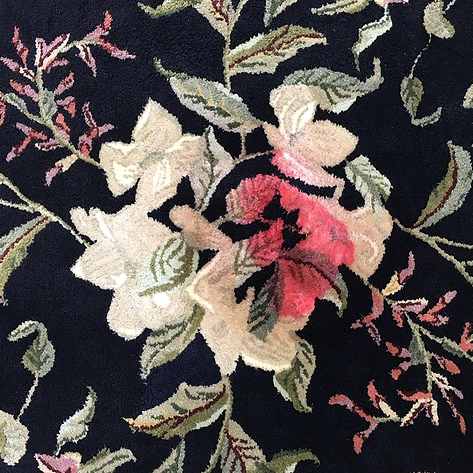
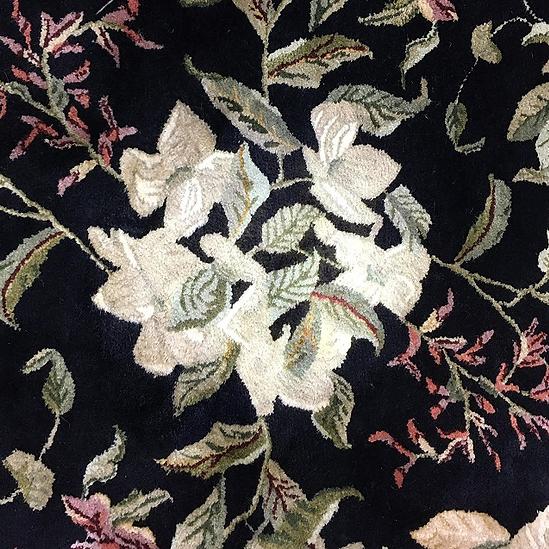
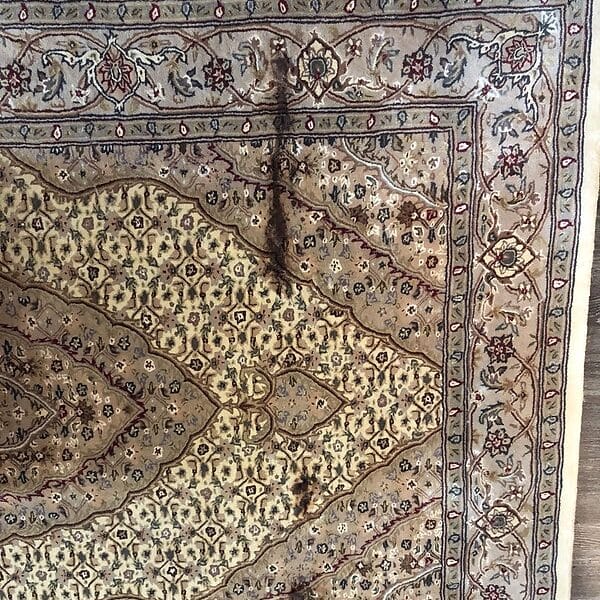
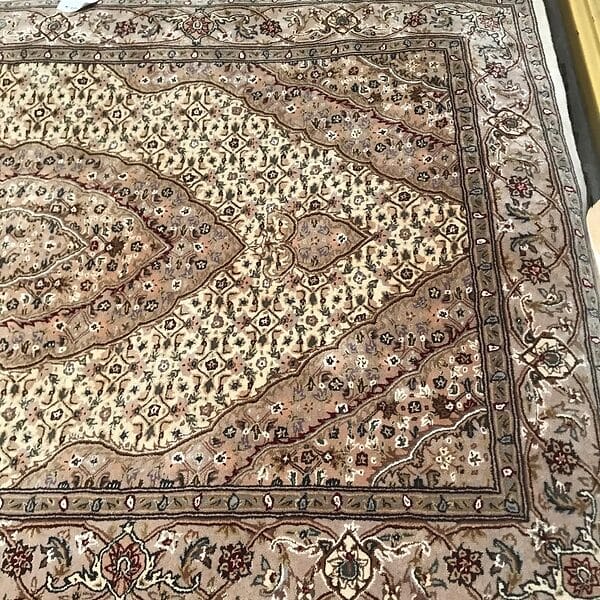
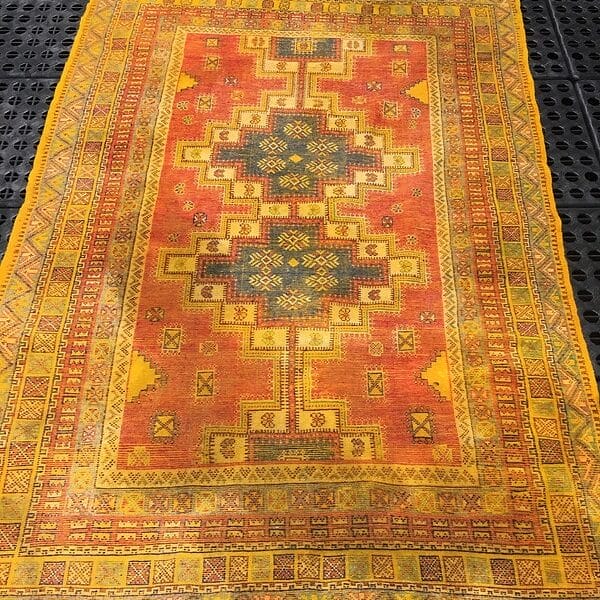
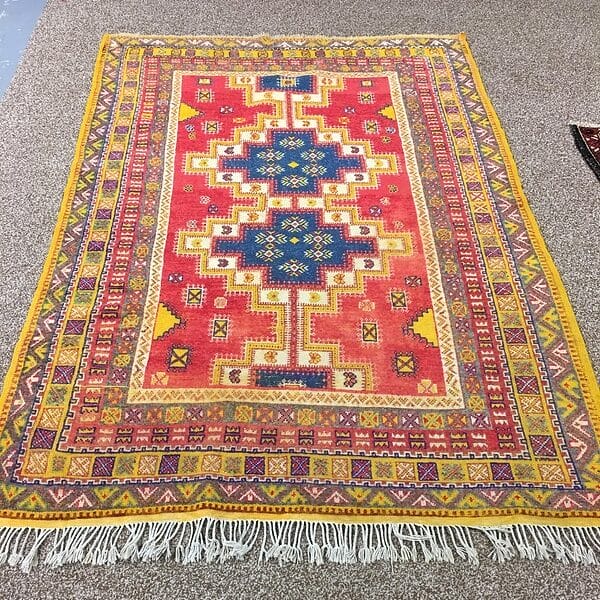
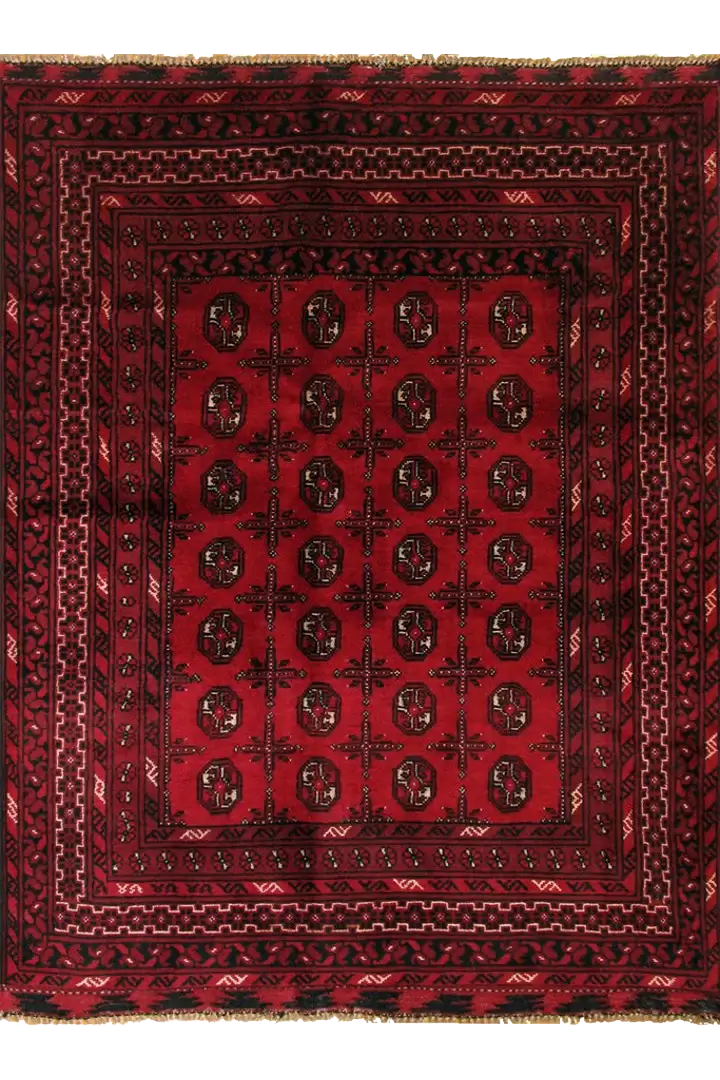
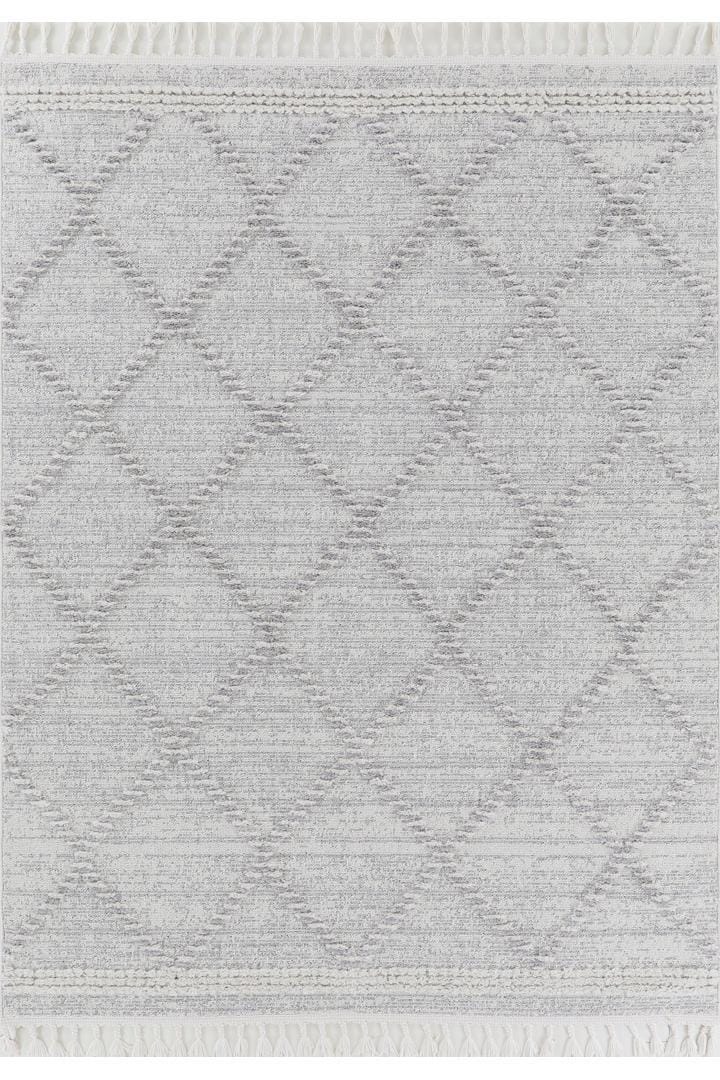
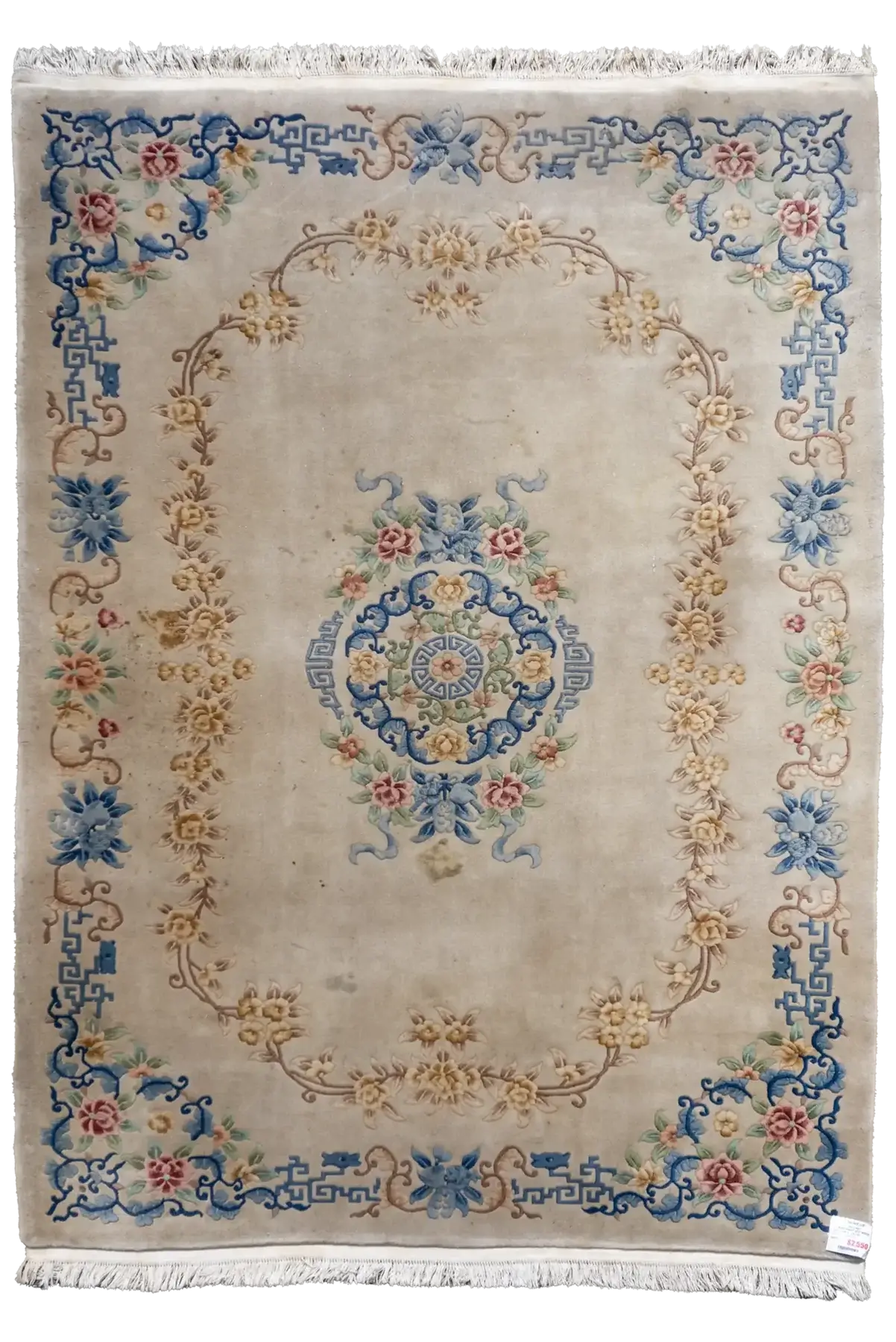
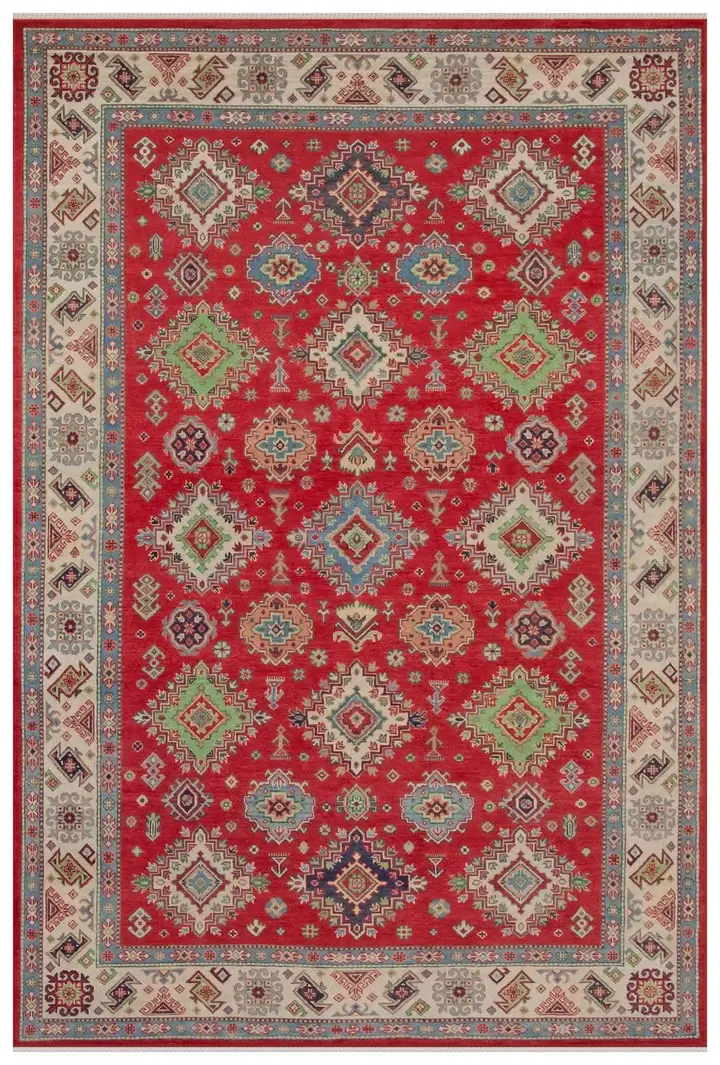
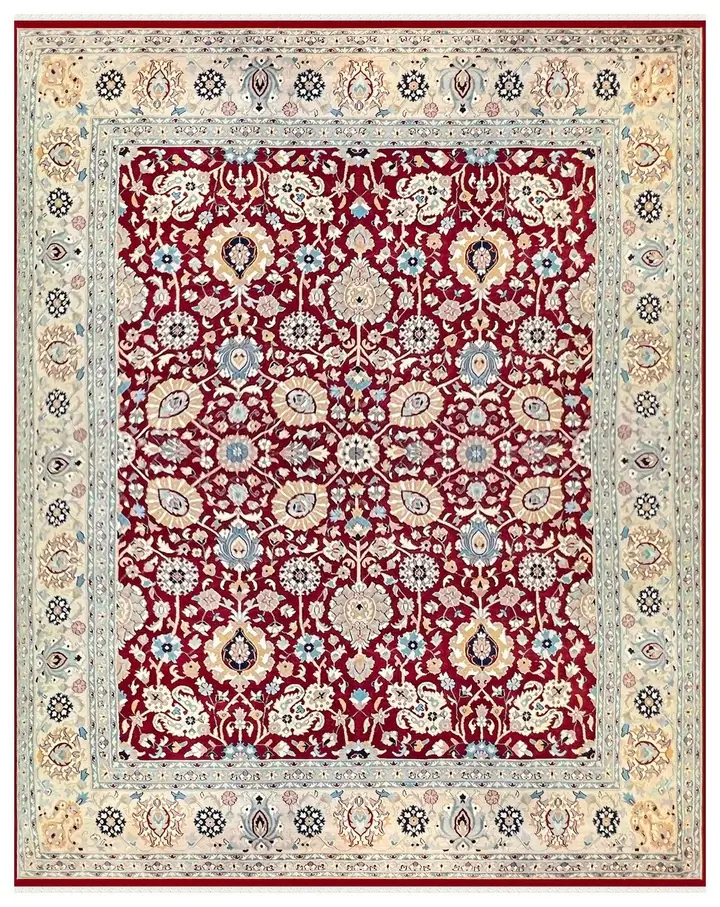
From Persian heirlooms to everyday synthetics. Twenty rug types, each hand washed to a method matched to its fibre and construction. Never a one-size clean.
- 29 years on rugs only
- IICRC-certified technicians
- Washed at our Yatala facility
Collected on the same range day as Flaxton
The range leg takes these in order along the escarpment road.
Flaxton questions, answered plainly
There is ash in the rug from the fire every winter. Does that come out?
Yes, and it is one of the most common reasons anyone up here calls us. Fine ash and soot work down into the pile where vacuuming cannot reach them, and they are exactly what full immersion is good at. The rug generally comes back several shades closer to its original colour than people expect.
How is the price for a Flaxton rug decided?
By the rug and nothing else. Size, construction, fibre and condition are the inputs. The escarpment address makes no difference and neither does the drive, which is already covered. The figure is set at inspection and stays where it lands.
Can a rug be dried properly up here after a wash?
Not reliably, and that is the honest answer for the whole escarpment. Cloud sits on this boundary for days at a time and nothing indoors dries through while it does. It is the reason we take rugs off the range and dry them in a controlled room rather than returning them still holding moisture in the base.
The dog sleeps by the fire and has urinated there. Is the rug finished?
Almost certainly not, though it wants looking at rather than another spray. Urine goes through the pile into the foundation, which is why surface products stop working within a day. Immersion carries the deposit out, enzymes deal with the odour source, and we tell you at the assessment if the colour underneath has been damaged.
Do you collect from Montville, Mapleton and Hunchy too?
All three are on the same Blackall Range day, along with Maleny and Witta further south. Acreage roads up here mean one stop often serves two properties, so send rugs together where you can and each one after the first has $20 off applied.
Something grey has appeared on the back of the rug. What now?
Get it looked at rather than scrubbed. Growth on the reverse means the base has stayed damp, and disturbing it dry spreads spores through the room. We collect it, treat it in the bath, rinse out both the growth and what it has bedded into, and then dry the piece properly so the same corner does not start it again.
Get your free quote today
Tell us about your rug and we’ll take it from there. Free pickup and delivery, and an honest assessment before any work begins.