
On the plateau, 4556
Rug Cleaning Buderim,
a Hundred and Eighty Metres of
Difference
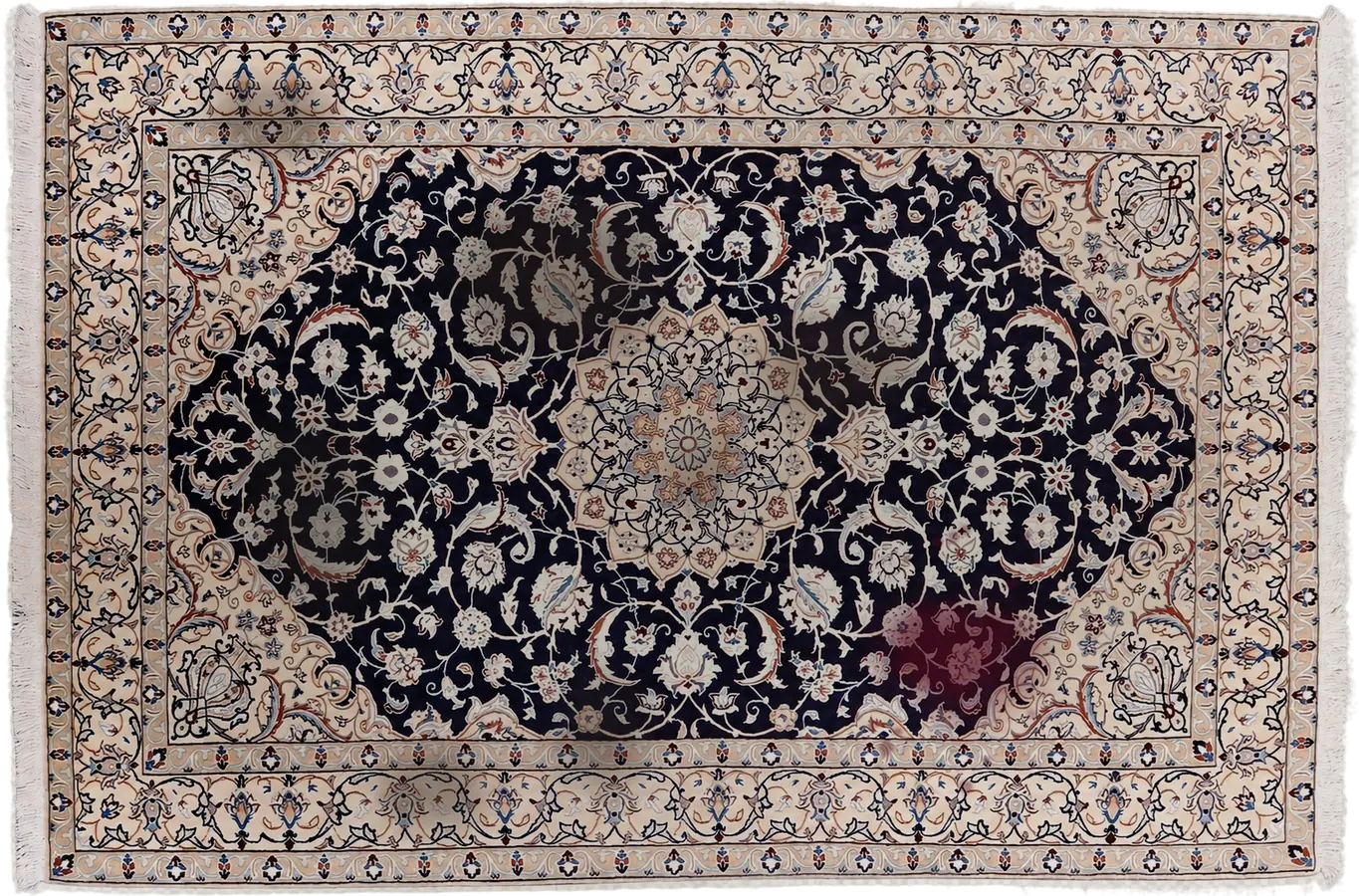
Cloud that misses the flats below sits on this plateau instead. That changes what a wool rug is holding. Yours is collected rolled, lowered into the bath by hand at Yatala, flushed until the water shows nothing, and returned dry.
- Safe for delicate and handmade rugs
- 48-hour express service available at additional cost
- Free pickup and delivery on the plateau run
Reveal the Clean
Watch it clean automatically, then take control.
experience
 Expert care
for your rugs
 Free
pickup & delivery
 Trusted, licensed
and insured experts
turnaround
 Guaranteed
satisfaction
A considered quote for the plateau's better rugs
Owners here tend to research before they ring, and that suits us. The rug is identified properly, quoted once at inspection, and the figure holds. If a wash will not achieve what you want, we would rather say so than take the work.
- 1Taken rolled from the doorOne stop on the scheduled plateau run
- 2Identified, then quotedOne figure, based on what the rug actually is
- 3Bathed by hand at YatalaLowered in, worked, flushed until clear
- 4Back in about 7 daysDried flat in set air, groomed and rolled
Get an honest assessment
No obligation · free pickup & delivery · we reply next business day
Rug washing Buderim, where the cloud sits lower than you are
A plateau that changes the weather over it
Buderim is built across a 180 metre plateau seven kilometres southwest of Maroochydore and 91 kilometres north of Brisbane, covering 76.4 square kilometres and looking out over the whole southern Sunshine Coast. The suburb grew from 639 residents in 1933 to 29,355 by 2016. The wider Buderim urban area, which for statistical purposes also takes in Forest Glen, Kunda Park, Mons, Mountain Creek, Sippy Downs and Tanawha, reached 58,956 by 2021 on that broader boundary, so that figure is not Buderim's own. Altitude is the thing that matters here. Cloud and rain that the coastal flats below miss entirely stop on this plateau instead, and cooler, damper air settles under verandahs and through timber floors right through the year. It is the same humid subtropical climate the rest of the Maroochy district gets, made stronger by altitude rather than by any proximity to salt water, and it does not switch off in the cooler months.
A rug seven kilometres away at the beach is fighting salt. Up here it is fighting shade and cloud, and the second one works more slowly and goes deeper.
What the plateau actually owns
Buderim holds more genuine wool and Persian rugs than almost anywhere else on this coast, in established homes belonging to professionals and retirees who look a specialist up before they make the call. Blocks range from character cottages near the village through to newer executive homes along the ridge roads, and the rugs follow that spread: hand-knotted pieces bought deliberately, inherited work with real age on it, and good machine-made rugs in the newer builds. What ties them together is that permanent shade and damp air mean a rug here gets real, continuous exposure to moisture even in a house that never sees the beach. That is a slower problem than salt and a harder one to notice, because nothing about it looks dramatic until a rug is lifted and the underside is read.
Three industries before the one everybody names
Joseph Dixon built a sugar mill on Buderim in 1876. Gustav Riebe started commercial coffee in 1881, and by 1911 this plateau was Queensland's largest coffee-producing district. Bananas were planted commercially by James Lindsay in 1883, and citrus orchards expanded alongside them. All of that came before ginger, which is the crop the mountain is now known for. The pattern is worth naming because it is the same one we work to. Three industries were built properly, one at a time, each with the groundwork done before the next one started. On a rug that translates to identifying the construction, testing the dyes and reading the foundation before any water is drawn, rather than starting with the wash and finding out afterwards what the piece could not take.
Our Sunshine Coast office, and the wash floor further south
Our Sunshine Coast office
Premier Rug Cleaning Sunshine Coast
The listing covers a service area rather than a shop. Nobody washes rugs on the plateau. We drive to your door and the work itself is done at Yatala, which is the truthful version of it.
Off the mountain and down the motorway
The drive is ours. Buderim rides one planned day with Mooloolaba and the beaches, and the collection window is confirmed once that day is scheduled rather than promised in advance.
Cedar, coffee and a tramway down the hill
A plateau that built things carefully, one at a time.
Tom Petrie led an 1862 expedition of 25 Turrbal and Kabi Kabi men from Brisbane to search Buderim's slopes for cedar, opening the way for the timbergetters who followed.
A plateau opened up by guided, careful exploration rather than a rush still carries that character, and it is the same care we take reading a rug before recommending any work on it.
In 1862, Tom Petrie set out from Brisbane with 25 Turrbal and Kabi Kabi men to search Buderim's forested slopes for cedar, the first recorded European exploration of the mountain. Timbergetters including Dan Cogill, Robert Pill and the Chambers brothers followed soon after, working the plateau's stands before it was cleared for farming. The mountain's own name comes from an earlier era again, from the word badderam, meaning honeysuckle, for the banksia that grew thickly across it.
Long before Buderim was known for ginger, the plateau led Queensland's coffee production, ran its own sugar mill and pioneered commercial banana growing on this coast.
Building three separate industries properly before the best-known one started is the same discipline as testing and identifying a rug before the wash rather than after it.
Joseph Dixon built a sugar mill on Buderim in 1876, and in 1881 Gustav Riebe began commercial coffee cultivation that grew steadily enough for Buderim to become Queensland's largest coffee-producing district by 1911. Bananas joined the mix in 1883, first planted commercially by James Lindsay, and citrus orchards expanded alongside them through the following decades. Buderim was already the original centre of ginger cultivation in the district well before the growers' co-operative that later made it famous had even formed.
A small-gauge tramway ran between Buderim and Palmwoods from 1914 to 1935, carrying farm produce, fruit and timber off the plateau to the main rail line for Brisbane.
Getting something valuable safely off this plateau has always taken planning, which is why a Buderim rug leaves on a scheduled run rather than whenever a van happens to be nearby.
After years of planning and a Queensland Government loan agreement, the Palmwoods to Buderim tramway opened for business on 1 December 1914, a narrow 2 foot 6 inch gauge line built specifically to get the mountain's produce, fruit and timber down to the main line at Palmwoods. The First World War halted planned expansion almost immediately, and falling farm output through the 1920s, new roads carrying trucks instead, and the Depression combined to end it. The final run went on 10 August 1935, and its old formation is now a walking trail.
What customers say about Buderim
Rated 4.8 ★ from 12 customersaround Buderim, collected directly from our customers after every clean.
Buderim first, then the rest of the coast
Those first cards are plateau addresses. The wider figure covers every suburb the vans have collected from.
Every weave.
Every origin.
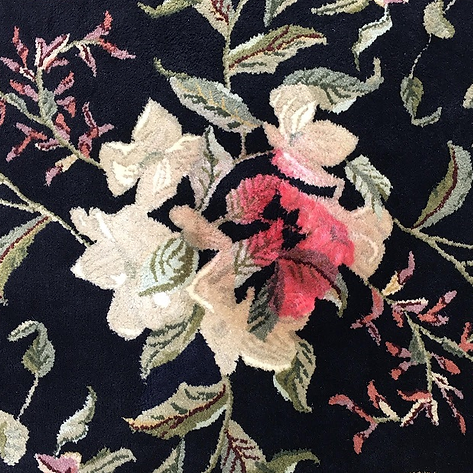
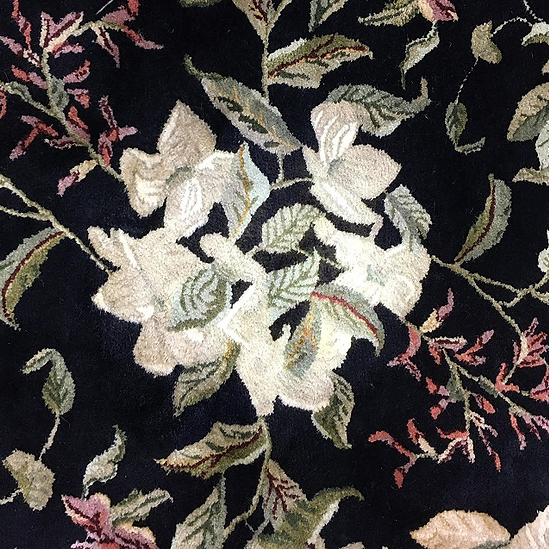
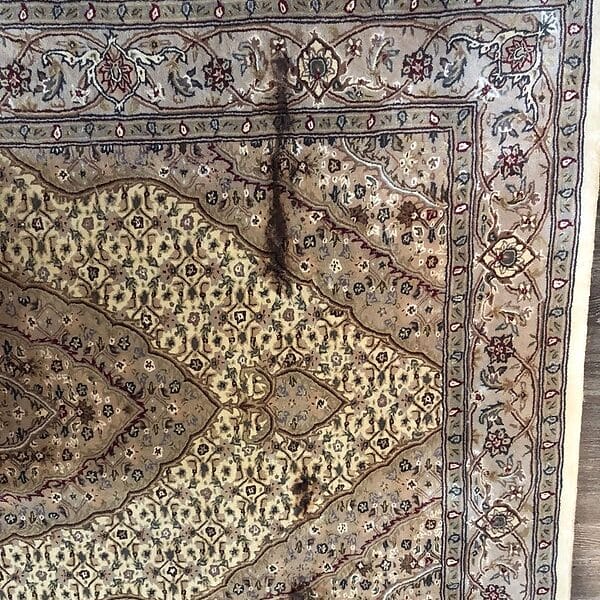
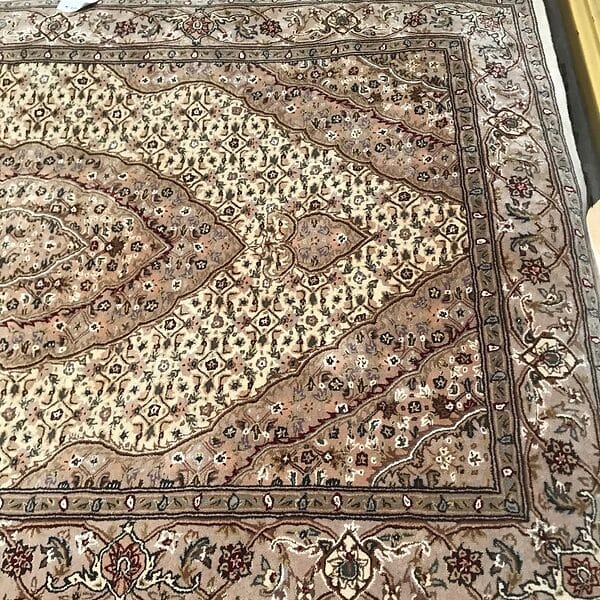
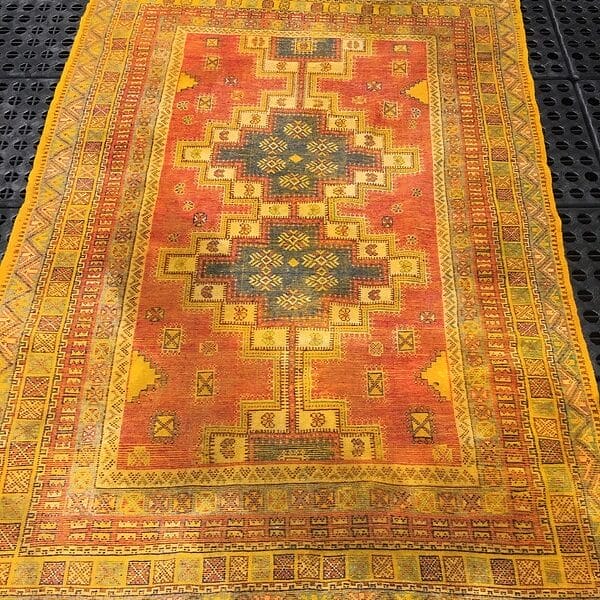
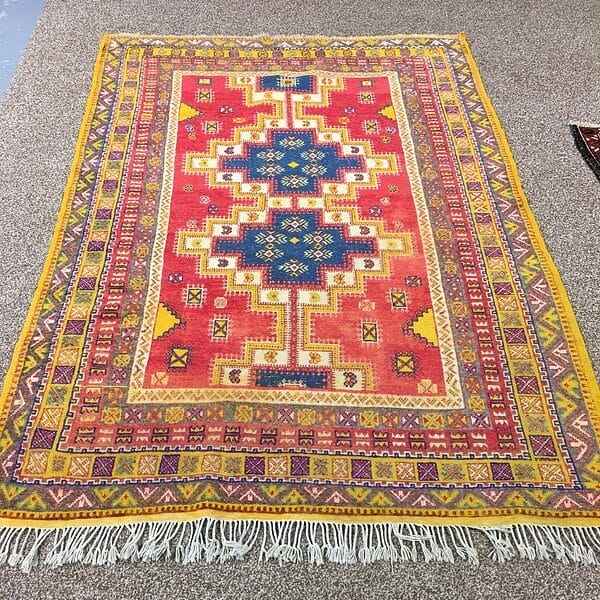
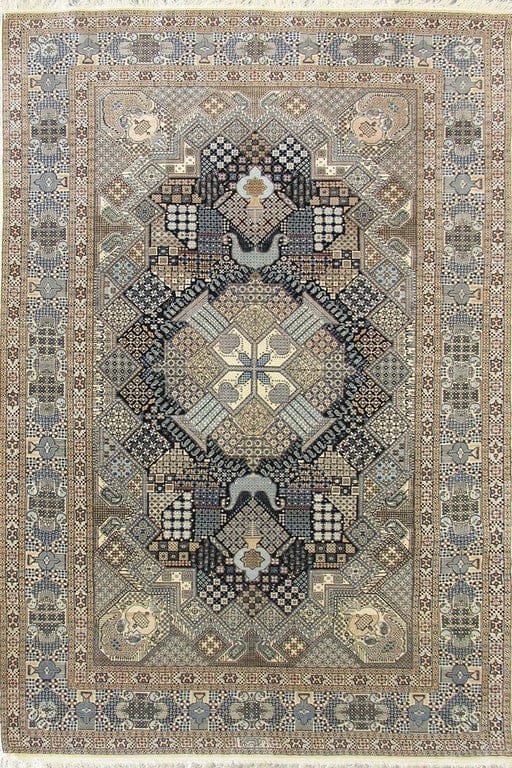
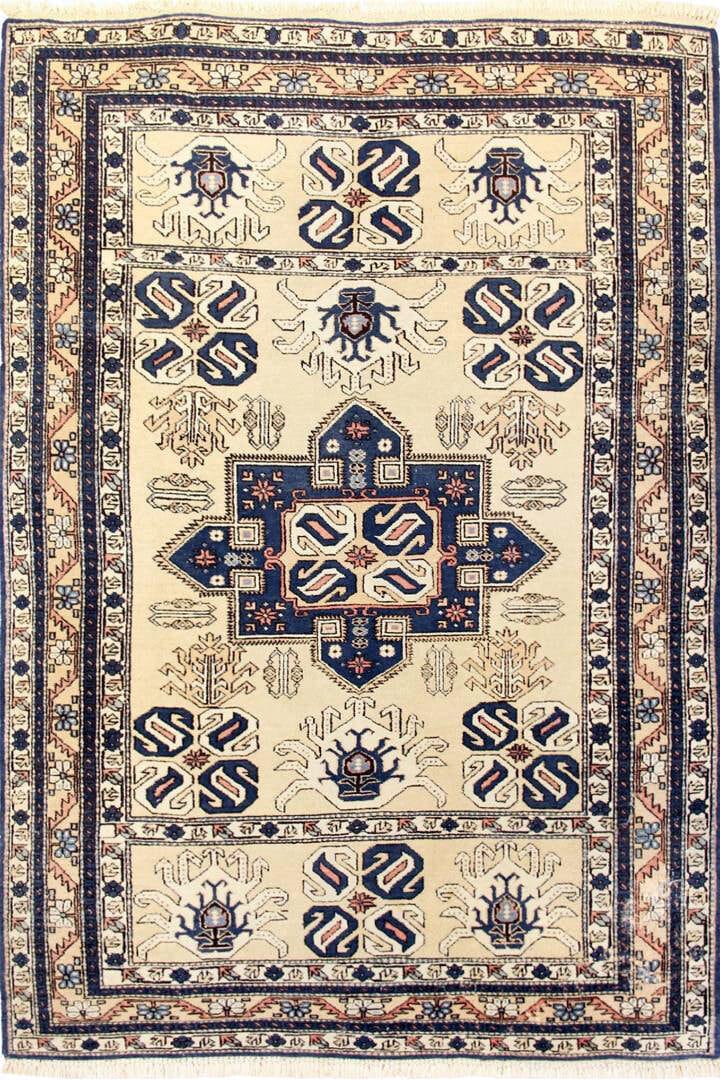
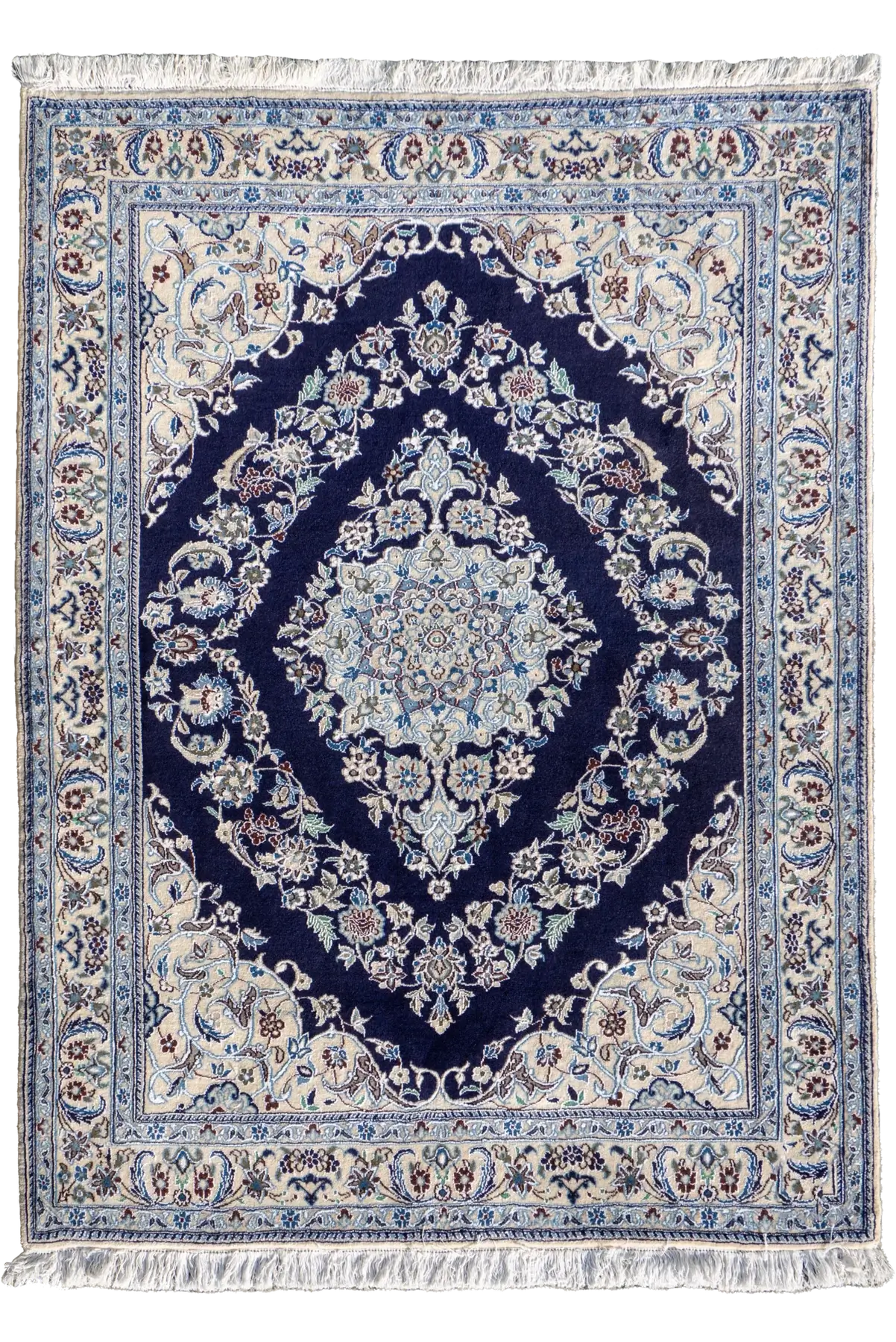
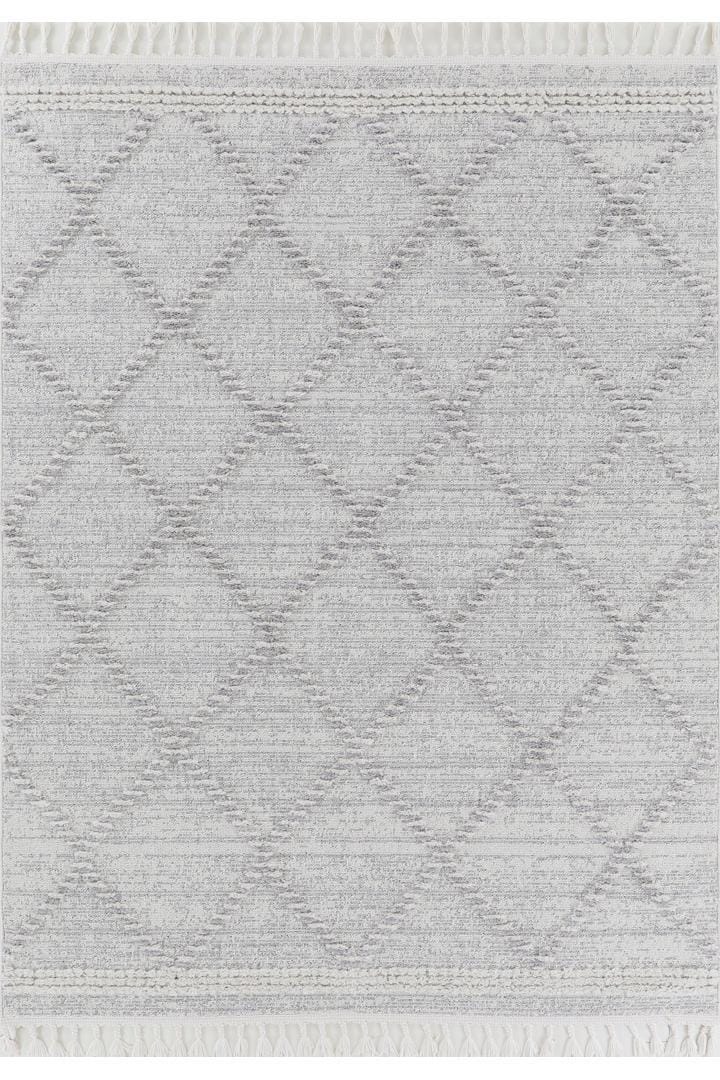
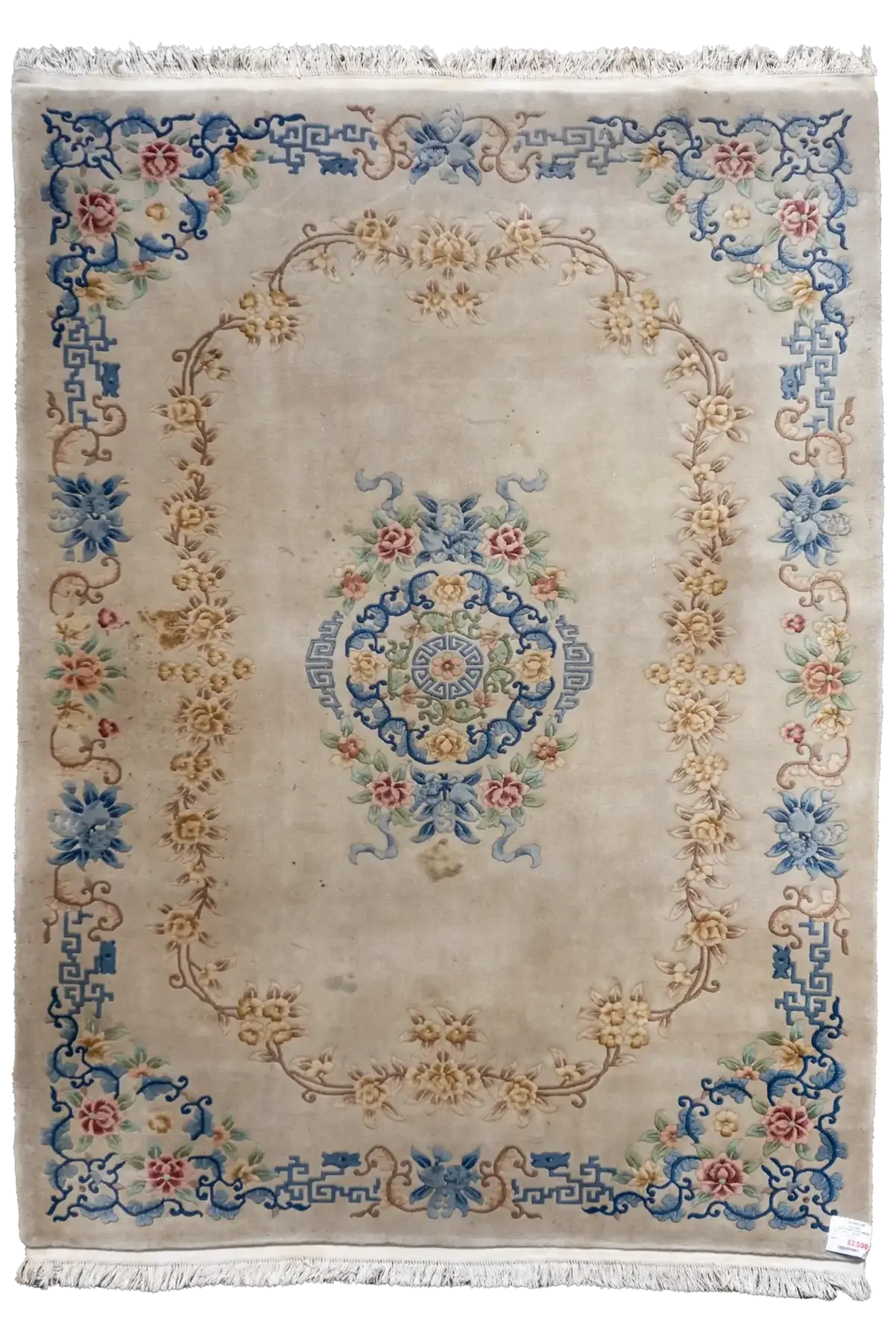
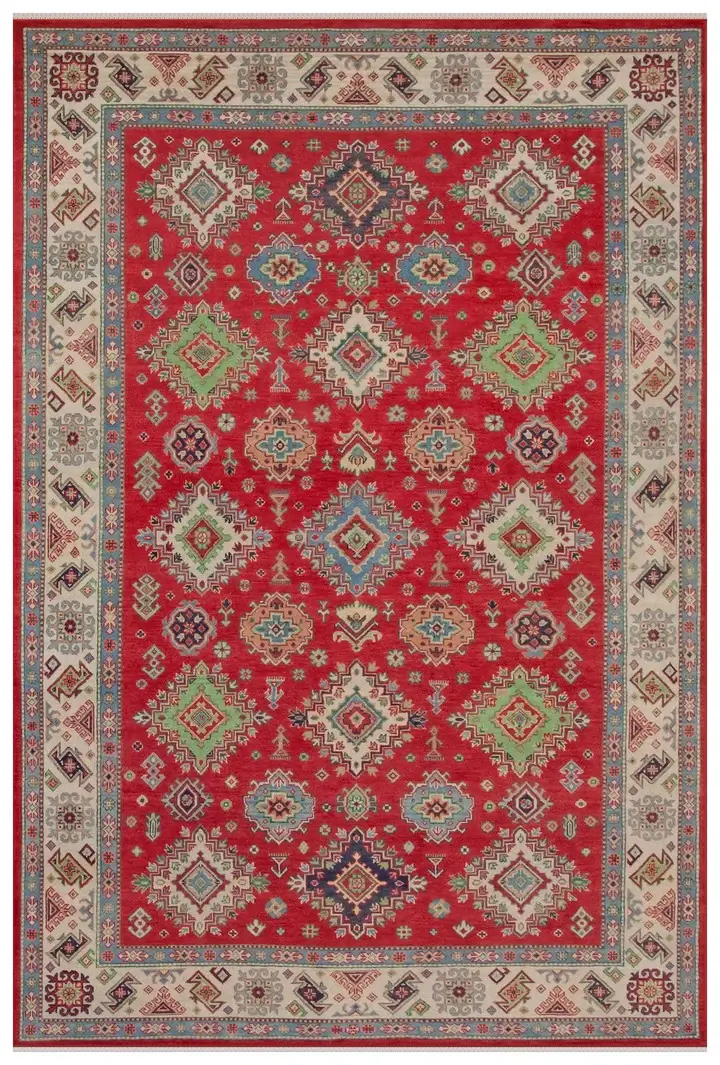
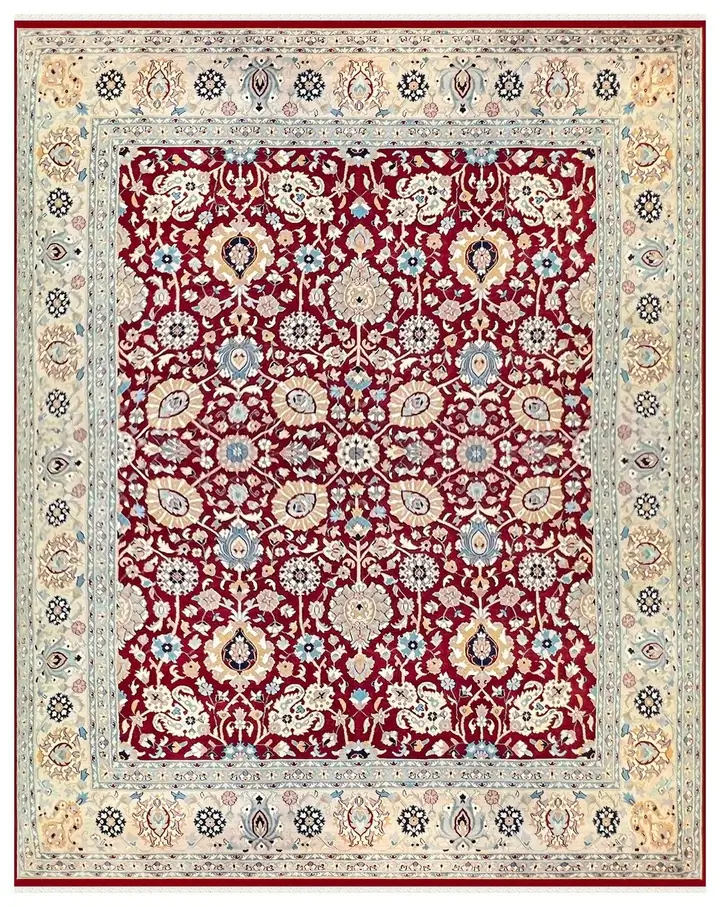
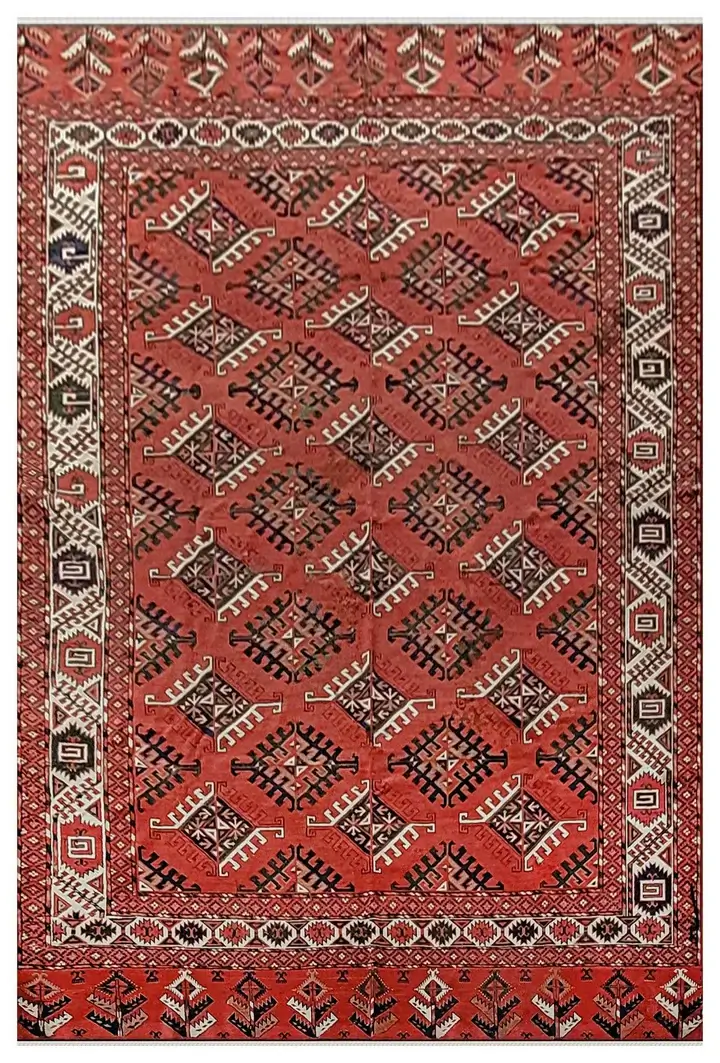
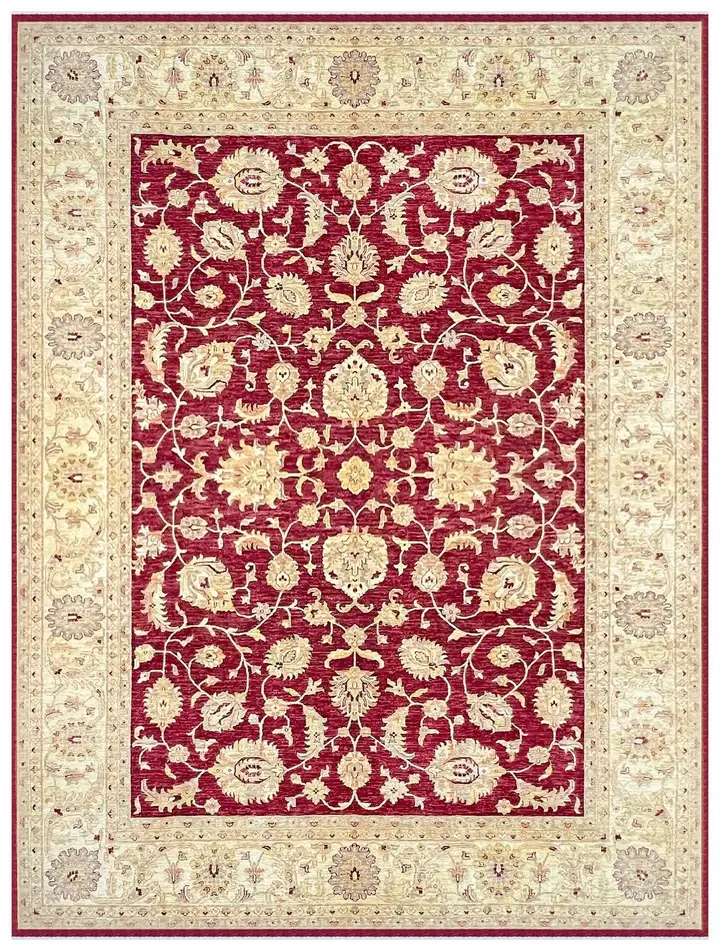
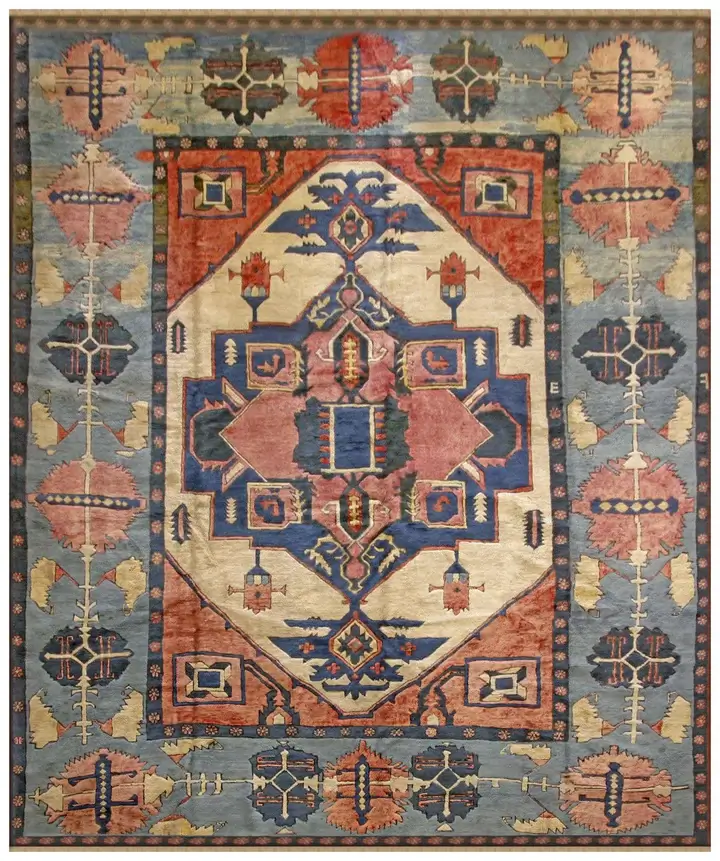
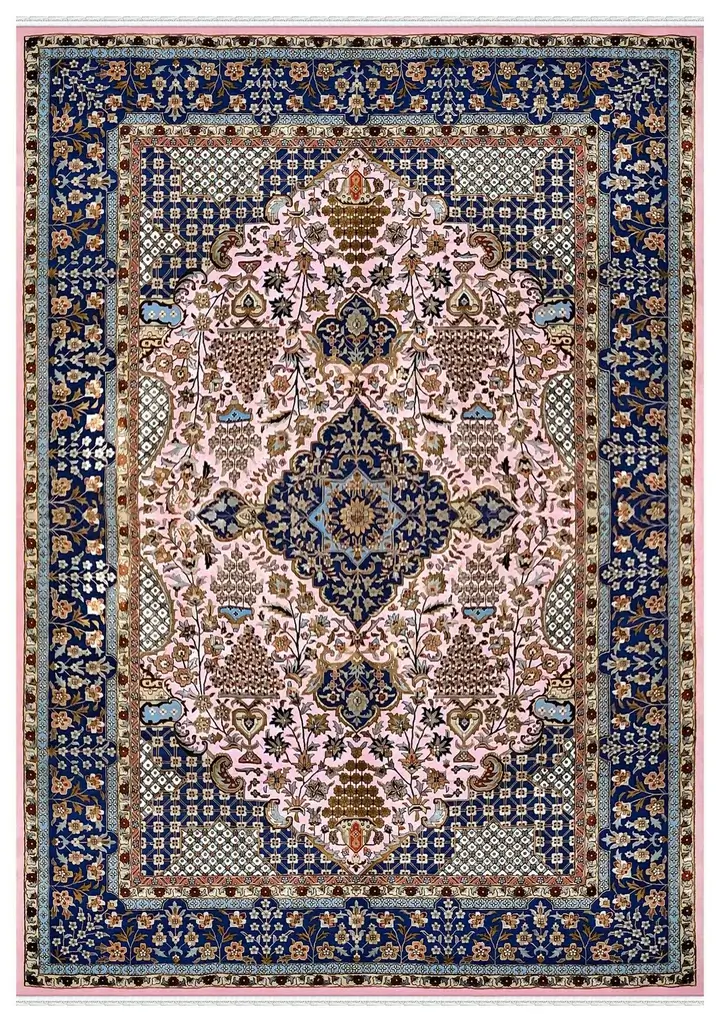
From Persian heirlooms to everyday synthetics. Twenty rug types, each hand washed to a method matched to its fibre and construction. Never a one-size clean.
- 29 years on rugs only
- IICRC-certified technicians
- Washed at our Yatala facility
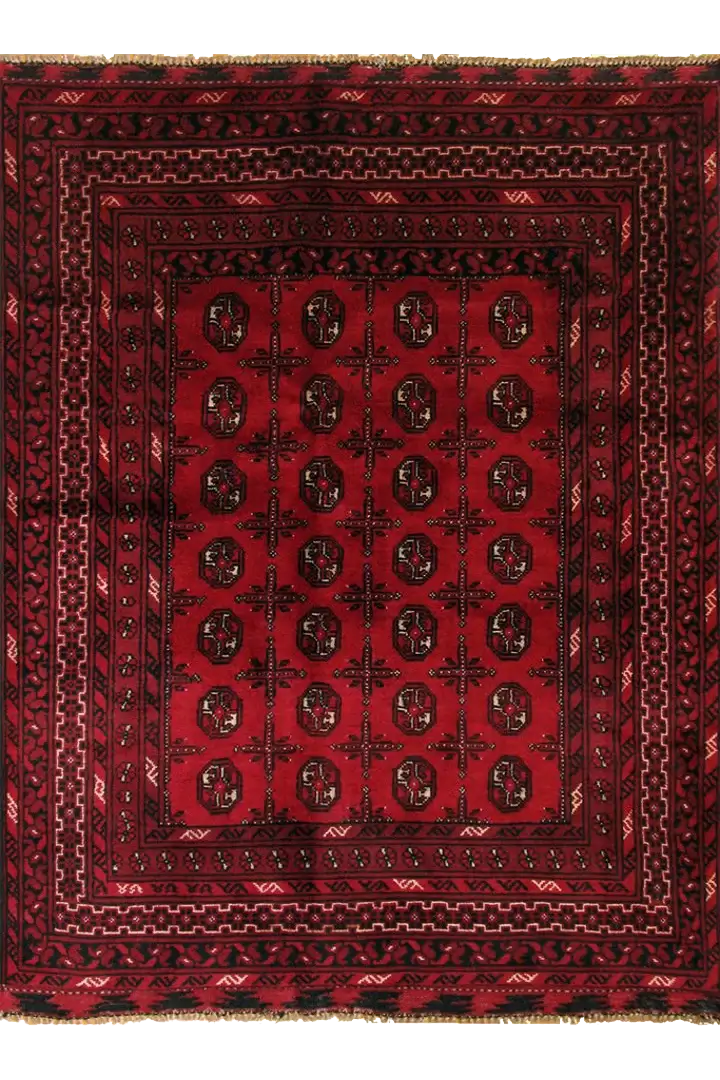
Collected alongside Buderim
The ridge roads and the belt below them, on one day.
Buderim questions, answered plainly
Do you handle hand-knotted Persian and Turkish rugs, or only machine-made?
Both, and they are treated as completely different jobs. A hand-knotted rug is identified, dye tested and washed by hand in the bath. Where a piece is too fragile or the dyes will not hold, we use low moisture compound cleaning instead and explain why before starting.
How is the price arrived at?
From the rug. Construction, fibre, size and state of wear decide it, with the figure fixed at inspection after collection rather than estimated over the phone. Once it is set it does not change, and both driver trips are already accounted for inside it.
Our house never sees the beach, so why does the rug still smell damp?
Because the plateau holds moisture the coast below does not. Cloud and shade keep the air damp for longer up here, and a wool rug quietly stores that in the base of the pile. A full immersion wash removes it along with whatever it has been feeding, and the controlled drying room is what stops it returning.
The dog urinated on a wool rug some time ago. Is the damage permanent?
The smell almost never is. Urine salts are water soluble, so immersion removes them where nothing topical can, and an enzyme stage handles the odour source. Dye change from the acid can be permanent, and if that has happened we show you at the assessment rather than after the wash.
Do you also collect from Mons, Forest Glen and Mooloolaba?
Yes, along with Kunda Park, Tanawha and Sippy Downs on the same plateau run. Two households can send rugs together on one stop, which happens often here, and every rug after the first is $20 off.
How long will a good rug be away from the house?
About 7 days from collection to delivery. When a date is fixed and cannot shift, we can run the 48-hour express service for an added charge. Both finish with flat drying in air we control, which on hand-knotted work is the part that keeps the rug square.
Get your free quote today
Tell us about your rug and we’ll take it from there. Free pickup and delivery, and an honest assessment before any work begins.