
Old coach camp, old rail centre, new households
Rug Cleaning Woombye,
a Town That Changed Jobs
Twice
A coach stop in 1868, a railway town from 1891, and now a corridor suburb that has nearly doubled since 2006. The timber houses from the first two eras are still standing, and so are a lot of the rugs in them.
- Safe for delicate and handmade rugs
- 48-hour express service available at additional cost
- Free pickup and delivery on the Nambour corridor run day
Reveal the Clean
Watch it clean automatically, then take control.
experience
 Expert care
for your rugs
 Free
pickup & delivery
 Trusted, licensed
and insured experts
turnaround
 Guaranteed
satisfaction
One number at the door, and no revision later
The driver opens the rug where it lies, reads it, and gives you a figure that covers the wash and both trips. It does not change once the rug is on the van. Where a piece is genuinely past being worth the cost, that is what you get told, and there is nothing to pay for hearing it.
- 1Rolled where it liesFrom a hallway, a verandah or a garage
- 2One figure, given thereRead off the rug, both trips inside it
- 3Bathed at YatalaFully immersed, rinsed until the water is clean
- 4Back in about 7 daysDried flat under control, groomed and rolled
Get an honest assessment
No obligation · free pickup & delivery · we reply next business day
Rug washing Woombye, in an old town filling with new houses
Middle Camp, then Cobb's Camp, then a word for a tree
This town started in 1868 as a coach staging camp for Cobb and Co, and its first names were working ones: Middle Camp, then Cobb's Camp, both describing exactly what the place was for. The name changed in the 1880s to Woombye, from the Kabi word wambai for the black myrtle tree, whose timber was once used for axe handles. So the town swapped a name about its function for a name about what grew on the ground, and it did so right as the North Coast railway arrived in 1891 and gave it a different job again. The locality now covers 13.8 square kilometres 3.9 kilometres south of Nambour, with Burnside, Coes Creek, Nambour, Rosemount, Diddillibah, Palmwoods, Chevallum and Forest Glen among its neighbours.
This town has been three different things and kept the same houses through all of it. That is roughly our argument about rugs as well.
Timber housing stock from two working eras, plus everything since
The coach and railway era left real timber housing behind and a good deal of it is still standing, which is unusual in a corridor that has otherwise rebuilt itself. St Margaret's Anglican Church was dedicated on 28 May 1898 and the Woombye War Memorial was unveiled on 18 June 1925, both now past their centenaries and both still in the same town centre. Around them, the population has gone from 2,094 in 2006 to 3,246 in 2016 and 3,944 in 2021, close to doubling in fifteen years. What arrives at our door from here is genuinely two different populations of rug. There are long-held wool pieces that have been on the same timber floors for decades and have never once been properly washed, and there are recent rugs in recent houses on their first clean. The old ones are usually the more rewarding job by a distance.
Range-edge weather, and what a timber floor does with it
Sitting immediately south of Nambour on the same range-edge corridor as Palmwoods, Woombye catches the cloud and rainfall that comes off the higher hinterland ground nearby, which means more genuinely wet days than the coast gets and slower drying after them. The older housing stock turns that into a specific problem. A raised timber floor sitting over ground that stays damp lets moisture rise into the base of a rug continuously, so the piece is being worked on from underneath while nothing at all shows on the face. Turn one of these rugs over and the difference between the two sides is often startling. Immersion deals with the whole thickness in one operation because it has to reach the foundation to be worth doing, and the controlled drying room is what stops the damp reclaiming it within a fortnight of going home.
Our Sunshine Coast office, and the room where rugs are bathed
Our Sunshine Coast office
Premier Rug Cleaning Sunshine Coast
Our Sunshine Coast operation includes no counter of any kind. The listing describes the ground we cover, the van comes to the house, and the washing all happens at Yatala.
Where an old timber-floor rug goes
The drive costs you nothing and never appears on the invoice. Woombye is collected on the Nambour corridor run with Palmwoods and Nambour, and the window is confirmed once the day's stops are in order.
A coach camp, a black myrtle, and two buildings past their centenaries
An old working town that changed its purpose twice and kept its housing.
Woombye was established in 1868 as a staging post for Cobb and Co coaches, known first as Middle Camp and then as Cobb's Camp, before becoming a genuine rail centre once the North Coast railway opened through the district in 1891.
A town that renamed itself after a tree just as it stopped being a coach camp has a sense of what is worth keeping, which is the same instinct behind restoring a rug rather than replacing it.
The name itself changed during the 1880s, from those plain functional camp names to Woombye, taken from the Kabi word wambai for the black myrtle tree, a timber once used for axe handles. It is a rare direction of travel for a place name, moving from what a settlement did toward what actually grew on its ground, and the change landed almost exactly as the railway gave the town a completely different role.
St Margaret's Anglican Church was dedicated on 28 May 1898 and the Woombye War Memorial was unveiled on 18 June 1925, and both still stand in the town centre today.
Buildings kept in use past their centenaries are the work of people who repair things rather than replace them, and that is exactly the household where a good rug survives long enough to be worth washing.
They bracket the town's railway decades neatly, one built while the line was still new and the other put up a generation later by a community that had by then settled into what the railway made it. Woombye State School serves the locality, with Suncoast Christian College and Nambour Christian College both drawing students from the wider corridor around it.
Woombye grew from 2,094 residents at the 2006 census to 3,246 in 2016 and 3,944 in 2021, close to doubling across fifteen years on 13.8 square kilometres.
Two eras of housing in one town means two very different sorts of rug on the same collection morning, and both get the same reading before anything is decided.
With Palmwoods, Chevallum, Burnside, Coes Creek and Rosemount all as direct neighbours, this town anchors its own corner of the Nambour corridor belt. It is an old railway town adding households steadily rather than a fringe estate appearing overnight, which is why the old timber stock and the new building sit side by side rather than one replacing the other.
What customers say about Woombye
Rated 4.9 ★ from 8 customersaround Woombye, collected directly from our customers after every clean.
Woombye cards first, then the whole region
Those cards came from Woombye households. The larger figure counts every suburb we collect from.
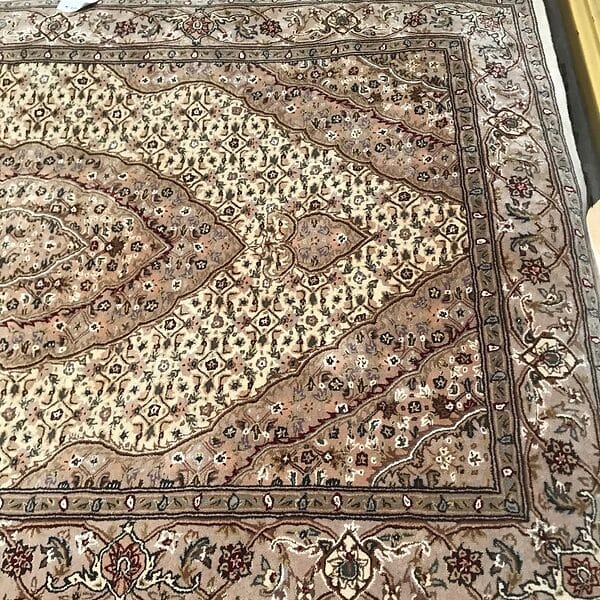
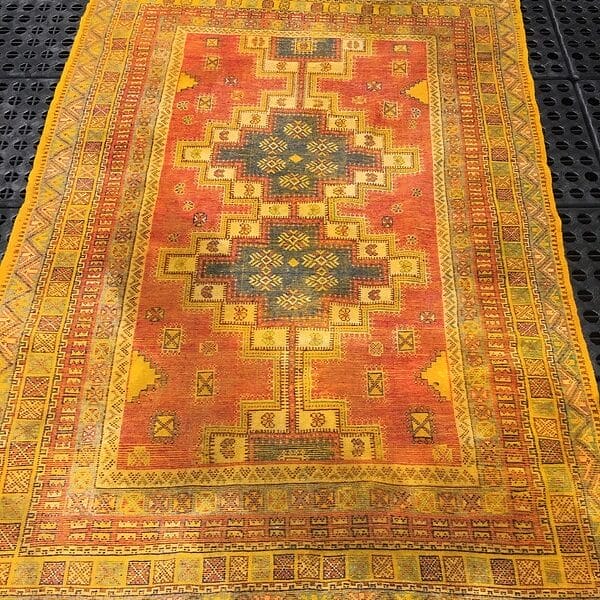
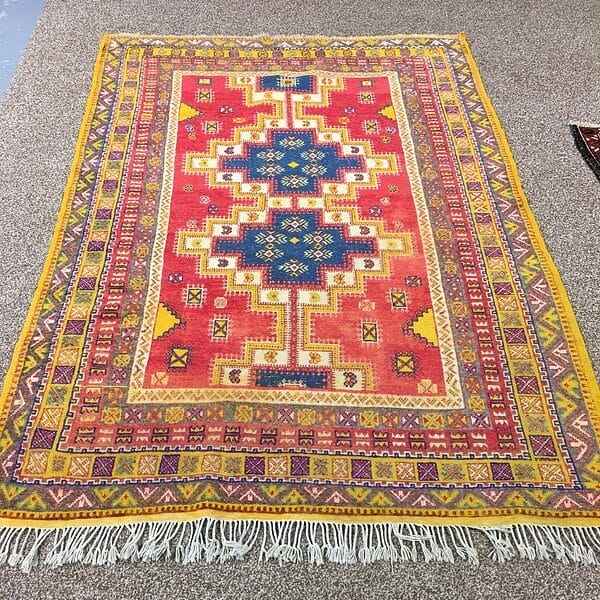
Every weave.
Every origin.
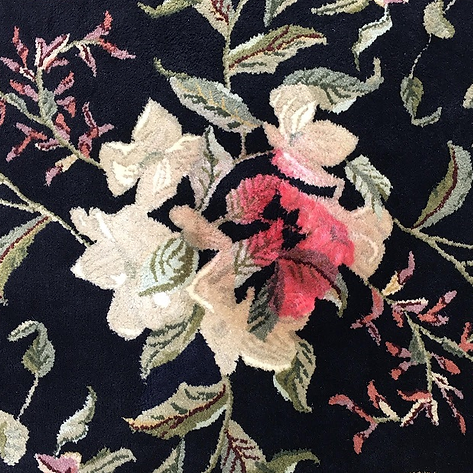
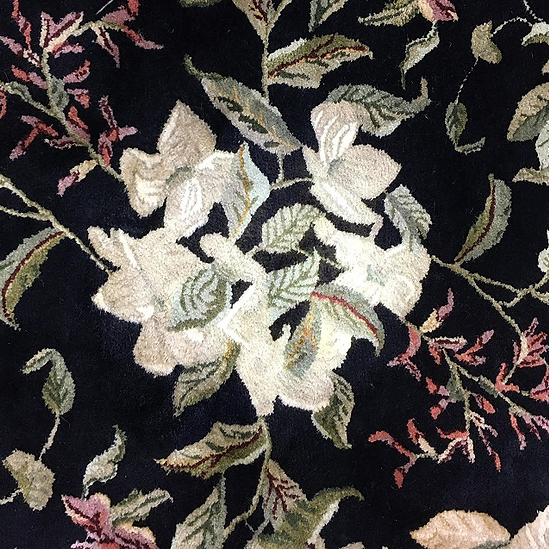
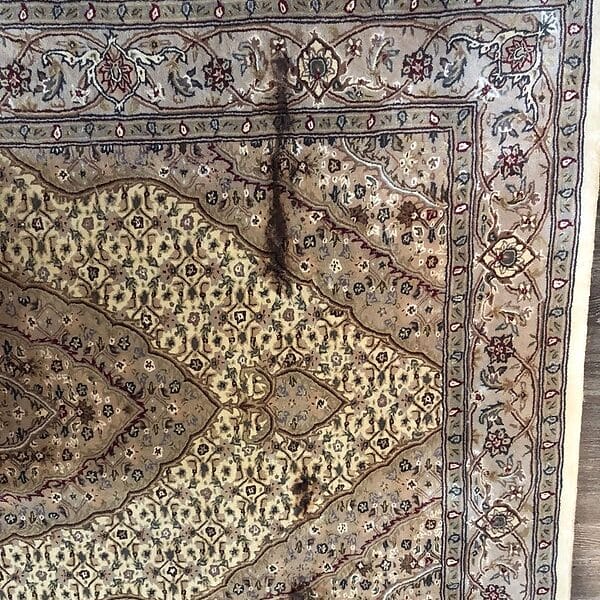
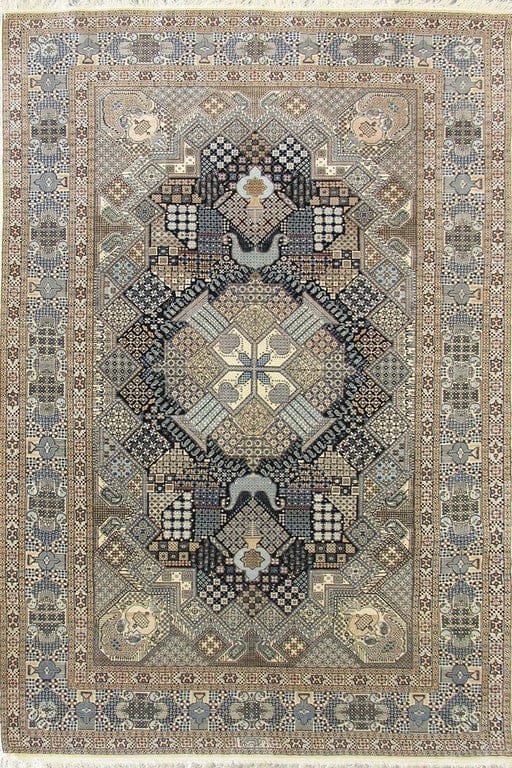
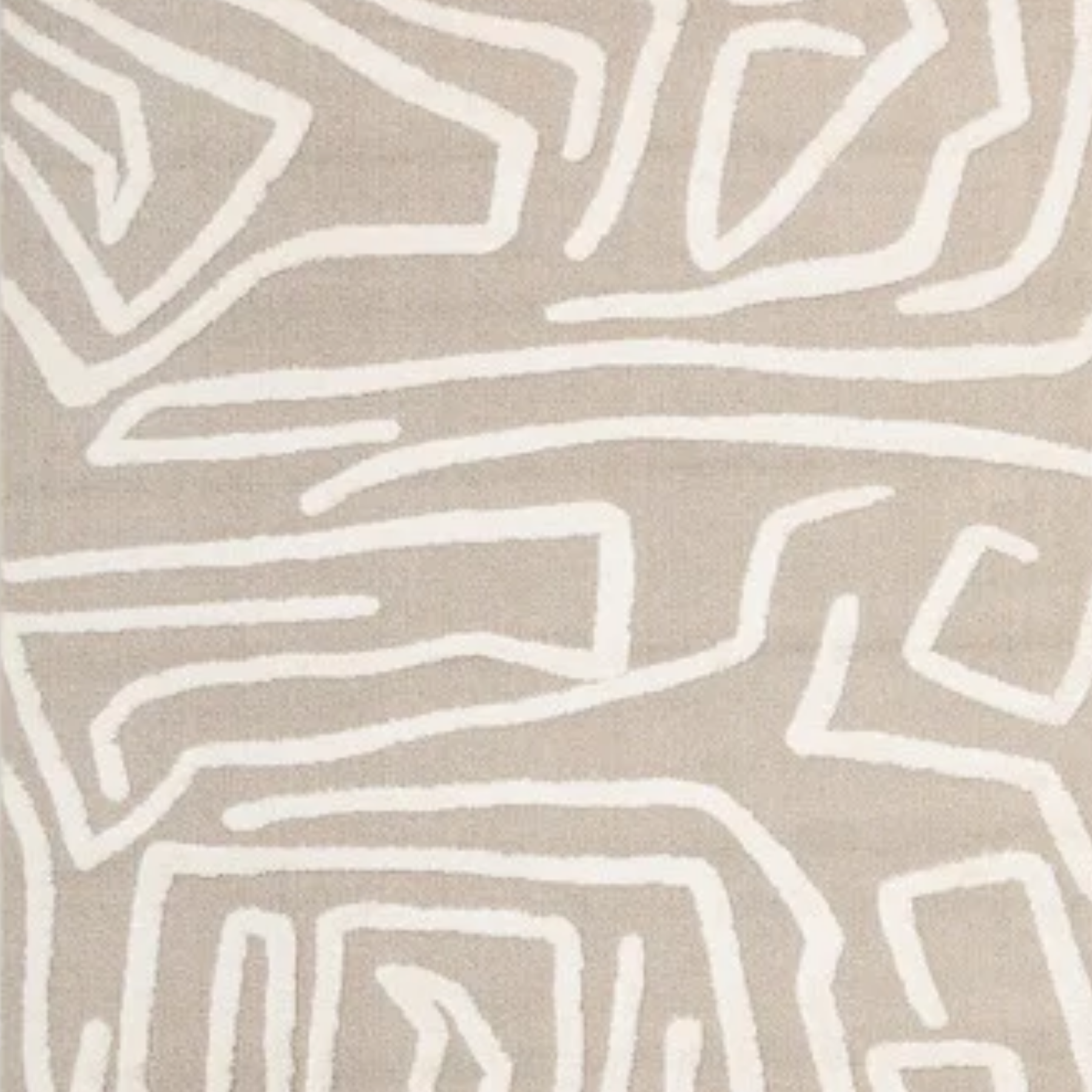
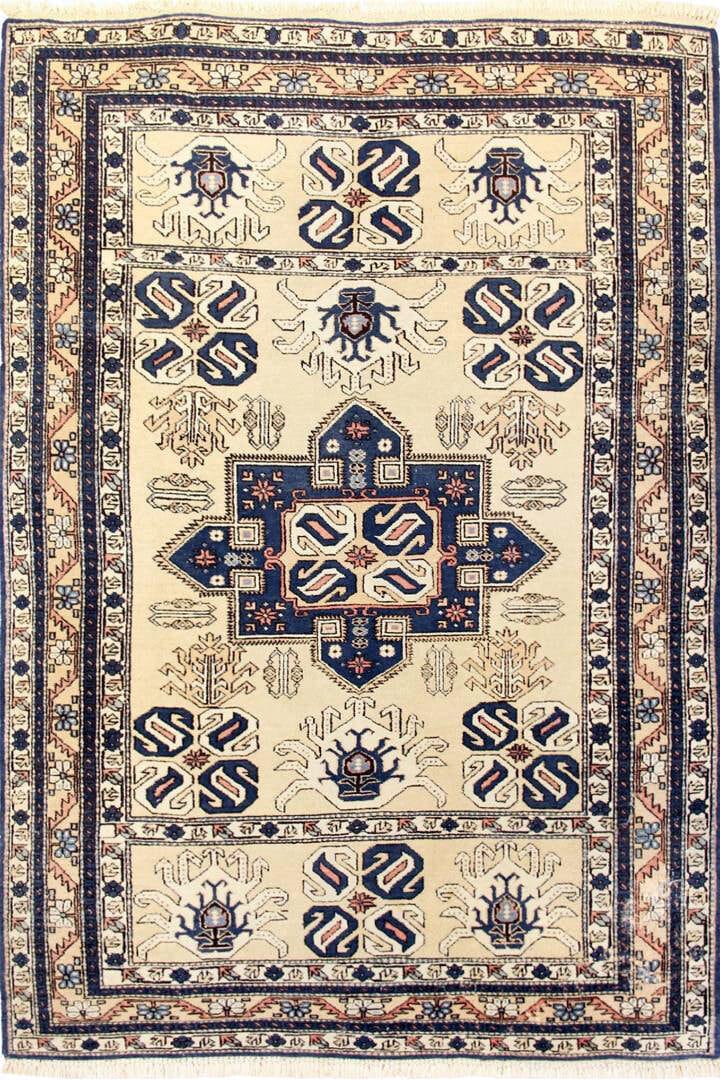
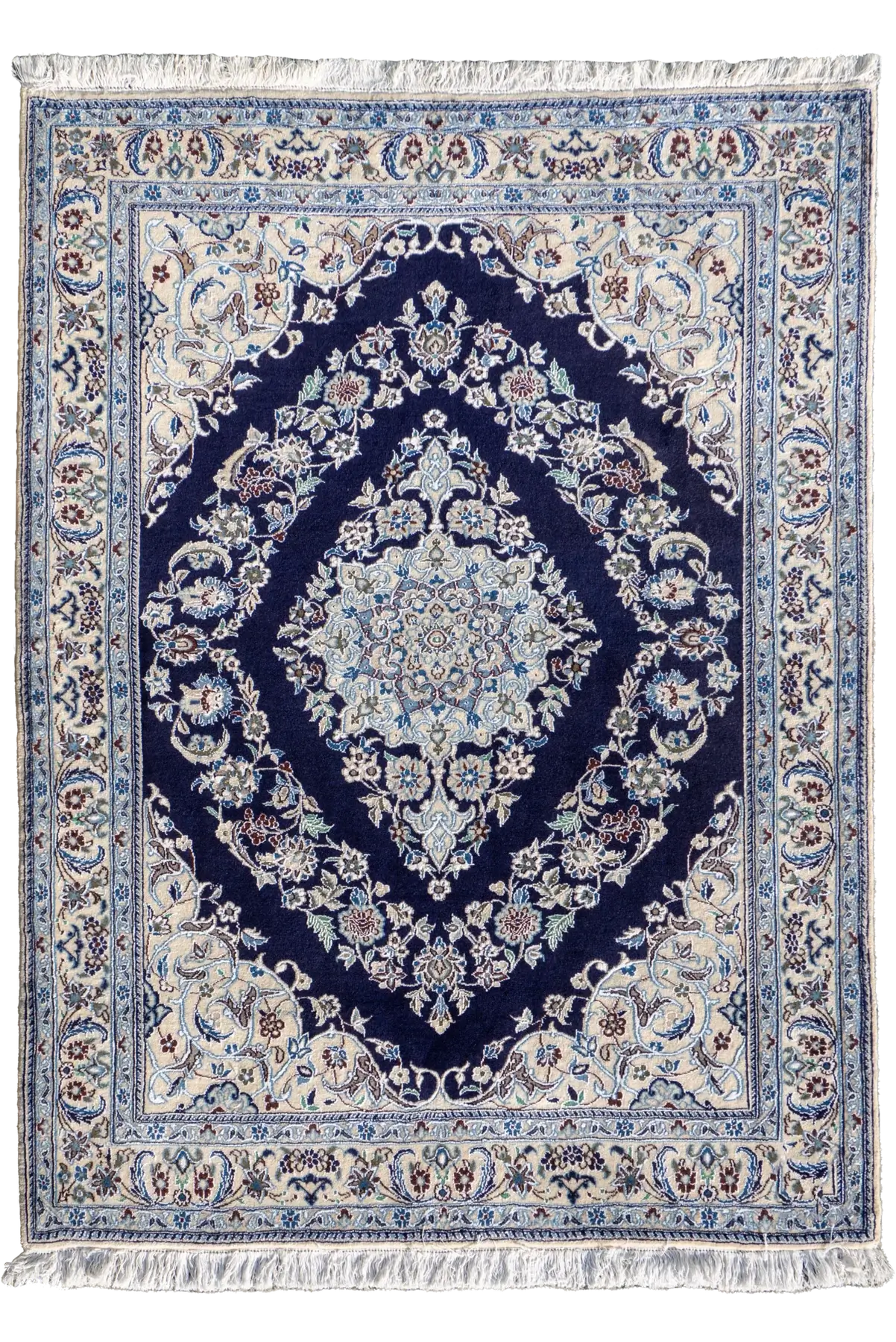
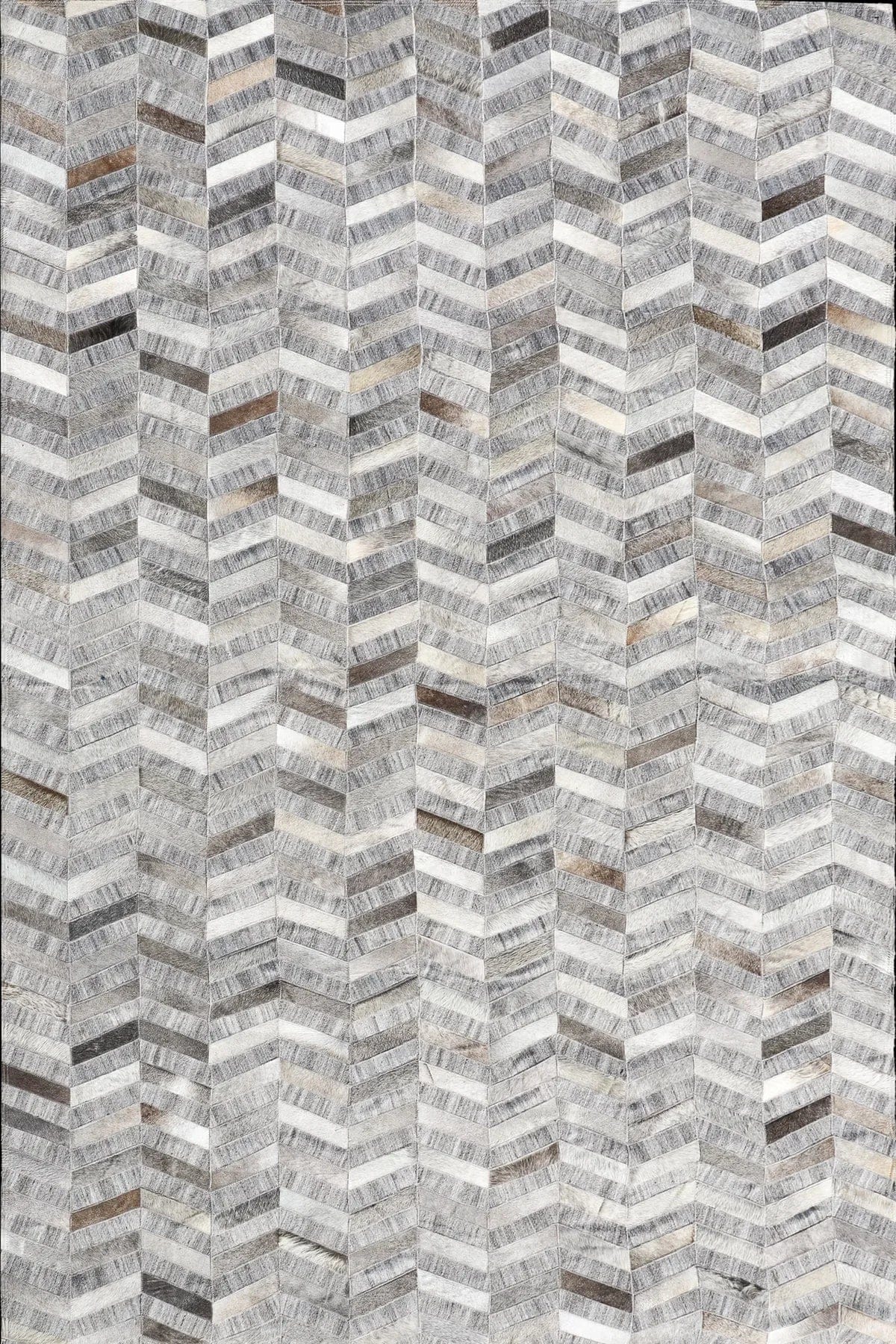
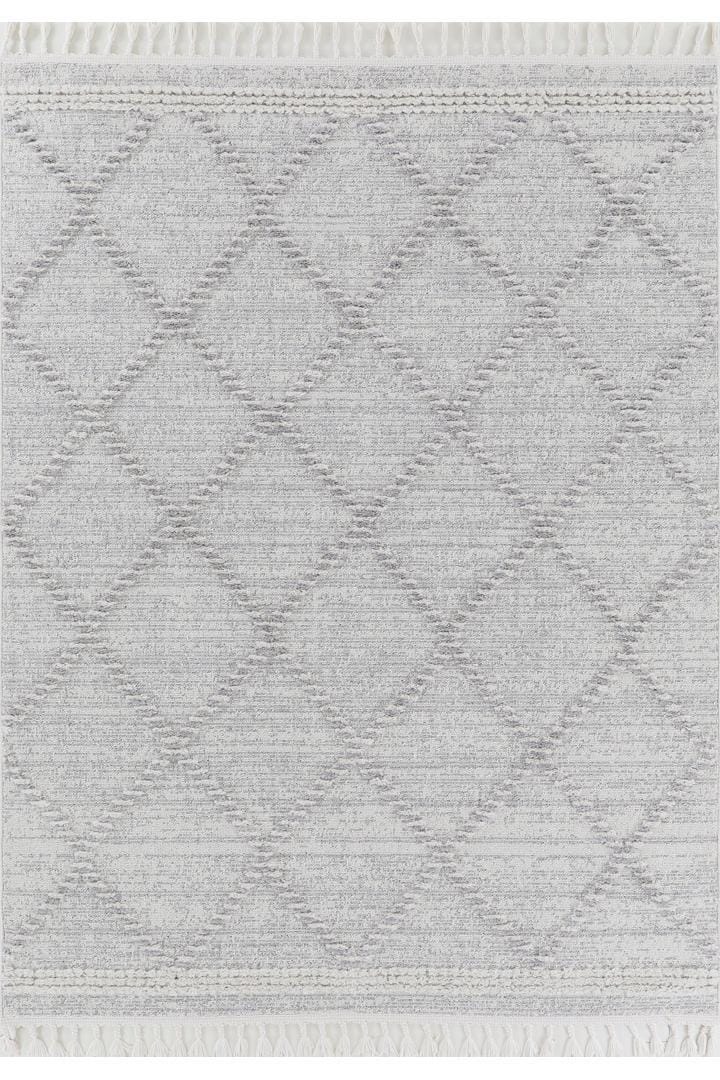
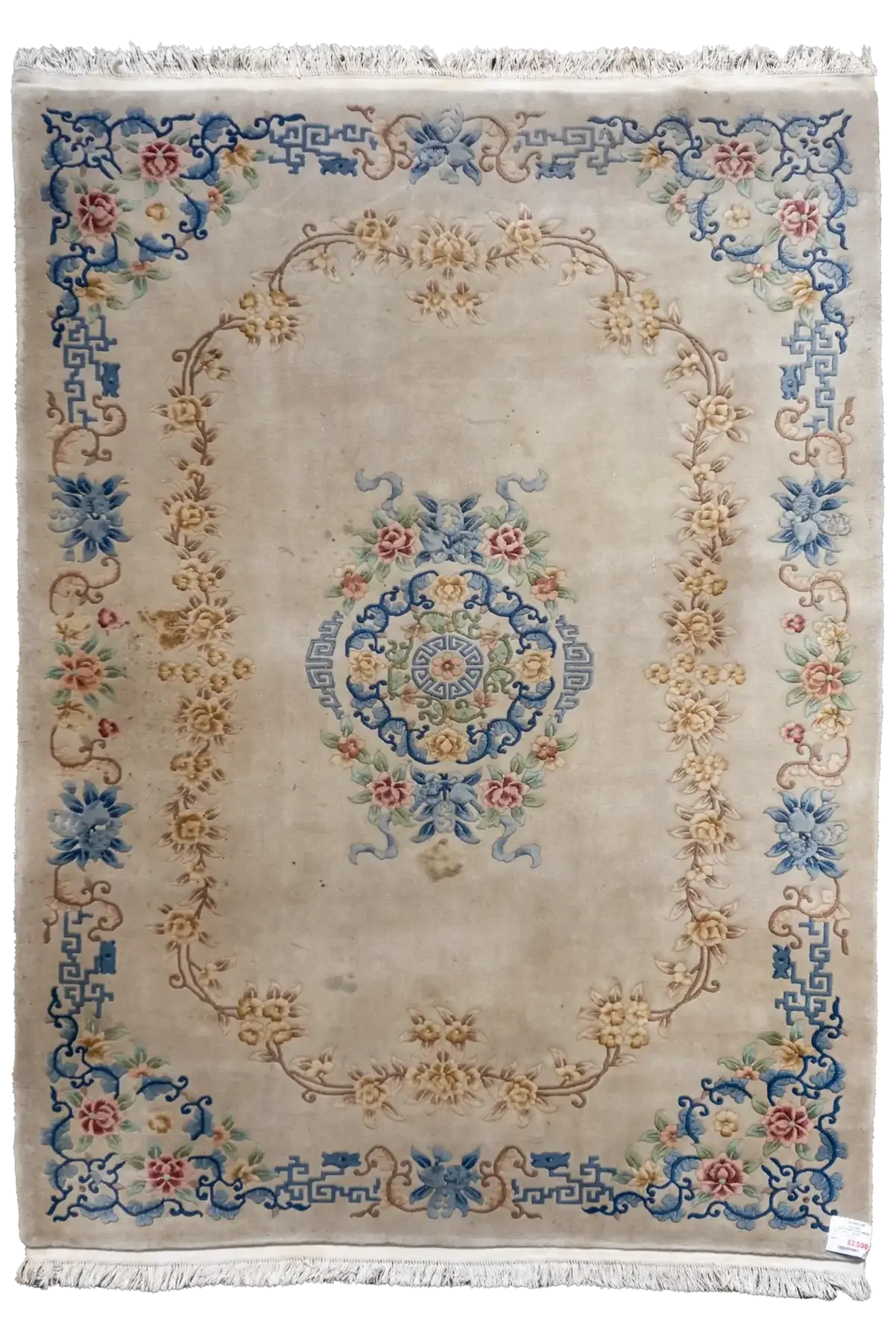
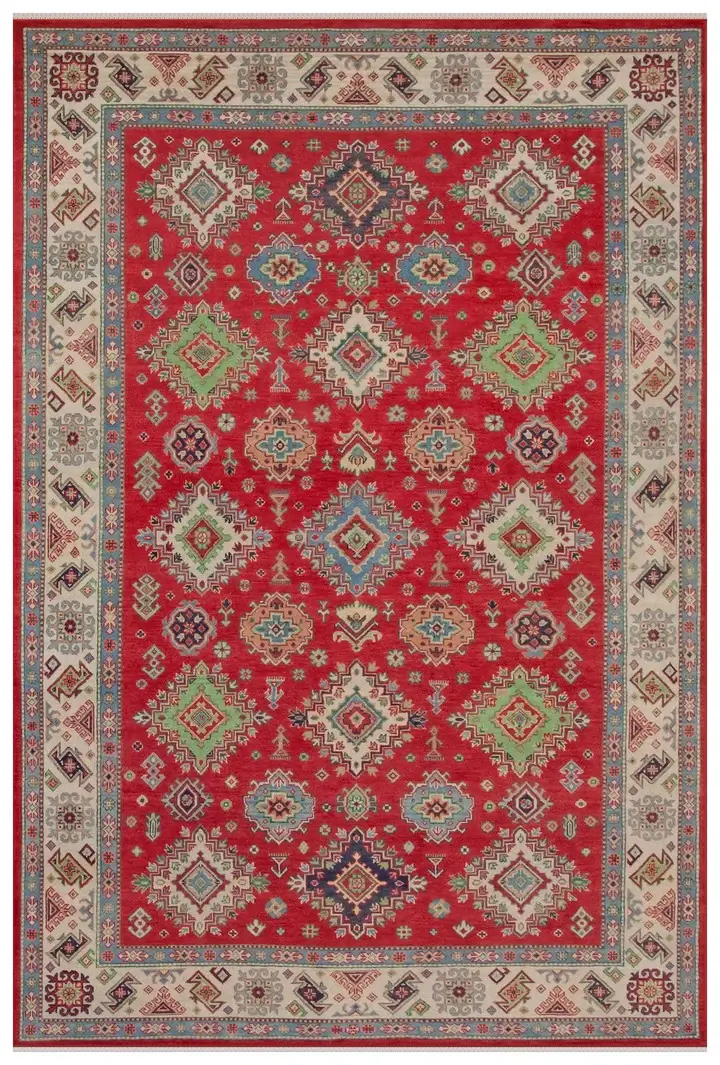
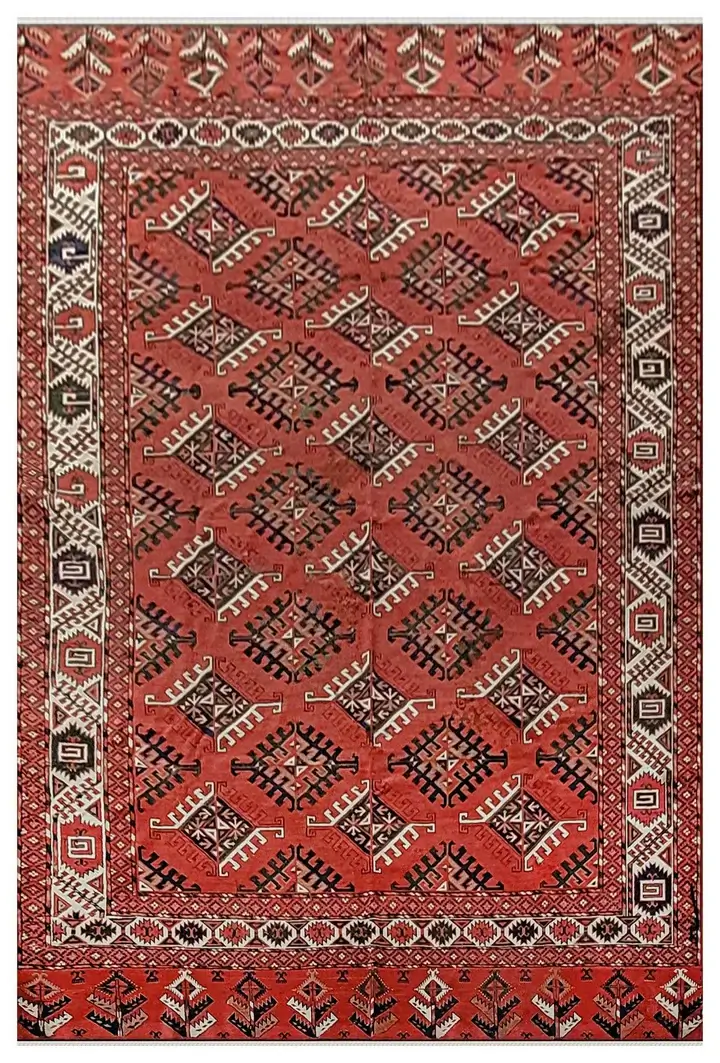
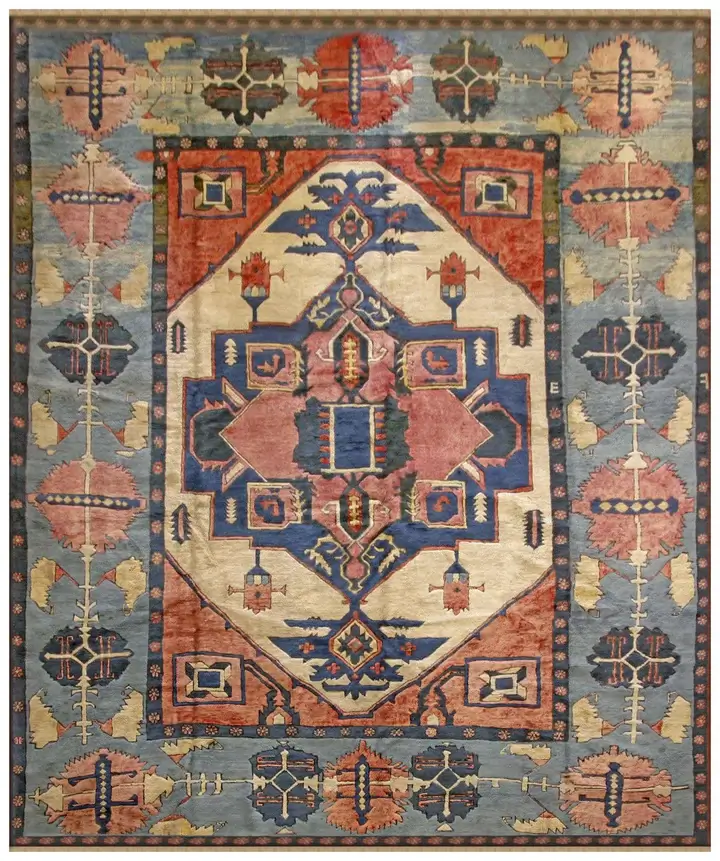
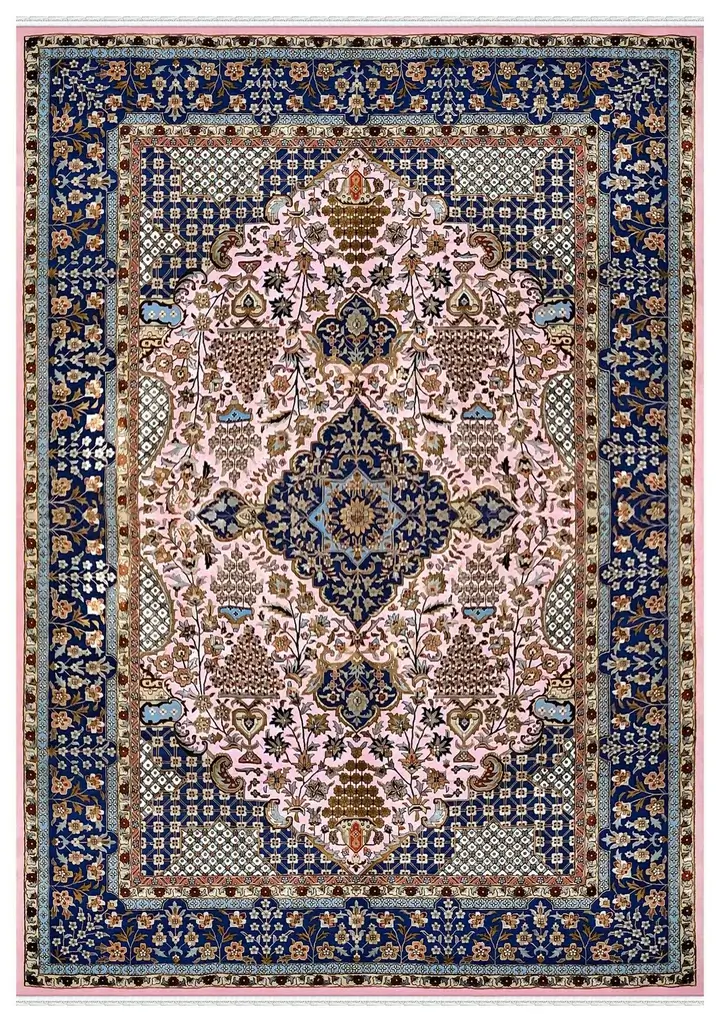
From Persian heirlooms to everyday synthetics. Twenty rug types, each hand washed to a method matched to its fibre and construction. Never a one-size clean.
- 29 years on rugs only
- IICRC-certified technicians
- Washed at our Yatala facility






On the same run as Woombye
Each of these shares the same scheduled day.
Woombye questions, answered plainly
Our rug has been on the same timber floor for over twenty years. Is it too far gone?
Rarely, and this is the situation where a wash makes the biggest visible difference. Wool of that age kept out of standing water is usually structurally intact and simply full of what twenty years put into it. The reading at your door settles it either way. If the foundation has genuinely failed we say so and do not take the work.
How is a Woombye rug quoted?
By opening it out and looking at it before saying anything. What it is made of, how big it is and how hard it has worked between them settle a single figure, and the two driver trips are inside that figure rather than beside it. If the work would cost more than the rug is worth, you hear that first.
Why does the underside of the rug look worse than the top?
Because on a raised timber floor the moisture arrives from below rather than above. Damp ground under the house rises through the floorboards into the base of the rug and stays there, working on the foundation while the face still looks fine. Immersion treats both sides at once, which is why the reverse improves as much as the visible surface does.
There is an old urine patch from a dog, and it still smells in wet weather. Can it be fixed?
Yes, and the wet weather is the clue. The urine dried in the backing years ago, and every damp spell rewets it enough for the smell to come back, which is why surface treatments seem to work and then do not. Water reaching the base is what removes the deposit, enzymes break down the compounds behind the odour, and controlled drying stops the pattern repeating.
Do you collect at Palmwoods, Nambour and Rosemount as well?
Yes, all three sit on the same Nambour corridor morning, and so do Chevallum, Burnside and Coes Creek. One run covers the whole corridor rather than several separate trips, which is why sending more than one rug at a time makes good sense. Every rug beyond the first has $20 off.
What is the turnaround on a wash?
Normally 7 days between the driver taking it and bringing it back. There is a 48-hour express option at an additional charge when a week is too long. Bring it up when you first ring, because the corridor is worked as a single scheduled run rather than a series of individual visits.
Get your free quote today
Tell us about your rug and we’ll take it from there. Free pickup and delivery, and an honest assessment before any work begins.