
Working river flats east of Yandina
Rug Cleaning Maroochy River,
Where Records Disagree
Twenty six square kilometres of cleared river flat, farmed either side of the water. The rolled rug goes on the corridor run, into a hand bath at Yatala, and comes home dry rather than river damp.
- Safe for delicate and handmade rugs
- 48-hour express service available at additional cost
- Free pickup and delivery on the Yandina corridor run day
Reveal the Clean
Watch it clean automatically, then take control.
experience
 Expert care
for your rugs
 Free
pickup & delivery
 Trusted, licensed
and insured experts
turnaround
 Guaranteed
satisfaction
A straight figure for rugs off working land
Some things about this district are genuinely uncertain. Your quote is not one of them. The rug is inspected, given a single figure, and that figure is what appears on the invoice.
- 1Rolled at the houseFrom a verandah, a hallway or a shed
- 2Inspected, then quotedA single figure, taken from the rug itself
- 3Hand bathed at YatalaImmersed whole, rinsed until the water stays clear
- 4Back in about 7 daysDried flat under control, groomed and rolled
Get an honest assessment
No obligation · free pickup & delivery · we reply next business day
Rug washing Maroochy River, on the cleared river flats
Two explanations for the name, and both survive
The record on this locality's name has never been resolved and we are not going to resolve it here. One account has it deriving from a Yugarabul word collected by the explorer Andrew Petrie. Another gives a Kabi word, muru-kutchi, meaning red bill, referring to the black swan. Both appear in the sourced record and both stay in it. As it happens, further down the same river system the suburb of Kuluin carries a different Kabi word for the very same bird, which is a coincidence between two separately named places rather than one borrowing from the other. The locality itself is a rural one of twenty five point nine square kilometres immediately east of Yandina, running about seven kilometres toward Bli Bli, with the river meandering west to east through the middle and Coolum Creek forming the eastern boundary.
Where the record is genuinely unsettled we say so. It is the same habit that stops us promising a stain will lift when it might not.
Working land, and houses among the paddocks
This is genuine river flat farming country. The land either side of the water is cleared and worked for crops and grazing, and the rural residential blocks sit mixed among the working properties rather than gathered into anything resembling a township. There is no shopping strip and no centre. Yandina to the west and Bli Bli to the east carry that role for the district. The population has grown steadily and honestly across three counts, from one thousand three hundred and thirty seven in 2011 to one thousand five hundred and thirty one in 2016 and one thousand six hundred and sixty seven in 2021, which is growth without any change in the fundamental character of the place. The rugs reflect that: long-serving farmhouse wool alongside newer pieces in the recently built rural residential houses, and both collected on the same corridor day.
A river through the middle of everything
The Maroochy River runs directly through this locality, and cleared flats either side of a waterway hold ground moisture the way nothing else on this coast does. Through the cooler months the humid air settles low over crop and grazing land and stays there, and a rug on a floor in a low-set farmhouse sits in that air for weeks at a time. The result is a base that never quite dries, which is where a musty note begins and where growth eventually follows. Water moving right through the weave clears the trapped soil and moisture together in one process, and then the drying room at Yatala does the part a verandah beside the river simply cannot: it takes the moisture out under controlled conditions and sends the rug back genuinely dry.
Our Sunshine Coast office, and the floor a river rug ends on
Our Sunshine Coast office
Premier Rug Cleaning Sunshine Coast
We keep no counter anywhere on this coast for people to drop rugs at. The Sunshine Coast listing marks out the area we cover, the driver comes to the property, and all washing happens at Yatala.
What happens once it leaves the flat
We wear that distance and it stays off your quote. Maroochy River is collected on the Yandina corridor leg with North Arm and Bli Bli, and the window is confirmed once the run day is set.
Two names for one river, a rock the steamers reached, and steady growth
A working locality where more than one record has survived, and they do not always agree.
The locality's name derives either from a Yugarabul word collected by explorer Andrew Petrie, or from a Kabi word, muru-kutchi, meaning red bill and referring to the black swan.
A district comfortable holding two accounts of its own name without inventing a tidier one is the same standard we hold ourselves to when a customer asks what caused a mark.
Both explanations sit in the sourced record and neither has displaced the other. Downstream, Kuluin carries a separate Kabi word for the same bird, two separately named places on one river system arriving at the same creature independently. It is a coincidence worth stating as one, rather than a story about either place borrowing from the other.
Dunethin Rock, a natural monolith on the river's south bank, was as far up the Maroochy as 1880s steamships from Brisbane could paddle for the sugar trade.
A district that moved its own harvest by water and rail for over a century understands working land, which is the same practical understanding we bring to a farm's rugs.
A decade or so later smaller mail boats worked the same stretch, feeding cane to Dunethin Rock for a horse-drawn tram to carry inland to the mills at Nambour. The Tramway Lift Bridge, built in 1921 to carry that cane tram over the water, is a different structure entirely from Bli Bli's David Low Bridge downstream, which was built in 1959 for road traffic and a separate tramway crossing. This one used a counterweighted span that lifted 7.92 metres so river traffic could pass beneath, and it is one of the only surviving bridges of its type in Queensland. Its later history is genuinely unresolved: one record has it washed away in a February 1928 flood, another describes it as unused only from 2003, when the mill it served finally closed. Both are stated here exactly as they were sourced.
The population rose from 1,337 in 2011 to 1,531 in 2016 and 1,667 in 2021, steady growth for a working rural locality of nearly twenty six square kilometres.
New rural residential households arriving on working river flat land are exactly the homes our Yandina corridor run was built to reach, and their rugs face the same river damp the old farmhouses do.
Eight public recreation areas sit among the farmland, including the Dunethin Rock Recreation Area and the Mount Ninderry Bushland Conservation Reserve. The locality has added households across a decade without losing the cleared, worked character that defines it, which is a harder balance to strike than it sounds.
What customers say about Maroochy River
Rated 4.8 ★ from 8 customersaround Maroochy River, collected directly from our customers after every clean.
This locality first, then every one we serve
The cards above came from Maroochy River addresses. The larger figure counts every suburb we collect from.
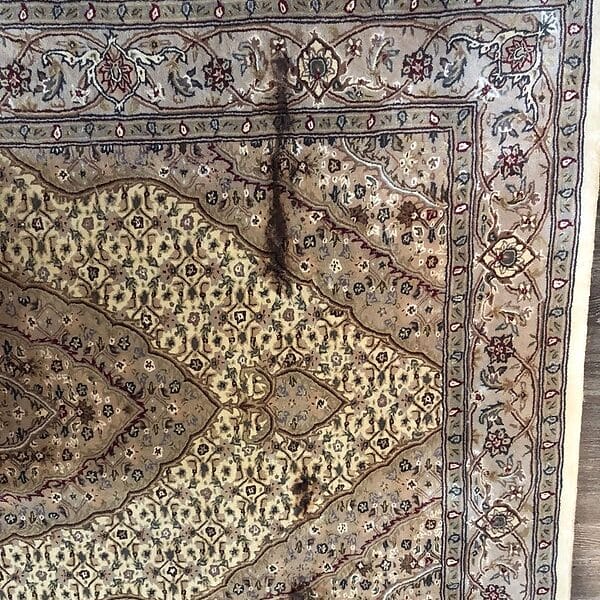
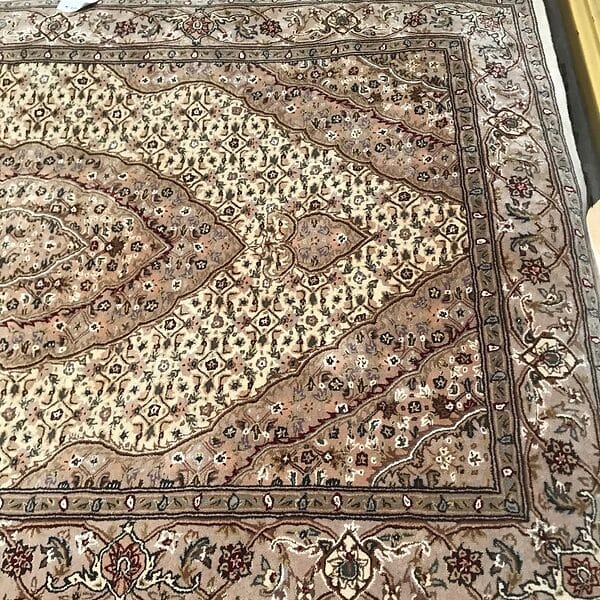
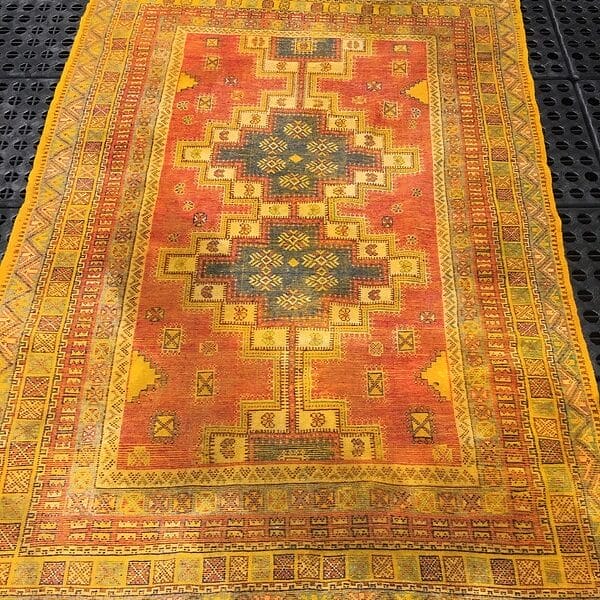
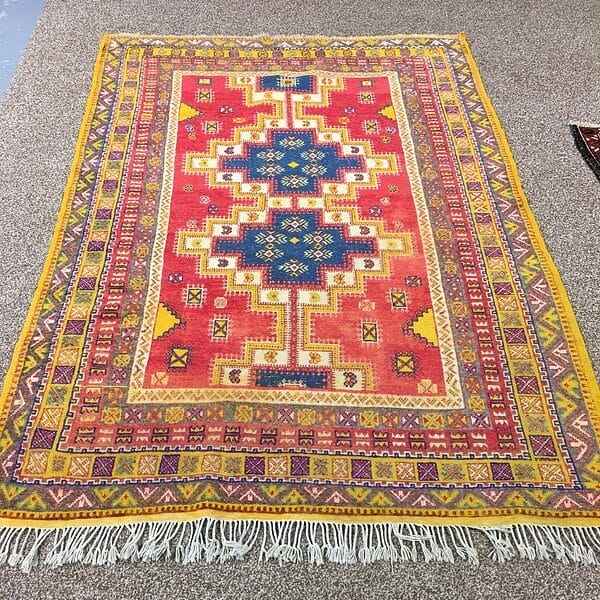
Every weave.
Every origin.
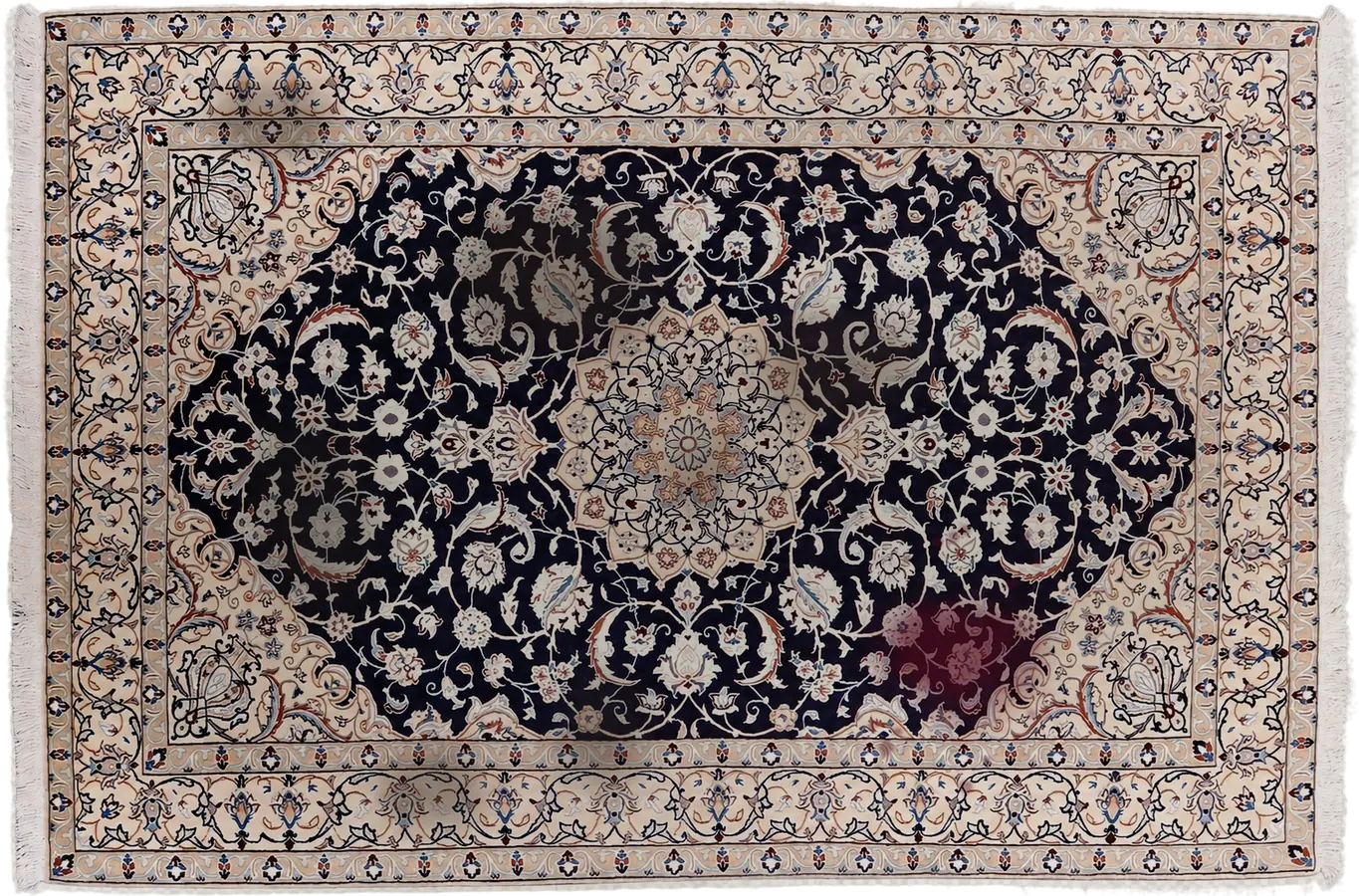
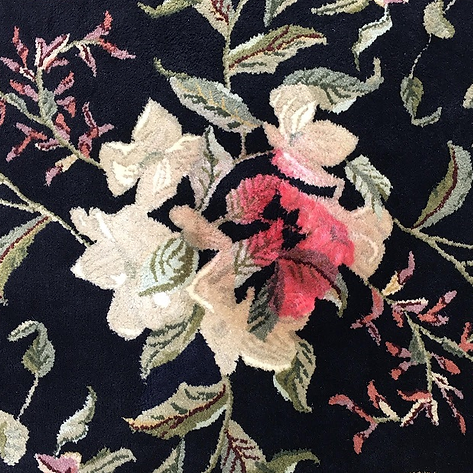
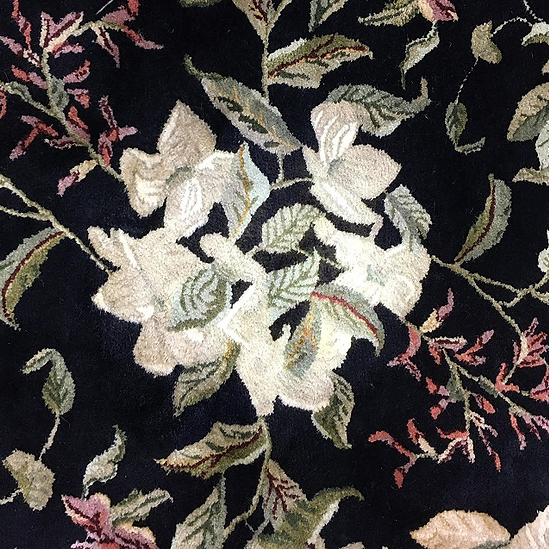
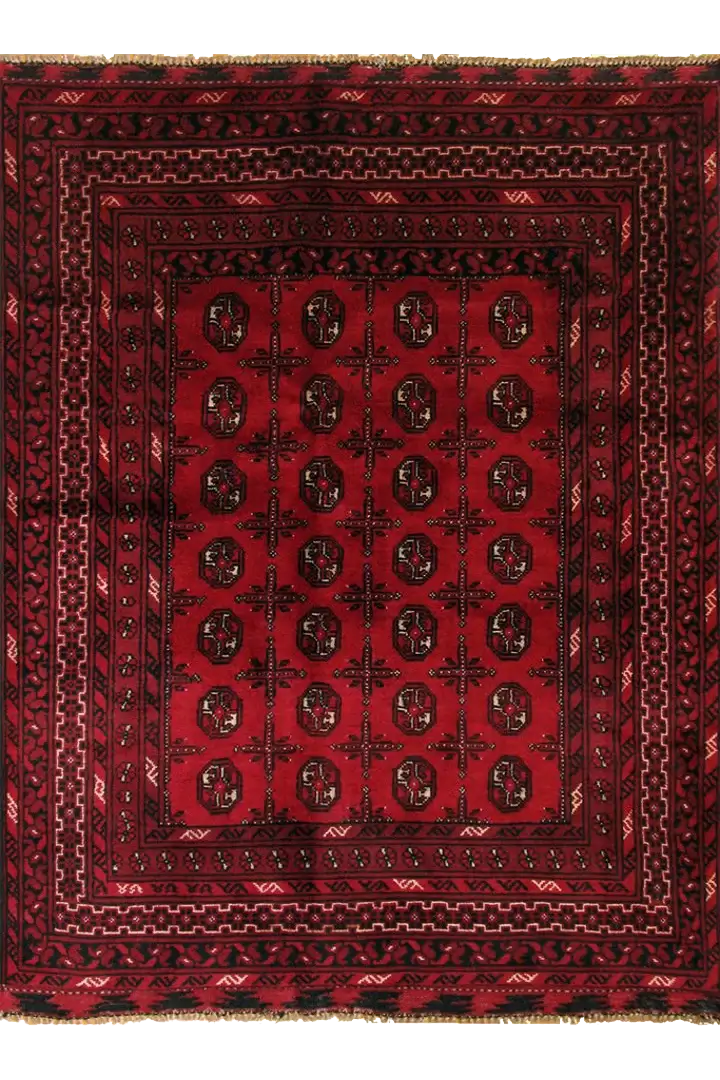
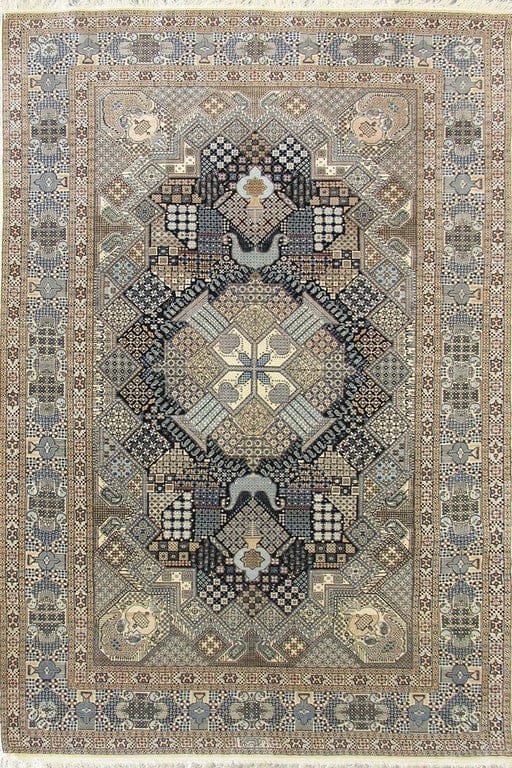
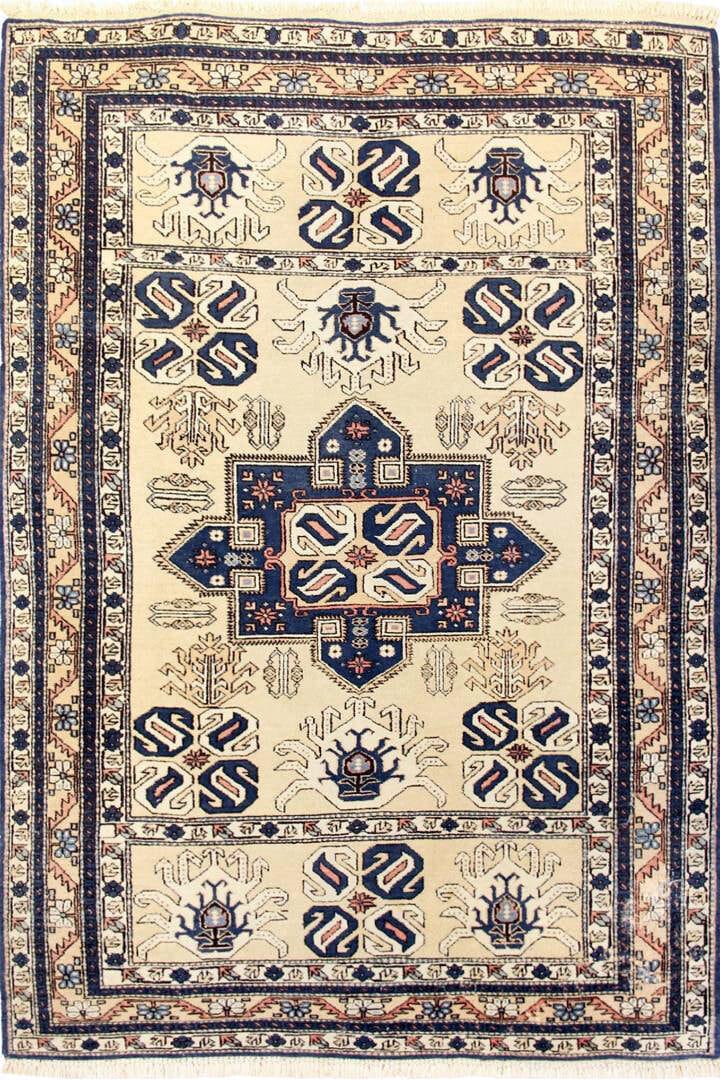
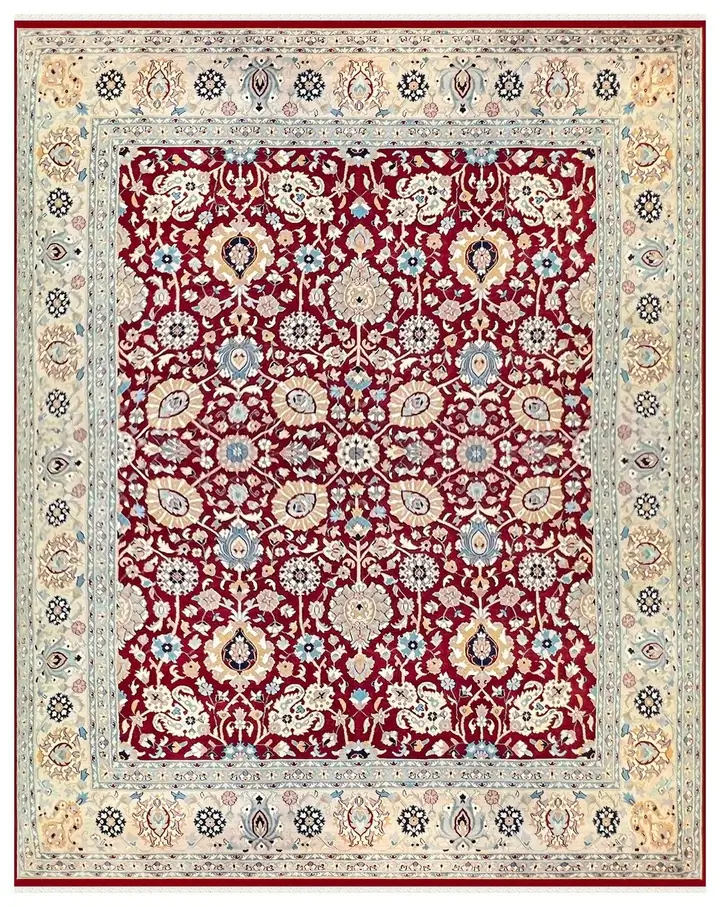
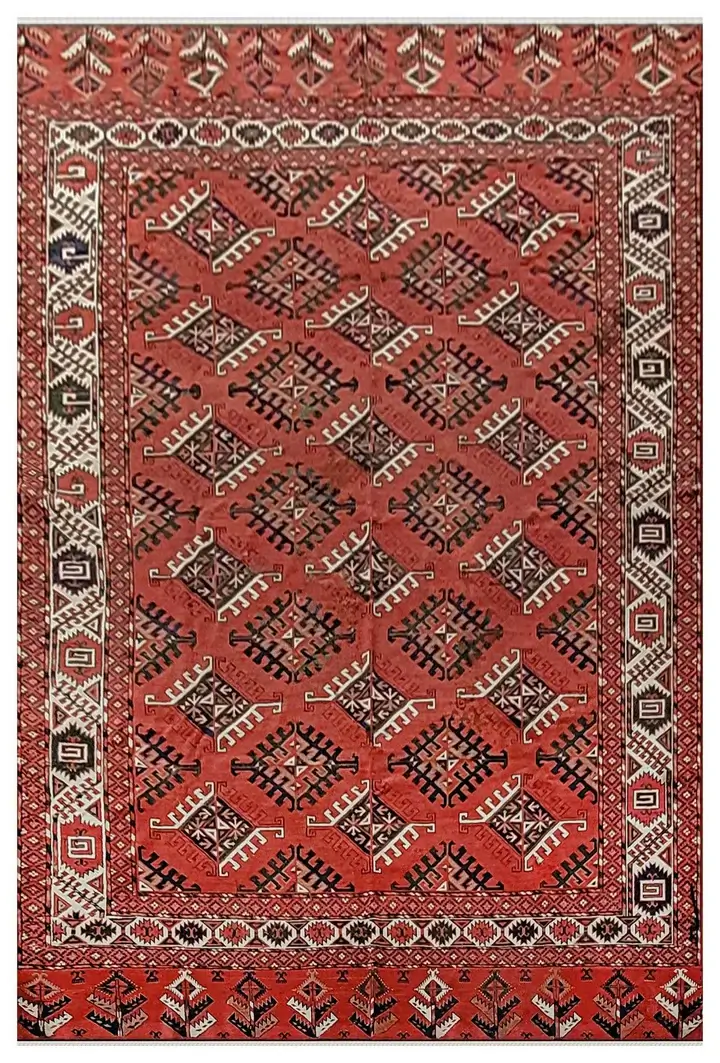
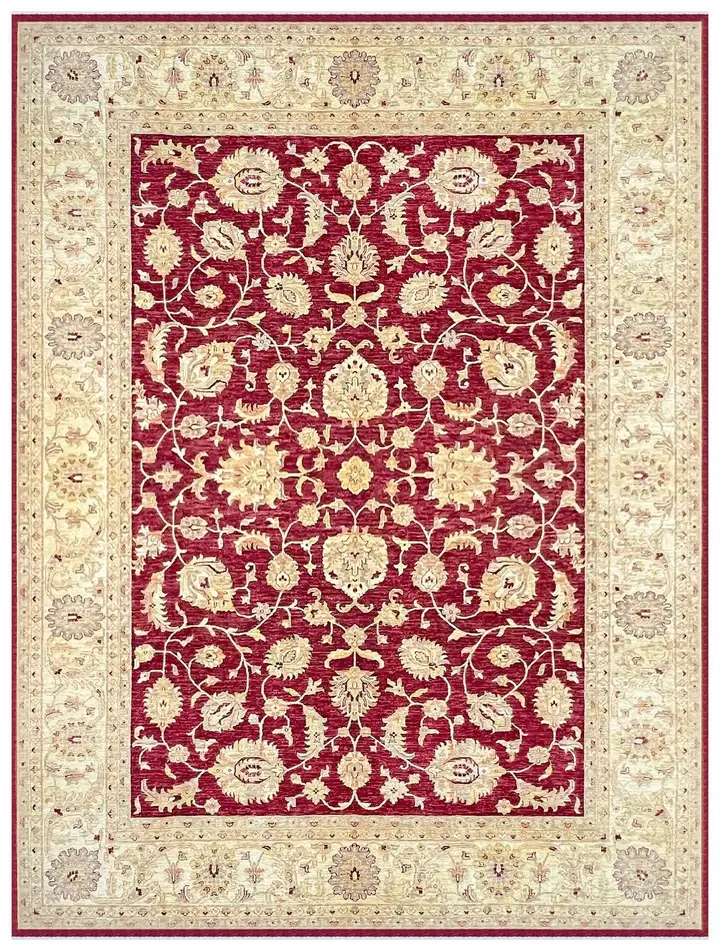
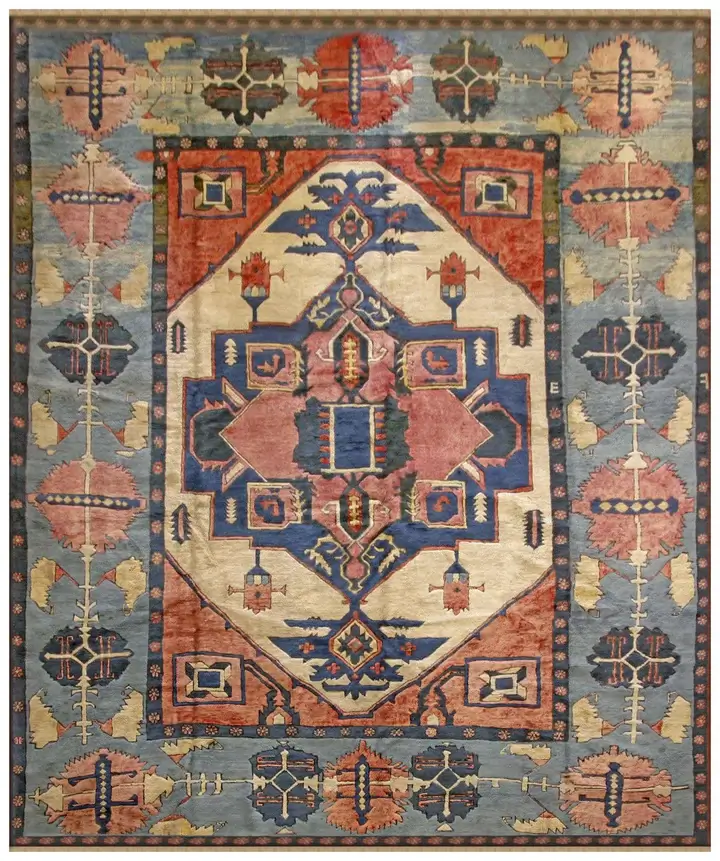
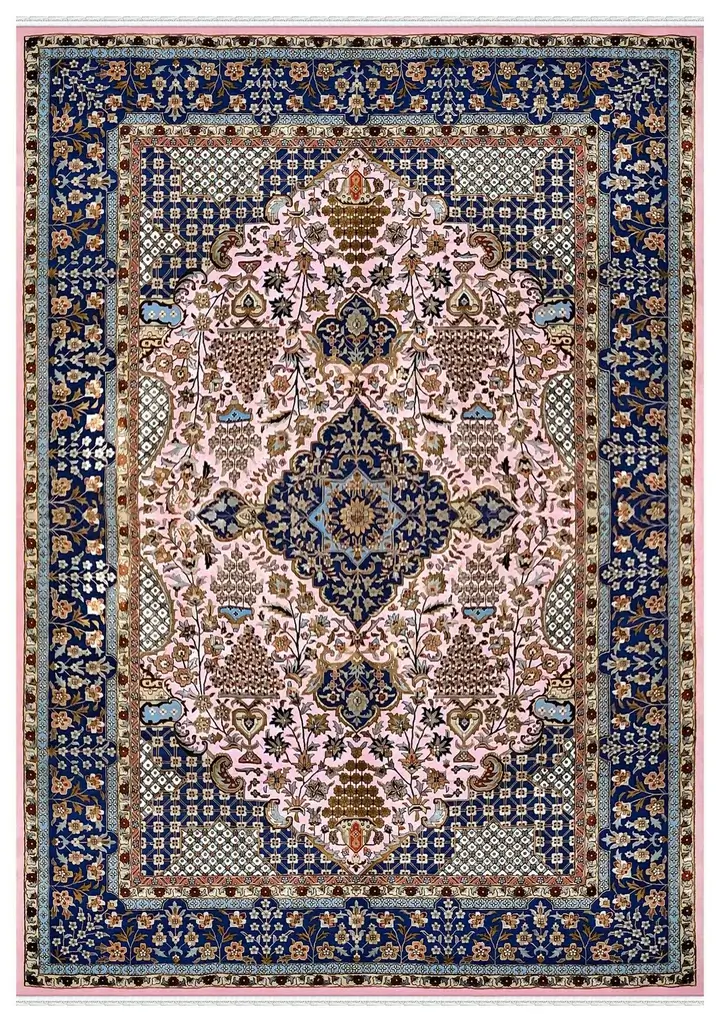
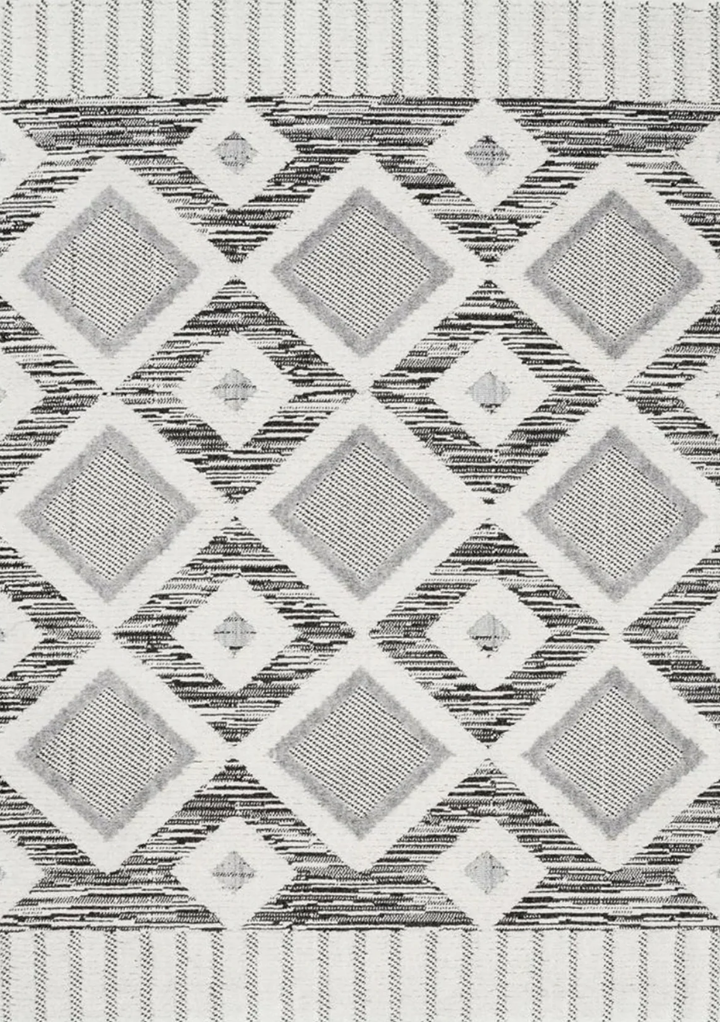
From Persian heirlooms to everyday synthetics. Twenty rug types, each hand washed to a method matched to its fibre and construction. Never a one-size clean.
- 29 years on rugs only
- IICRC-certified technicians
- Washed at our Yatala facility
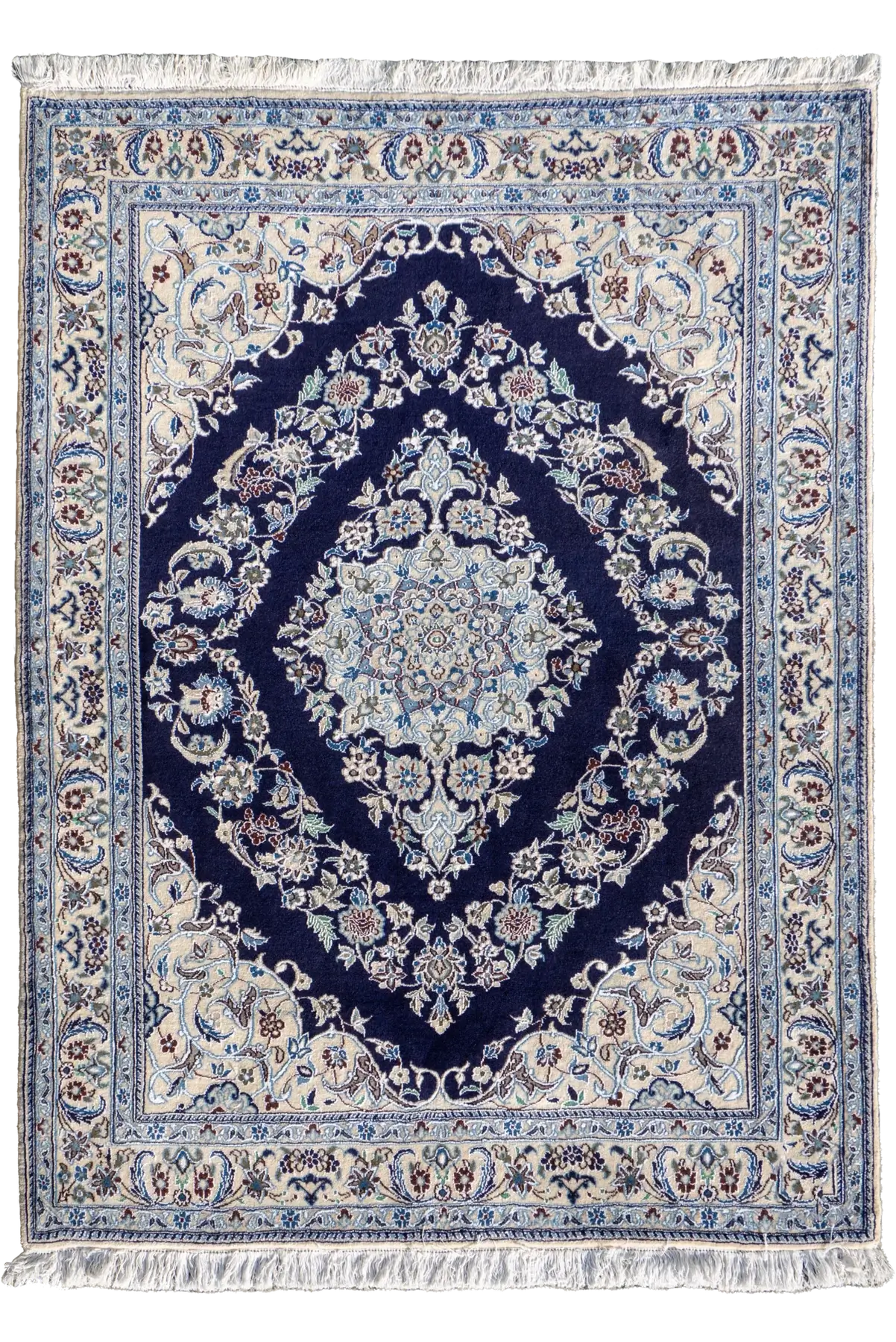
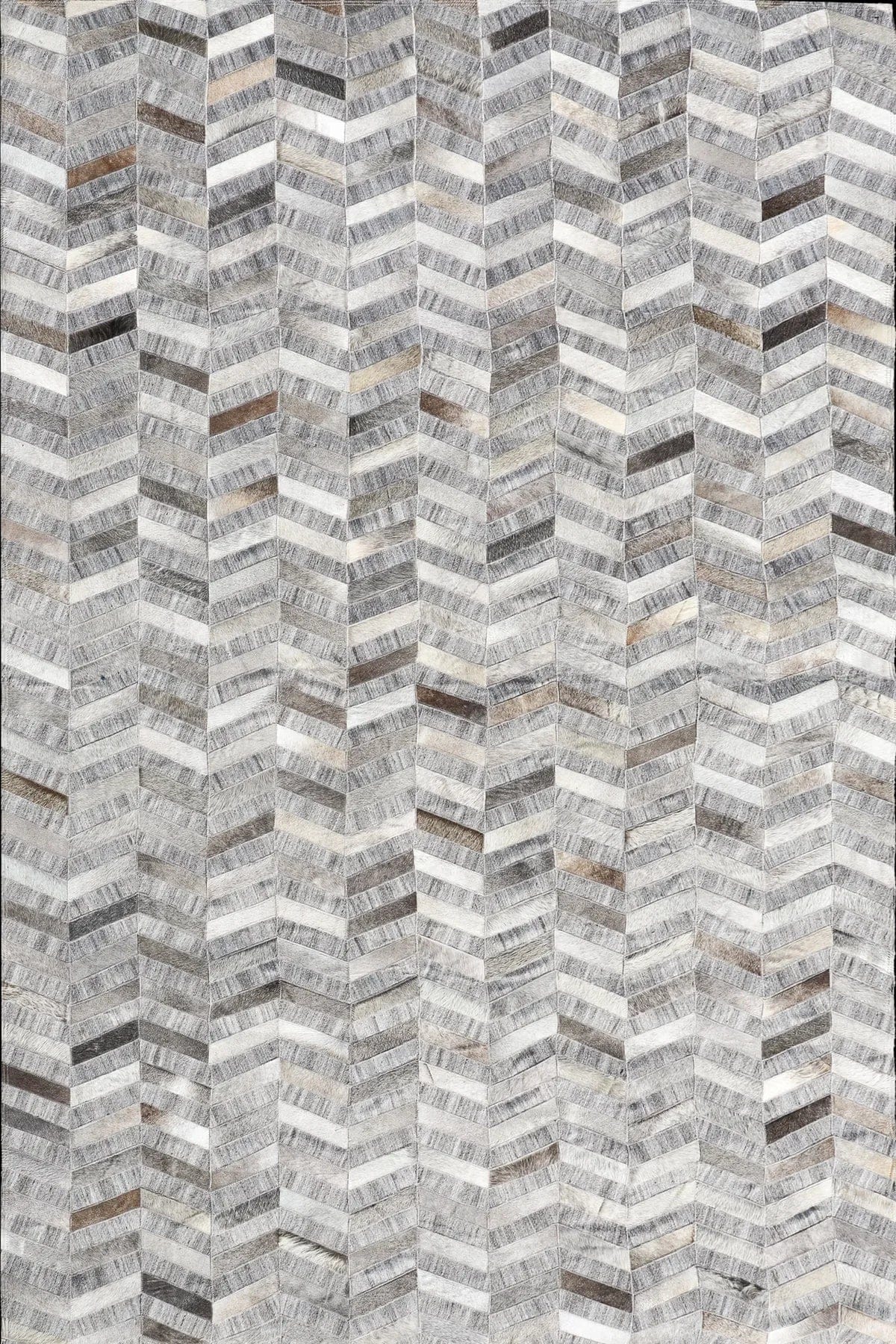
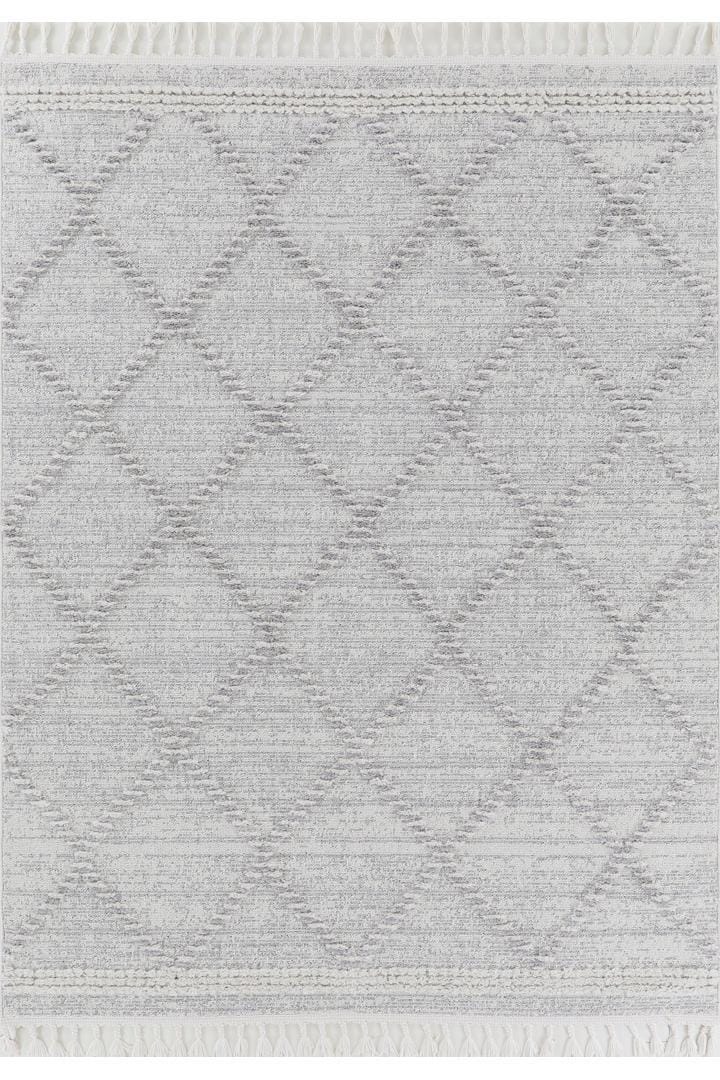
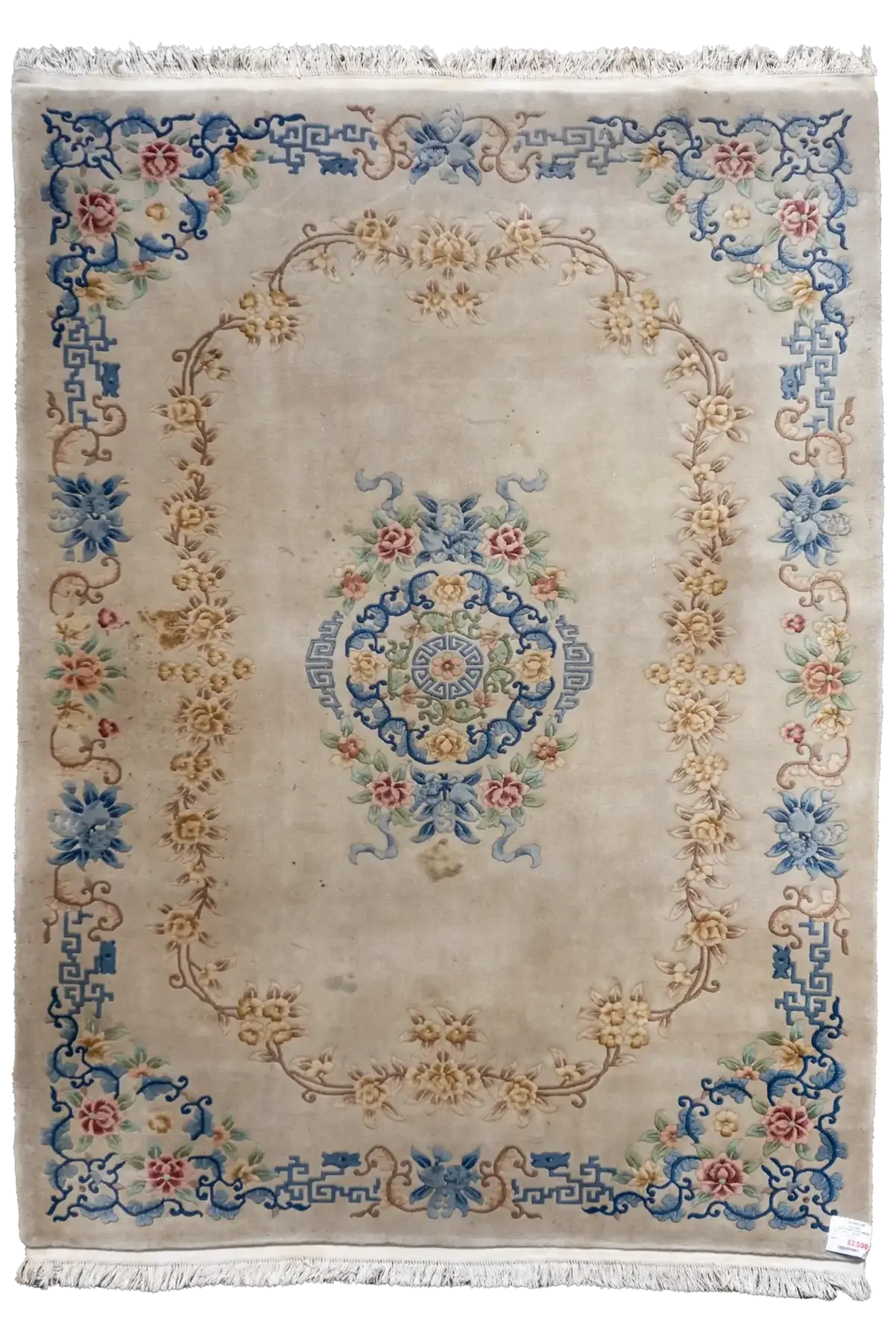
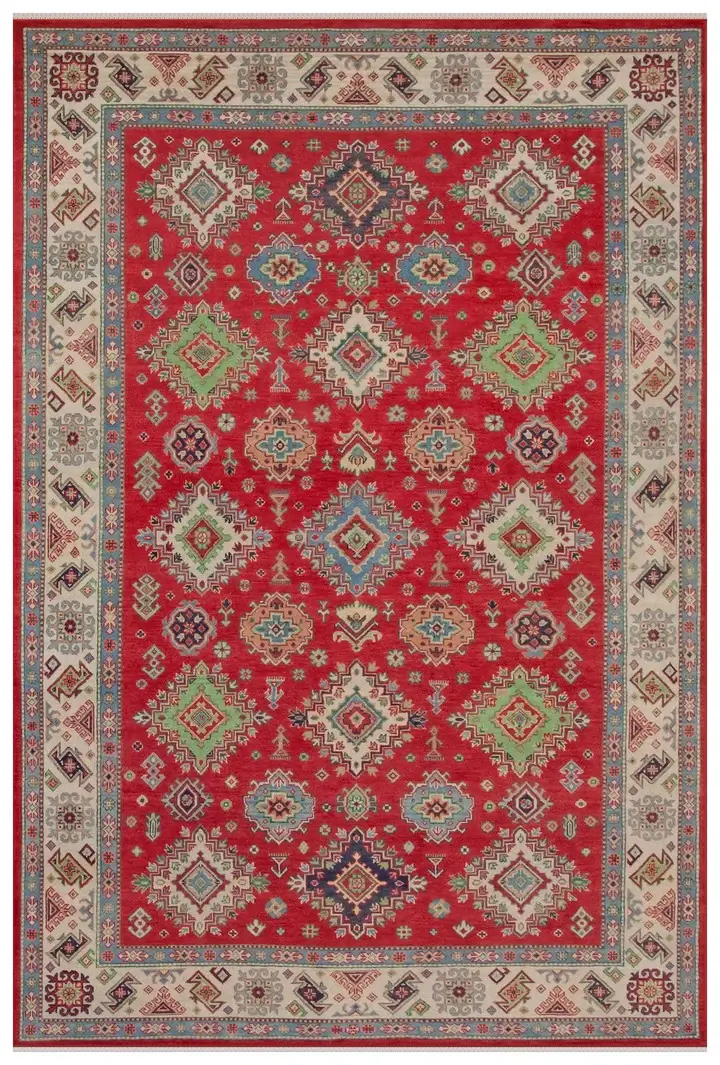
Collected alongside Maroochy River
These neighbours are covered on the same corridor day.
Maroochy River questions, answered plainly
Do you come out to the farms, or do we bring the rug somewhere?
We come out. There is no counter anywhere on this coast to bring a rug to. The corridor run comes through this locality on its scheduled day, the driver collects the rolled rug from the house, and both trips are already inside the figure you were quoted.
How is a rug from here priced?
By looking at what you have. Construction, size and condition produce the number between them, and the drive out here is not part of it. Once the piece is open in front of us the figure is settled for good. Where the wash would cost more than the rug will get back, we say that out loud.
The house sits low near the river. Does that affect the rugs?
Yes, mostly in the part nobody checks. Humid air over cleared flats keeps the base of a pile damp for weeks at a time through the cooler months, long after the surface feels dry. That is where a musty smell begins. Lift a corner and smell the underside if you want to know where you stand.
Our working dog has urinated on the same rug for years. Is it worth washing?
Usually yes. Years of urine puts a great deal into the foundation, but wool is resilient and the source comes out under full immersion in a way it never will under any surface treatment. Enzymes then settle the chemistry behind the smell. The inspection tells you what returns and what has been permanently lost.
Do you also collect at Yandina, Bli Bli and North Arm?
All three are on the corridor day, and Ninderry, Bridges and Nambour with them. Farms along the same stretch of road frequently put rugs out on the one morning, which suits the truck. Every rug beyond the first has $20 off taken off it.
How long does a rug take, and can it be faster?
Around 7 days between collection and delivery under normal conditions. Where a rug genuinely has to be back quicker, 48-hour express is available for an additional charge. Mention any deadline on the first call so the pickup can be planned back from it.
Get your free quote today
Tell us about your rug and we’ll take it from there. Free pickup and delivery, and an honest assessment before any work begins.