
Acreage between Nambour and Maroochydore
Rug Cleaning Diddillibah,
Where the Name Still Fits
the Ground
The word behind this locality describes coarse grass and the snakes that live in it, and thirteen reserves still hold exactly that. We collect the rolled rug from the property, wash it by hand at Yatala and bring it back dry.
- Safe for delicate and handmade rugs
- 48-hour express service available at additional cost
- Free pickup and delivery on the Nambour to Maroochydore leg
Reveal the Clean
Watch it clean automatically, then take control.
experience
 Expert care
for your rugs
 Free
pickup & delivery
 Trusted, licensed
and insured experts
turnaround
 Guaranteed
satisfaction
A straight figure for acreage and estate rugs alike
One look at the rug, one number. Size, fibre and the state it is in decide it, and that figure is the one on the invoice whether the piece came off a bushland acreage block or a street finished last year.
- 1Collected rolled at the doorHowever long the driveway happens to be
- 2Looked over, then quotedOne figure, taken from the rug in front of us
- 3Bathed by hand at YatalaImmersed whole, rinsed until the water runs clear
- 4Back in about 7 daysDried in a controlled room, groomed and rolled
Get an honest assessment
No obligation · free pickup & delivery · we reply next business day
Rug washing Diddillibah, between the sugar town and the coast
A locality that sits squarely between two towns
Diddillibah covers eleven square kilometres of acreage, reserve edge and newer estate streets, 7.4 kilometres west of Maroochydore and 11.4 kilometres east of Nambour. Its neighbours run right around it: Rosemount and Bli Bli on the river-flat side to the north, Woombye and Forest Glen to the west and south, and Kuluin, Kunda Park and Kiels Mountain closing it in toward the coast. The 2016 census counted 1,403 residents here and the 2021 census counted 1,703, roughly three hundred more households worth of floors in five years, which is genuine growth for a locality with two established towns already pressing on either side of it. Density still sits under 155 people per square kilometre, so the character has not changed with the numbers. What that means for us is a collection list with long driveways on it, big rooms behind those driveways, and rugs sized to match. The van is loaded accordingly before it leaves Yatala on a Diddillibah day.
Coarse grass, a place name that still describes it, and thirteen reserves proving the point. That kind of continuity is worth matching in the wash.
Seventy-seven years of its own school, then none
This district ran its own school from September 1885, when Diddillibah Provisional School opened, through its change to a state school in 1909 and a new building in December 1937, until it closed in May 1962. The Methodist congregation met here from about August 1901, and in 1968 their church building was picked up and moved to Coolum Beach rather than pulled down. The community hall, opened on 2 June 1938, outlasted both. That is a district that built its own institutions instead of waiting for Nambour or Maroochydore to supply them, and a fair number of the houses we collect from have been in the same families long enough to remember at least the tail end of it. Those houses are also where the older wool turns up, pieces bought once and kept, which is a different job from washing something bought last year to match a wall colour.
River flat below, tree canopy above
Diddillibah sits back from the beach, which spares it salt, and picks up two other things instead. The Maroochy River flats at Rosemount and Bli Bli keep ground moisture high on the northern side, and thirteen conservation reserves and bushland pockets hold damp air under canopy right through the locality. That combination is slower and quieter than coastal salt. It does not corrode anything, it simply keeps a wool pile a fraction heavier than it should be, week after week, until the rug feels flat and nobody can say when it changed. Immersion washing resets it, and the drying room at Yatala finishes the piece properly rather than leaving it to a verandah that shares the same damp air.
Our Sunshine Coast office, and the floor the washing happens on
Our Sunshine Coast office
Premier Rug Cleaning Sunshine Coast
This is a service-area listing, so the van comes to the property rather than us keeping a counter open somewhere on the Coast. Every rug is washed at Yatala.
What happens once the van pulls out
That drive is ours to absorb and it does not change your figure. Diddillibah is collected on the Nambour to Maroochydore leg with Rosemount and Kuluin, and the window is confirmed once the run day is set.
A snake valley, a district that built its own hall, and three hundred new residents
Three sourced facts that belong to this locality rather than its bigger neighbours.
The name comes from dhilla, meaning coarse grass or carpet snake, and ba, meaning place, and locals still call it the valley of the snakes.
A name that has stayed accurate for this long is worth respecting, and we bring the same habit to a rug: work out what it actually is before deciding how to wash it.
Thirteen conservation reserves and bushland areas protect the same native grassland and remnant bush that gave the locality its name, threading between the newer streets rather than sitting off in one corner. It is an uncommon case on this coast of a name, a landscape and a set of present-day reserves all still describing the same thing.
Diddillibah Provisional School opened in 1885 and ran until 1962, a Methodist church served the district from 1901 until it was moved to Coolum Beach in 1968, and the hall opened in June 1938.
A district that built its own institutions rather than waiting on a bigger town tends to keep its things properly, and those are exactly the rugs worth taking time over.
Seventy-seven years of local schooling, six decades of a local congregation, and a hall that outlasted both. The church was not demolished when its time here ended, it was relocated intact to Coolum Beach in 1968. For a district this size, three institutions built and maintained locally is a genuine settlement record rather than a story borrowed from Nambour or Maroochydore.
The population rose from 1,403 at the 2016 census to 1,703 at the 2021 census, a 21 percent jump for a locality wedged between two established centres.
New households on acreage blocks between Nambour and Maroochydore bring in exactly the sort of rug our Sunshine Coast run was built to collect.
Very few Sunshine Coast localities this close to two towns still have room to grow, but a mix of acreage subdivision and estate infill has done it here, adding roughly three hundred residents in five years while the thirteen reserves stayed intact. Density remains under 155 people per square kilometre, which is why the streets still read as acreage rather than suburb.
What customers say about Diddillibah
Rated 5.0 ★ from 8 customersaround Diddillibah, collected directly from our customers after every clean.
This district first, then the whole Coast
The cards above came from Diddillibah and the streets around it. The larger figure takes in every suburb our vans reach.
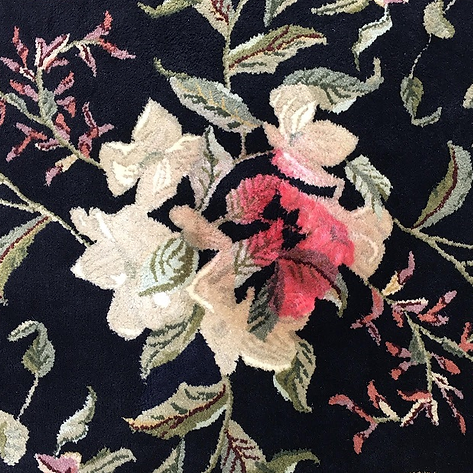
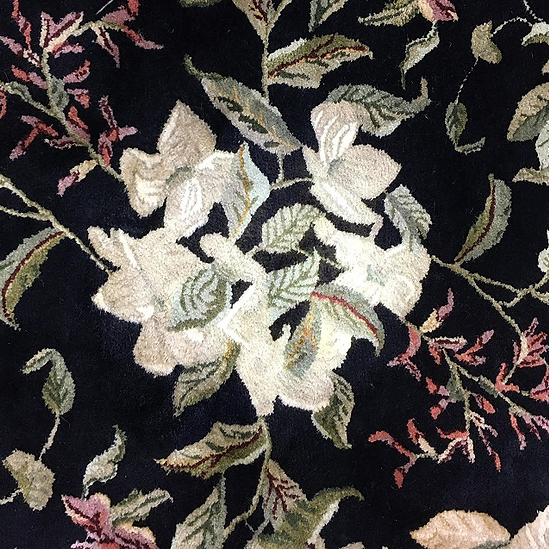
Every weave.
Every origin.
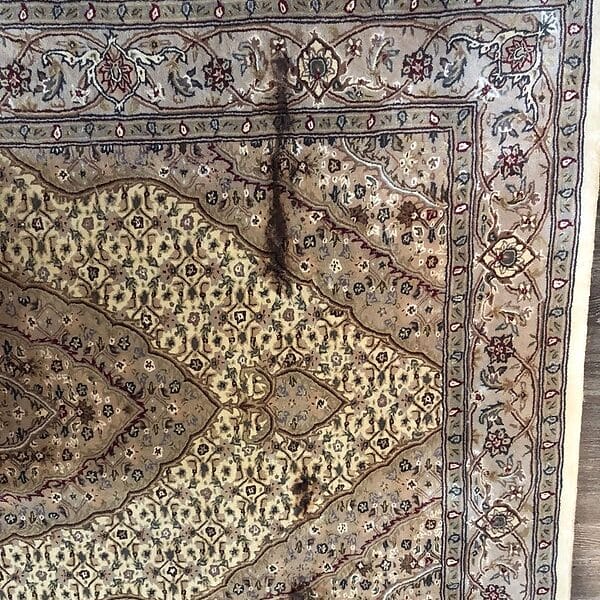
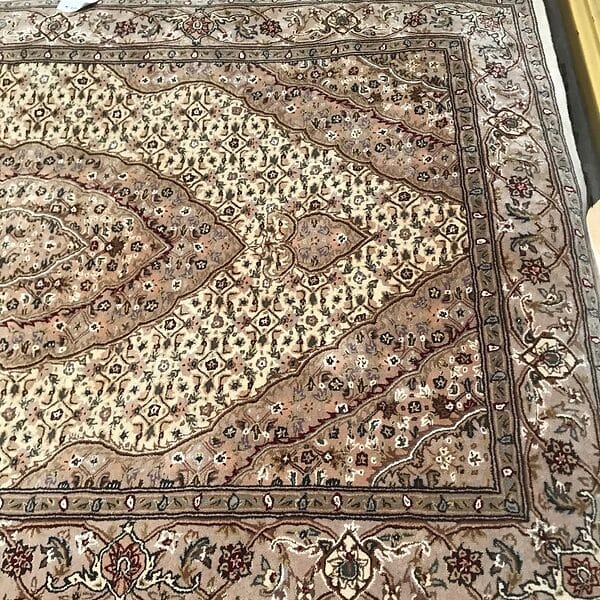
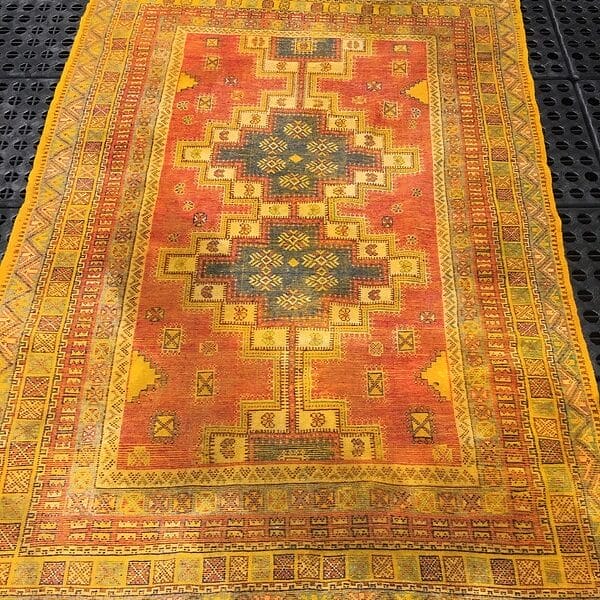
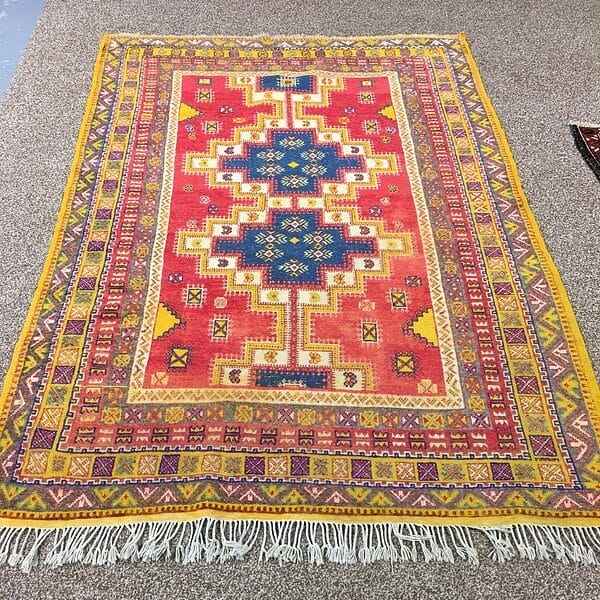
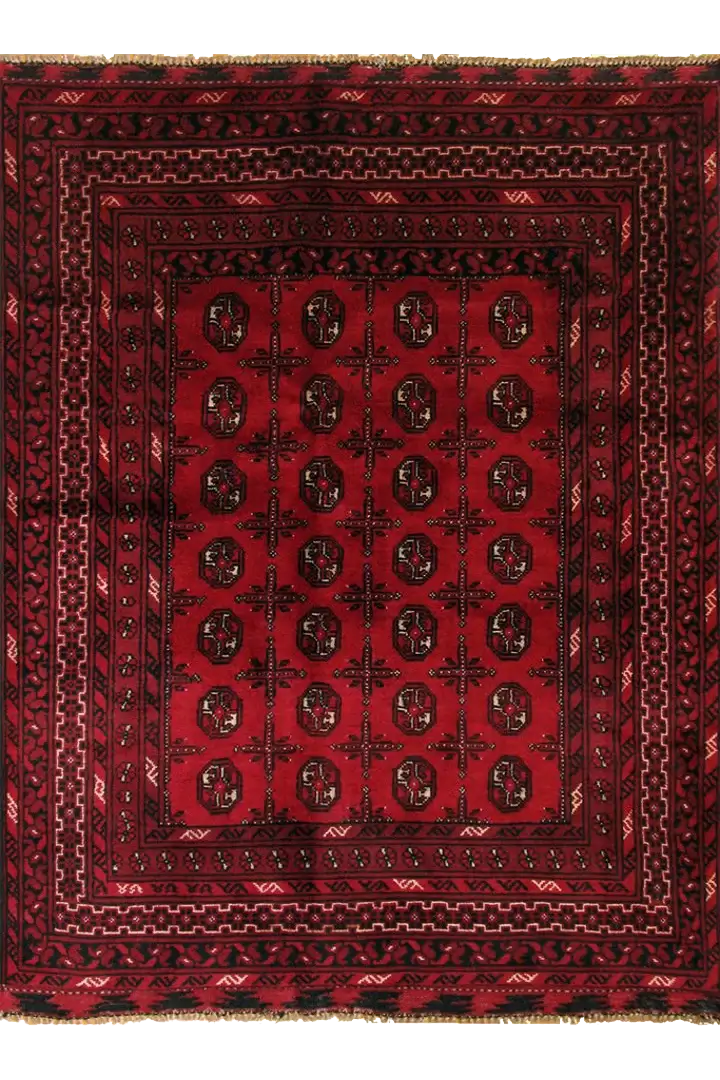
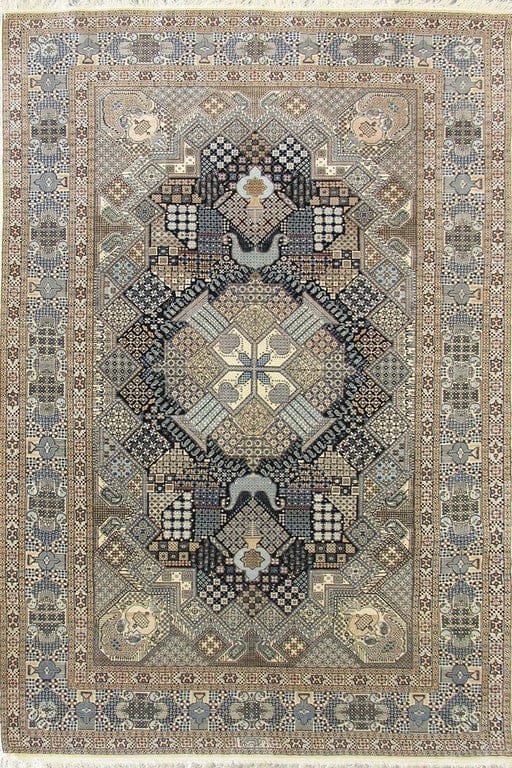
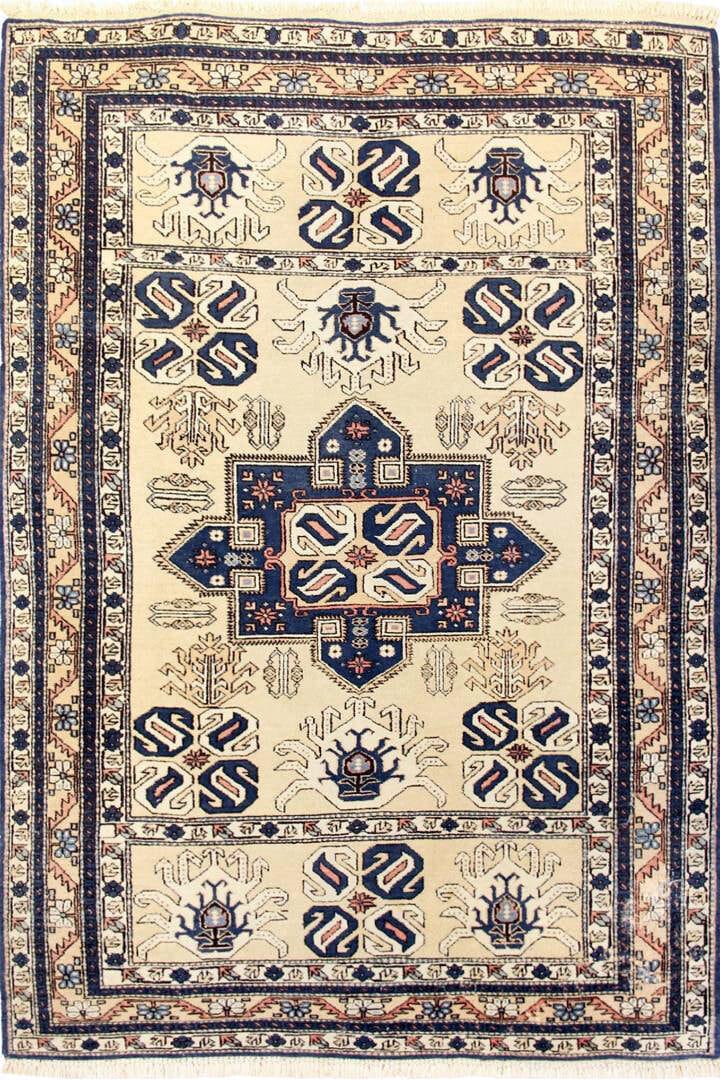
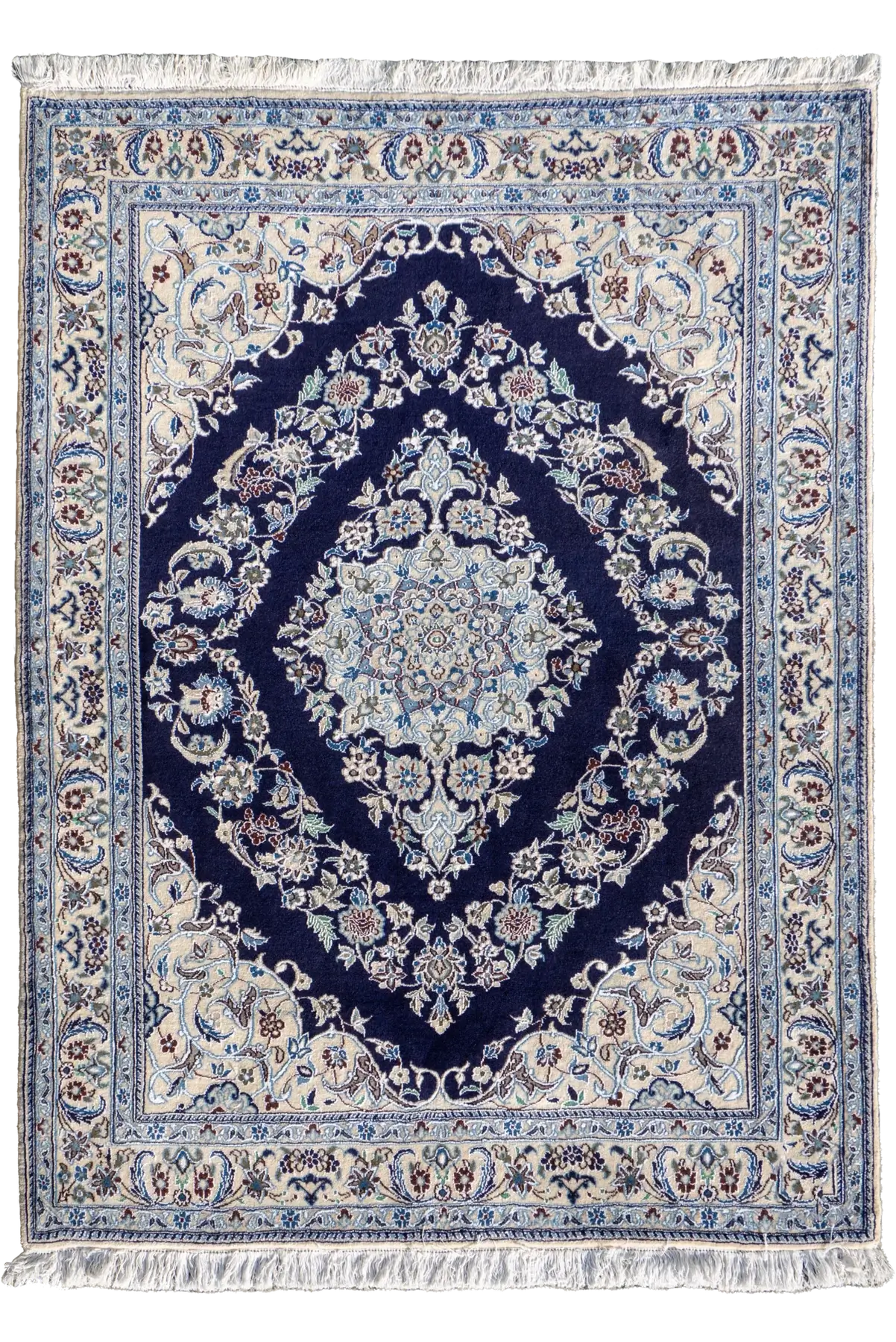
From Persian heirlooms to everyday synthetics. Twenty rug types, each hand washed to a method matched to its fibre and construction. Never a one-size clean.
- 29 years on rugs only
- IICRC-certified technicians
- Washed at our Yatala facility
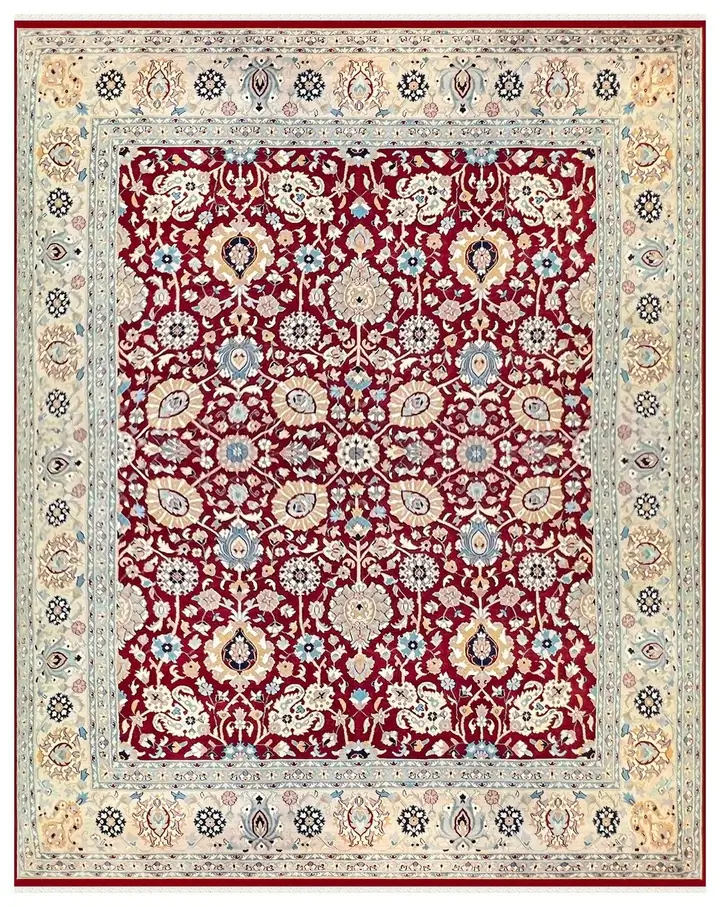
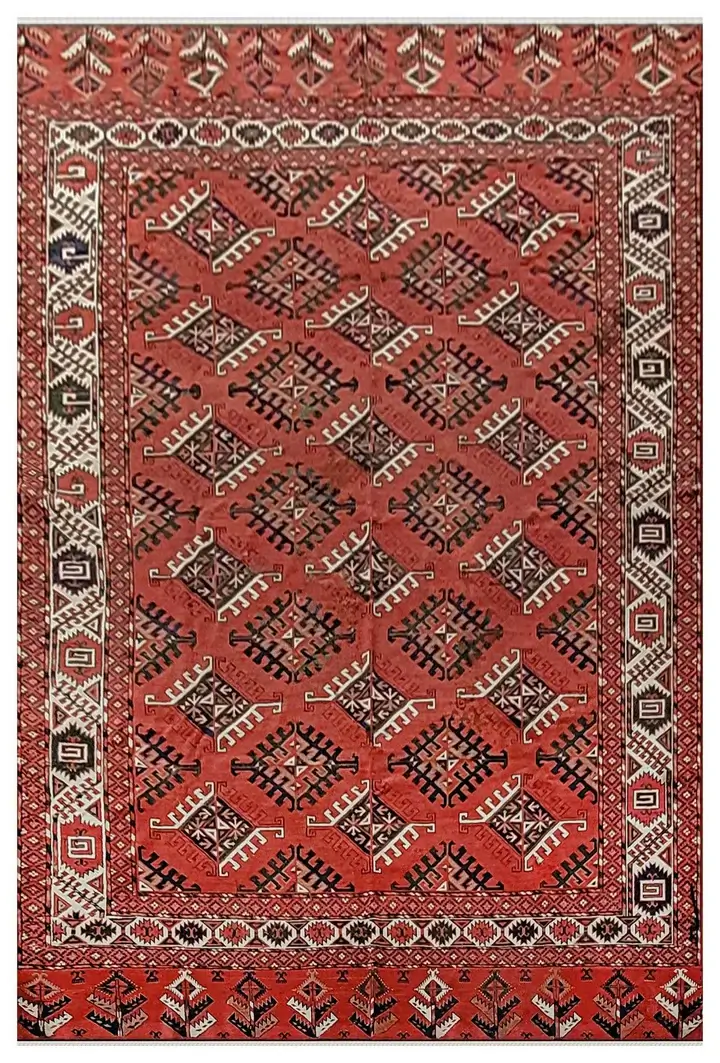
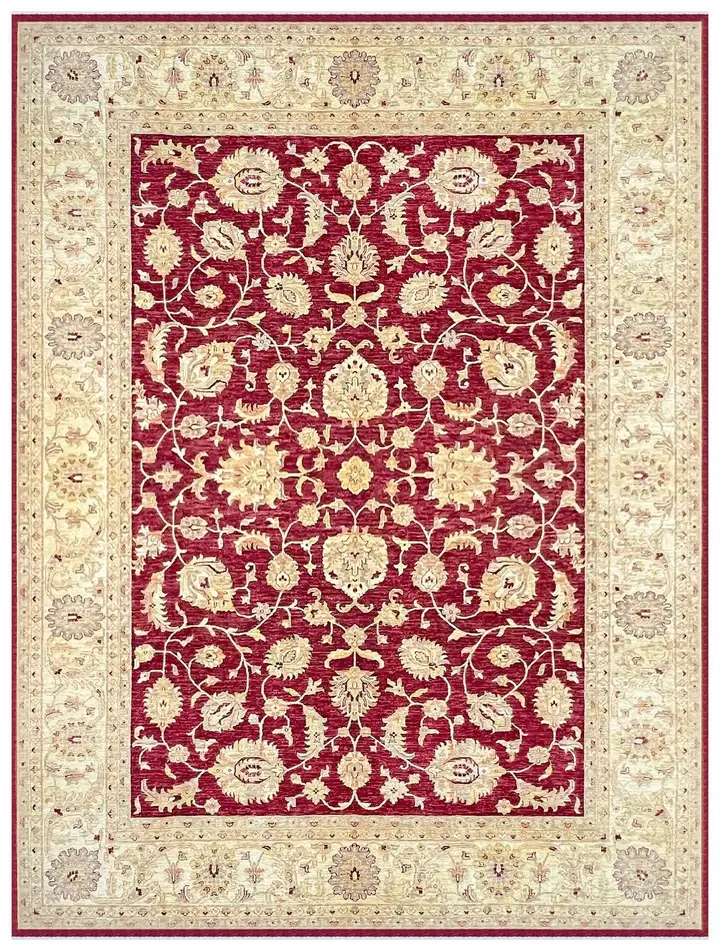
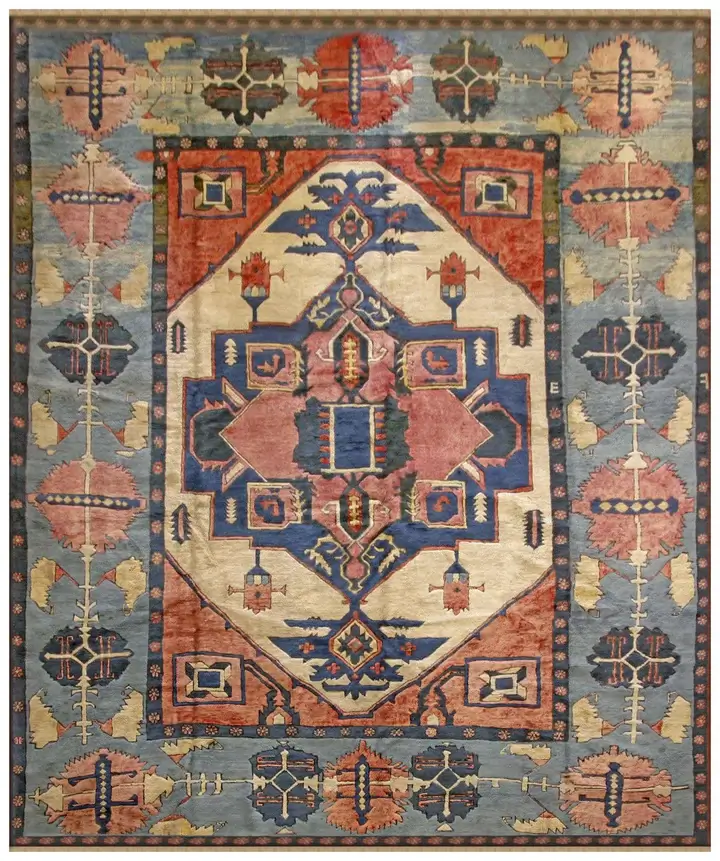
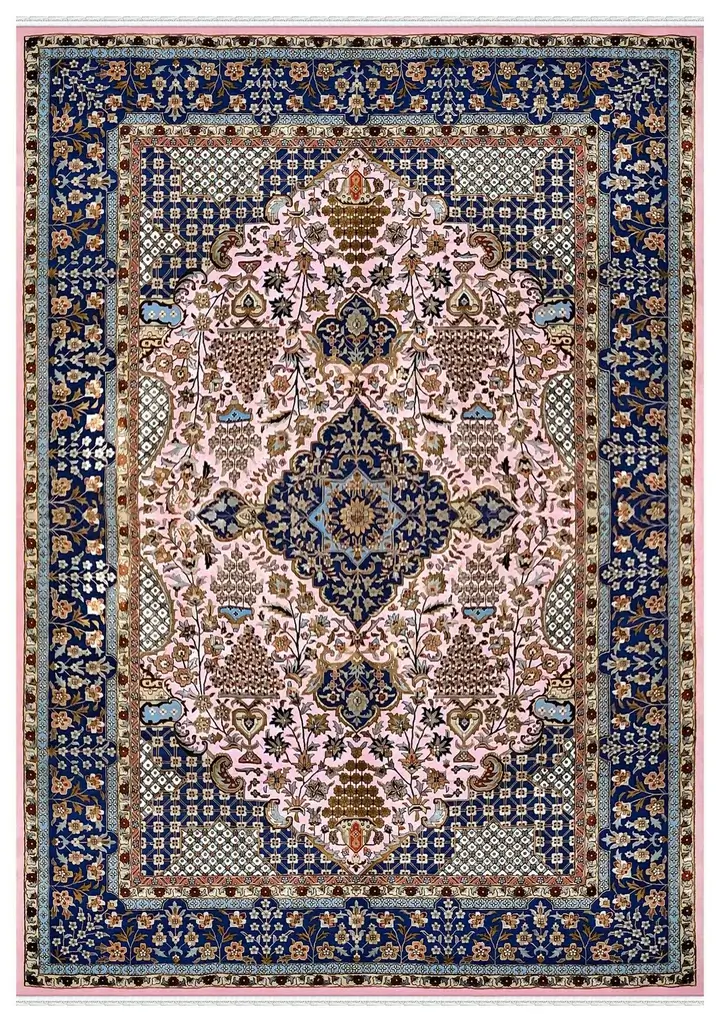
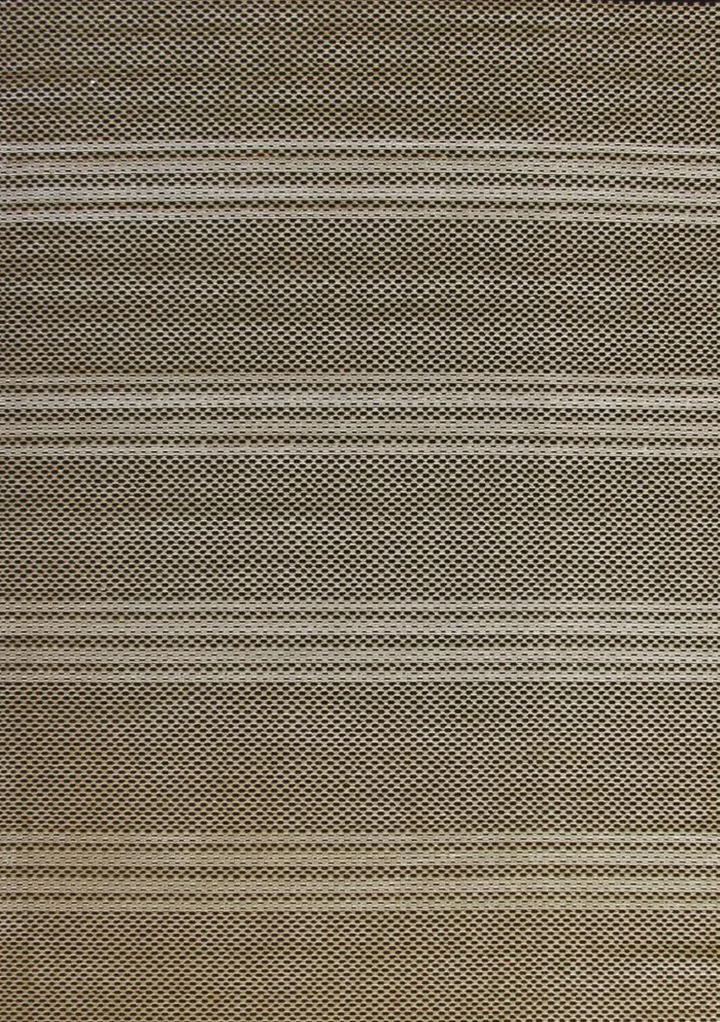
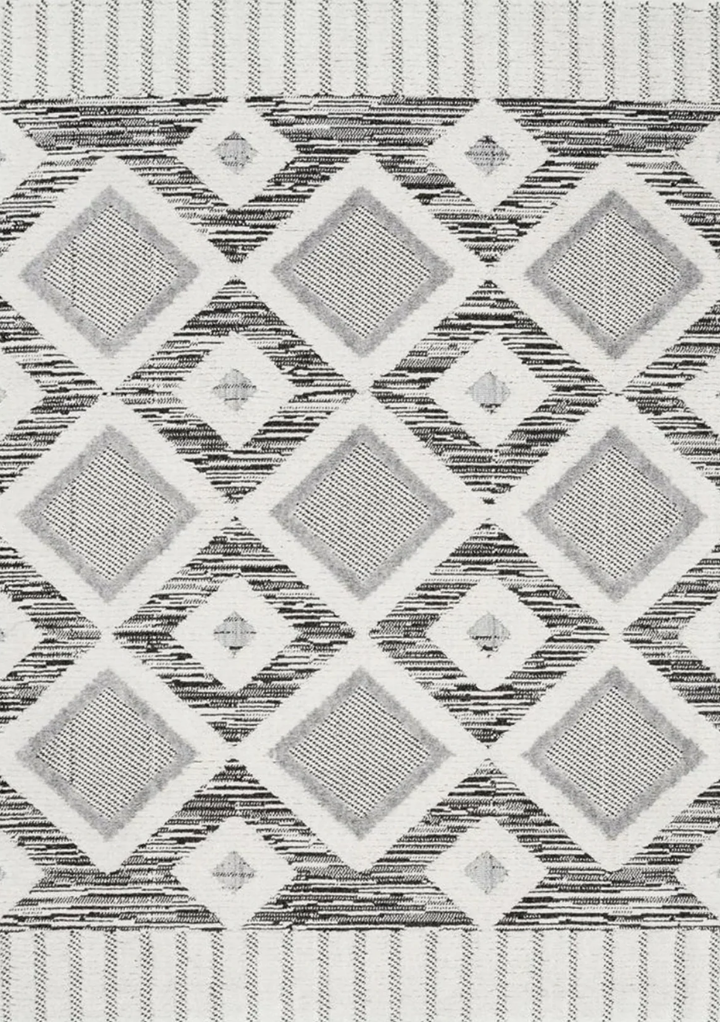
Collected alongside Diddillibah
These neighbours sit on the same stretch of the run.
Diddillibah questions, answered plainly
Do you actually drive out to Diddillibah, or is it a pickup point?
The van comes to the house. Diddillibah sits on the leg we already run between Nambour and Maroochydore, so pickup and delivery are included on that day, and the driver comes down the driveway rather than meeting you anywhere. The collection window is settled once the run day is fixed.
Our rug came off an acreage floor and it is very large. Is that an issue?
No. Oversize pieces are ordinary work on our floor and size on its own has never been a reason to turn a rug away. It goes into the bath whole rather than being handled in halves, and the controlled drying room finishes it before it heads back out to the property.
How do you work out what it will cost?
From the rug, not from the postcode. Size, fibre and the condition it arrives in set the figure at inspection, both of the driver's trips are already inside it, and that number is what the invoice says. If a piece will not repay the work, we say so at that point instead of taking it anyway.
The dog urinated near the door and the smell keeps coming back. Why?
Because the urine itself is still in the rug. It soaked through the pile into the backing, where sprays cannot reach, and every humid afternoon revives it. The bath washes that layer out, an enzyme stage settles what was feeding the smell, and if there is dye damage underneath it we describe it at the assessment rather than after.
Do you also collect from Rosemount, Kuluin and Kunda Park?
Yes, along with Bli Bli, Woombye, Forest Glen and Kiels Mountain on the same leg. Neighbours can send rugs together on the one day, which is worth organising on acreage streets, and every rug after the first is $20 off.
How long will the rug be gone?
Plan on seven days. If you are working to a fixed date, ask about the 48 hour express option, which carries an additional cost. Either way the drying stage is done in full in the controlled room, and on ground that holds damp under canopy the way this does, that stage is the one worth waiting for.
Get your free quote today
Tell us about your rug and we’ll take it from there. Free pickup and delivery, and an honest assessment before any work begins.