
A river west, canals on the rest
Rug Cleaning Parrearra,
an Island With Water on Every
Side
Most waterfront suburbs deal with damp from one direction. This one has a river on the west and canals wrapping the other three, which changes what ends up in a rug and how much of it there is.
- Safe for delicate and handmade rugs
- 48-hour express service available at additional cost
- Free pickup and delivery on the Kawana loop run day
Reveal the Clean
Watch it clean automatically, then take control.
experience
 Expert care
for your rugs
 Free
pickup & delivery
 Trusted, licensed
and insured experts
turnaround
 Guaranteed
satisfaction
A firm number for a canal-front house on the island
The driver knows the one road in, so getting the rug out is straightforward. Everything after that is the usual: opened flat, read properly, quoted once, and that figure is what you pay.
- 1Collected off the islandRolled at the door and away
- 2Read, then quotedOne number, drawn from the rug
- 3Hand bathed at YatalaImmersed whole and rinsed clear
- 4Delivered in about 7 daysDried flat, groomed and rolled
Get an honest assessment
No obligation · free pickup & delivery · we reply next business day
Rug washing Parrearra, on the Kawana strip's island
Water on the west, canals around the rest
Parrearra functions as an island. The Mooloolah River closes off the west, Nicklin Way runs the northern edge, and the Parrearra and Wyuna canals wrap the northeast, southeast and south, with primary access by the one road, Kawana Way. The canal system, known locally and unofficially as Parrearra Lake, was built primarily for flood mitigation rather than as scenery. Geographically this is the Kawana strip, sitting directly between Minyama and Warana, and it is worth saying so plainly rather than pretending it belongs anywhere else. Its population went from 4,468 in 2016 to 4,661 in 2021 across two and a half square kilometres, which works out at 1,860 people per square kilometre, among the highest densities recorded anywhere in our own research.
Most waterfront houses deal with damp from one direction. Here it arrives from four, and a rug is the only thing in the room that cannot dry itself out.
Canal frontage as the standard, not the exception
Waterfront is not a premium feature in Parrearra so much as the default condition. The island's canal frontage gives it a housing character much closer to the high-value canal estates at Minyama than to the open beach strip further along Kawana, and the rugs reflect that. What we collect here is largely from established waterfront houses: proper wool bought once and kept, pieces chosen for a renovation, and the occasional older rug carried in from a previous address. Density is the other factor. At 1,860 people to the square kilometre the houses sit close together, which means shared shade, less air movement between buildings and a slower drying environment than an open block would give. All of which lands in the base of a rug, and none of which comes out on the surface.
Still water, four boundaries, and what it does
An island bounded by a river on one side and canals on the others carries still-water humidity on every edge rather than on one, which is a genuinely concentrated version of the damp problem the wider Kawana strip deals with. Canals do not move much. The water sits, the air above it sits, and the ground underneath the suburb never fully dries out between wet spells. Add the salt that comes with any coastal position and a rug on a canal frontage is holding salt, silt and trapped moisture in its foundation more or less permanently. Drying a rug on a canal-side railing achieves almost nothing, because the air doing the drying is the same air that loaded it. Immersion pulls all three out of the base together, and the controlled drying floor at Yatala is what sends it home genuinely dry. On a boundary this wet, a rug returned merely surface dry will be holding damp again inside a week and nobody will be able to say why.
Our Sunshine Coast office, and the floor rugs are washed on
Our Sunshine Coast office
Premier Rug Cleaning Sunshine Coast
Nothing on the Kawana strip belongs to us and there is no counter to visit. What the listing shows is the territory our driver works; he crosses to the house, and Yatala does the washing.
Over the one road and south
Both directions of that trip are ours to cover and neither reaches your quote. Parrearra rides the Kawana loop with Minyama and Warana, and the window gets confirmed once the loop order is set.
One developer, one road in, and a very small footprint
A genuinely gazetted island suburb on the Kawana strip.
Parrearra was named in 1967 by developer Alfred Grant, the same figure behind the Kawana Waters estate name, drawing on an Aboriginal reference said to mean a length of river. It was established as a town on 1 September 1967 and redesignated a suburb in 1989.
Knowing which of two closely linked names carries official standing and which does not is the same precise attention we bring to working out what a rug is genuinely made of.
Unlike Kawana Waters, which the record states plainly is not officially a town or locality, Parrearra carries its own genuine gazettal history and its own separately counted population. Two names, one developer, one year, and only one of them with official status attached.
The canal system around Parrearra, unofficially called Parrearra Lake, wraps the suburb on the north, east and south while the Mooloolah River closes off the west, making this a genuine island reached primarily by one road, Kawana Way.
A suburb this thoroughly surrounded by water wants a driver who already knows the way in and out, which is precisely what a scheduled Kawana loop gives you.
The canals themselves were built for flood mitigation across the wider strip as much as for the waterfront housing they created, which makes them a piece of working infrastructure rather than a purely scenic feature. It is a useful thing to know about the water sitting outside a house here.
The population grew from 4,468 to 4,661 people between 2016 and 2021 across just 2.5 square kilometres, a density of 1,860 people per square kilometre, among the highest figures recorded anywhere in our own research.
A suburb settled this densely on this little ground is full of real households packed close together, and every one gets the same full immersion wash and the same honest assessment.
There are no schools inside the suburb. Families here use Brightwater State School and Buddina State School nearby, and travel to Kawana Waters State College for secondary years. The land is given over almost entirely to housing and the water that surrounds it.
What customers say about Parrearra
Rated 5.0 ★ from 8 customersaround Parrearra, collected directly from our customers after every clean.
Island addresses first, then all the rest
The cards above were left by households on this island. The wider figure covers every street we service.
Every weave.
Every origin.
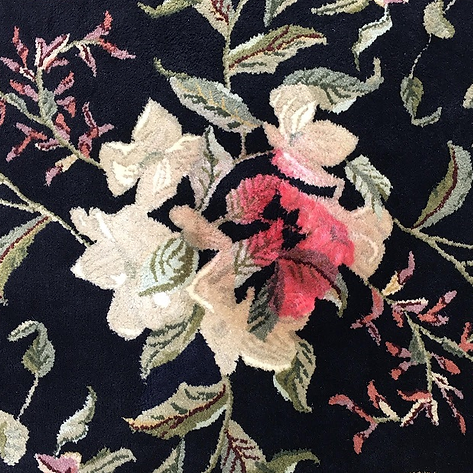
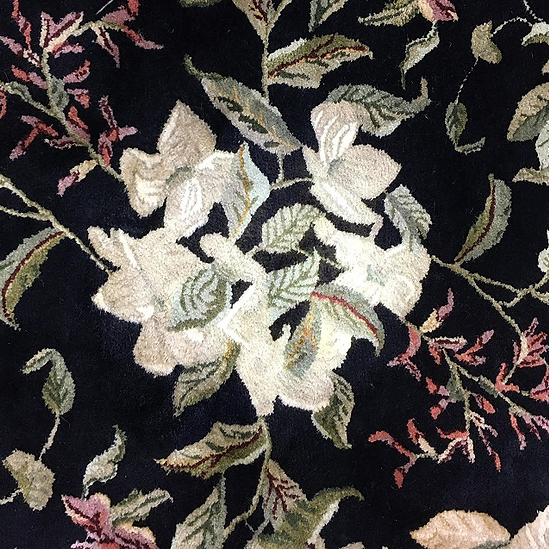
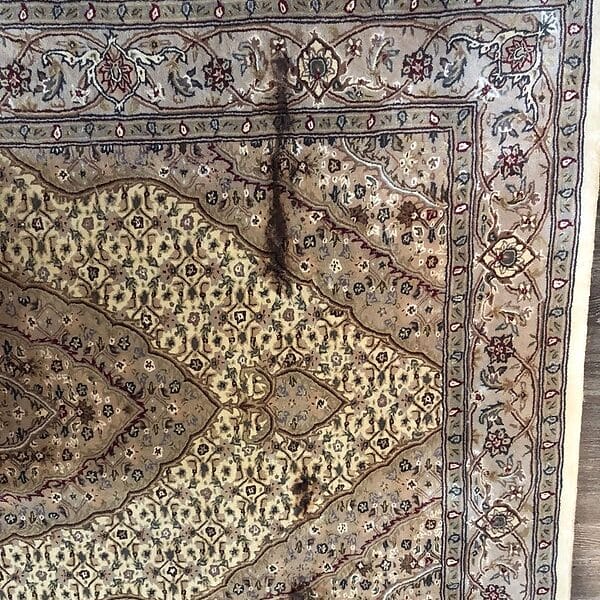
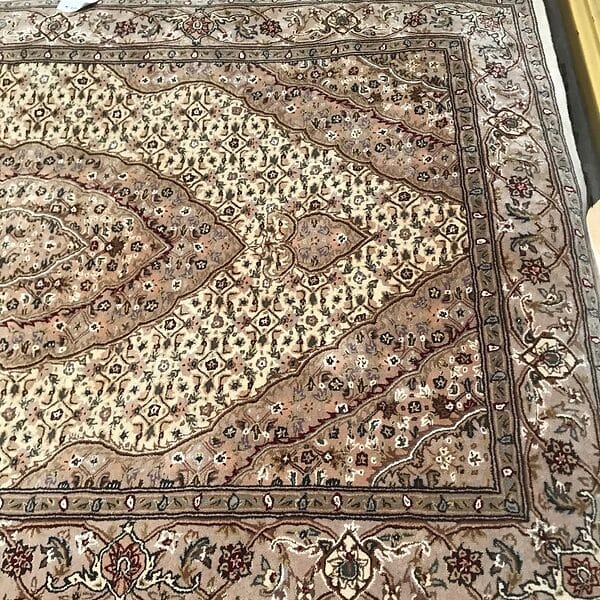
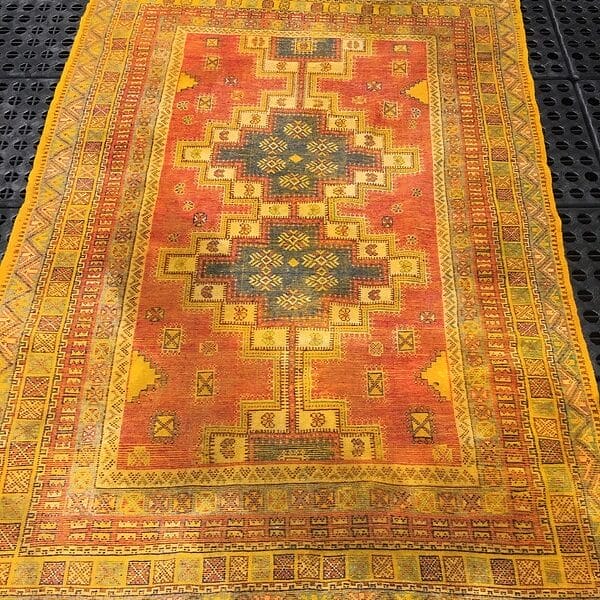
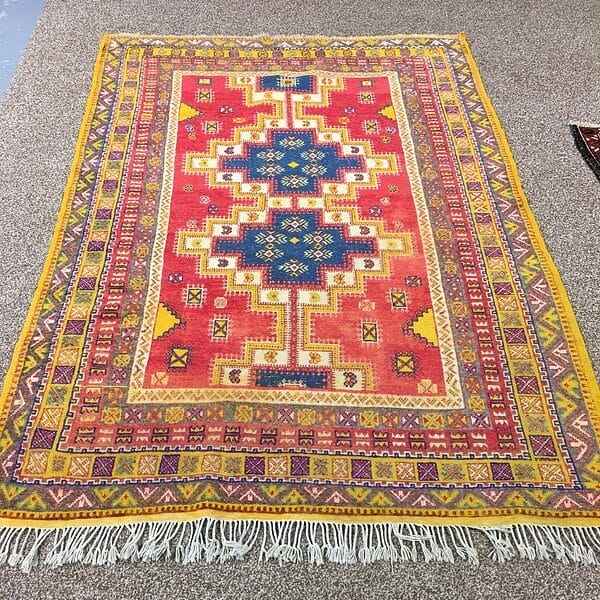
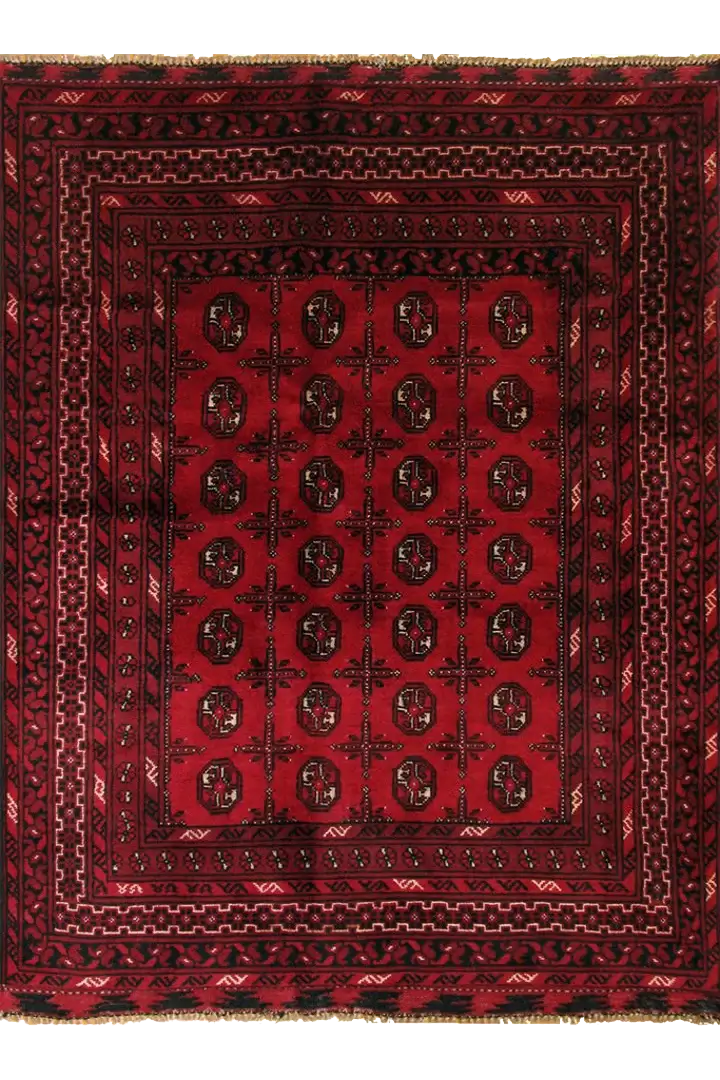
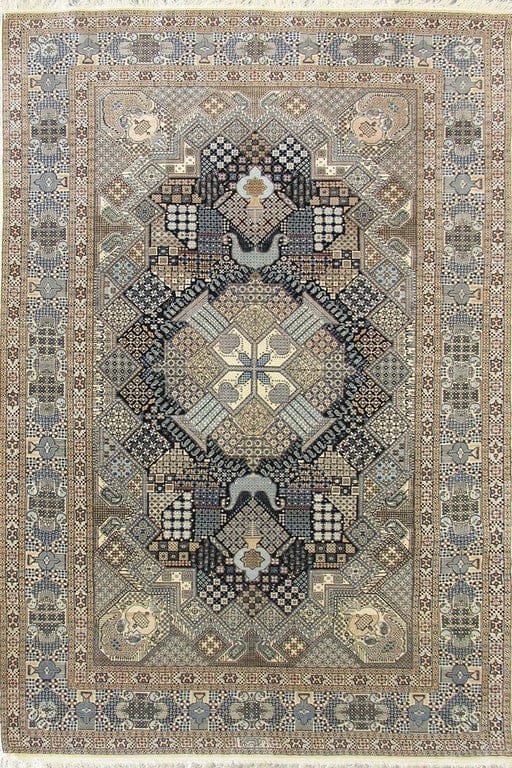
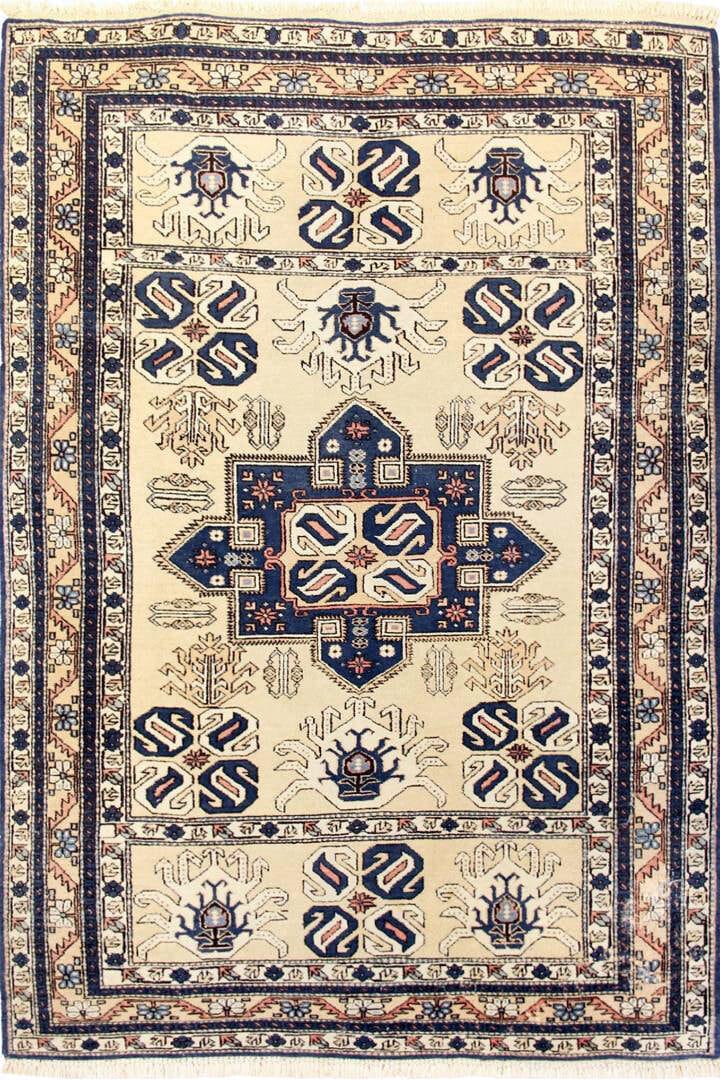
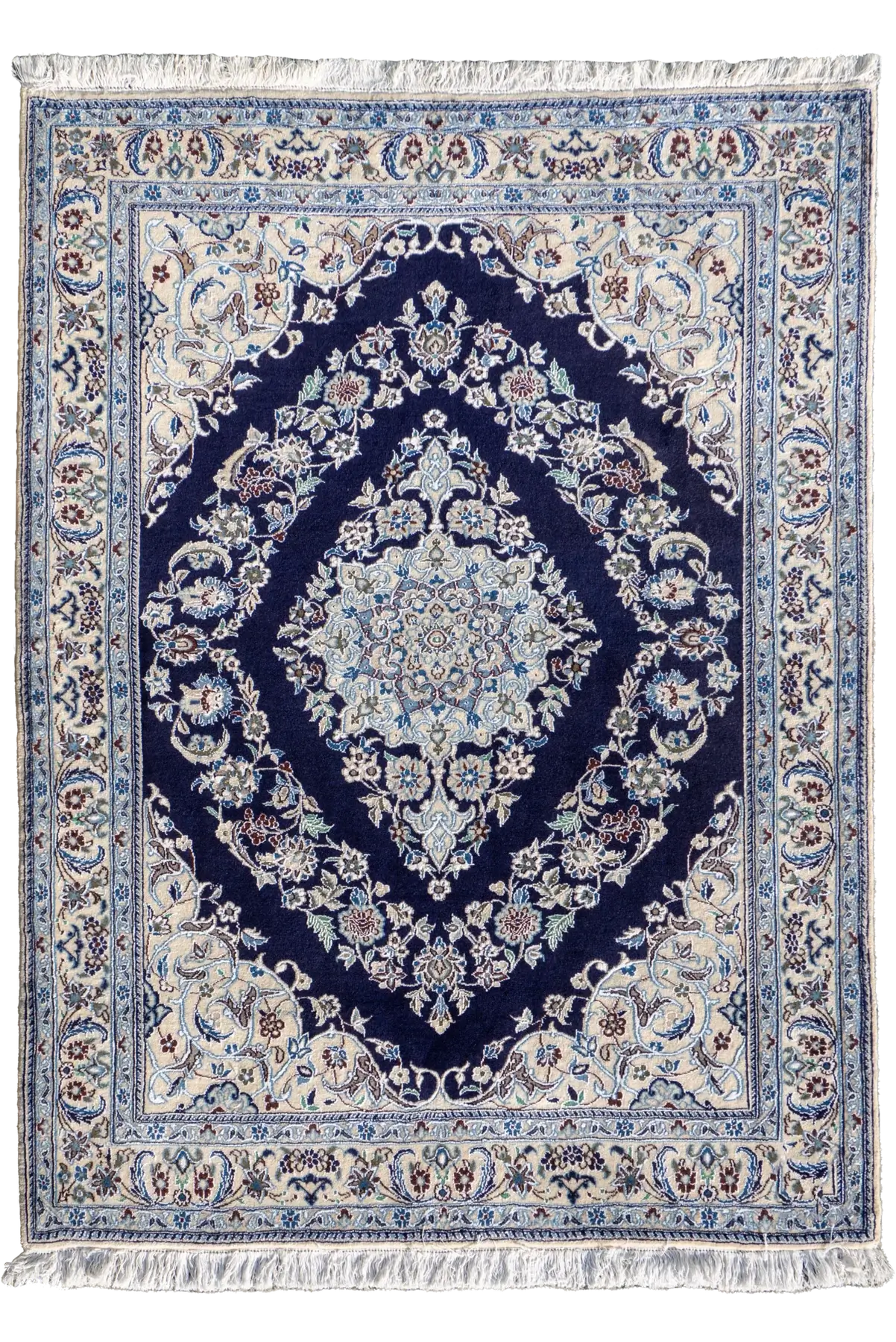
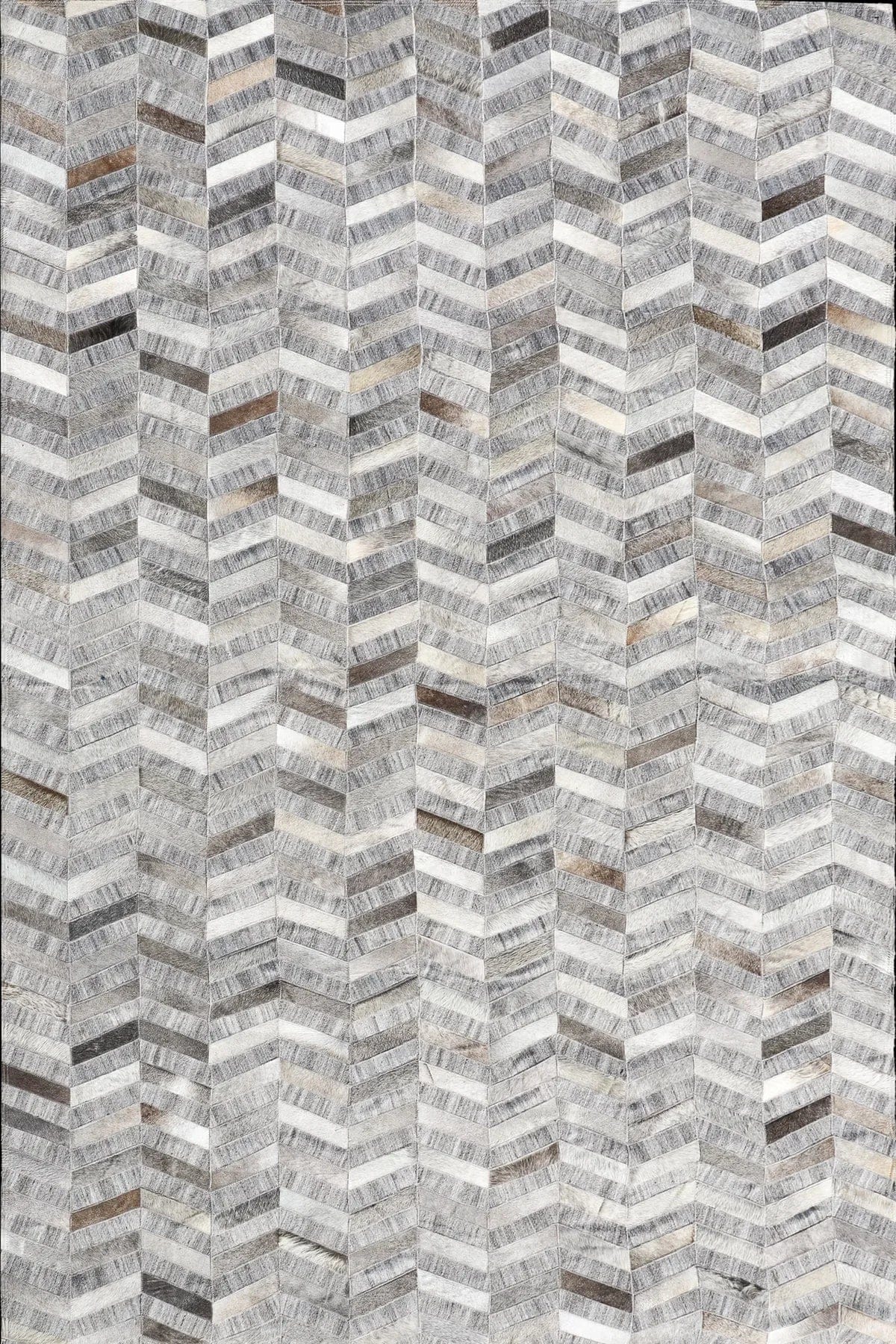
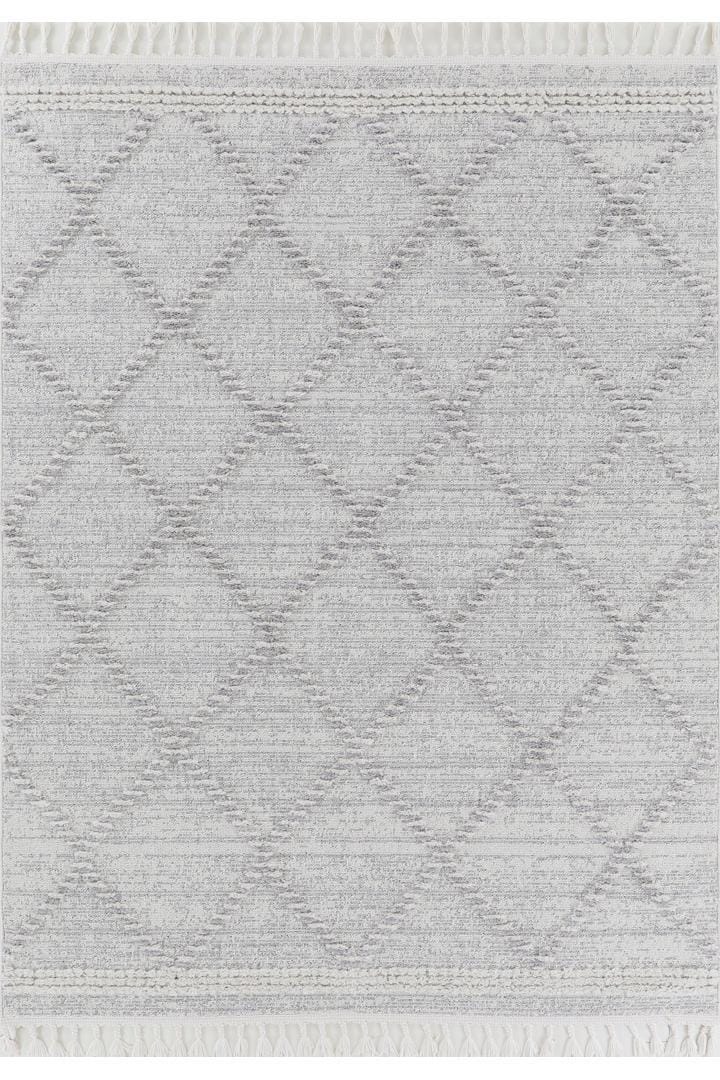
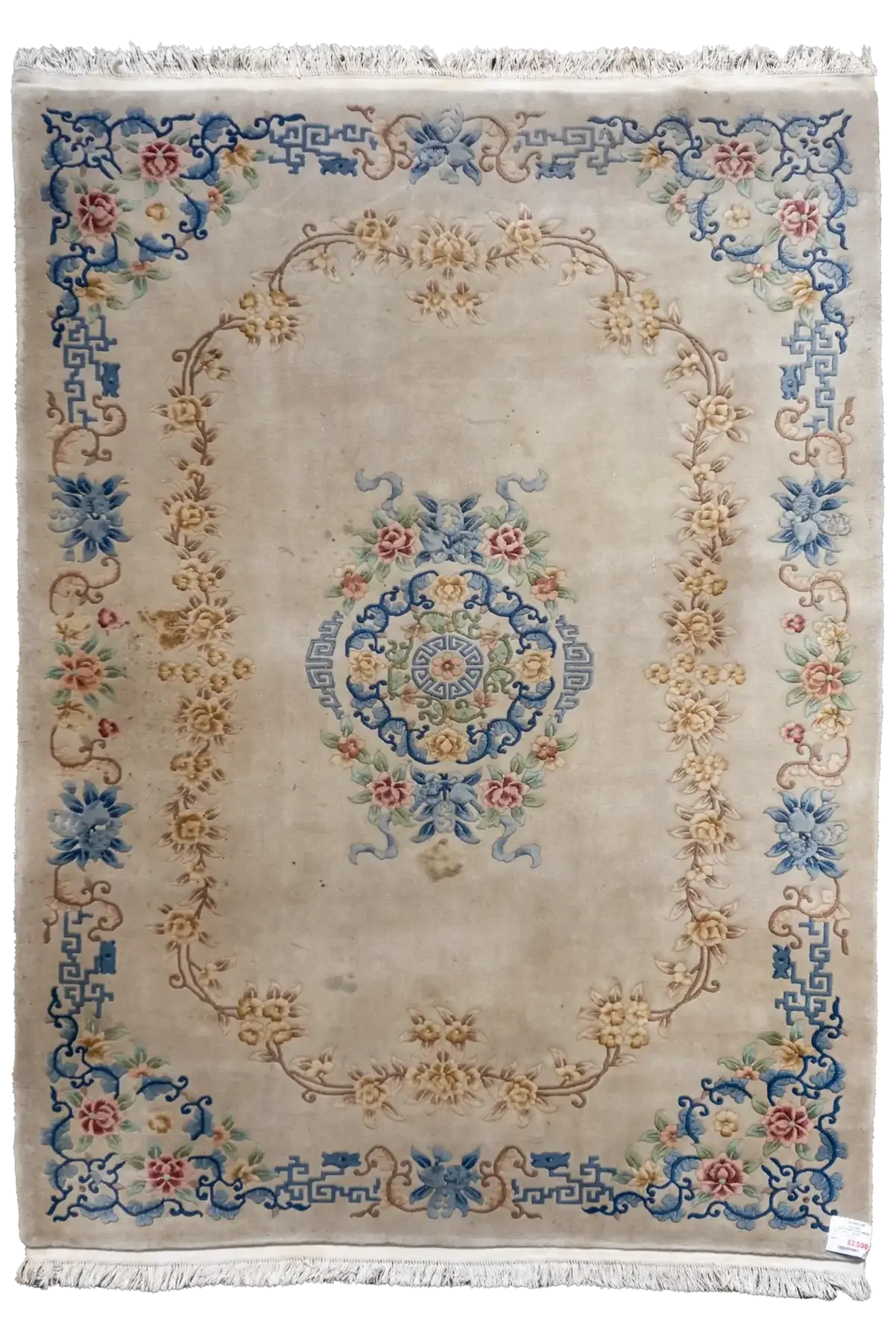
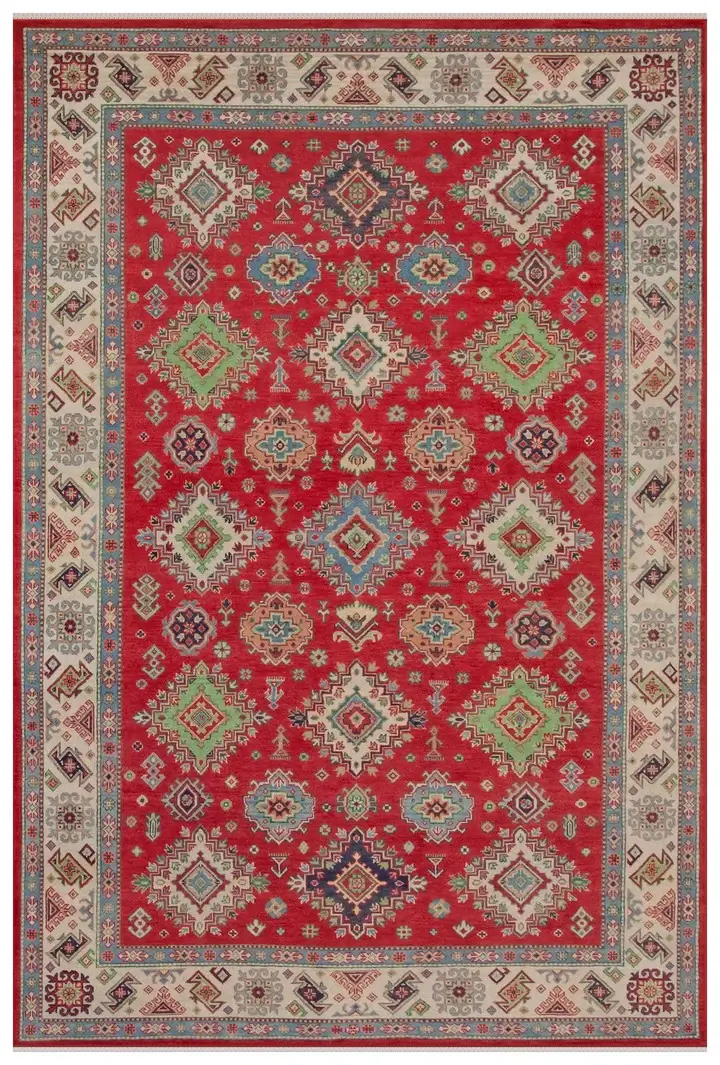
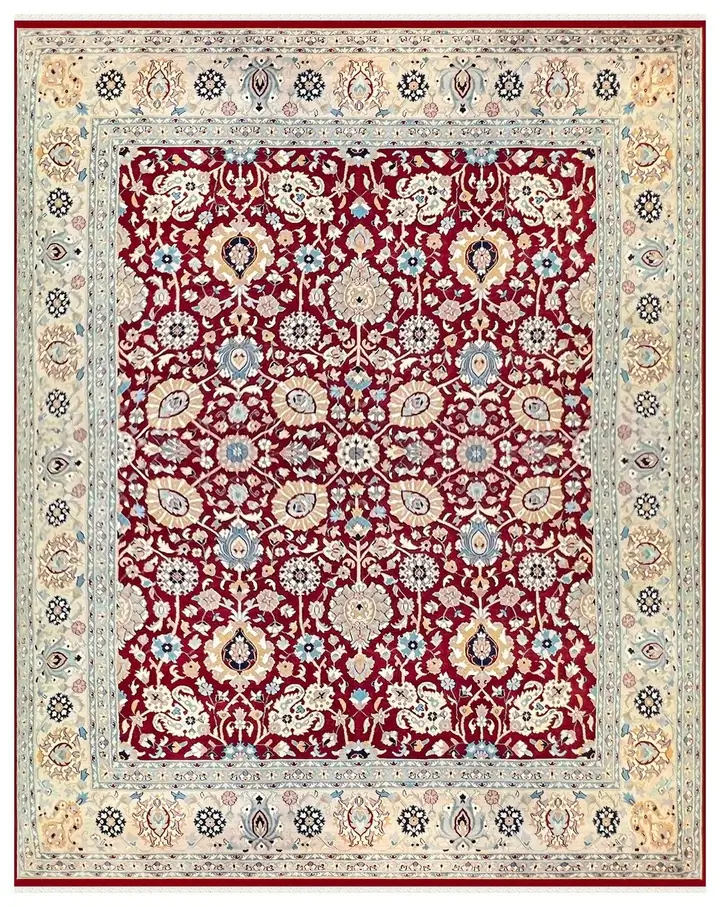
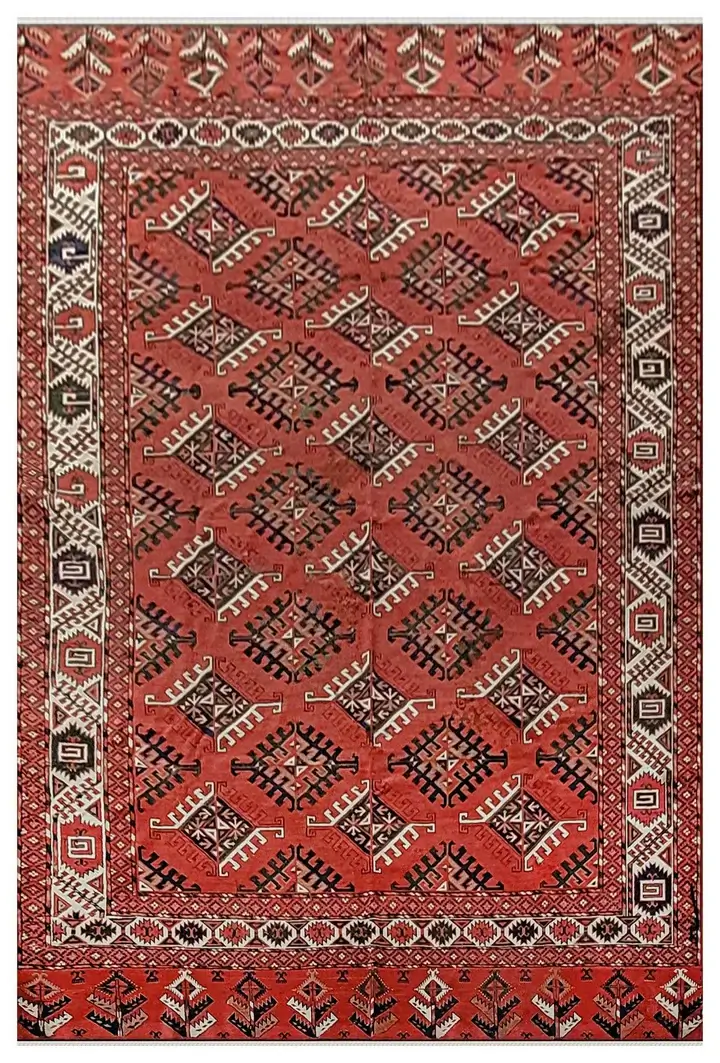
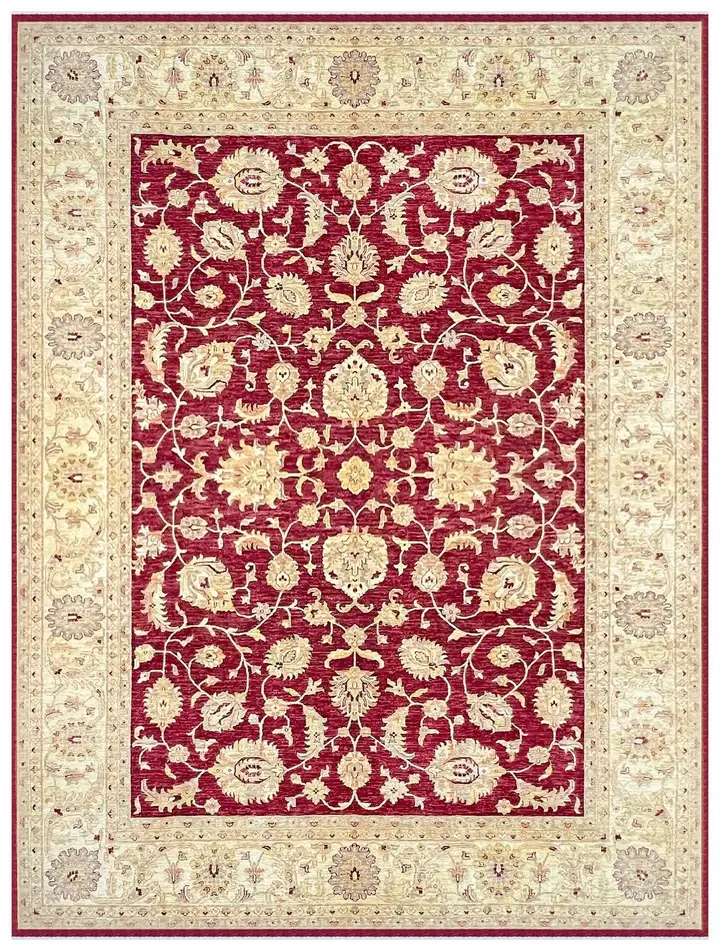
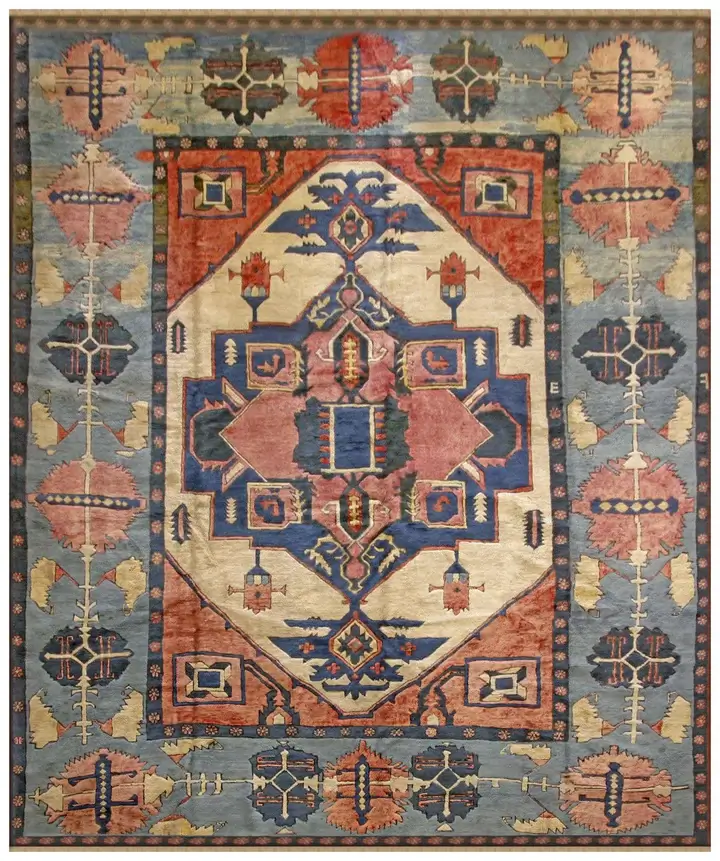
From Persian heirlooms to everyday synthetics. Twenty rug types, each hand washed to a method matched to its fibre and construction. Never a one-size clean.
- 29 years on rugs only
- IICRC-certified technicians
- Washed at our Yatala facility
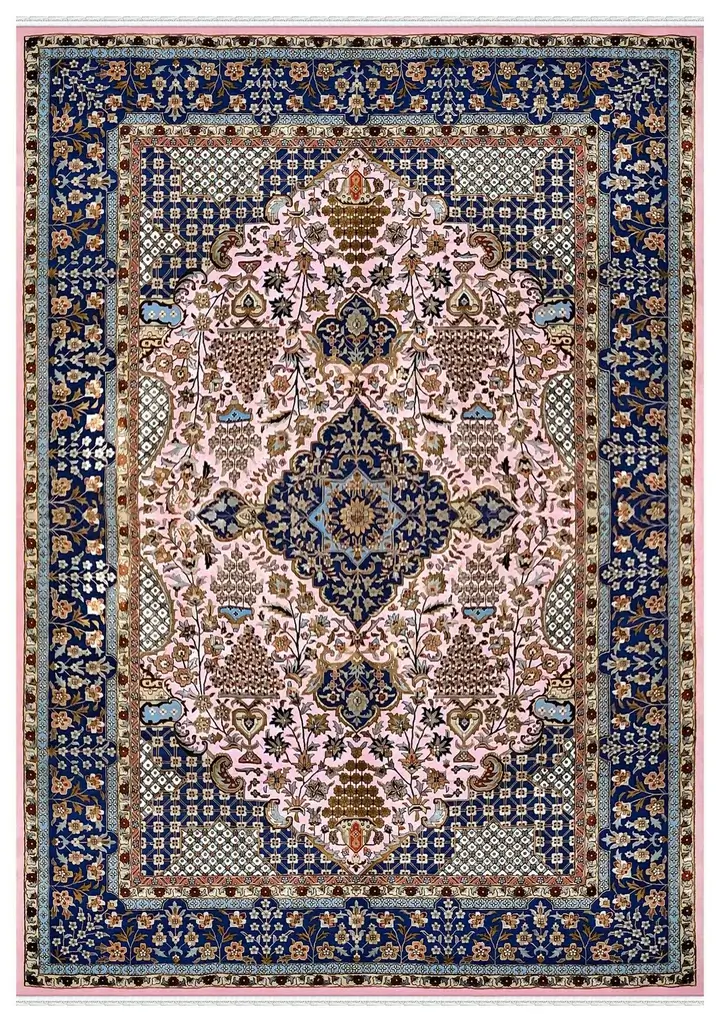
Collected on the same loop as Parrearra
One loop along the strip takes in all of these.
Parrearra questions, answered plainly
Everything smells damp on a canal frontage. Will a wash actually help?
It generally helps more than people expect, because the rug is usually the thing holding most of it. Still water on four boundaries keeps humidity in the base of a piece year round. Immersion removes trapped moisture along with the salt and silt bound to it, and the piece comes back genuinely dry rather than surface dry.
How is a Parrearra rug priced?
From the rug and nothing else. Construction, size and the condition it arrives in produce the figure, with both directions of travel already covered. Inspection sets the number and it stays set. Where a piece has had more salt air than it can come back from, you get told rather than charged.
Access is awkward on the island. Is that a problem?
Not at all. There is one road in and our driver already runs the Kawana loop, so it is planned rather than improvised. Tell us at booking whether the rug will be at a front door, a garage or a canal-side entry, and whether anyone needs to meet the driver, and it gets noted.
We have had it cleaned twice and the urine smell still returns. Why?
Because humidity keeps reactivating it. Urine is at the backing inside a day, and damp air continually revives an odour that a drier house would let fade. Nothing applied from above reaches that depth. Full immersion moves the deposit out through the weave and enzyme work settles what is behind the smell.
Do you collect at Minyama, Warana and Buddina too?
All three are on the same Kawana loop as Parrearra, along with Mooloolaba and Mountain Creek. Neighbours on this island regularly go in together on one collection, which works out well for everybody, since every rug beyond the first on a booking has $20 off.
When would we get it back?
Plan on about 7 days. Washing takes very little of that and the controlled dry takes the rest, which on a rug carrying this much canal humidity is the part that genuinely matters. A 48-hour express service exists at an additional cost where a date cannot move, and it is best arranged up front.
Get your free quote today
Tell us about your rug and we’ll take it from there. Free pickup and delivery, and an honest assessment before any work begins.