
Beachfront strip and the Najoor Road corridor
Rug Cleaning Mudjimba,
Where Things Get a Second
Life
A warship became a reef off this beach and a marketing name gave way to the land's own. We take the same view of a good rug: restore it properly before anyone talks about replacing it.
- Safe for delicate and handmade rugs
- 48-hour express service available at additional cost
- Free pickup and delivery on the north shore run day
Reveal the Clean
Watch it clean automatically, then take control.
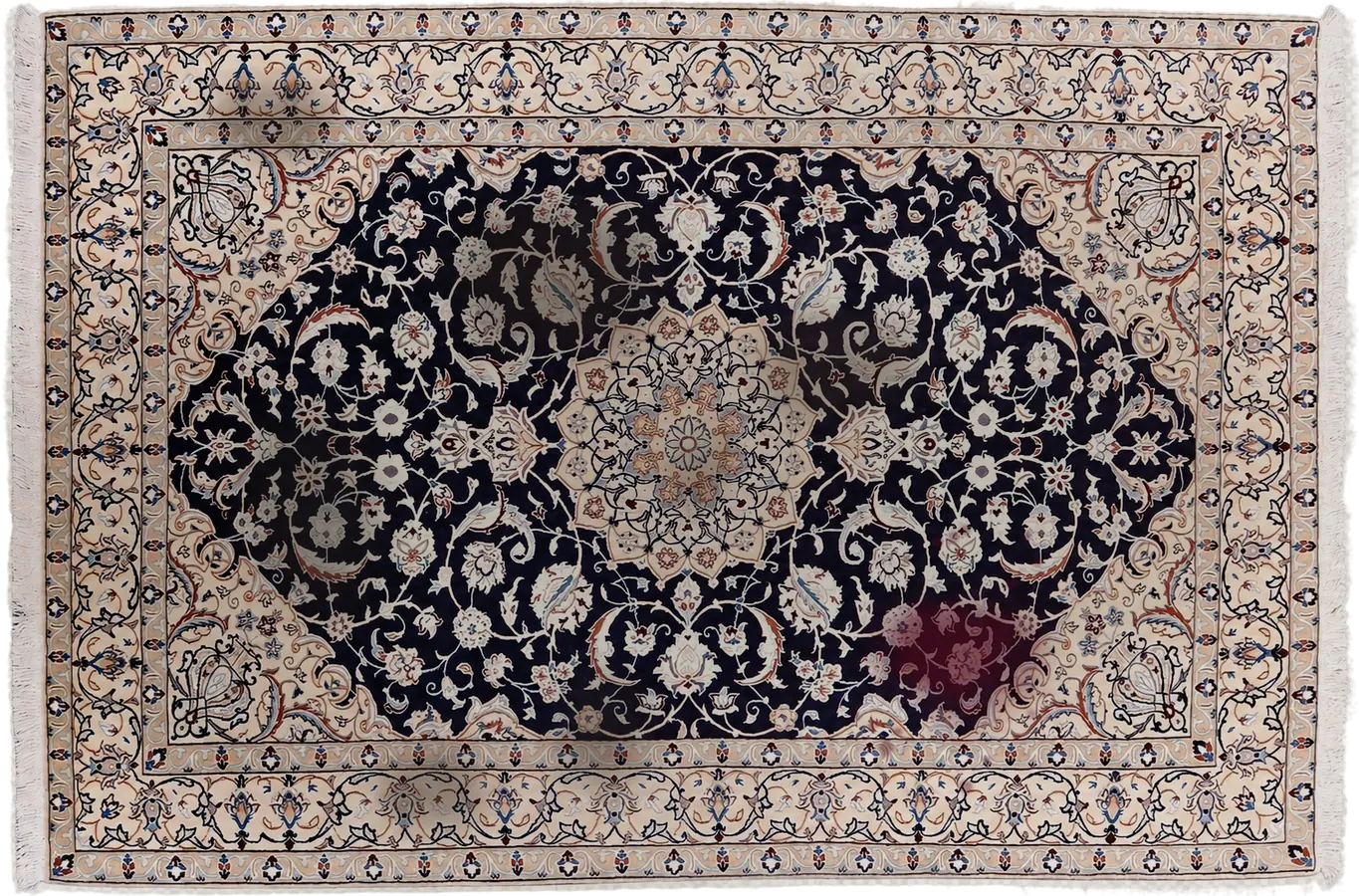
experience
 Expert care
for your rugs
 Free
pickup & delivery
 Trusted, licensed
and insured experts
turnaround
 Guaranteed
satisfaction
A fair figure for a rug worth bringing back
An inspection answers the question that matters before it answers the question about price: is this piece worth restoring? Where the answer is yes, a single figure follows and holds. Where it is no, we say so and charge nothing.
- 1Rolled at the doorFrom a hallway, a carport or a deck
- 2Judged, then pricedOne figure, taken from the piece in front of us
- 3Hand bathed at YatalaImmersed whole, rinsed until the water is clean
- 4Home in about 7 daysDried flat under control, groomed and rolled
Get an honest assessment
No obligation · free pickup & delivery · we reply next business day
Rug washing Mudjimba, between the beach and the marshland
A marketing name that gave way to the land's own
This locality was first developed as the Surfrider Estate, which is the name a developer chose. It did not last. The name that stuck is Mudjimba, from the Kabi word midyim or mudjim, describing the midyim berry bush once common along this stretch of coast, and the residents association that formed on 13 October 1960 sits right at the point where a private land release became a settled community with a voice of its own. The suburb covers three point two square kilometres eleven kilometres north of Maroochydore, bounded east by Mudjimba Beach, with Marcoola, Pacific Paradise and Twin Waters as neighbours. Two thousand six hundred and sixty four people lived here at the 2021 census, up from two thousand five hundred and forty. A name grounded in what actually grew here outlasted the one designed to sell blocks.
A warship became a reef off this beach. We take the same view of a good rug: find another twenty years in it before anyone buys a new one.
Two pockets, and conservation land between them and the south
Mudjimba is arranged in two distinct residential pockets rather than one continuous suburb. There is a beachfront strip in the northeast, and a western corridor of houses running along Najoor Road, with the southern portion given over to protected conservation area and marshland instead of more housing. It is compact and mostly residential rather than a resort strip, and the rugs reflect that. These are household pieces in family homes and long-held beach houses, not high-turnover letting stock, and a good number of them have been in the same room for a decade or more. That is exactly the kind of rug worth restoring properly. A twelve year old wool piece that has never been washed is usually structurally sound and cosmetically tired, which is the best combination we see, and a proper bath returns most of what time appears to have taken.
Salt at the front, wetland at the back
Open coastal exposure at the beach brings the usual salt and sand load into every house on the eastern side, and salt is the part that matters most, because it is a crystal that draws moisture and keeps a pile faintly damp long after it feels dry. Behind that, the Maroochy River Conservation Park's marshland across the southern portion keeps ground moisture high well away from the sand, so the streets furthest from the beach are dealing with a different version of the same problem. Between the two there is not much of this locality that gets a genuinely dry month. Immersion clears salt, sand and trapped wetland humidity together, because all three end up in the foundation rather than on the face, and the drying room afterwards is what makes the result hold.
Our Sunshine Coast office, and where restoration actually happens
Our Sunshine Coast office
Premier Rug Cleaning Sunshine Coast
No part of our Sunshine Coast operation is a public counter. The listing sets out the area we service, the driver comes to your street, and the restoration work all happens at Yatala.
Where the second life actually happens
The distance sits with us and never with you. Mudjimba is collected on the north shore leg alongside Marcoola and Pacific Paradise, and the window is set once the day's route is fixed.
A berry bush, a warship on the sea floor, and an island a kilometre out
A compact beach suburb with a habit of giving things another use.
Mudjimba takes its name from the Kabi word midyim or mudjim, referring to the midyim berry bush once common along this stretch of coast.
A name rooted in what actually grew on the ground, rather than one chosen to sell land, is the kind of grounded detail that shapes how we talk about a place and what we say about a rug.
The suburb's residents association formed on 13 October 1960 under the earlier development name of Surfrider Estate, and the shift to the official name tracks the change from a private land release into a settled community. A plant-based origin is a genuine rarity along this coast, where most names come from a person, a language word for a feature, or a coined blend.
The former HMAS Brisbane was scuttled off Mudjimba on 31 July 2005 to create an artificial reef and dive site, now one of the region's better known wreck dives.
A community comfortable finding another twenty years in something rather than scrapping it shares exactly the instinct we bring to an old rug, which is restore and reuse before anything else is discussed.
The scuttling turned a decommissioned navy vessel into a genuine underwater attraction close to shore, drawing divers to a stretch of coast otherwise known for its beach break surfing rather than for diving. Rather than being cut up for scrap, the ship was put to a second use that has lasted two decades and counting.
Mudjimba Island, also called Old Woman Island, sits about a kilometre off the beach and carries two names that both remain in use.
Knowing which story belongs to which place, and leaving the rest alone, is the same discipline as telling a customer only what we can actually establish about their rug.
The Kabi legend explaining how the island came to be there belongs to the naming story of Mount Coolum along the coast, and we leave the telling of it on that page rather than repeating it here. What is Mudjimba's own is the island's position and its dual name. Inland of the beach, the Maroochy River Conservation Park's four kilometre walking track provides a second green space alongside the marshland to the south.
What customers say about Mudjimba
Rated 5.0 ★ from 8 customersaround Mudjimba, collected directly from our customers after every clean.
Mudjimba cards first, then everywhere else
The cards above came from Mudjimba households. The larger figure spans every suburb we collect from.
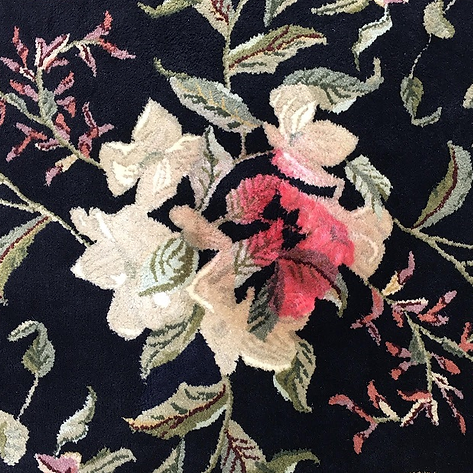
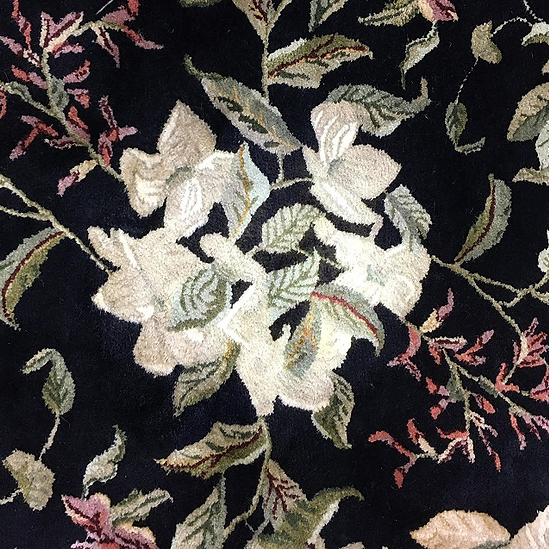
Every weave.
Every origin.
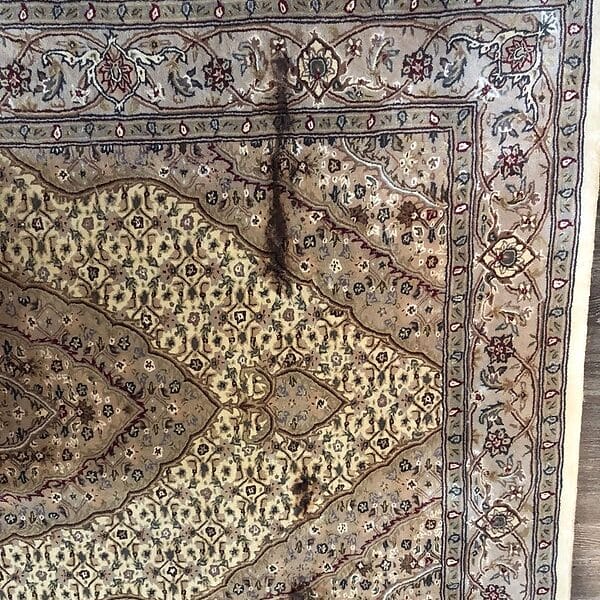
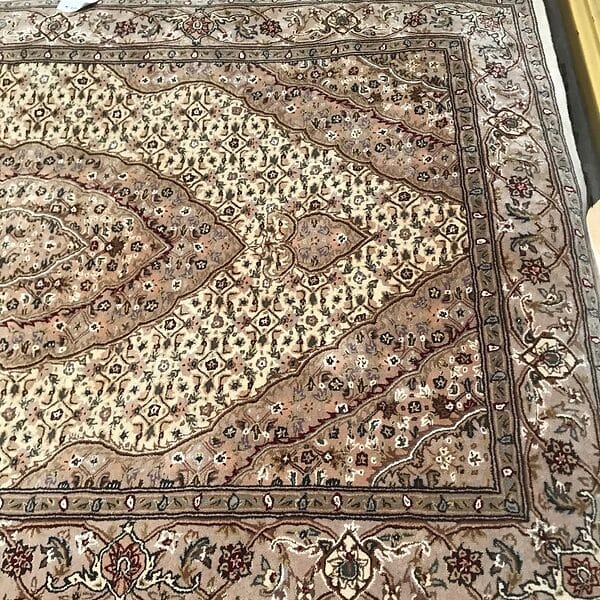
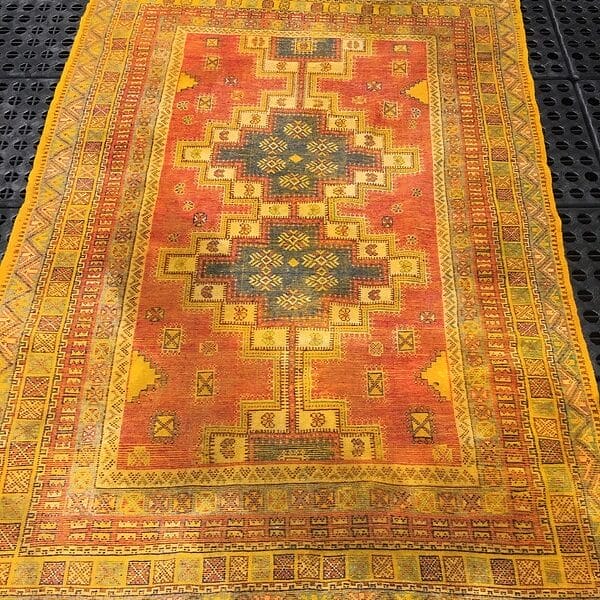
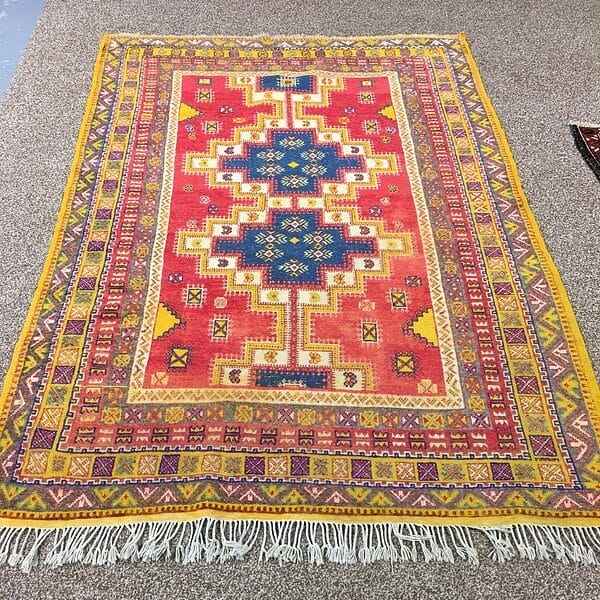
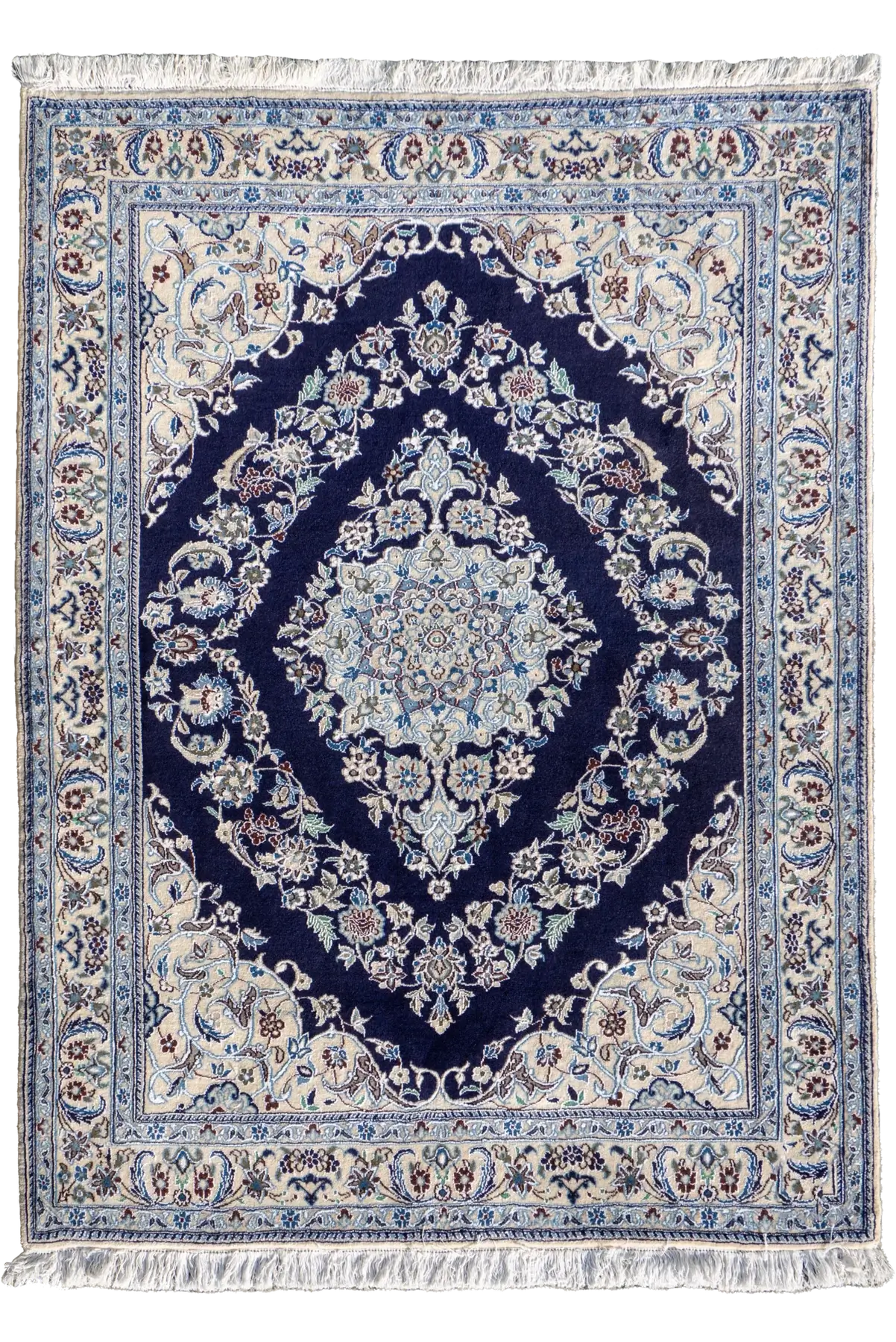
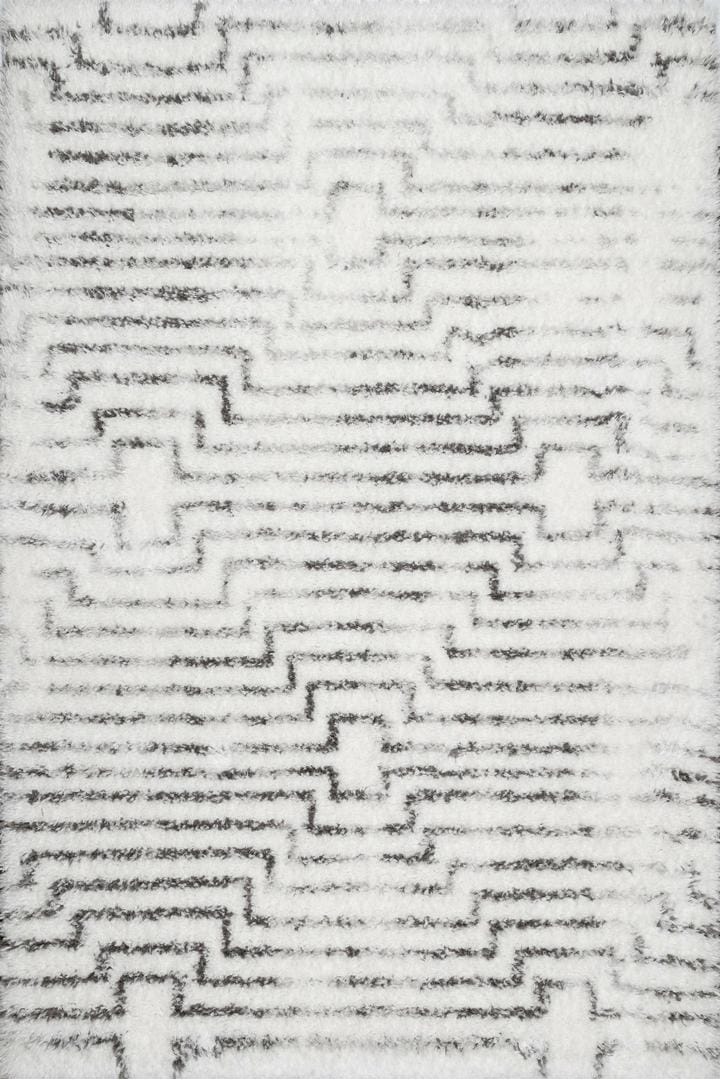
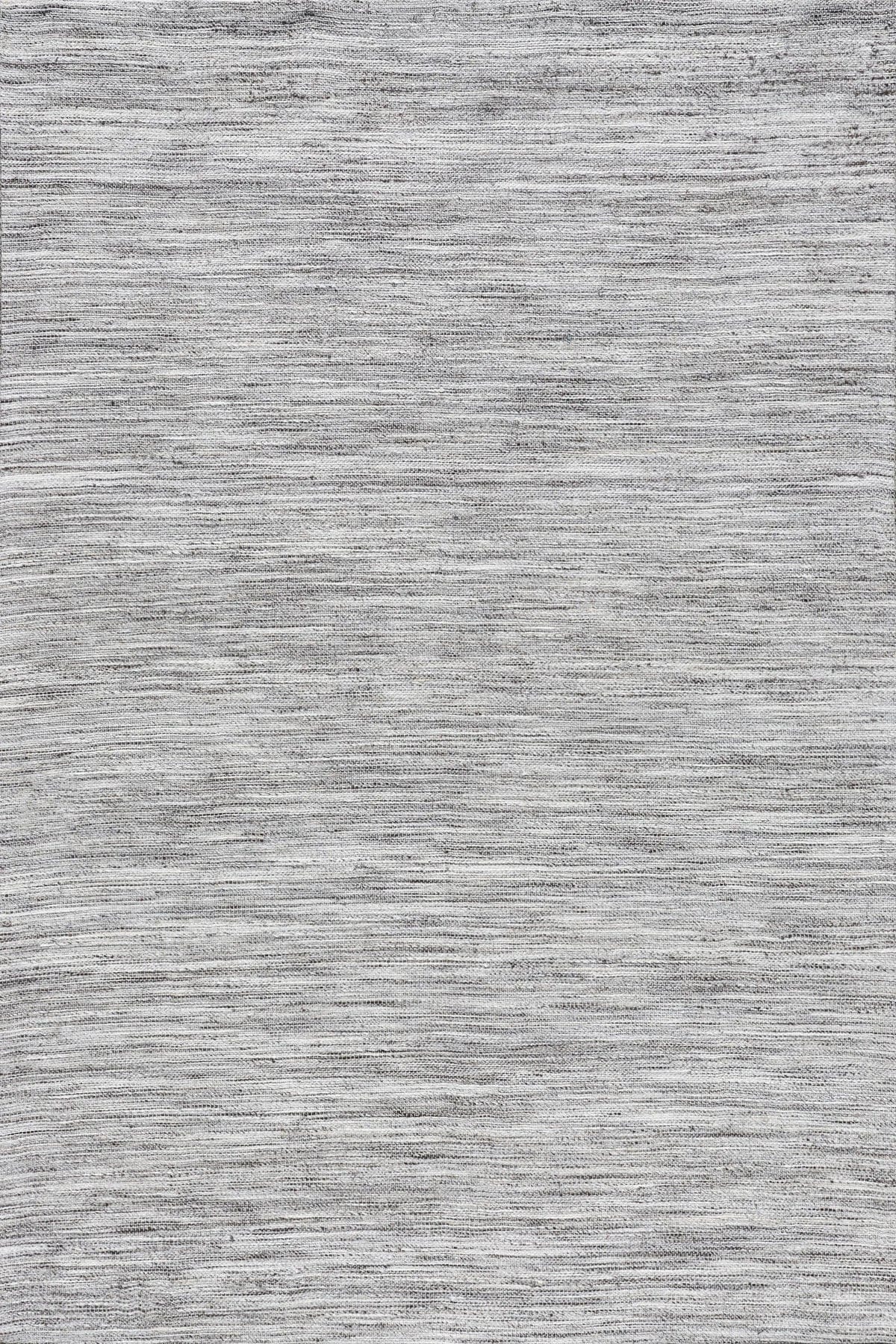
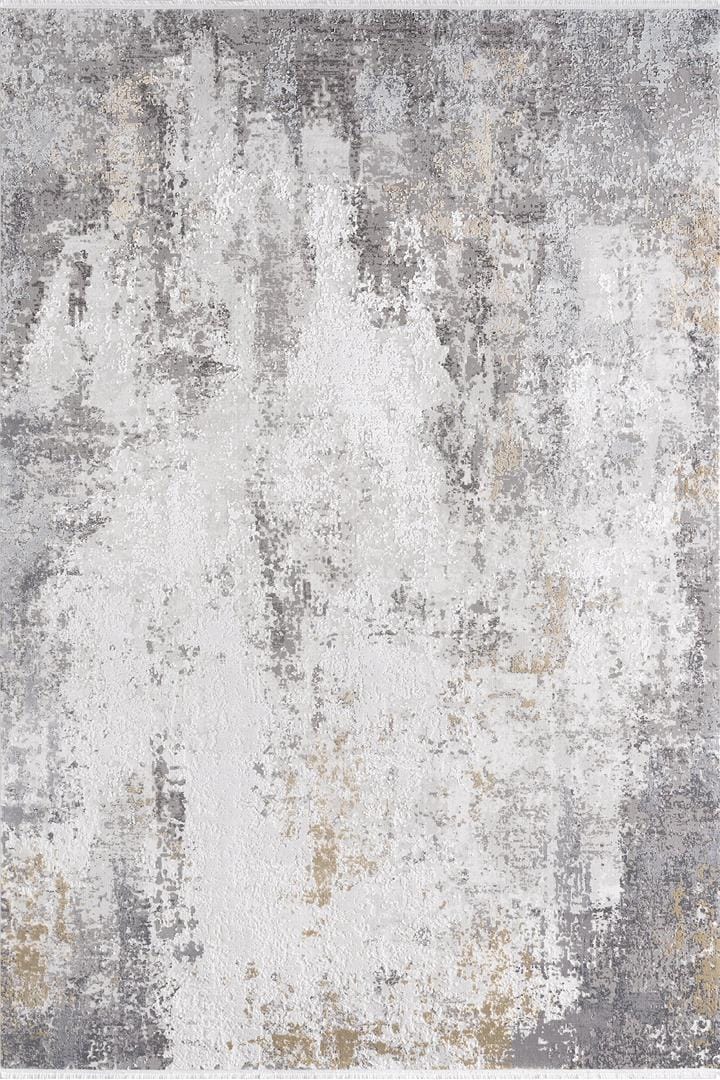
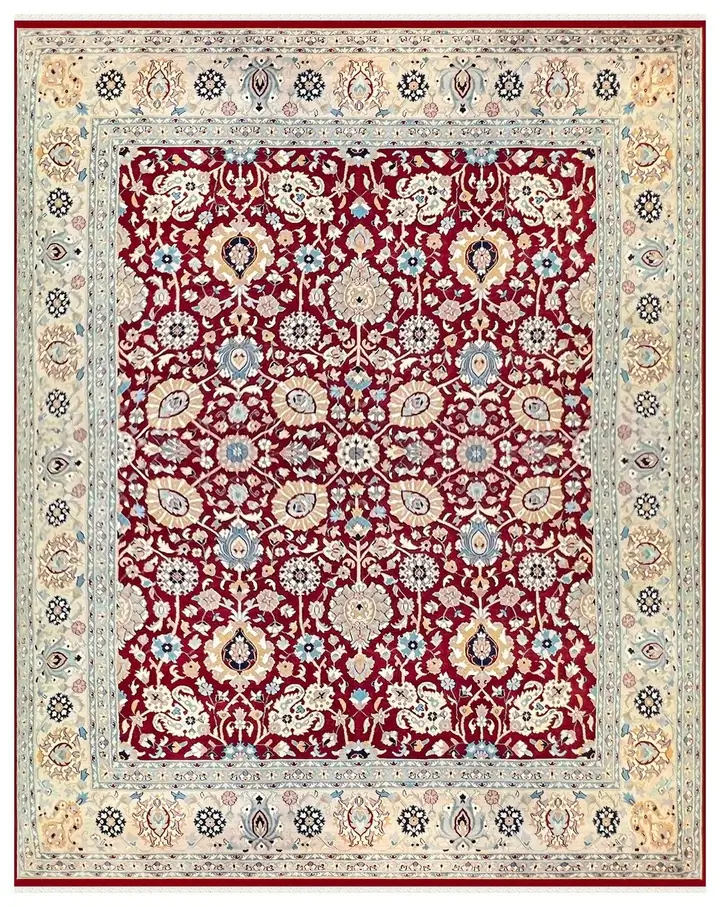
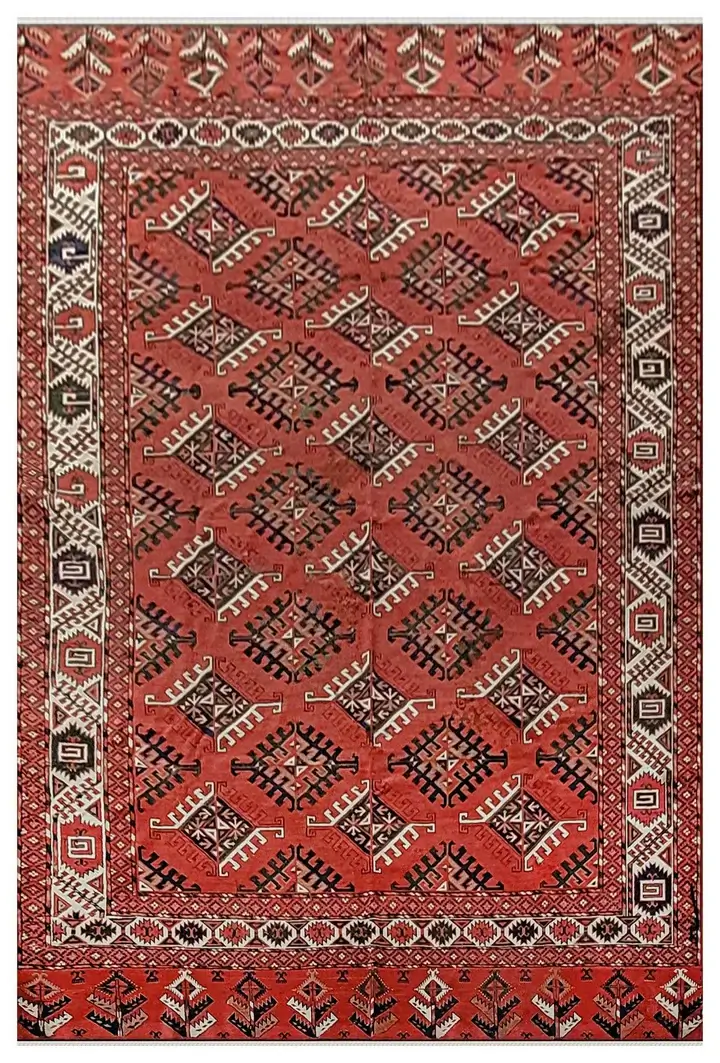
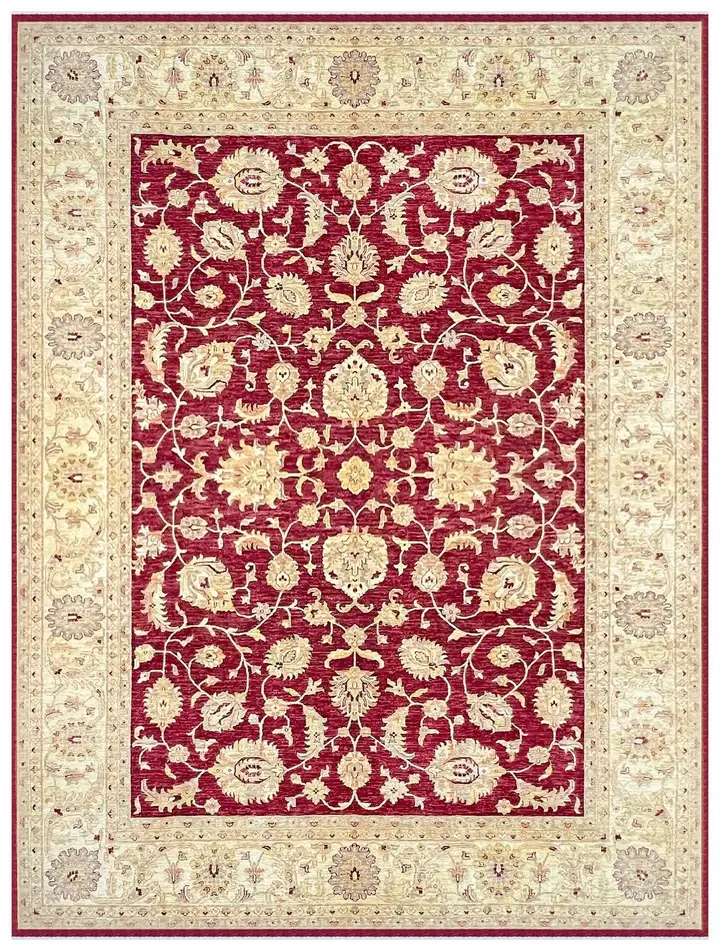
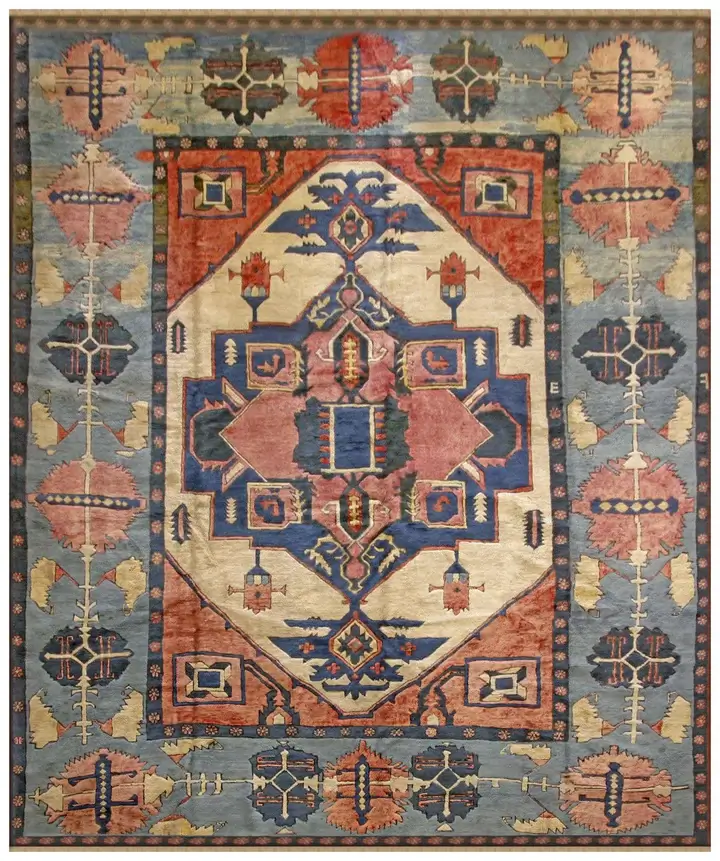
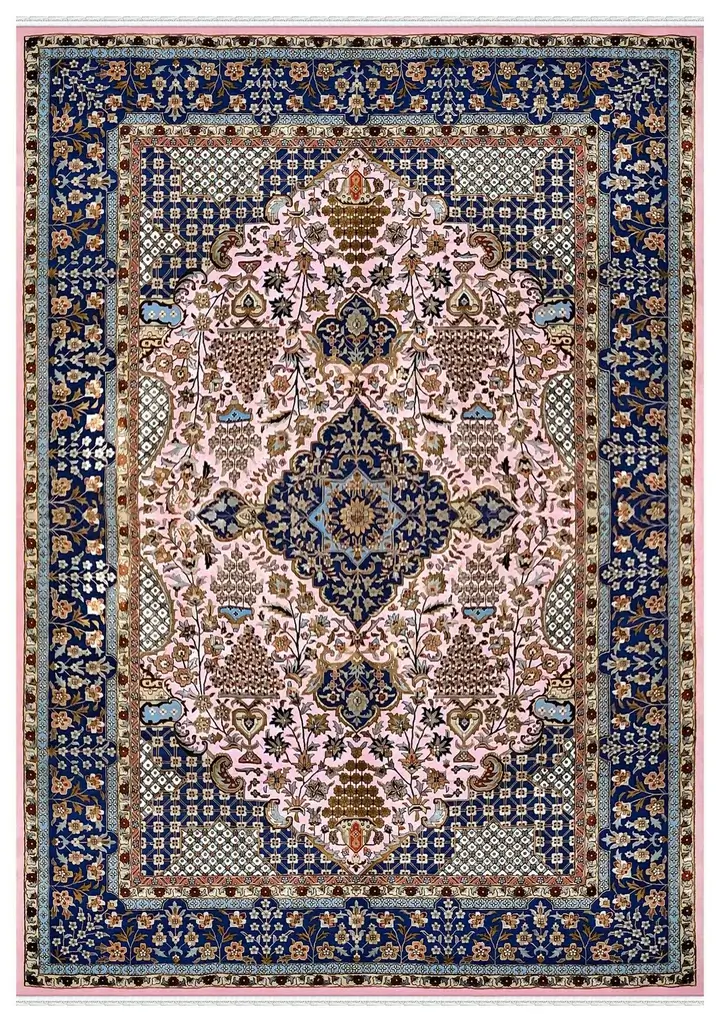
From Persian heirlooms to everyday synthetics. Twenty rug types, each hand washed to a method matched to its fibre and construction. Never a one-size clean.
- 29 years on rugs only
- IICRC-certified technicians
- Washed at our Yatala facility
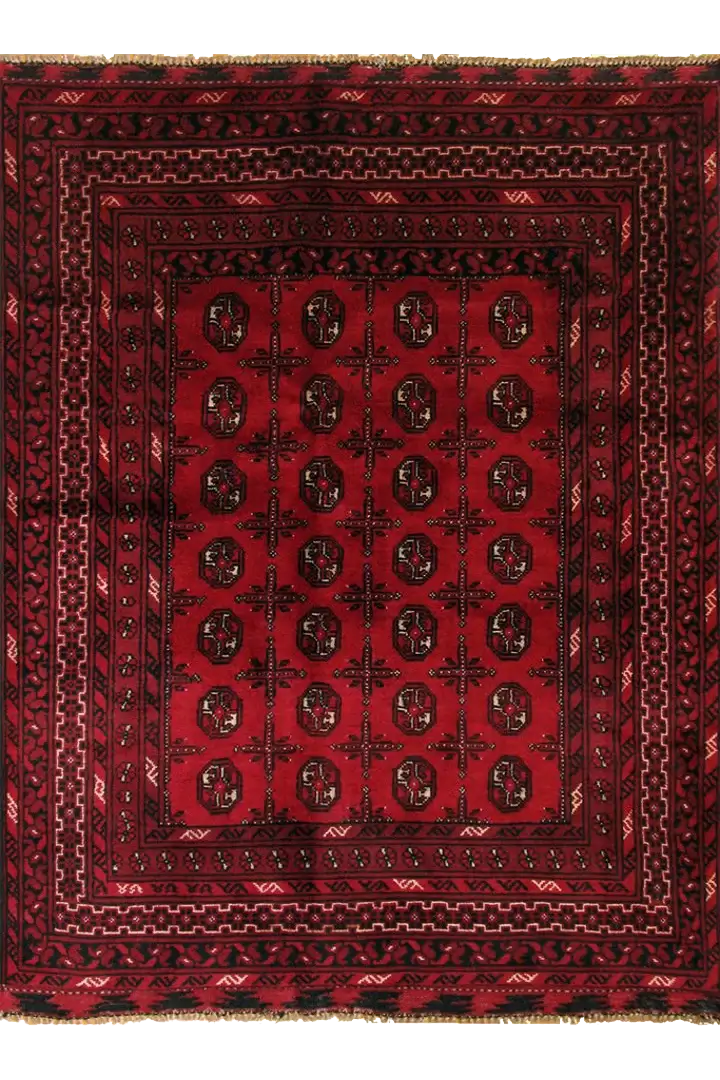
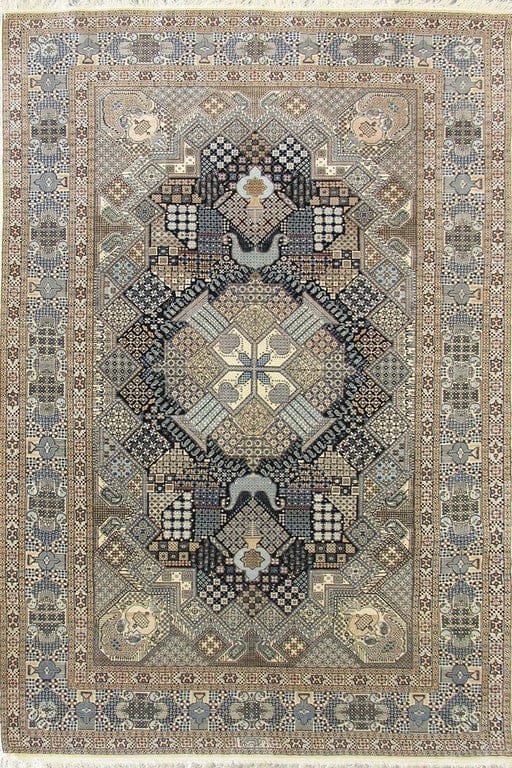
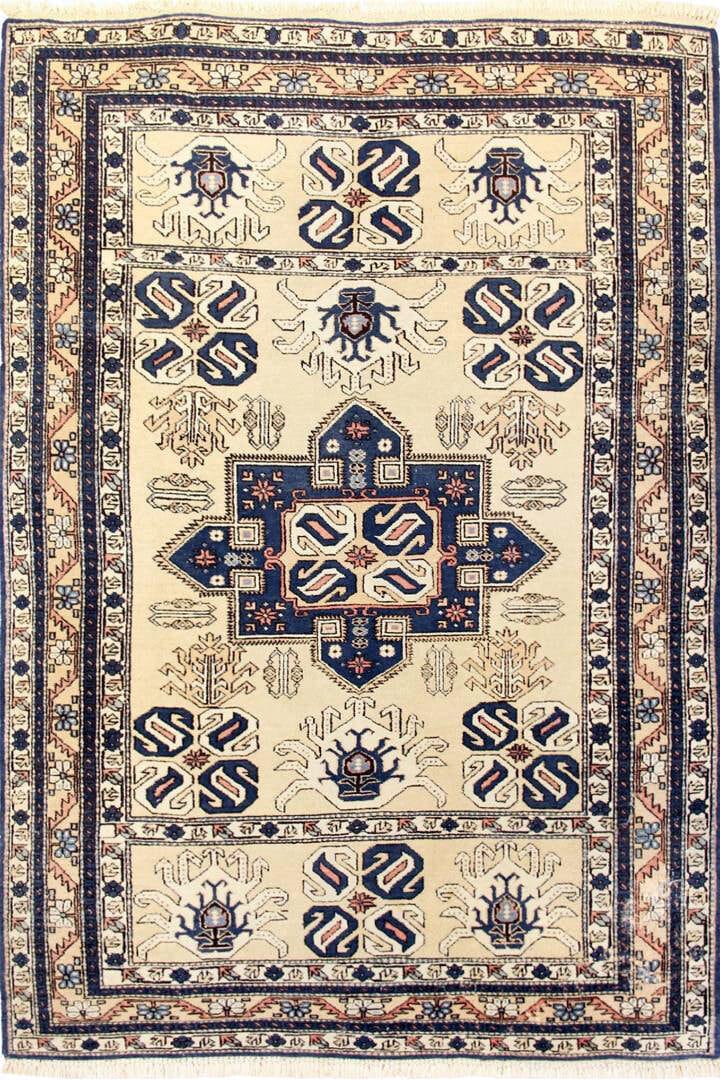
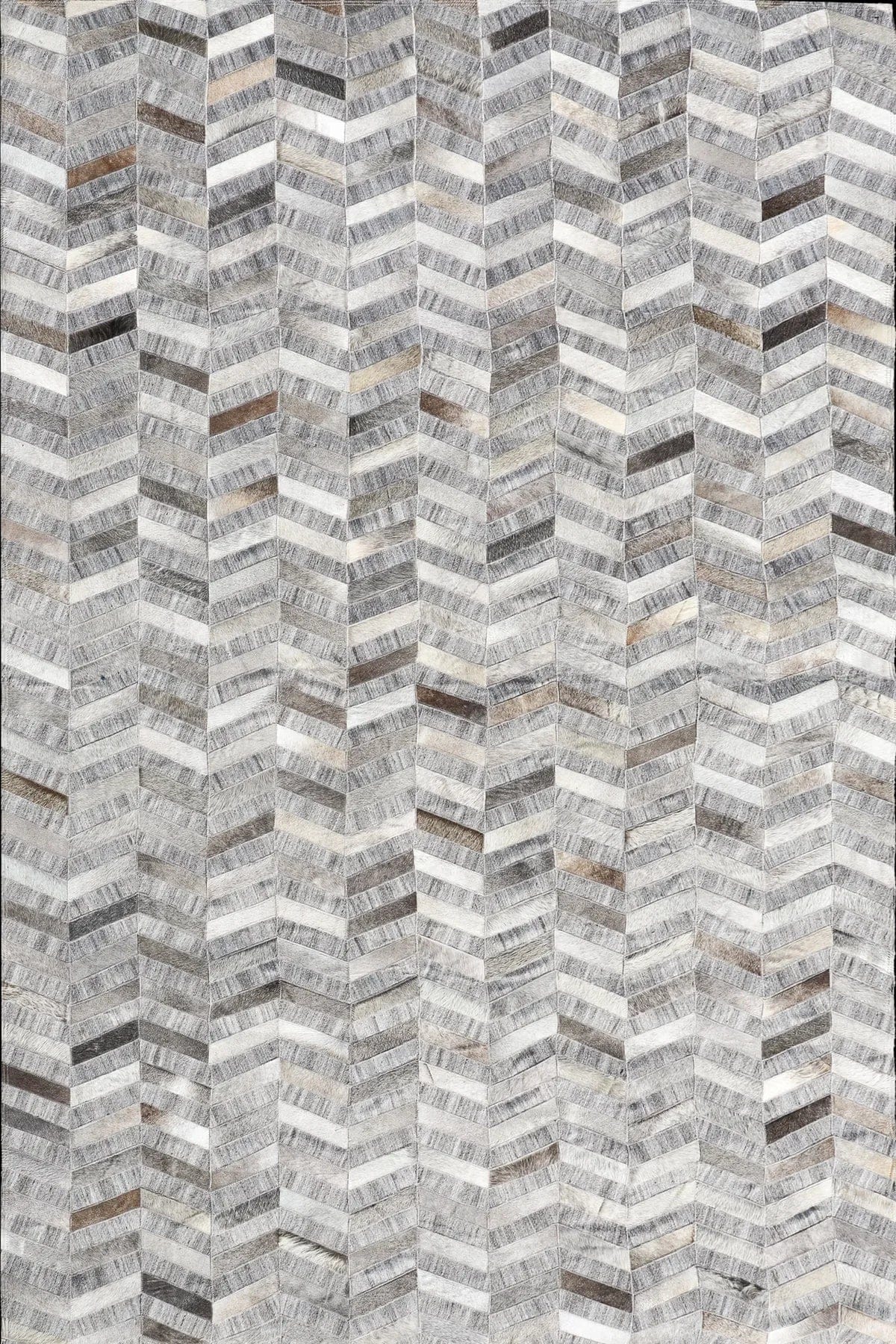
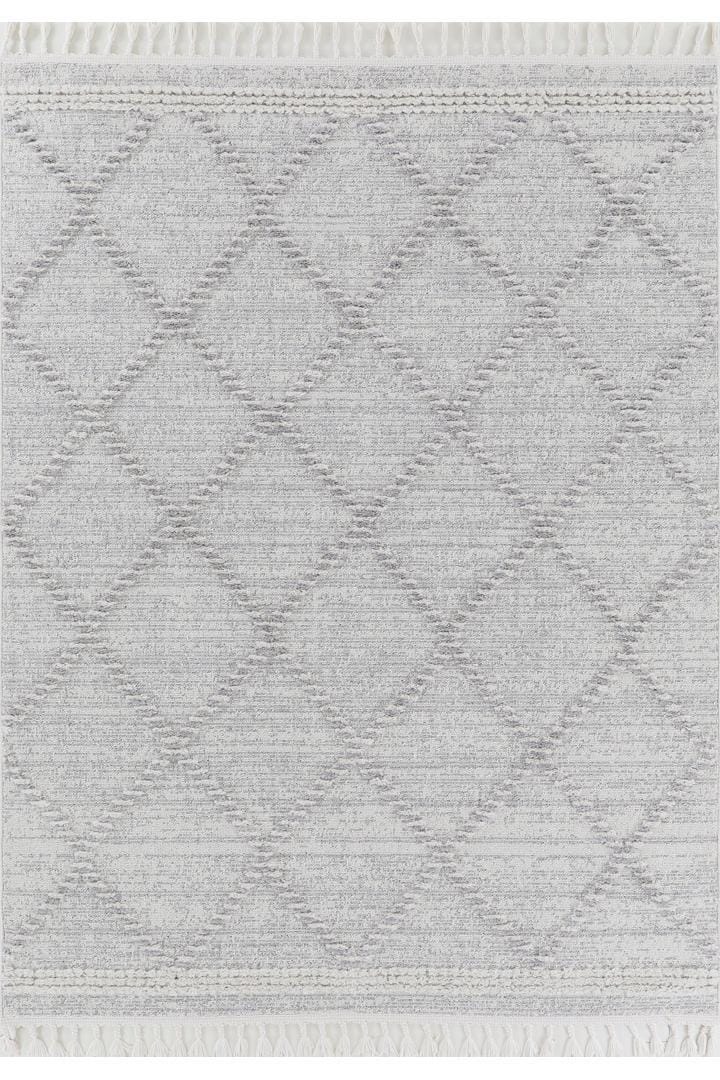
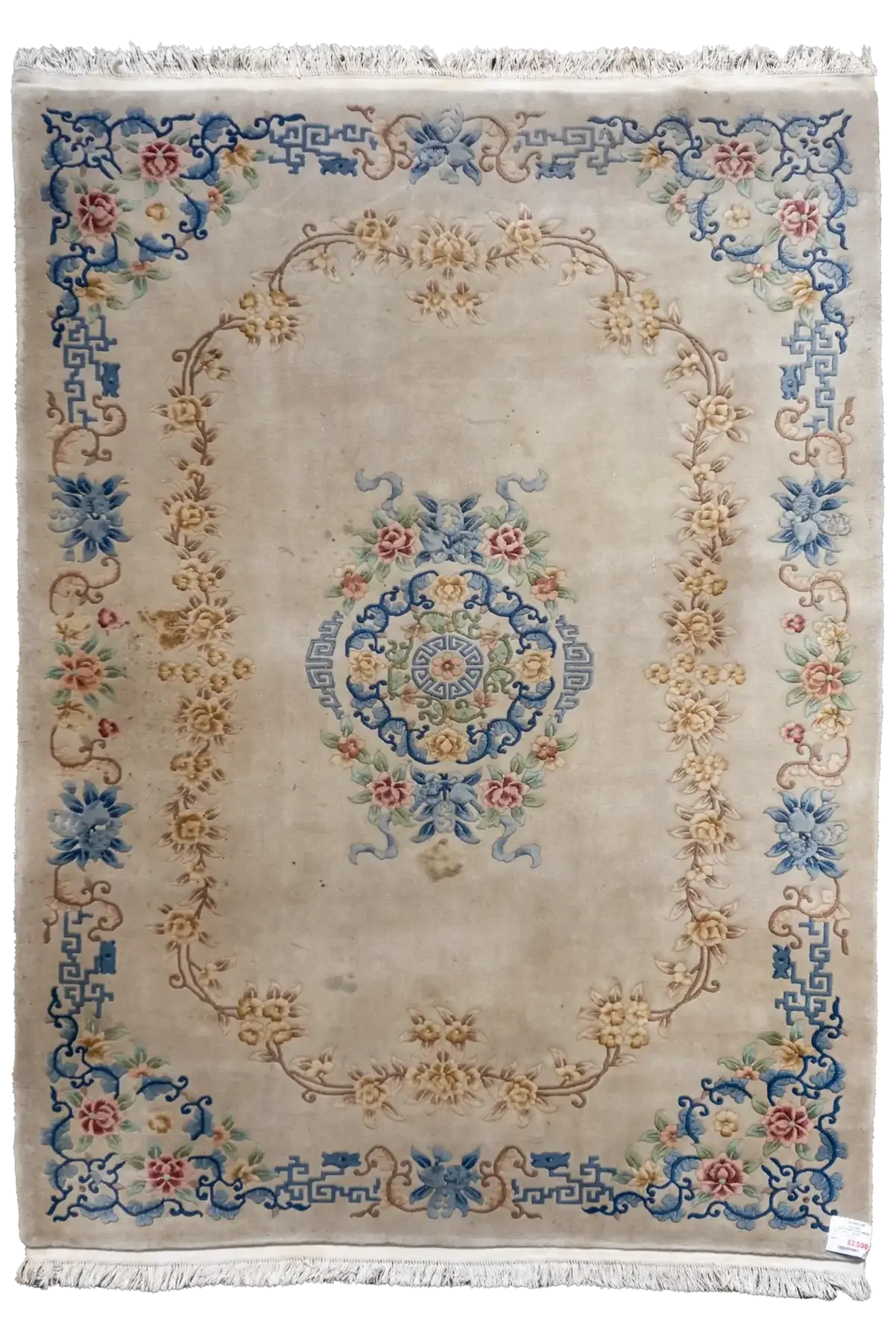
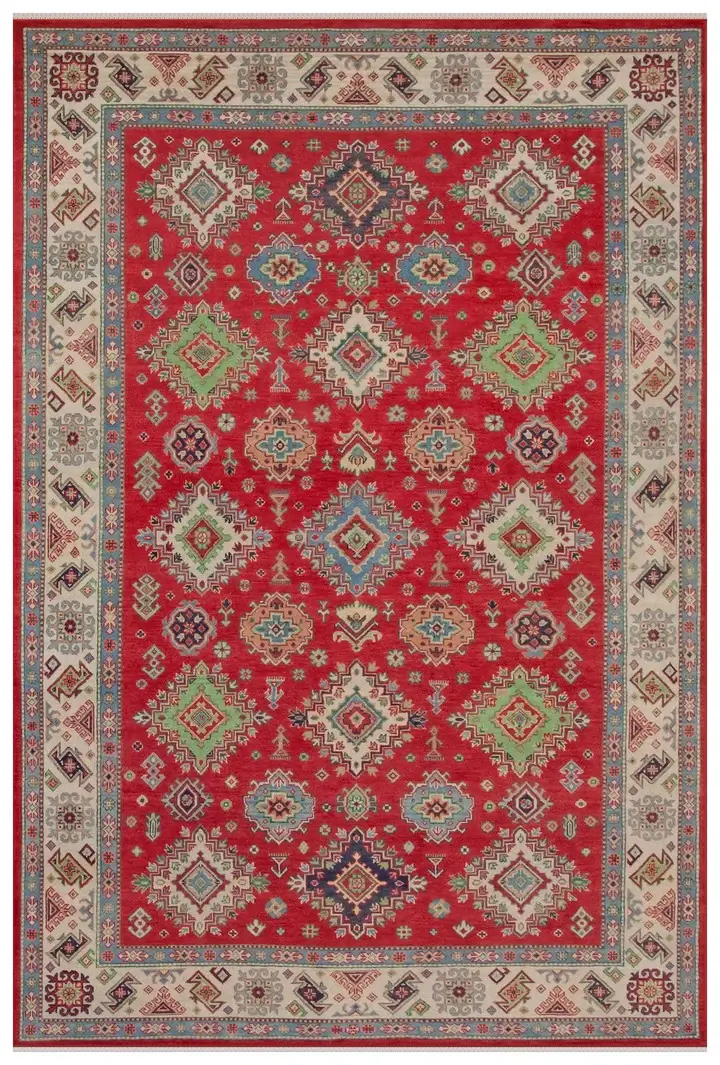
Collected alongside Mudjimba
Each of these shares the same scheduled day.
Mudjimba questions, answered plainly
Our rug is about fifteen years old. Is it worth washing or should we replace it?
That is the question we most want to be asked, and the inspection answers it properly. Wool of that age kept reasonably dry is often structurally sound and just tired, which a bath largely fixes. Where the foundation has genuinely gone, we say so and do not take the work.
How do you price a rug from Mudjimba?
From the rug in front of us. Its construction, its dimensions and the condition it has reached between them produce the figure, with both driver trips already inside it. Inspection settles the number and nothing gets added later. A piece past the point of being worth washing is told so rather than quoted.
Does living a street back from the beach make any difference?
It changes the problem rather than removing it. Beachfront houses take salt, which holds moisture in the pile indefinitely. Streets nearer the southern marshland take wetland damp instead. Both end up in the base of the rug and both come out in the same bath, but knowing which we are dealing with helps.
The dog swims most mornings and has urinated on the rug. Does the salt matter?
It matters more than most owners realise, because salt keeps the patch faintly wet and a wet patch holds urine odour far longer than a dry one would. The urine itself is in the backing, which is why nothing sprayed on the wool reaches the source. Immersion dissolves the salt and flushes the source out together.
Do you also collect at Marcoola, Pacific Paradise and Twin Waters?
All three are on the north shore leg with us, along with Mount Coolum, Coolum Beach and Bli Bli. Because the two pockets here are small, households often coordinate with a neighbour on the same street. Every rug beyond the first has $20 off.
How long will the rug be gone for?
Around 7 days from the day we collect to the day it comes back. If something has to return sooner there is a 48-hour express option at an additional charge. Mention any deadline on the first call, because this locality is served on a scheduled day rather than on demand.
Get your free quote today
Tell us about your rug and we’ll take it from there. Free pickup and delivery, and an honest assessment before any work begins.