
At the Maroochy River mouth
Rug Cleaning Cotton Tree,
Salt One Side, River
the Other
Ocean on one boundary, river and creek on the other, all inside about a hundred hectares. Three loads reach a rug at once here. It is put down into the tank at Yatala, flushed from both faces, and dried indoors on a controlled cycle.
- Safe for delicate and handmade rugs
- 48-hour express service available at additional cost
- Free pickup and delivery on the Maroochydore run day
Reveal the Clean
Watch it clean automatically, then take control.
experience
 Expert care
for your rugs
 Free
pickup & delivery
 Trusted, licensed
and insured experts
turnaround
 Guaranteed
satisfaction
A single figure for rugs from the river mouth
The rug is collected, read properly, and priced once. That number stands until it is back on your floor. Where a wash will not get you what you are after, you hear it beforehand rather than in an awkward conversation later.
- 1Rolled at the unit doorOne stop on the scheduled Maroochydore day
- 2Read, then quotedOne figure, drawn from this rug's condition
- 3Down into the tank at YatalaFlushed from both faces until it gives nothing
- 4Back in about 7 daysDried on a controlled cycle, groomed and rolled
Get an honest assessment
No obligation · free pickup & delivery · we reply next business day
Rug washing Cotton Tree, where the Maroochy meets the sea
Gazetted, but without a boundary of its own
Cotton Tree is a coastal neighbourhood of roughly 90 to 110 hectares at the mouth of the Maroochy River, and the exact figure shifts with sand movement. It is bounded by the Maroochy River and Cornmeal Creek to the north, Aerodrome Road to the south and west, and the Pacific Ocean to the east, about 109 kilometres north of Brisbane. It carries its own Queensland Place Names entry, number 39094, but administratively it is part of the suburb of Maroochydore rather than a separately bounded locality, so there is no separate census count for it. We do not quote a population here for that reason. What is here is dense, tightly held and busy, with Maroochydore and Alexandra Headland either side of it and no gap between any of the three.
Salt, sand and river silt all reach the same rug on the same afternoon. Very few places we collect from manage all three.
A small footprint doing a lot of work
Cotton Tree holds tightly held riverfront units and holiday apartments packed onto a small footprint between the river and the ocean, alongside restaurants, cafes, a library, an RSL club, a surf club and a rugby club. The sporting precinct alone runs to two rugby fields, six tennis courts, three bowling greens and a fifty metre swimming pool, all inside a stretch of land smaller than most single suburbs. That density is the point. It is a genuine local hub used every day rather than a quiet residential pocket, which means the rugs inside those units take real, continuous wear from people coming back off sand, off grass and off a pool deck, generally without stopping to think about what is on their feet. Nobody in a unit here has anywhere to lay a wet rug out, either, which is half the reason the job comes to us.
Three sources of damp on one small block
Sitting exactly where the Maroochy River meets the Pacific, Cotton Tree gets the coast's full load at once. Salt spray off the ocean side goes into solution inside the rug instead of resting on the surface, and salt pulls moisture from the air, so the fibre never fully dries out. River-flat humidity comes off the other side and does not clear the way surf air does. Cornmeal Creek adds a third source along the northern edge. The Maroochy River itself rises on the eastern slopes of the Blackall Range and flows east through the Eumundi district before entering the sea right here, carrying fine silt the whole way. A single immersion wash handles salt, sand and silt together, and the controlled drying afterwards is what a unit balcony genuinely cannot do.
Our Sunshine Coast office, and a bath 145 kilometres away
Our Sunshine Coast office
Premier Rug Cleaning Sunshine Coast
Everything the listing covers is a service area. There is no counter to visit and nothing gets cleaned inside the postcode. A driver comes to the unit door and the work is done at Yatala.
From the river mouth to the wash floor
We pay for the kilometres, not you. Cotton Tree goes on the same planned day as Maroochydore and Alexandra Headland, and a window follows as soon as that day is locked.
A convict, an island and a sporting precinct
A great deal packed into a very small footprint.
Convict John Graham escaped Moreton Bay in 1827 believing he could row to China, and instead walked into an Aboriginal camp near the present site of Maroochydore.
A story this old and this specific about who was here and why is the kind of grounded detail that shapes how we describe a place, and it is the same no-guesswork approach we bring to a rug.
Sentenced to seven years transportation for stealing hemp, Irishman John Graham arrived in Sydney in April 1825 and escaped from Moreton Bay in July 1827 under the delusion he could row to China. He instead walked into a camp near what is now Maroochydore and was accepted as the returned spirit of one woman's dead husband. She died within the year, but Graham continued living with the local Gubbi Gubbi people for another six years before his eventual return to the settlement. It is the first recorded European presence at the Maroochy River mouth.
Pincushion Island sits just 100 metres off the beach north of the Maroochy River mouth, one of several named islands in a river that rises on the Blackall Range.
A river mouth this compact, with an island practically within swimming distance of the sand, packs salt, sand and silt into a rug faster than almost anywhere else on the run.
The Maroochy River rises on the eastern slopes of the Blackall Range and flows east through the Eumundi district before entering the Pacific at Cotton Tree, and Pincushion Island is the best known of the river's named islands, close enough to the beach to be a constant backdrop to the river mouth. Cotton Tree Park, on the river's southern bank and also known as Maroochydore Rotary Park, gives the easiest access point to Cornmeal Creek immediately to the north.
Beyond its cafes, shops and library, Cotton Tree's sporting precinct runs to two rugby fields, six tennis courts, three bowling greens and a fifty metre pool.
A neighbourhood this dense and this heavily used, day in and day out, is where a rug earns genuine wear, and every one of them gets an honest assessment before anybody says what it needs.
Cotton Tree carries a full set of local amenities, restaurants, cafes, a library, an RSL club, a surf club and a rugby club, alongside genuine sporting infrastructure, two rugby fields, six tennis courts, three bowling greens and a fifty metre pool, all within its own small stretch of land between the river and the beach. It is a dense, self-contained coastal neighbourhood rather than a suburb defined by a separate population count.
What customers say about Cotton Tree
Rated 4.9 ★ from 8 customersaround Cotton Tree, collected directly from our customers after every clean.
Cotton Tree first, then the rest of the coast
The opening cards come from units here. The wider figure is every customer across all of our run days.
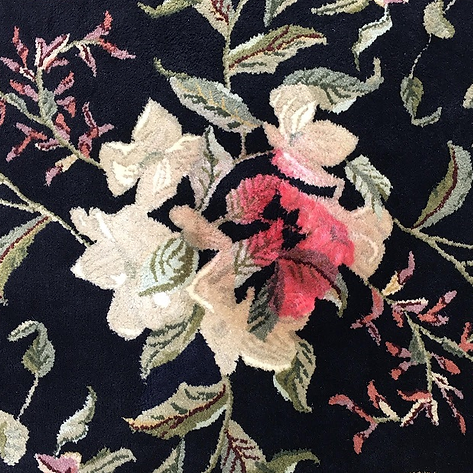
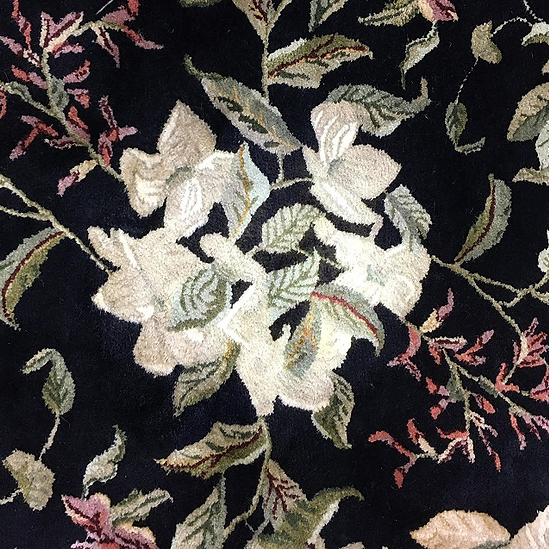
Every weave.
Every origin.
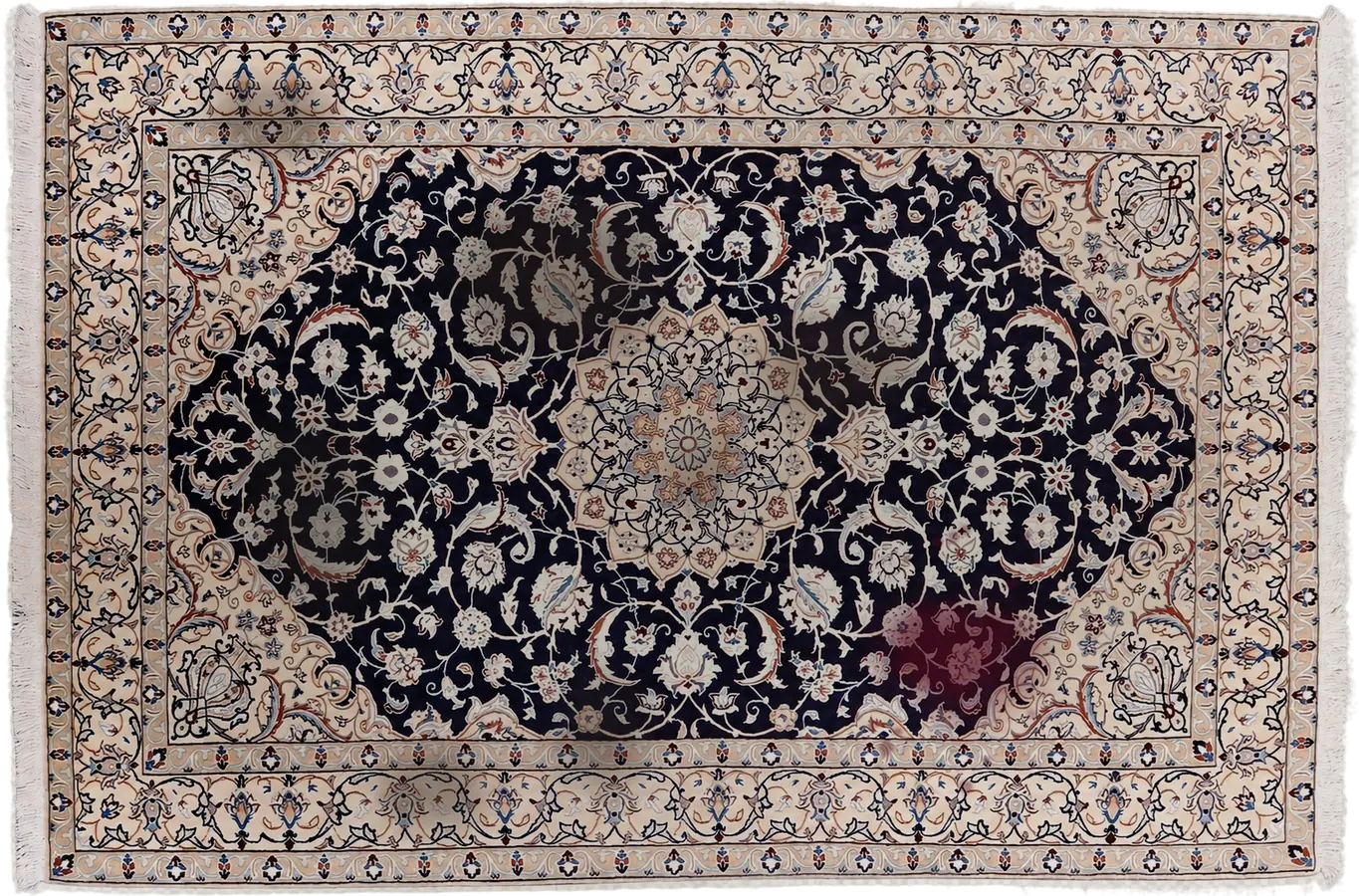
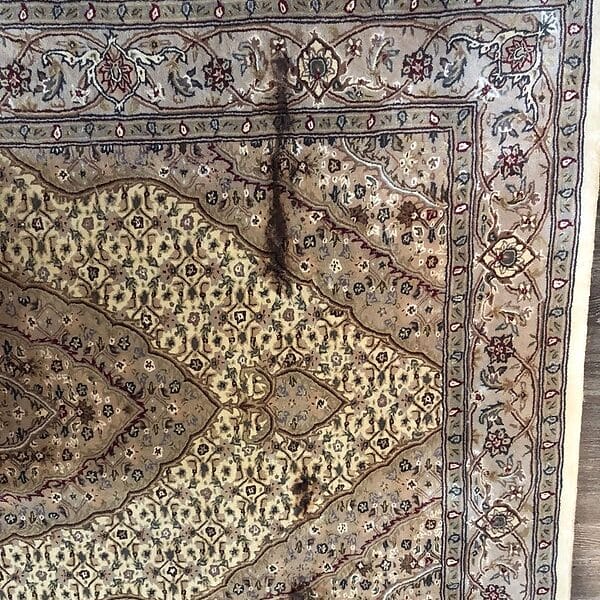
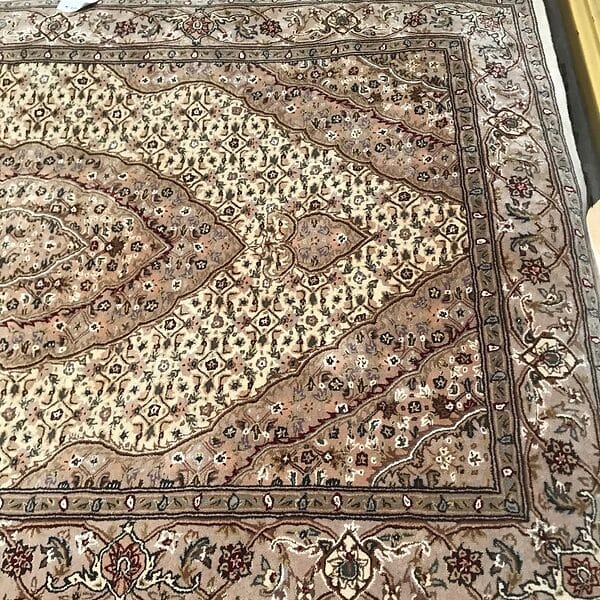
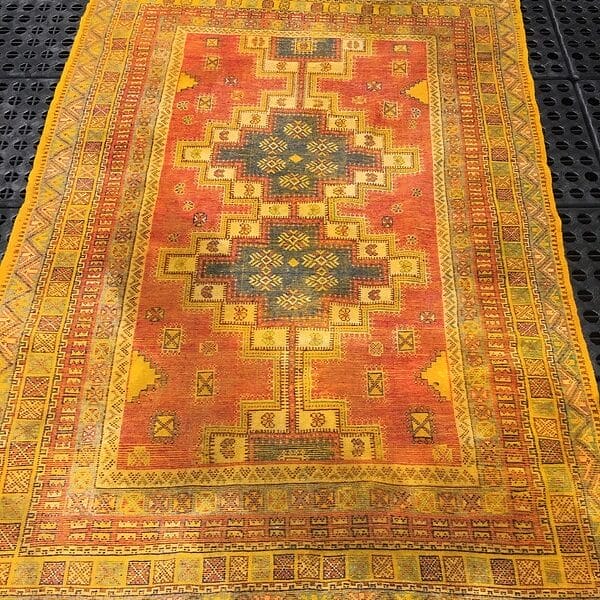
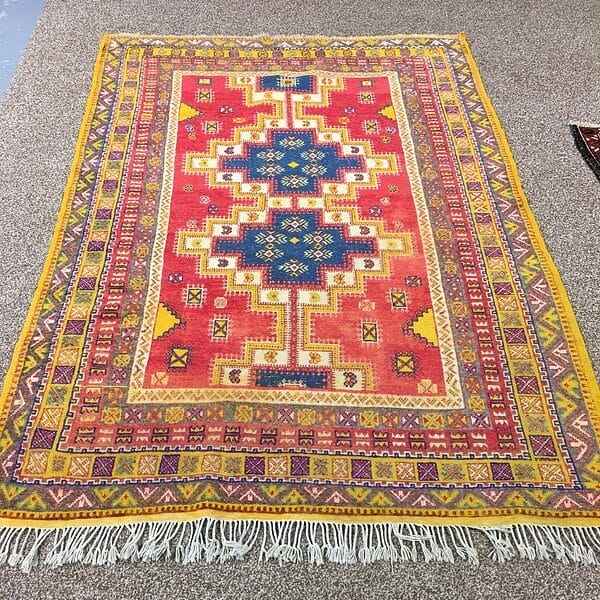
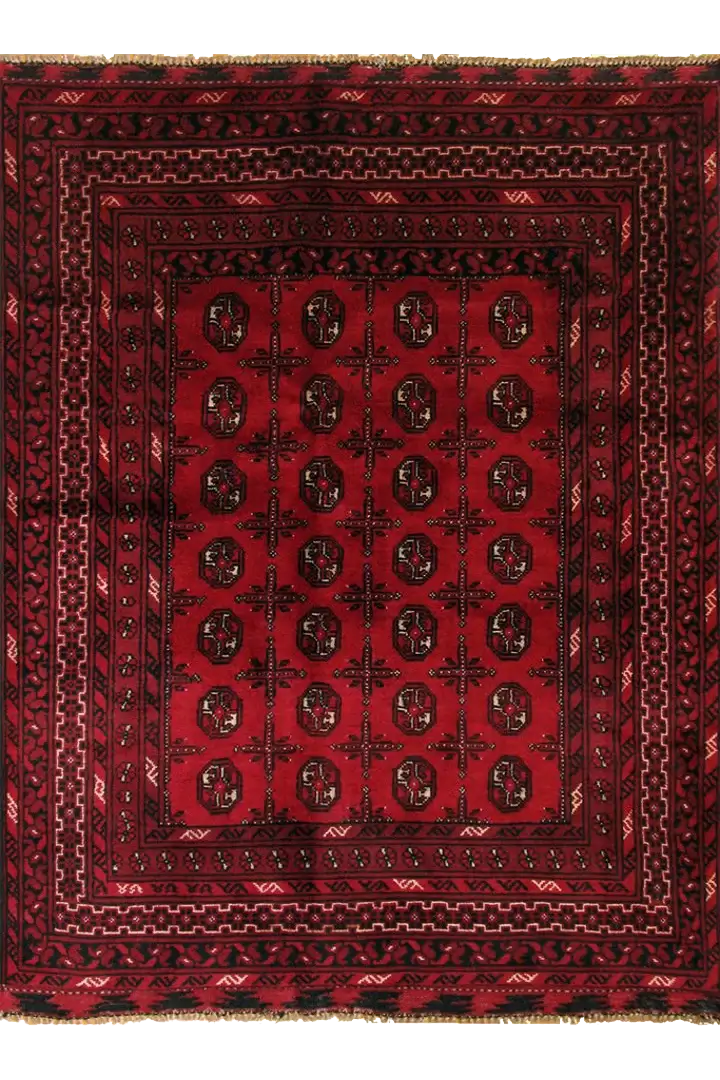
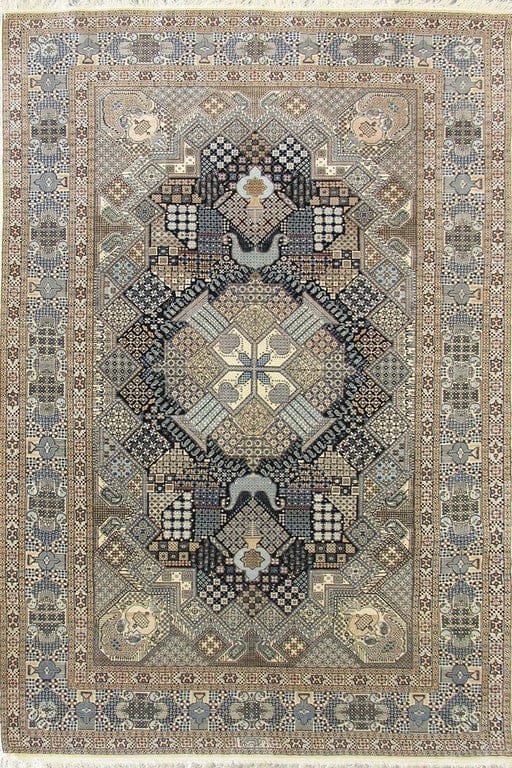
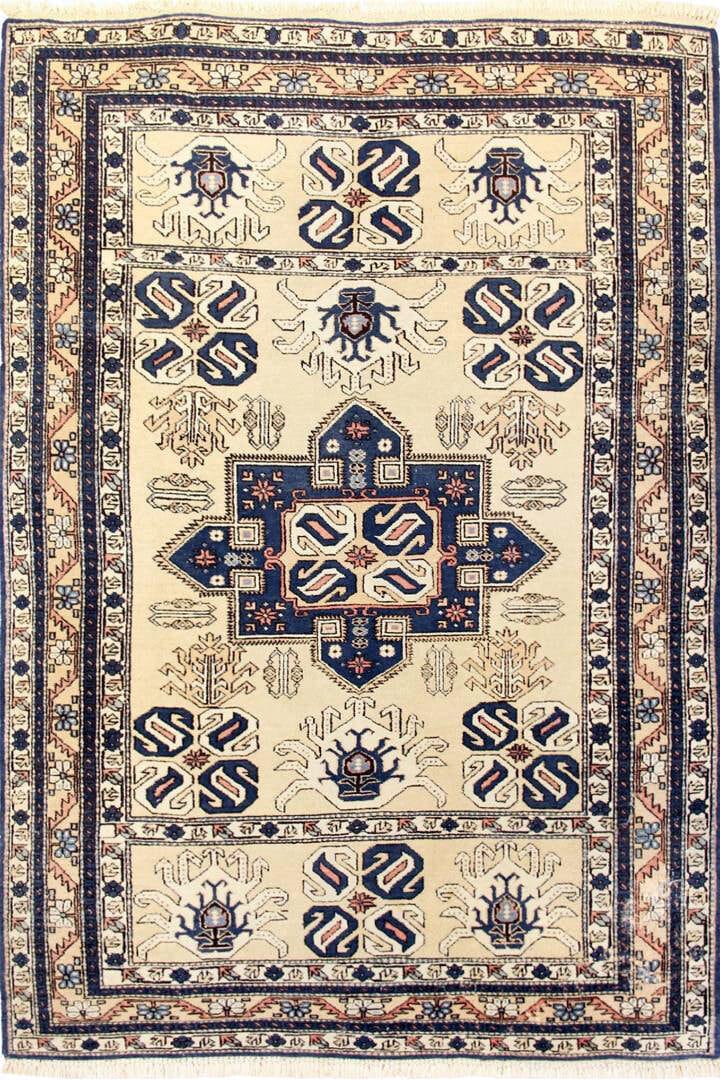
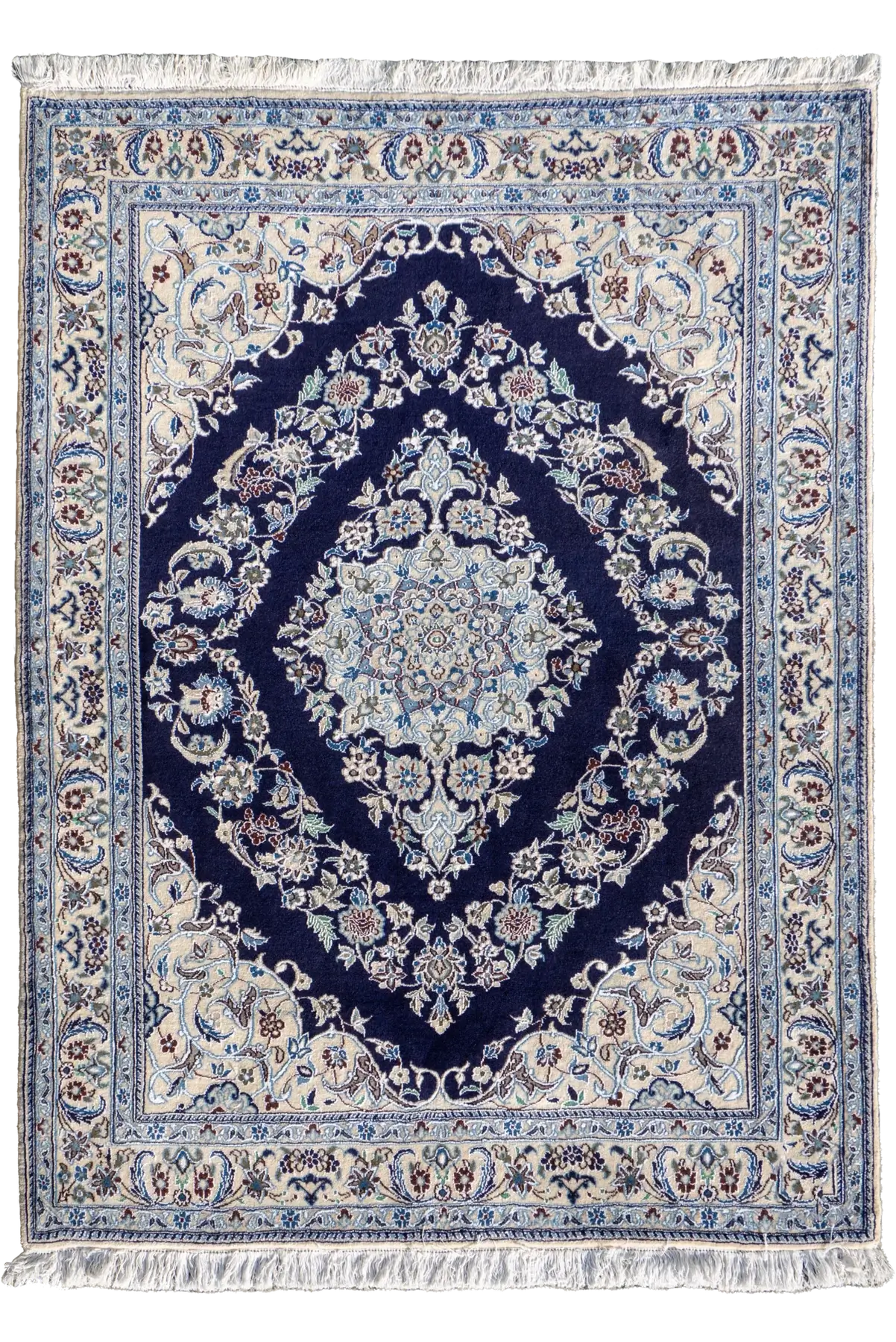
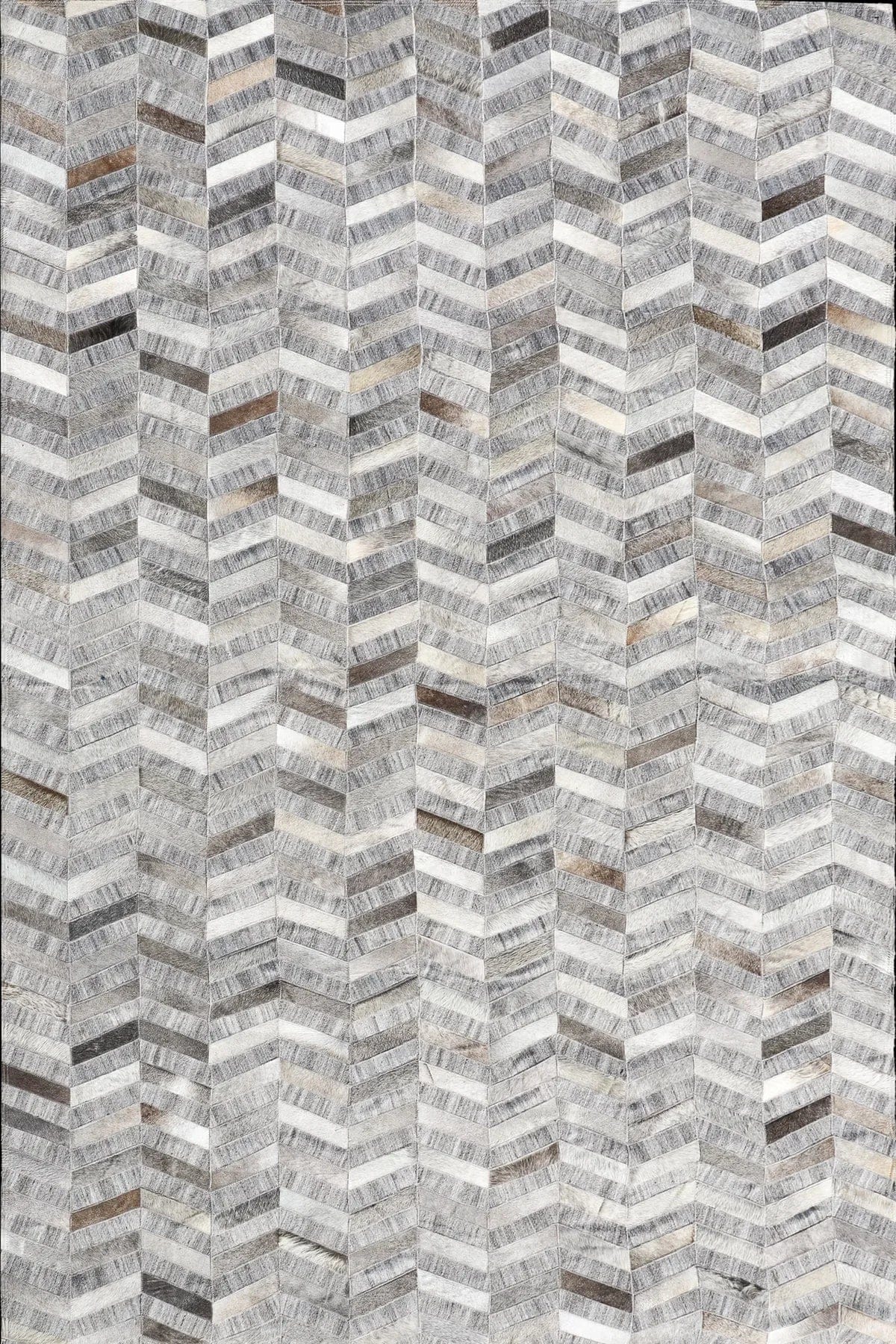
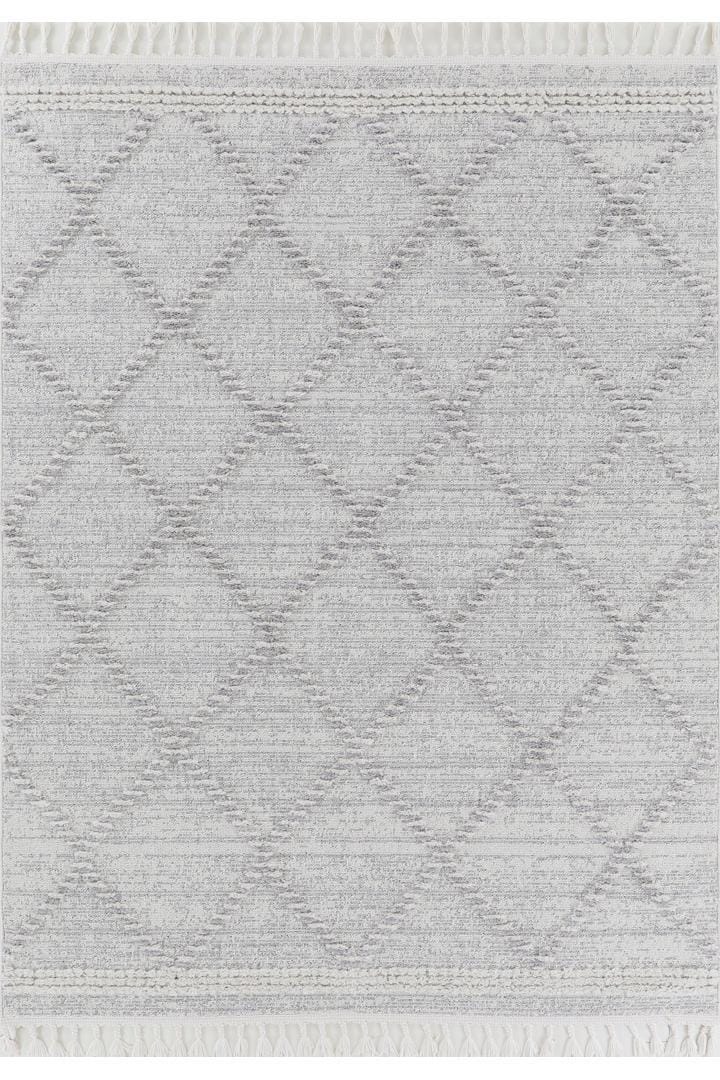
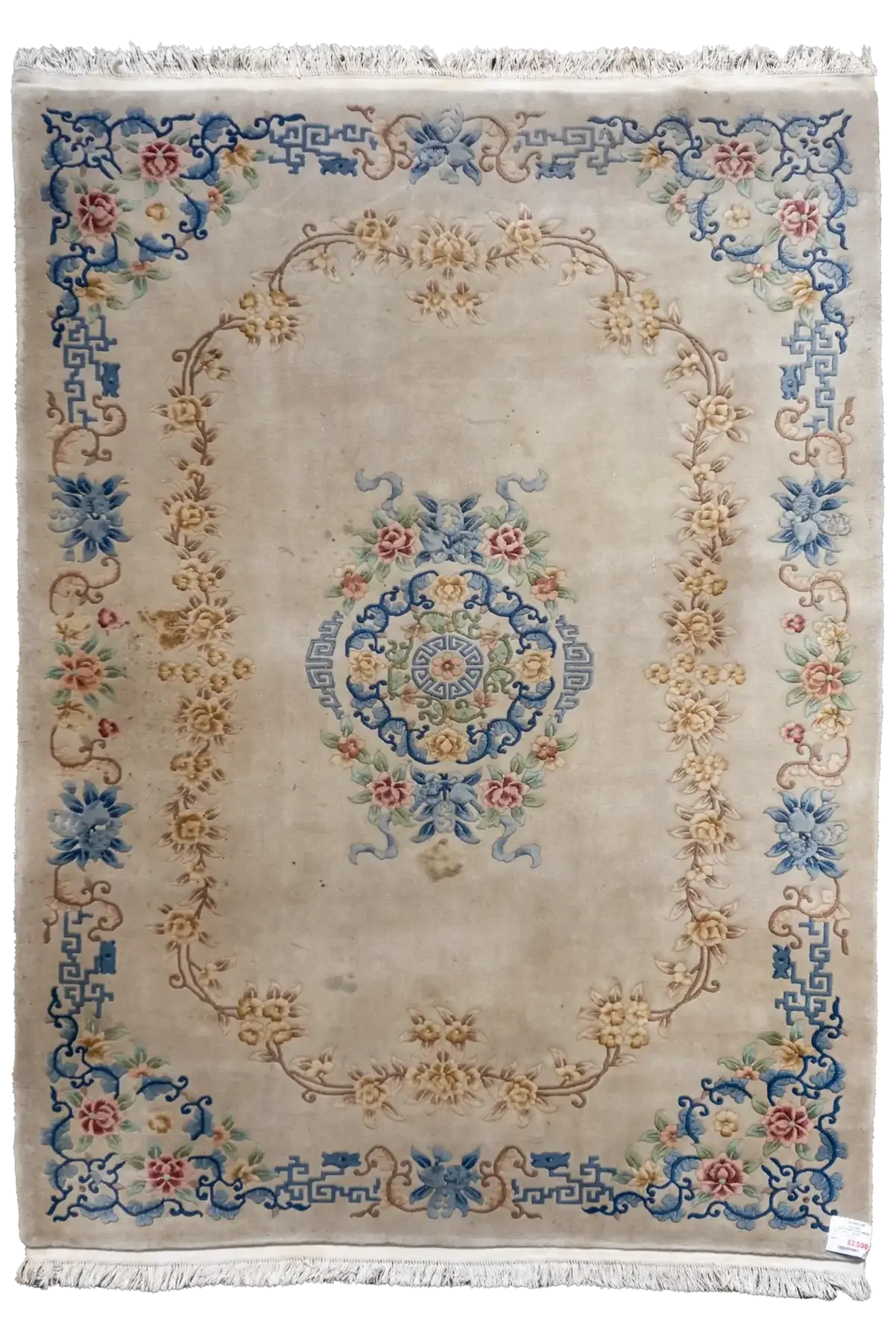
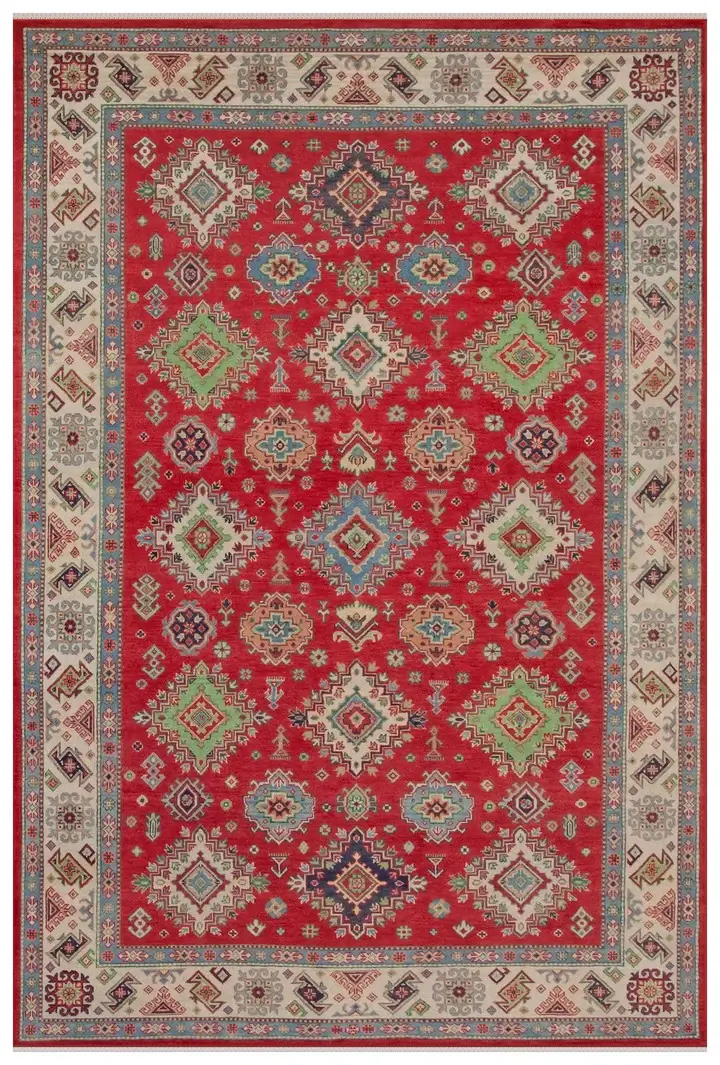
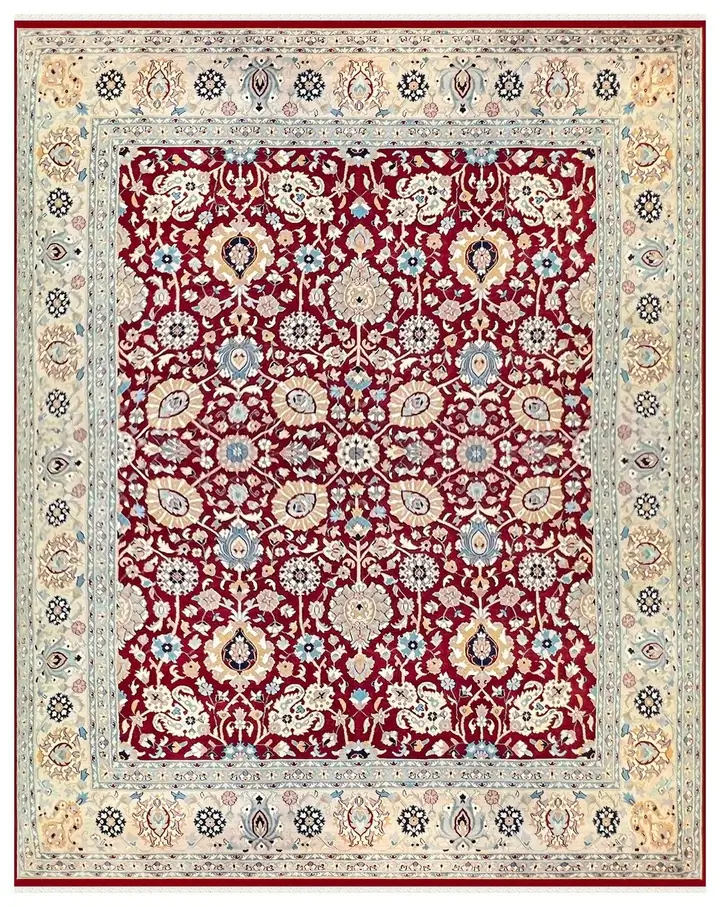
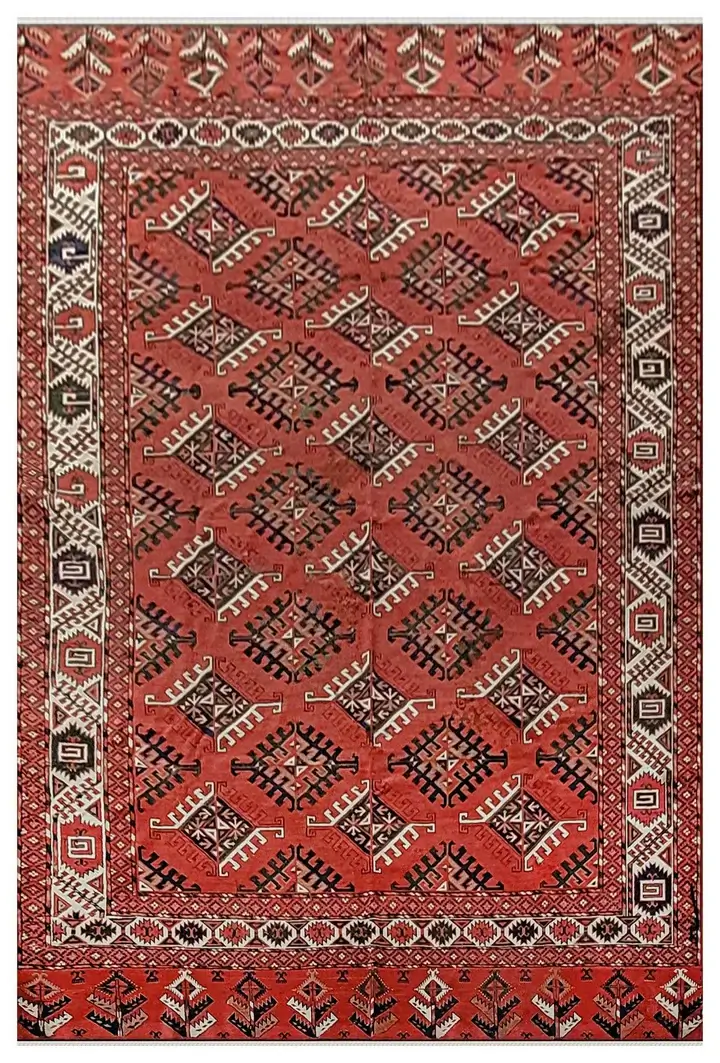
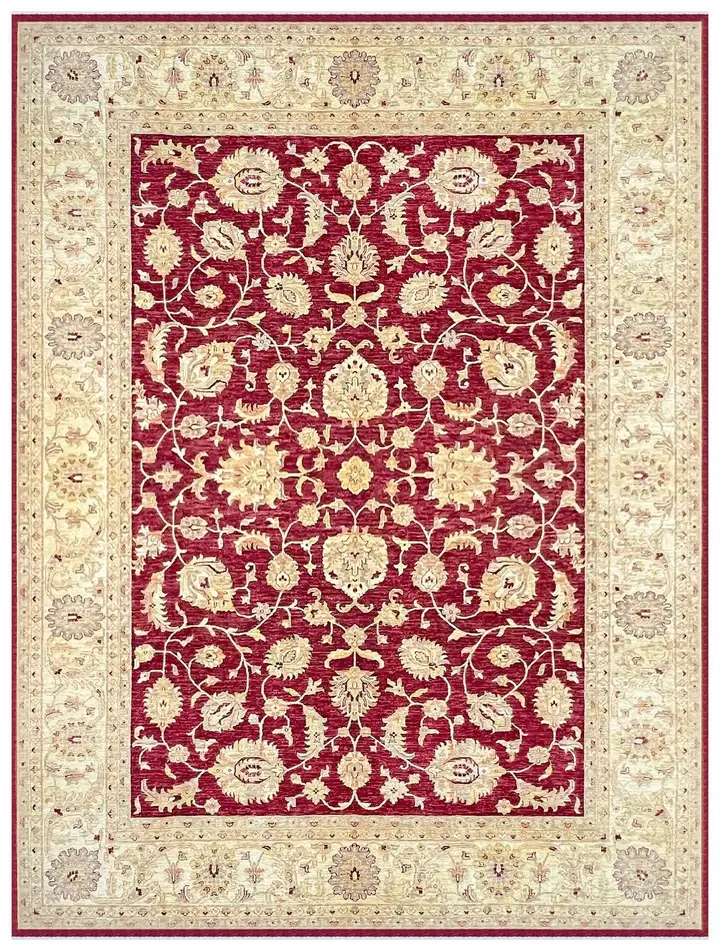
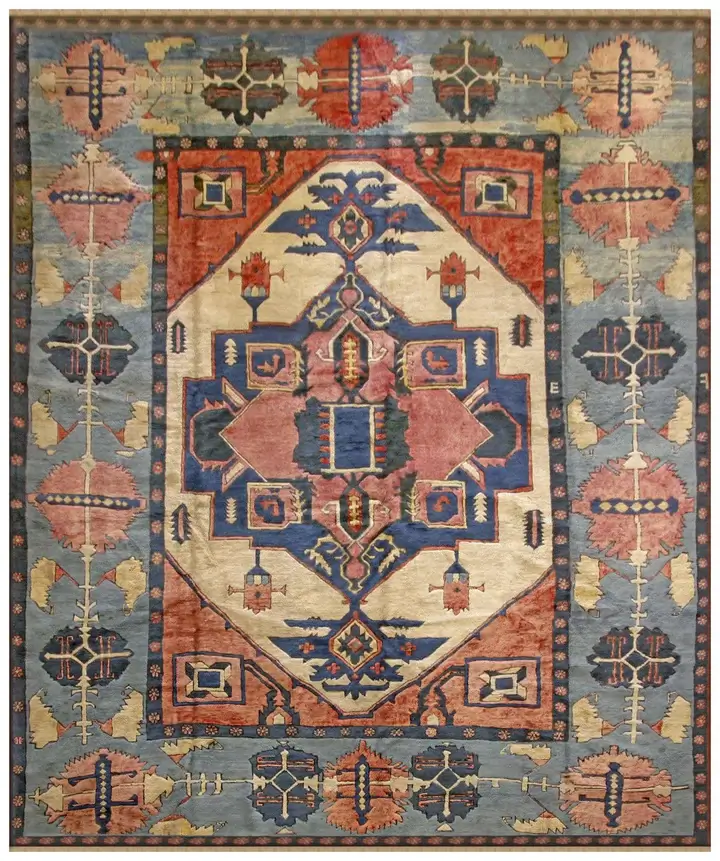
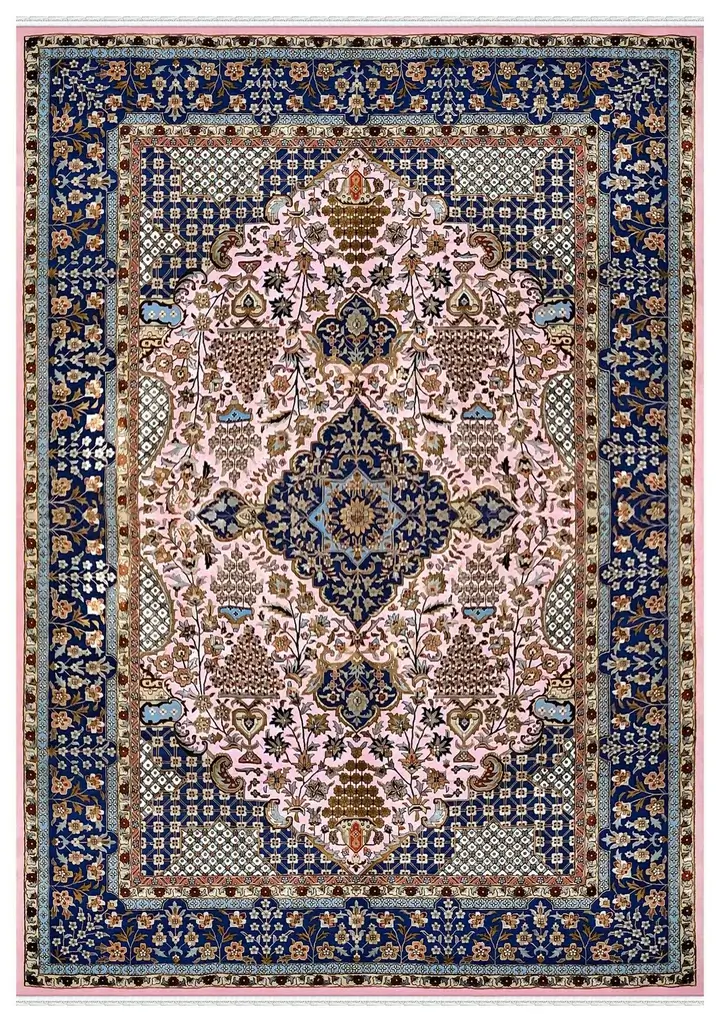
From Persian heirlooms to everyday synthetics. Twenty rug types, each hand washed to a method matched to its fibre and construction. Never a one-size clean.
- 29 years on rugs only
- IICRC-certified technicians
- Washed at our Yatala facility
Collected alongside Cotton Tree
The river mouth and the beaches either side of it.
Cotton Tree questions, answered plainly
Can you collect from a unit block, or does the rug have to come down to the street?
From the unit door in most buildings. The driver takes it rolled and brings it back the same way. Where access genuinely will not allow it, we arrange a point with you when the run day is scheduled. Neither leg is charged for.
How is the price set?
On the rug, once we have it. Size, fibre, construction and what it is carrying all feed one figure decided at inspection rather than over the phone. Once decided it holds through to delivery, and both driver trips are already included.
Why does a rug here get dirty so much faster than the one at my parents' place inland?
Because three things arrive at once. Salt dissolves through the fibre and holds moisture against it, sand works down to the foundation and cuts, and river silt is fine enough to sit in the weave. Inland you generally deal with one of those. Here it is all three, most weeks.
A dog urinated on the rug and the smell will not go. What is happening?
Urine ends up in the backing rather than the pile, and at a river mouth the air stays humid enough to release it almost constantly. Immersion takes the soluble part away, an enzyme stage clears the odour source, and where the acid has lifted colour out of the wool, you are shown that at the assessment.
Do you also collect from Maroochydore, Alexandra Headland and Mooloolaba?
Yes, along with Kuluin and Pacific Paradise on the same day. Two units in the same building can send rugs together on one stop, which neighbours here arrange fairly often, and every rug after the first is $20 off.
How long is the rug out of the unit?
About 7 days from the door and back to it. Where a date genuinely cannot move, the 48-hour express service is available at an added cost. Both finish on a controlled drying cycle, which is the step a balcony at the river mouth cannot replicate.
Get your free quote today
Tell us about your rug and we’ll take it from there. Free pickup and delivery, and an honest assessment before any work begins.