
On the Maroochy River since 1862
Rug Cleaning Bli Bli,
the District That Built Its
Own Crossing
Growers here stopped waiting on a river punt and put a bridge across instead. We work the same way. The driver takes the rolled rug from your door, the whole piece goes under water at Yatala, and it comes back dry and groomed.
- Safe for delicate and handmade rugs
- 48-hour express service available at additional cost
- Free pickup and delivery on the Nambour corridor run
Reveal the Clean
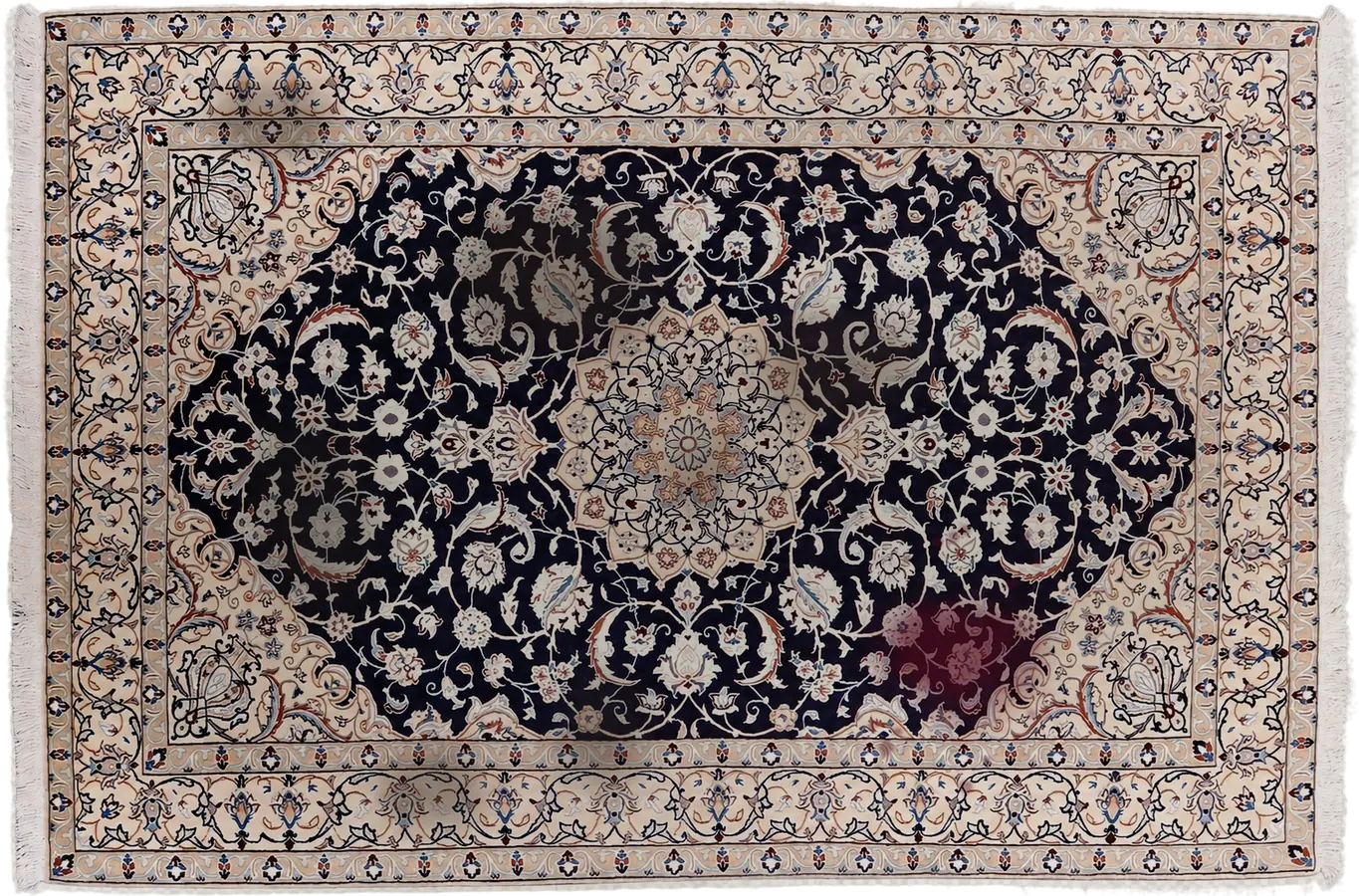
Watch it clean automatically, then take control.
experience
 Expert care
for your rugs
 Free
pickup & delivery
 Trusted, licensed
and insured experts
turnaround
 Guaranteed
satisfaction
A straight quote for rugs from both sides of Bli Bli
We do not price a rug down the phone. The driver brings it in, it gets a proper look, one figure is set, and that figure is what you pay when the rug comes home.
- 1Rolled up at your doorOne stop on the scheduled corridor run
- 2Inspected, then quotedThe figure comes off the rug, not a chart
- 3Bathed by hand at YatalaUnder water whole, rinsed until it runs clear
- 4Home in about 7 daysDried flat under control, groomed and rolled
Get an honest assessment
No obligation · free pickup & delivery · we reply next business day
Rug washing Bli Bli, above the river that shaped it
One name, two suburbs living inside it
Bli Bli sits 8.3 kilometres northwest of Maroochydore and 9.4 kilometres east of Nambour, thirty square kilometres of ground with the Maroochy River running through it from northeast to southeast and the Bruce Highway forming the southwestern edge. The name comes from the Kabi word bilai, for the she-oak. Population was 6,283 at the 2011 census, 7,801 in 2016 and 10,138 in 2021, which is one of the sharpest climbs anywhere in this group. What that figure hides is that Bli Bli is really two suburbs now. There are the older places above the river flats, carrying the district's farming history in their bones, and there are the estate streets further back where the rugs are three years old and came out of a showroom. We collect from both in the same morning.
We are collecting rugs bought last year from streets that did not exist in 2011, and rugs older than the bridge, from houses two corners away.
What the 1959 bridge actually changed here
Before 1959, cane growers on this side of the Maroochy River paid to put their crop across on a punt, which was slow and cost them money every season. The David Low Bridge, opened that year and named after a member of the Queensland Legislative Assembly, carried a cane tramway of its own across the water, and the trains ran that line until the Nambour mill finally closed in December 2003. A tramway had already reached the district by 1912 and commercial cane followed by 1915. The point is the pattern rather than the dates: when the existing arrangement was not good enough, this district built the replacement rather than living with it. That is a fair description of how we treat a rug. Surface cleaning is the punt. Taking the whole piece to a wash floor is the bridge.
Still-water damp, which behaves differently to surf
Bli Bli rises above wetland flats that once carried commercial sugarcane, and that matters more than distance from the beach. Still water sitting over low ground puts damp into the air that does not clear the way an onshore breeze clears salt off a coastal street. It settles, and under furniture it stays settled. In older riverside homes it works into the base of a rug across whole seasons rather than weeks, and by the time anybody notices a smell it is well past the surface. Newer estate homes further back from the water deal with the same subtropical humidity in a milder form. Immersion is what reaches it either way, and controlled drying is what stops the rug going straight back to being damp inside a fortnight.
Our Sunshine Coast office, and the road a rug actually takes
Our Sunshine Coast office
Premier Rug Cleaning Sunshine Coast
The listing covers a service area rather than a shopfront, which is the honest way to put it. We drive out to you, and the washing itself happens at Yatala, not anywhere on the Coast.
Where a Bli Bli rug goes, and how long it is away
That distance is ours to cover, not yours. Bli Bli is collected with Nambour and Maroochydore on one planned day, and you get a window once the run is locked in.
A slab hut, a castle and a bridge
Three things this district built instead of borrowing.
John Westaway and his teenage sons took the lease of Moolooloo Plains at Bli Bli in 1862, five years before the family moved south to found what is now Meridan Plains.
A family that started with a slab hut and 550 head of cattle knew that a good beginning beats a fast one, which is the same reason we look a rug over properly before we quote anything on it.
John Westaway and his sons William and Richard, teenagers at the time, secured the lease of the 1,600 acre Moolooloo Plains grazing run in 1862, bringing experienced bushmen and 550 head of cattle to build a slab hut and cattle yards on the south bank of the Maroochy River. It was here, not further south, that the Westaway name first put down roots on this coast. In 1867 the family left Bli Bli and headed south to the district they would go on to name Meridan.
The Fairytale Castle opened on the riverbank in March 1972, was known for decades simply as Bli Bli Castle, and took the name Sunshine Castle in 2006.
Putting up something this unusual in a cane district says a place is willing to do the less ordinary thing, and hand washing a rug rather than running a machine over it is exactly that kind of choice.
The Fairytale Castle first opened its gates in March 1972, a genuinely unusual thing to put up in a farming district on the Maroochy River, and for decades locals just called it Bli Bli Castle. It took its current name, Sunshine Castle, in 2006, and the site now runs a medieval museum alongside functions and concerts. It remains one of very few distinctive built landmarks anywhere along this stretch of the hinterland corridor.
A cane tramway reached the district by 1912 and commercial cane followed by 1915, but the David Low Bridge in 1959 is what finally freed growers from the river punt.
Building a bridge instead of paying for the punt every season is the same reasoning behind taking a rug to a wash floor instead of treating the surface again next year.
A cane tramway was built into the Bli Bli district by 1912, and cane was being grown commercially by 1915, feeding the Moreton Central Sugar Mill at Nambour in place of the costly punt crossing growers had relied on before. The David Low Bridge, opened in 1959 and named after a member of the Queensland Legislative Assembly, carried a cane tramway of its own across the Maroochy River, and cane trains ran that line right up until the Nambour mill closed in December 2003.
What customers say about Bli Bli
Rated 4.9 ★ from 8 customersaround Bli Bli, collected directly from our customers after every clean.
Bli Bli first, then the whole corridor
Those cards carry Bli Bli addresses. The bigger number counts every household our drivers have collected from.
Every weave.
Every origin.
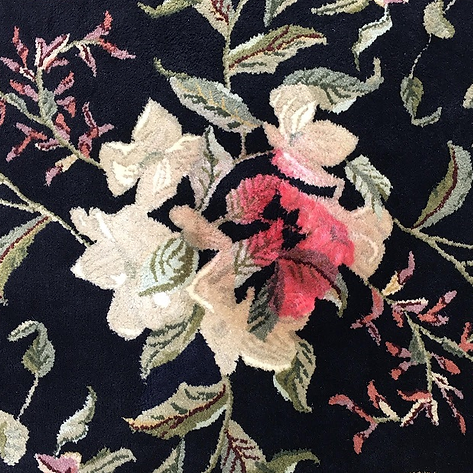
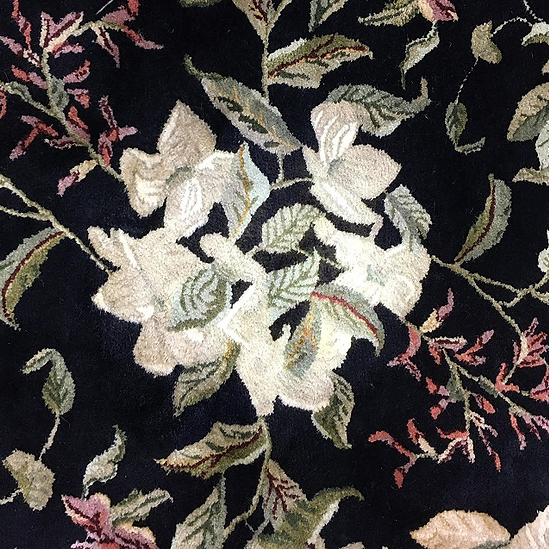
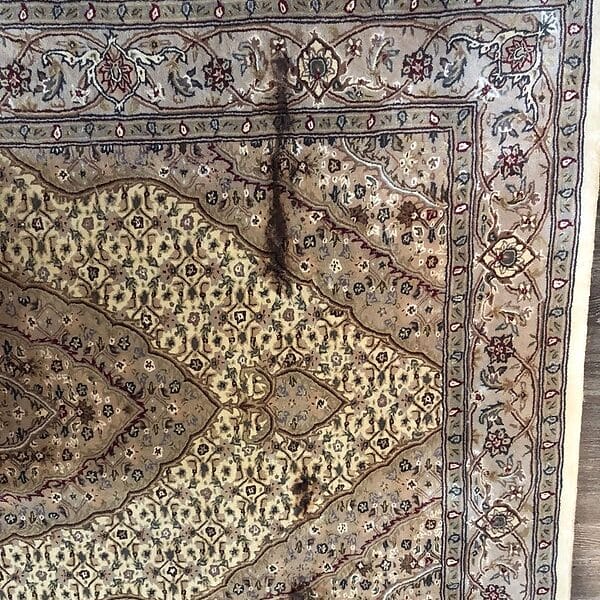
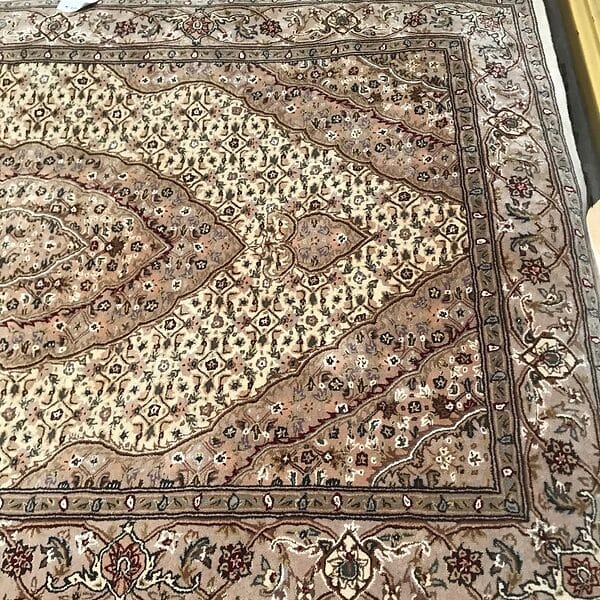
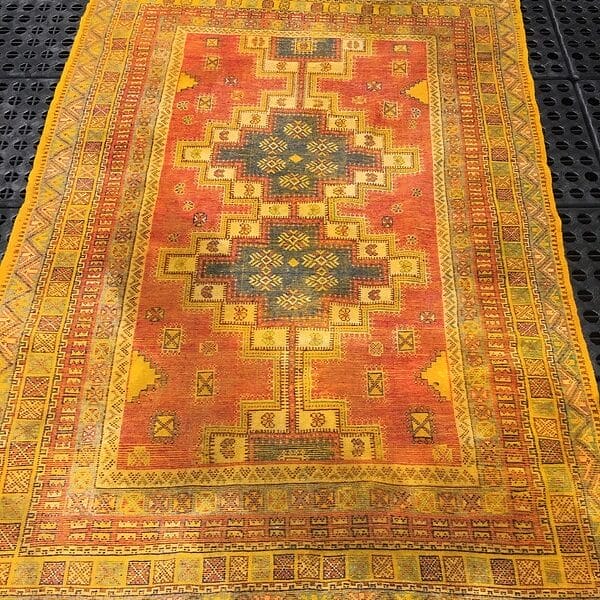
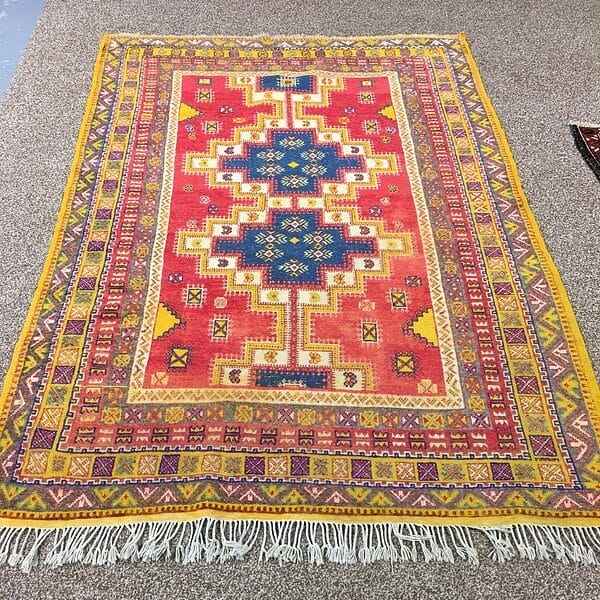
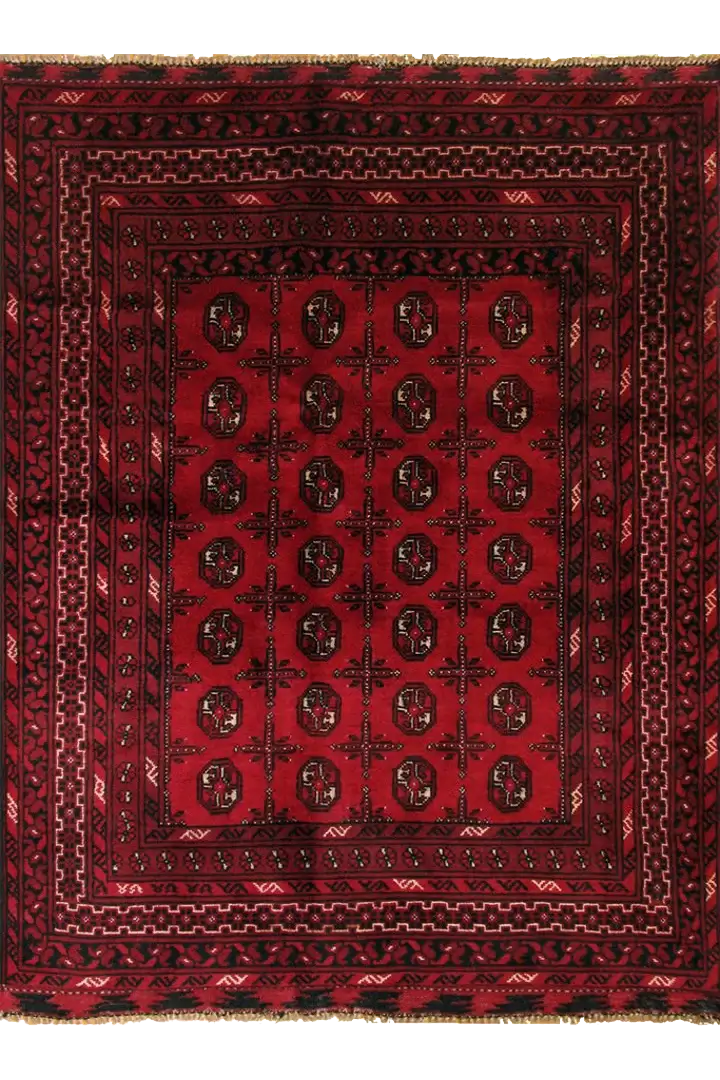
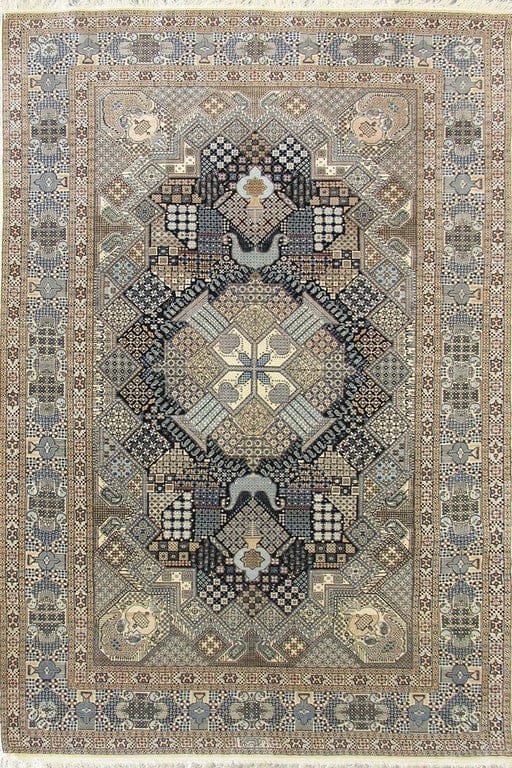
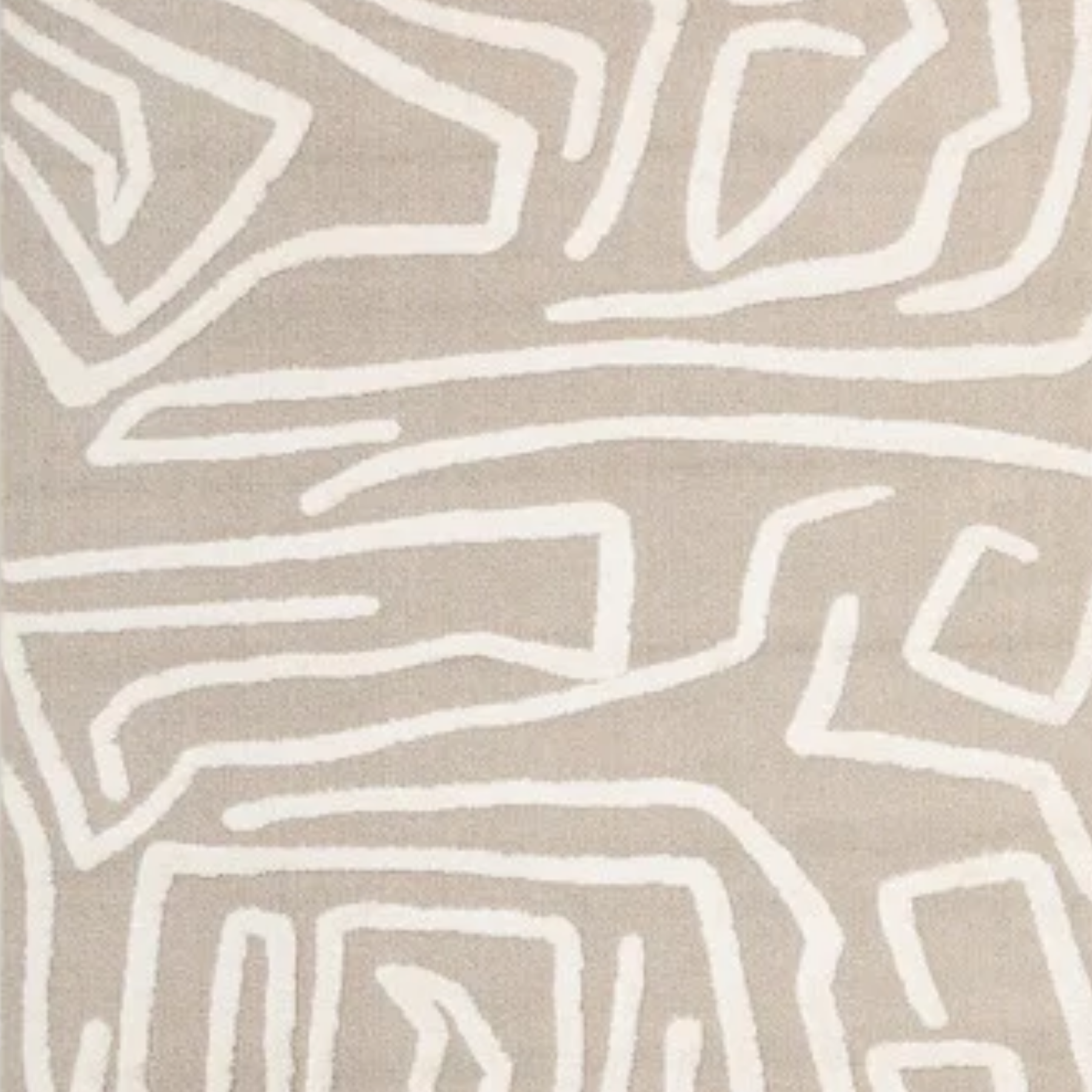
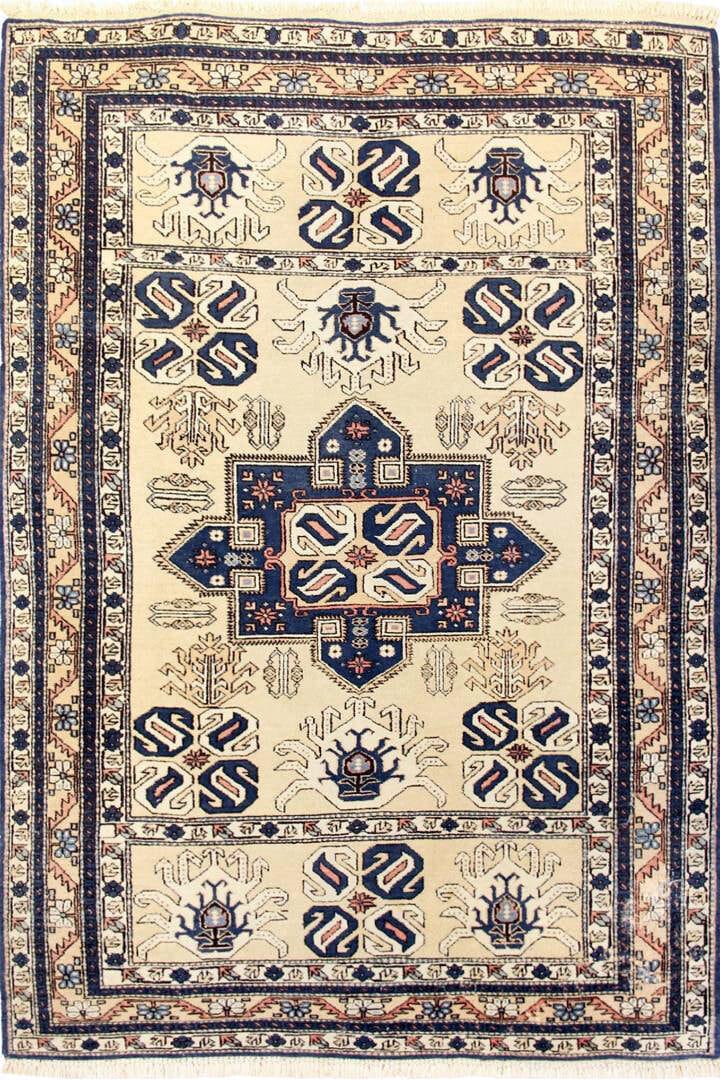
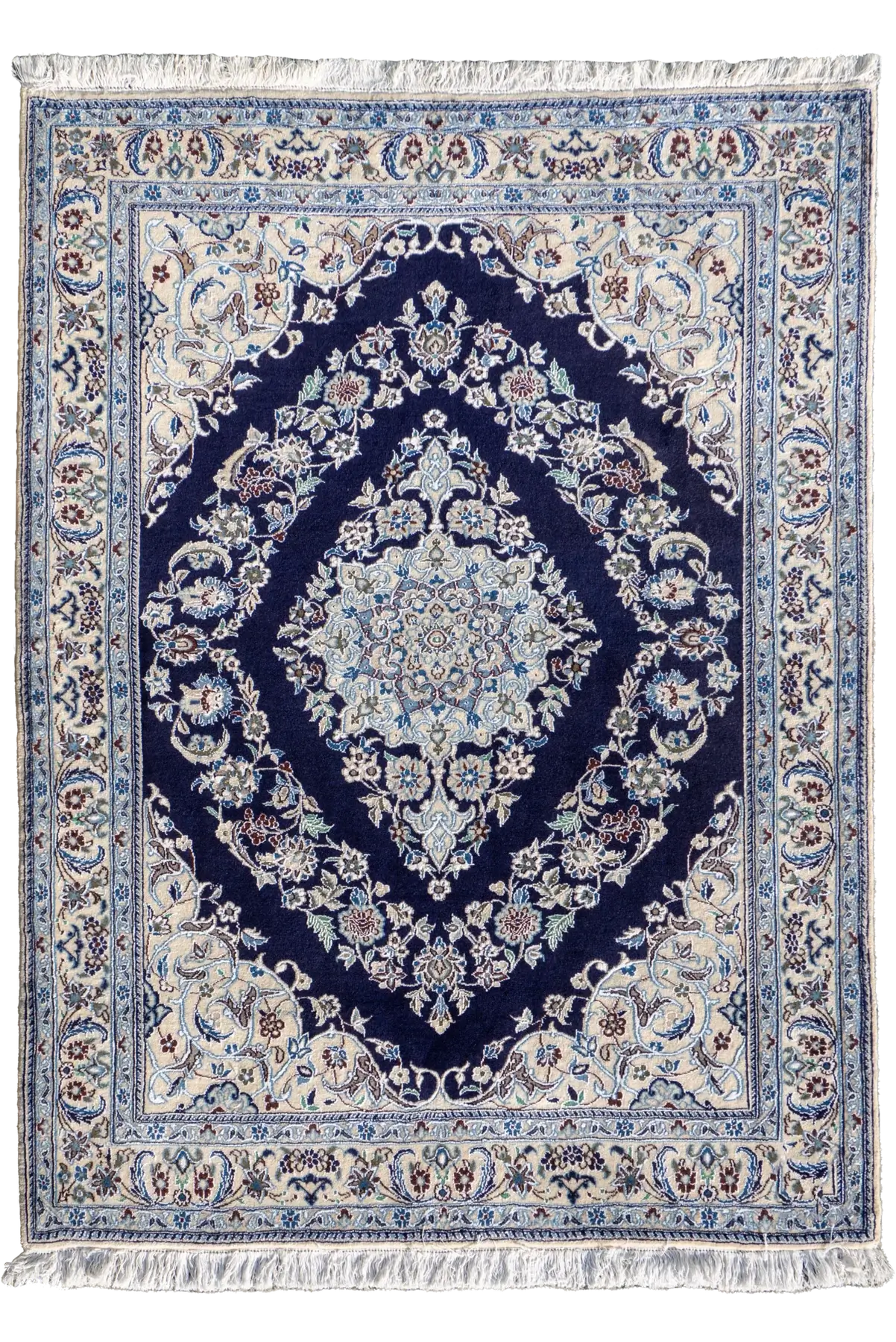
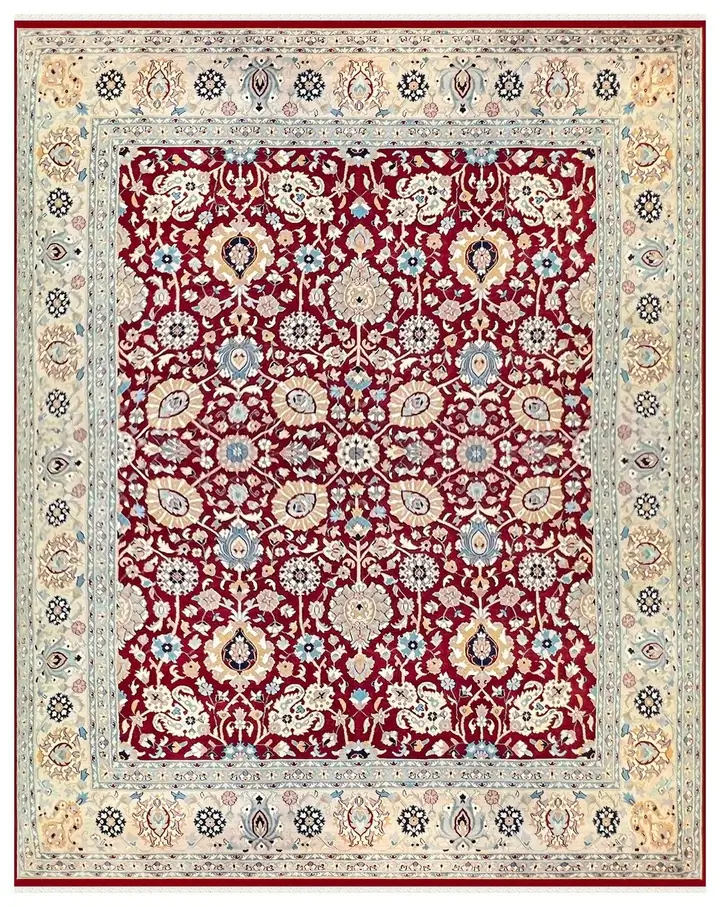
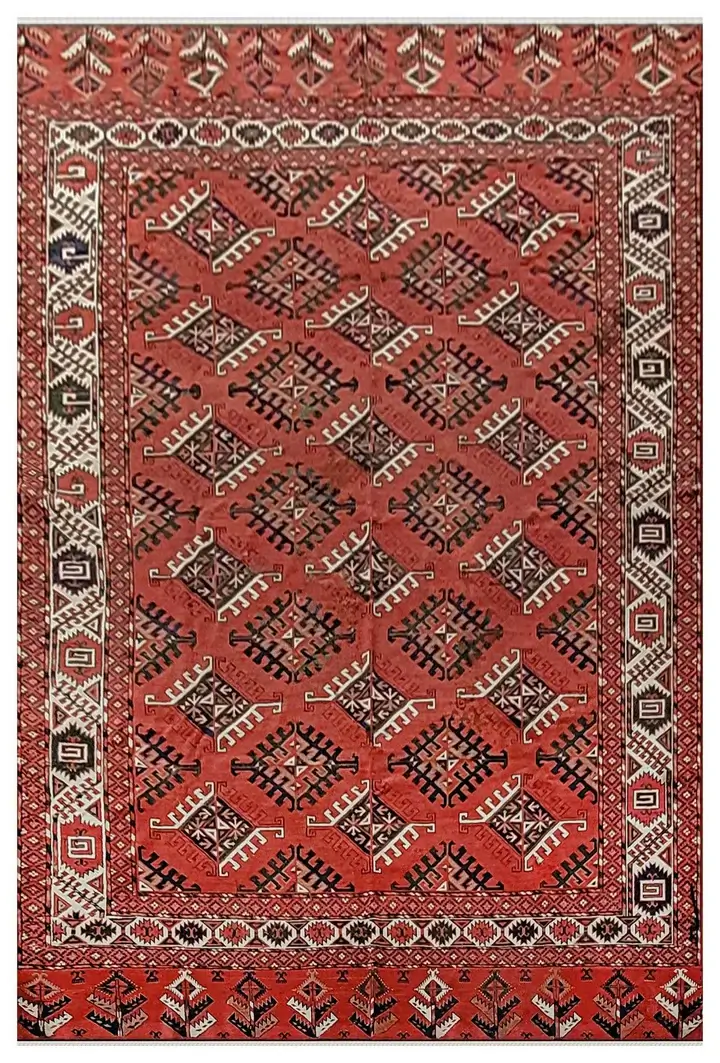
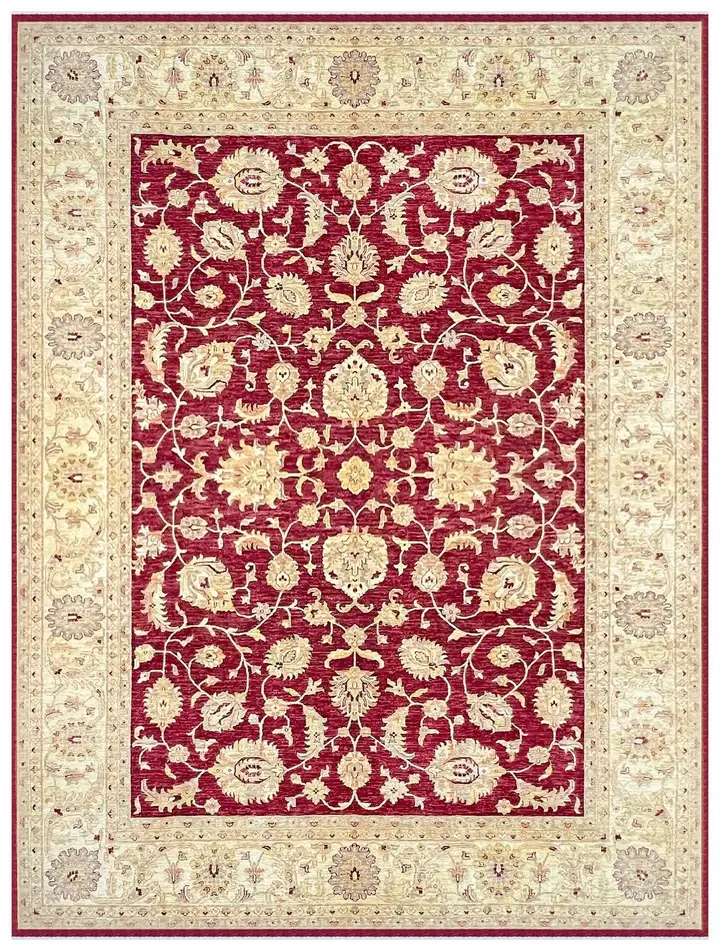
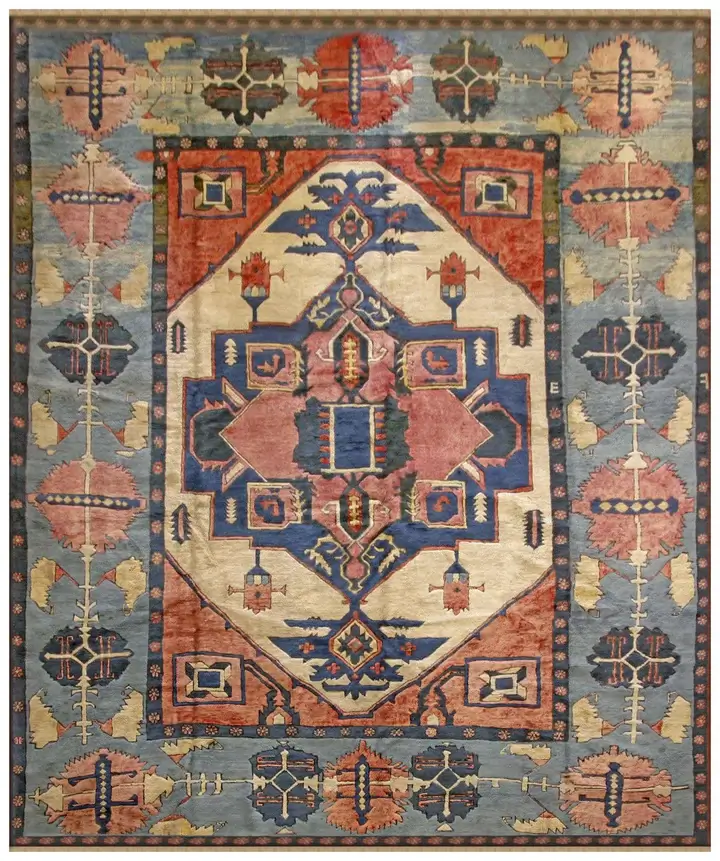
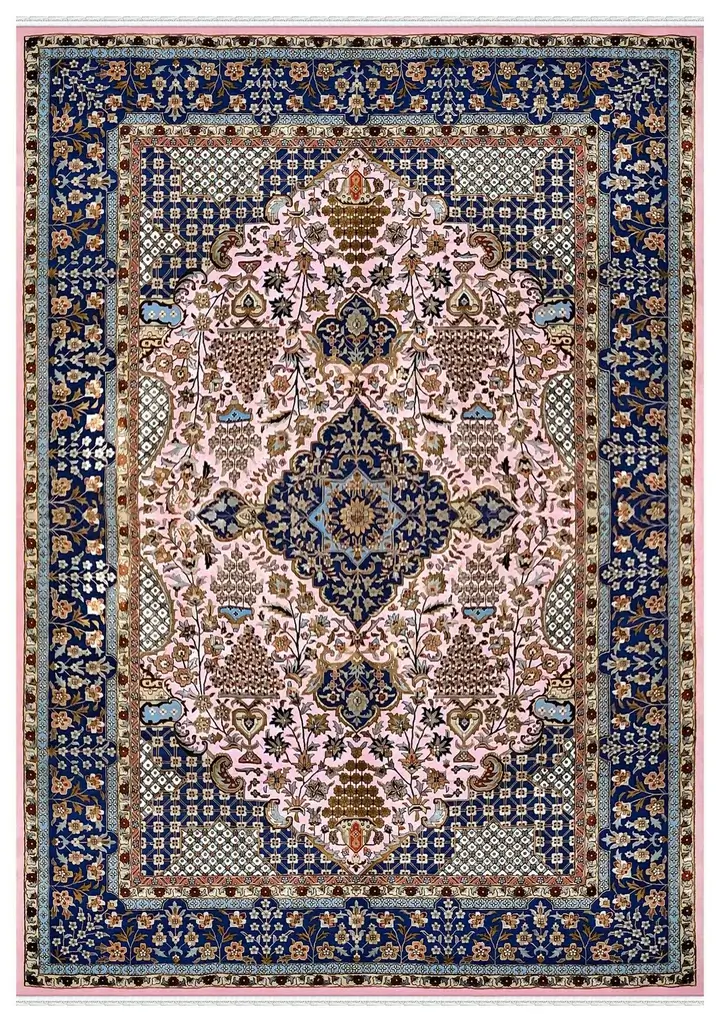
From Persian heirlooms to everyday synthetics. Twenty rug types, each hand washed to a method matched to its fibre and construction. Never a one-size clean.
- 29 years on rugs only
- IICRC-certified technicians
- Washed at our Yatala facility
Collected on the same day as Bli Bli
These neighbours sit on the same scheduled route.
Bli Bli questions, answered plainly
Do you actually come out to Bli Bli, or only as far as Maroochydore?
Out to Bli Bli, on a set day. The corridor run takes in Nambour, Bli Bli and Maroochydore together, so collection and delivery are both included and neither is charged for. You get a window once that run day is scheduled rather than a vague morning.
How is the price actually worked out?
Off the rug itself. Size, fibre, construction and condition all feed into it, and the figure is set at inspection rather than guessed on the phone. Once it is set, it does not move, and both of the driver's trips are already inside it.
We are close to the river and the rug always smells damp. Can that be fixed?
Usually yes. Still-water air puts moisture deep into the base of a rug where airing it on a verandah will never reach. A full immersion wash takes that out with whatever it has been feeding, and the controlled drying room finishes it so the smell does not come back with the next wet week.
The dog urinated on the rug months ago. Is it too late for that?
Usually not. Time hides urine rather than removing it, because the residue is sitting in the backing and only reacts when the air turns humid. Bathing washes that layer out, an enzyme stage handles what causes the odour, and any colour the acid has already taken is pointed out at the assessment.
Do you collect from Diddillibah, Rosemount and Pacific Paradise as well?
Yes, along with Parklands, Maroochy River and Marcoola on the same corridor day. Two households can send rugs on one collection, which relatives here do fairly often, and every rug after the first is $20 off.
How long is the rug away from the house?
About 7 days from the door back to the door. Where a date is genuinely fixed, the 48-hour express option can be arranged, at additional cost. Either way it finishes in the controlled drying room, which is not something we skip on a river-flat rug.
Get your free quote today
Tell us about your rug and we’ll take it from there. Free pickup and delivery, and an honest assessment before any work begins.