
Seven towns on one scheduled run
Rug Cleaning Northern Rivers NSW,
From the Coast to the
Inland City
Ocean Shores, Brunswick Heads, Mullumbimby, Byron Bay, Lennox Head, Ballina and Lismore are collected on one scheduled southern run. Rugs are hand washed at our Yatala facility and returned dry through the foundation, usually inside 7 days. Pickup runs are booked in advance and any distance component is confirmed upfront on the quote.
- Safe for delicate and handmade rugs
- 48-hour express service available at additional cost
- Scheduled pickup and delivery, distance terms confirmed upfront
Reveal the Clean
Watch it clean automatically, then take control.
experience
 Expert care
for your rugs
 Free
Freepickup & delivery
 Trusted, licensed
and insured experts
turnaround
 Guaranteed
satisfaction
A firm quote for rugs south of the border
Every rug is read in daylight before anybody names a number. You get one figure in writing, and the collection and delivery arrangements for your town are set out at the same time so there are no surprises later.
- 1You book, we schedule the runYour town goes onto the next southern day
- 2The driver takes the rolled rugRolled at the door, nothing for you to lift
- 3Read, quoted, then bathedOne figure, then full immersion at Yatala
- 4Back in about 7 daysDry to the foundation and groomed flat
Get an honest assessment
No obligation · free pickup & delivery · we reply next business day
Rug washing across the Northern Rivers, honestly explained
A region named after its water
The Northern Rivers is the most northeasterly corner of New South Wales and it carries the name of the country it is built around: the catchments and valleys of the Clarence, the Richmond and the Tweed, with the Wilsons River running into the Richmond behind Lismore. Seven councils cover it, from Tweed Shire at the Queensland border down to Clarence Valley in the south, and a 2022 estimate put 313,422 people across the whole region. The seven towns on this page sit in its middle third, four of them in Byron Shire, two in Ballina Shire, and Lismore inland on its own river. A region defined by water is a region that holds moisture, and that single fact shapes almost everything about the rugs we collect here.
Damp is not a season here. It is a condition, and rugs live in it all year.
The wettest territory we service
Ballina records 1,764.7 millimetres of rain a year, Byron Bay 1,509.2 and Lismore 1,343, all of it humid subtropical. What that means for a rug is not dramatic and it is not sudden. It is a slow load: air that never fully dries out, wool that holds more than it looks like it holds, and a mildew note that arrives after a wet fortnight and then simply stays. Mould behind furniture and musty smell in the pile make up a larger share of our Northern Rivers work than of any other region we collect from, and neither responds to spraying. The smell is material sitting in the base of the rug, so the only thing that removes it is water, a proper rinse and drying that is finished rather than assumed.
The coastal towns add salt and sand to that. Inland at Lismore the load changes to fine soil driven into the pile through months of dry heat, then a humid stretch on top of it. Different inputs, same answer.
Red soil, cane flats and beach houses
The country behind Byron Bay and Lismore was once the Big Scrub, an extensive area of subtropical rainforest that was cleared through the nineteenth century for timber and then for the dairy pasture that followed it. What it left behind is red volcanic soil, and the hills it sits on are now Australia's main region for growing macadamias. Sugarcane still runs the northern end, and the dairy industry that once carried the whole district has declined steadily since the 1970s. Farm and acreage homes on that country send us rugs carrying orchard and paddock soil, which is fine enough to work right to the base of the pile and stay there. Vacuuming moves it around. Washing takes it out. Down on the coast the same job is salt and sand instead, and in the towns between them it is both.
How the southern run actually works
We do not have an office, a depot or a drop-off anywhere in the Northern Rivers, and we would rather say that plainly than imply otherwise. Every rug is washed at Unit 9/38 Computer Rd, Yatala, and the region is serviced as a scheduled run down the M1, over the border at Coolangatta and on along the Pacific Highway. Ocean Shores and Brunswick Heads come first at about 110 kilometres, Byron Bay at about 128, Ballina at about 150, and Lismore last at around 170 kilometres inland. These are the furthest pages in our whole territory from the wash floor, so runs are planned rather than same day, and any distance component is confirmed upfront on the quote before you agree to anything.
Our Northern NSW listing, and the road every rug takes
Our Northern NSW office
Premier Rug Cleaning and Washing - Northern NSW
That listing marks out the country we work across rather than a counter you call in at. There is no Northern Rivers depot or drop-off point, and there never has been. A driver comes to the house and the same team that collects the rug is the team that washes it.
From the seven towns to the wash floor
The driving is our problem rather than yours. Runs are scheduled rather than same day, the collection window is confirmed once the day is set, and any distance component is put in front of you on the quote before you agree to anything.
The rainforest that went, the nuts that replaced it, and a co-operative that outlasted both
Six regional stories that explain why a rug behaves differently here.
The subtropical rainforest that covered the country behind Byron Bay and Lismore, cleared inside a generation.
That soil is why a Northern Rivers rug behaves the way it does. Fine volcanic dirt works right down to the base of the pile where no vacuum reaches it, and only a full wash brings it back out.
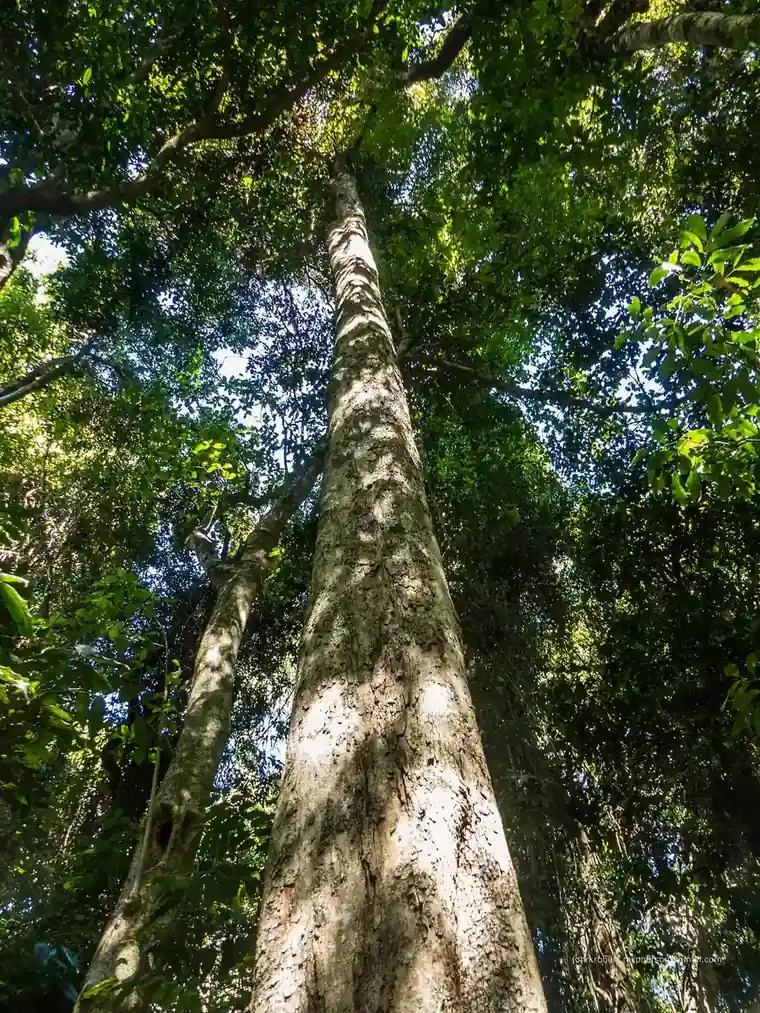
The Big Scrub was an extensive area of subtropical rainforest that was largely cleared through the nineteenth century, first for timber getting and then for the dairy pasture that came after it. What replaced it is the landscape the region still runs on: green hills, small farm towns and the red volcanic soil the rainforest left behind. Almost nothing of the original scrub survives.
The red-soil hills inland from Byron Bay are the country's main region for growing macadamias.
Homes on this country send us rugs carrying orchard and paddock soil. That is a different job from beach sand and it gets a different assessment before anything is put in water.
The hills with red volcanic soils inland from Byron Bay provide Australia's main region for the cultivation of macadamia trees, which are the one commercial food crop native to this part of the country. Sugarcane still dominates the northern end of the region on the flats, and the dairy industry that once ran the whole district has declined steadily since the 1970s.
The region is named for its catchments: the Clarence, the Richmond and the Tweed.
A region defined by its rivers holds moisture, and every town on this page sits on or near water. That is exactly why finishing the drying at our own facility matters more here than anywhere else we collect.
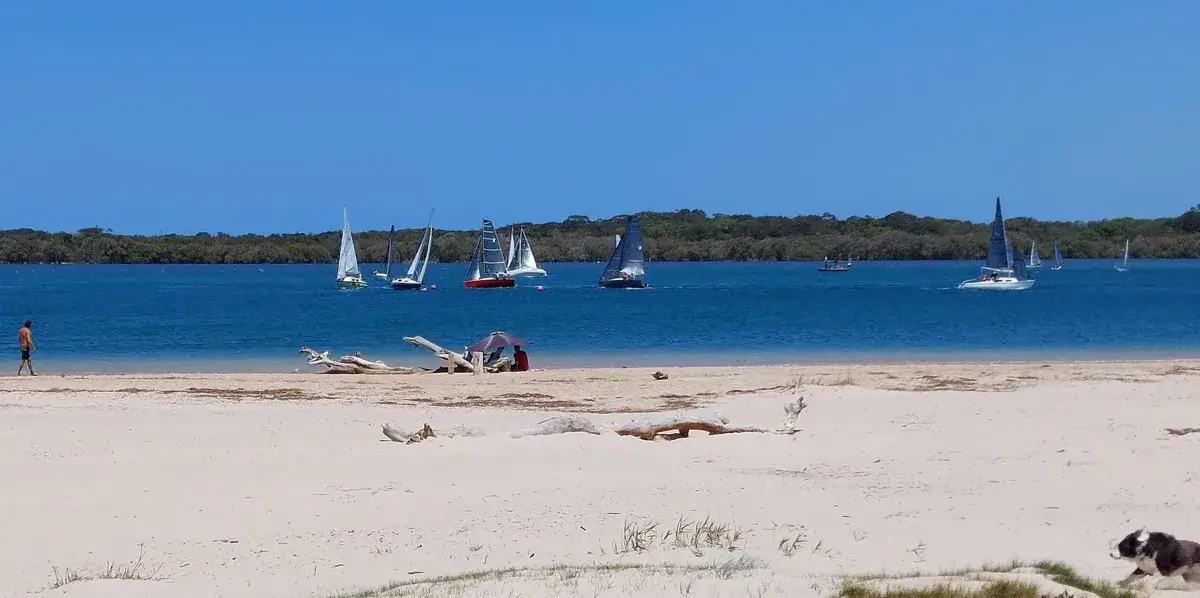
The region is named for its water. The Clarence, the Richmond and the Tweed each run their own valley to the coast, and most of this group's towns stand either on a riverbank or on the sand between the river mouths: Ballina sits at the Richmond's entrance, Brunswick Heads where its own river meets the sea, and the beach villages thread the coast between them. That is the shape of the place, a string of towns along the water rather than one centre with suburbs.
Formed as a co-operative in 1895, and still trading under the same name.
A co-operative that has done one thing under one name for well over a century is a model we recognise. We have hand washed rugs at the one facility for 29 years and have not been tempted to change the method.
Norco was formed as a co-operative in 1895 during the district's dairy years and opened at Lismore in 1931. The dairy industry that supported it has shrunk a long way since the 1970s, but the name is still on shopfronts and milk cartons across the Northern Rivers, one of very few nineteenth century district institutions here that never went away.
The festival inland from Lismore that changed how the whole region was seen.
Households here tend to care where a thing goes and who handles it. We answer that plainly: the rug goes to our own facility at Yatala, our own team washes it, and nobody outside that team touches it.
The Aquarius Festival was held at Nimbin, inland from Lismore, in 1973, and it established the Northern Rivers as Australia's best known alternative destination. The reputation stuck, and it is a large part of the reason Byron Bay in particular grew from a working industrial town into the place people picture now.
Most of the Northern Rivers is inland, and most visitors never see it.
Servicing a region this size from one wash floor over the border only works as a planned route. That is why our Northern Rivers day is scheduled ahead rather than offered as a call out.
The coast takes the attention, but the region's principal towns include Casino, Kyogle and Grafton well inland, and the Clarence catchment reaches south almost to Coffs Harbour. Agriculture, fishing, timber products and tourism carry the economy between them, and the seven councils that administer it run from the Queensland border to the far south.
What customers say about the Northern Rivers
Rated 4.9 ★ from 18 customersaround the Northern Rivers, collected directly from our customers after every clean.
Northern Rivers reviews, then the full set
The cards above were left by customers in this region. The counts below cover everywhere our vans collect from.
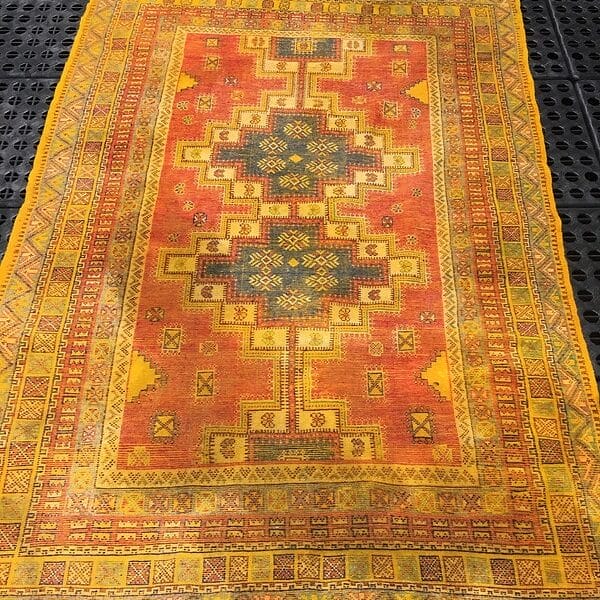
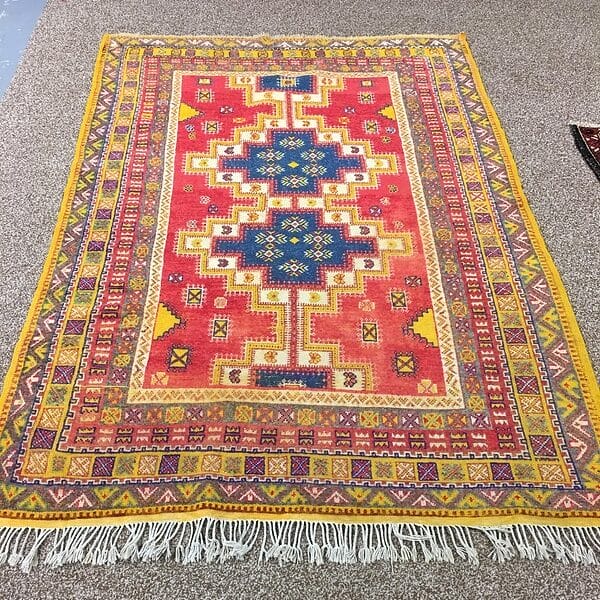
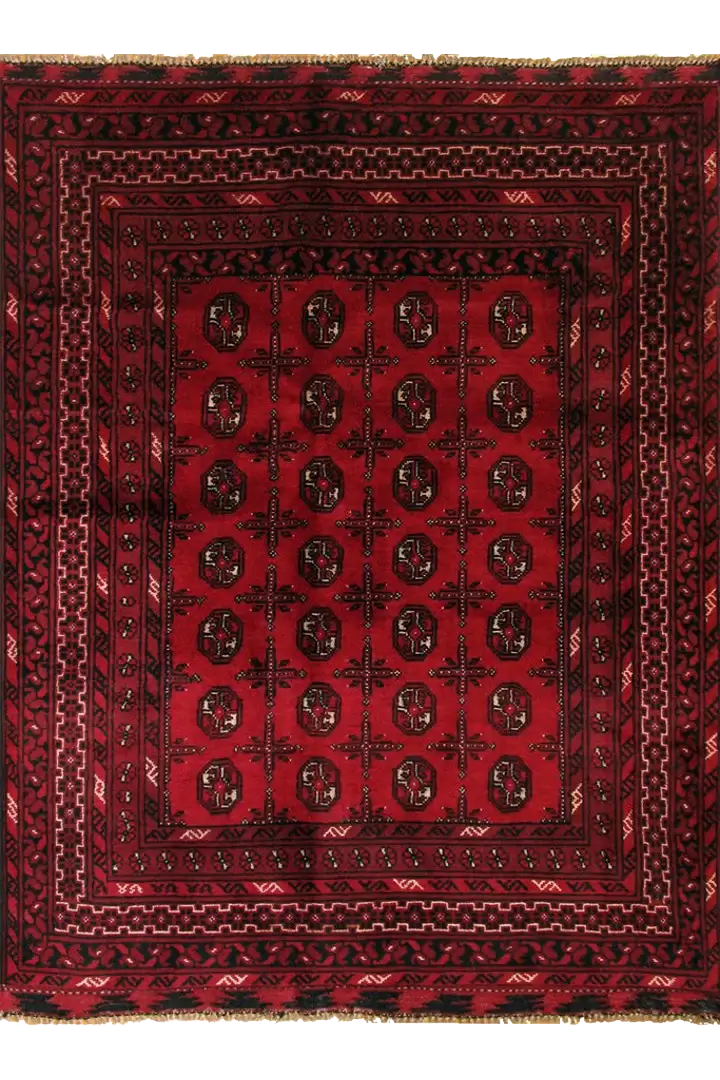
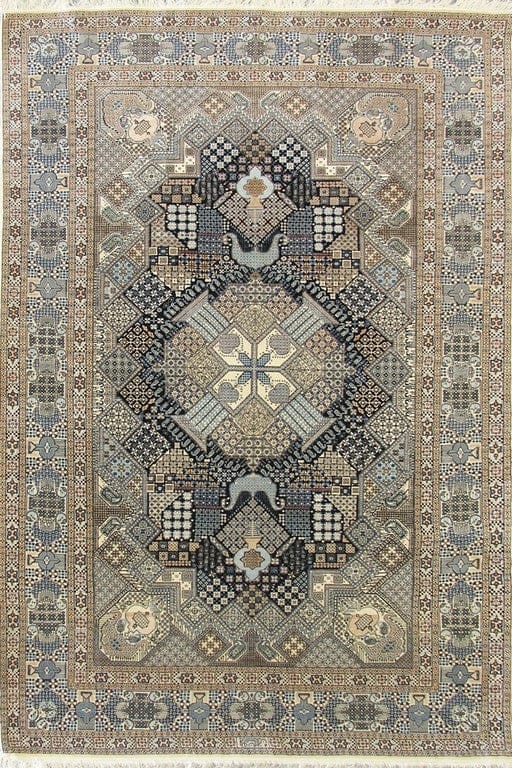
Every weave.
Every origin.
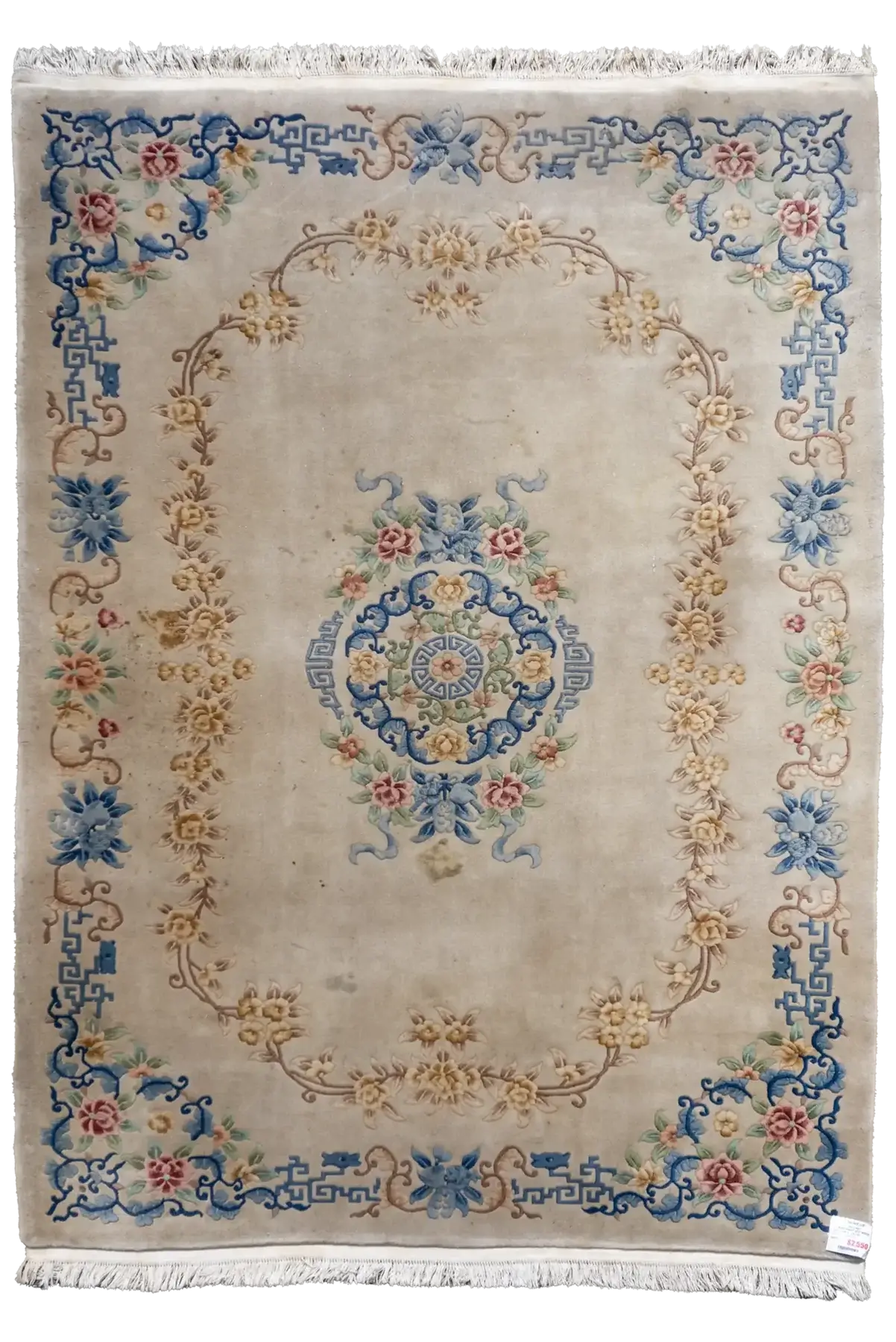
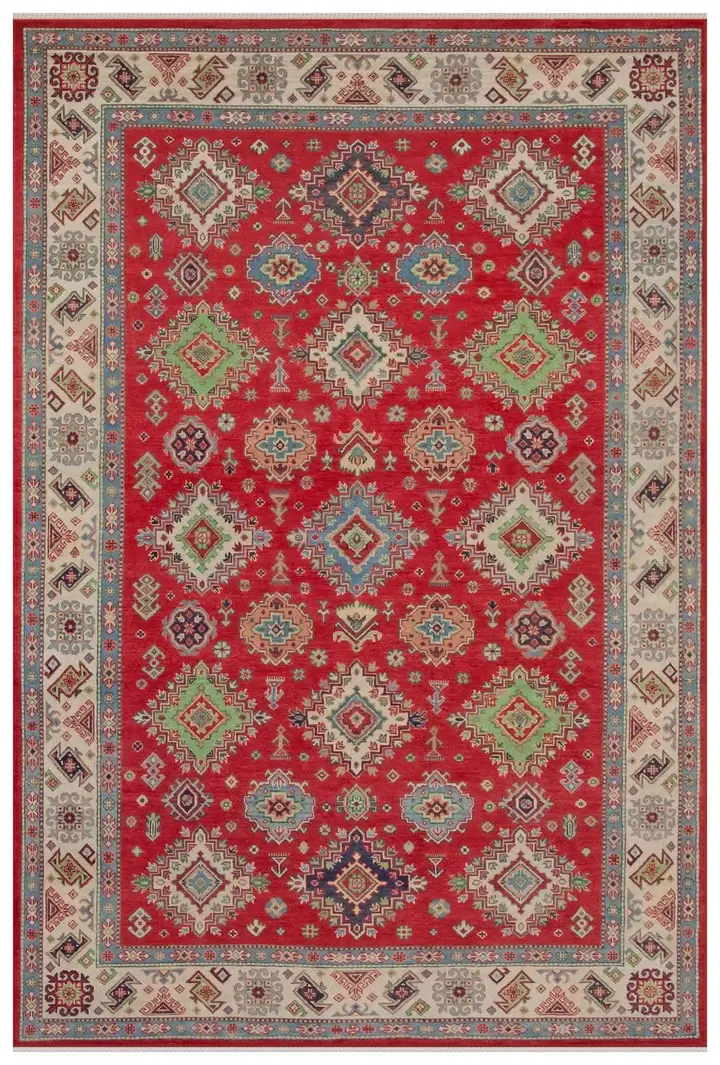
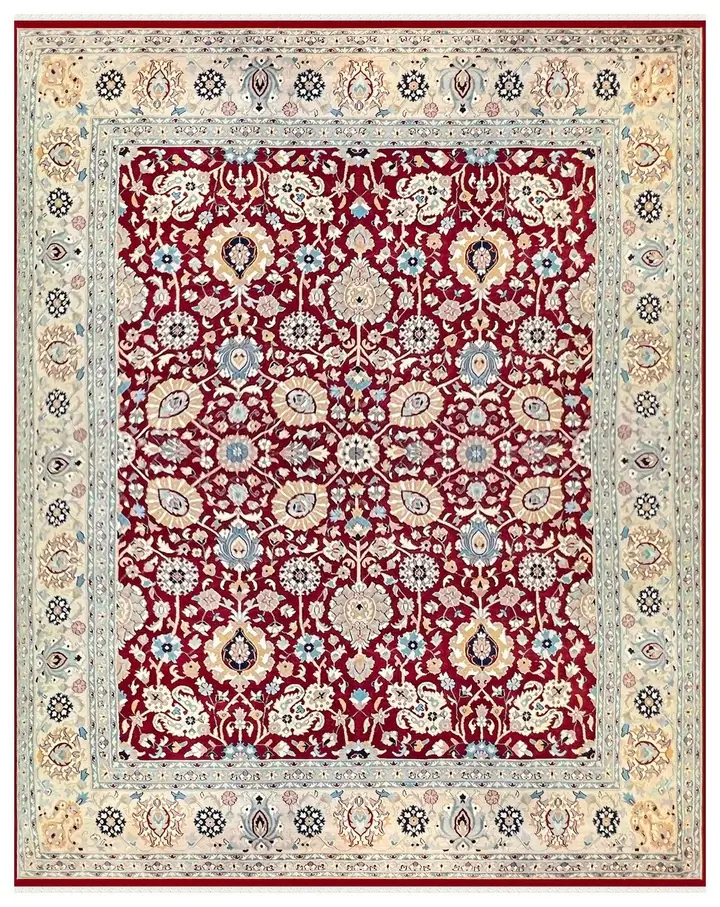
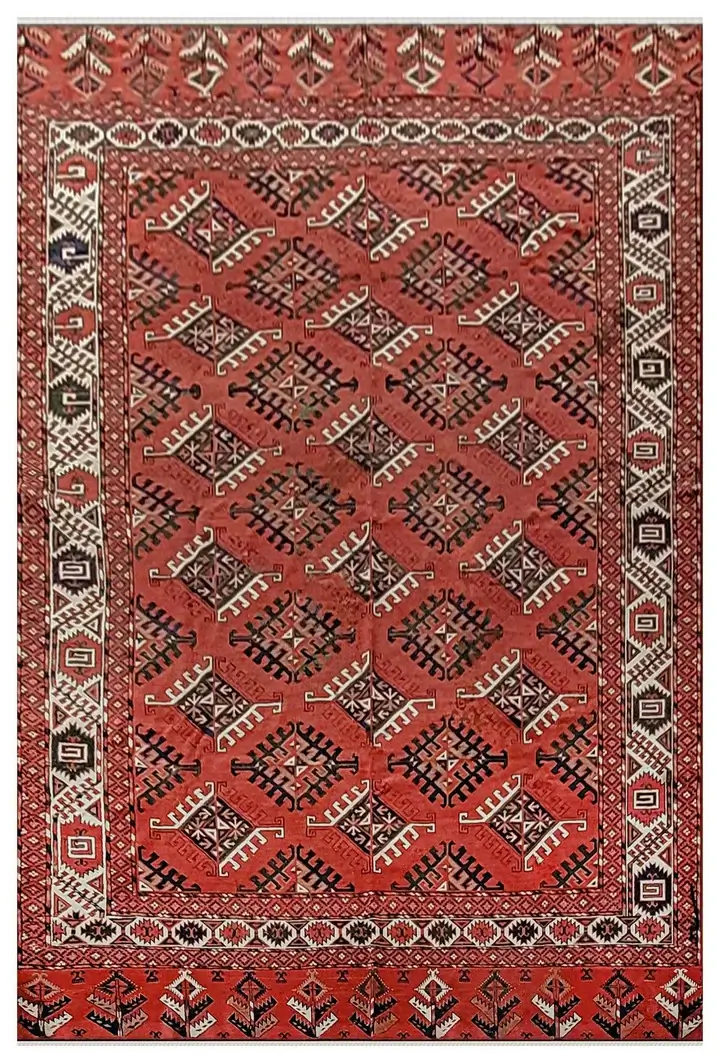
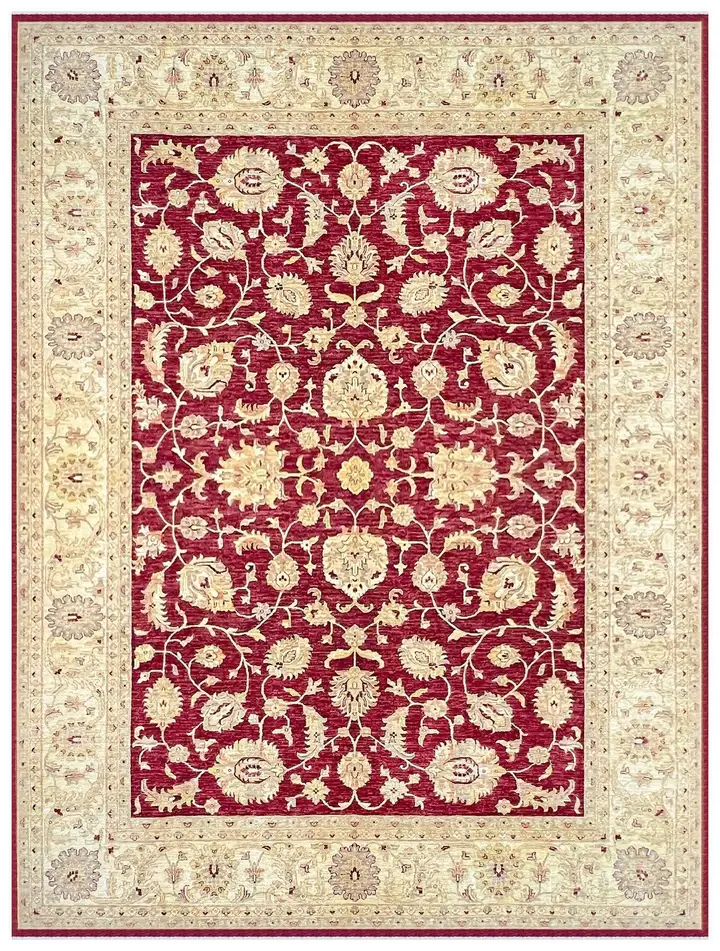
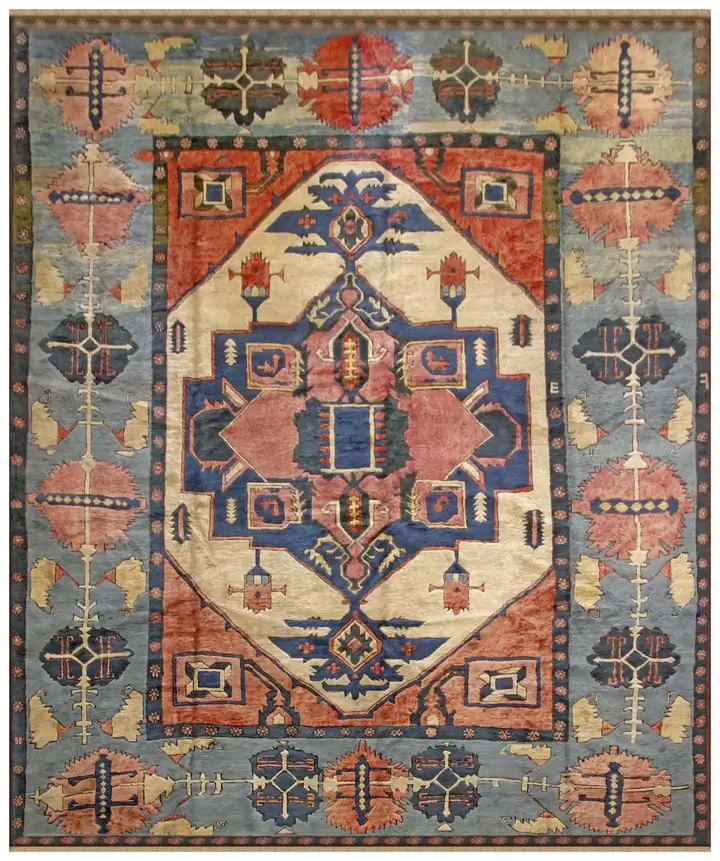
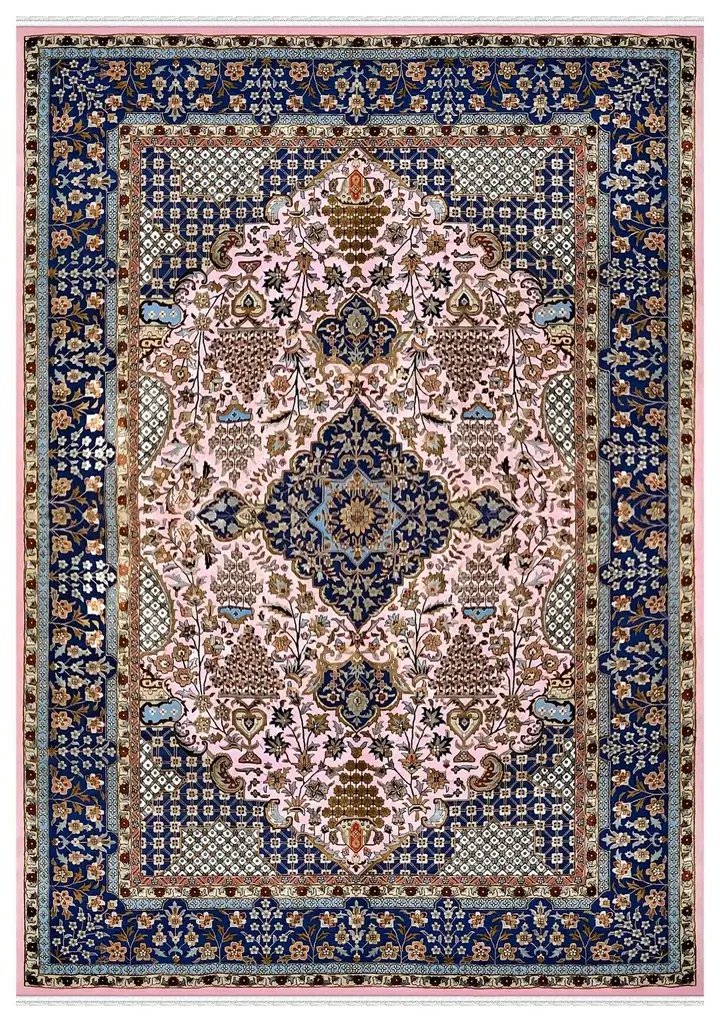
From Persian heirlooms to everyday synthetics. Twenty rug types, each hand washed to a method matched to its fibre and construction. Never a one-size clean.
- 29 years on rugs only
- IICRC-certified technicians
- Washed at our Yatala facility
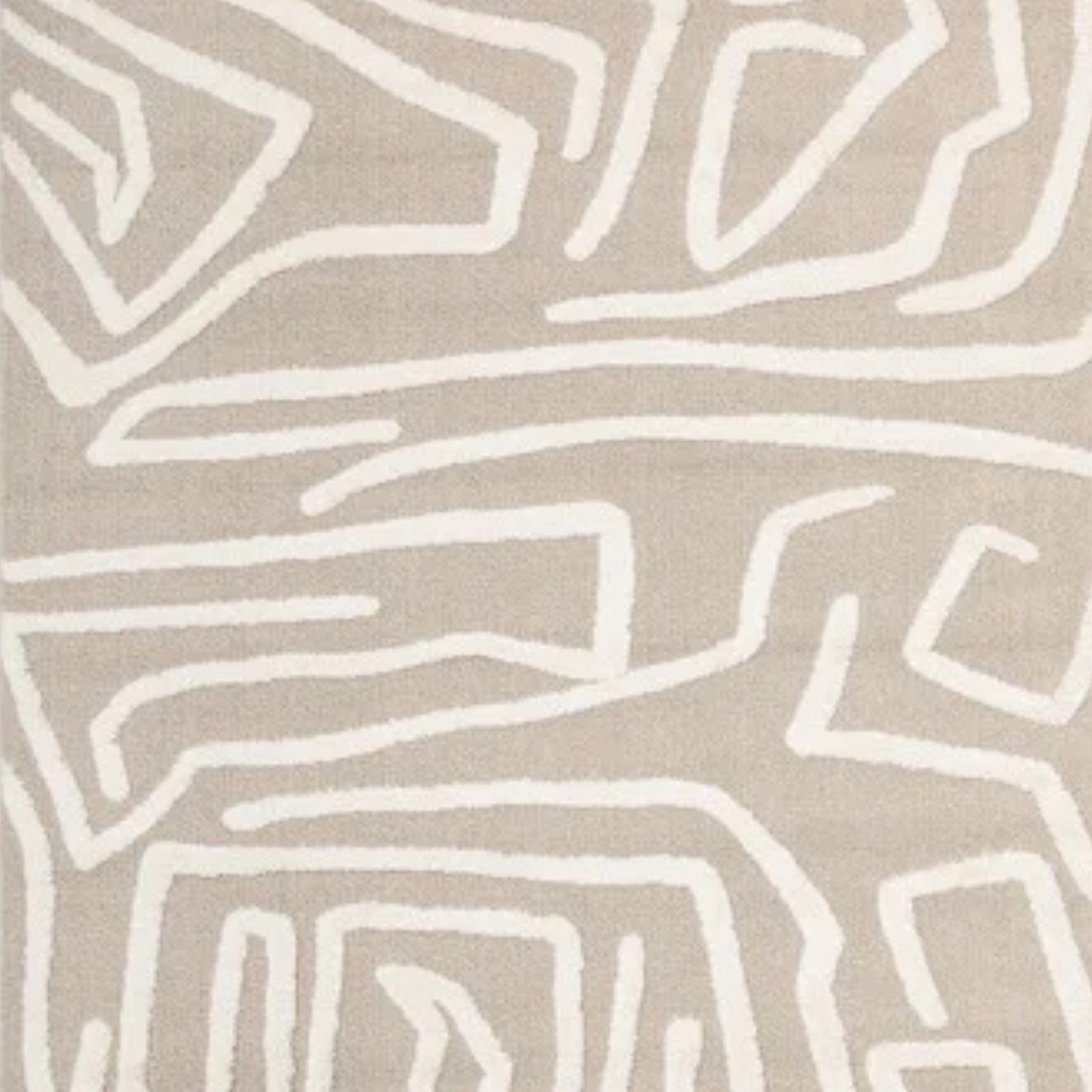
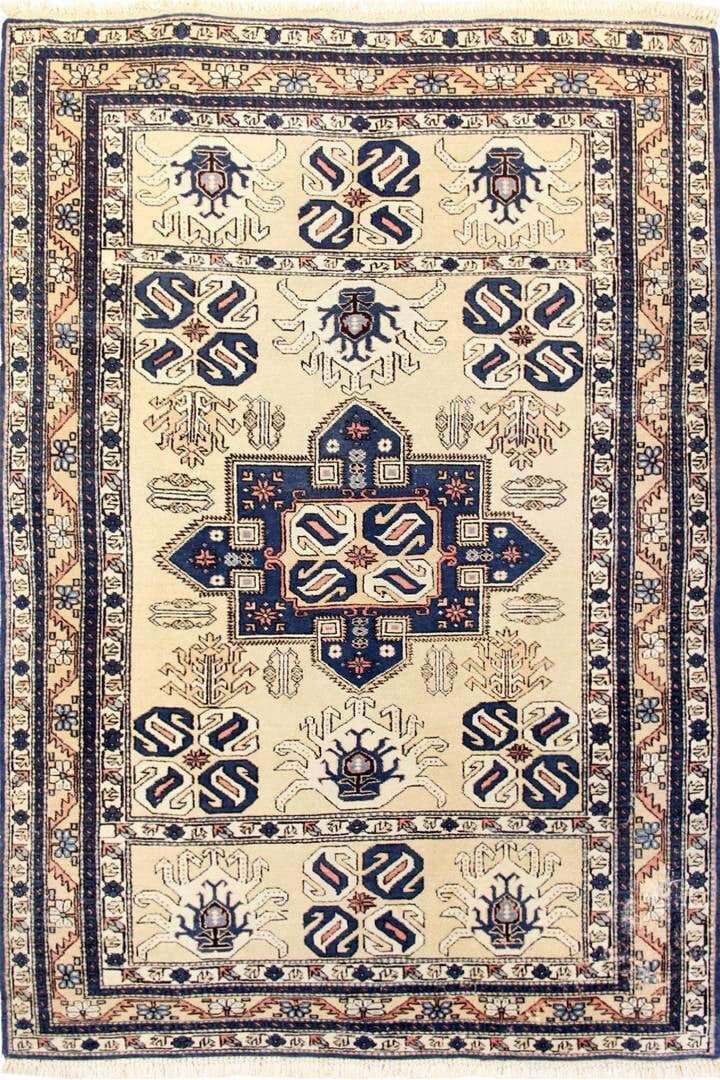
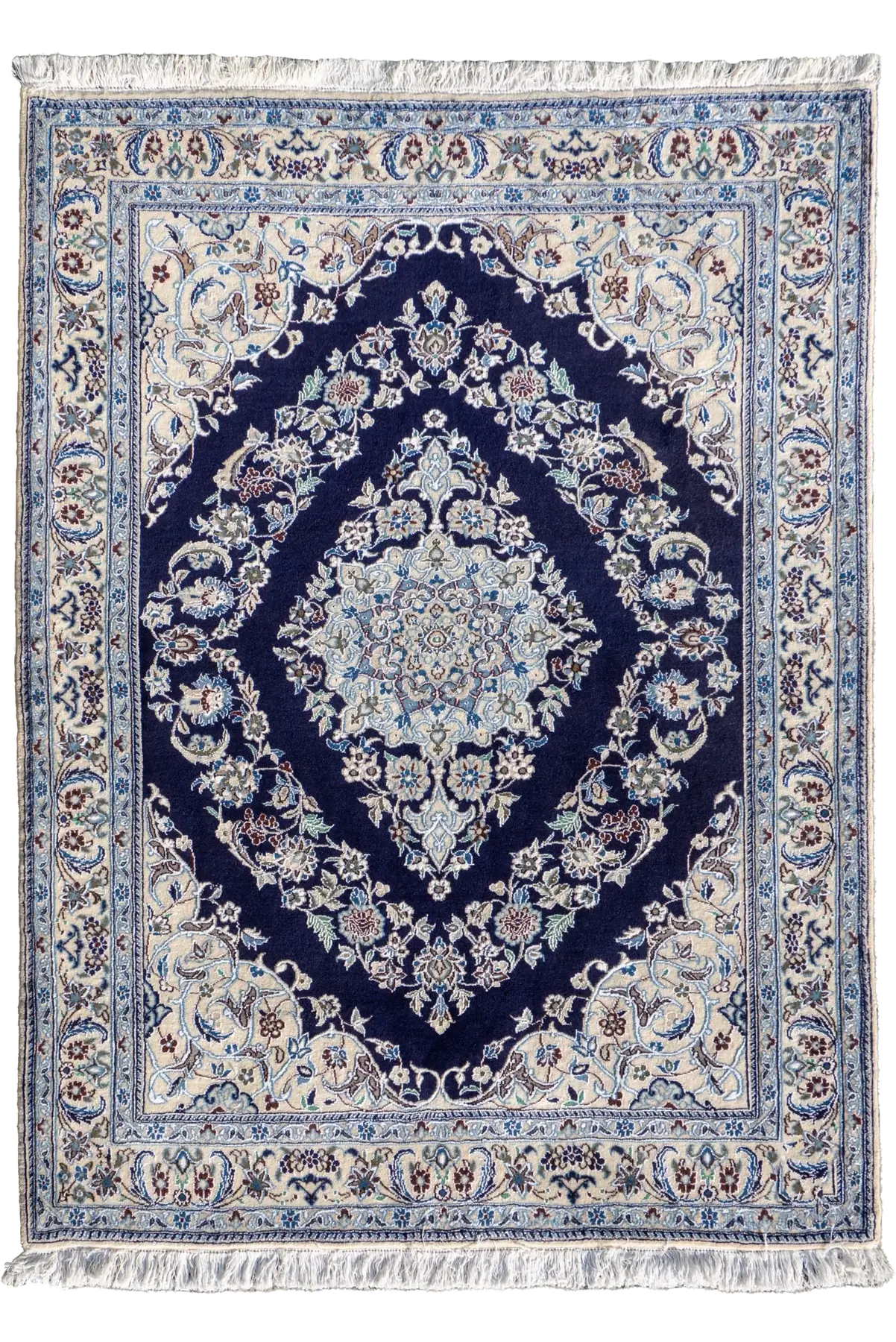
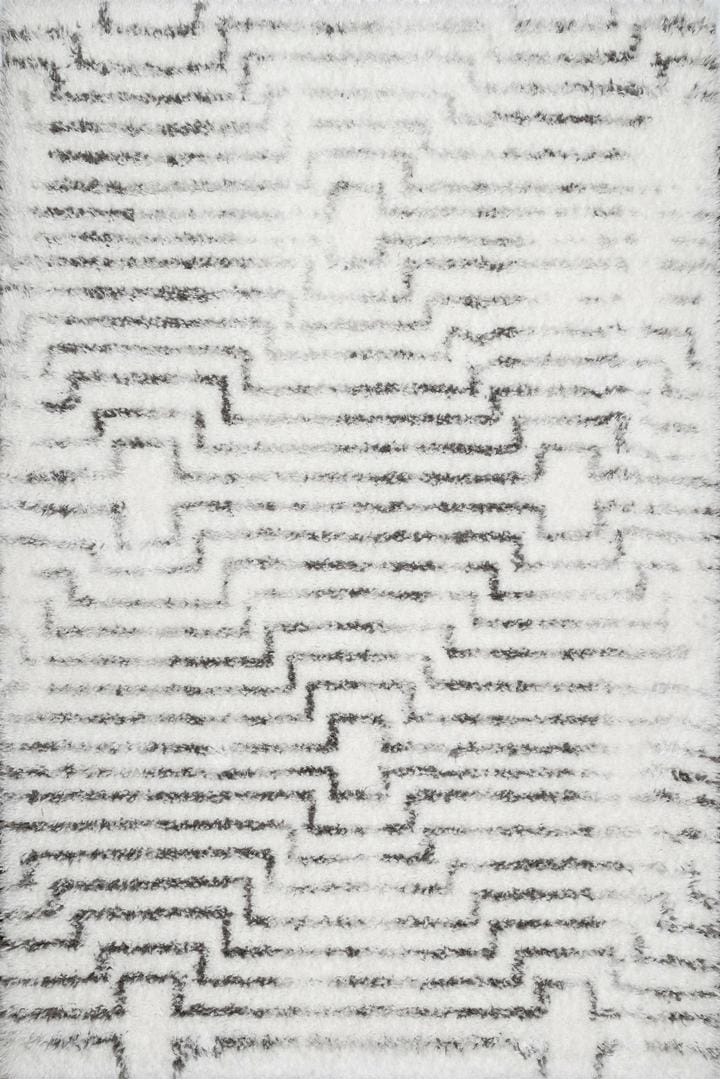
Choose your Northern Rivers town
Each town has its own page with local detail and its own drive to the wash floor.
Northern Rivers questions, answered plainly
How much does rug cleaning in the Northern Rivers cost?
The rug sets the figure. Its size, its fibre, its construction and the state it is in are all read before anything is quoted, and once the figure is given it is fixed. Collection and delivery arrangements for your town are set out on the same quote, including any distance component, so you can see the whole picture before you agree.
Is pickup and delivery included, and does the distance matter?
Pickup runs down here are scheduled rather than same day, because these are the furthest towns from our wash floor. Any distance component that applies to your address is confirmed upfront on the quote and never added afterwards. Once the run day is set you are given a collection window, and the driver takes the rolled rug from the door.
Why does the mildew smell keep coming back after I clean it myself?
Because the material causing it sits at the base of the pile and in the backing, and surface cleaning never reaches that far. A machine that wets the top and leaves the foundation loaded will actually make it worse for a fortnight. Immersion, a full rinse and controlled drying remove the material rather than masking it, which is why the result holds.
Our dog has urinated on the living room rug. Can the smell be removed for good?
Yes, once the source is out. Urine passes through the wool into the backing and keeps producing odour from there, which is why sprays fade after a week or two. Submersion rinses that layer clear, an enzyme stage neutralises the remainder, and completing the drying stops the humid weeks from bringing it back.
How long does it take, and can it be faster?
About 7 days door to door on a normal cycle, which includes waiting for the scheduled run day in each direction. Express work turning around inside 48 hours is available at additional cost if you have a date to meet. The drying stage is completed either way, because a rug returned damp is a rug that will smell again.
Which Northern Rivers towns do you collect from?
Ocean Shores, Brunswick Heads, Mullumbimby, Byron Bay, Lennox Head, Ballina and Lismore all sit on this run, and each has its own page above with local detail. Neighbours on the same street or in the same town can share a collection day, and $20 off each extra rug applies when several pieces go together.
Get your free quote today
Tell us about your rug and we’ll take it from there. Free pickup and delivery, and an honest assessment before any work begins.