
Foothill country west of Beerwah
Rug Cleaning Peachester,
a District That Watches the
Weather
Homesteads and rural blocks on 55 square kilometres of foothill country below the range. We collect the rolled rug, hand wash it at Yatala, and return it dry to the backing.
- Safe for delicate and handmade rugs
- 48-hour express service available at additional cost
- Free pickup and delivery on the hinterland run day
Reveal the Clean
Watch it clean automatically, then take control.
experience
 Expert care
for your rugs
 Free
pickup & delivery
 Trusted, licensed
and insured experts
turnaround
 Guaranteed
satisfaction
One figure, and no surprises after it
The figure comes from the rug at inspection and it is the figure you pay. Nothing gets added later and nothing gets discovered halfway through, because the checking happens before the quote rather than after. Where a wash is not worth doing, you get told that instead.
- 1Rolled at the gateFrom a homestead verandah or a shed
- 2Checked, then quotedOne figure, drawn from the rug itself
- 3Bathed by hand at YatalaImmersed whole, rinsed until it runs clear
- 4Back in about 7 daysDried flat under control, groomed, rolled
Get an honest assessment
No obligation · free pickup & delivery · we reply next business day
Rug washing Peachester, on the foothills leg of the hinterland day
A district that has always paid attention to the sky
For two decades through the 1930s, 1940s and into the 1950s, the long-range weather forecaster Inigo Owen Jones lived at Peachester and worked from the district while the whole state followed his predictions. That is a fitting piece of history for a place whose own story keeps turning on weather. St Andrew's Anglican Church, stump-capped in 1906 and dedicated on 1 January 1908, was destroyed by Tropical Cyclone Annie on New Year's Day 1963 and was never rebuilt. The district also ran a fruit case factory through the 1920s and again after the Second World War, turning local timber into packing cases for the fruit its own farms grew, which is about as practical a response to a growing season as anybody could design. The town itself was named in 1888 by the surveyor William Embury Hill, after a peach tree growing at the Stanley River crossing.
You cannot stop the weather getting into a rug. You can decide when it comes out again, and that is the only choice on offer.
Homesteads first, rural-residential after
Peachester's housing is older acreage homesteads from the district's timber and fruit-growing decades, with a steadily growing number of rural-residential blocks around them. The population figures tell that story clearly: 452 at the 2006 census, then 1,259 by 2011, then 1,357 in 2016 and 1,460 in 2021. What the two housing types share is a floor plan built around a door that opens onto working ground, and rugs that are expected to last decades rather than a few years. That expectation is entirely reasonable and it is also exactly why washing matters here. Wool kept reasonably dry has a great deal of life in it at thirty years. The same wool with soil sitting at the knot line for those thirty years has been quietly cutting itself the whole time, and the two look the same until somebody turns the rug over.
Creek flats, cold mornings and a base that stays damp
Sitting in the foothills below the Blackall Range with the Stanley River running near town, Peachester carries the same wet-winter, cool-morning pattern as the rest of the hinterland, along with red soil that marks rather than brushes off and creek-flat moisture that lingers. Indoors that means a rug loading up during every wet stretch and never quite getting the dry run it needs to clear itself. The base holds damp while the surface reads dry, odour builds down there ahead of any visible dirt, and growth follows in the shaded rooms nobody moves furniture in. Washing takes out the soil and releases the smell. The drying is what keeps them out, and no foothill property in a wet season can dry a wool rug through to its backing, which is precisely what the controlled room at the facility exists to do.
Our Sunshine Coast office, and the wash floor a long way south
Our Sunshine Coast office
Premier Rug Cleaning Sunshine Coast
The Sunshine Coast listing sets out the territory we work rather than a place to bring a rug. Collection happens at the gate of the property itself, and the washing is done at Yatala.
East to the highway, then south
That travel is ours and it is already covered. Peachester is collected on the hinterland day alongside Beerwah and Landsborough, and the window is confirmed once the day is set.
A peach tree, a forecaster, and a church taken by a cyclone
A foothill district whose history keeps coming back to the weather.
Peachester takes its name from a peach tree growing at the Stanley River crossing, noted by surveyor William Embury Hill when he laid the town out in 1888.
A town named for one tree a surveyor happened to notice, still running the same school more than a century later, is exactly the sort of local memory worth having before we collect from a house here.
A public hall followed in 1889, and the town's school opened on 19 April 1892 before becoming Peachester State School on 2 May 1910. A post office operated from 1918 to 1974. Peachester State School still runs today and enrolled 85 students in 2018, which is a genuine working school in a district of this size.
The weather forecaster Inigo Owen Jones lived in Peachester through the 1930s, 1940s and into the 1950s, working from the district while his long-range forecasts were followed across the state.
A district that packed its own harvest and was home to a forecaster the whole state relied on has always watched the weather closely, which is the same weather our hinterland rugs live with every winter.
The district also ran a fruit case factory through the 1920s and again after the Second World War, turning local timber into packing cases for the fruit its farms grew. St Andrew's Anglican Church, dedicated on 1 January 1908 after a stump-capping ceremony in 1906, was destroyed by Tropical Cyclone Annie on New Year's Day 1963 and was never rebuilt.
Peachester's population jumped from 452 in 2006 to 1,259 in 2011, then rose steadily to 1,357 in 2016 and 1,460 in 2021, across 55.7 square kilometres of foothill country.
A foothill town growing this steadily, ringed by communities that all belong to the same country, is exactly the demand our range loop was built to keep pace with.
Three of the district's direct neighbours, Wootha, Bald Knob and Crohamhurst, sit more naturally with this hinterland group than with the district they are currently filed under, which is a pattern the fleet's own research has now recorded from several directions.
What customers say about Peachester
Rated 4.9 ★ from 8 customersaround Peachester, collected directly from our customers after every clean.
Peachester's own cards, then the whole customer list
The cards above come from Peachester addresses. The larger figure counts every suburb we collect from.
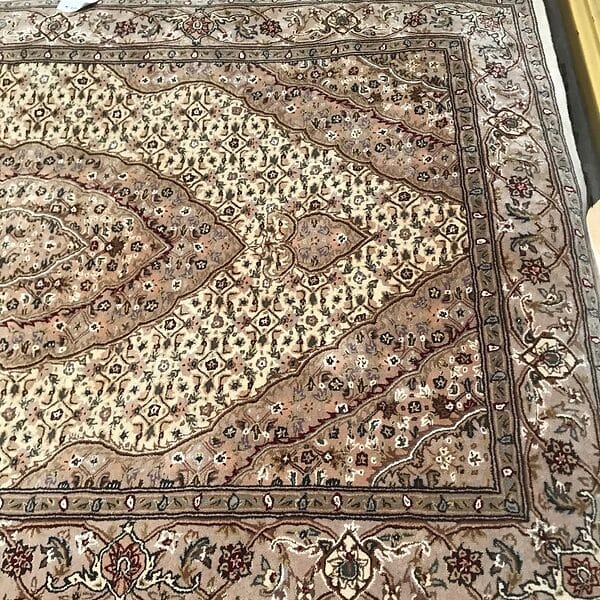
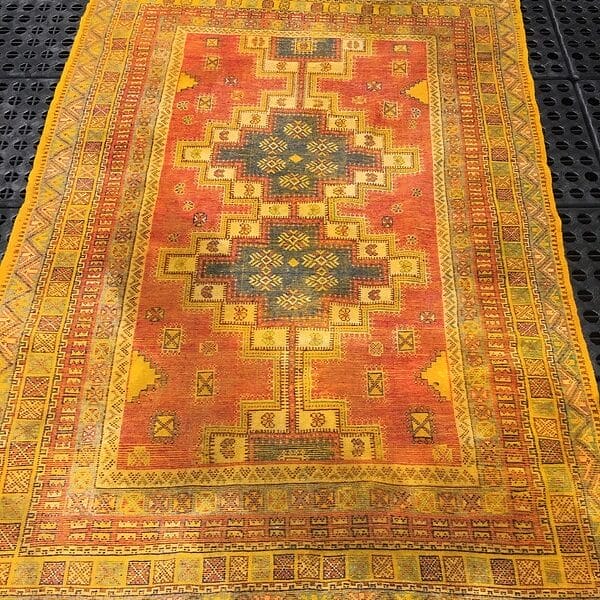
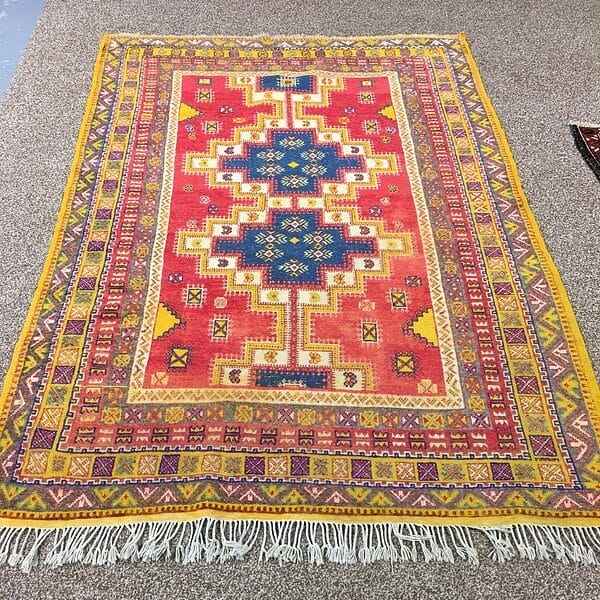
Every weave.
Every origin.
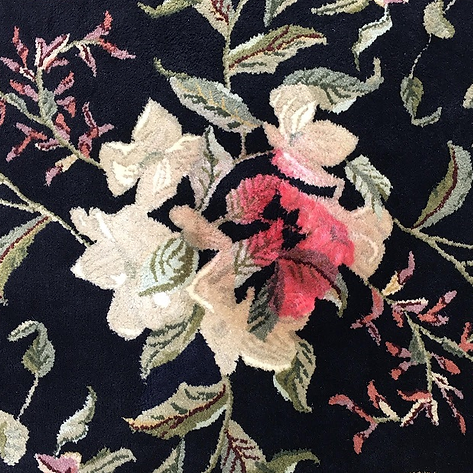
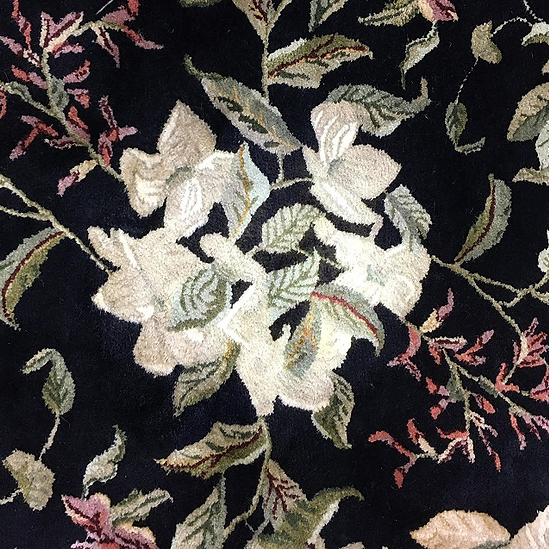
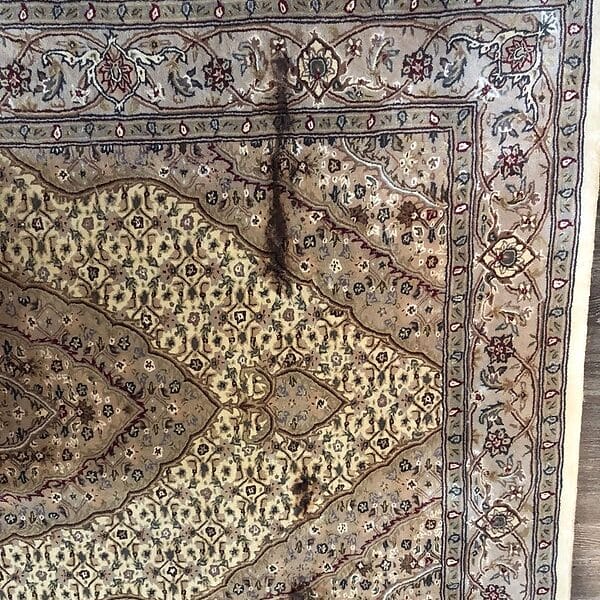
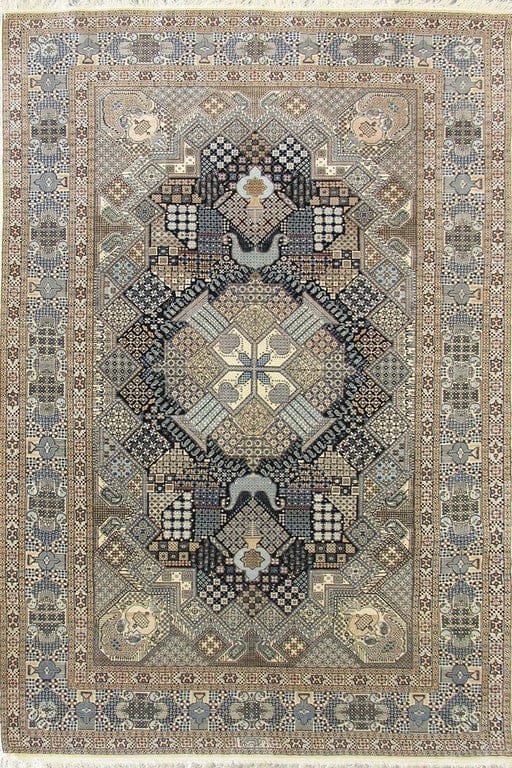
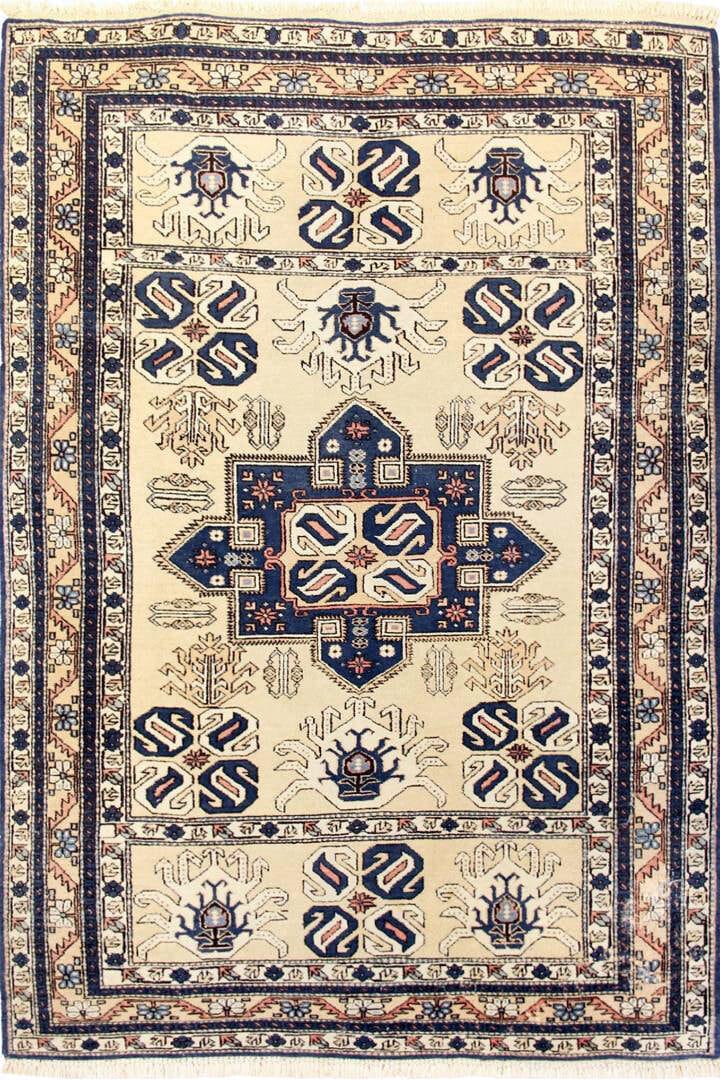
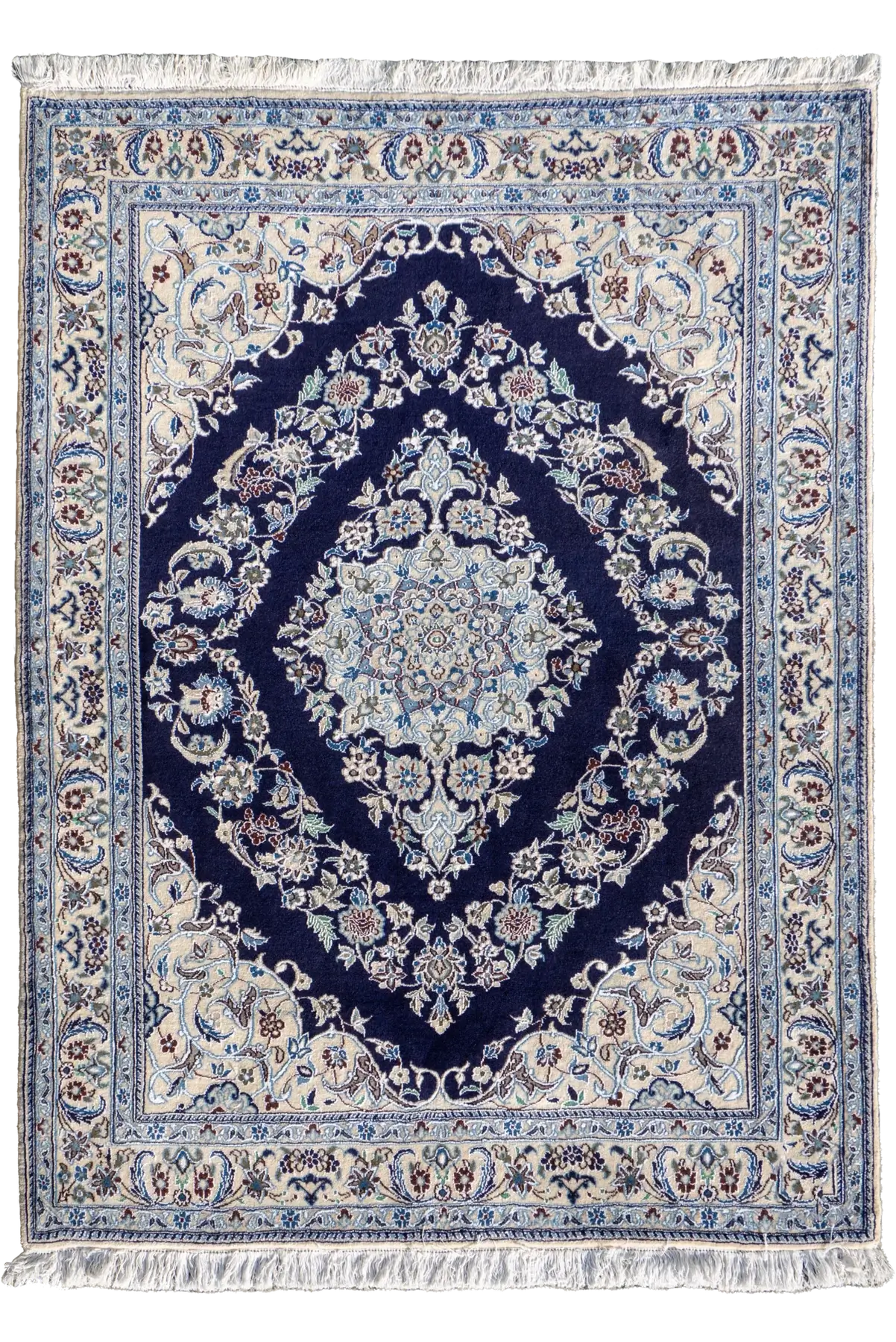
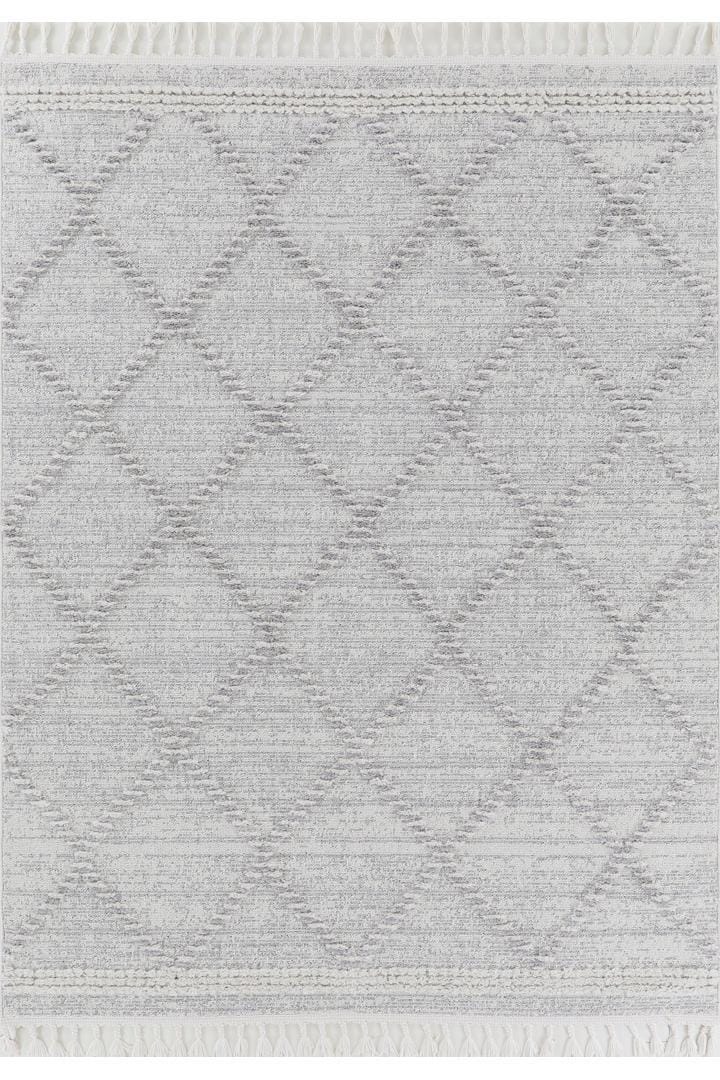
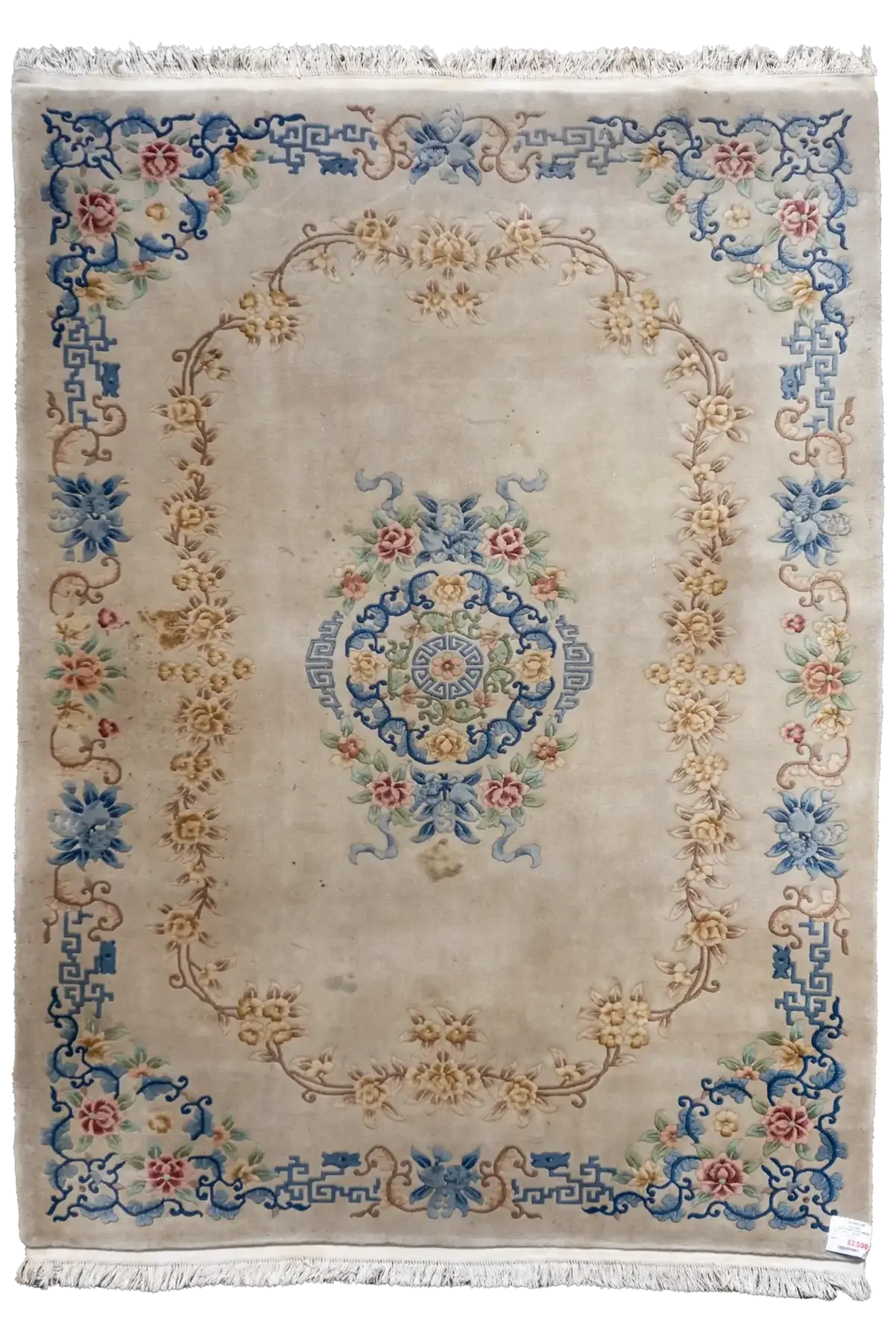
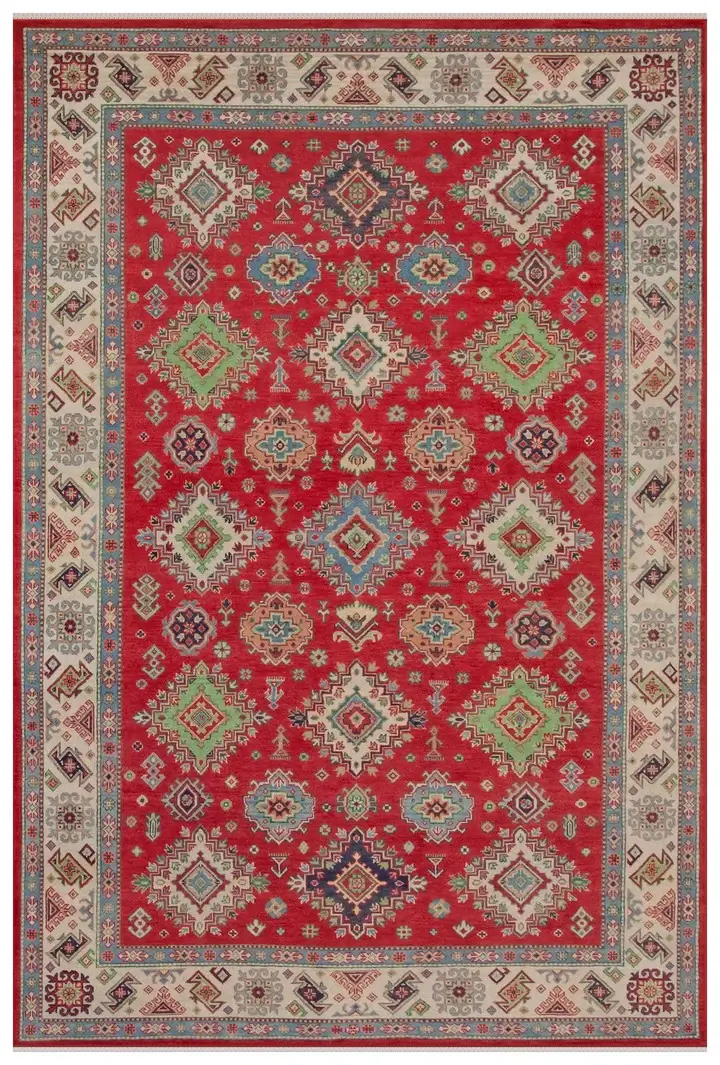
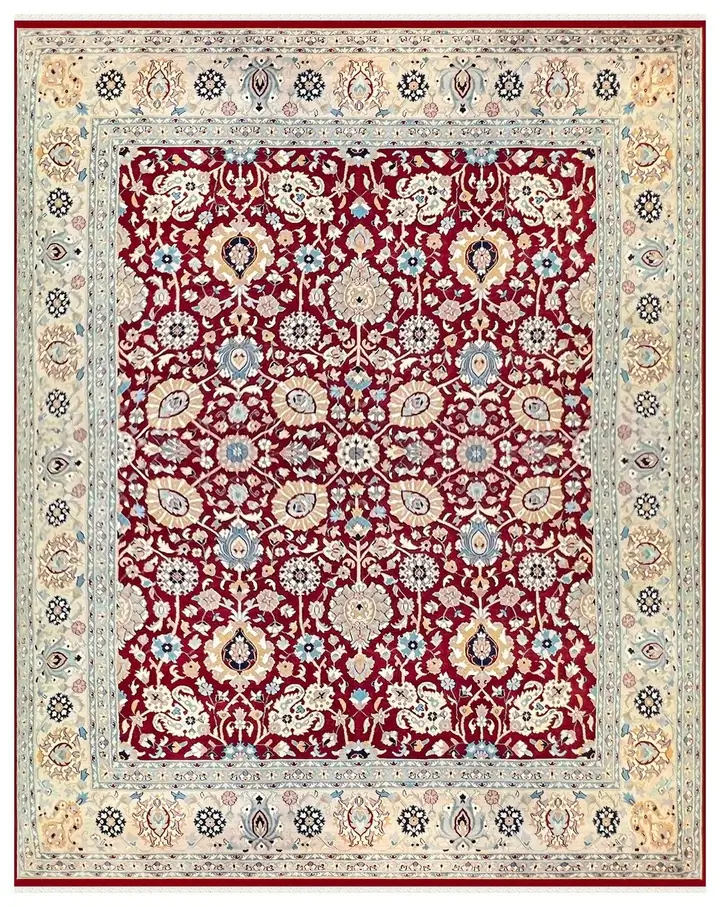
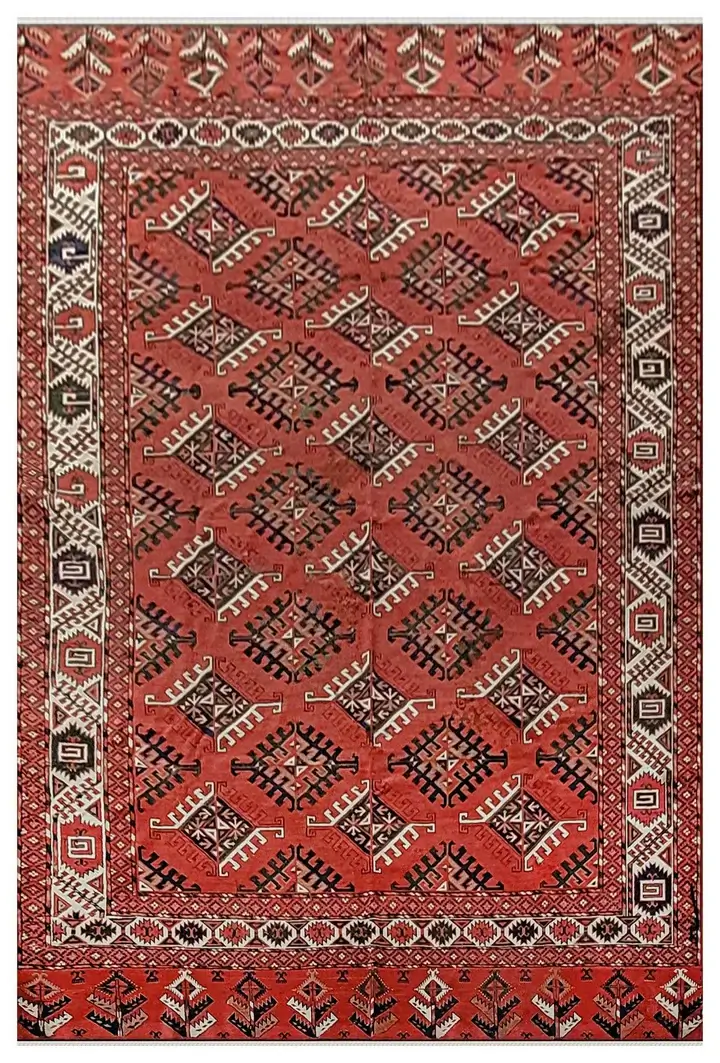
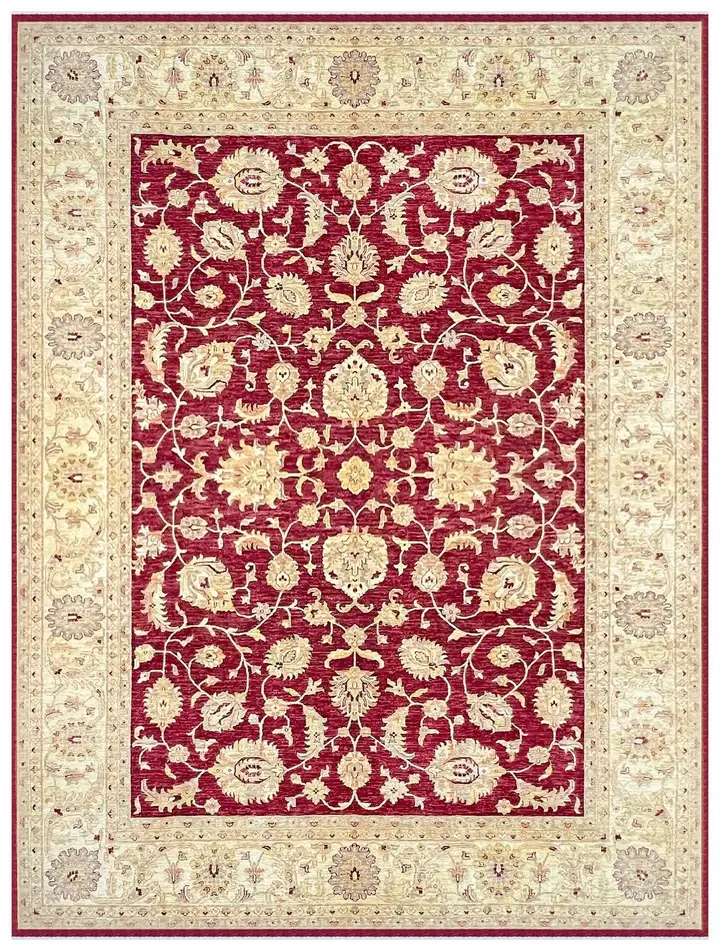
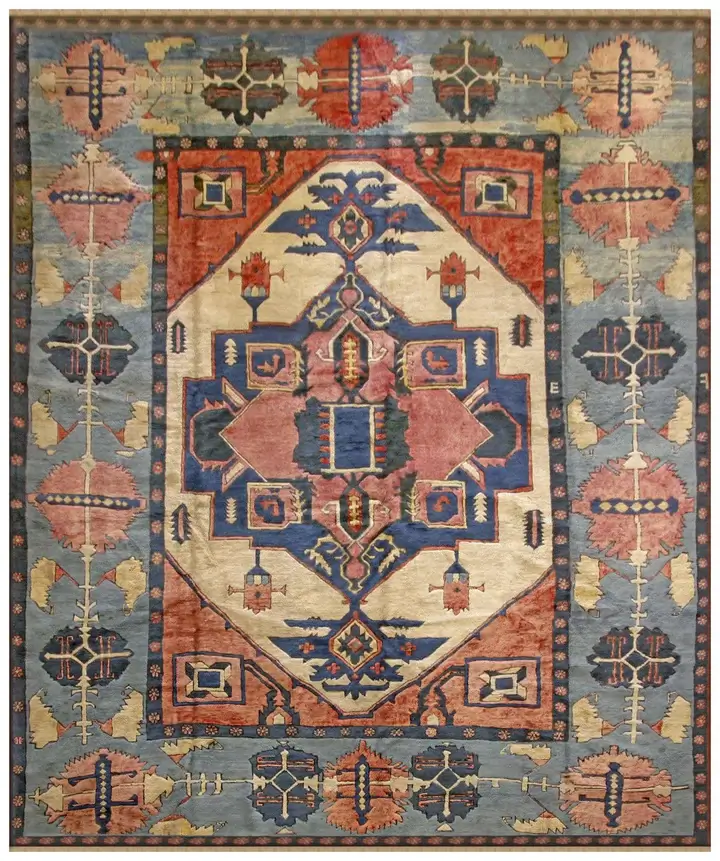
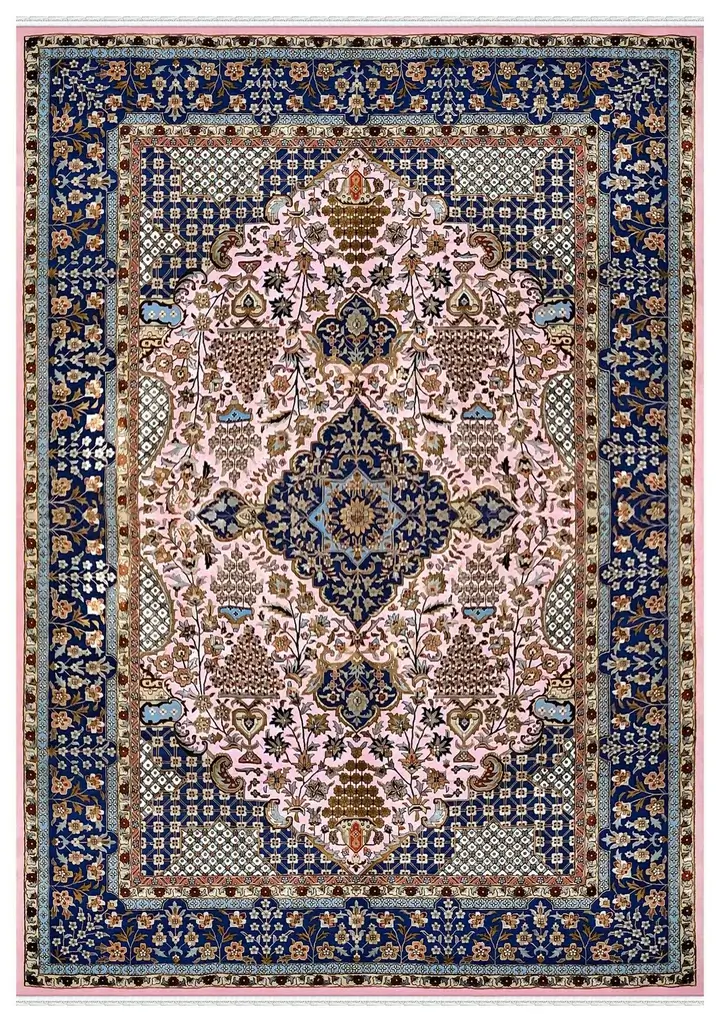
From Persian heirlooms to everyday synthetics. Twenty rug types, each hand washed to a method matched to its fibre and construction. Never a one-size clean.
- 29 years on rugs only
- IICRC-certified technicians
- Washed at our Yatala facility
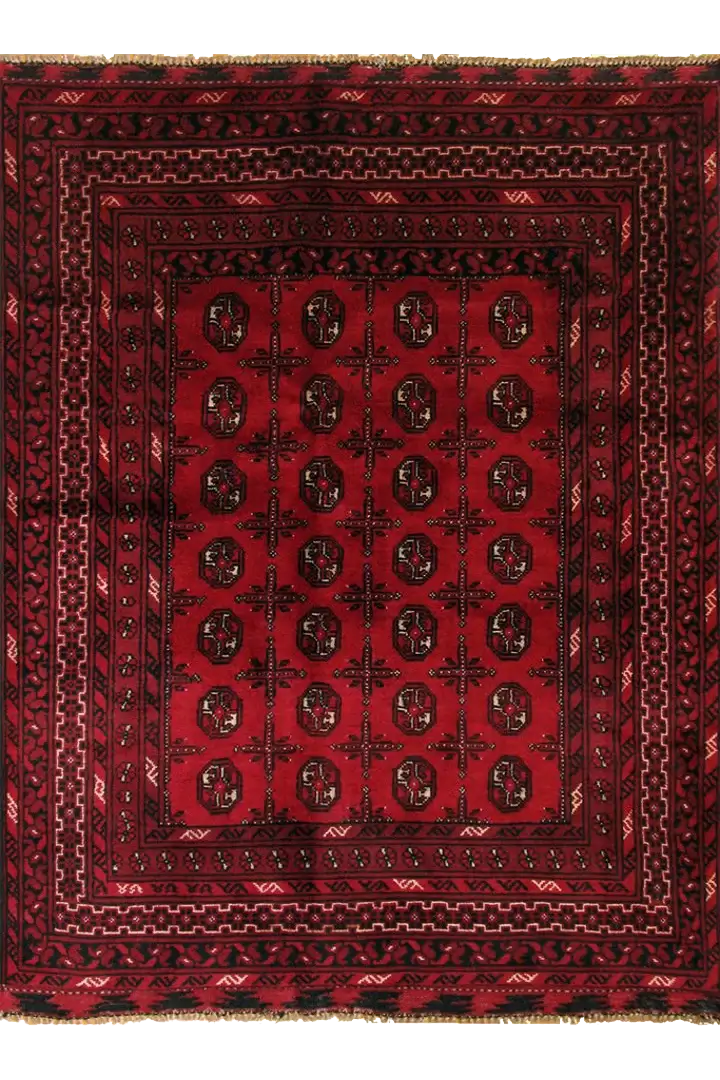







Collected on the same day as Peachester
These sit on the hinterland run, worked out from the foothills in order.
Peachester questions, answered plainly
When is the right time to have a rug washed out here?
Before it looks like it needs it, which is the opposite of what most people do. Soil at the knot line cuts fibre continuously, so the rug that still looks reasonably good is the one where a wash returns the most. Once the wear is visible some of it is permanent.
How is the cost for a Peachester rug decided?
By the rug and nothing else. What it is made of, how big it is, how it was built and how it has held up. The address is irrelevant and the drive out here is our cost. The figure quoted at inspection is the figure charged, with nothing added afterwards.
The rug came out of the homestead and is older than anyone here. Can it be washed?
Usually, and the checking is what tells us. Age by itself rules nothing out. Two things decide it: whether the backing has held its strength, and whether the colour was set reliably at the time it was made. The reverse of the rug answers the second in under a minute and the first is a matter of handling it.
The dog has urinated on the rug near the fire more than once. Is it salvageable?
Generally yes. Urine goes into the foundation quietly and only announces itself once the weather warms, which is why it usually gets left too long. Immersion lifts the deposit out and enzymes break down the source of the smell. Any damage to the colour below is pointed out to you before the wash, not discovered after it.
Do you collect from Beerwah, Wootha and Crohamhurst too?
All three, plus Bald Knob, Landsborough and Mooloolah Valley, on the same hinterland day. Blocks out here are spread out, so sending rugs together with a neighbour helps everybody, and each rug after the first has $20 off applied to it.
There is a musty smell in the back room after every wet stretch.
Check the underside of the rug rather than the face. Creek-flat moisture keeps the base of a pile damp long after the room feels dry, and that is where the smell starts and where growth follows. At the smell stage a single wash clears it. After growth appears it becomes a treatment job as well.
Get your free quote today
Tell us about your rug and we’ll take it from there. Free pickup and delivery, and an honest assessment before any work begins.