
907 millimetres in one day, 1893
Rug Cleaning Crohamhurst,
Where the Rain Got
Measured
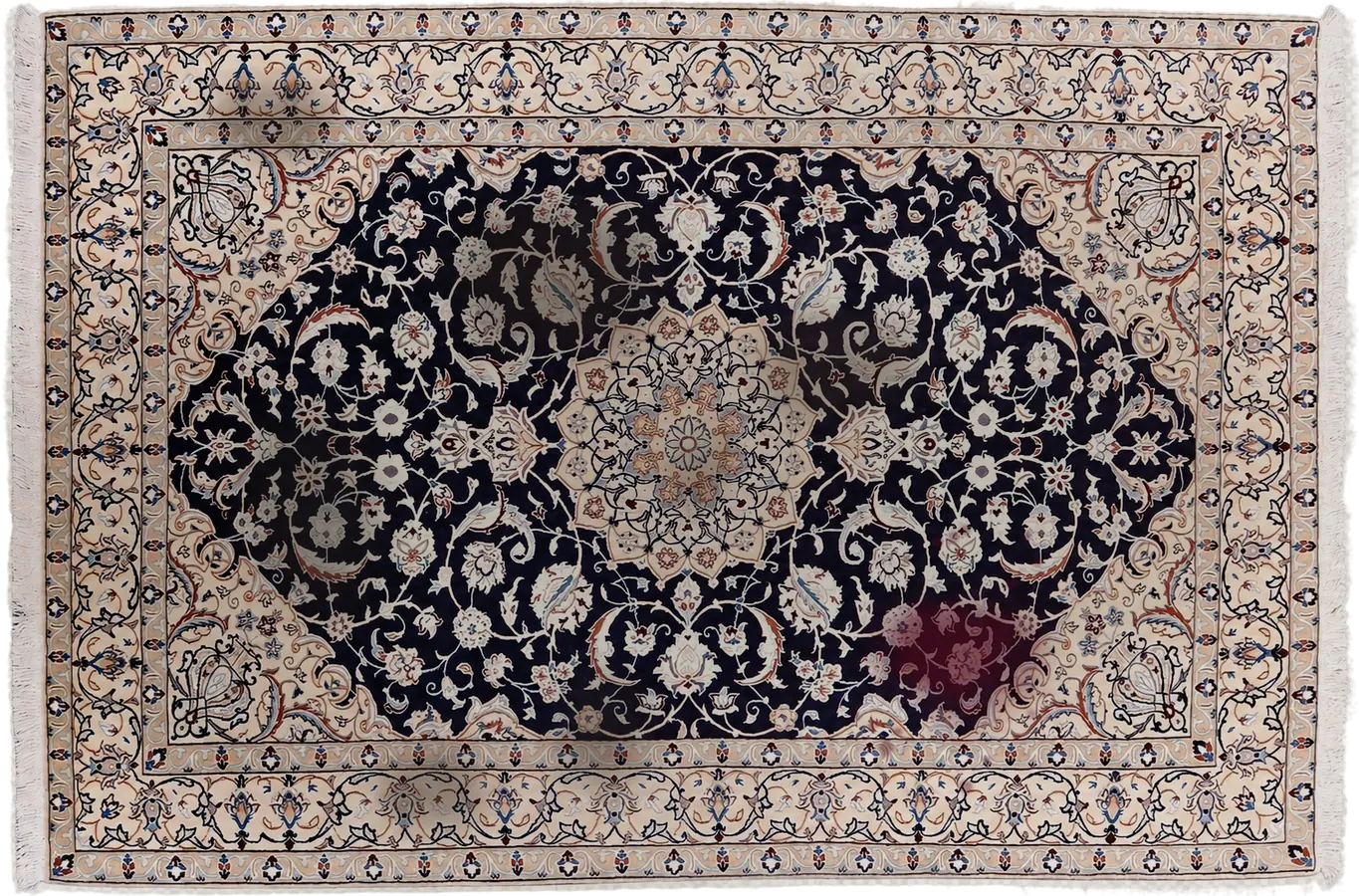
A national rainfall record was set here in 1893 and it still stands. This district knows what real wet does. A rug is lowered into the bath at Yatala, the water is measured out and replaced, and it dries to a reading rather than a guess.
- Safe for delicate and handmade rugs
- 48-hour express service available at additional cost
- Free pickup and delivery on the hinterland run day
Reveal the Clean
Watch it clean automatically, then take control.
experience
 Expert care
for your rugs
 Free
pickup & delivery
 Trusted, licensed
and insured experts
turnaround
 Guaranteed
satisfaction
A measured figure for rugs off the Stanley River flat
The figure follows what we record, not what somebody guesses on the phone. The rug is read after collection, one number is set from those readings, and it holds. Where a wash will not deliver, that gets said before the work rather than after.
- 1Collected rolled at the gateOne stop on the planned hinterland day
- 2Recorded, then quotedOne figure, taken from the readings
- 3Lowered into the bath at YatalaWater measured out and replaced each cycle
- 4Back in about 7 daysDried to a reading, groomed and rolled
Get an honest assessment
No obligation · free pickup & delivery · we reply next business day
Rug washing Crohamhurst, under the Glass House range
A name carried from one country to another
Crohamhurst is 20.5 square kilometres, 13.8 kilometres northwest of Beerwah, 34.7 kilometres west of Caloundra and 89.3 kilometres north of Brisbane, sitting at about two hundred metres. Most of its southern boundary is marked by the Stanley River, and the northern edge adjoins Glass House Mountains National Park. Owen and Emilie Jones settled this stretch of foothill country and named their farm Crohamhurst after a property they knew in Surrey, England, and the name carried from the farm to the locality that grew around it. Population was 203 at the 2011 census, 217 in 2016 and 219 in 2021. Wootha, Maleny, Bald Knob and Peachester sit around it, and homes here are small acreage and rural-residential blocks in the shadow of the Glass House Mountains rather than up on the escarpment itself.
Nine hundred and seven millimetres in twenty-four hours, written down in 1893, and nowhere in Australia has beaten it since.
The record, and the man who kept measuring
During the passage of a cyclone in 1893, Crohamhurst recorded 907 millimetres of rain in twenty-four hours, the highest 24-hour rainfall ever recorded in Australia, and the figure has never been broken. Inigo Owen Jones, son of the family whose farm gave the district its name, went on to become a long-range weather forecaster and established the observatory here that still carries heritage listing today. That is a direct line from one extreme event to a lifetime spent writing down what the weather actually did. It is also a fair description of how a rug should be handled. Not a standard cycle applied to everything, but a set of readings taken off the piece in front of you, and a process built to those readings and recorded as it goes.
Foothill country that gets genuinely wet
The 1893 event was extreme even by this district's standards, but it points at a real pattern rather than a freak. This stretch of foothill country beneath the range catches heavy rain when it comes, and homes here carry the same working-farm character as Peachester and Landsborough nearby, timber farmhouses with wool rugs that see real paddock dust and river-flat damp. What that combination does to a rug is unhurried and thorough. Moisture holds in the foundation for long stretches, soil binds to it rather than sitting loose, and neither leaves without water and a drying room. Hanging a wool rug out in this district is a decision made in hope, and hope is not a method we use on anything. The rug goes somewhere the drying can be set and then checked, which is the only version of this that holds up in a district with these numbers.
Our Sunshine Coast office, and the room the drying is measured in
Our Sunshine Coast office
Premier Rug Cleaning Sunshine Coast
A service area is what the listing shows, and there are no premises behind it. No washing happens in the foothills or anywhere on the Coast. Our driver comes out to the property and the work itself is done at Yatala.
Down the range and along the motorway
Those kilometres are our problem, not yours. Crohamhurst goes on one planned day with Peachester and Bald Knob, and a window follows as soon as the route is settled.
A Surrey name, a national record and a school
A small district with one very large number in it.
Crohamhurst takes its name from the farm established here by Owen and Emilie Jones, who named it after a property in Surrey, England.
A name carried across the world from one specific English property to one specific Queensland farm is exactly the kind of particular detail we bring to a rug rather than treating it as generic stock.
Owen and Emilie Jones settled this stretch of the Stanley River foothills and named their farm Crohamhurst after a property they knew in Surrey, England, and the name carried from their farm to the locality that grew up around it. It is one of a scattered handful of English place names given to Blackall Range and foothill localities by settlers homesick for a landscape they had left behind.
In 1893 this district recorded 907 millimetres of rain in a single day, the highest 24-hour rainfall ever recorded in Australia, and Inigo Owen Jones established the heritage-listed observatory here.
A district holding Australia's own rainfall record understands what sustained wet does to a rug over time, and immersion followed by properly controlled drying is built for exactly that.
During the passage of a cyclone in 1893, Crohamhurst recorded 907 millimetres of rain in twenty-four hours, a national record that has never been broken since. Inigo Owen Jones, born into the family whose farm gave the district its name, went on to become a long-range weather forecaster and established the observatory here that still carries heritage listing today, a direct line from one extreme weather event to a lifetime spent studying weather patterns.
Crohamhurst State School opened on 21 July 1913 and closed on 14 October 1960, serving this small Stanley River community for nearly half a century.
A community this small and this settled gets an honest assessment and a full wash on the hinterland run like everywhere else, with every rug treated on what it actually needs.
With the Stanley River marking most of its southern boundary and Glass House Mountains National Park adjoining it to the north, Crohamhurst has stayed a genuinely small foothill community, 203 residents in 2011, 217 in 2016 and 219 in 2021, its own state school running for forty-seven years before closing in 1960. It borders Peachester directly, itself part of the same hinterland foothill country.
What customers say about Crohamhurst
Rated 4.9 ★ from 8 customersaround Crohamhurst, collected directly from our customers after every clean.
Crohamhurst first, then the wider hinterland
The first cards are from these foothills. The larger figure is every customer across the whole operation.
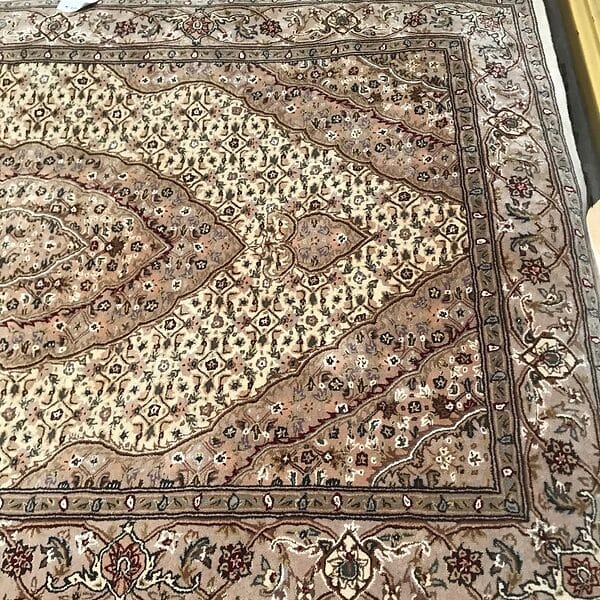
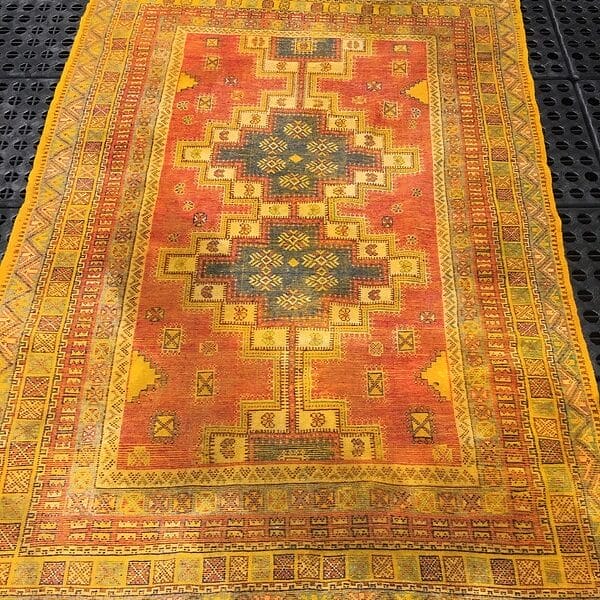
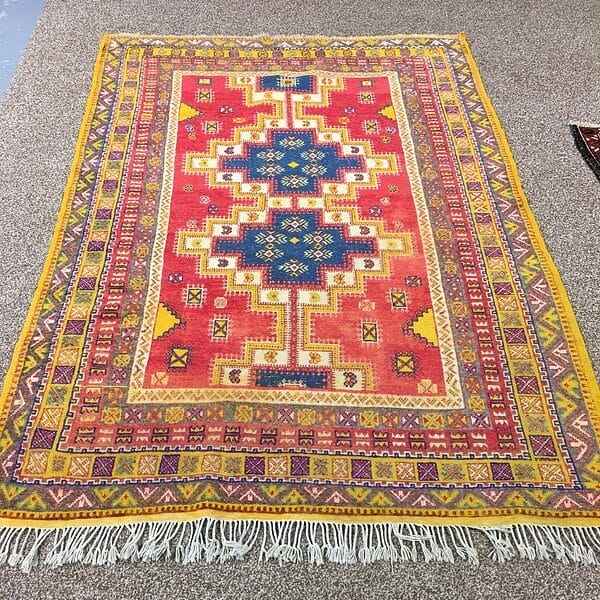
Every weave.
Every origin.
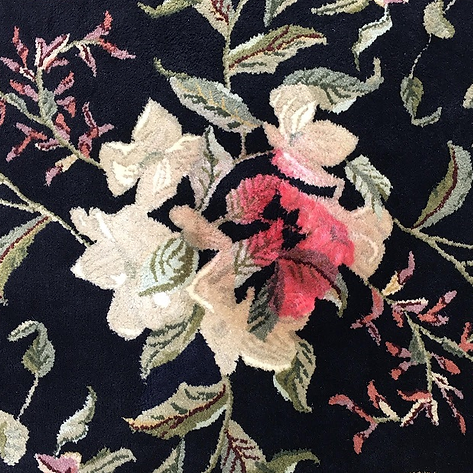
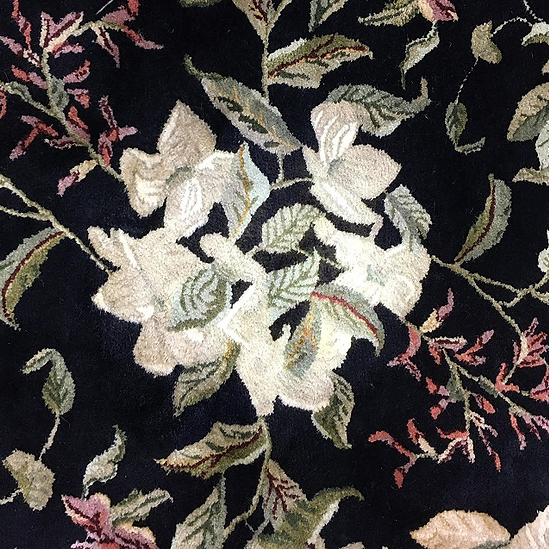
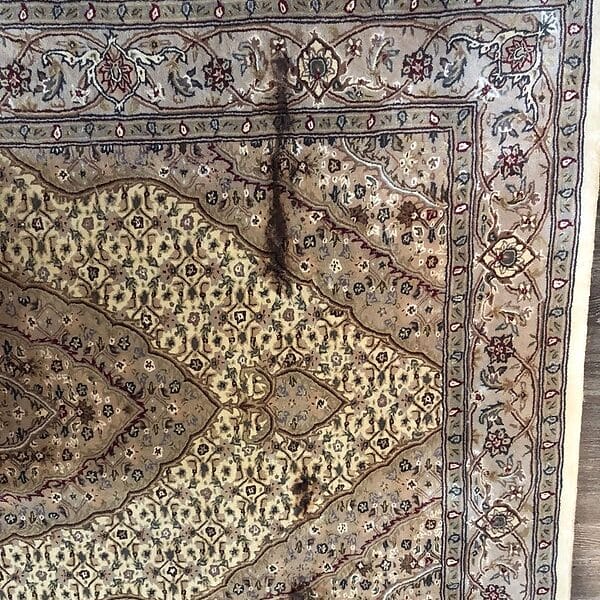
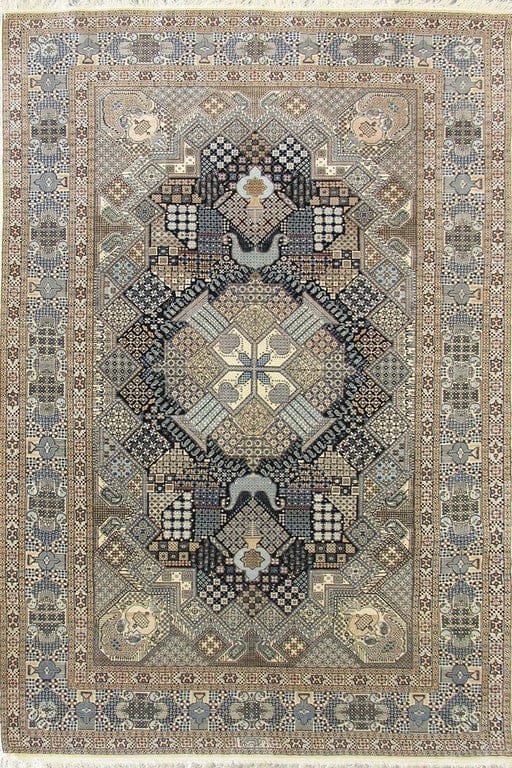
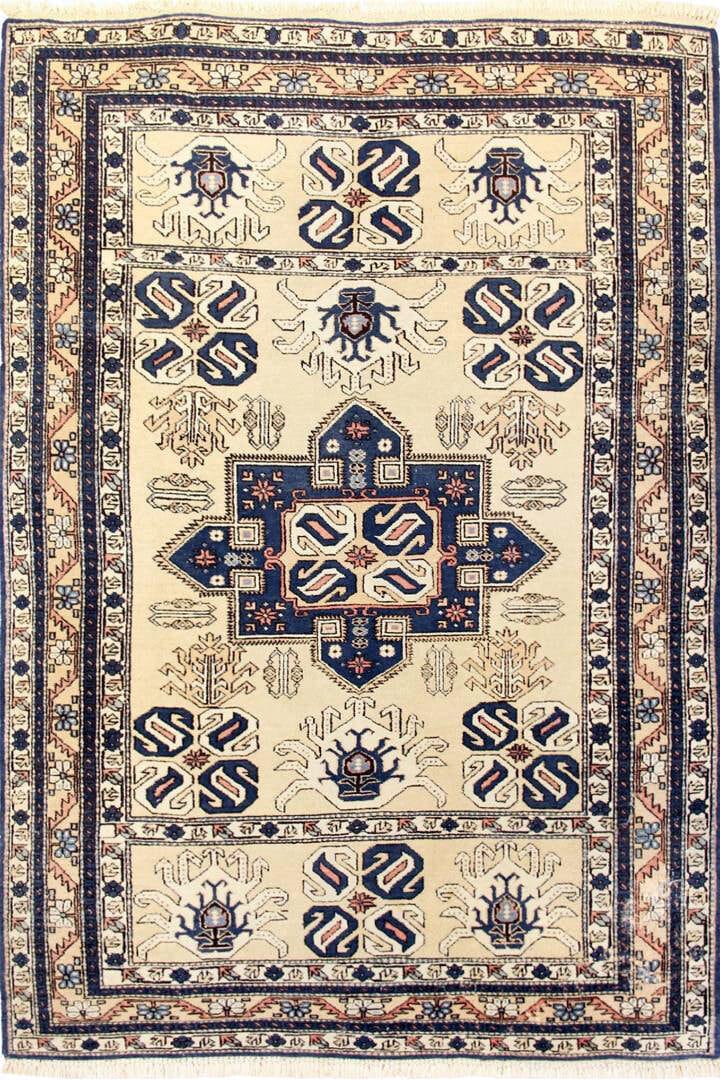
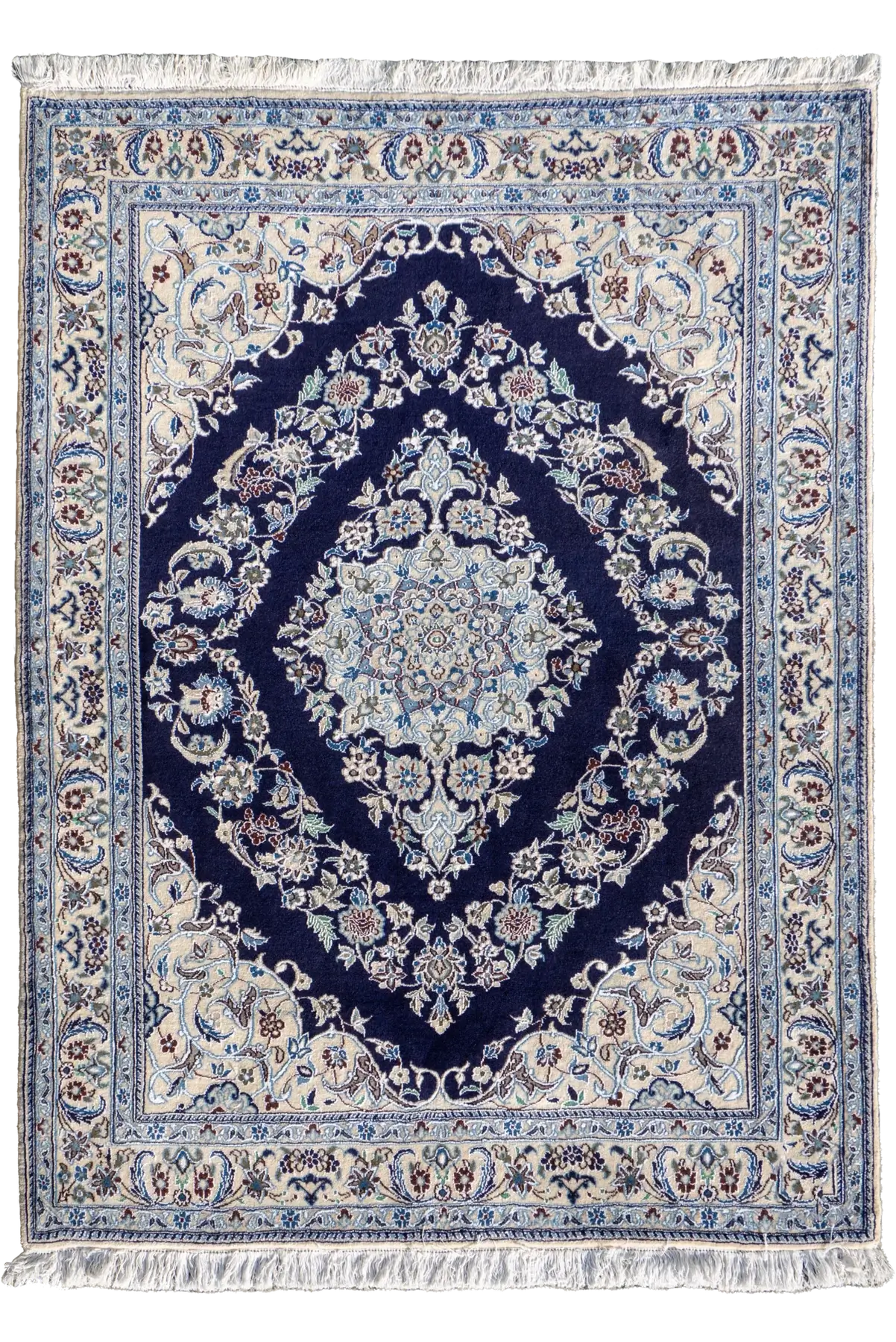
From Persian heirlooms to everyday synthetics. Twenty rug types, each hand washed to a method matched to its fibre and construction. Never a one-size clean.
- 29 years on rugs only
- IICRC-certified technicians
- Washed at our Yatala facility
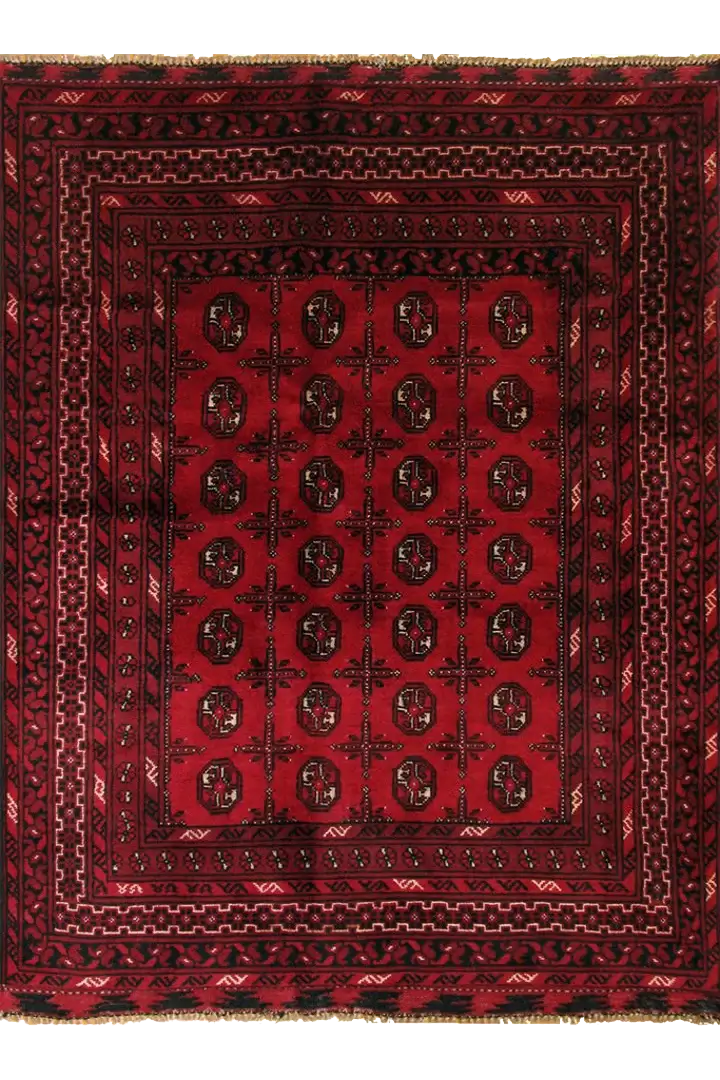

Collected with Crohamhurst
The foothills and the range villages above them.
Crohamhurst questions, answered plainly
Do you come out to the foothill blocks here?
Yes, on the hinterland run day that also takes in Peachester and Bald Knob. It is around eighty-five minutes each way and that is our cost to carry. Collection and delivery are both included, and the drive does not enter the quoted figure.
How is the number arrived at?
From readings taken off the rug after collection. Fibre, construction, size, dye behaviour and moisture content all get recorded, and one figure follows from them. It is set at inspection rather than on the phone, and it does not change afterwards.
After a genuinely wet week the rug smells and never seems to dry. Is that fixable?
It is the district's standard problem. Moisture holds in the foundation for long stretches here and the soil bonds to it, so airing the rug in the same weather does very little. The wash removes both, and the drying room finishes the rug to a measured reading rather than to somebody's judgement.
A dog urinated on the rug near the heater. Can that be taken out?
In most cases yes. Urine dries into the foundation, and in a district with this rainfall the humidity reactivates it regularly. The bath lifts the soluble part away, an enzyme stage clears what makes the smell, and any dye the acid has already altered is recorded and shown to you first.
Do you also collect from Peachester, Maleny and Bald Knob?
Yes, and from Wootha and Landsborough on the same day. Two properties can put rugs on a single stop, which neighbours out here often organise between themselves, and every rug after the first is $20 off.
How long will the rug be away?
About 7 days from the gate and back to it. Where a date genuinely cannot shift, the 48-hour express service is available for an added cost. Both end with drying measured to a reading, which in this rainfall is the part that decides whether the wash lasts.
Get your free quote today
Tell us about your rug and we’ll take it from there. Free pickup and delivery, and an honest assessment before any work begins.