
A few streets beside 900 hectares of bush
Rug Cleaning Karawatha,
on the Forest's
Edge
Most of Karawatha is forest and the rugs know it: pollen, bush dust and the dog's daily gifts all settle in the pile. We collect rolled, wash deeper than the dust, and return everything dry.
- Safe for delicate and handmade rugs
- 48-hour express service available at additional cost
- Free pickup on the M1 corridor run
Reveal the Clean
Watch it clean automatically, then take control.
experience
 Expert care
for your rugs
 No-hassle
pickup & delivery
 Trusted, licensed
and insured experts
turnaround
 Guaranteed
satisfaction
A complete quote for the forest's few streets
A suburb of 337 people gets the same process as one of thirty thousand: proper inspection, one figure, and the figure holds.
- 1The driver collects the rolled rugRolled at your Karawatha door on the run day
- 2Inspection and an honest quoteThe load read truly, one figure named
- 3Hand washed at YatalaImmersed whole, worked by hand
- 4Home again in about 7 daysBack up the corridor, dry at the backing
Get an honest assessment
No obligation · free pickup & delivery · we reply next business day
Rug cleaning for homes the bush looks into
A handful of streets, honestly counted
Karawatha covers 8.6 square kilometres on Brisbane's southern boundary, about 22 kilometres south-east of the CBD, and most of it is not houses at all: the great majority of the suburb is bushland. The 2021 census counted 337 residents, up from just 19 in 2016, as a small estate pocket builds out on the edge of the trees. The homes are recent and large, family houses backing onto or looking at bush, plus some longer-held acreage properties, and there is no school, no shop and no centre inside the suburb; residents borrow all of it from Kuraby, Stretton and Browns Plains, and they seem to like the arrangement. What the suburb lacks in shops it carries in hardworking rugs, and the corridor run brings our van to every one of them. The forest sets the terms here, and the service adapts to them.
The suburb is mostly forest, and the rugs know it.
Karawatha Forest, the reason the suburb exists
Karawatha Forest covers about 900 hectares and is described by Brisbane City Council as one of its largest and most significant bushland reserves, running from sandstone ridges to wetlands and heath, with council records crediting it with Brisbane's highest diversity of frog species, including the vulnerable wallum froglet and the tusked frog. Walking tracks cross the whole reserve, with a creekside picnic area at the Illaweena Street entrance on the southern side, and since February 2016 the Discovery Centre at the Acacia Road entrance has turned the forest into a destination, its interactive exhibits and nature playground drawing school groups and weekend families from across the southside. The suburb exists around the forest, not the other way round, and its name fits: Karawatha is an Aboriginal word recorded as meaning a place with pine trees, adopted after the area's former name, Berrinba, moved across the boundary to the Logan side.
What 900 hectares breathes into a rug
Living beside that much bush means living with what it breathes out: pollen in spring, fine dust through the dry months, damp air off the wetlands through summer. All of it drifts indoors and settles into rug pile, where humidity binds it below the reach of any vacuum, and new-build homes add their own construction dust while the estate pocket finishes building out. One appointment answers the whole mixture: every layer flushed, the forest's contribution leaving with the rinse water, and custody ending when the backing reads dry. The M1 runs past the forest's shoulder, which keeps this little suburb an easy stop on the southern run.
Our Brisbane office, and the tubs a short corridor away
Our Brisbane office
Premier Rug Cleaning and Washing - BrisbaneLevel 1, Suite 475/241 Adelaide St
Brisbane City QLD 4000
Adelaide Street looks after enquiries and quotes. The washing happens at Yatala, for every suburb, every time.
A short hop down the corridor
Karawatha sits close to the corridor, so pickups schedule without strain. The run absorbs the travel at both ends, and your window arrives with the day's confirmed list.
A forest, a centre and a borrowed name
The bush is the main character here.
About 900 hectares of bushland, one of Brisbane's largest natural reserves.
Forest-edge homes collect forest-edge grime: pollen, dust and paw prints. The Yatala bath takes all of it out of the pile, and the rug comes back completely dry.
The forest covers about 900 hectares and is described by Brisbane City Council as one of its largest and most significant bushland reserves, running from sandstone ridges to wetlands and heath. Council records credit it with Brisbane's highest diversity of frog species, including the vulnerable wallum froglet and the tusked frog, and walking tracks cross the whole reserve, with a creekside picnic area at the Illaweena Street entrance on the southern side.
The council's nature centre opened at the forest's edge in February 2016.
Plenty of southside families know Karawatha from a school trip. We know it from pickups: the M1 corridor is minutes away, which keeps this little suburb an easy stop on our southern run.
The Karawatha Forest Discovery Centre opened in February 2016 at the Acacia Road entrance and turned the forest into a destination for families across the southside. Inside are interactive exhibits, including a floor projection of a frog habitat; outside, a nature-based playground leads straight onto the walking tracks. For a suburb of a few hundred residents, Karawatha hosts a remarkable number of visiting school groups.
Karawatha wore the name Berrinba until that name moved across the boundary.
Brand-new homes beside old bushland is a mix we know well: first big rugs, construction dust, native pollen. An honest assessment tells you exactly what your rug needs before any work starts.
This corner of Brisbane was formerly known as Berrinba, a name that later transferred to the neighbouring locality on the Logan side, and the suburb took Karawatha instead, an Aboriginal word recorded as meaning a place with pine trees. For decades almost nobody lived here: the 2016 census counted 19 residents. By 2021 the estate pocket had lifted the count to 337, in a suburb that still has no school and no shops.
What customers say about Karawatha
Rated 4.8 ★ from 8 customersaround Karawatha, collected directly from our customers after every clean.
The forest edge reports, then the full tally
Cards above come from Karawatha's few streets. The totals below count every suburb we reach.
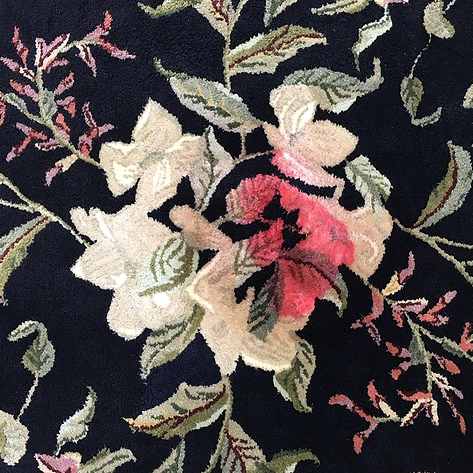
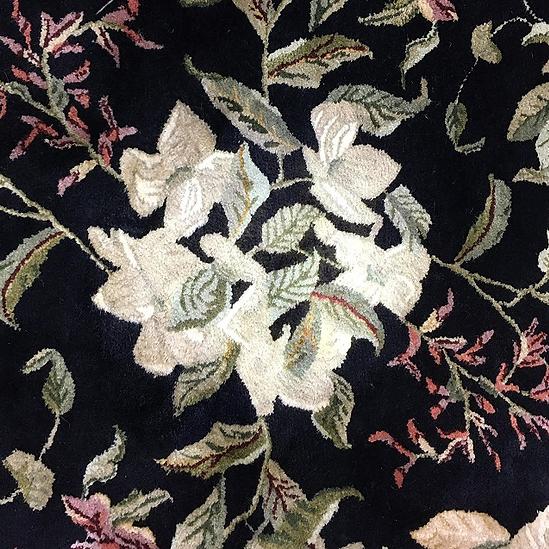
Every weave.
Every origin.
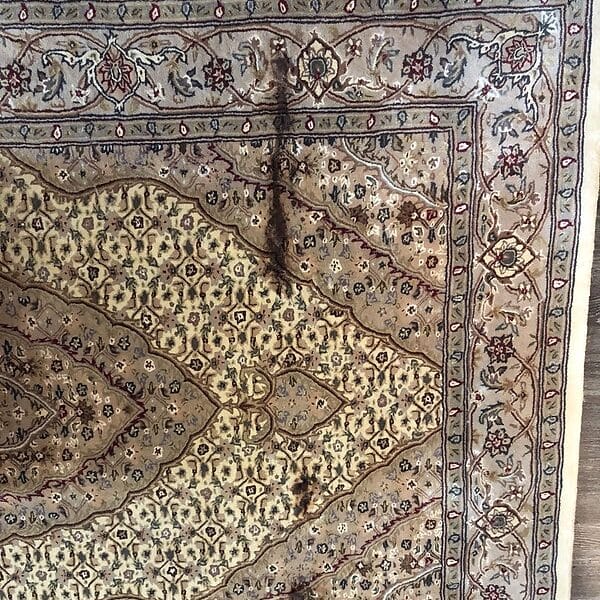
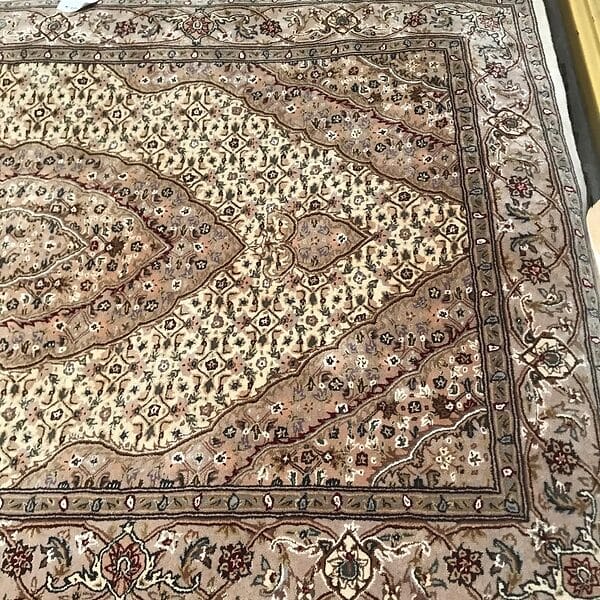
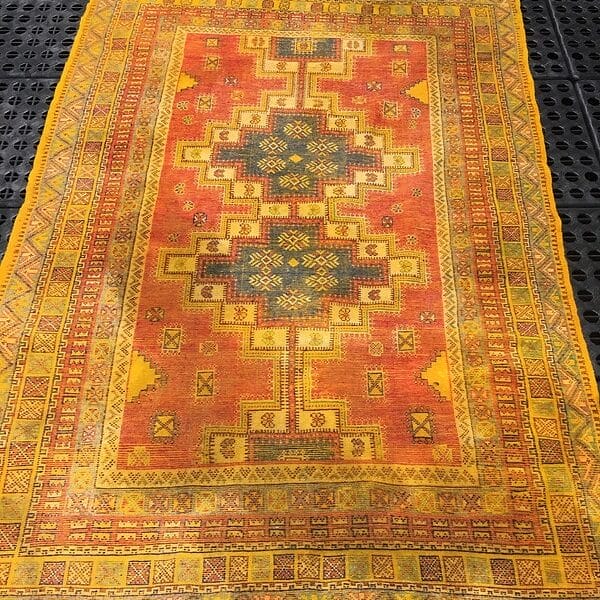
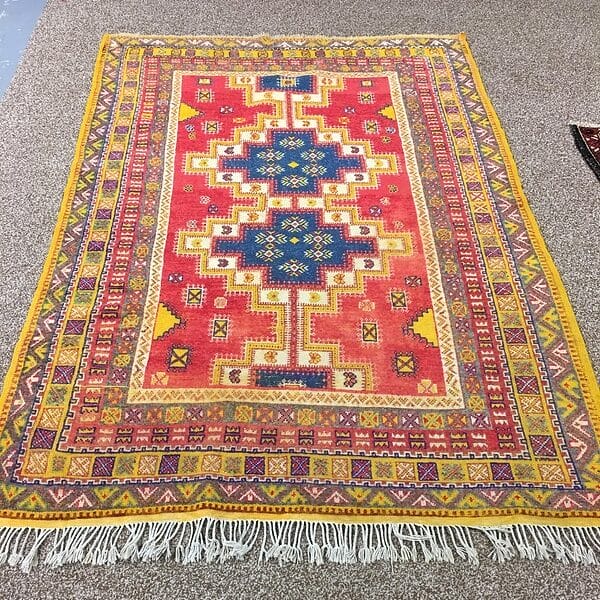
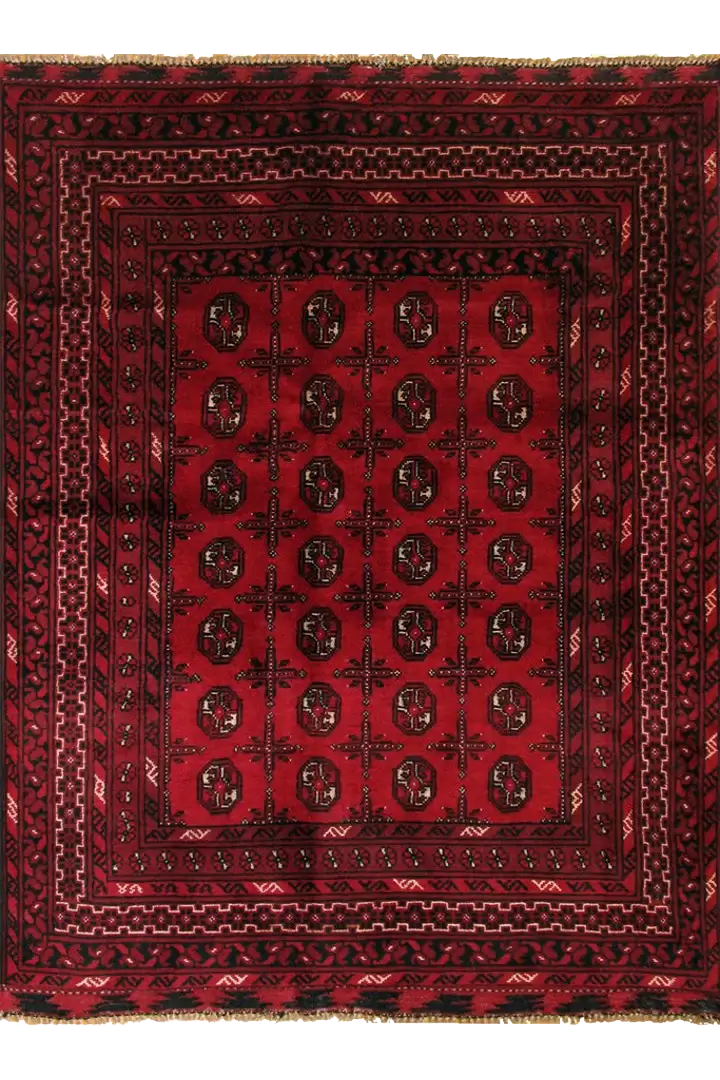
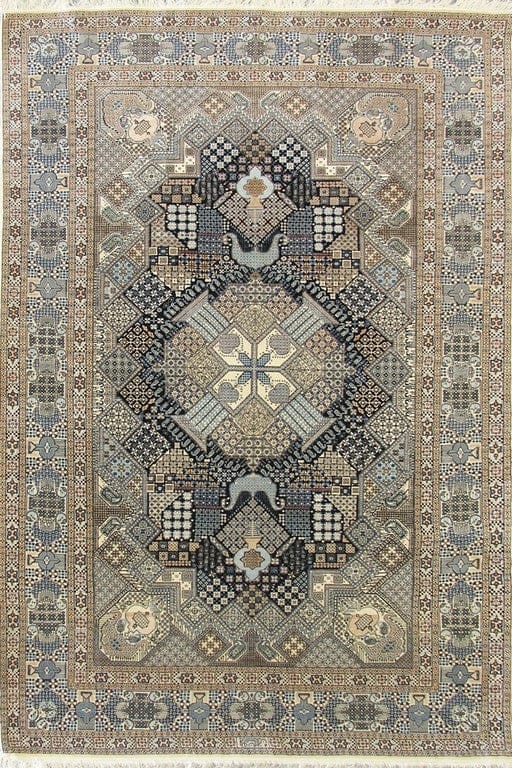
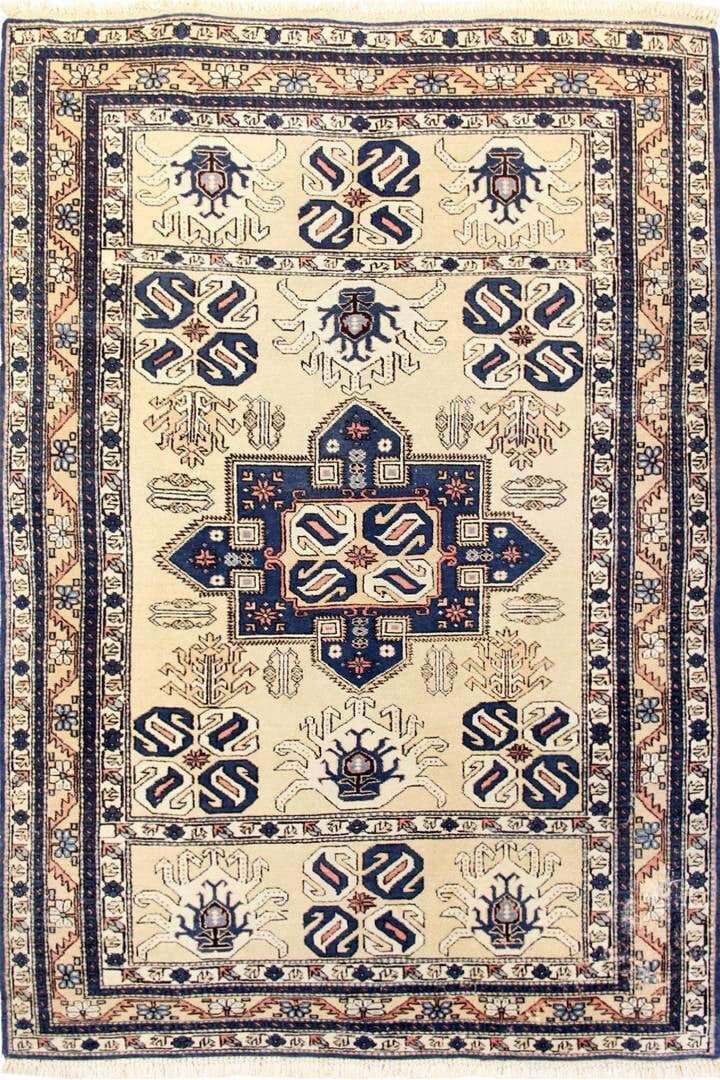
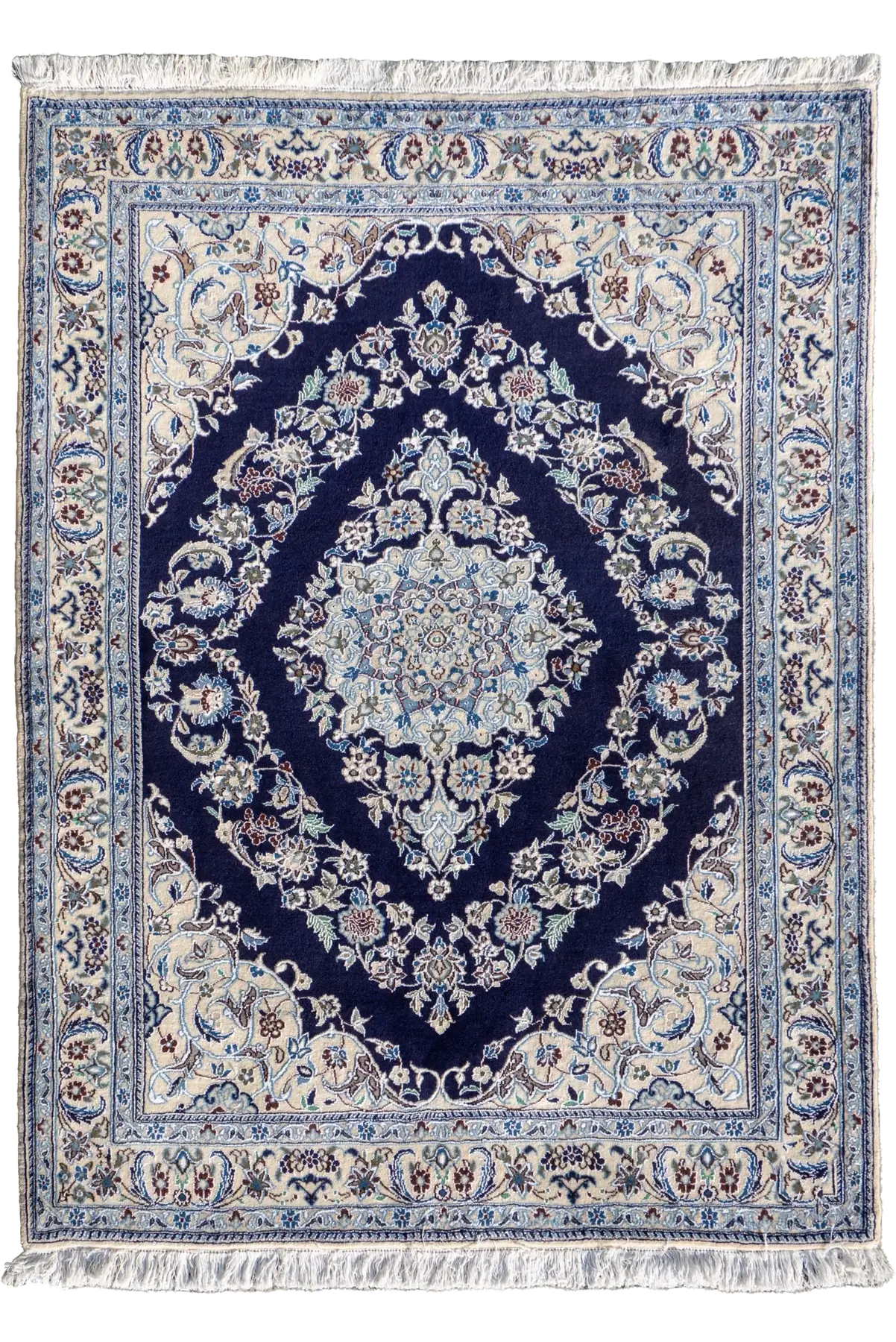
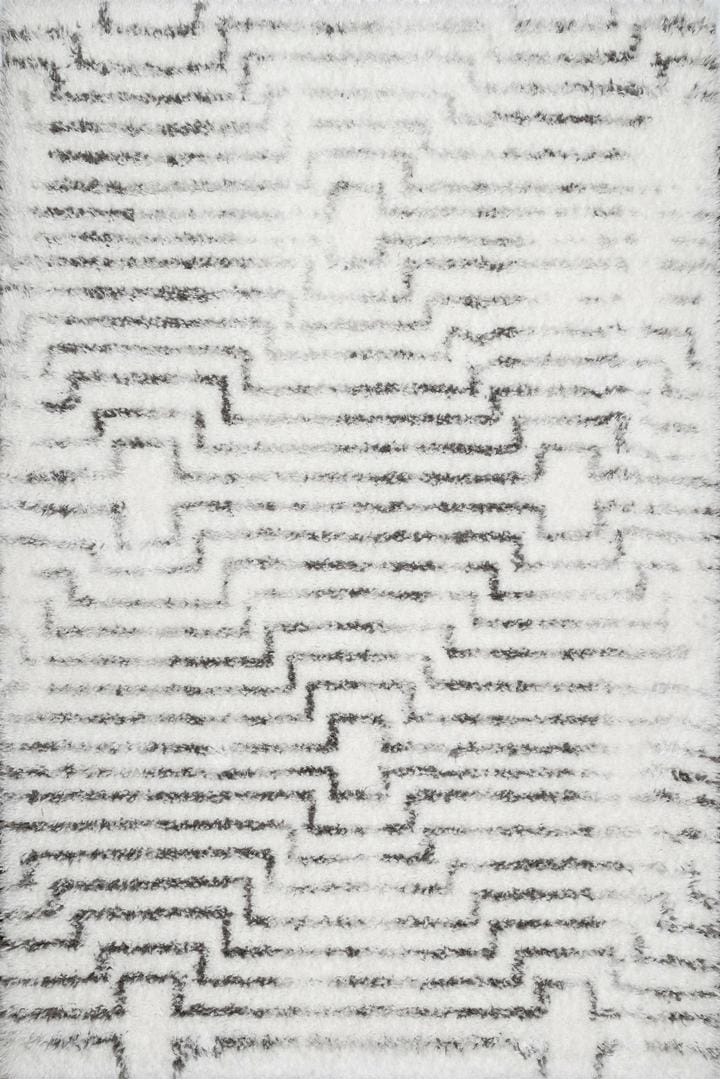
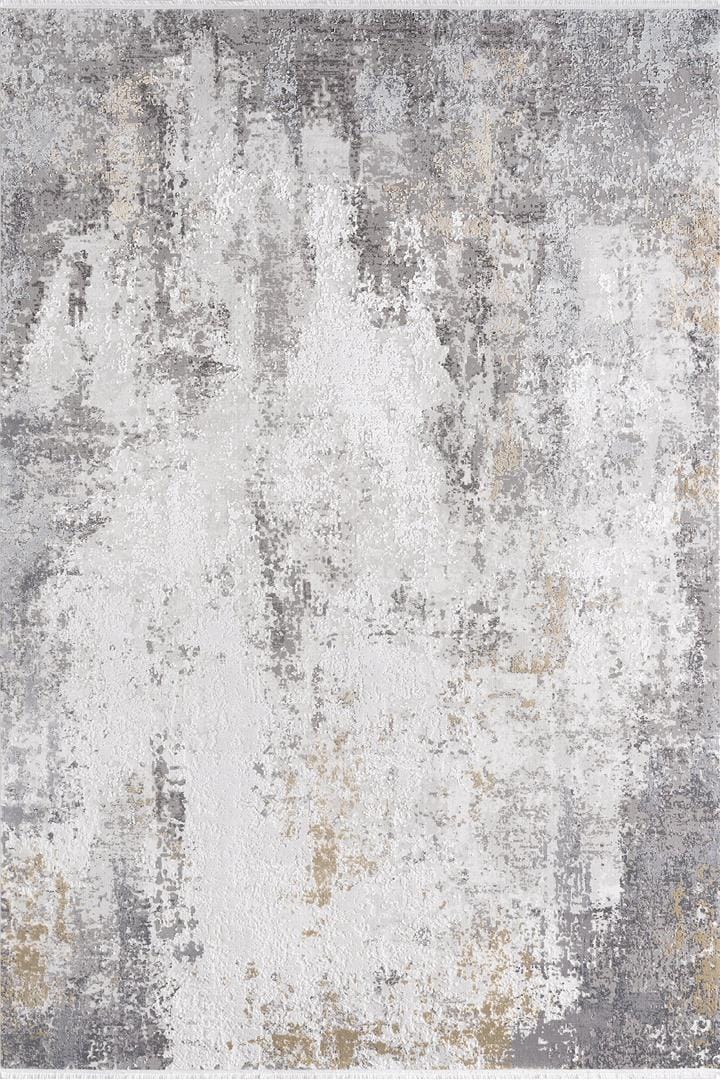
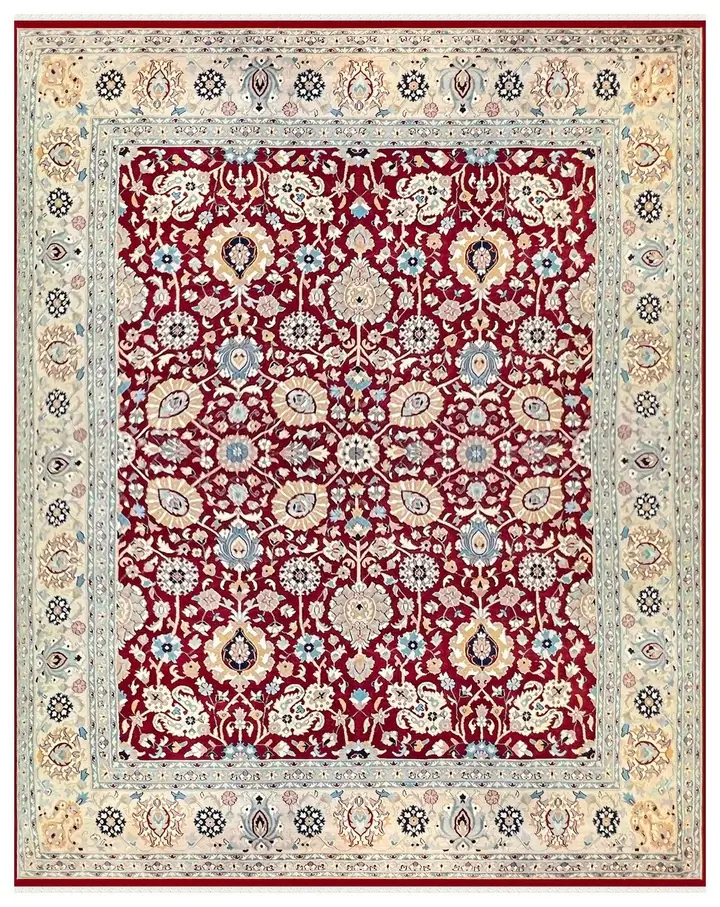
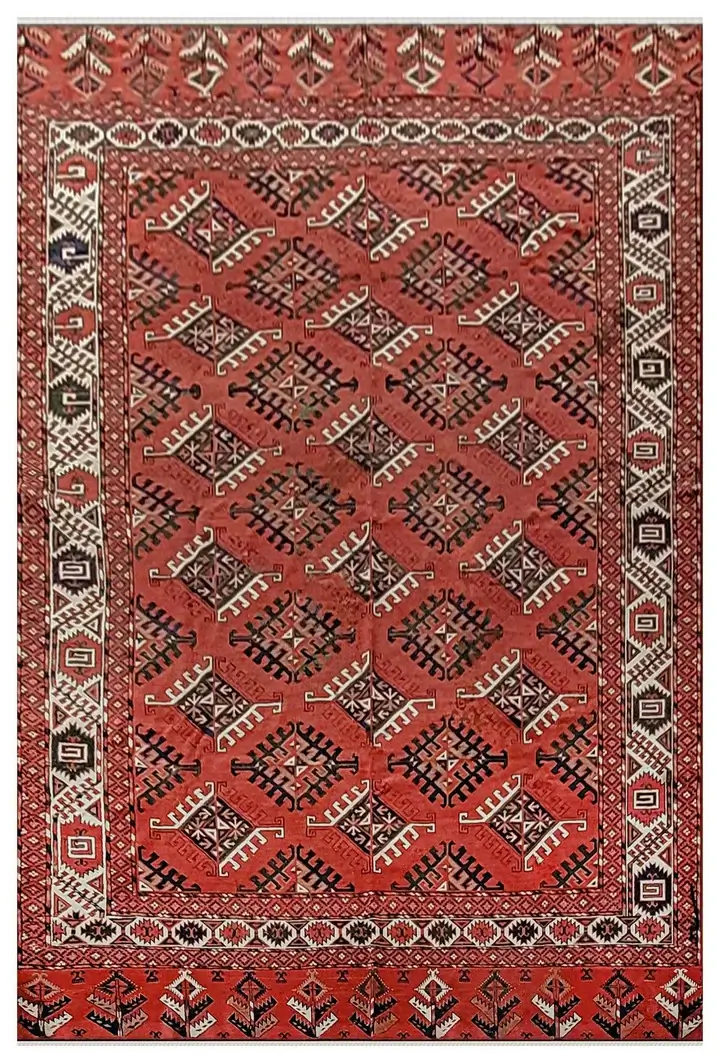
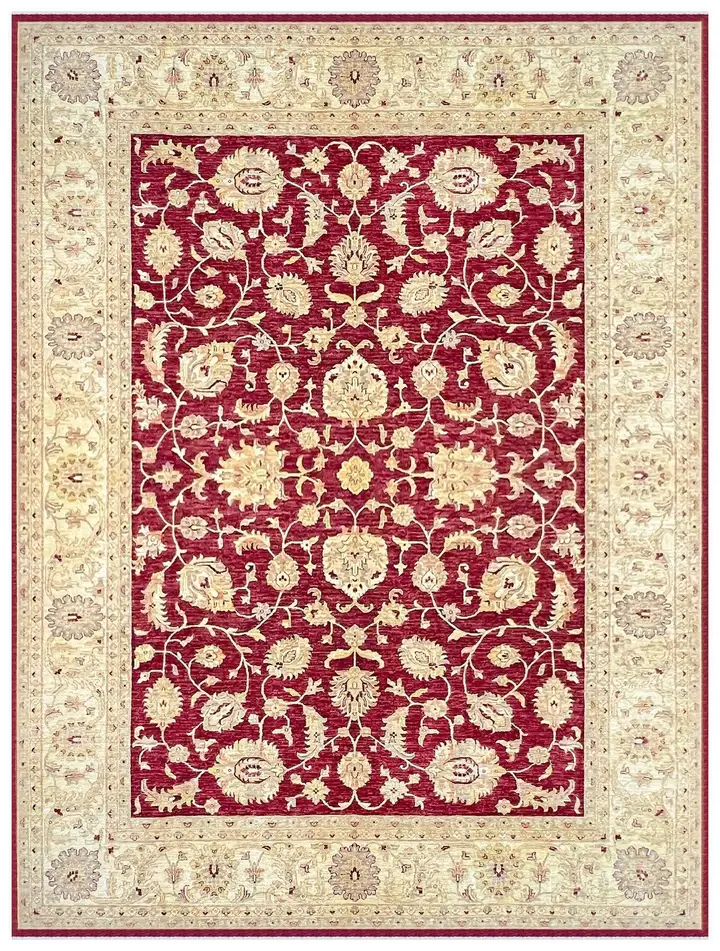
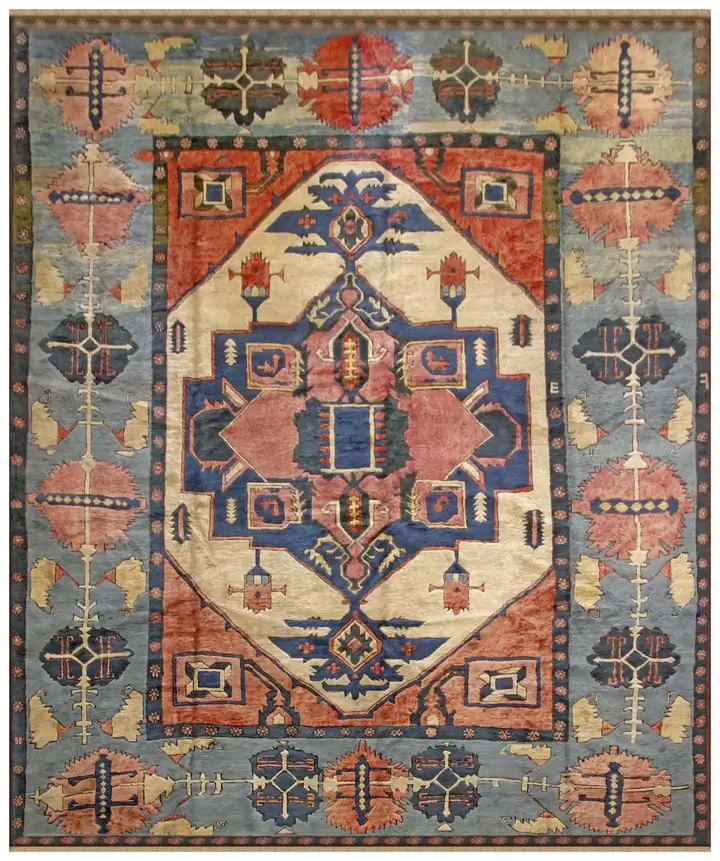
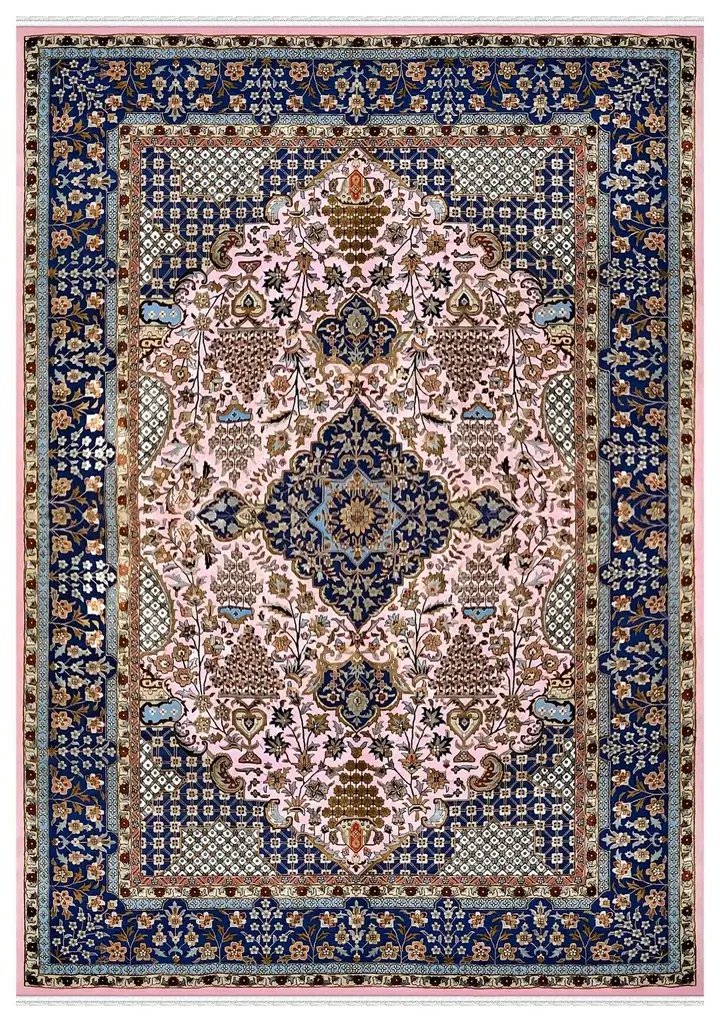
From Persian heirlooms to everyday synthetics. Twenty rug types, each hand washed to a method matched to its fibre and construction. Never a one-size clean.
- 29 years on rugs only
- IICRC-certified technicians
- Washed at our Yatala facility

Neighbours on Karawatha's run
The corridor day gathers these suburbs together.
Karawatha rug questions, forest-edge answers
Does a suburb this small really get full service?
Completely. Karawatha rides the M1 corridor run like its bigger neighbours, with free collection and return, the full Yatala bath, and the same drying standard. A suburb of 337 people sends fewer rugs, but every one of them gets the entire process.
How is rug cleaning priced here?
By the rug, at inspection: size, fibre and the true depth of the bush-edge load. The figure holds once issued, and a rug unlikely to reward the work is named at assessment rather than processed for the sake of it.
Why does our rug look dull when the house is new?
The forest, mostly. Pollen and fine bush dust drift indoors year round, settle below the pile surface and dull the colour from inside, and construction dust from the estate's newer stages adds to it. The bath lifts that layer from the foundation and the colour returns with it.
The dog brings the walking tracks home with him. Can the rug keep up?
With a proper wash schedule, easily. Mud, pollen and the occasional accident all settle in the pile, and the bath clears the lot: foundation flushed, enzymes applied where needed, and the rug dried right through. The protectant finish helps between washes.
Do Kuraby and Stretton share the same run?
Yes, the corridor day sweeps the cluster together. Bookings across households happen constantly, and $20 comes off each rug on the booking after the first.
Can we get a faster turnaround if needed?
Around a week is the ordinary journey, with the 48-hour express covering immovable dates at additional cost. Both endings match: a backing that reads dry, ready for the forest's next consignment.
Get your free quote today
Tell us about your rug and we’ll take it from there. Free pickup and delivery, and an honest assessment before any work begins.