
Mary River, 4552
Rug Cleaning Cambroon,
a District That Has Stayed
Small
The school closed in 1944 and the population has gone down rather than up. What has not changed is the work rugs do here. Yours is collected from the gate, put down into the water at Yatala, and comes back flat, dry and honest about its condition.
- Safe for delicate and handmade rugs
- 48-hour express service available at additional cost
- Free pickup and delivery on the range loop day
Reveal the Clean
Watch it clean automatically, then take control.
experience
 Expert care
for your rugs
 Free
pickup & delivery
 Trusted, licensed
and insured experts
turnaround
 Guaranteed
satisfaction
A plain figure for rugs off Mary Valley floors
A rug that has worked for twenty years deserves an honest look rather than a guess. We inspect after collection, quote once, and hold that figure, and we say straight out when a wash will not deliver what somebody is hoping for.
- 1Taken from the gate rolledOne stop on the planned range loop
- 2Looked over, then quotedOne figure, taken from this rug alone
- 3Down into the water at YatalaChanged and changed until it comes off clean
- 4Back in about 7 daysLaid flat in a controlled room, groomed, rolled
Get an honest assessment
No obligation · free pickup & delivery · we reply next business day
Rug washing Cambroon, on the upper Mary River
A locality that has been getting smaller
Cambroon is 37.5 square kilometres on the Mary River, 31.8 kilometres northwest of Maleny, 41.2 kilometres west of Nambour and about 133 kilometres north of Brisbane, sitting on the Maleny to Kenilworth road. The population was 373 at the 2011 census, 219 in 2016 and 211 in 2021. We state those three numbers as they were recorded and offer no explanation for the drop between the first two, because no source we could find accounts for it and inventing one would be worse than leaving the gap open. Kenilworth, Curramore and Conondale sit around it. What is here is genuine Mary Valley farming country, small holdings and larger rural blocks strung along the one road, and that is the whole of it. There is no centre to describe and we are not going to invent one.
A district can lose a school, lose half its census count and still fill a rug with exactly as much work as it ever did.
What is gone, and what is still going
The Cambroon school opened on 5 February 1923, became a state school on 1 December 1924, and closed for good in May 1944. There has been no school inside the locality since. Before any of that, J. D. MacTaggart took up the Cambroon pastoral run in 1855, and in 1887 sixteen thousand acres were resumed from it specifically to open small farms, which is the moment this stopped being one grazing lease and became a farming district. Those farms are what remains. A rug in a house out here has usually spent its life under a table or beside a wood heater rather than sitting for show, and it carries the evidence: paddock soil worked into the base of the pile, ash from the heater, and the general load of a floor that gets used rather than admired. None of that shows from standing height, which is the reason most people out here are surprised by the first wash water.
Low enough to miss the cloud, not the damp
Cambroon sits on the Mary River in the Conondale foothills, low enough to escape the Blackall Range's own cloud cap but still cold in the mornings and damp along the river flat for most of the year. That combination is harder on a rug than either condition alone. Cool air holds moisture against the floor overnight and the day does not always clear it, so a rug can sit slightly damp in its foundation for weeks without anything obvious happening. Immersion is what reaches that, because the moisture and the soil it is holding are both down at the base rather than on the surface, and the rug then dries flat in a room we control rather than on a farmhouse verandah that would put half of it straight back.
Our Sunshine Coast office, and the wash floor at the other end
Our Sunshine Coast office
Premier Rug Cleaning Sunshine Coast
The listing describes a service area rather than somewhere to visit. Nothing is washed on the Coast or in the valley. The van comes to the block and the work is done at Yatala.
The longest drive on the loop
The distance is ours and it changes nothing about the quote. Cambroon rides the range loop with Kenilworth and Conondale, and the window is confirmed once that day is set.
An 1855 run, a rainforest road and a closed school
A small district described exactly as small as it is.
Cambroon takes its name from the pastoral run established here in 1855 by J. D. MacTaggart, a name believed to come from an Aboriginal leader known at the time of first contact.
A name carried unbroken from an 1855 lease to the present is the sort of long thread we respect in a rug, one that has earned proper care rather than being written off for looking old.
J. D. MacTaggart took up the Cambroon pastoral run in 1855, part of the same wave of large runs that also produced neighbouring Kenilworth and North Kenilworth. The run's name is believed to derive from an Aboriginal leader known at first contact, carried forward into the locality that exists on this stretch of the Mary River today. In 1887, sixteen thousand acres were resumed from the original run specifically to open up small farms, the moment this became a farming district rather than a single grazing lease.
Booloumba Creek Road runs through Cambroon to the camping ground and Booloumba Falls walk in Conondale National Park, passing the remains of a 1920s gold mine on the way.
A district sitting at the edge of real rainforest carries that rainforest's damp deep into a rug, and full immersion is what draws exactly that sort of trapped moisture back out.
Booloumba Creek Road is Cambroon's own route into Conondale National Park, leading to the Booloumba Creek camping area and on to the Booloumba Falls walking track, which winds through rainforest past the clear creek and the remnants of a 1920s gold mine before reaching the falls themselves. The road puts Cambroon at the practical gateway to one of the range's genuine rainforest destinations.
Cambroon's own school opened in February 1923, became a state school the following year, and closed in May 1944, a modest run for a modest farming district.
A district that has genuinely stayed small, with nothing padded on top, still gets the same honest assessment and the same full wash as anywhere bigger on the loop.
The Cambroon school opened its doors on 5 February 1923 and was upgraded to state school status on 1 December 1924, before closing for good in May 1944. With no school of its own since, and none currently within the locality, Cambroon's honest story is a small farming community on the upper Mary River that has stayed small, its population moving from 373 in 2011 down to 211 by 2021 rather than growing the way the coast has.
What customers say about Cambroon
Rated 4.9 ★ from 8 customersaround Cambroon, collected directly from our customers after every clean.
Cambroon first, then the whole range loop
Those cards belong to this valley. The bigger figure takes in every household on every route the vans run.
Every weave.
Every origin.
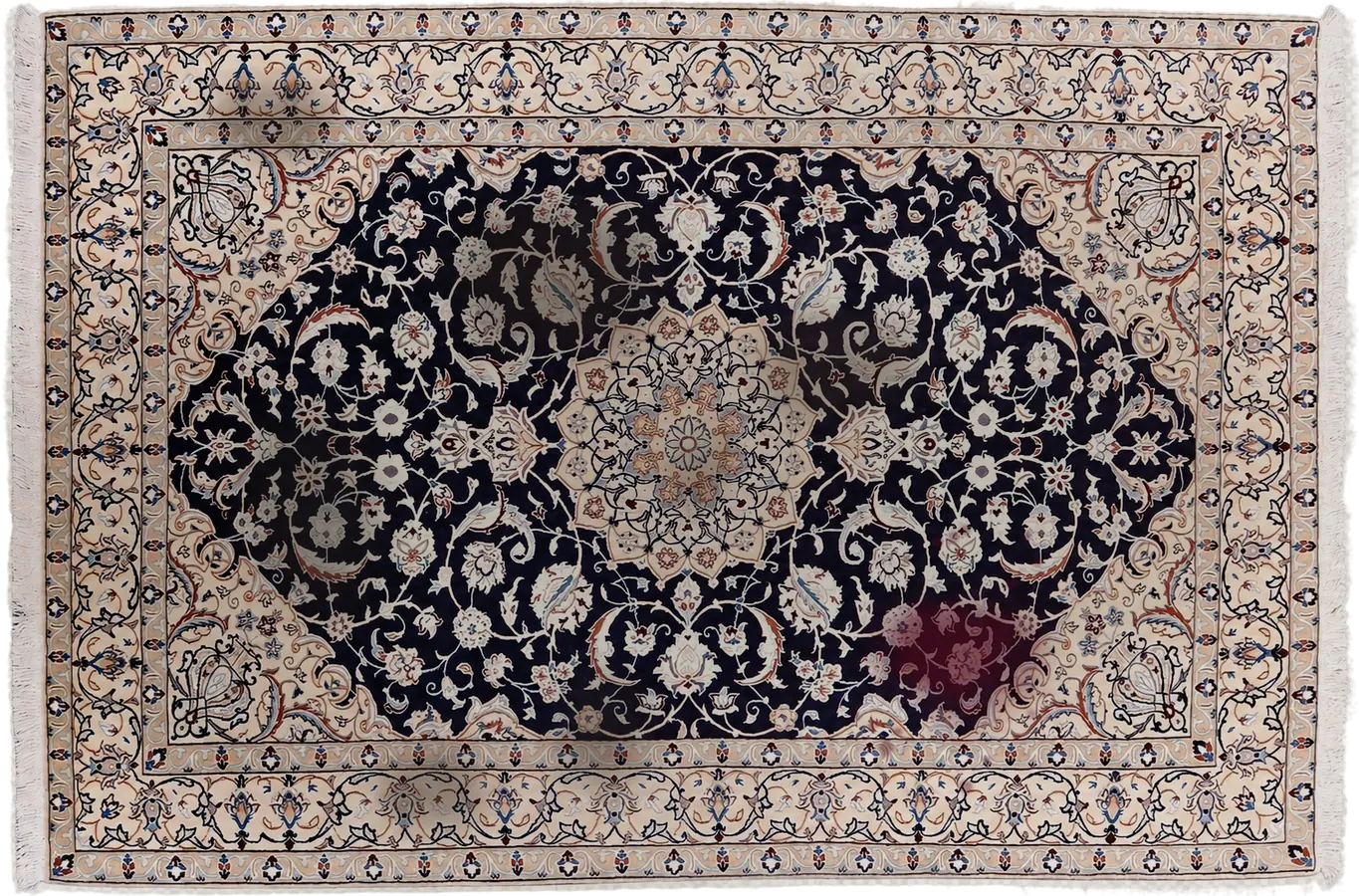
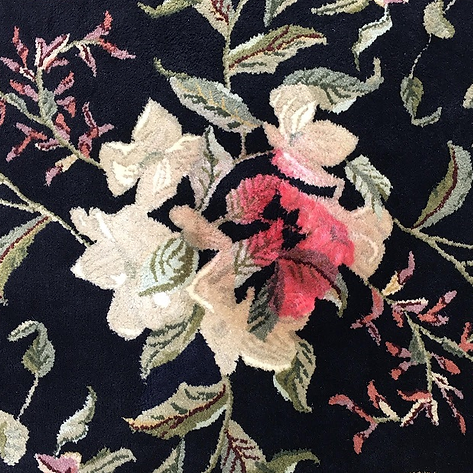
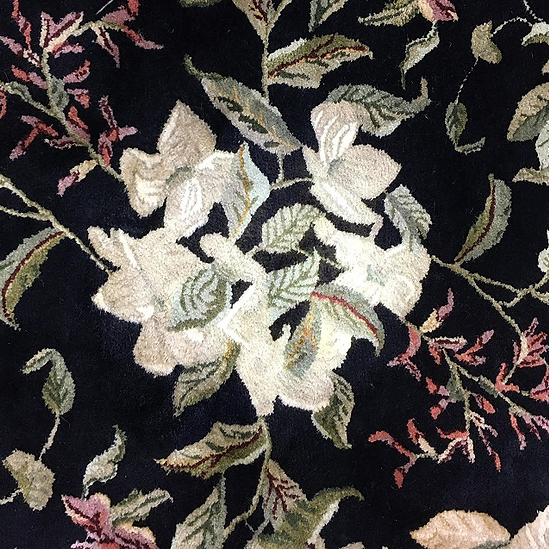
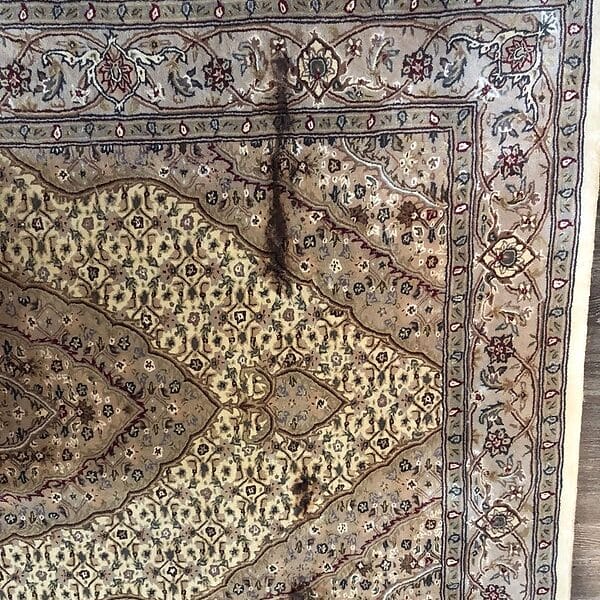
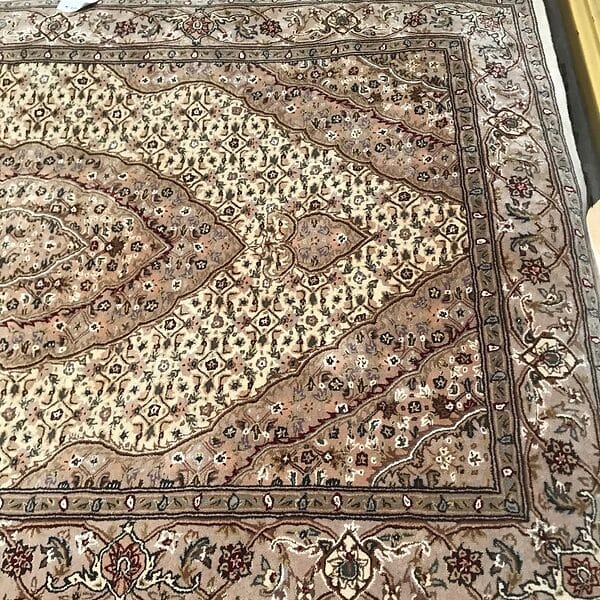
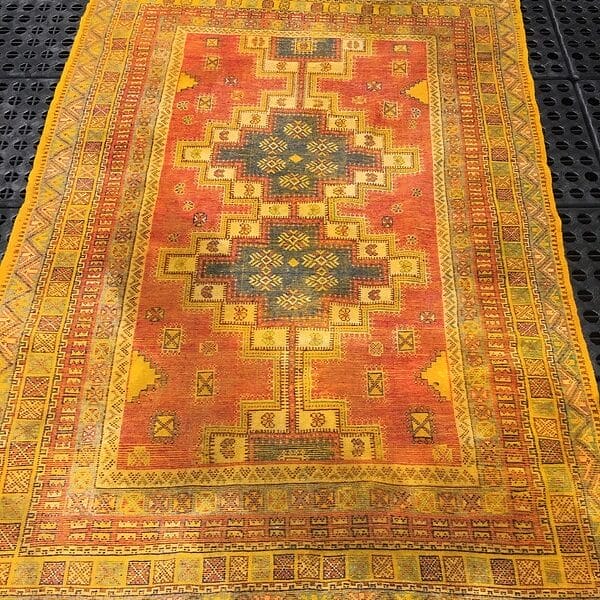
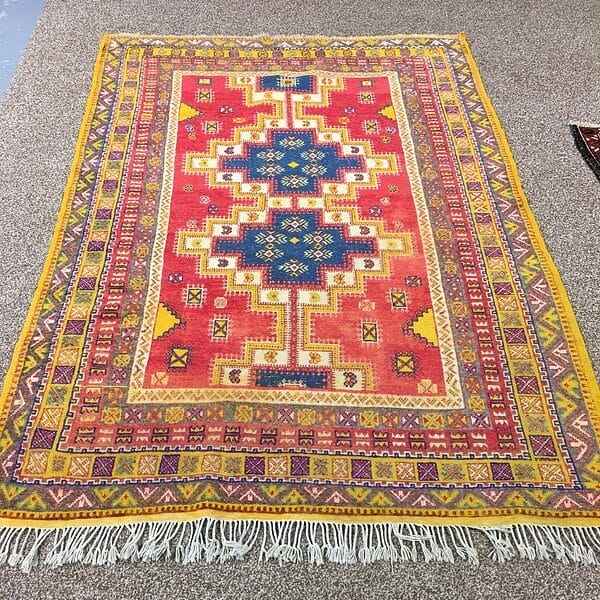
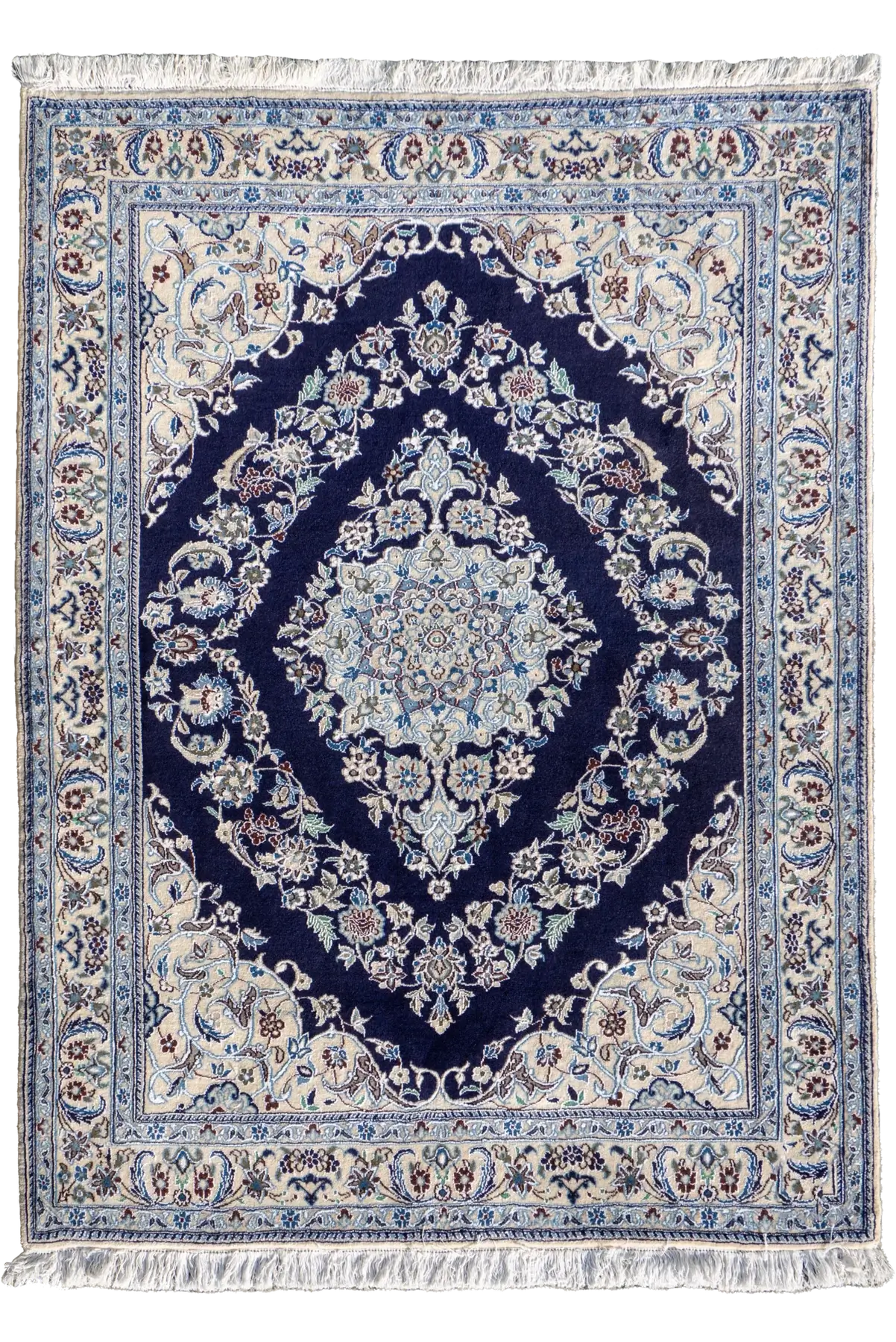
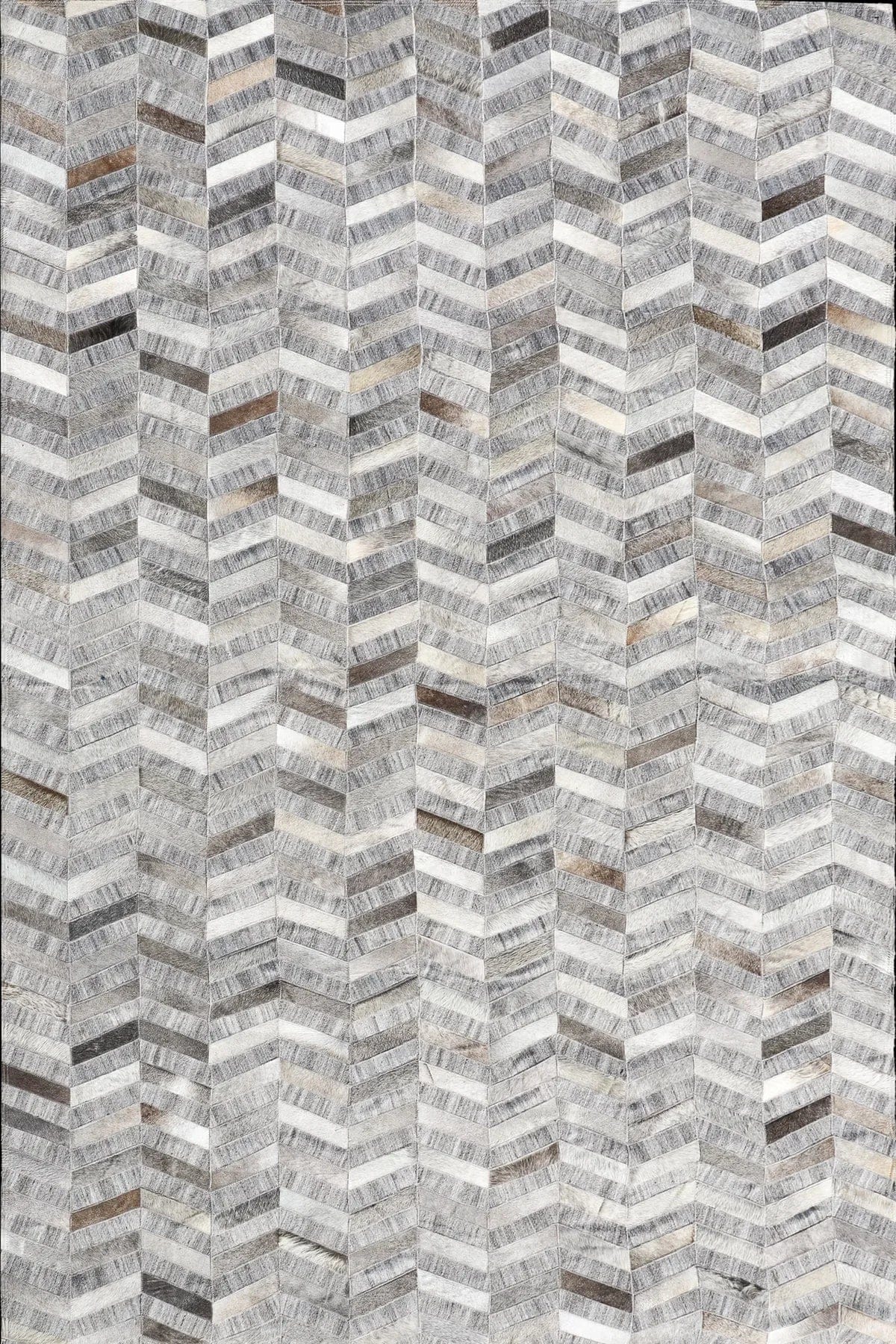
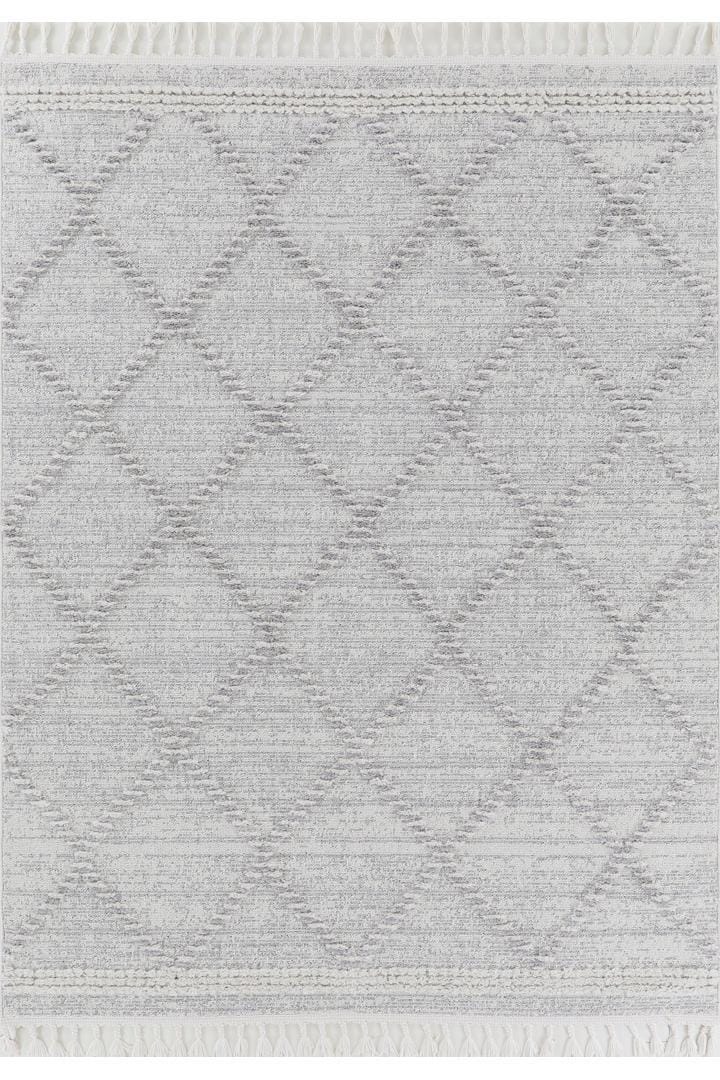
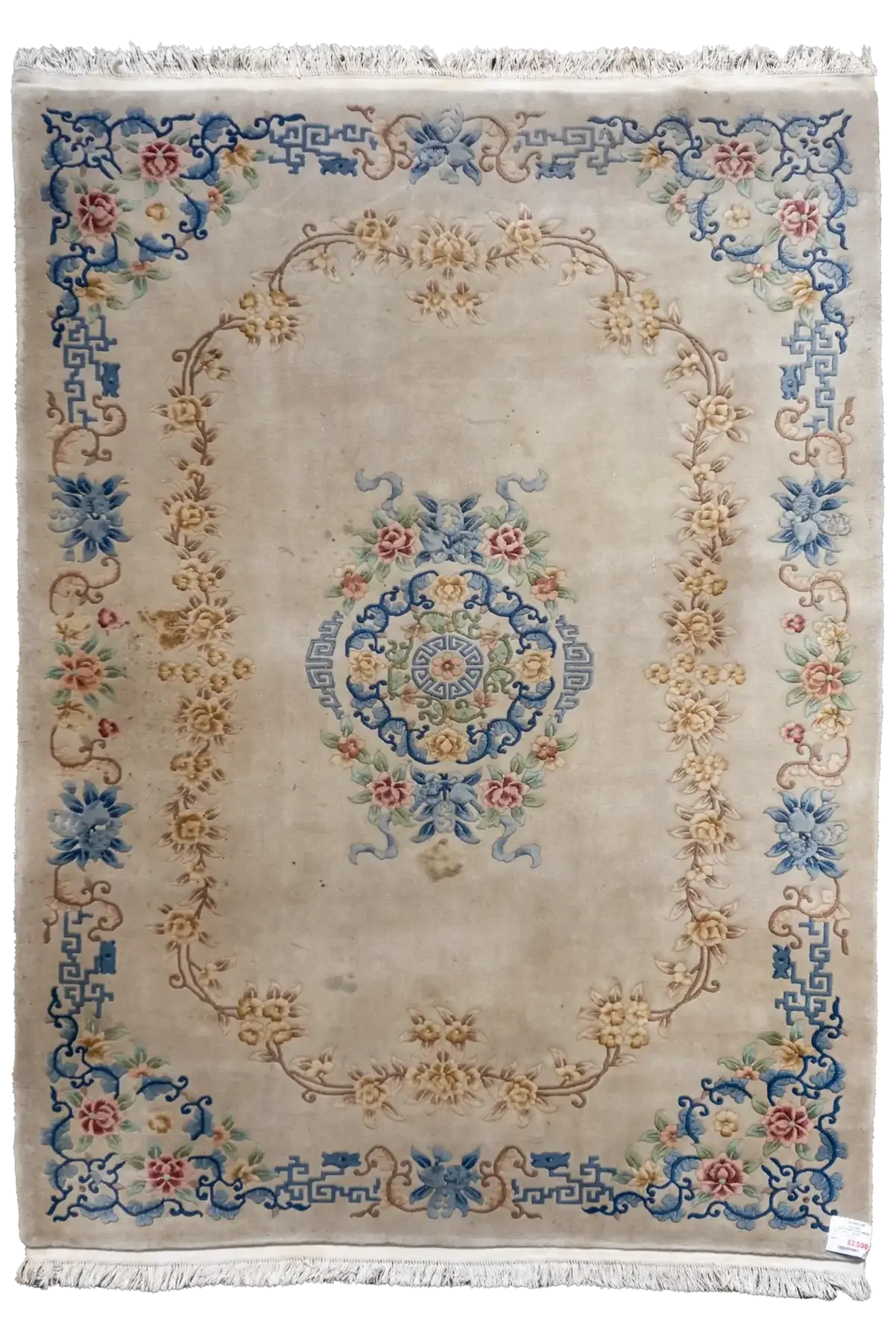
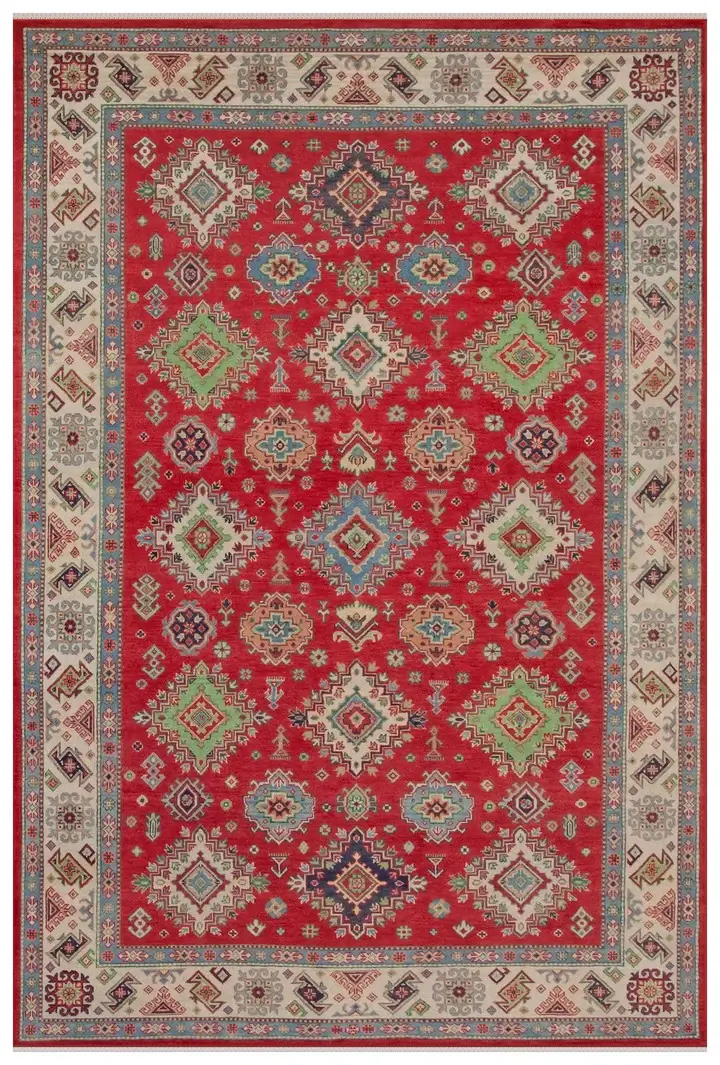
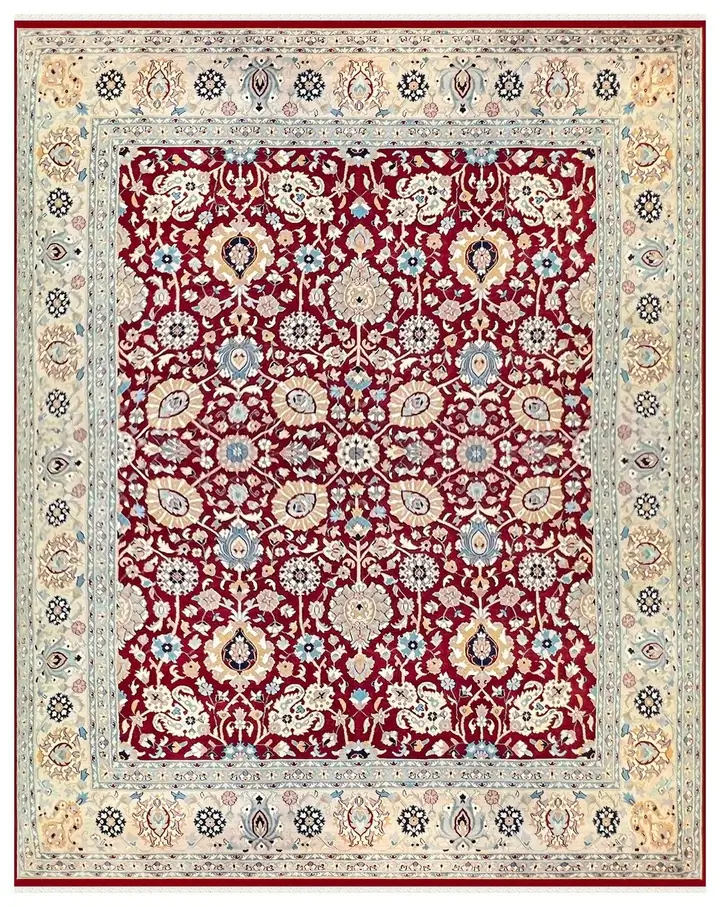
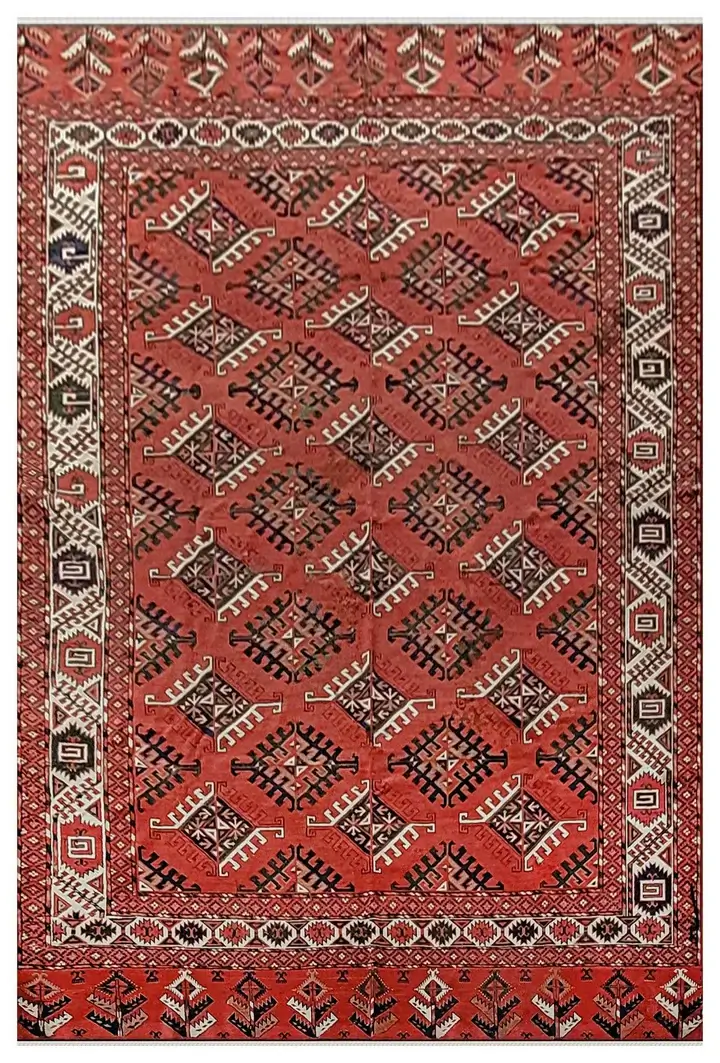
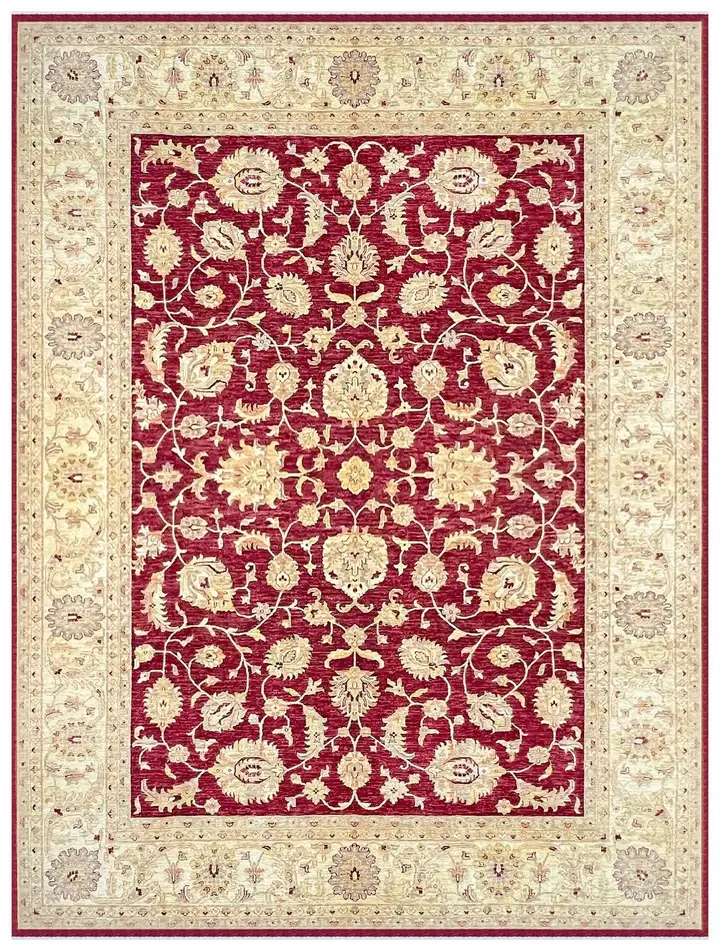
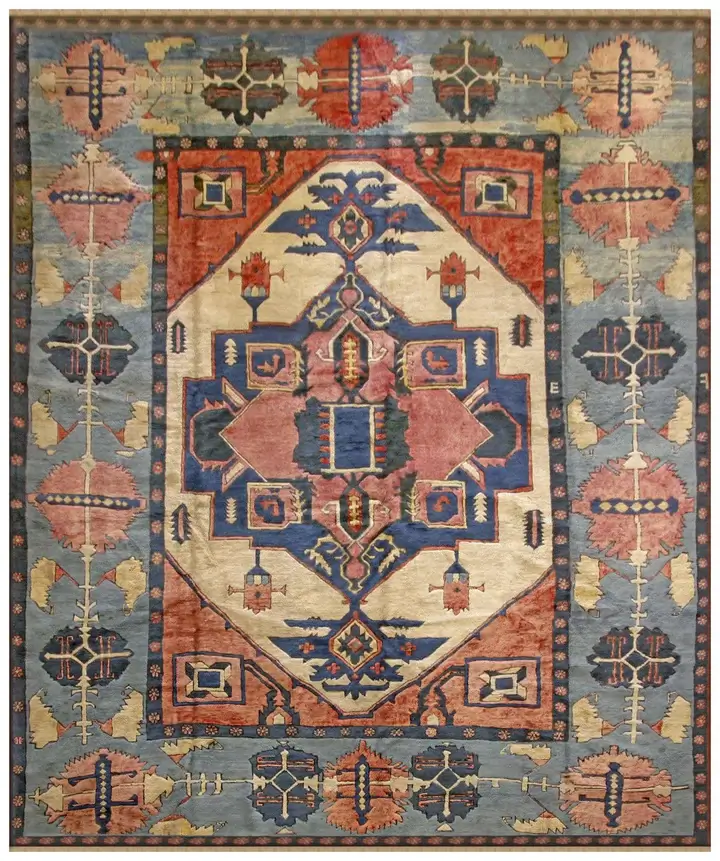
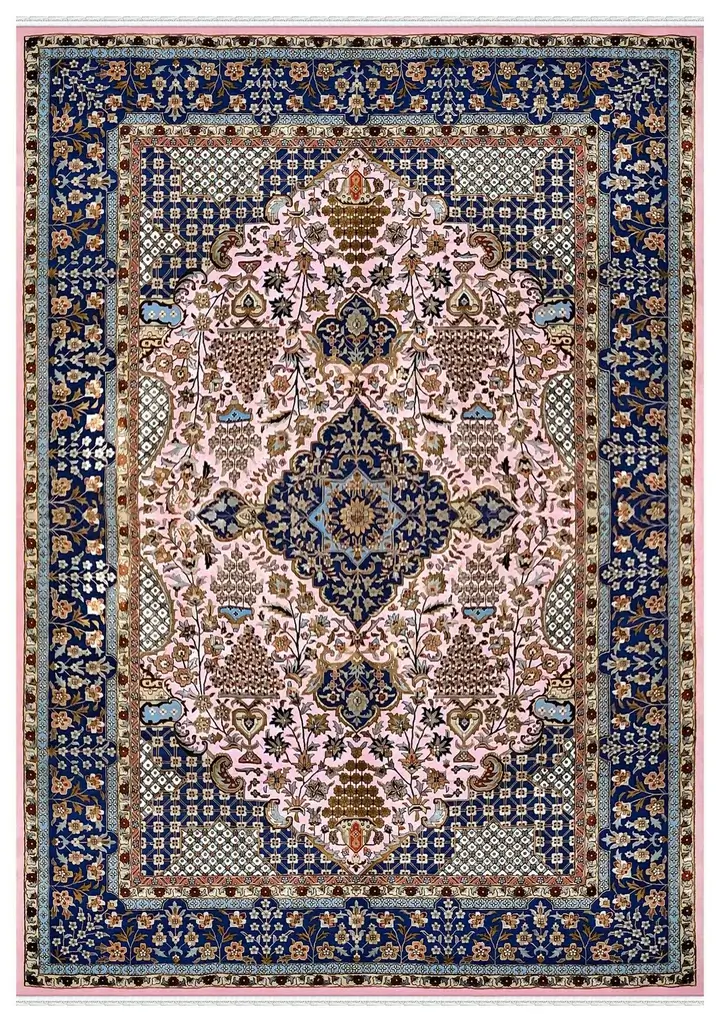
From Persian heirlooms to everyday synthetics. Twenty rug types, each hand washed to a method matched to its fibre and construction. Never a one-size clean.
- 29 years on rugs only
- IICRC-certified technicians
- Washed at our Yatala facility
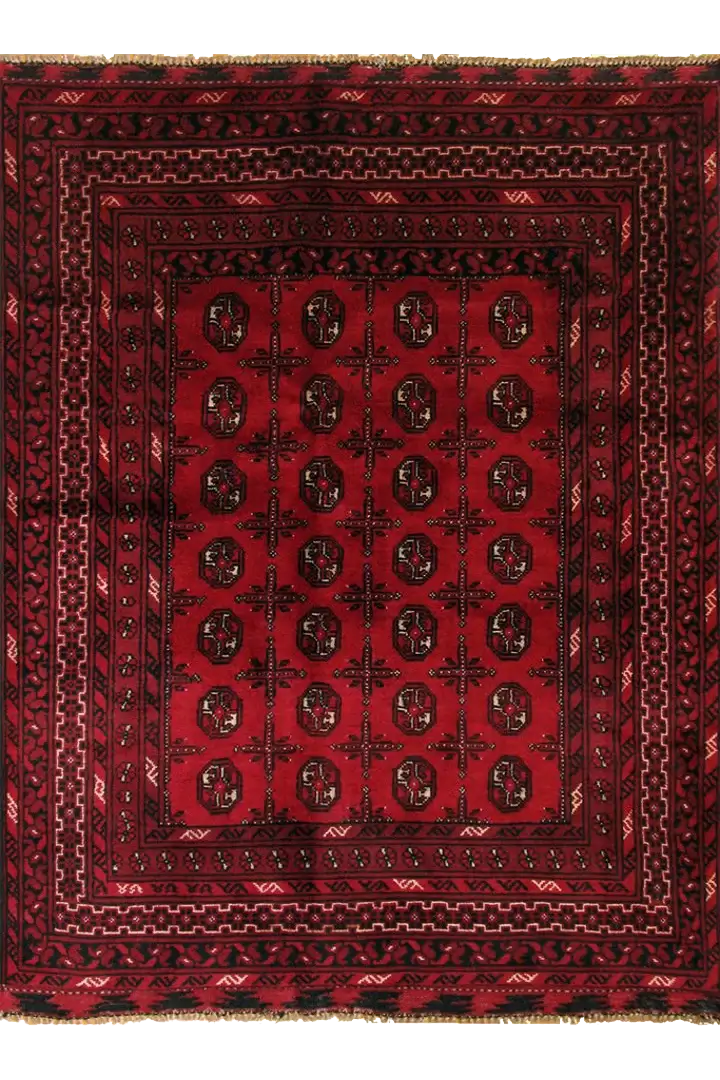
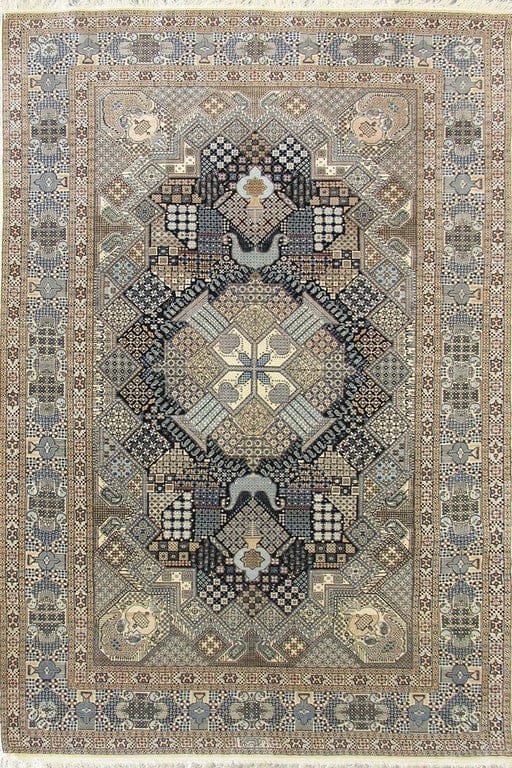
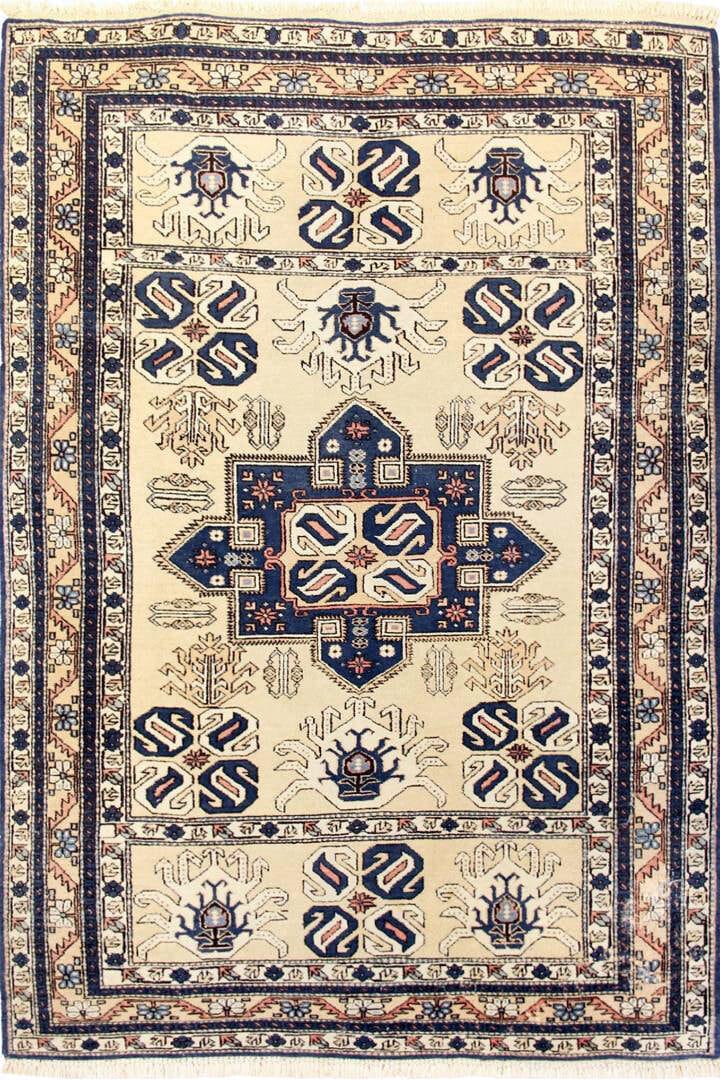
Collected with Cambroon
The valley and the range above it, on one planned day.
Cambroon questions, answered plainly
Do you really come this far out into the Mary Valley?
Yes, on the range loop day, the same one that reaches Kenilworth and Conondale. The drive is around two hours each way and we carry that cost. Pickup and delivery are both included and the length of the trip does not enter into the quote.
How is a rug from a working farmhouse priced?
On what it is and what state it is in, assessed after collection rather than over the phone. Size, fibre, construction and the load it is carrying all count. The figure is set once, it holds, and both driver trips are already in it.
There is wood ash worked right through the rug. Does that come out?
Most of it does. Ash particles are fine enough to lodge in the gaps of the weave without ever attaching to the wool, so a bath lets them float clear. The thing we check is whether the ash has already moved a dye, and if it has, you are shown that at the assessment rather than after the wash.
A dog urinated on the rug and it still smells on damp mornings. Fixable?
Usually. Urine settles into the foundation, and this valley's damp mornings keep switching it back on. A bath removes the soluble part, an enzyme stage deals with what is generating the odour, and controlled drying is what keeps it from returning.
Do you collect from Kenilworth, Conondale and Obi Obi as well?
Yes, and from Coolabine and Kidaman Creek on the same loop. Two properties can send rugs on one stop, which neighbours out here arrange between themselves fairly often, and every rug after the first is $20 off.
How long will the rug be gone?
About 7 days from the gate and back. If a date genuinely will not move, the 48-hour express run is available, and it carries an added cost. Both finish flat in a controlled drying room, which matters on a rug coming out of a cool river valley.
Get your free quote today
Tell us about your rug and we’ll take it from there. Free pickup and delivery, and an honest assessment before any work begins.