
102 people in the 2486 belt
Rug Cleaning Glengarrie,
Where the Record Runs
Out
One hundred and two residents, small farms in hill country, and a documented history that thins out fast. We will tell you what is recorded and where the record stops, which is the same way we talk about rugs.
- Safe for delicate and handmade rugs
- 48-hour express service available at additional cost
- Free pickup and delivery on the border hill-country run
Reveal the Clean
Watch it clean automatically, then take control.
experience
 Expert care
for your rugs
 Free
Freepickup & delivery
 Trusted, licensed
and insured experts
turnaround
 Guaranteed
satisfaction
We will tell you what we know and where the knowing stops
Some questions about a rug have firm answers and some do not. What it is made of, whether the foundation is sound, whether a mark will lift: those we can settle. Exactly what caused a stain nobody witnessed is often a guess, and we would rather say so than invent something confident.
- 1Picked up rolledThe driver comes to the door for it
- 2Read, then quotedOne figure, drawn from the rug itself
- 3Washed by handFull immersion and a rinse to clean water
- 4Delivered in about 7 daysControlled drying flat, groomed, rolled
Get an honest assessment
No obligation · free pickup & delivery · we reply next business day
Rug washing Glengarrie, an hour and ten from the wash floor
What the record carries, and where it stops
Glengarrie recorded one hundred and two residents at the 2021 census, which puts it among the smallest communities anywhere on this hub's hinterland run, on a par with neighbouring Duroby and its seventy four. It sits in the same hill country and the same postcode belt as Bungalora and Duroby, both of which we already collect from. Beyond that, the documented history thins out quickly, and we would rather say so than pad it. What is genuinely on the record is regional: settlers pushed into the Brunswick and Tweed valleys from the 1880s onward to establish dairy farms, and that work was done entirely by hand, milked and churned, well before electricity or refrigeration reached these hills. That dairy history shaped the small-farm character of the whole Tweed hinterland. Whether any of it happened on a specific paddock in Glengarrie is not something the available sources will tell you, and inventing a farm and a family to fill the gap would be easy and dishonest. So the regional fact stands, and the local blank stays a blank.
If we do not know something, you will hear that from us rather than a confident guess dressed up as expertise.
A hundred and two people, and the rugs they own
At this scale there is no shopping strip and no centre, just small farms and semi-rural blocks scattered through hill country. That produces a predictable rug population. Households in a place like this tend to have been in the same house a long time, which means the wool on the floor is usually older than the current arrangement of the furniture, often inherited, and almost never washed. The soil problem here is a quiet one. Hill country dirt is fine enough to arrive on the wind as much as on boots, so it works into the base of a rug without leaving any obvious trail, and the owner sees a rug that has gone stiff and flat with no explanation for it. That is why people here are frequently surprised by what comes out of a bath. There was nothing visible to account for it. What the surface of a rug shows you and what its foundation is carrying are two different pieces of information, and only one of them is any use for deciding what to do next.
Cloud country, and the drying that has to happen elsewhere
The caldera works like a bowl, catching cloud that comes in off the coast and holding it against these hills instead of letting it move on. For a household that means humidity for most of the year, and for a wool rug it means a base that carries moisture it never quite sheds. Growth, smell and stiff handle all follow from that one fact. Removing them is a matter of water and time; keeping them removed is a matter of what happens in the drying room, and no house on this ridge contains one. So the rug covers eighty four to eighty eight kilometres each way, is bathed by hand, dried where the humidity is a dial, and comes back on a scheduled day.
Our Northern NSW office, and the bench that takes the rug
Our Northern NSW office
Premier Rug Cleaning and Washing - Northern NSW
That entry sets out where the vans run rather than a place to call at. Somebody comes up to the house here, and the rug stays inside our own operation from that moment until it is back.
Off the hills, north to Yatala
Glengarrie goes with Bungalora and Duroby on the border day, and the collection carries no charge on that scheduled run.
One of the smallest counts on the run, a regional dairy past, and a shared postcode
Quiet hill country where we will state the limits of what is actually documented.
The 2021 census counted one hundred and two people at Glengarrie, one of the smallest communities anywhere on this hub's hinterland run and on a par with neighbouring Duroby's seventy four.
A locality this small gets the same honest assessment as anywhere else on the run, whether the rug is a farmhouse piece that has never left or something newer brought up from town.
At that scale the locality is genuinely rural, small farms and semi-rural blocks rather than any kind of centre, the sort of place most search engines barely register at all.
Glengarrie sits in the stretch of Tweed hinterland that carried a significant dairy farming history from the 1880s onward, part of the wider pattern of small farms established across the Brunswick and Tweed valleys.
Hill country with this kind of working history behind it is exactly the sort of place where an old family rug has earned its keep and is worth keeping in service.
That dairy heritage shaped the small-farm character of the whole hinterland, work done entirely by hand before electricity or refrigeration reached these hills. The specific dairy history of Glengarrie itself is not separately documented in the sources available, which is stated here honestly rather than invented.
Glengarrie shares postcode 2486 with Bungalora and Duroby, both of them already on this fleet, part of the same close-knit hill country between the coast and the deeper valley.
A cluster of communities this close together, each of them genuinely lived in, is settled country we already know well before we ever collect from a Glengarrie house.
Three small, quiet localities sitting this close together, each with its own name and its own very small population, is typical of the way this stretch of the Tweed was originally settled and subdivided.
What customers say about Glengarrie
Rated 5.0 ★ from 8 customersaround Glengarrie, collected directly from our customers after every clean.
The hill-country handful, then the full customer list
Cards above are from Glengarrie addresses. The number under them covers every locality we service.
Every weave.
Every origin.
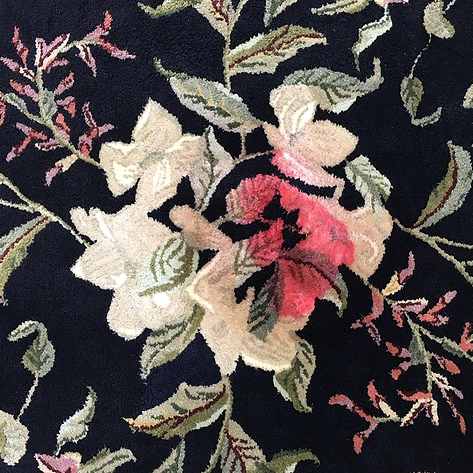
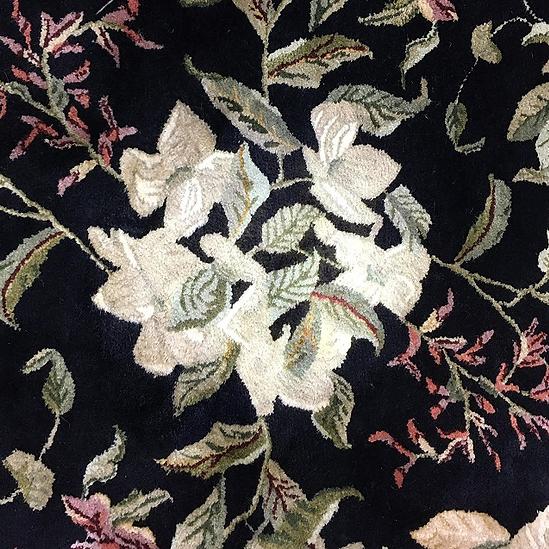
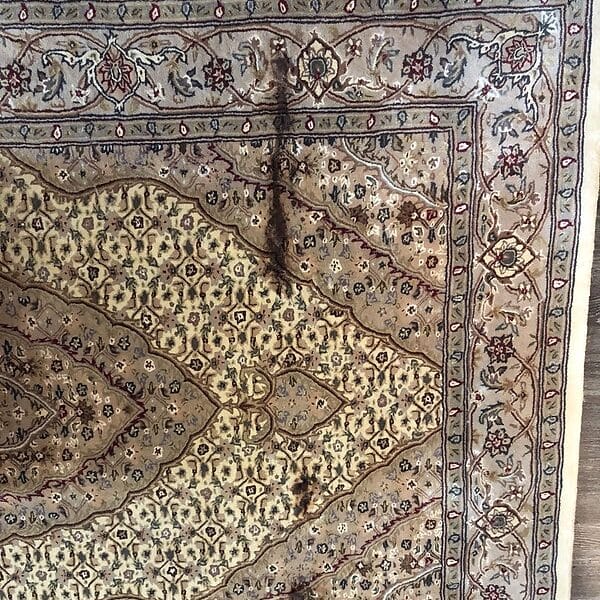
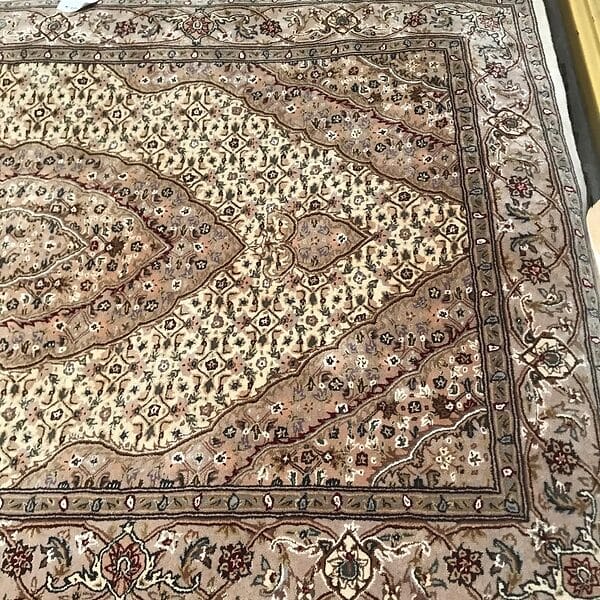
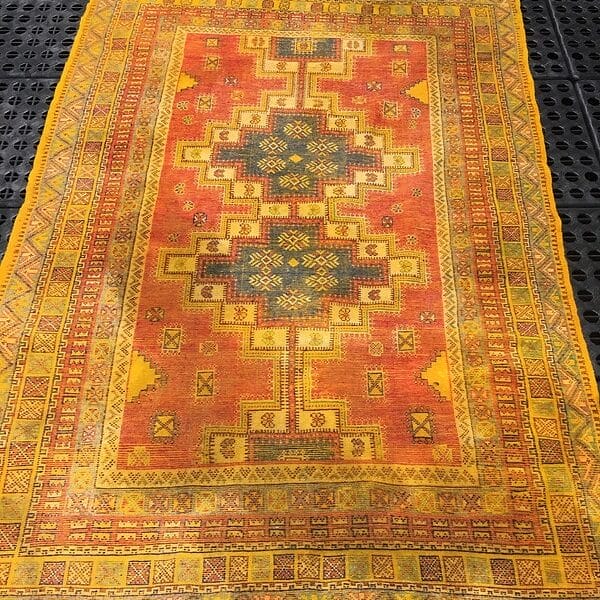
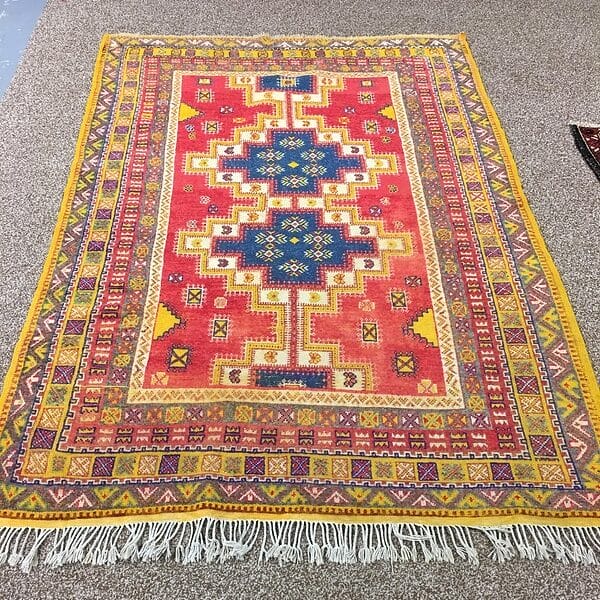
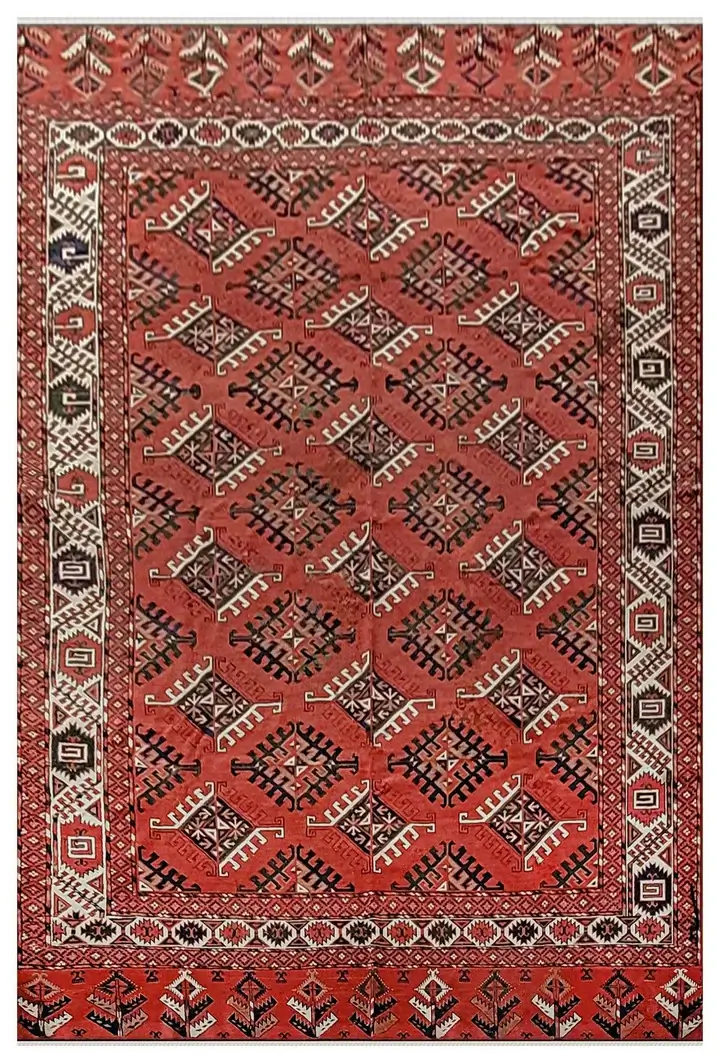
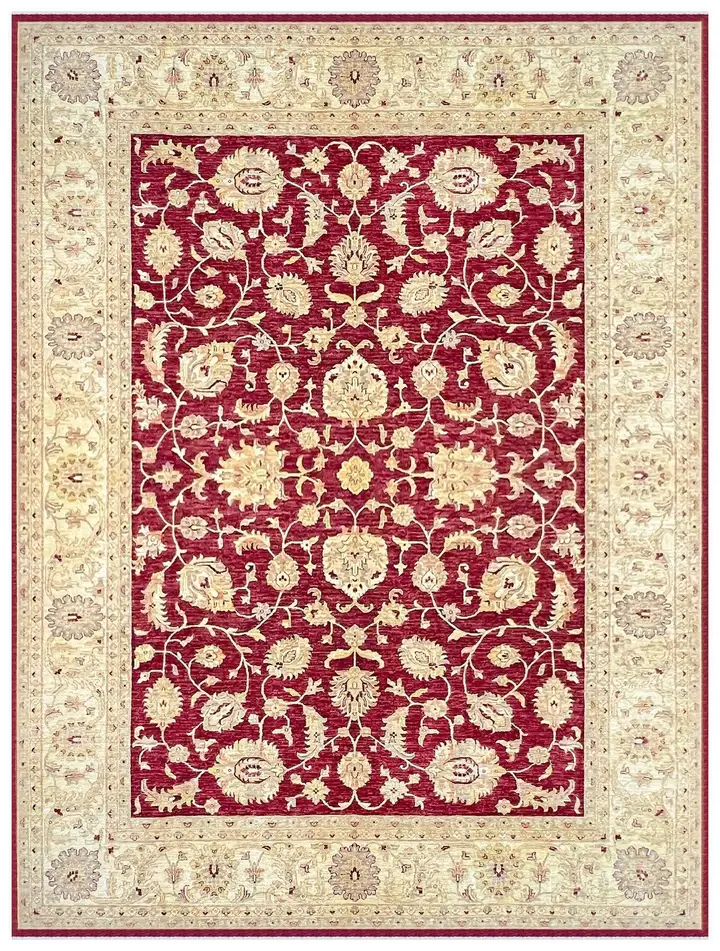
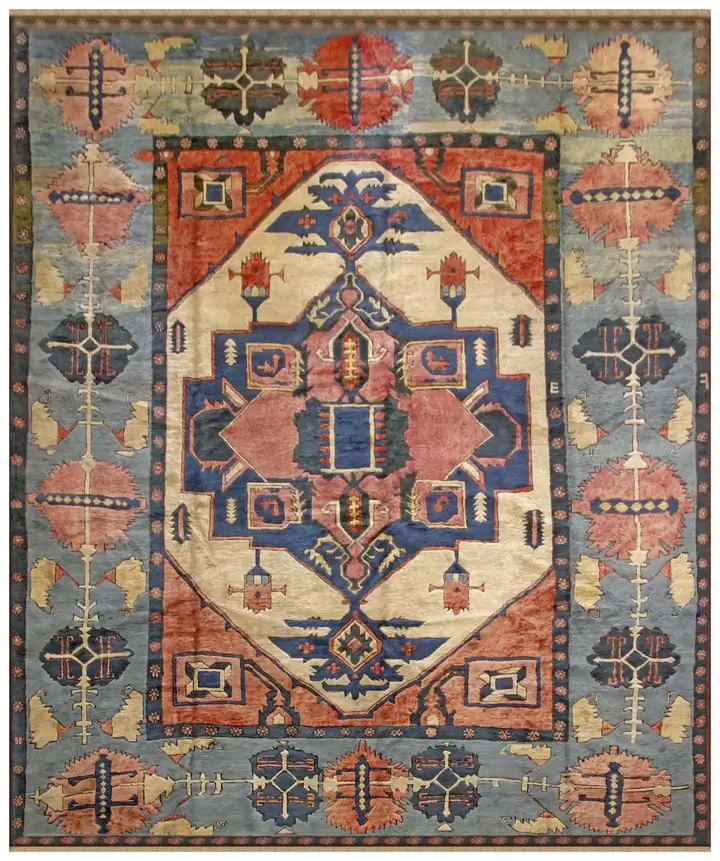
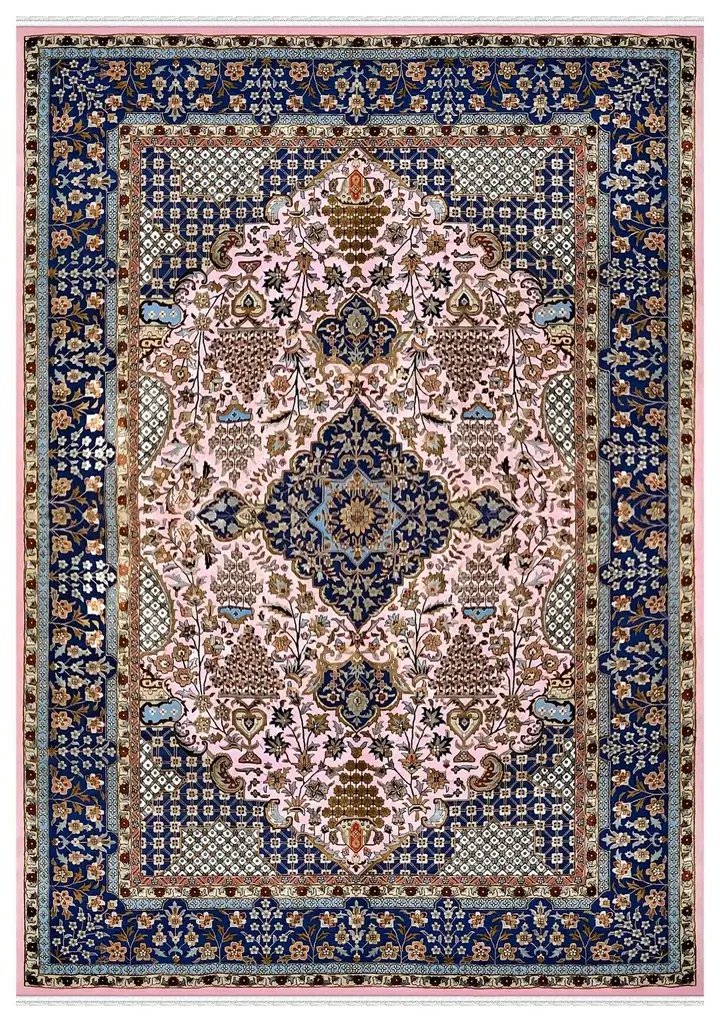
From Persian heirlooms to everyday synthetics. Twenty rug types, each hand washed to a method matched to its fibre and construction. Never a one-size clean.
- 29 years on rugs only
- IICRC-certified technicians
- Washed at our Yatala facility
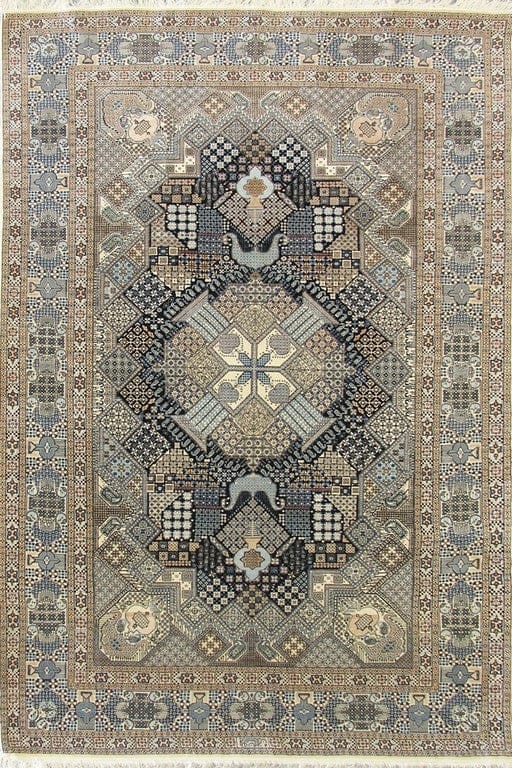
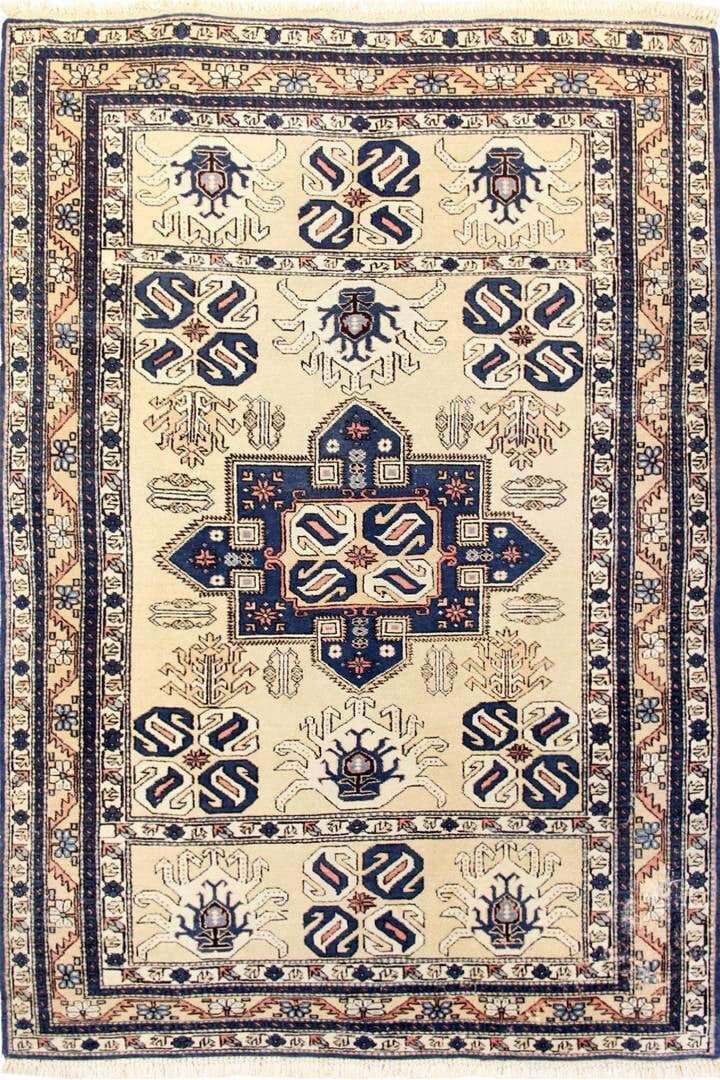
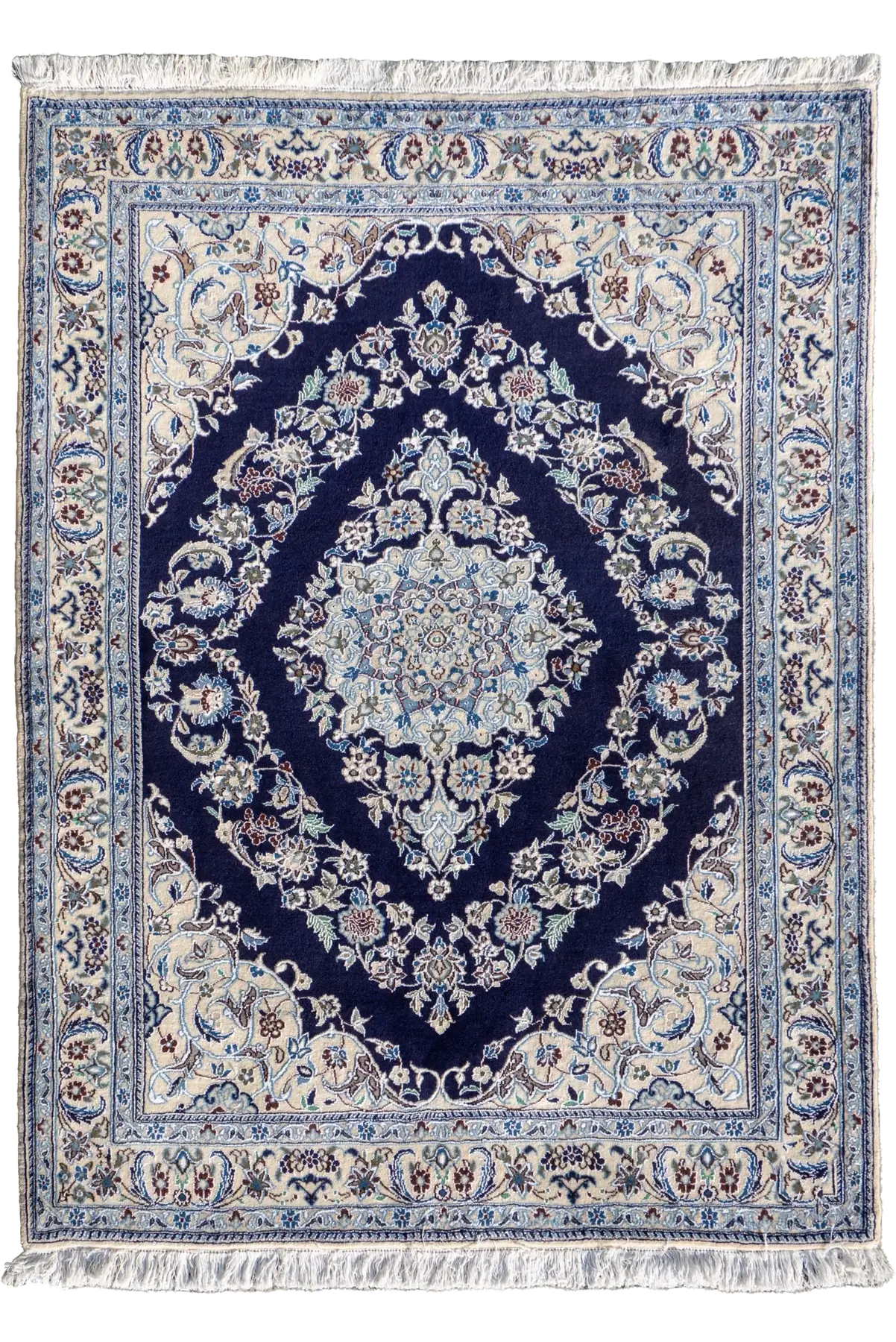
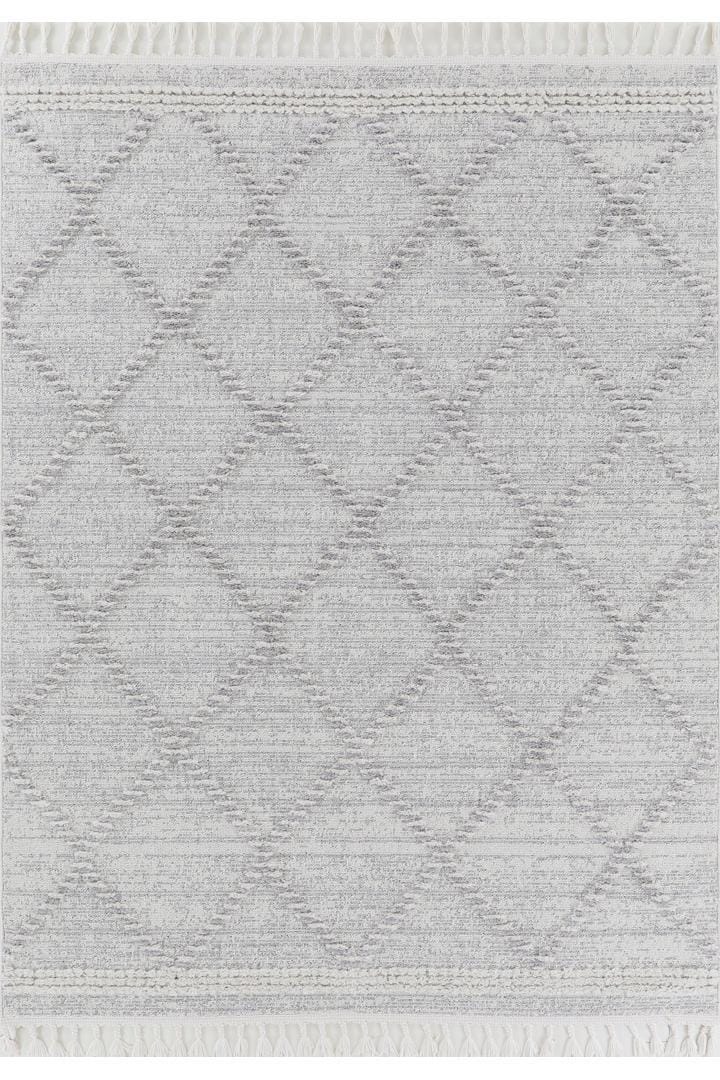
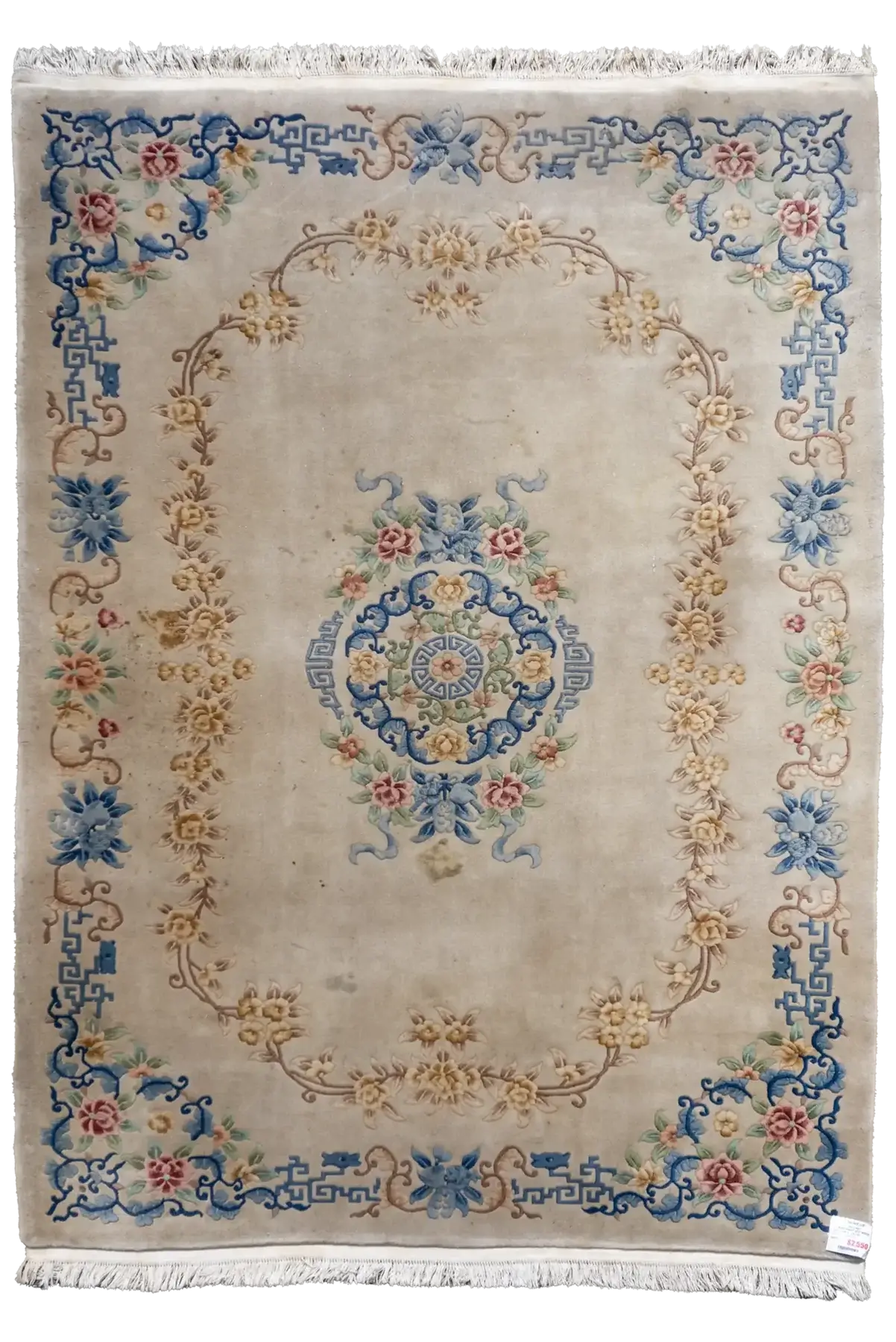
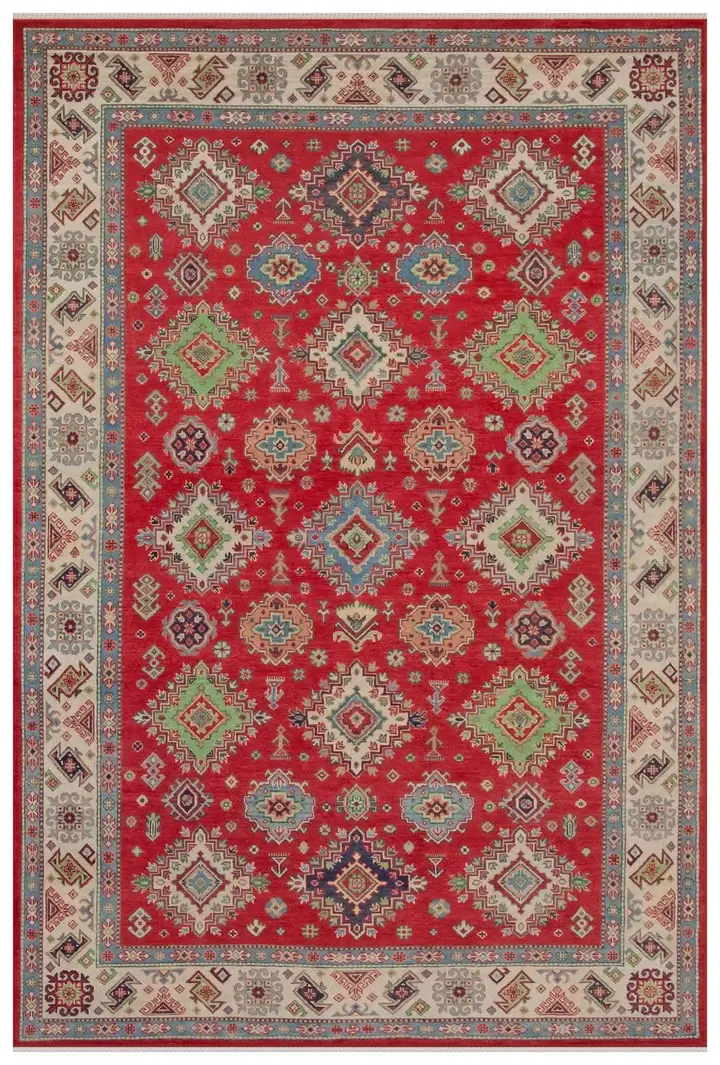
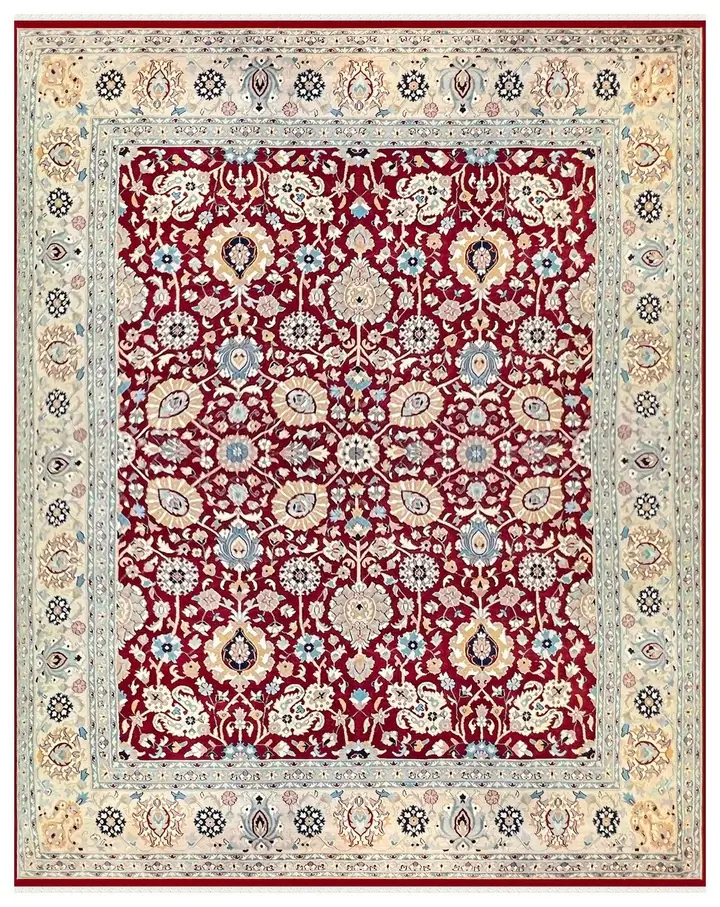
Collected the same day as Glengarrie
A hill run between the border suburbs and the valley, taken in one pass rather than several.
Glengarrie questions, answered plainly
Can you tell us anything about the history of our property?
Honestly, not much. The dairy history of the Tweed and Brunswick valleys from the 1880s is well recorded regionally, but the specific history of individual Glengarrie blocks is not in the sources we can check. We would rather say that plainly than make something up that sounds convincing.
The rug looks stiff but there is no visible dirt. What is going on?
Hill country soil is fine enough to arrive on the wind rather than on boots, so it reaches the base of a rug without leaving any obvious trail. Stiff handle and flat colour with nothing visible on the surface is the classic sign of a heavy load sitting at the knot line. The reverse confirms it.
There are only a hundred people out here. Do you still come?
Yes, on the scheduled border run, and there is no minimum. The route already passes through this postcode belt on its way between the border suburbs and the valley, so a single rug from a single house is a stop rather than a special journey.
The dog has left urine in the same part of the rug repeatedly. Is it recoverable?
Usually. The deposit has gone below the pile into the foundation, which is why anything applied on top helps for a fortnight and then gives up. A full bath reaches it, enzyme work breaks the odour compounds apart, and controlled drying takes away the moisture that keeps reactivating whatever remains.
Do you also collect from Bungalora and Duroby?
Both, on the same border day, along with Terranora, Bilambil and Carool as the run works back down off the ridge. Where a few properties book together the day goes better for everyone, and each rug past the first has $20 off it.
How long does the whole process take?
Around seven days from collection to return. Neither leg is a special trip, so the turnaround here matches everywhere else on the fleet. Where something genuinely cannot wait, a 48 hour express option is available at additional cost.
Get your free quote today
Tell us about your rug and we’ll take it from there. Free pickup and delivery, and an honest assessment before any work begins.