
On the Downs since August 1842
Rug Cleaning Drayton,
the Town the City Grew Out
Of
Ten square kilometres six kilometres southwest of the centre, and the first European town on the Darling Downs by four decades. Rugs collected at the door and hand bathed at Yatala.
- Safe for delicate and handmade rugs
- 48-hour express service available at additional cost
- Free pickup and delivery on the Toowoomba collection day
Reveal the Clean
Watch it clean automatically, then take control.
experience
 Expert care
for your rugs
 Free
pickup & delivery
 Trusted, licensed
and insured experts
turnaround
 Guaranteed
satisfaction
A single figure for floors older than the city
Pricing happens with the rug unrolled in front of us. One figure for the whole job, taken from the piece itself, and it stands once the wash begins.
- 1Rolled at the houseOff the boards, onto the van
- 2Unrolled and pricedOne figure, from the piece
- 3Bathed by handSubmerged whole, rinsed out
- 4Back in about 7 daysFlat dried, groomed, rolled
Get an honest assessment
No obligation · free pickup & delivery · we reply next business day
Rug washing Drayton, the first town on the Darling Downs
First on the ground by forty years
Thomas Alford established Drayton in August 1842, and it was the first substantial European settlement anywhere on the Darling Downs. Before that the place was known simply as The Springs, a name that lasted from around 1840 to 1847. Alford is believed to have named the town after Drayton in Somerset, where his father served as a clergyman. Drayton then ran its own local government, the Shire of Drayton, from 1887 all the way to 1949, which is a long time to keep a separate administration going after the district's centre of gravity has moved elsewhere. By 1905 it was already being described as almost a suburb of Toowoomba. The town was first and then it was overtaken, and both halves of that are still visible in the street pattern.
Being the first town and then being passed by the one next door is not a sad story. It is why so much old housing here was never knocked down.
An inn older than the colony, and a writer
The Royal Bull's Head Inn was built between 1847 and 1848 and is now managed by the National Trust, which makes it one of the oldest buildings in Queensland and older than Queensland itself, since separation from New South Wales did not happen until 1859. Steele Rudd, born Arthur Hoey Davis, was born in Drayton in 1868. St Matthew's Anglican Church stands on Glennie Street, named for Benjamin Glennie, the Anglican clergyman who lived in the district from 1850 to 1860 and again from 1872 to 1876. Drayton State School was established in 1851 as Drayton National School and is one of the oldest primary schools in the state still running. What all of that produces on the ground is heritage housing with big rooms and old timber floors, and a lot of rugs that have been in one family or one house for a very long time.
Mount Peel, cold mornings and a rug's long life
Mount Peel rises to 711 metres in the northwest corner of the locality, and Drayton railway station still serves the place, a working link in a town whose founding predates the railway by decades. The population has kept moving upward gently, from 1,710 in 2016 to 1,813 in 2021, which for one of the oldest towns on the Downs counts as steady health. For rugs, the local conditions are the same ones the whole city gets: hard frosts, fires and heaters running for months, and houses closed up from late autumn. Smoke works into wool slowly and quietly, and undisturbed rooms are where moths do their work. A hand bath at Yatala with the moth treatment carried in the water deals with both at once, and the drying room finishes it in a week without depending on the weather up here.
Drayton, and the road the rug takes without you
Directions from Drayton to our Yatala facility
We keep no premises in this city and never have. A Drayton rug is rolled and lifted at the house, hand washed at our Yatala facility and returned by the same van, with the collection window confirmed once the route for the day is set.
A founding town, an inn older than the colony and a hill in the corner
The Darling Downs started here, forty years before Cambooya was surveyed.
Thomas Alford established Drayton in August 1842, the first substantial European settlement anywhere on the Darling Downs, on ground previously known simply as The Springs.
Founding-era streets hold the oldest housing stock in this part of the city, and old housing is where rugs get kept for generations rather than replaced every decade.
Alford is believed to have named it after Drayton in Somerset, where his father was a clergyman. The Shire of Drayton ran as its own local government from 1887 to 1949, even though the district's population centre had shifted decisively to Toowoomba through the 1860s. By 1905 the town was already being described as almost a suburb of Toowoomba.
The Royal Bull's Head Inn was built between 1847 and 1848 and is now managed by the National Trust, and the author Steele Rudd, born Arthur Hoey Davis, was born in Drayton in 1868.
An inn that predates the colony and a school still running after 170 years both say the same thing about this place: what gets built here gets maintained rather than replaced.
St Matthew's Anglican Church stands on Glennie Street, named for Benjamin Glennie, the Anglican clergyman resident in the district from 1850 to 1860 and again from 1872 to 1876. Drayton State School was established in 1851 as Drayton National School and is among the oldest primary schools in Queensland still operating.
Mount Peel rises 711 metres in the northwest corner of the locality, and the population grew from 1,710 in 2016 to 1,813 in 2021.
A settled, slow-growing locality is straightforward to serve on a scheduled run, and Drayton households generally know which day the van is in the area.
Drayton railway station still serves the locality, which is a neat detail for a town whose founding predates the railway itself by decades. The growth is slow and steady rather than estate-driven, which keeps the mix of heritage and newer housing roughly where it has been for years.
What customers say about Drayton
Rated 4.9 ★ from 8 customersaround Drayton, collected directly from our customers after every clean.
Drayton cards first, then the rest of the service area
The cards above were written at Drayton addresses. The larger figure counts every suburb we collect from.
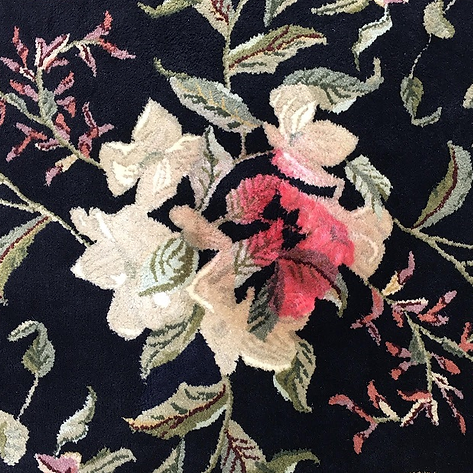
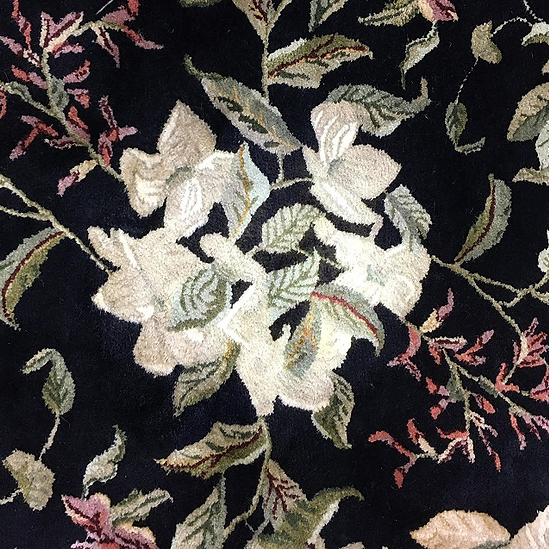
Every weave.
Every origin.
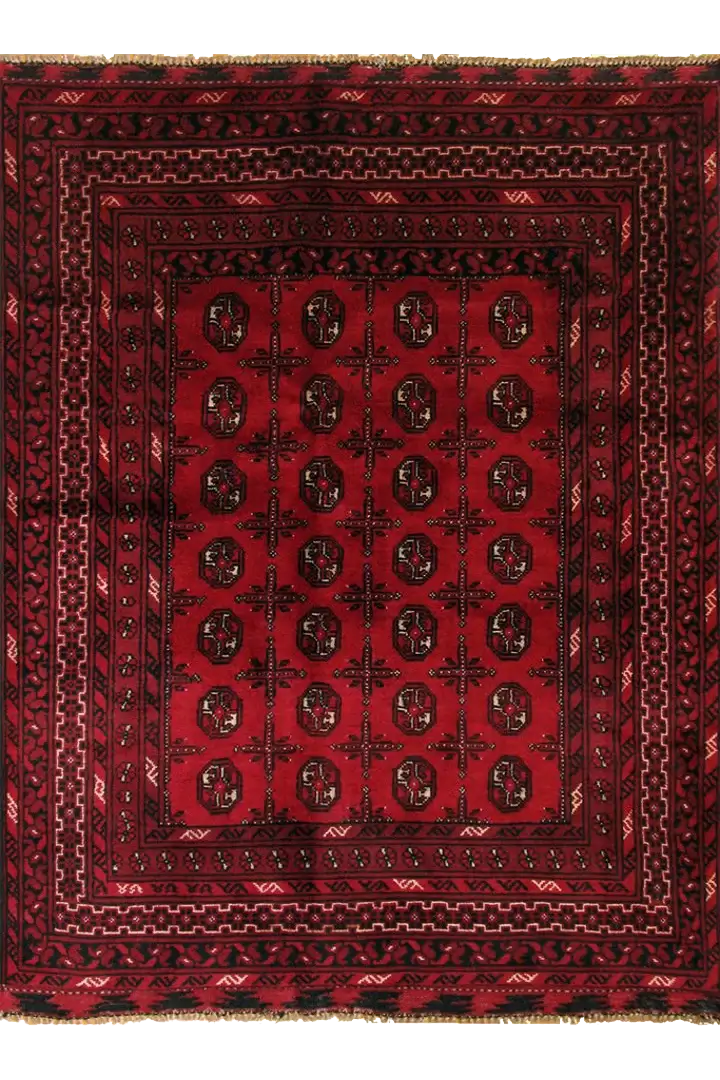
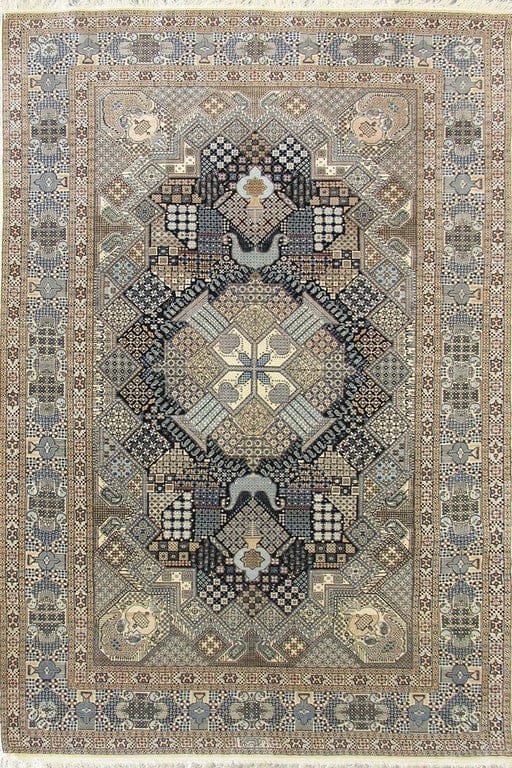
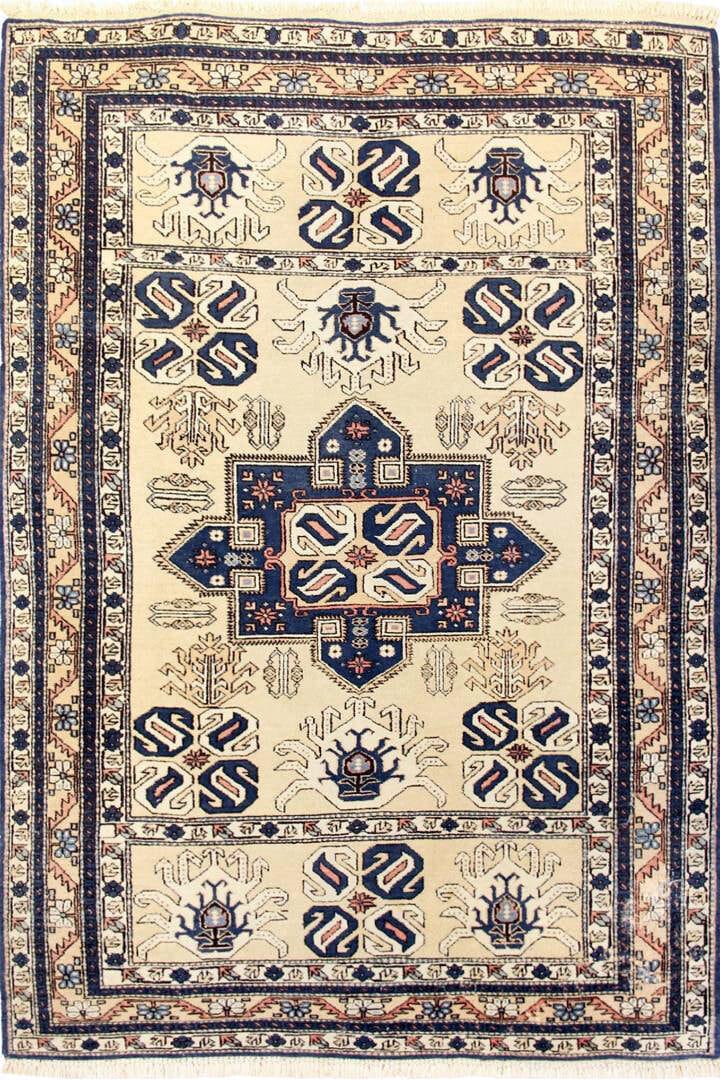
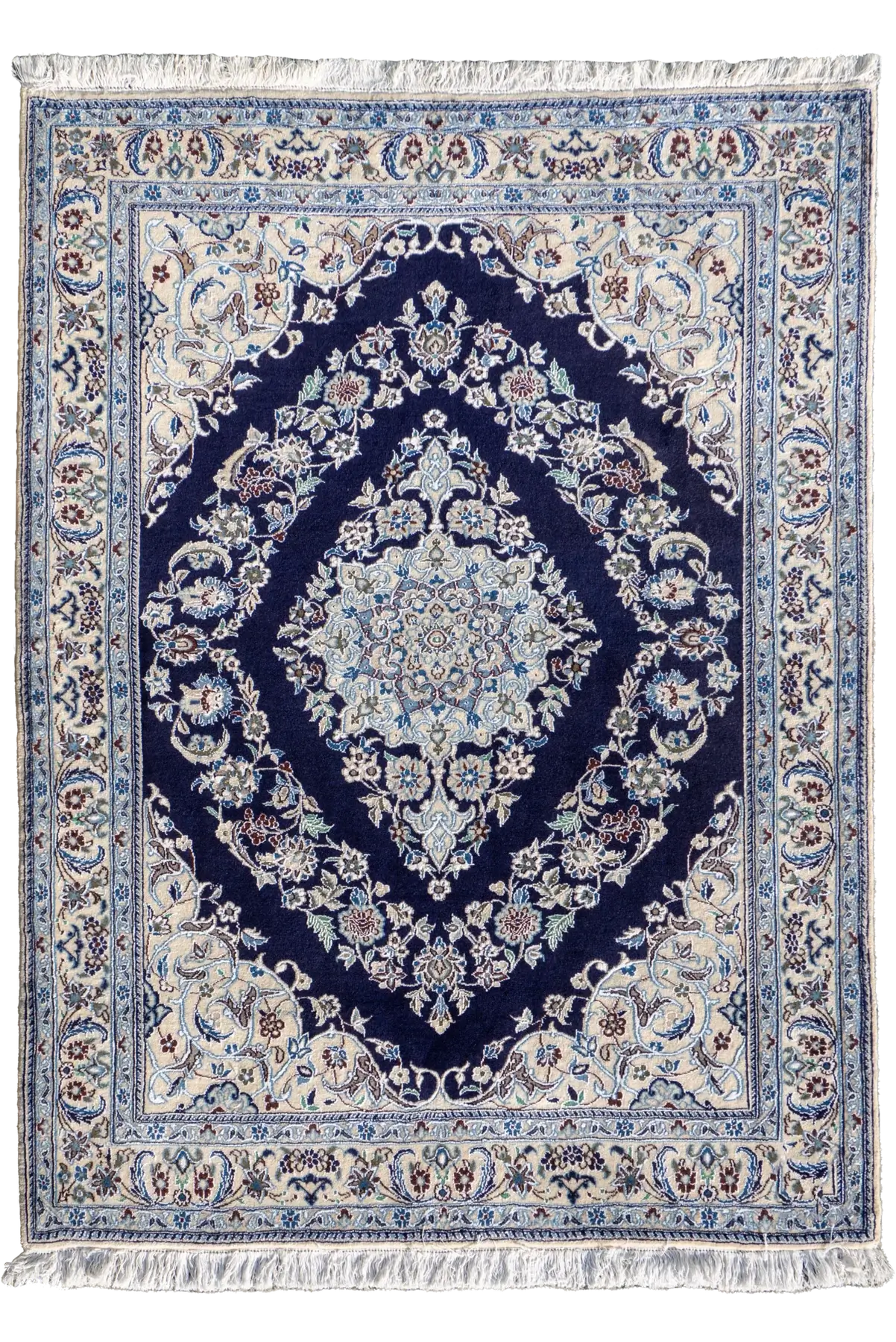
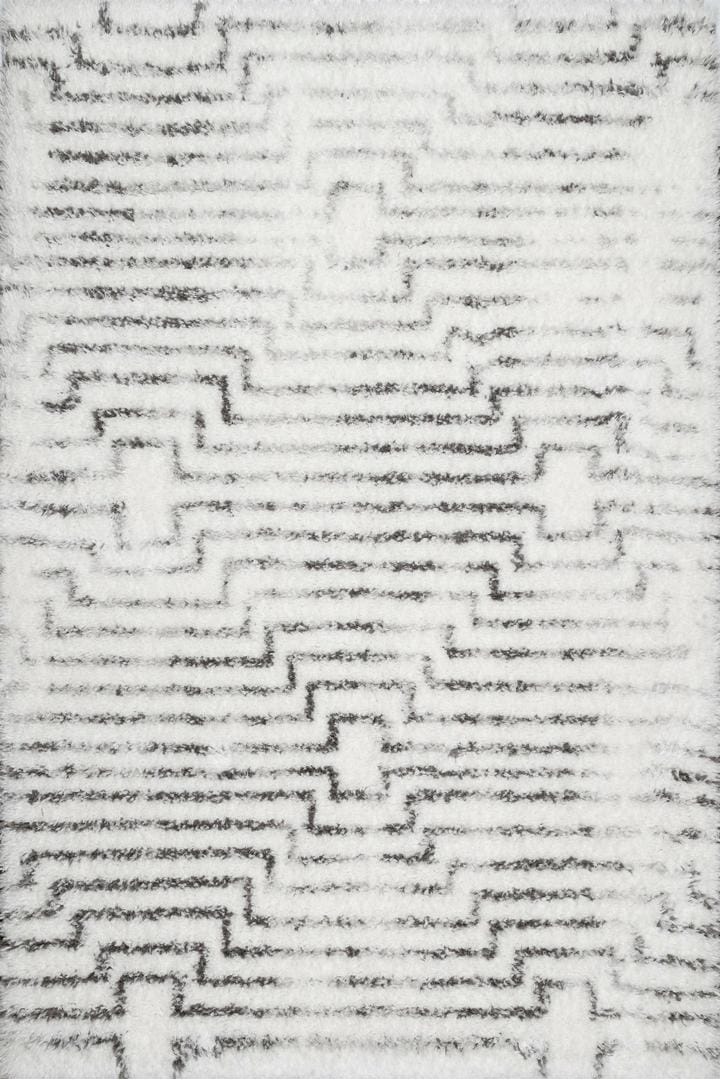
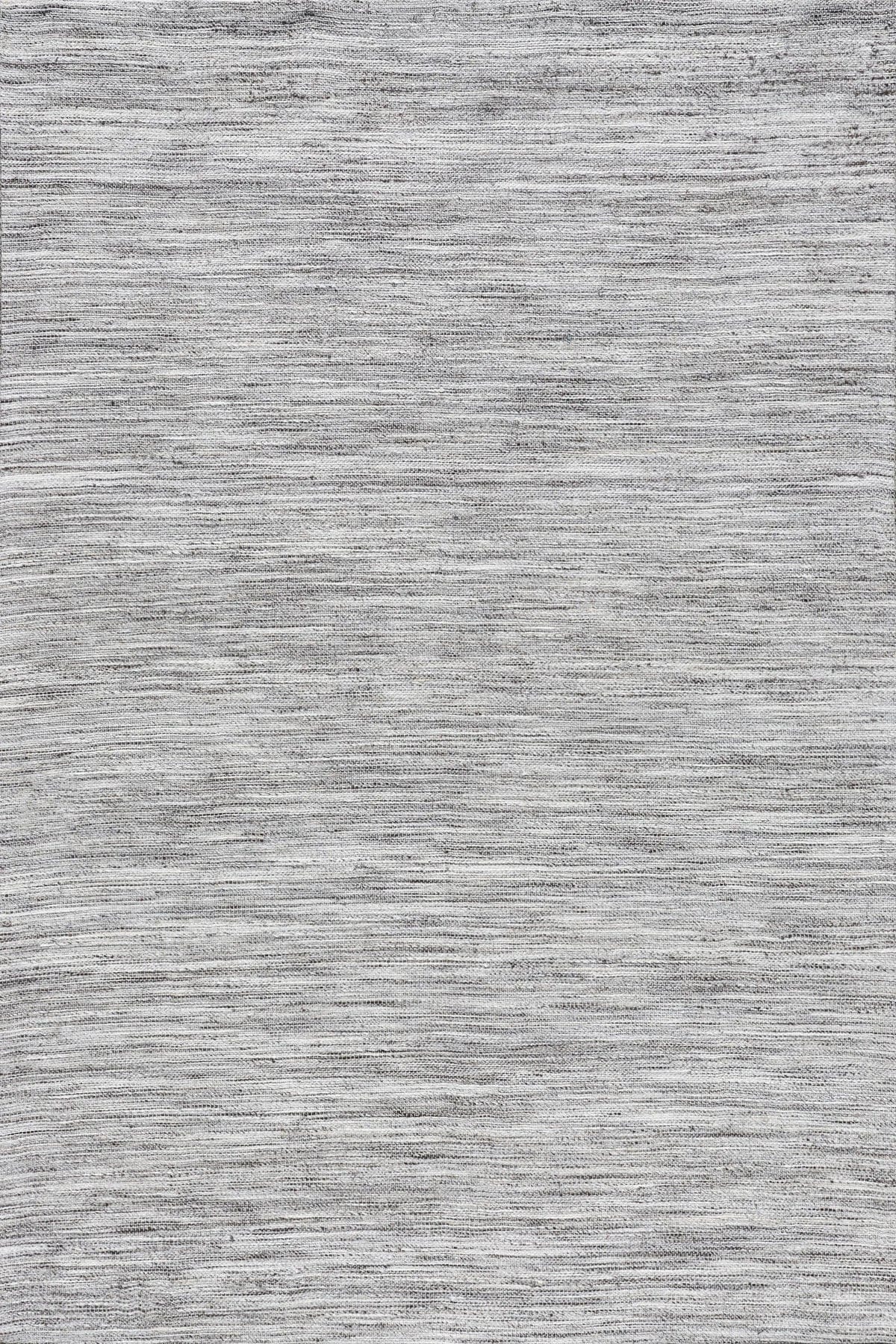
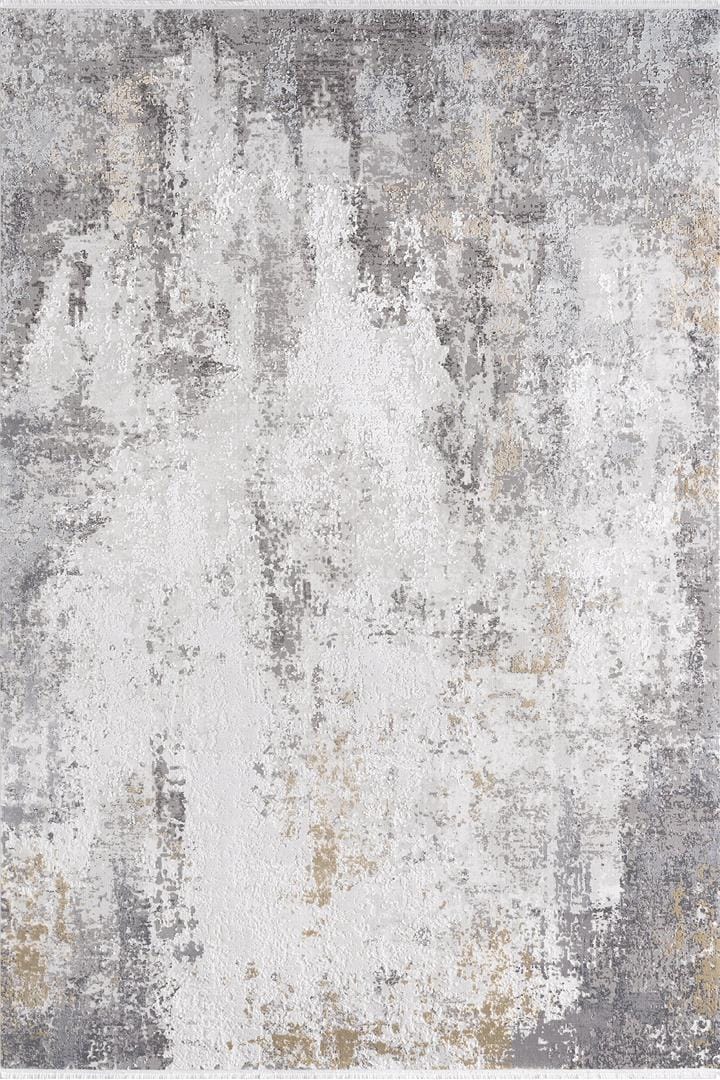
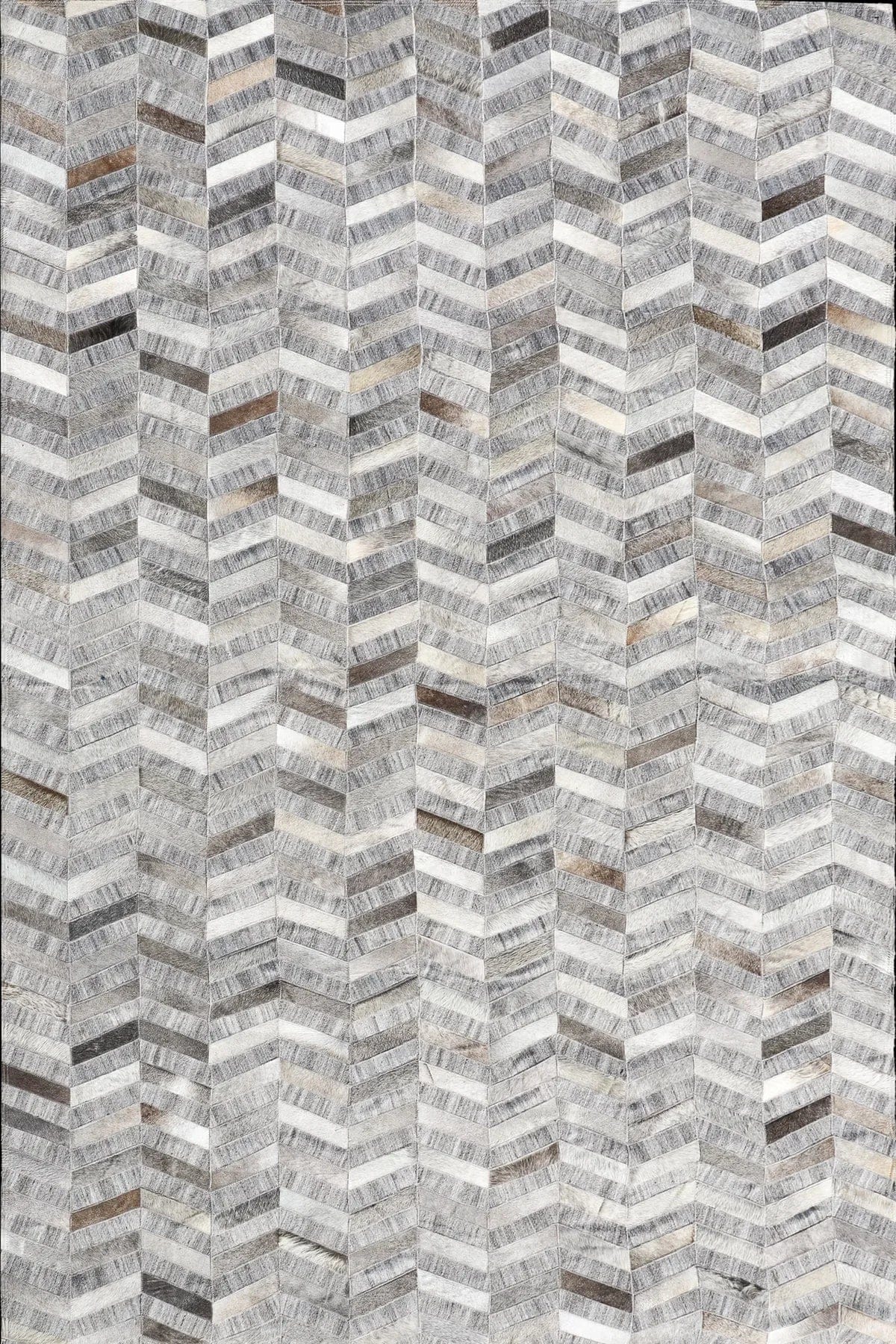
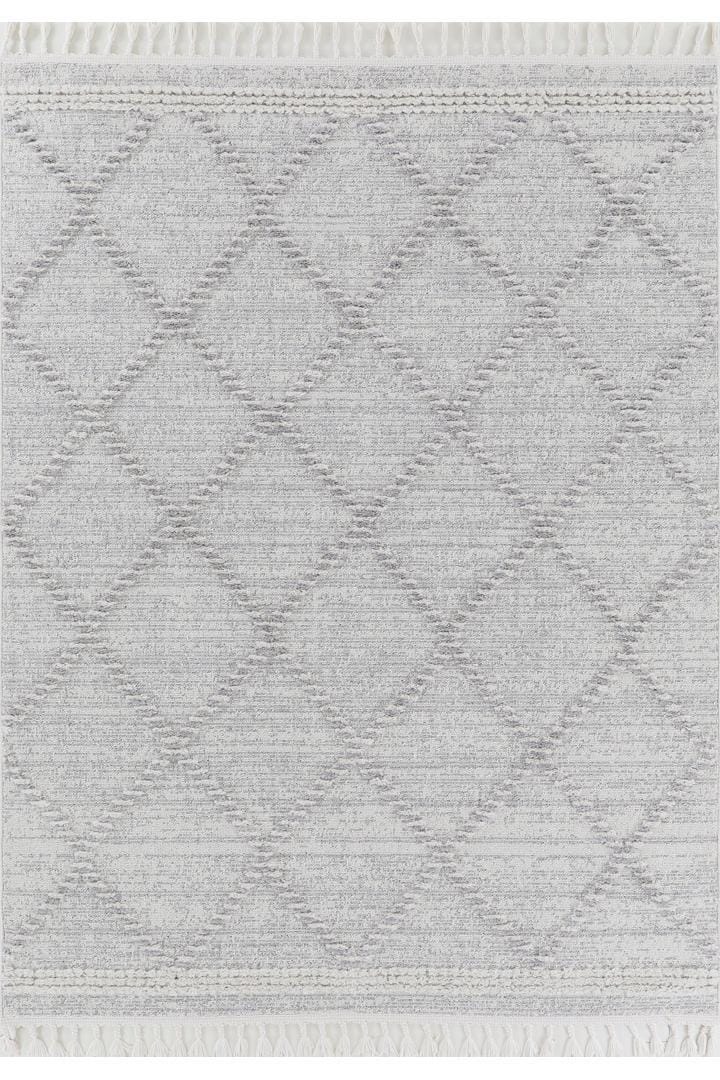
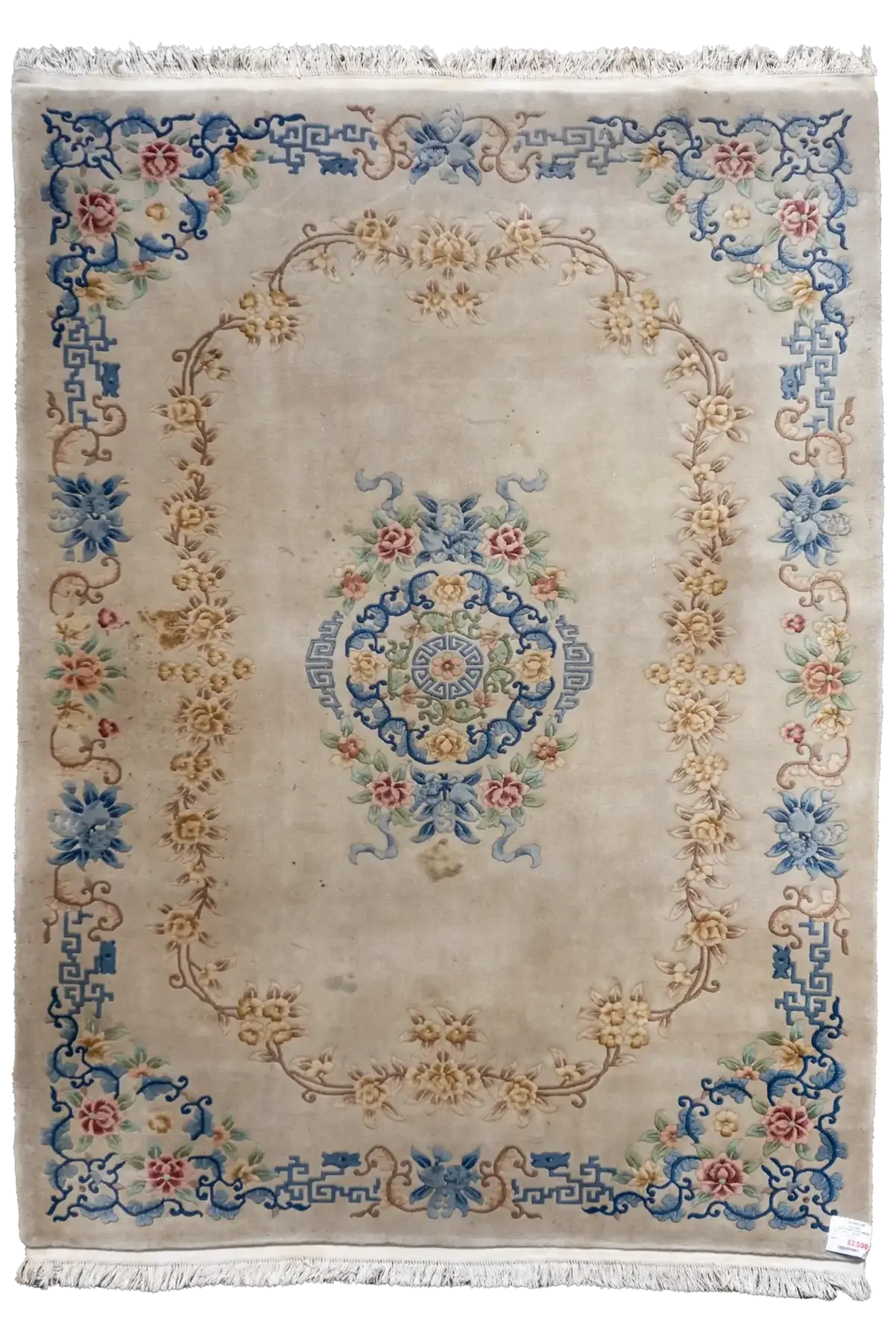
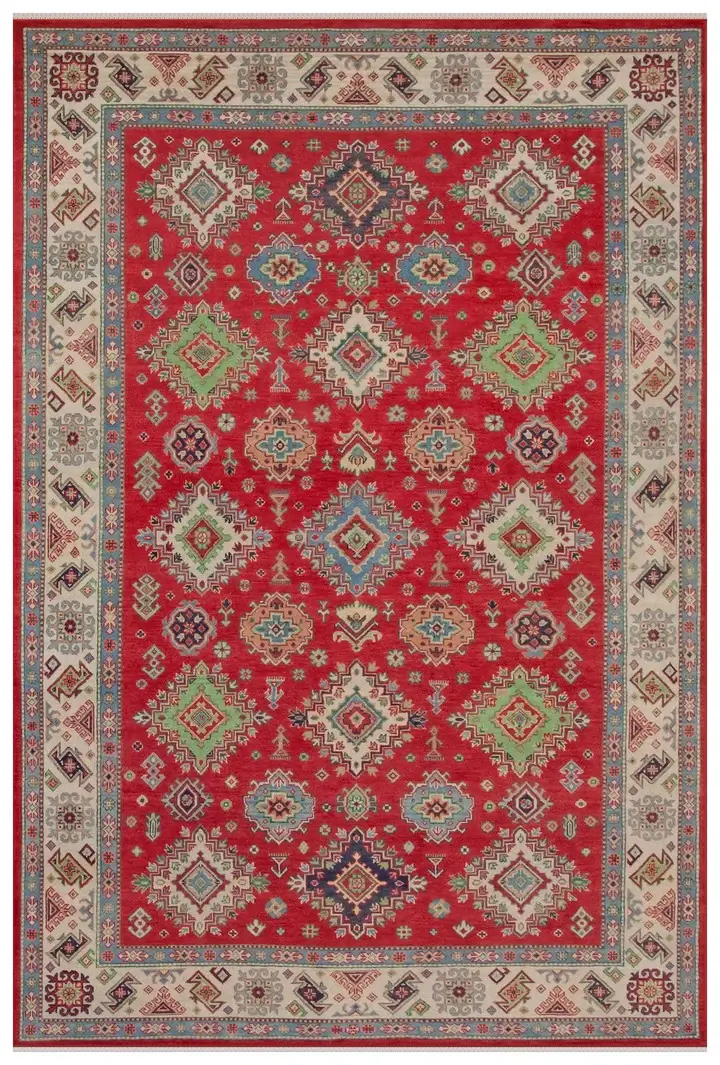
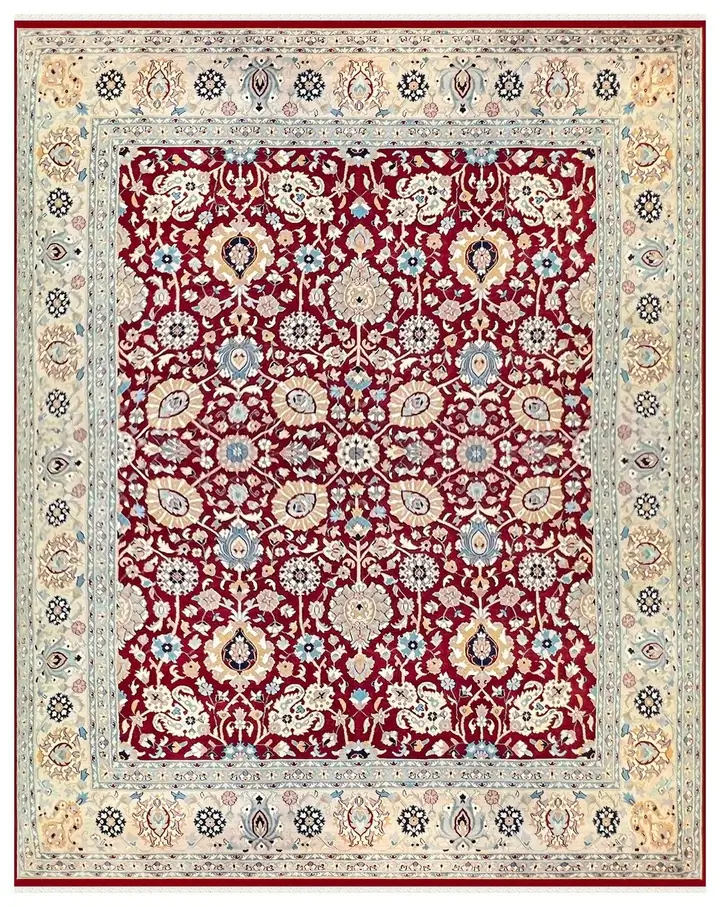
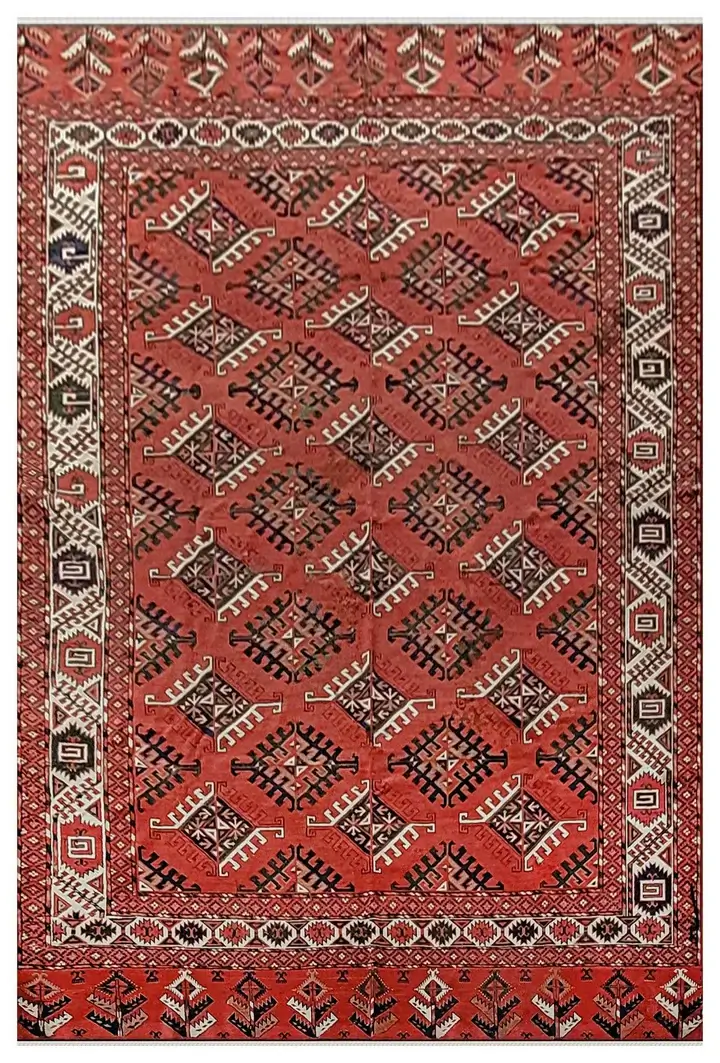
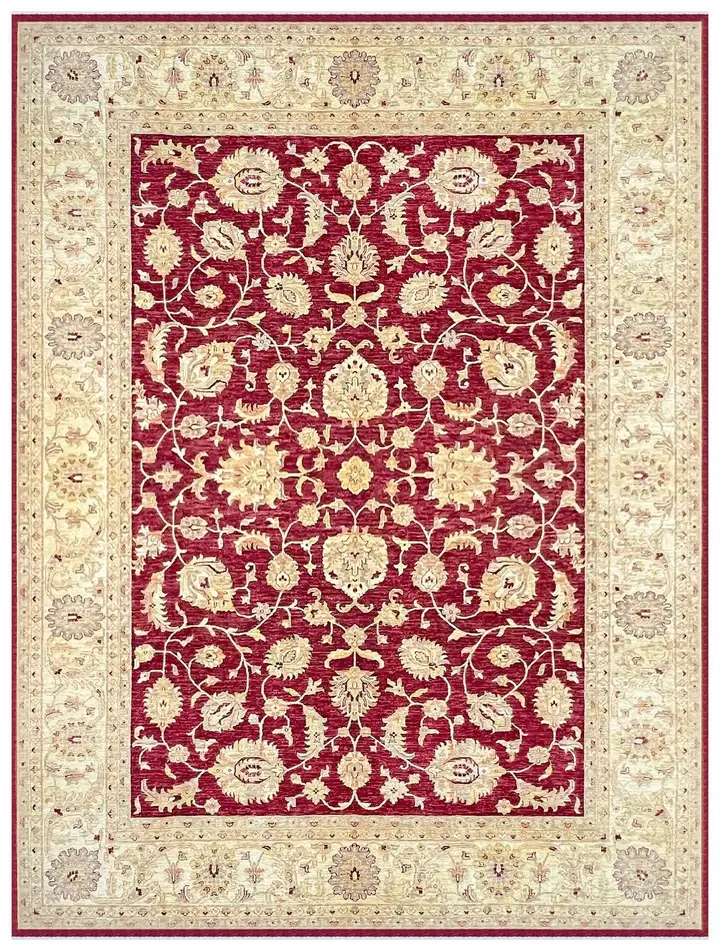
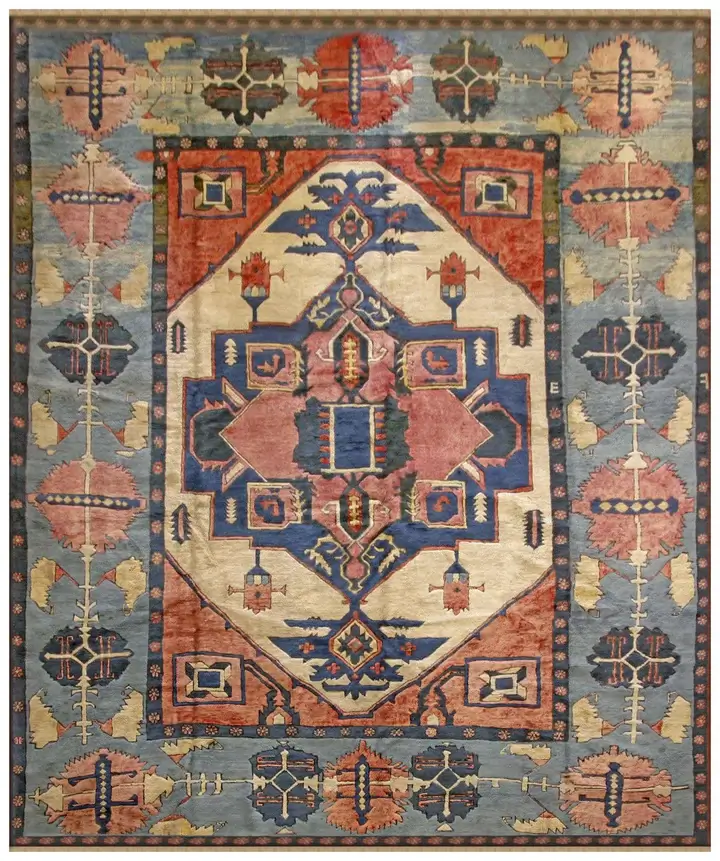
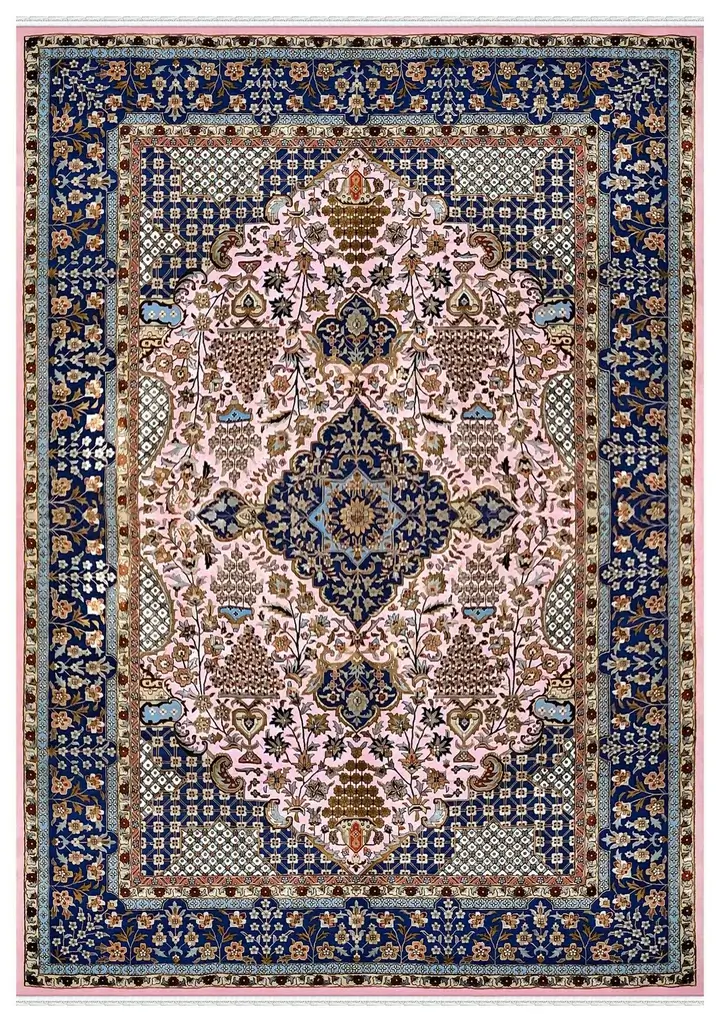
From Persian heirlooms to everyday synthetics. Twenty rug types, each hand washed to a method matched to its fibre and construction. Never a one-size clean.
- 29 years on rugs only
- IICRC-certified technicians
- Washed at our Yatala facility
Where else the van stops on Drayton's day
One loop takes in the whole southwestern side of the city.
The questions we get from Drayton
The house is heritage and so is the rug. Is washing it risky?
Not if it is checked first, which is why we check. Age by itself is not the deciding factor; what matters is whether the foundation still has strength and whether the dyes are stable, and both can be established before any water is involved. If a piece is too fragile for a bath we will tell you and offer the low moisture route instead.
How do you arrive at a price?
Three inputs only: how big the rug is, how it was made, and what condition it has reached. The trip down the range and back is already inside that figure rather than added to it. We quote once the rug is open in front of us, and the number does not change afterwards.
Our floors are original timber. Does that affect the rug?
It affects what collects underneath it. Old boards move and gap, so fine grit works down through a rug and sits between the pile and the floor, cutting fibres from below every time somebody walks across. That is the wear you cannot see, and washing is what removes it.
There is a corner where the dog has urinated more than once. Can it be saved?
Three things have to line up. First, the rug has to be able to take water, and that is settled before anything else happens. Second, it goes fully under, because the urine is sitting in the foundation and no surface product reaches down there. Third, an enzyme stage deals with the odour rather than masking it. Where the dye below has already gone, you are told at the first step and not the third.
Do you get to Harristown, Glenvale and Westbrook as well?
Harristown, Glenvale and Westbrook share the southwestern loop, and so do Darling Heights and Kearneys Spring. If the house holds more than one rug, send them at once rather than one at a time. A $20 discount applies to every rug beyond the first.
How long is the rug gone for?
Normally about 7 days from the day it is collected. An express turnaround inside 48 hours is available at an additional charge if you need one. The Toowoomba run happens on a set day, so mention any date you are working toward when you first call.
Get your free quote today
Tell us about your rug and we’ll take it from there. Free pickup and delivery, and an honest assessment before any work begins.