
Cane flats, river roads, fifteen minutes out
Rug Cleaning Alberton
for the Rivers'
Last Flats
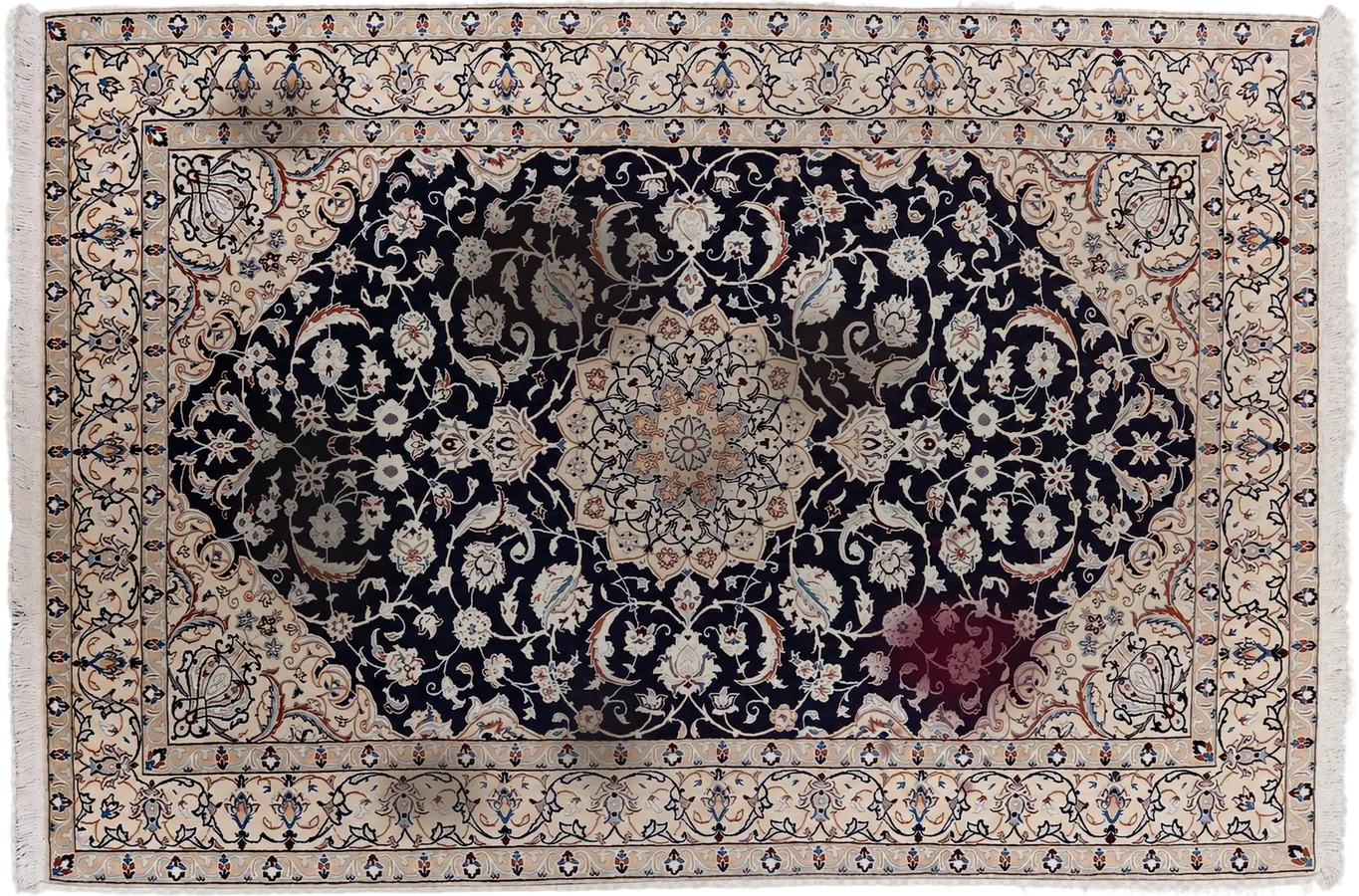
Alberton's farmhouse rugs are the biggest we collect and among the closest to our wash floor. Every one is bathed by hand at our Yatala facility, dried completely, and driven back down the river roads in about 7 days.
- Safe for delicate and handmade rugs
- 48-hour express service available at additional cost
- Free pickup right down the river roads
Reveal the Clean
Watch it clean automatically, then take control.
experience
 Expert care
for your rugs
 No-hassle
pickup & delivery
 Trusted, licensed
and insured experts
turnaround
 Guaranteed
satisfaction
A straight figure for farmhouse rugs
Country customers get told the truth about a rug, including when a piece is not worth the work. The price is set at inspection and it does not move.
- 1The driver collects at the farmhouseRolled at the door, however big it is
- 2Inspected, then quoted onceCondition read before a figure is set
- 3Hand washed at YatalaFull immersion, then dried under cover
- 4Back in about 7 daysDown the river roads, dry to the foundation
Get an honest assessment
No obligation · free pickup & delivery · we reply next business day
Rug washing Alberton, where the rivers run out
Farmhouses, acreage and rugs sized to match
Alberton is seventeen square kilometres of river flat farmland where the Logan and the Albert finish their runs, and 547 people live on it. That is a small number for a big piece of country, and it says something true about the place: farmhouses and acreage homes spread along the river roads, some held by the same families for generations, with newer rural residential builds filling gaps on large blocks. The interiors follow the land. Big open rooms, verandahs, hard floors, and rugs bought to suit rooms that were never small. Long serving wool sits in the older homes; the newer places run practical pieces that cope with boots, dogs and paddock dust arriving daily. What none of these rugs have in common with a city rug is size. Nothing here fits in a domestic machine, and that is exactly what a proper wash floor exists for.
People who have farmed the same flats since the 1860s do not replace things that can be kept good.
Two rivers, one coast, and air that stays damp
The flats keep their own weather. Still summer nights hold moisture over the low ground, mist comes off the water most mornings, and salt drifts in on the northeasterly from the Broadwater end without the flats ever being coastal. Cane country adds its own seasons on top, fine dust through the dry stretch and ash when the paddocks are burnt. Damp plus grit is a bad combination for wool. The dust works down into the base of the pile, the damp binds it there, and mould starts under furniture that has not been moved since the last time somebody vacuumed properly. None of that is visible from above, which is why so many farm rugs get written off as worn out when they are only loaded. A full immersion wash takes both out of the foundation, and the rug is dried completely before it comes home.
Fifteen minutes, which is unusual out here
Services have always had to travel to reach Alberton, and most of them charge for the privilege of noticing. Our position is simpler. The wash floor at Yatala is about 15 kilometres away, roughly fifteen minutes along the Stapylton to Jacobs Well road and the motorway corridor, which makes these some of the shortest country pickups we do. Alberton rides the same canefield run as Jacobs Well and Norwell, so the van is already out here on that day. The driver takes the rolled rug at the farmhouse door, whatever size it is, and brings it back the same way once it is dry through. Pickup and delivery are included on that run. For a district that spent nearly eighty years reaching the world by ferry, having the wash floor a quarter of an hour up the road is a fair change of circumstances.
Our Gold Coast office, and the wash floor beside it
Our Gold Coast office
Premier Rug Cleaning and Washing - Gold CoastUnit 9/38 Computer Rd
Yatala QLD 4207
Our Gold Coast listing is registered at Yatala, which is the wash floor itself. There is no second address: the paperwork and the washing happen on the one block of ground.
Where an Alberton rug goes
Alberton shares its collection day with Jacobs Well and Norwell on the canefield run, so the van is already down the river roads and both trips ride along free.
A settlers' name, a buried mill and a ferry that ran for decades
Farm country with a longer written history than most of the Coast.
German settlers named it first, and a road still remembers.
Families who have farmed the same flats since the 1860s do not replace things that can be kept good. Their rugs come to us for the same reason: a proper hand wash keeps a good piece in service.
The first Europeans settled these flats in 1863, most of them German immigrant families, and they called the place Elkana, a name recorded as meaning God has created and blessed. Their first Lutheran church went up in 1869, with a larger St Peter's built in 1886 and consecrated the following year, still standing on Alberton Road. The district was later renamed Alberton for the Albert River beside it, which carries the name of Prince Albert, but Elkana Road keeps the settlers' original choice on the map.
Ageston sugar ran here from 1866, and archaeologists found its mill again in 2012.
Cane country works its way indoors as fine dust and seasonal ash, and both settle at the base of a rug's pile. Immersion washing at Yatala, fifteen minutes away, rinses the paddocks back out of it.
The Ageston plantation grew sugar on Alberton's river flats from 1866 into the 1890s, and in 1873 its mill was described as one of the finest plants in the Moreton district. The enterprise faded, the buildings went, and the paddocks closed over the site, until a 2012 archaeological excavation brought up the mill's structures, a Cornish boiler and its evaporating pans. The crop never actually left: cane still grows on these flats today, alongside the prawn farms that share the riverbank.
From 1870 to 1948, the way in was across the water.
The ferry is a reminder that services have always had to come to Alberton. Ours still does. The driver collects the rolled rug at the farmhouse door and the rug rides home the same way, completely dry.
The Alberton Ferry began crossing the Logan River in 1870, and for nearly eight decades it was how the district's people, produce and mail reached the world. The Logan Bridge of 1931 slowly made it redundant, and the ferry made its last crossing in 1948. A public boat ramp at the north end of Alberton Road keeps the river access habit going, in a district where the water was the main road long before the bitumen arrived.
What customers say about Alberton
Rated 4.9 ★ from 8 customersaround Alberton, collected directly from our customers after every clean.
The river flats first, then everywhere else
The cards above came from addresses out on these flats. The wider figure counts every region our vans reach.
Every weave.
Every origin.
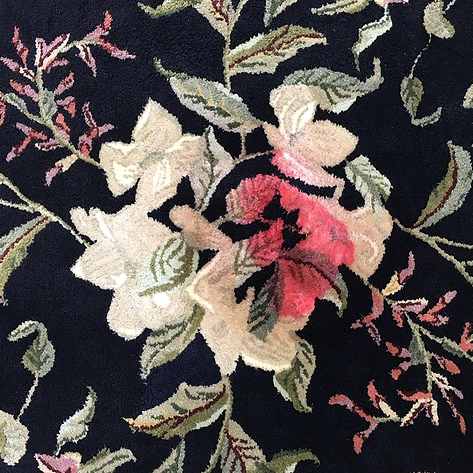
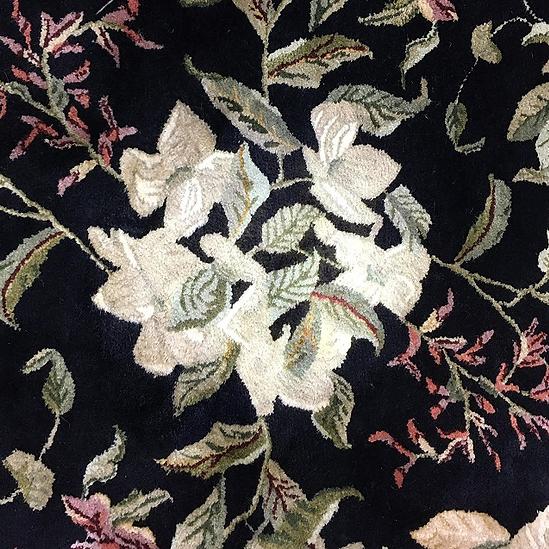
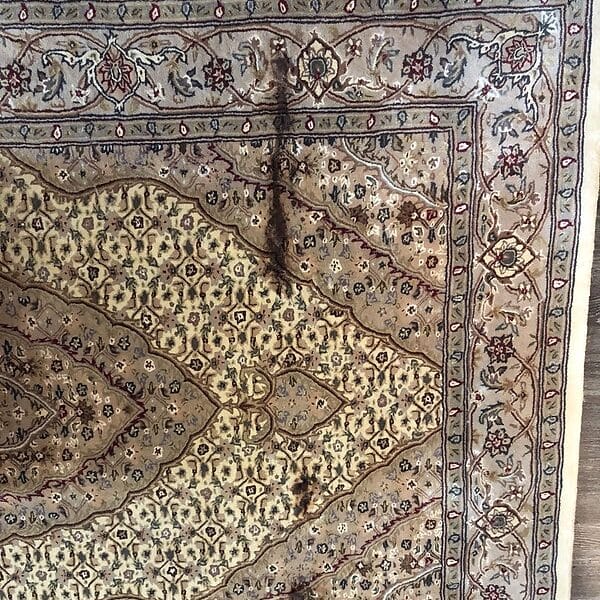
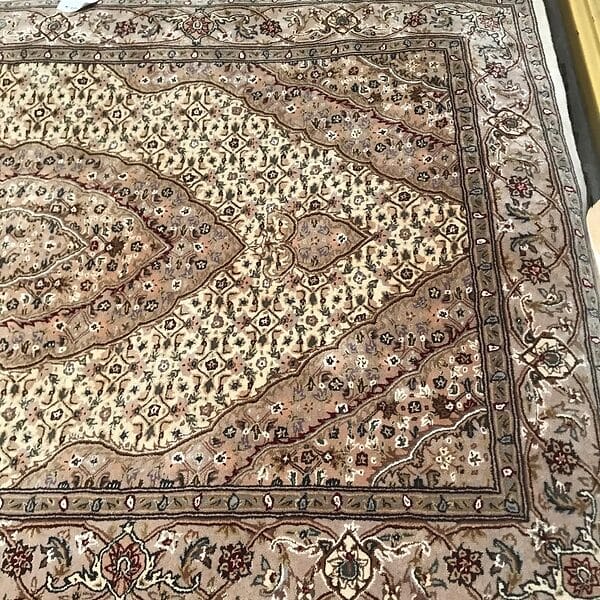
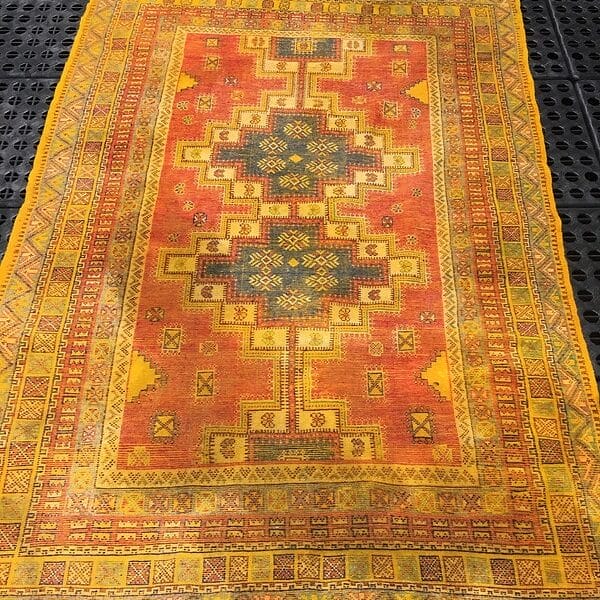
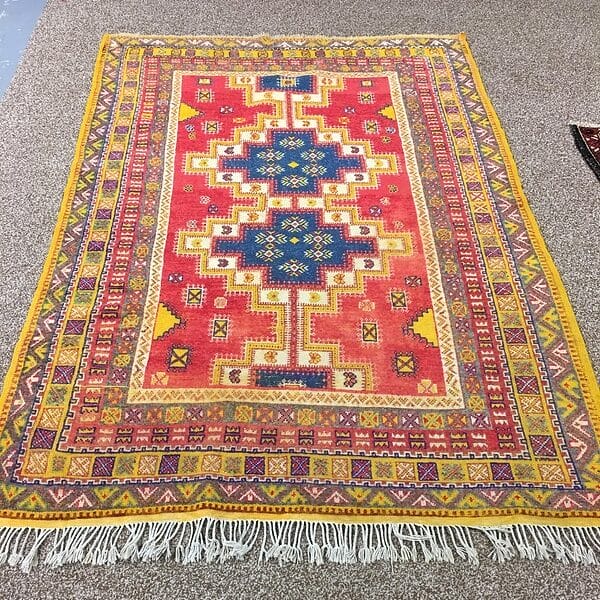
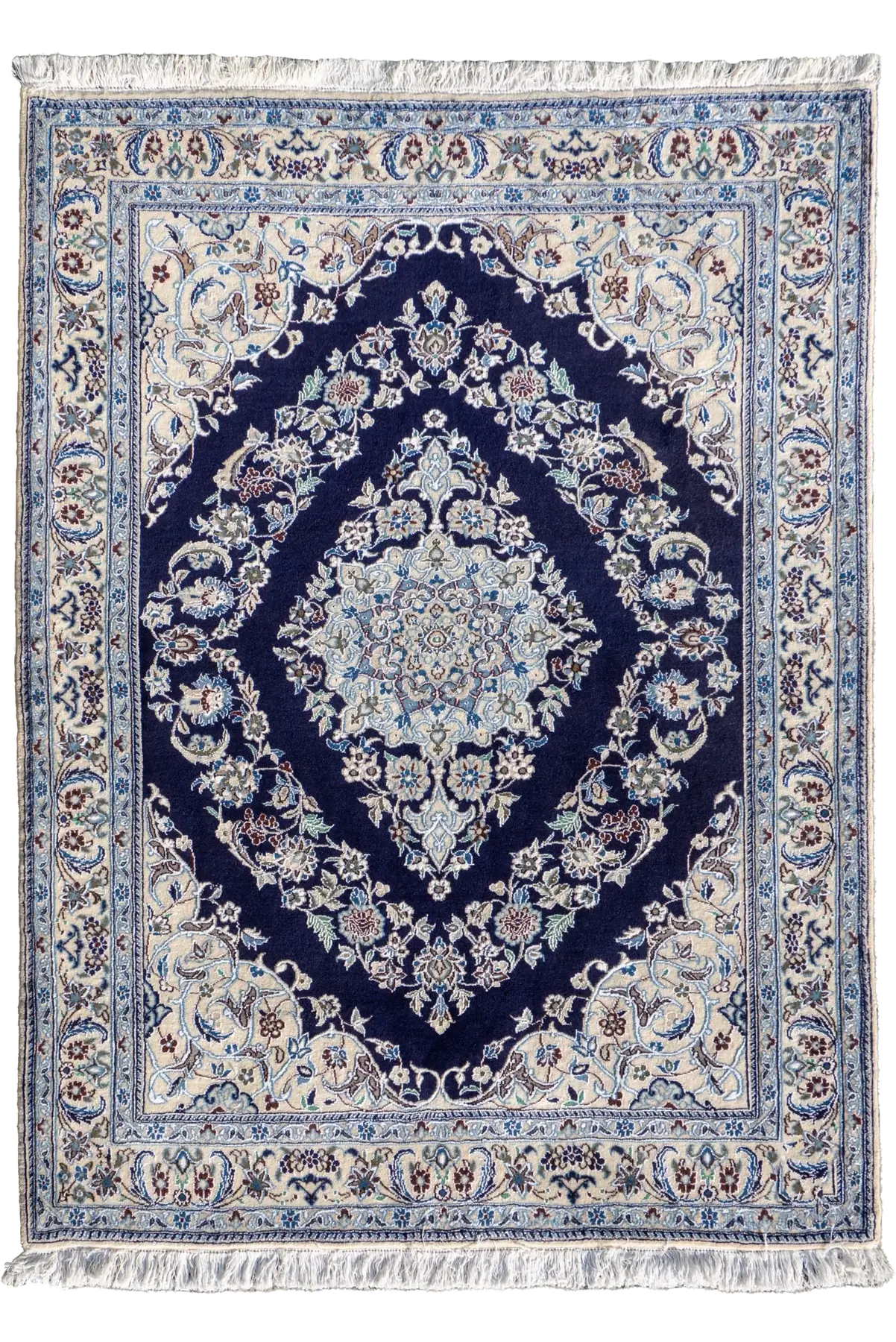
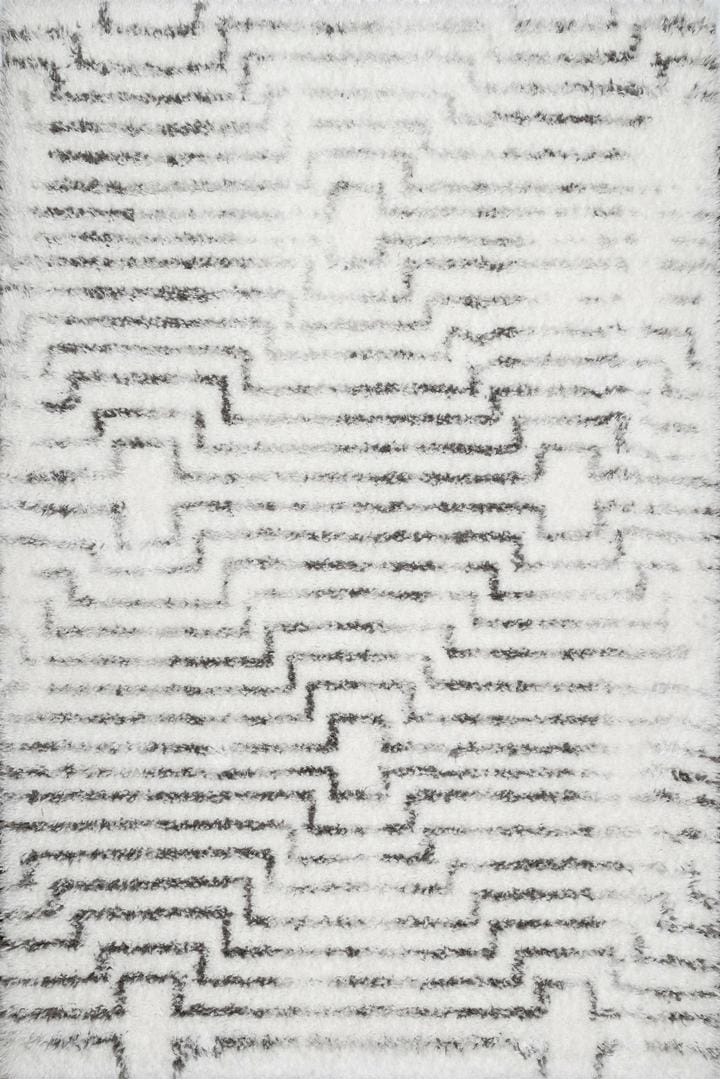
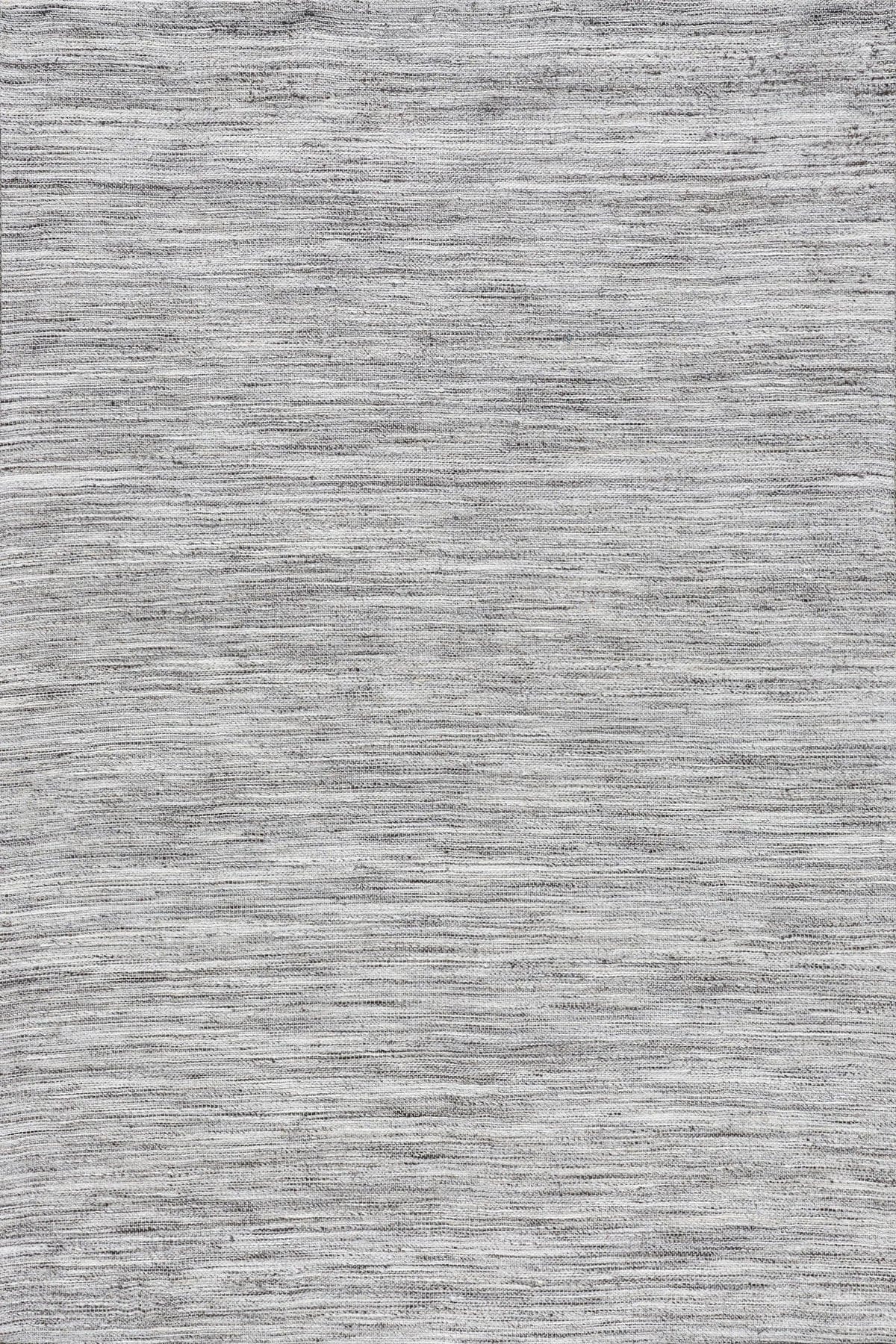
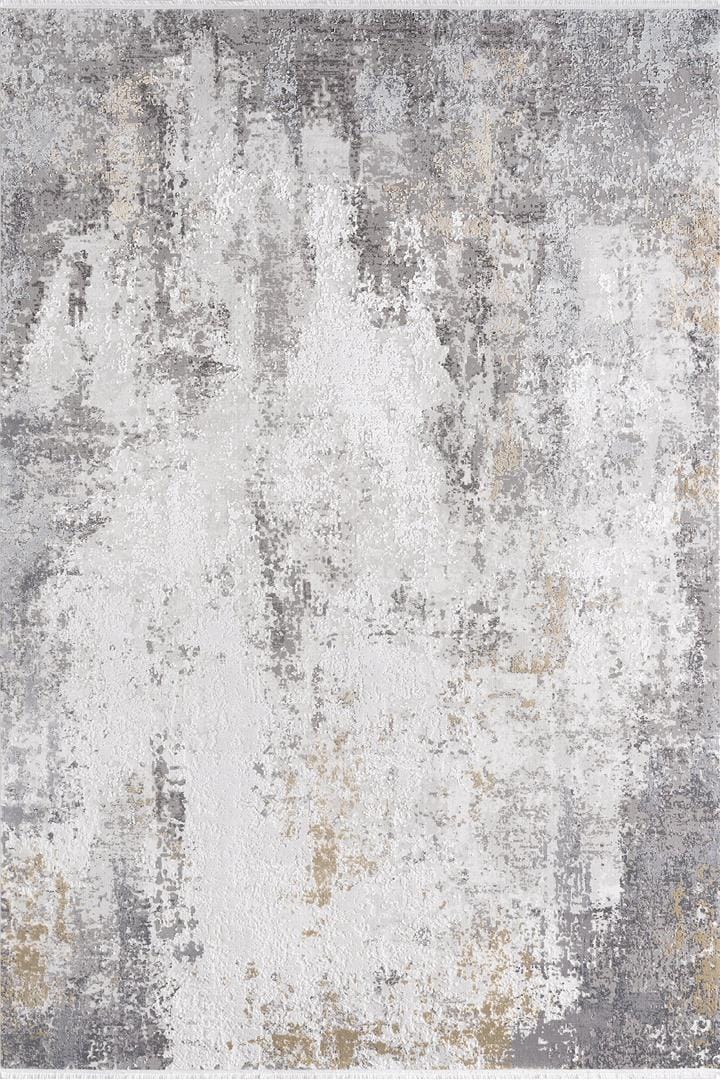
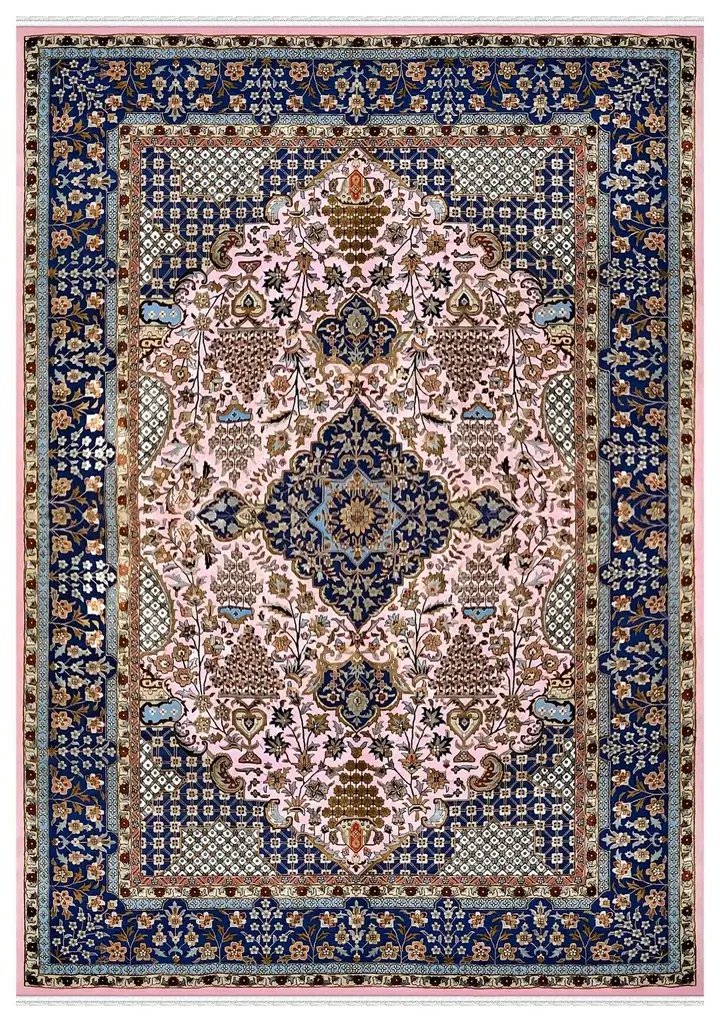
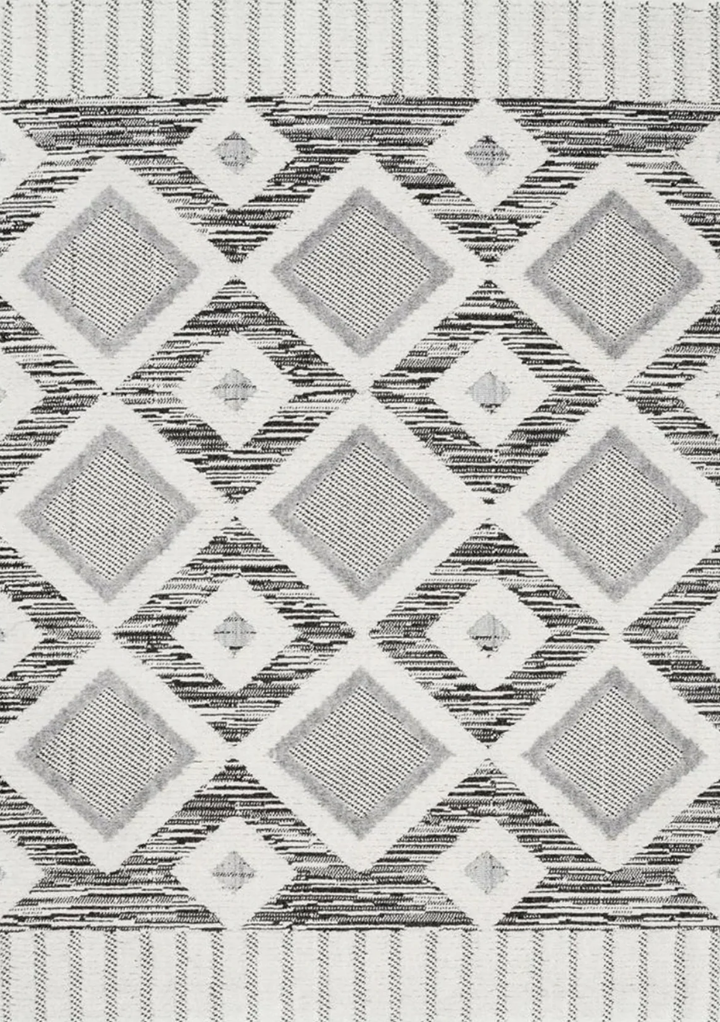
From Persian heirlooms to everyday synthetics. Twenty rug types, each hand washed to a method matched to its fibre and construction. Never a one-size clean.
- 29 years on rugs only
- IICRC-certified technicians
- Washed at our Yatala facility
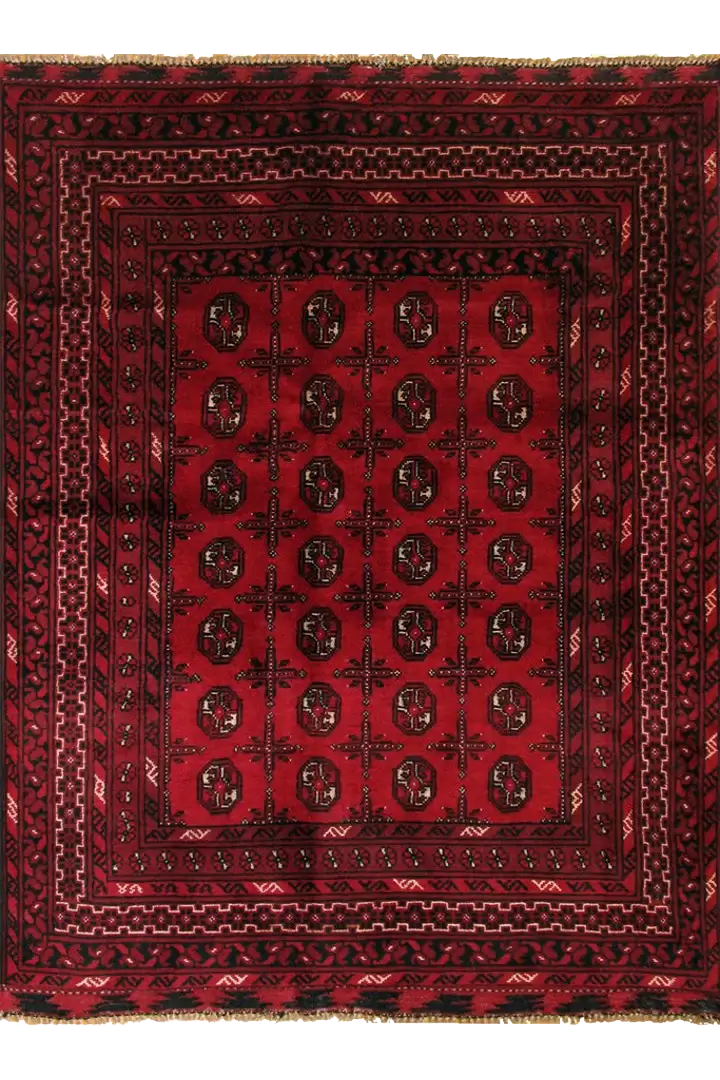
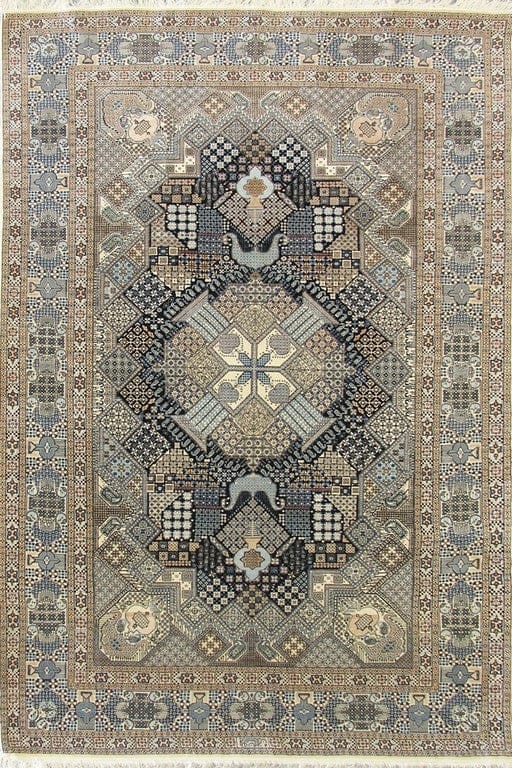
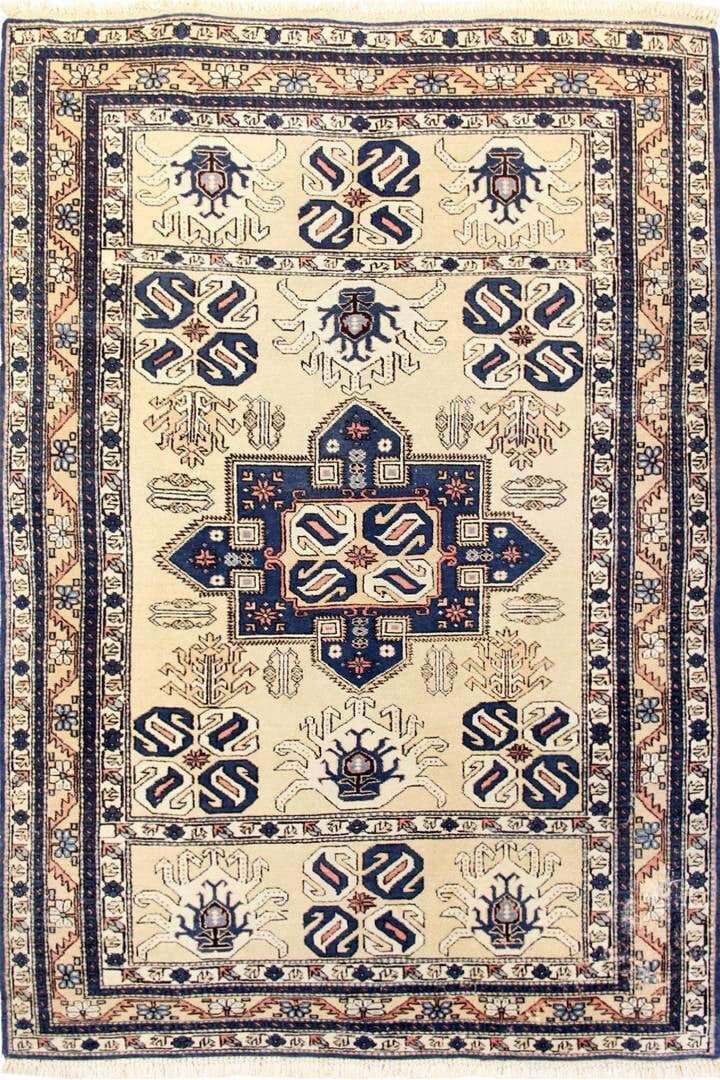
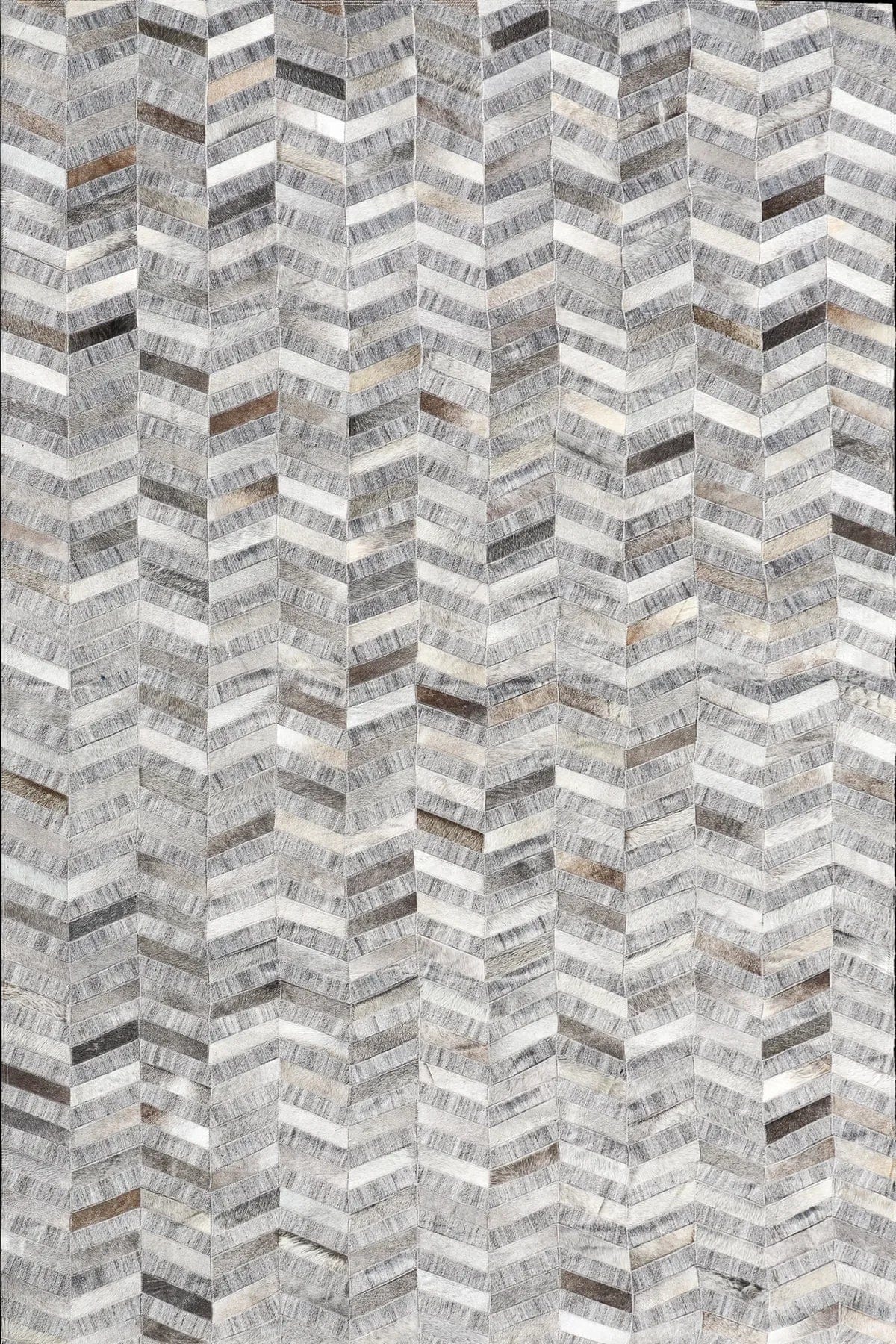
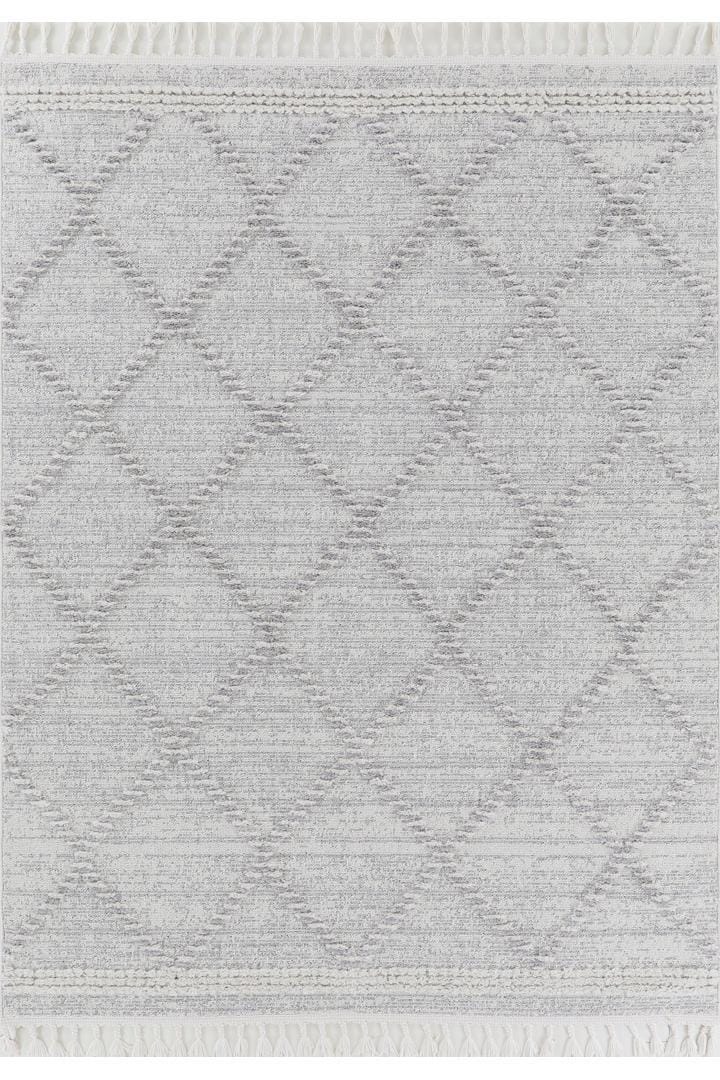
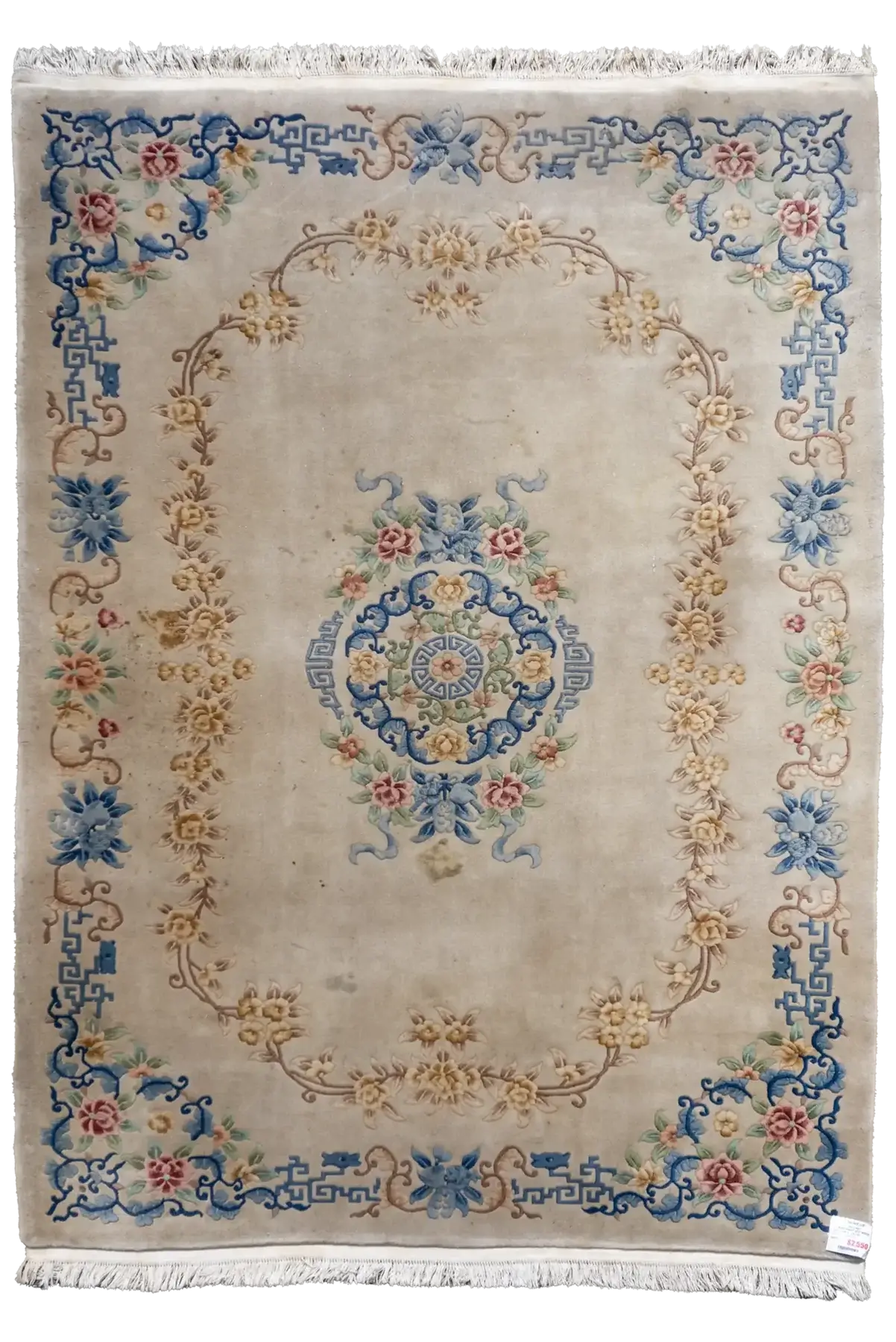
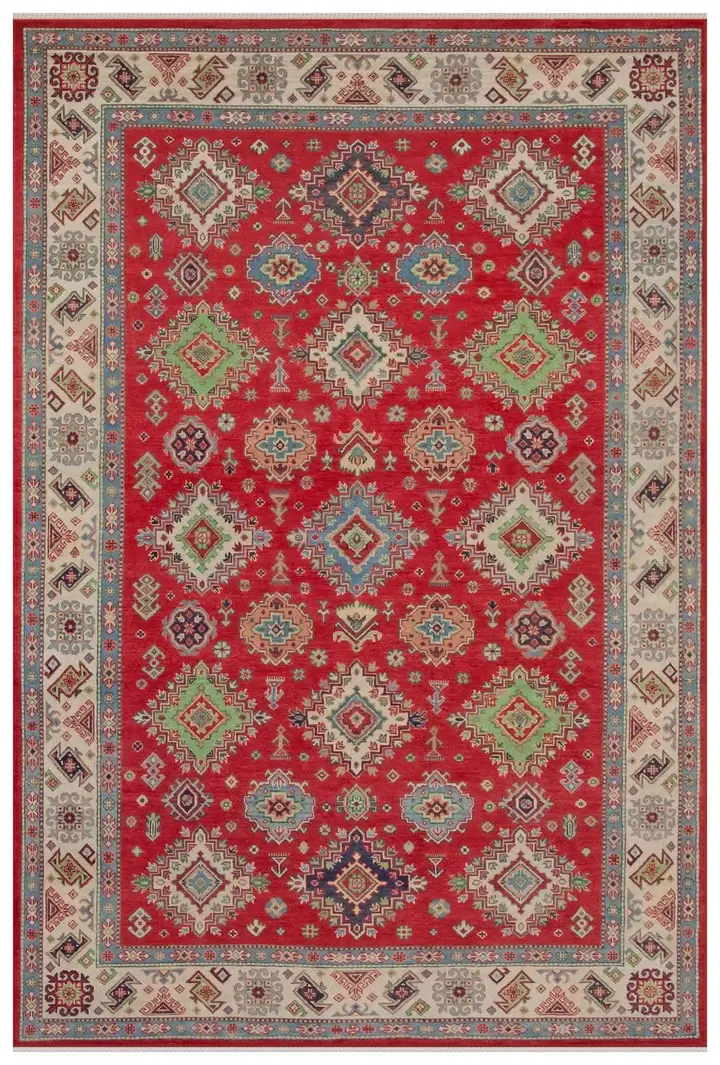
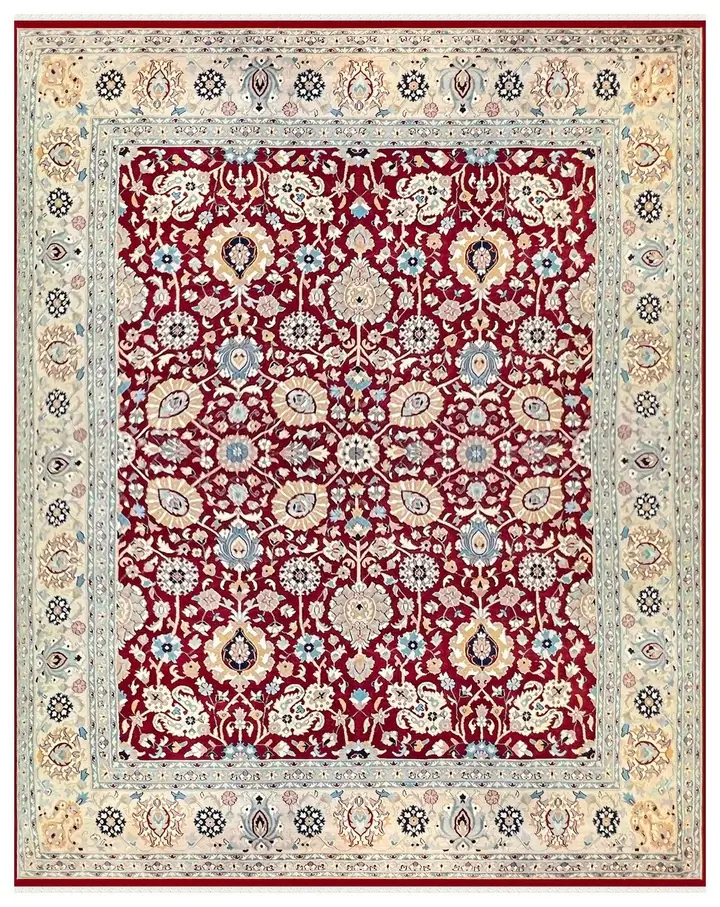
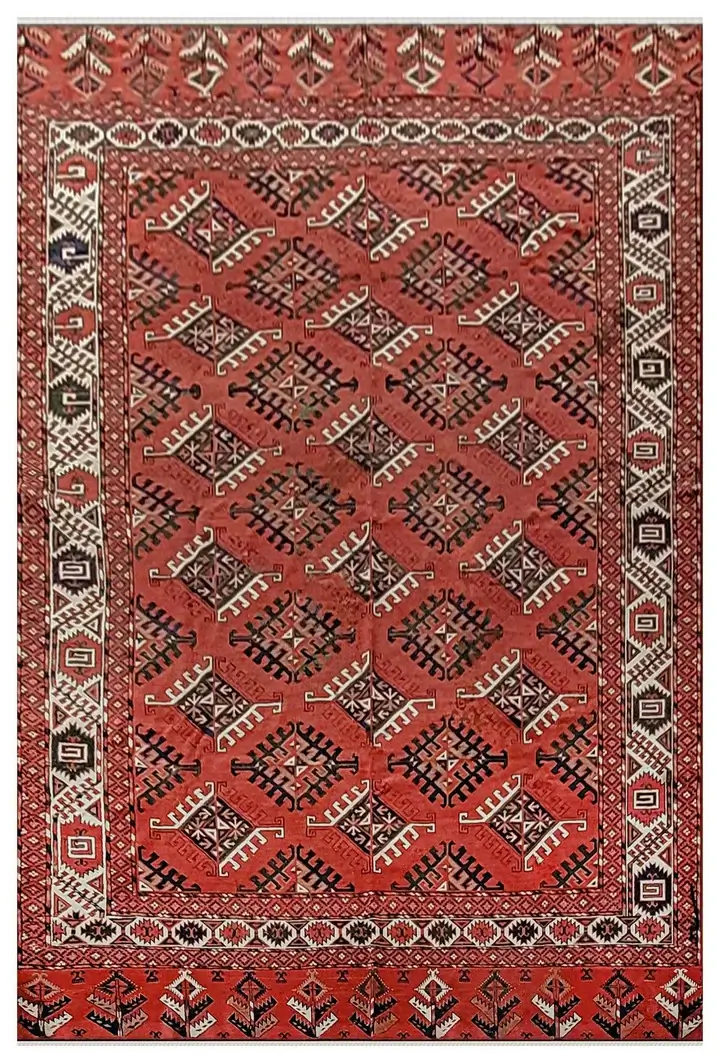
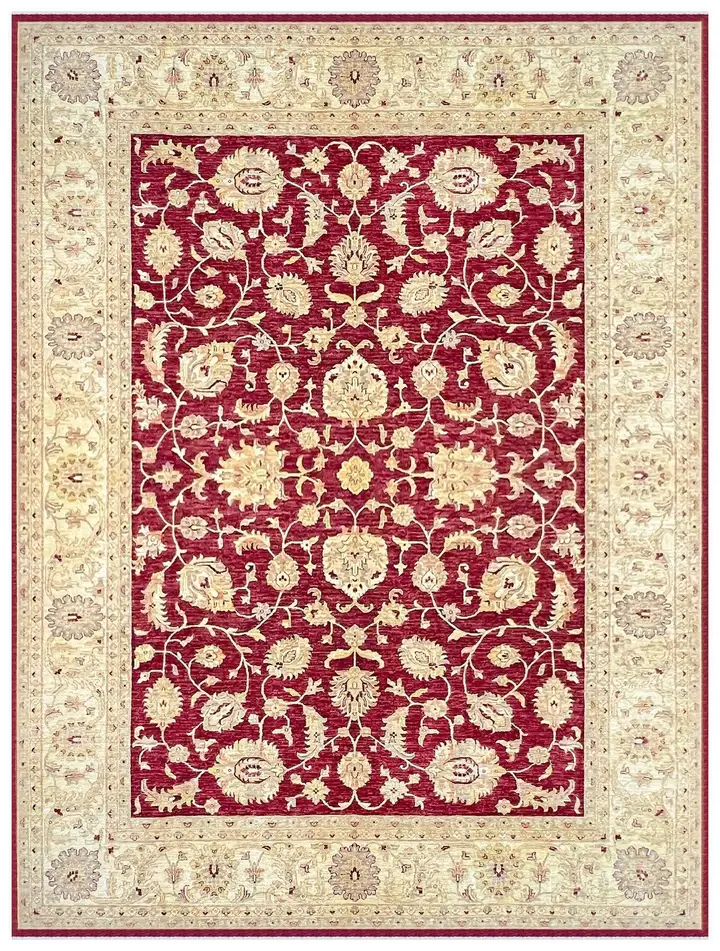
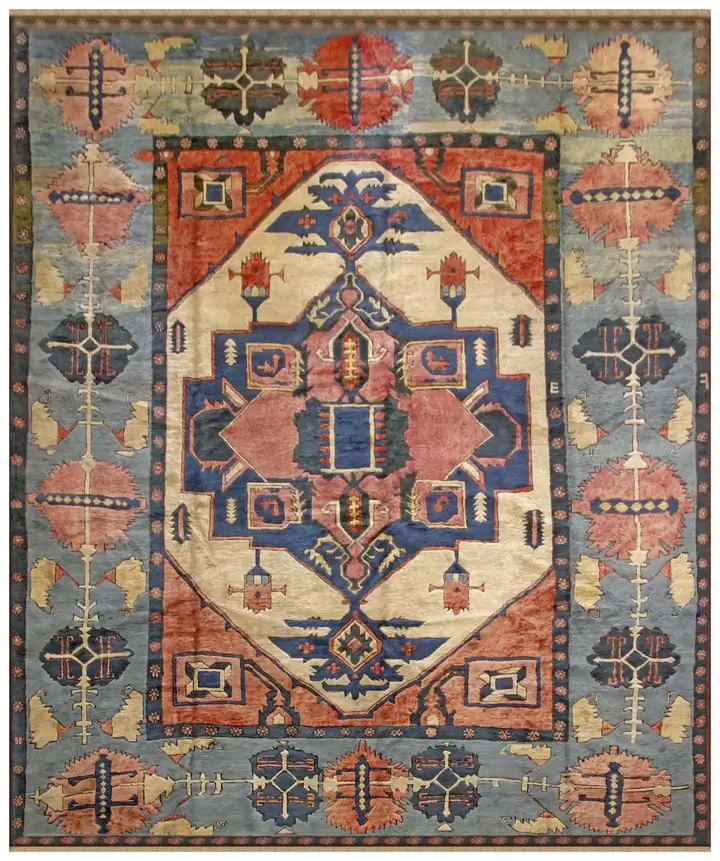
Collected on the same day as Alberton
One scheduled run covers the far northern flats.
Alberton questions from the river roads
Will you really drive out to a farm on the river roads?
Yes, and it is a short trip rather than a favour. The wash floor at Yatala is about fifteen minutes away, and Alberton shares its collection day with Jacobs Well and Norwell on the canefield run. Pickup and delivery are both included on that run, right down to the farmhouse door.
Our rug is far too big for any machine. Is that a problem?
No, that is the normal size out here. Homestead rugs are among the biggest pieces we handle and they are washed the same way as everything else, submerged whole and worked by hand. The driver rolls it at the door and takes it from there, so nobody has to wrestle it into a car.
What sets the price?
The rug does, through its size, fibre and condition, which is why the figure only exists once it has been looked at. After that it is fixed. If a piece has reached the end of its life you will hear that at the inspection, plainly, instead of finding out from the invoice.
A dog urinated on the homestead rug. Can that smell be got rid of?
Yes, provided the treatment reaches the source. Urine passes through the pile into the backing, so anything sprayed on top masks it until the next humid stretch. Submerging the rug takes the residue out of the foundation and an enzyme step clears the fibre. If the dye has been affected, we tell you before any work begins.
Do you collect from Jacobs Well, Norwell and Steiglitz as well?
Yes, all three sit on the same scheduled canefield run as Alberton, along with Ormeau and Pimpama further down. Neighbours share a collection day easily, and $20 comes off each rug past the first, which is worth arranging when two properties are both sending pieces.
Cane dust and ash get into everything. Does a wash actually remove them?
It does, because the whole rug goes under water rather than being worked from the top. Dust and ash sit low in the pile against the foundation, which is the level a vacuum never reaches. Immersion floats that material out with the water, and the colour that comes back is usually the surprise.
Get your free quote today
Tell us about your rug and we’ll take it from there. Free pickup and delivery, and an honest assessment before any work begins.