
Farm country and acreage, 4352
Rug Cleaning Gowrie Junction,
Where the Junction Closed in
1915
Twenty six square kilometres of acreage and farmland twelve kilometres northwest of the city, around a railway township that has outlived its own junction. Rugs hand bathed at Yatala.
- Safe for delicate and handmade rugs
- 48-hour express service available at additional cost
- Free pickup and delivery on the Downs run day
Reveal the Clean
Watch it clean automatically, then take control.
experience
 Expert care
for your rugs
 Free
Freepickup & delivery
 Trusted, licensed
and insured experts
turnaround
 Guaranteed
satisfaction
One figure for rugs off working blocks
Nothing is costed from a description. The rug is opened out on the floor at the facility, gone over properly, and given one figure that covers everything.
- 1Rolled at the homesteadFrom a verandah or a shed door
- 2Gone over and costedOne figure, taken off the rug
- 3Hand bathed at YatalaFully under, rinsed until clean
- 4Back in about 7 daysDried flat, groomed, rolled
Get an honest assessment
No obligation · free pickup & delivery · we reply next business day
Rug washing Gowrie Junction, on the Darling Downs proper
A station that runs, and a junction that does not
The name has two halves and they have had different fates. Gowrie comes from the Gowrie pastoral station, run from 1847 by Henry Hughes and Frederick N. Isaac, and most likely derives from the Aboriginal word cowarie. Junction refers to the point where the Southern and Western railway lines once met, which was active from 1871 until 1915. Gowrie railway station still serves the Western line today. The junction itself, and the old Tilgonda station, closed in 1915 as the district's rail pattern changed around them. So the locality is named for two things, one of which is still working and one of which stopped more than a century ago, and it has carried both names ever since without anyone thinking it odd.
The junction closed in 1915 and the name stayed. Out here things get kept and used long after the reason for them has gone.
A country school with an unusual record
Gowrie State School opened in 1878, was renamed in 1963 and still runs today with around 183 students as of 2018. Frank Riethmuller, who later became one of Australia's best known rose breeders, worked here as a pupil-teacher from 1899 to 1905. One of the pupils he taught went on to become Sister Elizabeth Kenny, internationally known as an advocate of a treatment for poliomyelitis. A small country school producing a noted plant breeder on the staff and a figure of that standing among its pupils is worth knowing about, and it is the kind of thing that gets forgotten if nobody writes it down. On the ground today the district is acreage and farmland, paddock blocks around a small railway township, and the housing runs to the large rooms and large rugs that go with that.
Churches closed, a post office gone, people still arriving
St John's Anglican Church was dedicated in 1882 and held its last service in 1968. Holy Family Catholic Church opened in 1900 and was destroyed in 1969. The district's post office ran from 1876 to 1972. Set against that list of endings, the population has done the opposite: 1,939 at the 2011 census, 2,120 in 2016 and 2,242 in 2021, growing steadily rather than booming or emptying out. For rugs the local conditions are the Downs conditions. Dry, dusty summers put fine abrasive soil down into the base of a pile where it cuts fibre from underneath, and hard frosty winters mean fires, closed houses and undisturbed rooms where moths get a clear run. One immersion wash with the moth treatment carried in the water resets the whole year, and the rug dries flat at Yatala instead of over a fence.
Gowrie Junction, and the long trip the rug makes
Directions from Gowrie Junction to our Yatala facility
There is no office of ours in this district or anywhere in Toowoomba. Rugs are collected rolled from Gowrie Junction properties, hand washed at the Yatala facility and delivered back on the same run once the day is set.
A pastoral run, a vanished junction and a school with a long memory
A working railway township on the Darling Downs, twelve kilometres out.
Gowrie comes from the Gowrie pastoral station, run from 1847 by Henry Hughes and Frederick N. Isaac and most likely derived from the Aboriginal word cowarie, while Junction refers to the former meeting point of the Southern and Western railway lines, active from 1871 to 1915.
Layered local history is worth knowing before we knock on a door out here, and it is a better starting point than treating the whole district as one anonymous stretch of farmland.
Gowrie railway station still serves the Western line today. The old Tilgonda station and the junction itself both closed in 1915 as the district's rail pattern changed, which leaves one working station and one vanished one inside the same small locality.
Frank Riethmuller, later one of Australia's best known rose breeders, worked as a pupil-teacher at Gowrie State School from 1899 to 1905, and one of his pupils became Sister Elizabeth Kenny, internationally known for advocating a treatment for poliomyelitis.
Quiet achievement in a small country district is exactly the sort of thing we like knowing about the places we collect from, rather than arriving with nothing but a street name.
The school itself opened in 1878, was renamed in 1963, and still runs today with around 183 students as of 2018. That is close to 150 years of continuous schooling in one small district.
St John's Anglican Church was dedicated in 1882 and held its final service in 1968, Holy Family Catholic Church opened in 1900 and was destroyed in 1969, and the district post office ran from 1876 to 1972.
A settled district with a working station is straightforward to serve on a scheduled run, and properties here generally know which day the van is on the road.
Against all of that, the population has kept rising: 1,939 in 2011, 2,120 in 2016 and 2,242 in 2021. This is a district holding its own steadily rather than one either booming or fading, which is a rarer pattern out here than people assume.
What customers say about Gowrie Junction
Rated 5.0 ★ from 8 customersaround Gowrie Junction, collected directly from our customers after every clean.
Gowrie Junction cards first, then the whole area
The cards above were written at Gowrie Junction addresses. The larger figure counts every locality we collect from.
Every weave.
Every origin.
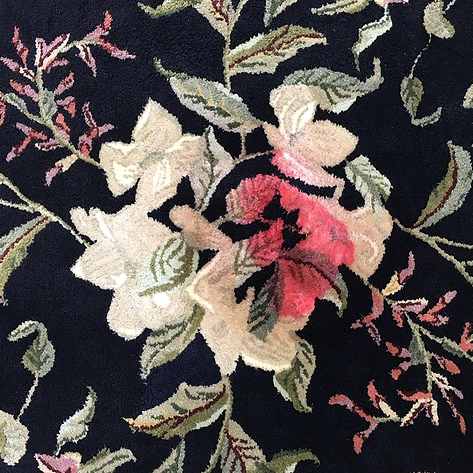
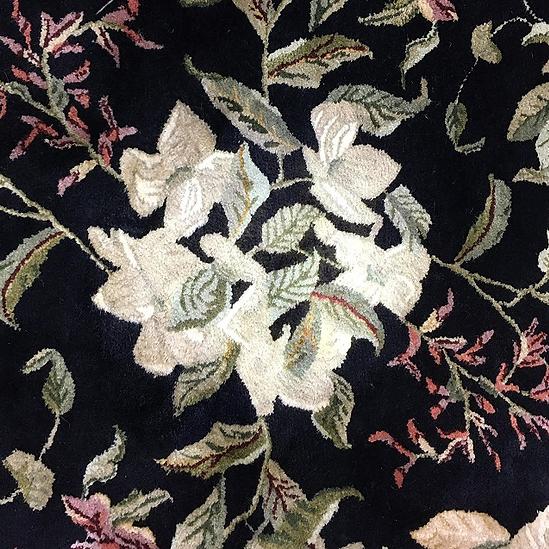
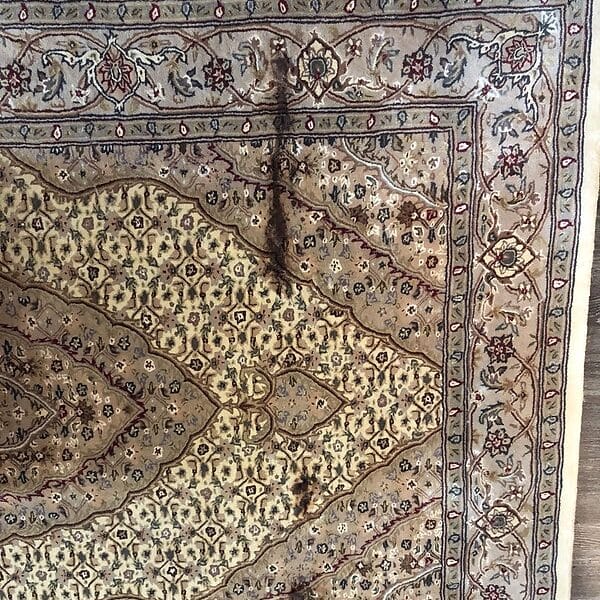
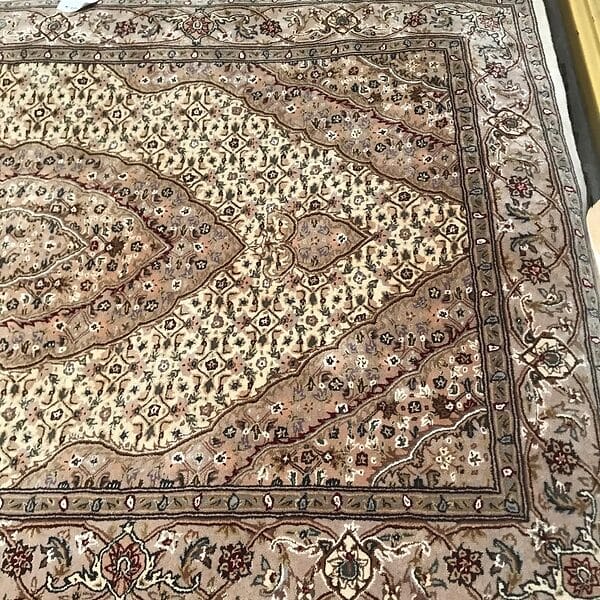
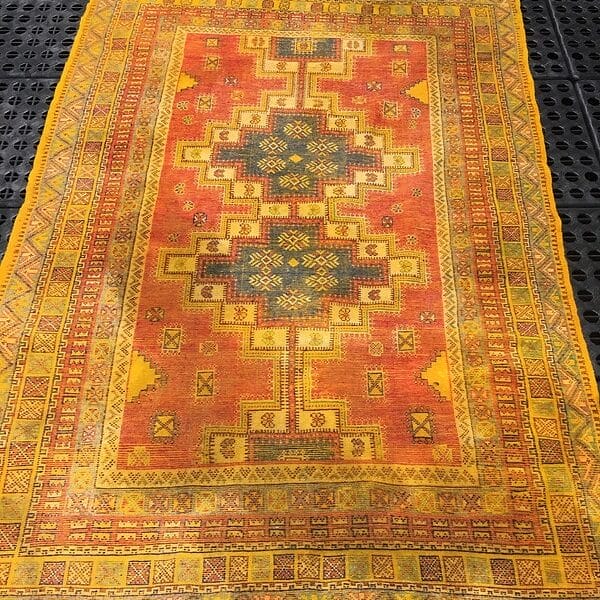
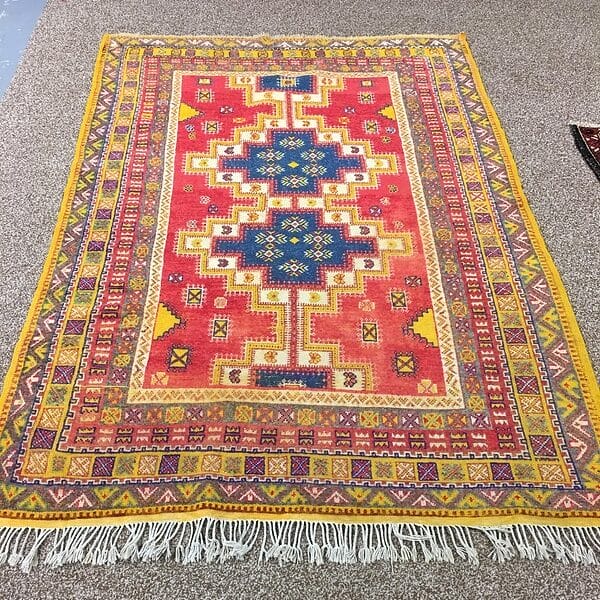
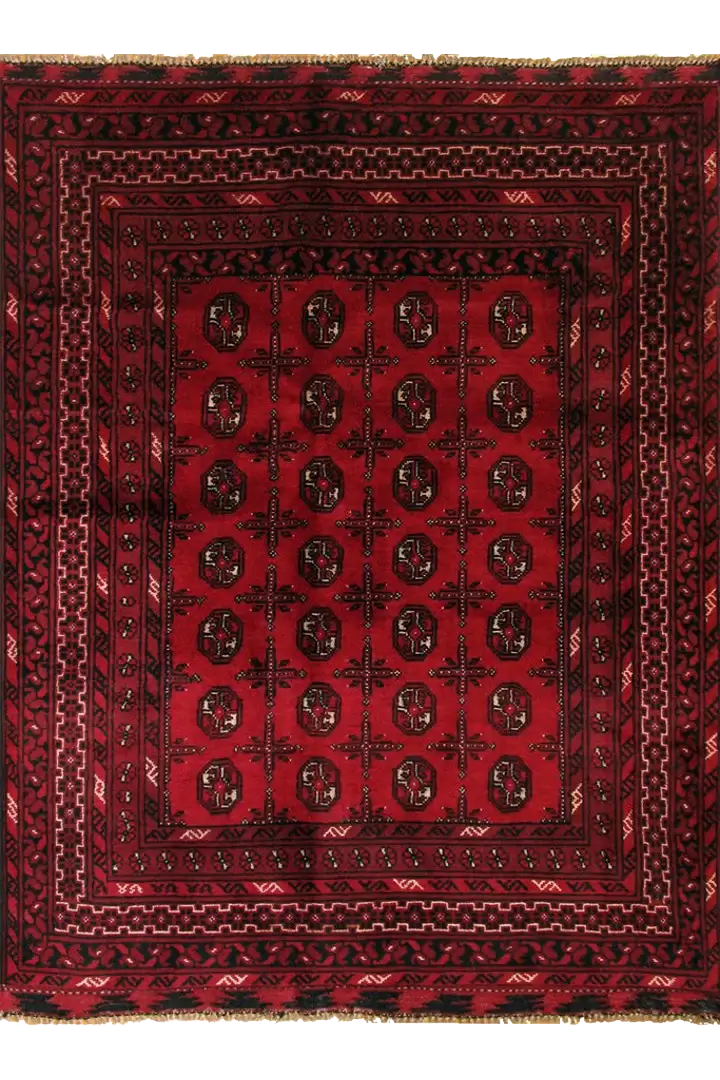
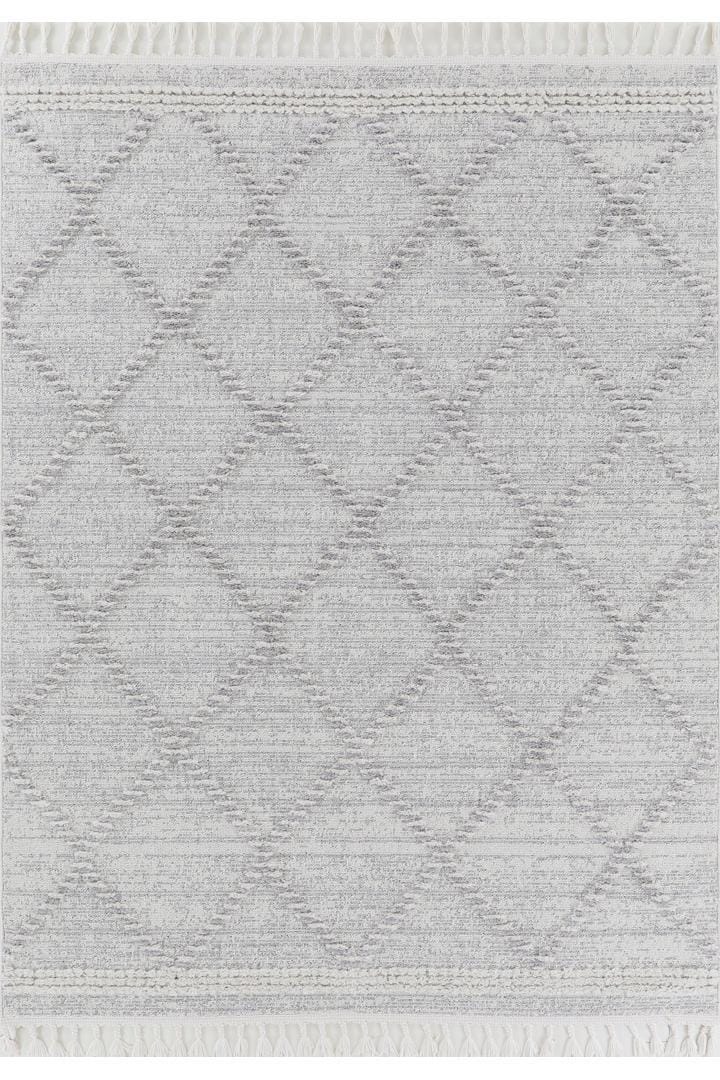
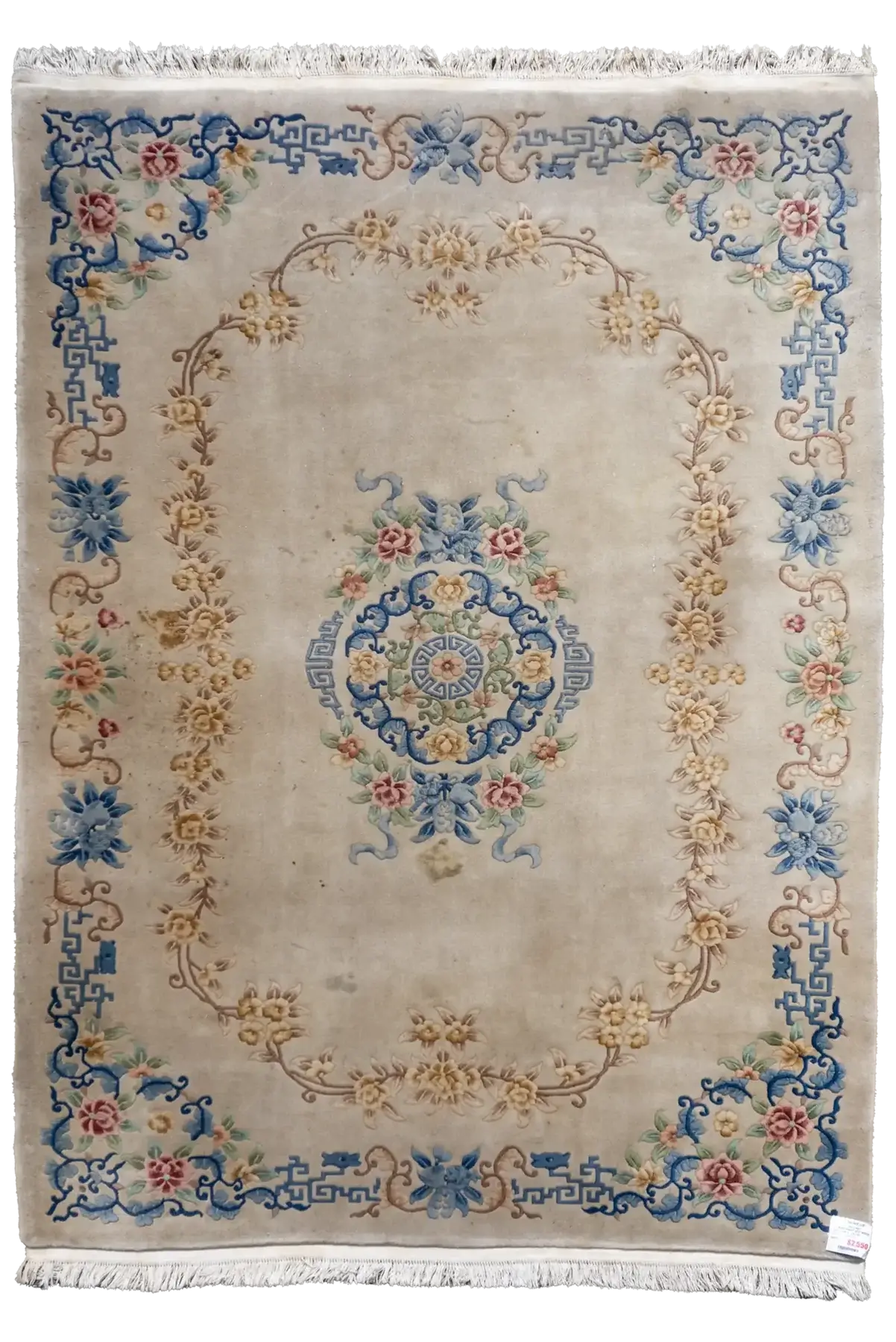
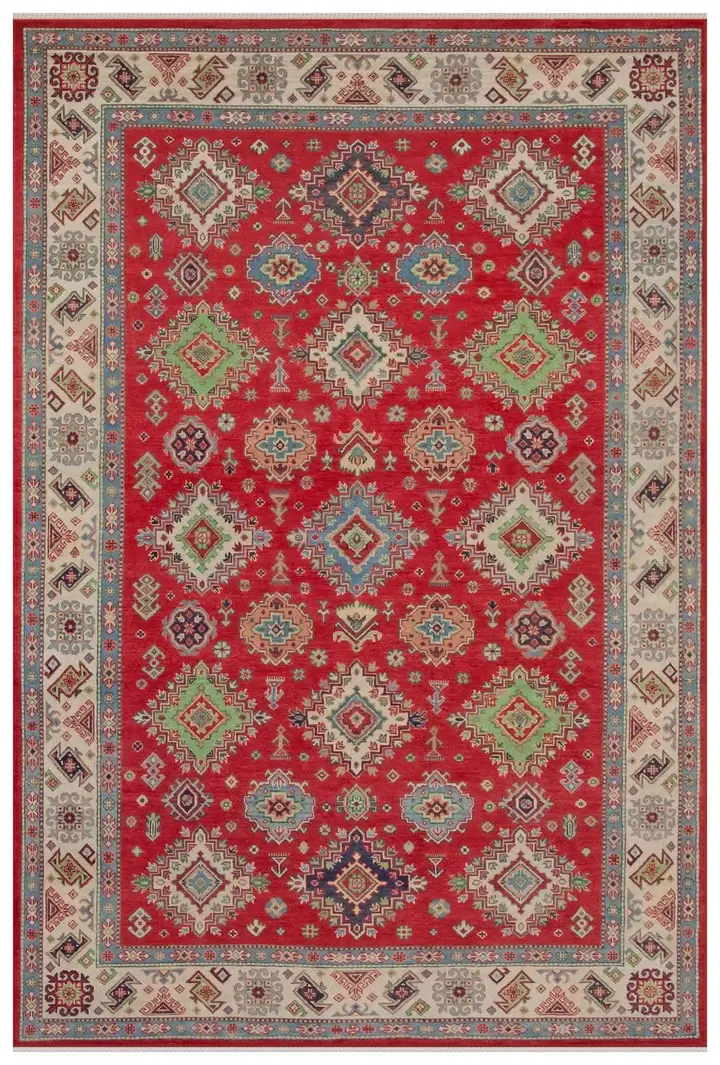
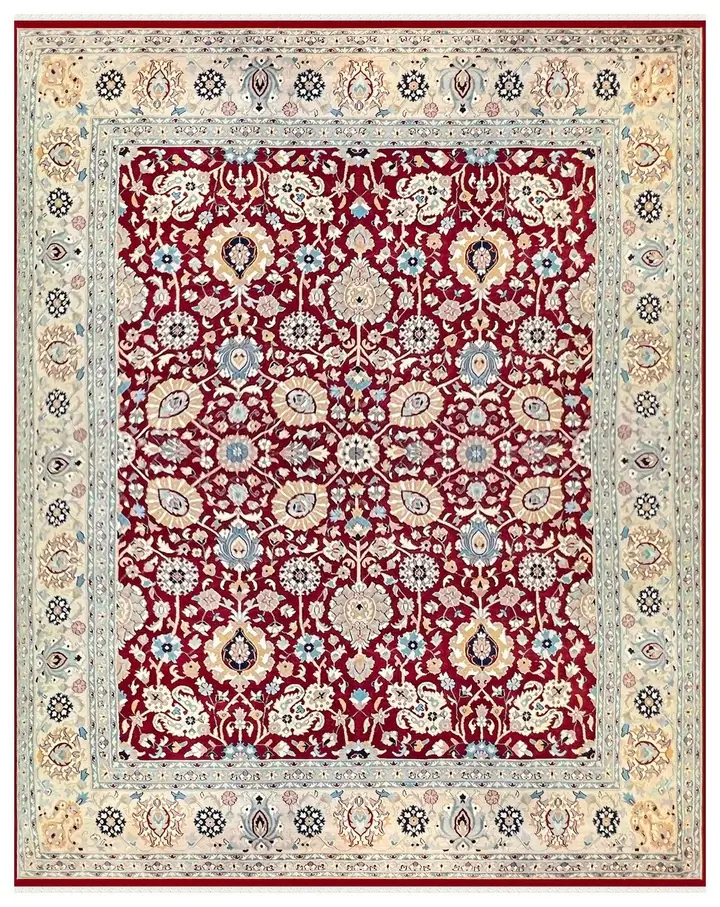
From Persian heirlooms to everyday synthetics. Twenty rug types, each hand washed to a method matched to its fibre and construction. Never a one-size clean.
- 29 years on rugs only
- IICRC-certified technicians
- Washed at our Yatala facility
The rest of the Downs day
The townships and acreage northwest of the city go on one run.
What Gowrie Junction properties ask
We are on a property. Will a driver actually come up the drive?
Yes, right to the house. Gowrie Junction is on the scheduled run rather than being a special trip, and the driver rolls the rug and loads it, so nothing needs dragging down to a gate. Long drives are normal out here and they do not change anything about how the job is priced.
How is the cost worked out?
From the rug itself: how big it is, how it is constructed and what condition it has reached. The distance in and out is already inside the figure. We open the piece out, go over it properly, give you a single number, and it does not change afterwards.
Everything is dusty out here. Does washing really achieve much?
It achieves more here than almost anywhere. Fine dry Downs soil is abrasive, and it works down through the pile to sit against the backing where it cuts fibre with every footstep. That is invisible from the top of the rug, and washing is the only thing that removes it.
The dogs come inside and one corner has been urinated on repeatedly. Fixable?
Generally, and the first thing we will ask you is how long it has been going on. That matters because urine accumulates in the foundation rather than the wool, and a spray or a hired machine never gets near it. The rug goes fully under so the source can be drawn back out, and an enzyme stage then takes the odour apart. Dye condition is checked and reported before we commit to anything.
Do you also collect at Kingsthorpe, Highfields and Cotswold Hills?
Kingsthorpe, Highfields and Cotswold Hills all share this run, as do Meringandan and Cranley. Farm houses commonly send four or five at a time, which is the efficient way to handle it, with a $20 discount on each rug after the first.
How long is it away for?
About 7 days between collection and return in normal circumstances. Where the timing matters, express handling within 48 hours can be arranged for an additional charge. The Downs run has a fixed day, so let us know at the outset if you are working toward something.
Get your free quote today
Tell us about your rug and we’ll take it from there. Free pickup and delivery, and an honest assessment before any work begins.