
Timber camp to growing town
Rug Cleaning Cooroy,
a Town That Keeps What Still
Works
Farmers here fought to save a butter factory, and it is a gallery now. We take the same view of rugs. Yours goes into the water at Yatala, is run through fresh water twice over, and comes back on a rack under managed air.
- Safe for delicate and handmade rugs
- 48-hour express service available at additional cost
- Free pickup and delivery on the far-north run day
Reveal the Clean
Watch it clean automatically, then take control.
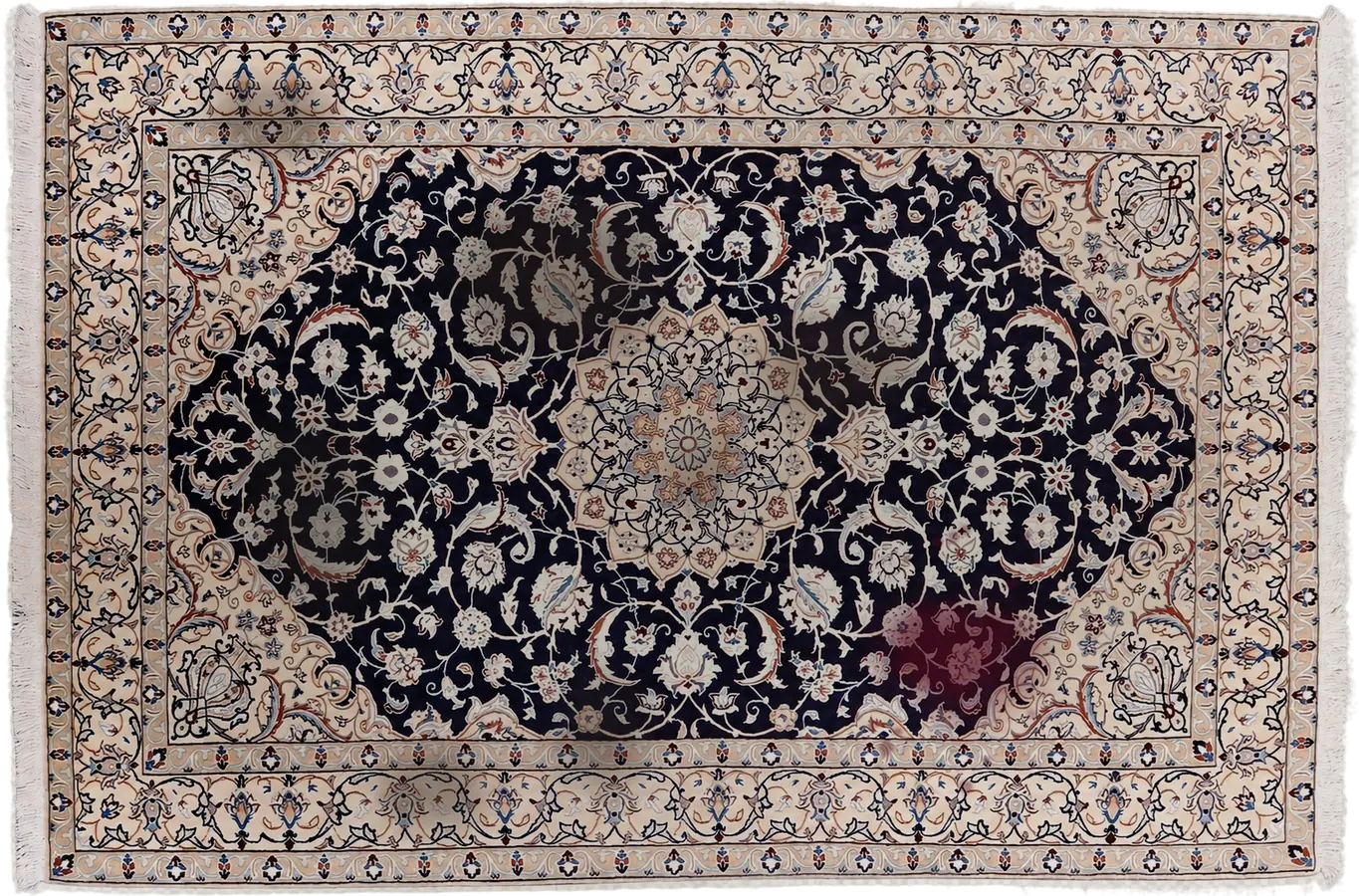
experience
 Expert care
for your rugs
 Free
pickup & delivery
 Trusted, licensed
and insured experts
turnaround
 Guaranteed
satisfaction
A fair figure for rugs worth keeping
The first question on an old rug is whether the wash is worth doing, and we answer that before quoting. If it is, one figure is set at inspection and it holds. If it is not, we tell you so and you keep your money.
- 1Collected rolled at the doorOne stop on the planned far-north day
- 2Weighed up, then quotedOne figure, and an honest yes or no first
- 3Into the water at YatalaRun through fresh water twice over
- 4Home in about 7 daysRacked under managed air, groomed and rolled
Get an honest assessment
No obligation · free pickup & delivery · we reply next business day
Rug washing Cooroy, at the western gate of Noosa Shire
A town the railway made worth staying in
Cooroy covers 27.4 square kilometres, 22 kilometres west of Noosa Heads, 12.9 kilometres west of Tewantin and about 130 kilometres north of Brisbane, with Pomona to the north, Eerwah Vale to the south and Lake Macdonald to the west. Timber getters began arriving in the 1860s chasing cedar and rainforest hardwoods, and by 1902 the township was described as little more than huts and tents clustered around the railway. The line had reached Cooroy in 1891, and 131 town lots either side of the station were auctioned in April 1908, which is the moment a timber camp became a town. The name comes from Mount Cooroy, recorded originally as Coorooey, from the word kurui, meaning possum. Population reached 3,791 at the 2016 census and 4,801 in 2021, at 175 people per square kilometre, which is one of the sharper climbs in this corner of the shire.
Farmers protested when the butter factory closed. It sat empty for years, then came back as a gallery. That instinct is the whole page.
The building they refused to lose
Premier D. F. Denham opened the original timber butter factory in 1915, and it was rebuilt in brick in 1930, housing the butter roller, churn room, cold storage, testing room and pasteurising room. It closed in 1975 despite vigorous protests from local farmers, sat vacant for nearly eight years, and was finally purchased by Noosa Council in 1991. Since 2016 the community's own Cooroy Future Group has run it as an exhibition, workshop and events venue, with four gallery spaces and a separate ceramics studio filling the old factory floor. That is a town deciding something was worth keeping, and it is the same decision people make about a rug. Most of the old wool we collect here has more service left in it than its owner assumes, and the honest assessment usually costs somebody a replacement they were about to buy.
Range cloud meeting coastal air
Cooroy sits inland at the edge of the range, with Cooroy Mountain close by and Lake Macdonald just to the west, and it holds the damp, cool-morning hinterland climate that runs through this whole corridor. Cloud and drizzle off the range meet humid coastal air pushed inland, and neither clears quickly. On a rug that produces a slow, steady load: moisture holding in the base of the pile, and soil binding to it season after season. Nothing dramatic happens, which is exactly why it goes unnoticed for years in an old weatherboard house. Immersion is what reaches it, and racked drying under managed air is what stops it re-establishing by the following winter.
Our Sunshine Coast office, and the water two hours south of it
Our Sunshine Coast office
Premier Rug Cleaning Sunshine Coast
The listing shows a service area, which is the truthful description of it. There is nowhere here to bring a rug. The van comes to the house, and the washing happens at Yatala.
The far-north leg, both ways
We carry that drive and it never appears in the figure. Cooroy is collected with Pomona and Eerwah Vale on one planned day, with the window confirmed once that day is locked.
A railway, a butter factory and a bypass
A working town rather than a resort strip.
Cooroy grew from a cluster of timber workers' huts and tents around a new railway station, opened in 1891, into a proper township once 131 town lots were sold in April 1908.
A town built plank by plank from its own timber, growing only once the railway made staying worthwhile, is the same patient approach we take to a wash, nothing rushed and nothing skipped.
Timber getters began arriving in the 1860s chasing the district's cedar and rainforest hardwoods, and by 1902 the township of Cooroy was described as little more than huts and tents clustered around the railway. The line reached Cooroy in 1891, and 131 town lots on either side of the station were auctioned in April 1908, turning a timber camp into a real town. The sawmilling company Dath Henderson and Bartholomew held a 5,000 acre timber concession over the surrounding land from the mid-1880s until the government repurchased it for selection in 1907.
Cooroy's Butter Factory opened in 1915, was rebuilt in brick in 1930, closed in 1975 after farmers protested, and reopened in 1991 as an arts centre with four galleries and a pottery studio.
A building farmers fought to save and a community brought back on its own terms is the same story we tell about a rug worth washing rather than replacing.
Premier D. F. Denham opened the original timber butter factory in 1915, and it was rebuilt in brick in 1930, housing the butter roller, churn room, cold storage, testing room and pasteurising room. The factory closed in 1975 despite vigorous protests from local farmers, sat vacant for nearly eight years, and was finally purchased by Noosa Council in 1991. Since 2016 the community's own Cooroy Future Group has run it as an exhibition, workshop and events venue, with four gallery spaces and a separate ceramics studio filling the old factory floor.
The 1994 Bruce Highway bypass took through-traffic off Cooroy's main street, and the town has grown from 3,791 residents in 2016 to 4,801 in 2021.
A town growing this quickly holds both first-time households and long-settled families, and rugs from either end of that range get exactly the same honest assessment.
Before 1994, the Bruce Highway ran straight through the middle of Cooroy; the bypass built that year finally freed the main street for the town itself, and Cooroy has grown steadily since, its population climbing more than a quarter in the five years to 2021. It sits at the western gateway to Noosa Shire, still a working town rather than a resort strip, with Pomona to the north and Eerwah Vale to the south keeping it firmly part of this hinterland corridor.
What customers say about Cooroy
Rated 4.9 ★ from 8 customersaround Cooroy, collected directly from our customers after every clean.
Cooroy first, then every town on the route
The opening cards come from Cooroy households. The larger count covers everyone we have washed a rug for.
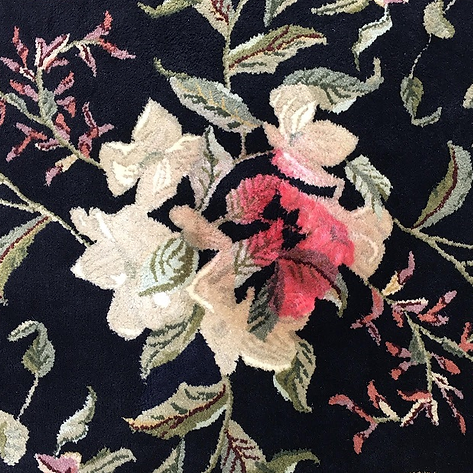
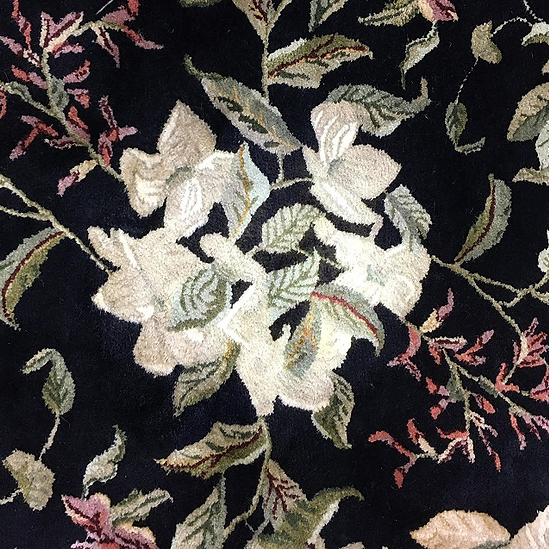
Every weave.
Every origin.
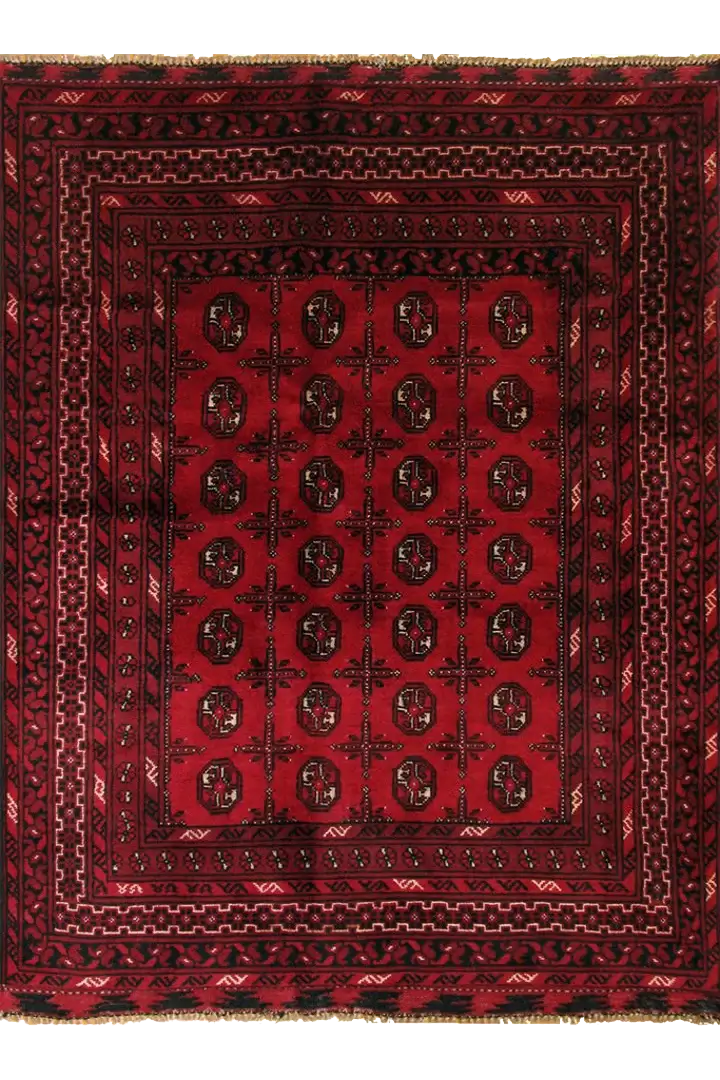
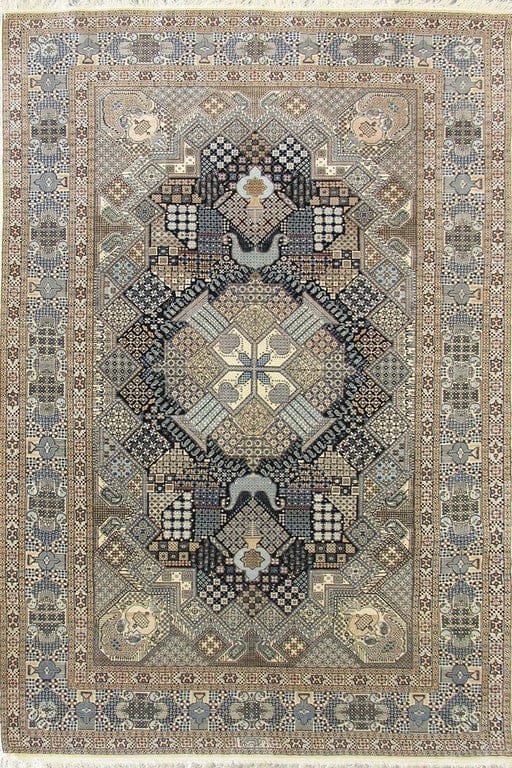
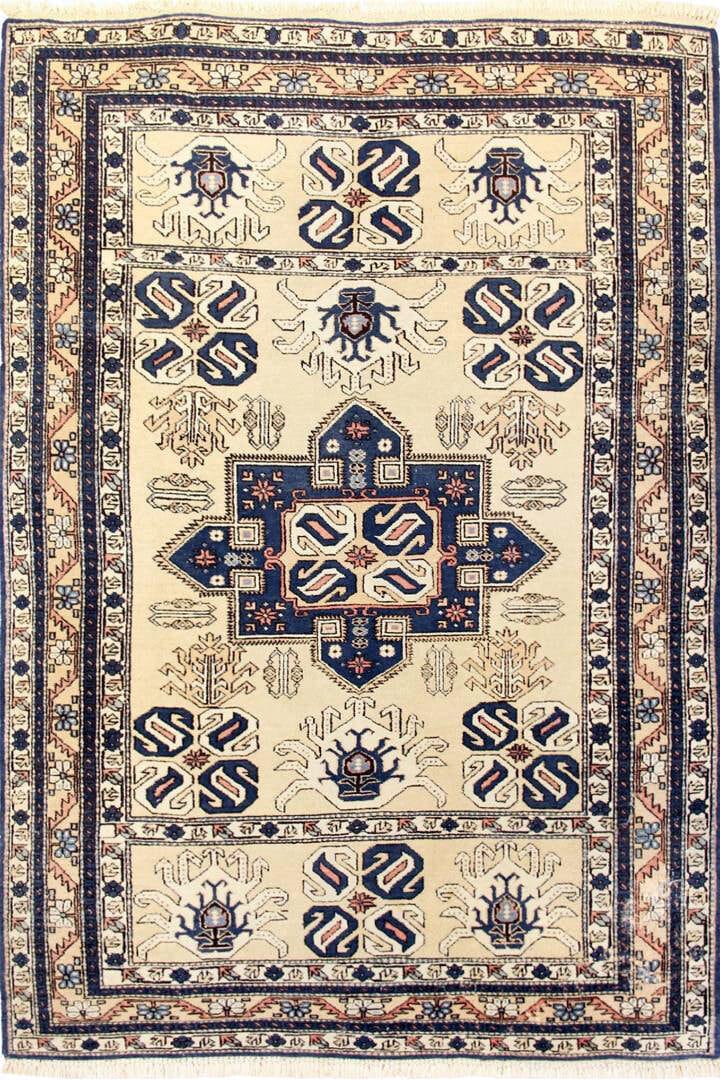
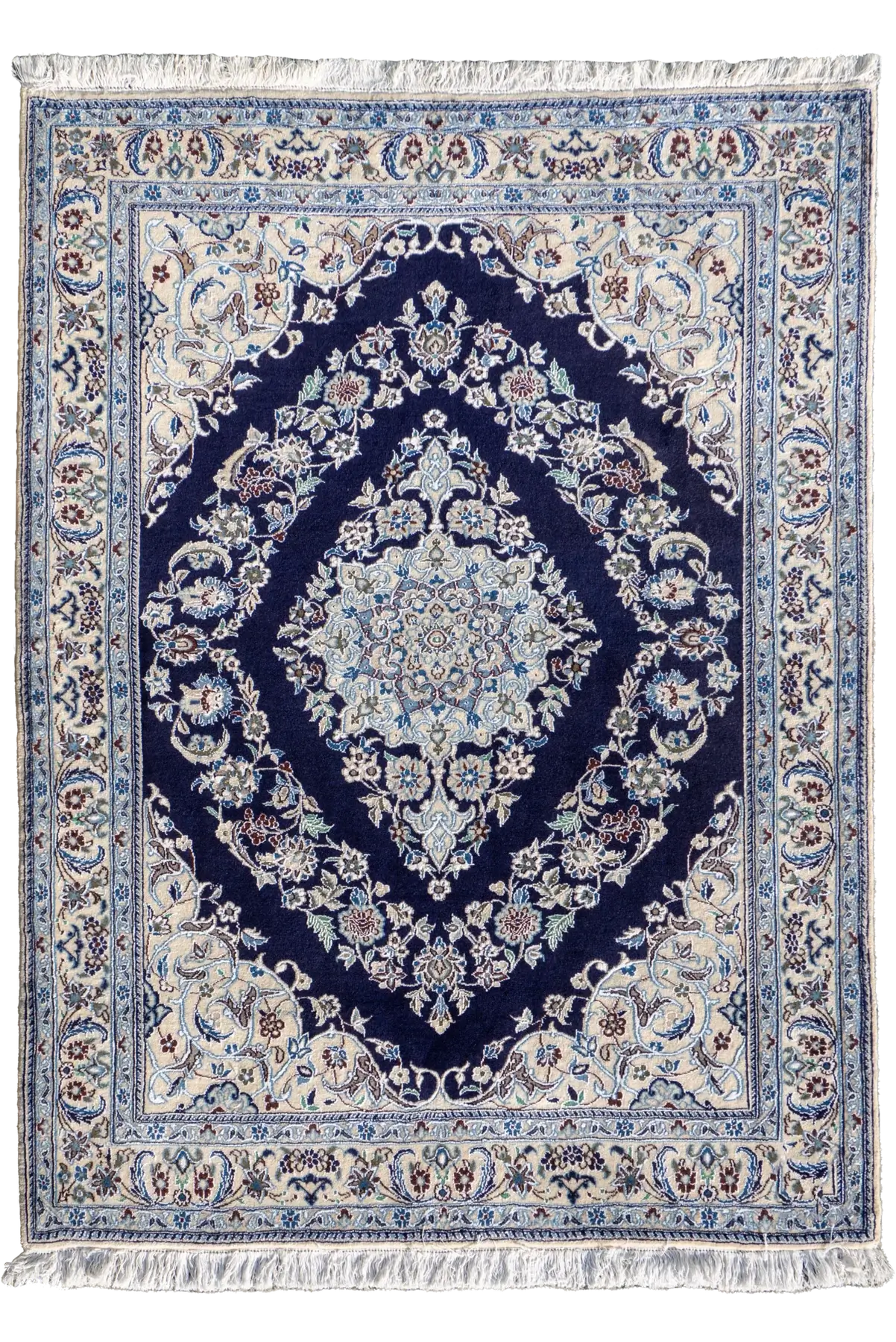
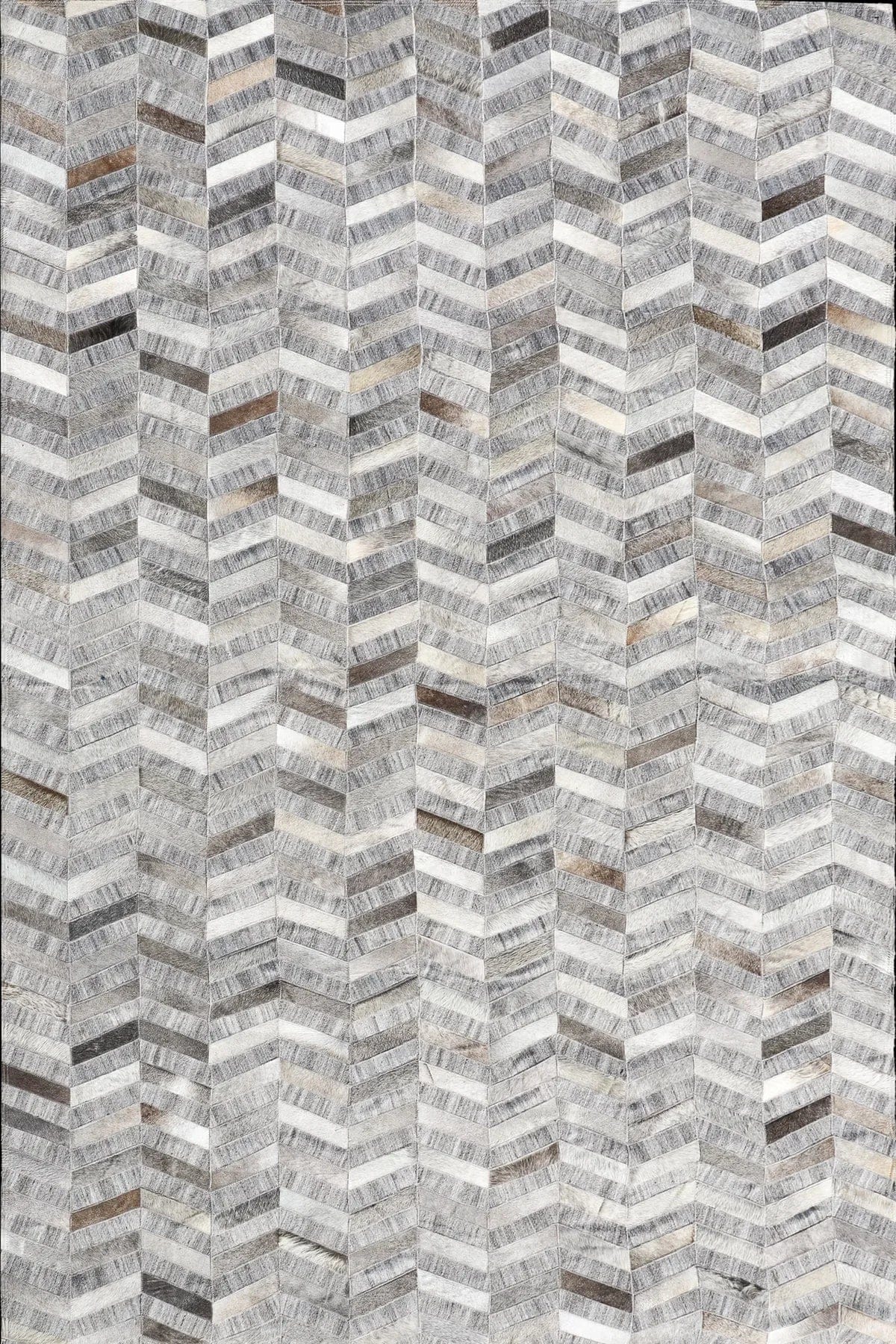
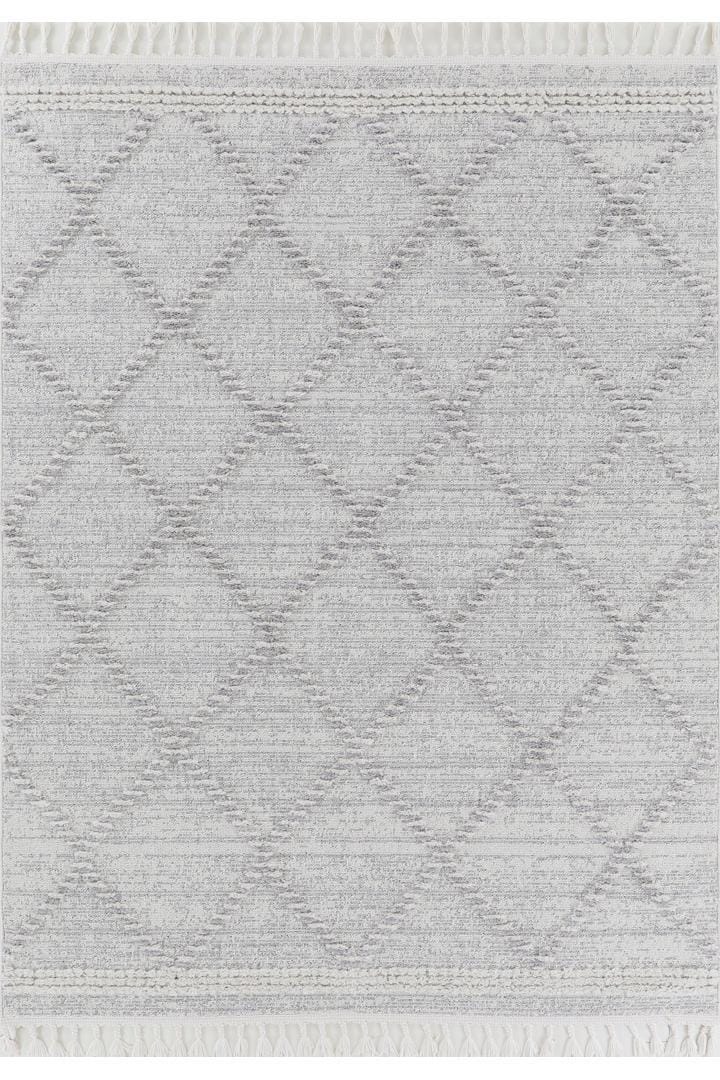
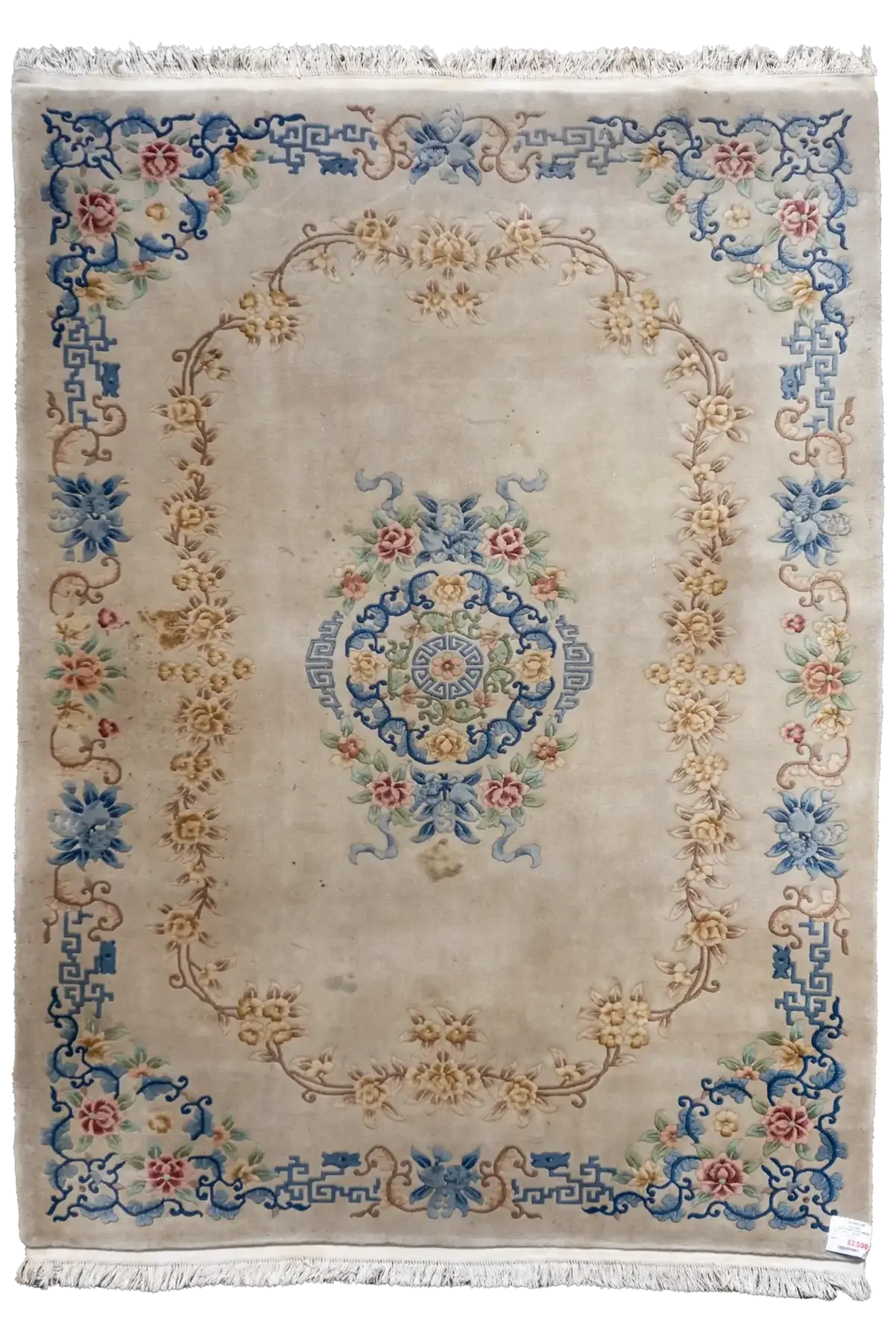
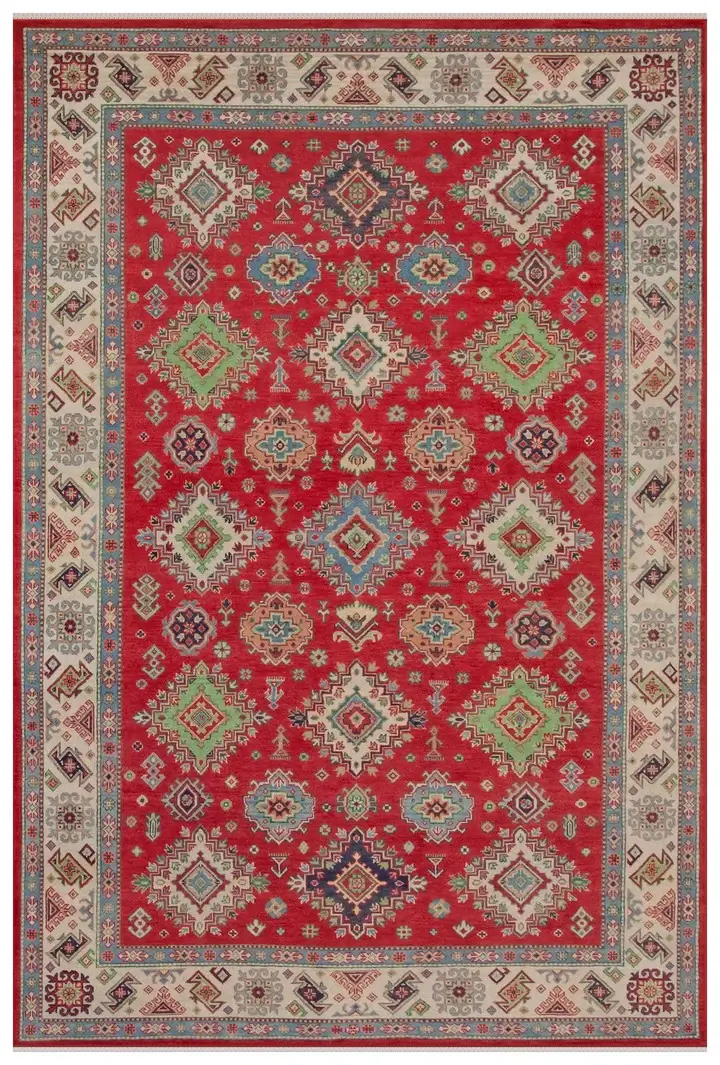
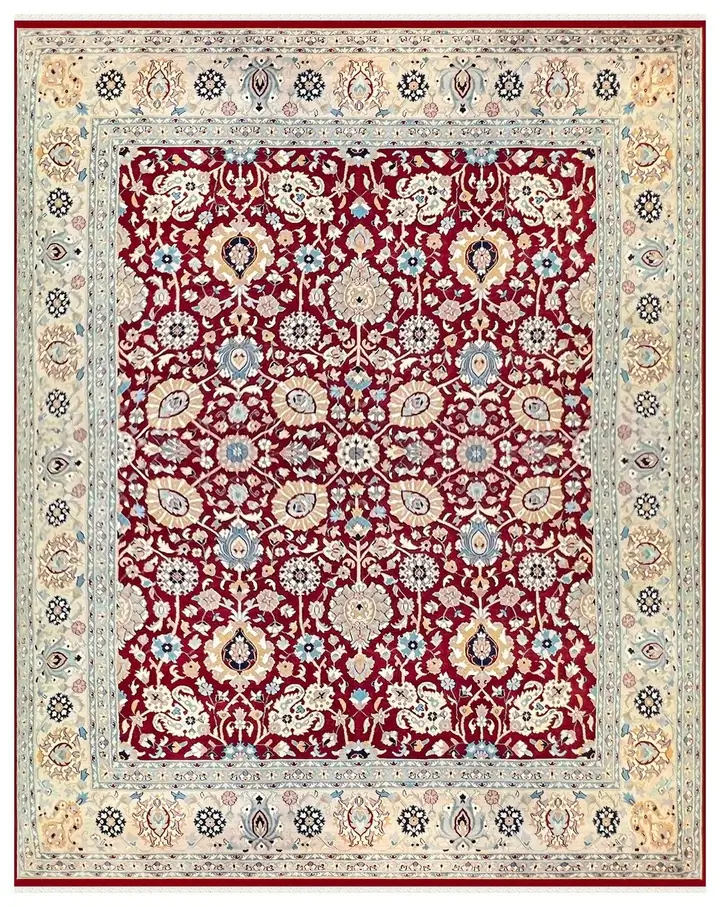
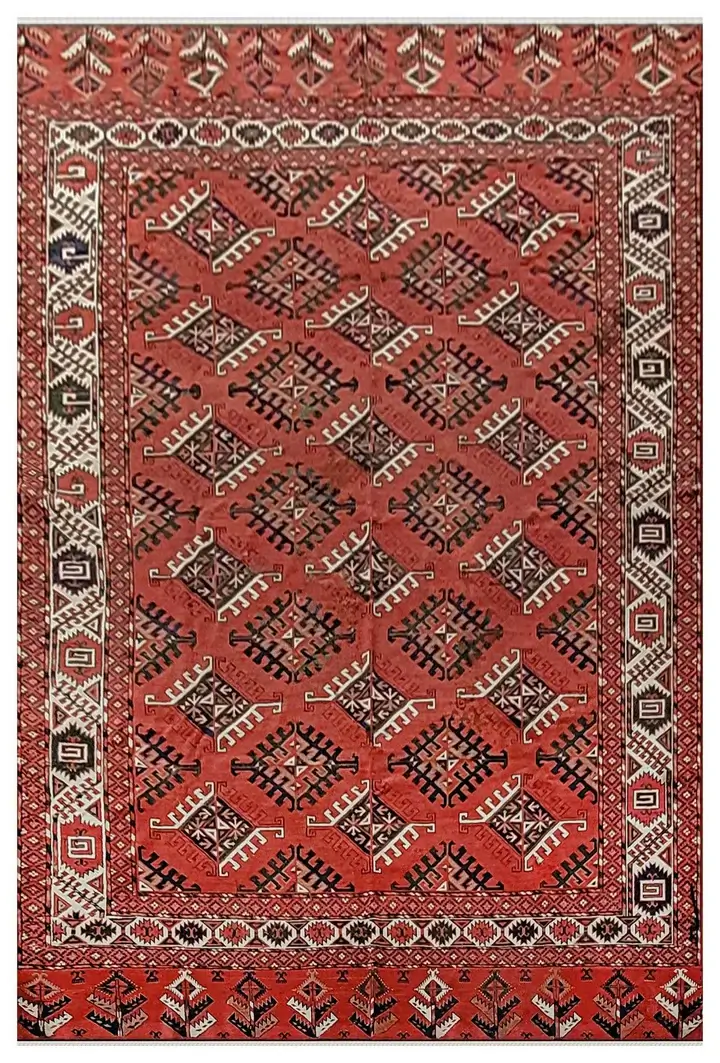
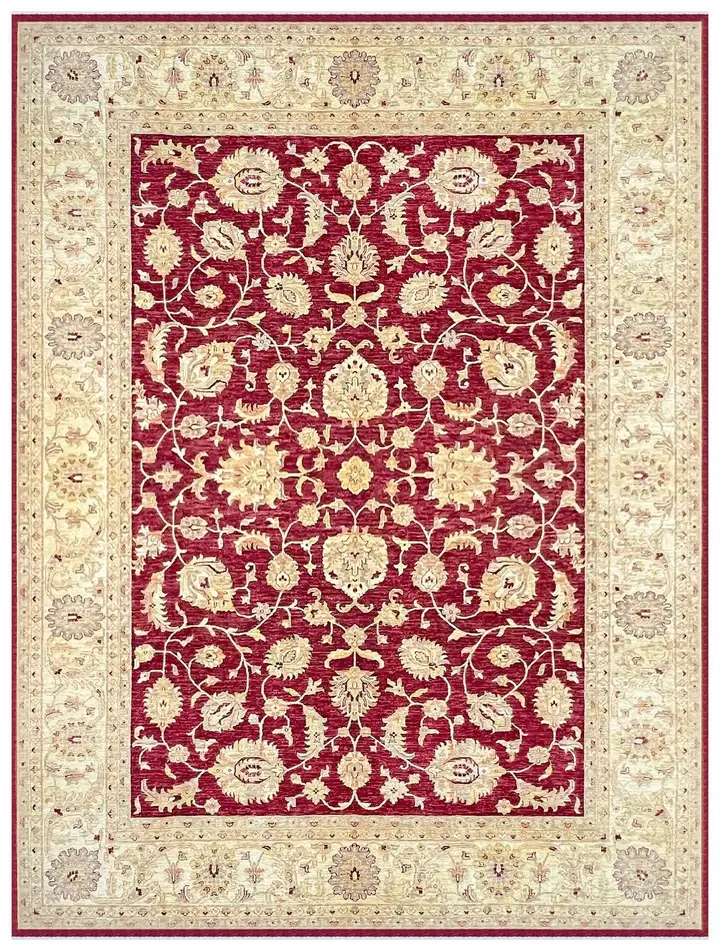
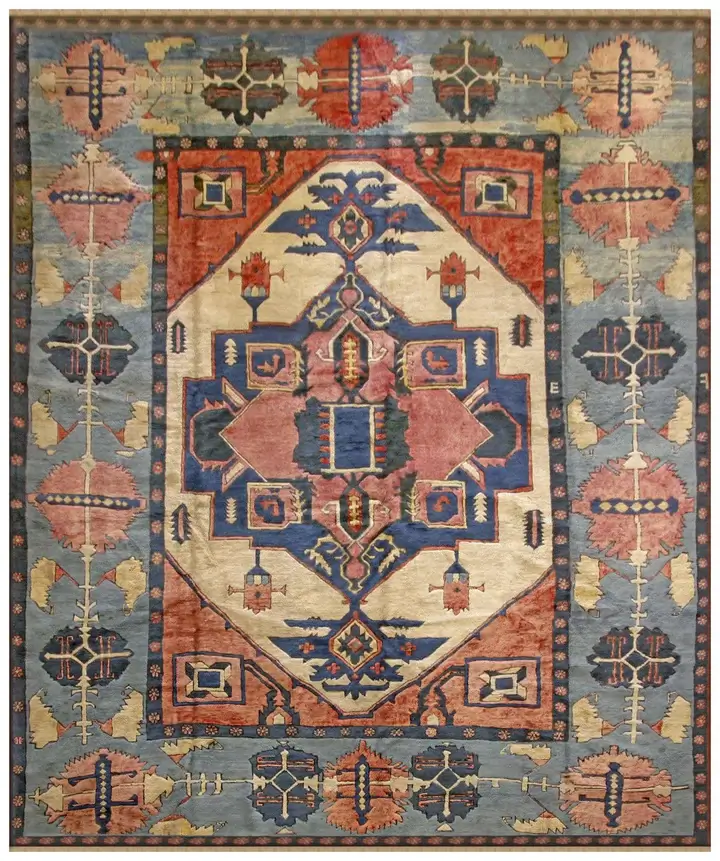
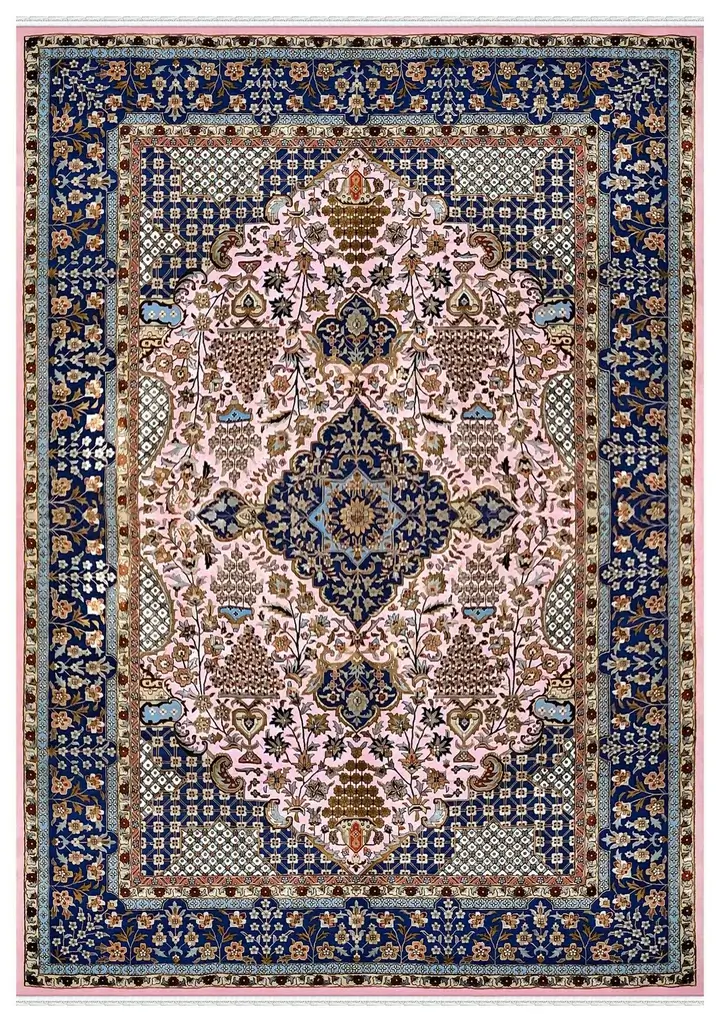
From Persian heirlooms to everyday synthetics. Twenty rug types, each hand washed to a method matched to its fibre and construction. Never a one-size clean.
- 29 years on rugs only
- IICRC-certified technicians
- Washed at our Yatala facility
Collected alongside Cooroy
The hinterland corridor and the shire behind it.
Cooroy questions, answered plainly
Is my old rug worth washing, or should I just replace it?
That is the first thing we answer, before quoting. Old wool that looks finished is usually just heavily loaded, and what reads as faded is often soil sitting over the colour. Where a wash genuinely will not bring a rug back, we say so and you keep your money rather than spending it on a disappointment.
How is the price arrived at?
From the rug itself, assessed after collection. Size, fibre, construction and condition all feed one figure decided at inspection, never over the phone. It holds through to delivery, and the driver's two trips are already inside it.
Do you come as far north as Cooroy?
Yes, on the far-north run day that also reaches Pomona, Eerwah Vale and Tewantin. It is close to two hours each way and that is our cost. Pickup and delivery are both included and the distance does not change the figure.
The dog urinated on the rug a while back and the smell returns on damp days. Fixable?
Usually. Urine goes down into the foundation and hinterland damp keeps lifting it back out, morning after morning. A bath removes the soluble part, an enzyme stage handles what generates the odour, and any colour the acid has already taken is shown to you at the assessment.
Do you also collect from Pomona, Eerwah Vale and Tewantin?
Yes, along with Lake Macdonald and Eumundi on the same day. Two households can send rugs on one collection, which people here often arrange between them, and every rug after the first is $20 off.
How long will the rug be away?
About 7 days door to door. If a date genuinely cannot be moved, the 48-hour express service is available and carries an added cost. Both end with racked drying under managed air, which on an old wool rug is what keeps it square.
Get your free quote today
Tell us about your rug and we’ll take it from there. Free pickup and delivery, and an honest assessment before any work begins.