
One facility, five regions
Professional Rug Cleaning Services
– Brisbane to Northern NSW
- IICRC-certified
- Full-immersion cleaning at our Yatala facility
- Free re-wash guarantee
- Free pickup & delivery
- $20 off every extra rug
Reveal the Clean
Watch it clean automatically, then take control.
experience
 Expert care
for your rugs
 Free
pickup & delivery
 Trusted, licensed
and insured experts
 4.9-star customer
rating
 Guaranteed
satisfaction
See the clean
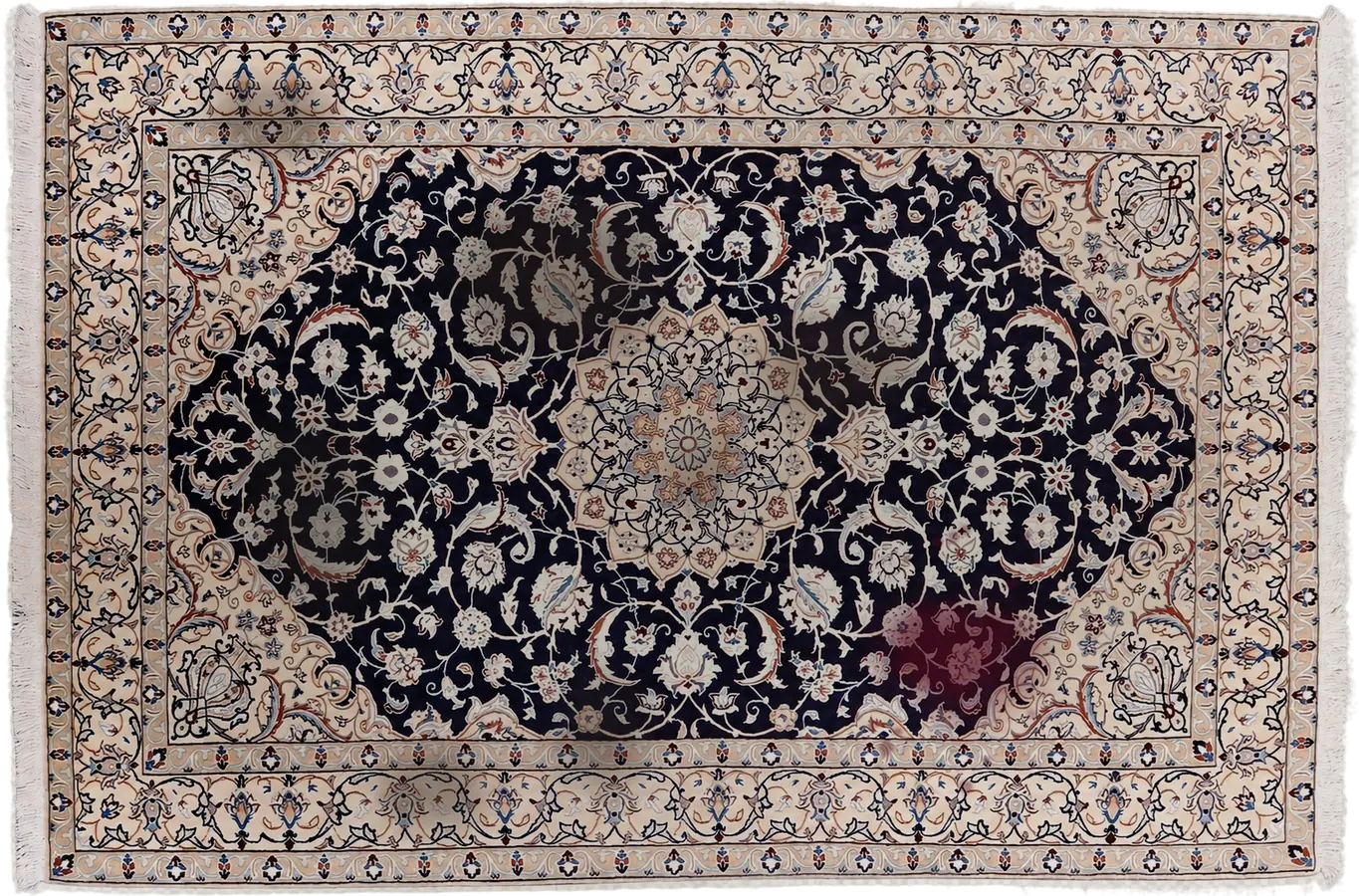
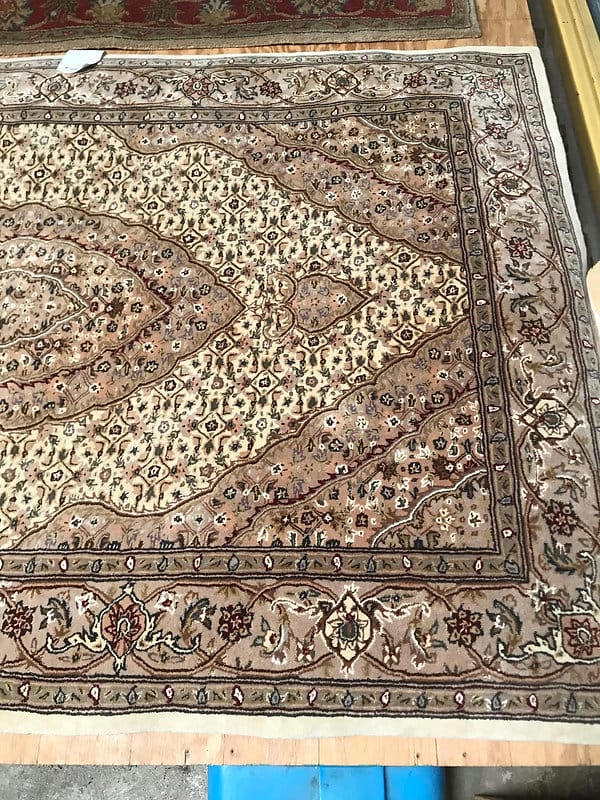
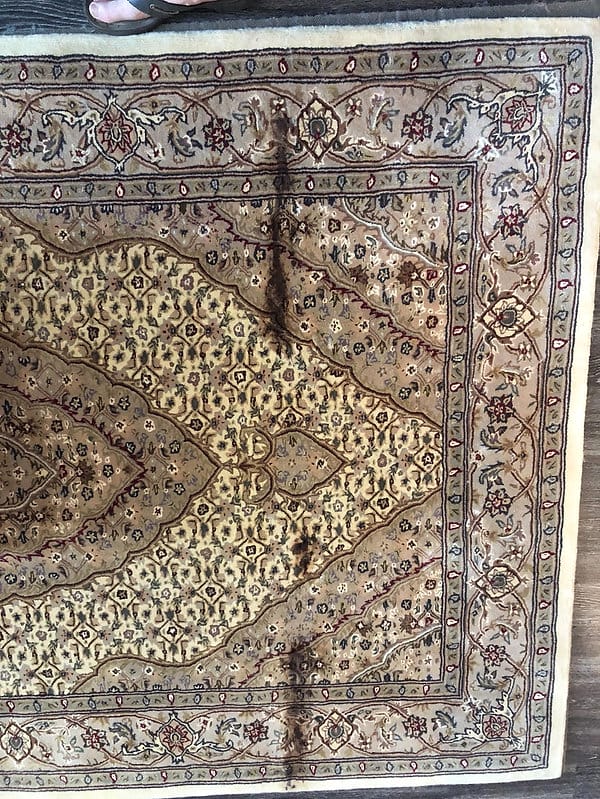
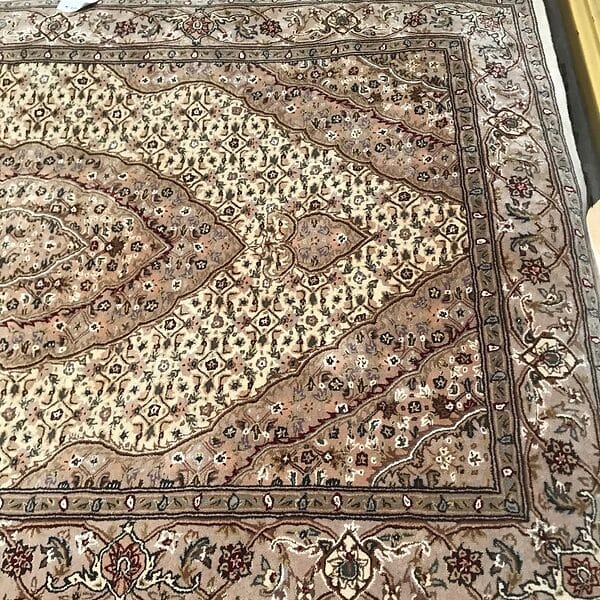
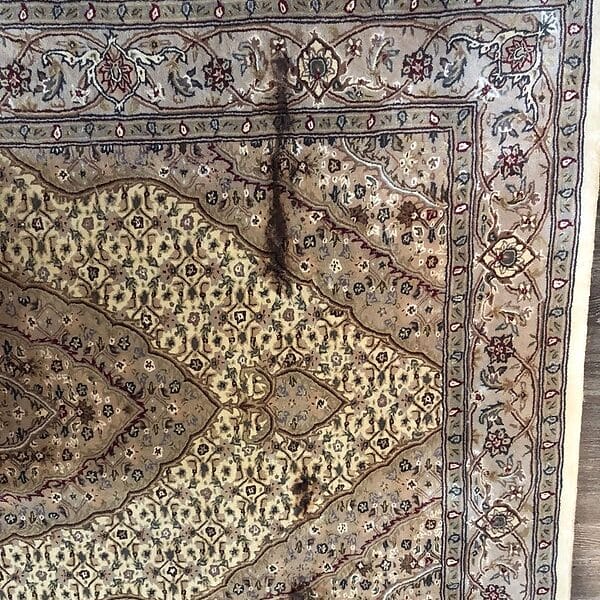
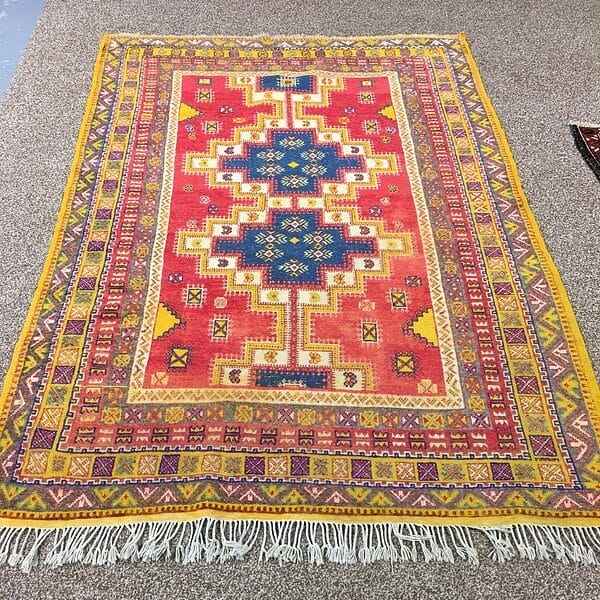
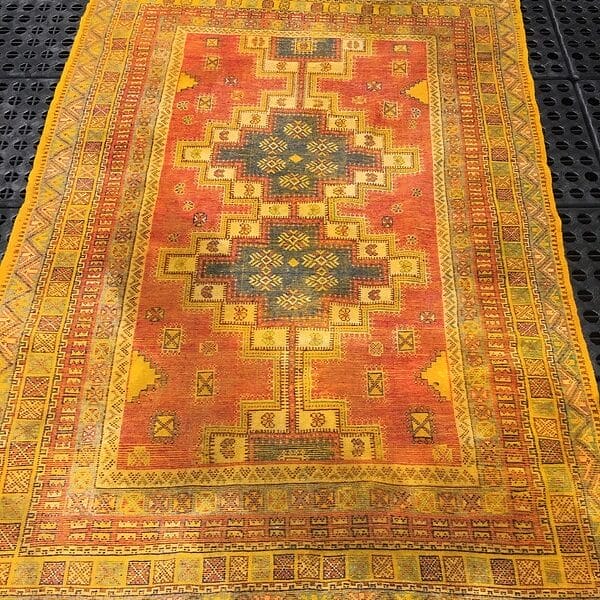
Drag the handle — the same rug, before and after.
The honest introduction
Every rug we clean gets the same treatment: a full-immersion wash at our Yatala facility, not a quick going-over on your lounge room floor. We are IICRC-certified rug cleaners, and we back every wash with a free re-wash guarantee. If something isn’t right, tell us and we wash it again.
We collect from Brisbane, the Gold Coast, the Sunshine Coast, Toowoomba and Northern NSW, and we bring your rug back to you when it’s done. Free pickup and delivery, and $20 off every extra rug in the same order.
Whether it’s a wool rug that hasn’t been cleaned in years, a Persian that needs careful hands, or a family room rug the dog has claimed, this page covers how professional rug cleaning works, what affects the price, and which service your rug actually needs. If you’d rather skip the reading: the quote form takes a minute, and a photo plus your rug’s measurements is all we need to start.
Quote
Built for our subtropical climate
In Southeast Queensland and Northern NSW, persistent humidity is a direct threat to rug fibres. Wool, silk and even cotton foundations absorb ambient moisture — an ideal breeding ground for mould, mildew and permanent discolouration. Surface cleaning is not enough in this environment, so we built a facility that is — one that handles everything from the salt-humid air of coastal suburbs like Main Beach to the dust and soil profiles of inland areas like Toowoomba.
Full immersion hand washing
Surface cleaning leaves soil deep in the pile. Every rug is washed by full immersion at our Yatala facility, a gentle hand wash that protects wool lanolin and the vegetable dyes in Persian and Oriental pieces.
Full immersion, washed by hand
Each rug is hand-washed and detailed on our concrete wash floor. That hands-on approach lets our technicians spot and treat specific issues — from worn fringes to moth larvae, a frequent problem in poorly stored rugs in our region.
Controlled drying
Controlled airflow drying prevents cellulosic browning (water-marking) and the odours that occur when rugs take too long to dry in the damp air of our subtropical summer.
Why we never clean in-home
In-home cleaning makes the drying process impossible to control, risking the structural integrity of the rug’s foundation fibres. So we don’t offer it — we collect, wash properly, and return your rug fully dry.
Get an honest assessment
No obligation · free pickup & delivery · we reply next business day
The process
What professional rug cleaning involves
A rug is not carpet. Carpet is glued and stretched to your floor, so it has to be cleaned where it lies. A rug can be picked up, taken to a purpose-built washing facility and cleaned properly on both sides. That single difference is why the results are so far apart.
Here is what happens to your rug at Yatala:
Inspection and dye testing.
Checked and flagged before water touches it

Each rug is tagged on arrival so it’s tracked through every stage, then checked properly: fibre, construction, dyes, existing damage, anything that should be photographed and flagged before water touches it. A dye that runs gets treated differently from one that holds fast, and a weakness we find now is a conversation with you, not a surprise later.
Dusting.
Dry soil comes out first
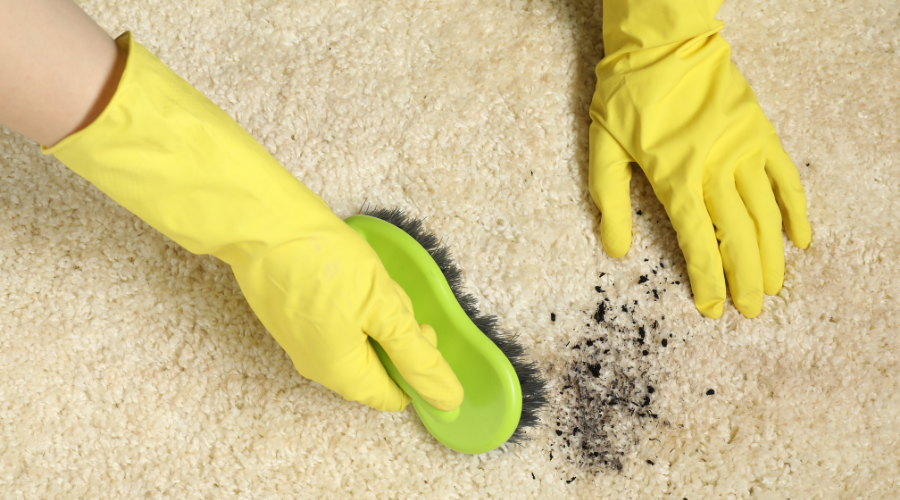
Dry soil comes out first. A rug can hold an astonishing amount of grit down in the base of the pile, and washing a gritty rug just makes mud. We beat and vacuum the dry soil out before the wash.
Full-immersion wash.
Washed through and through, front and back
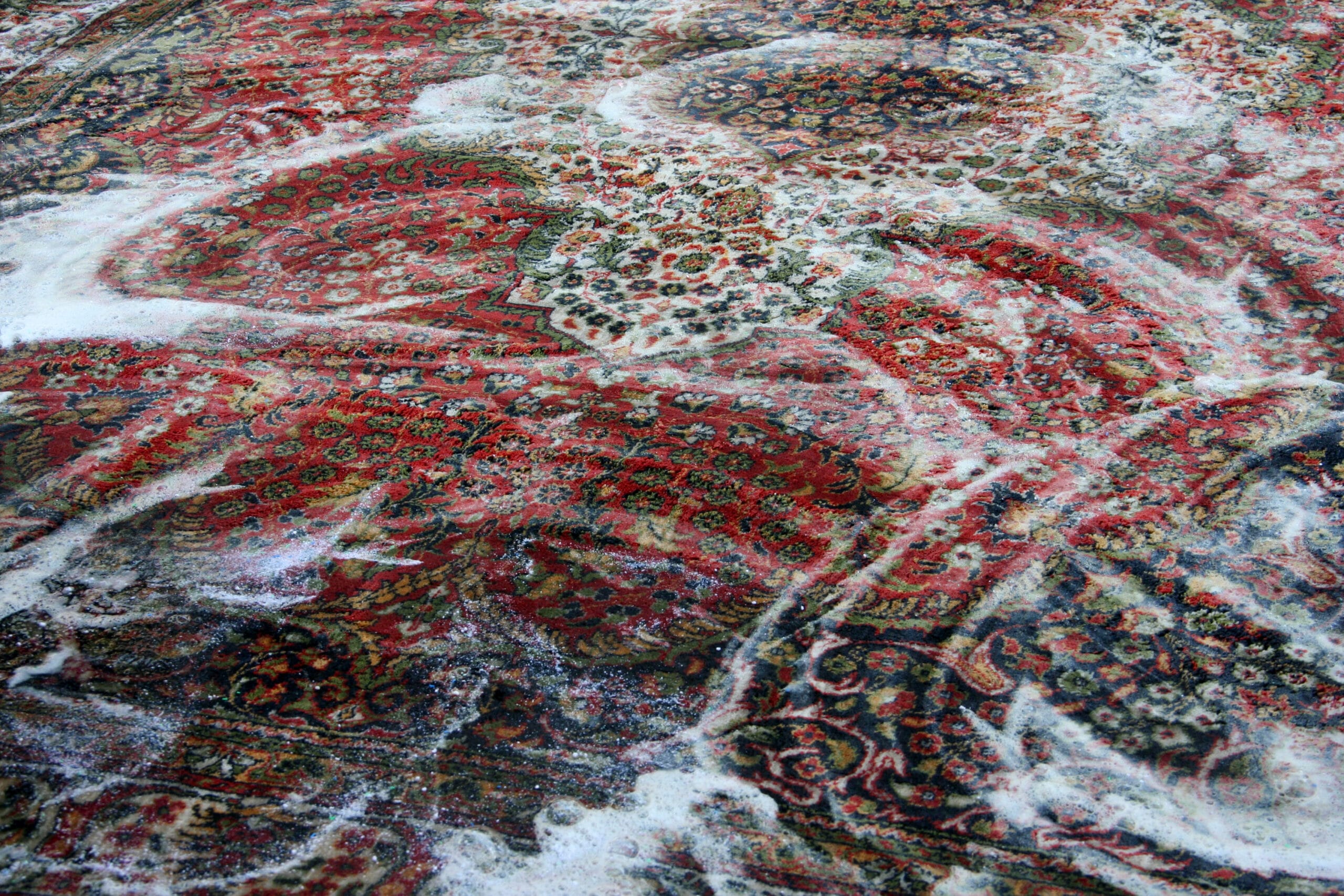
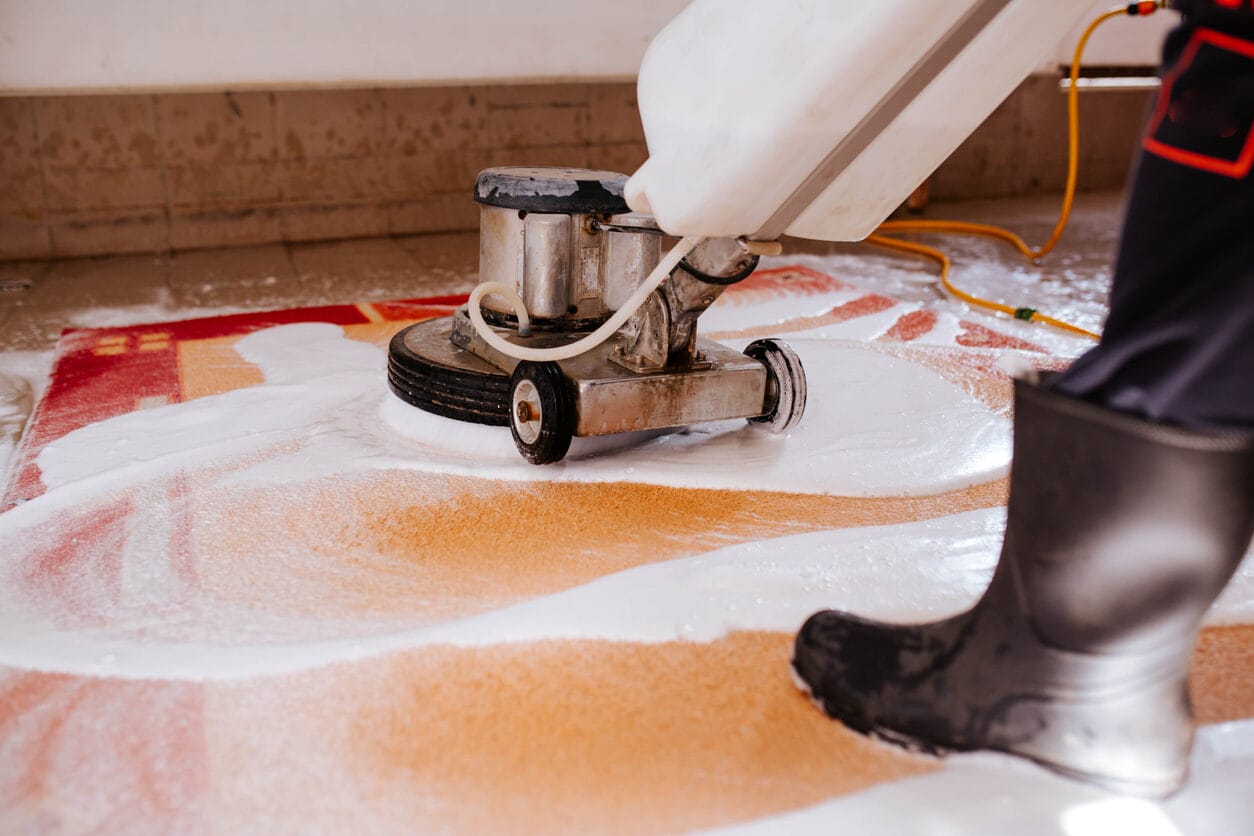
The rug is washed through and through, front and back, with the right chemistry for its fibre. Urine, spills and soil that live deep in the foundation only come out when water moves all the way through the rug.
Rinse.
Everything we put in comes back out

Everything we put in comes back out. Detergent left behind attracts dirt, so the rinse matters as much as the wash.
Controlled drying.
Fast, even drying in a managed drying room
The rug dries in a managed drying room, not on a driveway. Fast, even drying is what prevents mildew, browning and that damp smell.
Grooming and final check.
A last inspection before the rug is wrapped for delivery
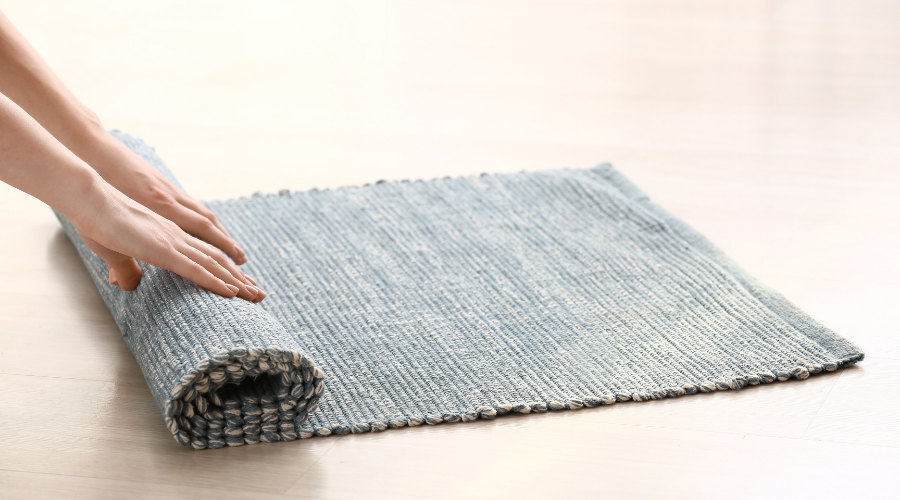
Pile brushed the right way, fringes tidied, and a last inspection before the rug is wrapped for delivery.
That process, start to finish, is what “professional rug cleaning” should mean. In-home carpet machines only reach the top of the pile; immersion washing cleans the whole rug.
The equipment is the honest difference between a rug cleaning company and a carpet cleaner who also does rugs. A wash floor that can flood and drain, extraction gear that pulls water back out of a saturated rug, and a drying room with moving air and controlled humidity: none of that fits in a van. It’s also why the same facility can safely handle jobs a van can’t touch: urine-soaked wool, flood-affected rugs, mould, silk.
Two extras worth knowing. Urine-affected rugs get a soaking treatment before the wash, because urine salts need contact time to dissolve, not just a rinse. And delicate rugs such as silk, viscose and antiques go through the same stages at a slower pace, with cooler water and gentler chemistry, sometimes washed entirely by hand.
The full step-by-step, with what we do differently for delicate rugs, lives on our washing page. Read about our full-immersion rug washing process
The proof
Watch one rug go door to door
Pickup, the wash floor, the drying room and the trip home. Filmed at Yatala, exactly as it happens.
-
Collected rolledYour rug leaves your door on a scheduled run.
-
Washed at YatalaFull immersion on the wash floor, never in a lounge room.
-
Into the drying roomMoving air and managed humidity until it is dry right through.
-
Home againGroomed, wrapped and brought back to your door.
Methods compared: immersion washing vs steam cleaning vs dry cleaning
People ask us which method is “best”. Honest answer: it depends on the rug, but for most rugs that can handle water, nothing beats a full wash.
|
Immersion washing
|
Steam cleaning
 |
Dry cleaning
 |
|
|---|---|---|---|
| Where it happens | Off-site, at our facility | Usually in your home | Off-site or in-home |
| How deep it cleans | Through the entire rug, both sides | Top portion of the pile | Surface only |
| Water used | Rug fully rinsed and dried in a controlled room | Hot water extraction, rug dries on your floor | Minimal to none |
| Best for | Wool, Persian, oriental, most family rugs, urine and odour problems | Synthetic rugs that can’t leave the house, light refresh | Rugs that can’t take moisture at all |
| Risk if misused | Low in trained hands | Overwetting, slow drying, browning | Doesn’t remove deep soil or urine |
Immersion washing is the method we built our facility around. It is the only method that flushes contamination out of the rug’s foundation rather than diluting it in place.
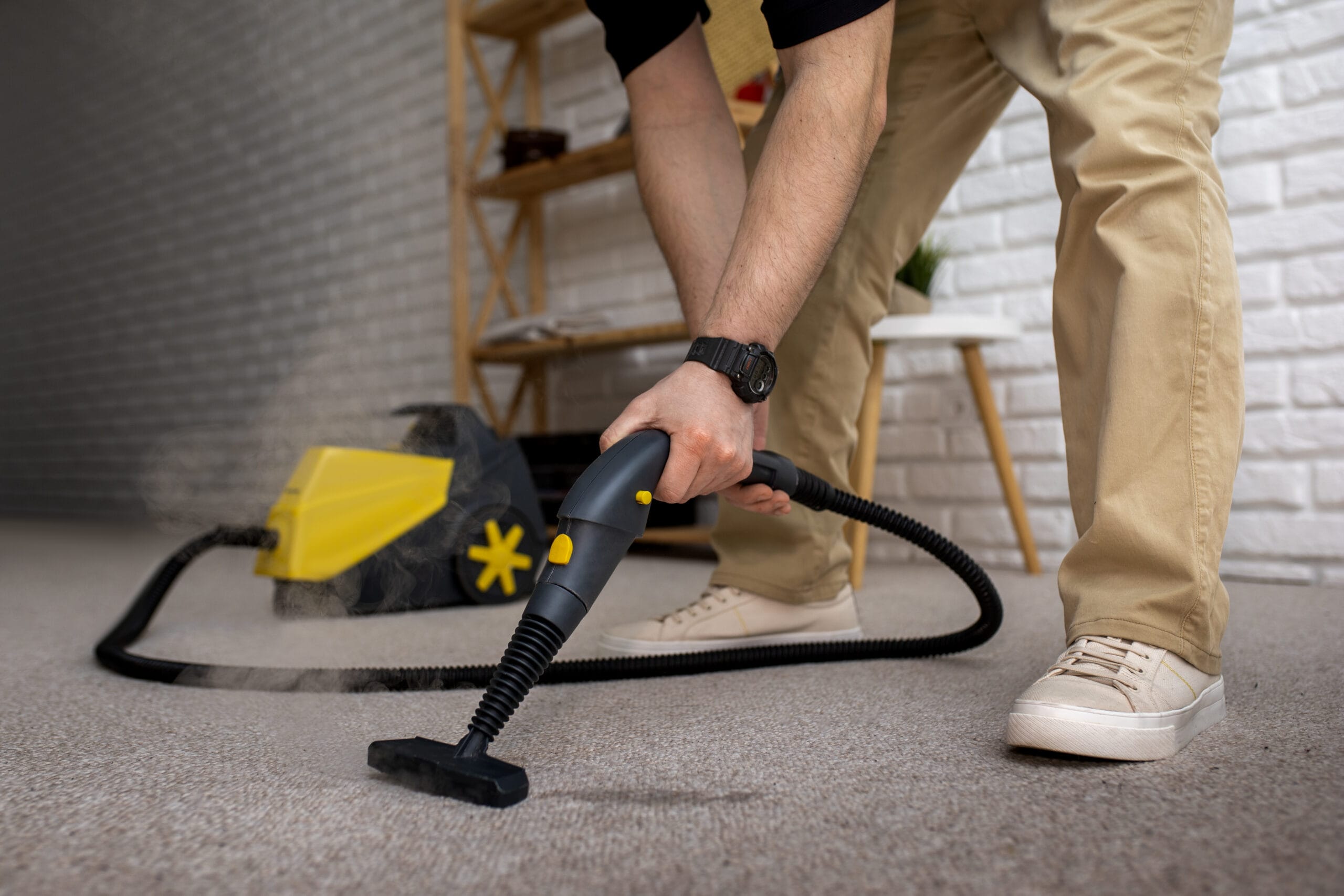
Steam cleaning (hot water extraction) has its place. On a synthetic rug in decent condition, it freshens the surface well. It cannot rinse the back of the rug, and a rug left damp on a floor dries slowly, which is where smells and browning start. Rug steam cleaning
Dry cleaning uses little or no moisture. It’s the right call for the small number of rugs that genuinely can’t be wetted, and the wrong call for a rug full of pet urine, because urine salts don’t leave a rug without water. Rug dry cleaning
How do you choose? You mostly don’t have to — the rug chooses. Fibre, construction and dye stability decide which methods are safe, and within the safe options, the deeper-cleaning one wins. When we inspect your rug at pickup, that decision is the first thing we make, and if the honest answer is that your rug only needs a surface refresh rather than a full wash, we’ll say so.
The steam and dry cleaning summaries above are deliberately short. This page’s job is to help you pick a direction, and the detail lives where it belongs. The washing page covers the immersion process end to end, and the method comparisons sit alongside it. Compare cleaning methods in detail Washing vs steam cleaning
Humidity, storms and the drying problem
South East Queensland and Northern NSW stay warm and damp for most of the year. That is lovely for gardens and hard on wet rugs: anything that sits damp in the pile can grow mould in days. It shapes every part of how we clean, and it is why the drying room matters as much as the wash floor.
Storm season mould
After the summer storms our wash floor fills with mould jobs. Caught early, most rugs are savable: we treat the growth through the whole rug, then dry it completely so the problem does not restart. Mould rug cleaning and removal
Flood and water damage
A rug soaked by a leak or a flood is in a race against the clock, and the sooner it reaches a proper drying room the better its odds. Water damaged rug cleaning
A drying room, not a driveway
Moving air and managed humidity dry a rug evenly, so it never sits wet long enough for smells, mildew or browning to take hold.
Why we collect instead of cleaning in your home
A rug cleaned on your floor has to dry on your floor, and in this climate that is the riskiest part of the whole job. So we do the entire process at the facility and bring the rug back dry.
Hiring a rug cleaning machine vs professional cleaning
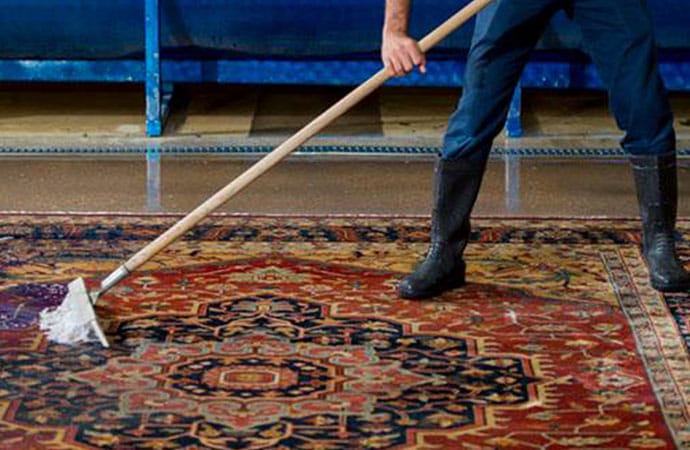
Plenty of people search for a rug cleaner machine to hire before they ever call a rug cleaning company, and fair enough. So here’s a straight answer about when DIY is fine and when it will cost you a rug.
When hiring a machine is genuinely fine. A small, machine-made synthetic rug in polypropylene, polyester or nylon, with ordinary dirt on it, can be cleaned with a hired machine and a bit of patience. Work with the pile, don’t soak it, and get it dry quickly, ideally outside over a rail on a warm day. If the rug cost less than the hire fee plus your Saturday, you can decide what it’s worth.
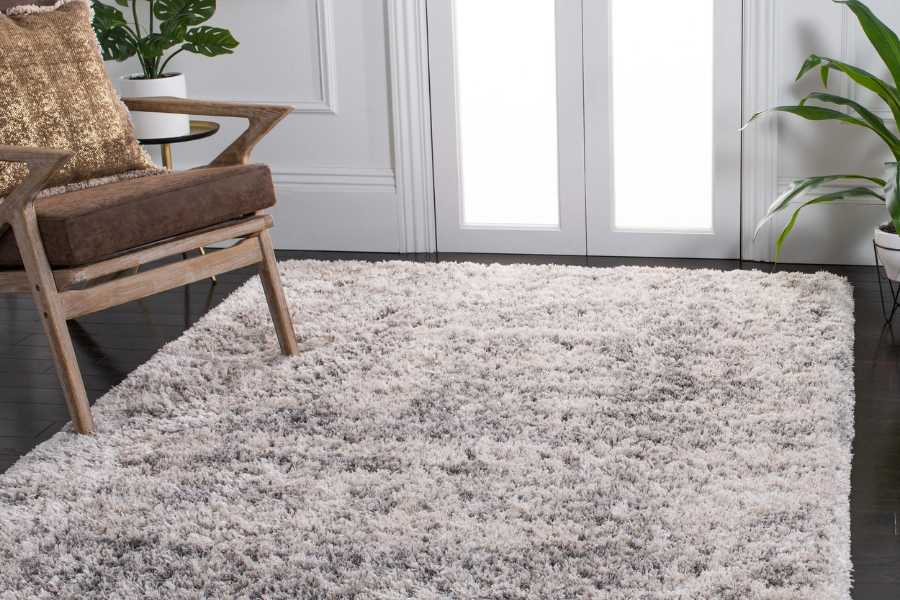
When it goes wrong. Wool, Persian, oriental, silk and viscose rugs do not belong under a rental machine. The common outcomes we see in rugs brought to us afterwards:
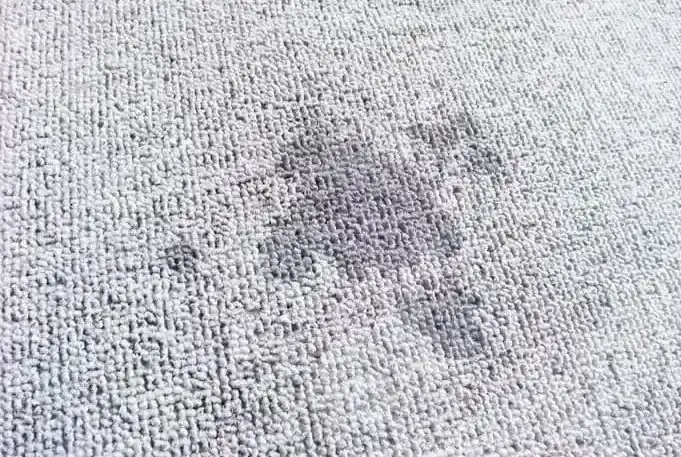
Shrinkage.
Wool and cotton foundations shrink when they’re soaked and left to dry slowly. A rug can lose its shape for good.
Dye run.
Many hand-made rugs carry dyes that bleed the moment the wrong chemistry or too much water hits them. Once red runs into cream, that’s a restoration job, not a clean.
Trapped moisture and mould.
A hired machine pushes water into the rug far better than it pulls water out. A rug that stays damp in the foundation grows mould within days, often underneath where you can’t see it.
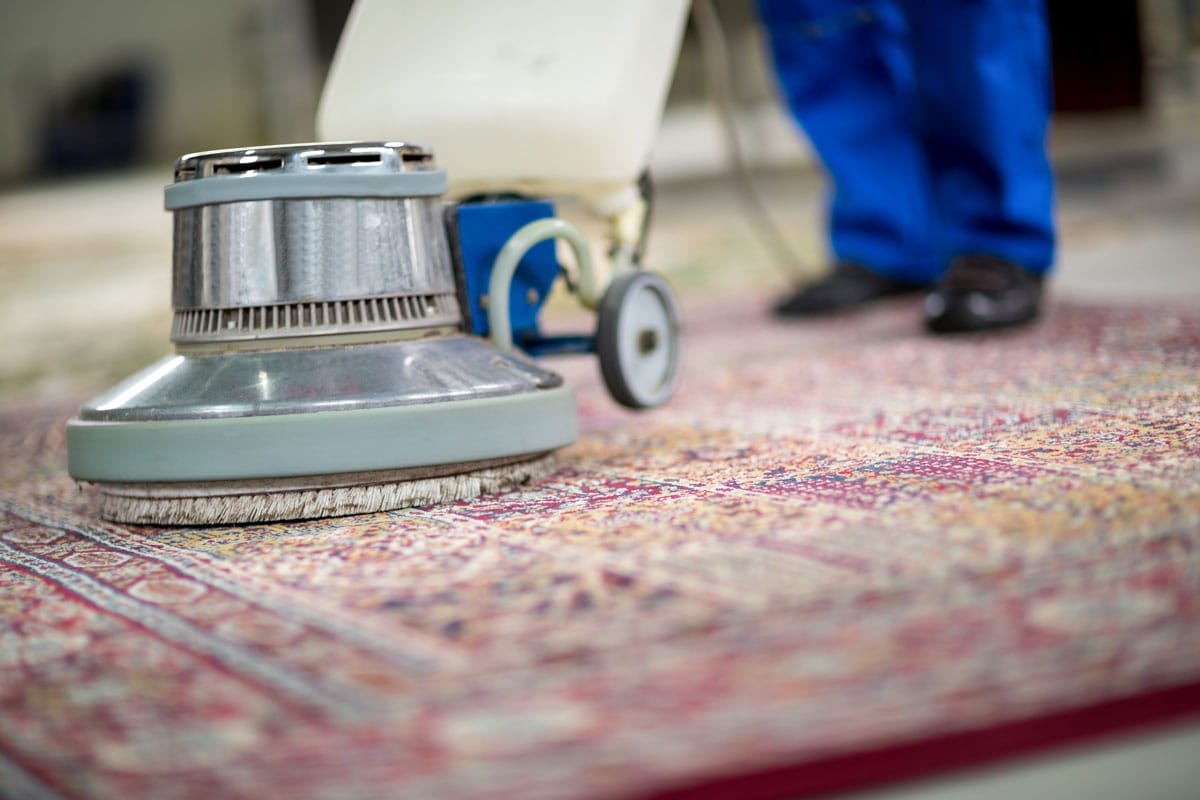
A rental machine also cleans one side of the rug from above. Everything sitting in the foundation stays put: grit, urine, old detergent. Worse, most rental detergents are built to foam impressively rather than rinse cleanly, and detergent left in the pile is a dirt magnet; the rug often looks dingier a month after the DIY clean than it did before.
Do the sums honestly too: machine hire, detergent, a full day of carrying, scrubbing and worrying, and a rug that takes three days to dry over your fence. For a small synthetic rug, fine. For anything bigger or better, the maths rarely holds up.
If your rug is synthetic and cheap, hire away. If it’s wool, hand-made or worth keeping, a proper wash costs less than replacing it. See what a full wash involves
04 · Cost
What rug cleaning costs
We don’t publish a flat price list, because a flat price would be wrong for most rugs. Rug cleaning prices come down to four things:
Size.
A larger rug takes more room in the wash, more time to dust, and more time in the drying room. Size is the starting point of every quote.
Fibre and construction.
A machine-made synthetic rug is quick to wash safely. Wool takes more care. Silk, viscose and antique rugs need slower handling, gentler chemistry and more attention at every step, and the price reflects the extra hours, not a fancier logo.
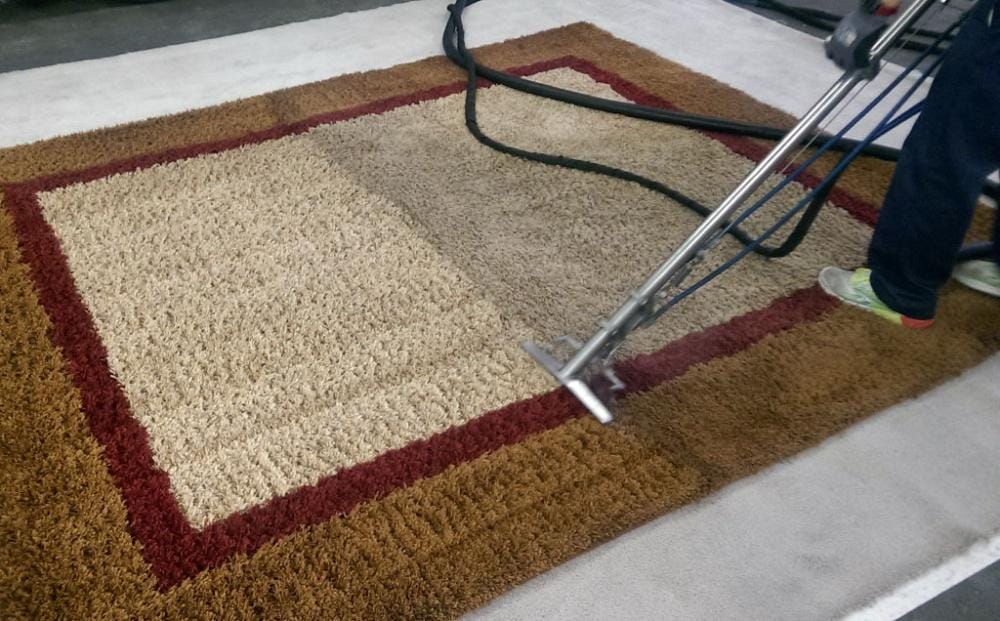
Condition.
A lightly soiled rug and a rug with years of pet accidents are different jobs. Heavy soiling, urine contamination, mould or old stains add treatment steps, and each step is real labour.
Urgency.
Standard turnaround suits most people. If you need a rug back faster, tell us and we’ll be honest about what’s possible.
What we can promise on every job, at any price: the same full-immersion wash at Yatala, the free re-wash guarantee, and $20 off every extra rug you send with the first one. Cleaning two or three rugs at once is the cheapest way to do this.
Getting a quote is deliberately simple. Measure the rug, take a photo of the front and one of any problem areas, and send them through the form. You’ll get a firm number back — the number you pay, not a teaser that grows once the rug is on the truck. If we find something at inspection that changes the job, we call you before we do anything about it.
The pricing page explains how quotes are built in more detail, and the quote form takes about a minute. How our rug cleaning prices work Get your quote
Rugs we clean
Rug cleaning by fibre and rug type
Every fibre behaves differently in the wash. Wool forgives; viscose doesn’t. Persian dyes need testing; polypropylene barely notices what you do to it. This is why the first step at Yatala is identification, not soap. Get the fibre wrong and every step after it is wrong too. Below is how we handle the rugs that come through our doors most often; each links to its own page with the full detail, including what to expect and what to watch for with that particular rug.
Wool rugs
Wool is the most forgiving natural fibre and responds beautifully to immersion washing. It also holds a remarkable amount of hidden soil, so the difference before and after is usually dramatic. Wool rug cleaning
Persian rugs
Hand-knotted, often with dyes that need testing before any water touches them. We wash Persians slowly and gently, the way they were made to be washed. Persian rug cleaning
Oriental rugs
Turkish, Afghan, Indian, Chinese: construction and dye behaviour vary widely, so each rug is assessed on its own. Oriental rug cleaning
Silk rugs
Genuine silk demands the gentlest handling in the building: cool water, mild chemistry, no aggressive agitation. Not a rug for shortcuts. Silk rug cleaning
Viscose and art silk
Viscose looks like silk and behaves like wet newspaper. It’s the most fragile fibre we clean, and the one most often ruined by DIY attempts. Viscose rug cleaning
Modern synthetic rugs
Polypropylene, polyester and nylon rugs wash quickly and dry fast. Affordable rugs deserve proper cleaning too. Synthetic rug cleaning
Shaggy rugs
Long pile traps grit and hair at the base where vacuums never reach. Immersion washing flushes it out properly. Shaggy rug cleaning
Cowhide rugs
Hide is skin, not fabric, and it cannot be washed like one. We clean cowhides with methods that protect the hide and the hair. Cowhide rug cleaning
Sheepskin and lambskin rugs
Washable, but only with the right temperature and chemistry, or the skin hardens like cardboard. Sheepskin rug cleaning
Jute and natural fibre rugs
Jute, sisal and seagrass hate water. These get low-moisture cleaning matched to the fibre. Jute rug cleaning
Antique rugs
Age makes fibres and dyes fragile. Antique rugs get the slowest, most conservative treatment we offer. Antique rug cleaning
Chinese wool rugs
Thick, sculpted pile that holds soil deep and shows wear patterns when dirty. Washing brings the carving back to life. Chinese wool rug cleaning
Rugs we clean
Wool forgives.
Viscose doesn’t.
The first step at Yatala is identification, not soap. Each rug below links to its own page with the full detail.
- 29 years of rug care
- IICRC-certified rug cleaners
- Full-immersion wash at our Yatala facility

Wool rugs
The most forgiving natural fibre; responds beautifully to immersion washing.
Wool rug cleaning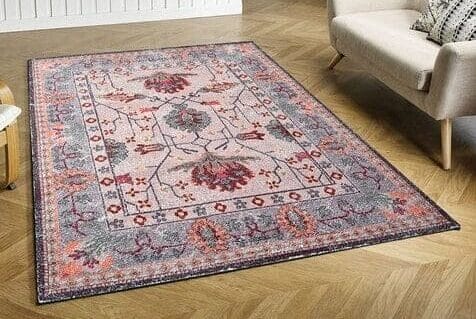
Persian rugs
Hand-knotted, with dyes tested before any water touches them.
Persian rug cleaning
Oriental rugs
Turkish, Afghan, Indian, Chinese: each rug is assessed on its own.
Oriental rug cleaning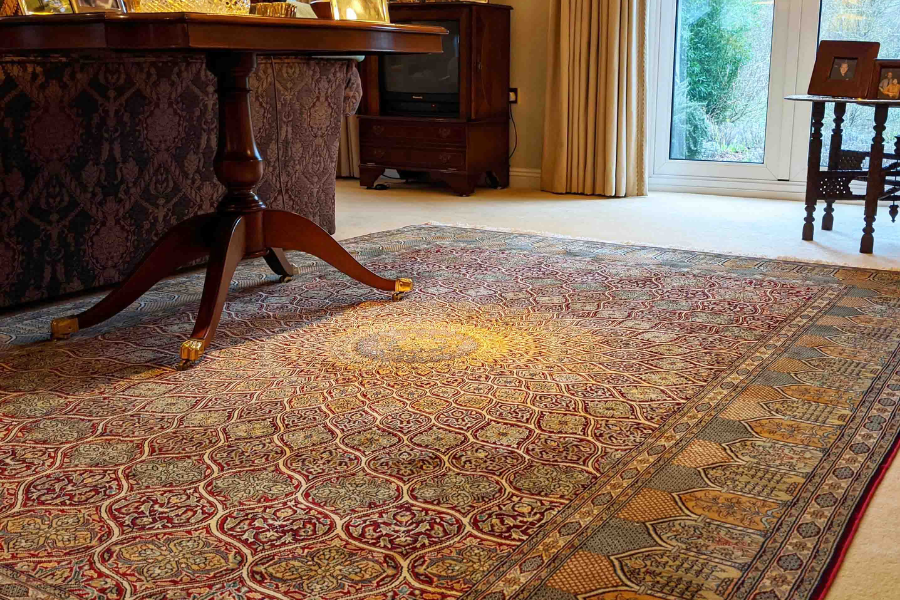
Silk rugs
The gentlest handling in the building: cool water, mild chemistry, no aggressive agitation.
Silk rug cleaning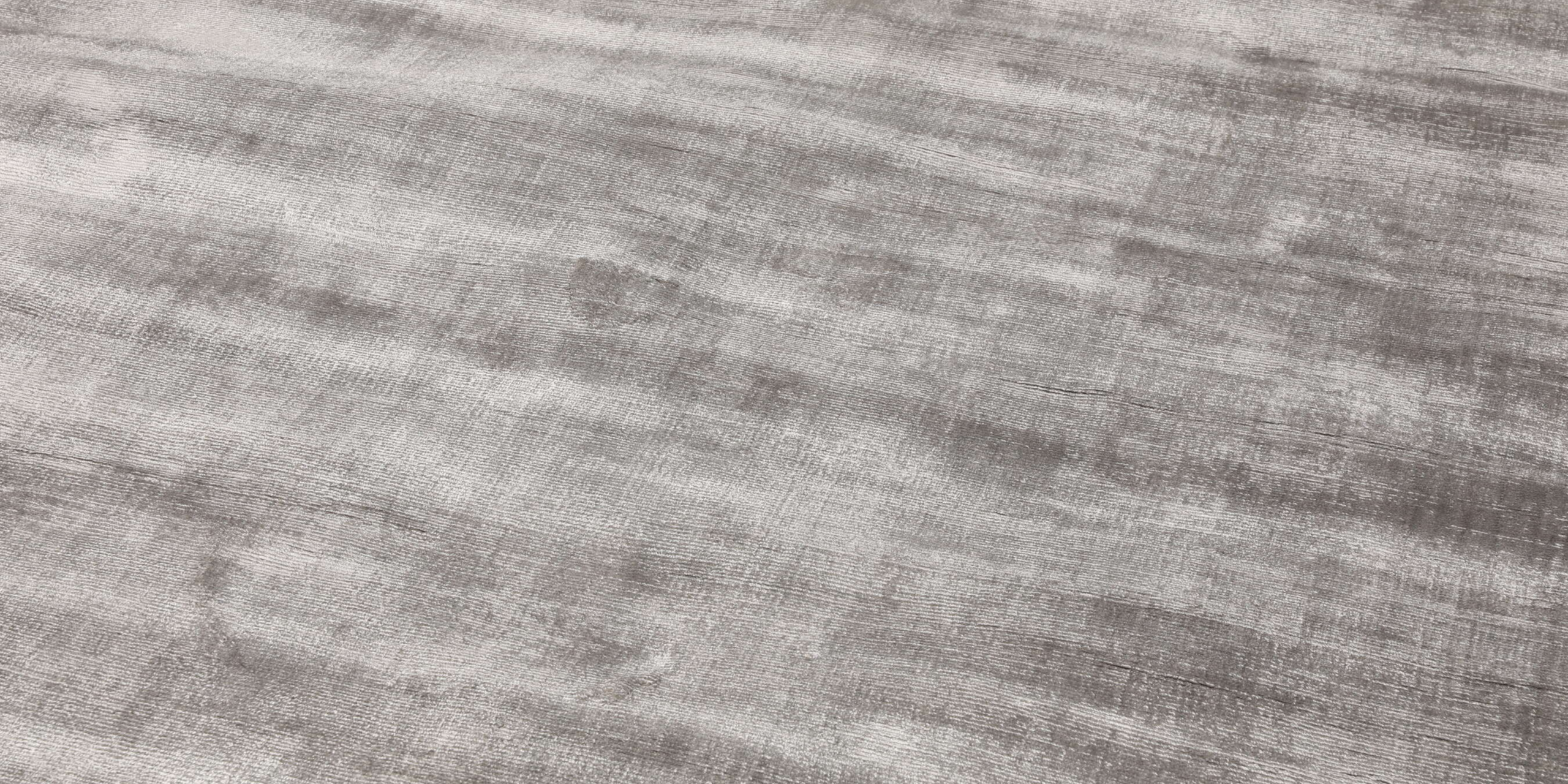
Viscose and art silk
Looks like silk, behaves like wet newspaper; the most fragile fibre we clean.
Viscose rug cleaning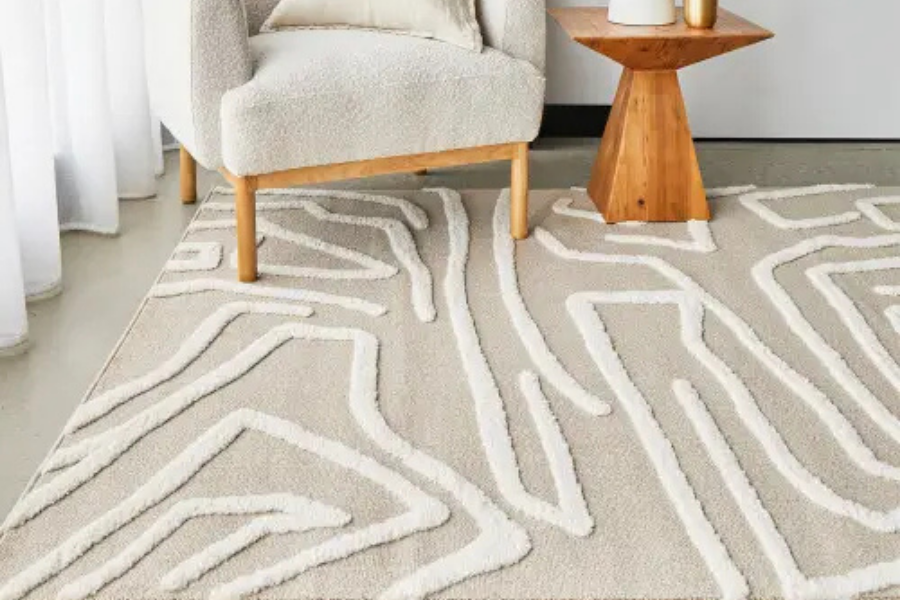
Modern synthetic rugs
Polypropylene, polyester and nylon wash quickly and dry fast.
Synthetic rug cleaning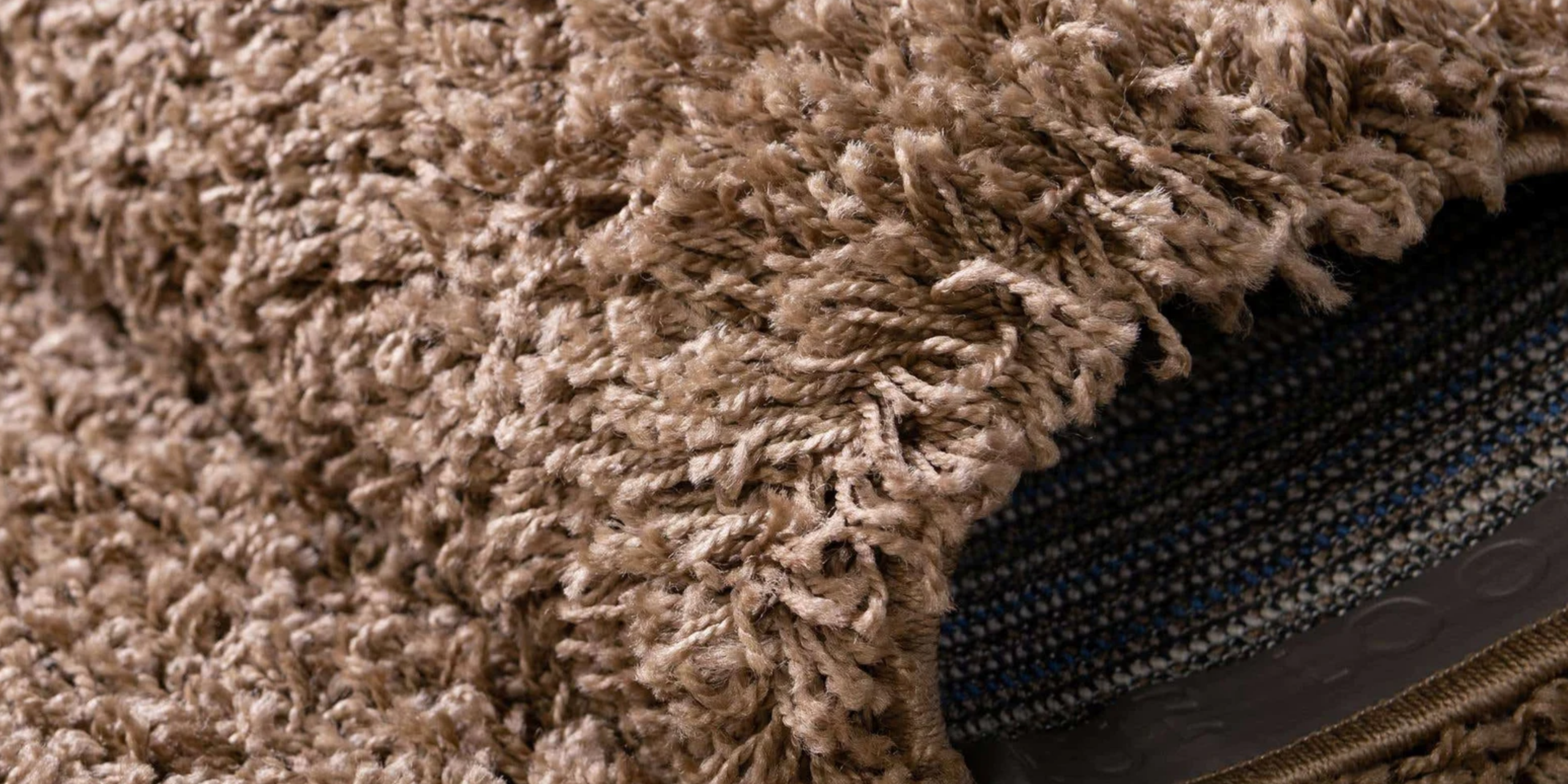
Shaggy rugs
Immersion washing flushes out the grit and hair vacuums never reach.
Shaggy rug cleaning
Cowhide rugs
Hide is skin, not fabric; cleaned with methods that protect the hide and the hair.
Cowhide rug cleaning
Sheepskin and lambskin rugs
Washable, but only with the right temperature and chemistry.
Sheepskin rug cleaning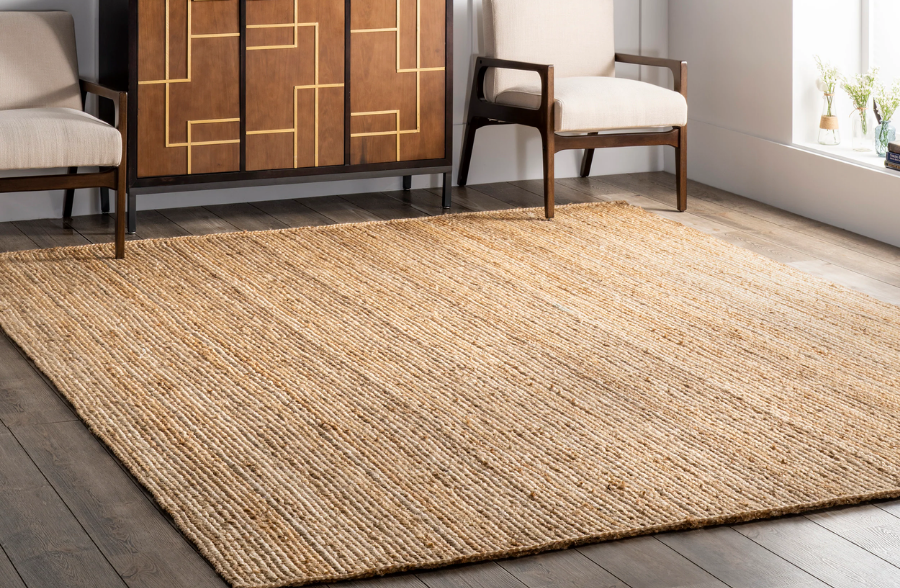
Jute and natural fibre rugs
Jute, sisal and seagrass hate water; these get low-moisture cleaning matched to the fibre.
Jute rug cleaning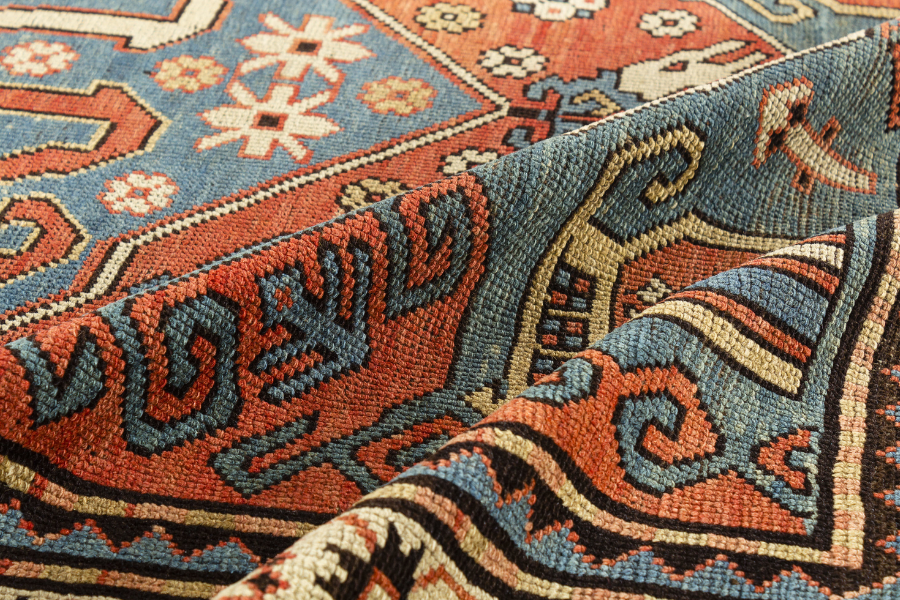
Antique rugs
The slowest, most conservative treatment we offer.
Antique rug cleaning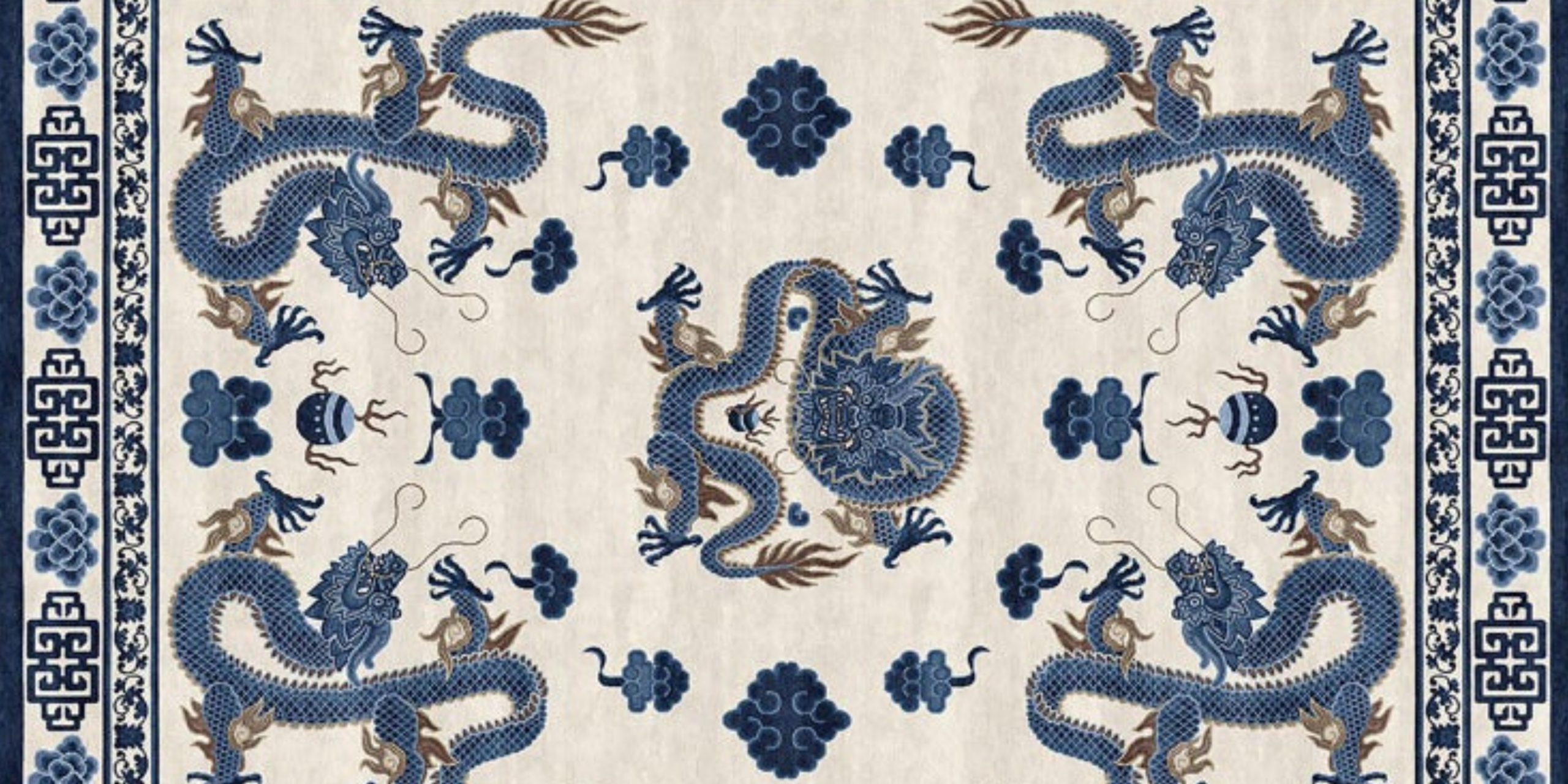
Chinese wool rugs
Thick, sculpted pile; washing brings the carving back to life.
Chinese wool rug cleaningNot sure what your rug is? Send us a photo with the quote form and we’ll identify it.
Get your quoteSpecialist services
The six specialist services
Cleaning is the core of what we do, but plenty of rugs arrive needing more than a wash. These six services run alongside every clean at Yatala. Some solve a problem the wash alone can’t, others protect the result once the rug is clean. Each service has its own page with the full detail.
Mould removal
Mould on a rug is nearly always a moisture story: a leak, a flood, a plant pot, or a rug that was cleaned and never dried properly. It moves fast in this climate, days rather than weeks, and by the time you can smell it, the growth is in the foundation, not on the surface. That’s why sprays and sunshine don’t fix it. Our mould treatment works through the whole rug: kill the growth, wash out the residue and the smell, then dry the rug completely in the drying room so the story doesn’t restart. If you’ve found mould, don’t scrub it dry; that sends spores airborne. Roll the rug and call us. We’ll also tell you honestly when a rug is too far gone to save, because sometimes that’s the truthful answer.
Mould rug cleaning and removal

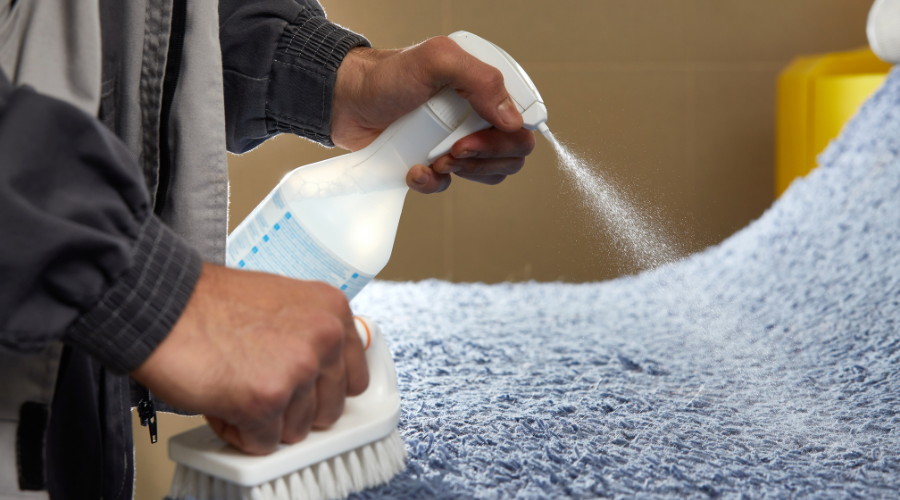
Stain protection
After a wash is the right time to protect a rug, because the fibres are clean and the protector bonds evenly to fibre instead of to soil. Stain protection doesn’t make a rug bulletproof; nothing does, and anyone who says otherwise is selling something. What it does buy you is time. A spill beads on the surface instead of soaking straight in, so the red wine you catch in two minutes comes away instead of becoming a permanent guest. It also makes routine vacuuming more effective, because soil sits higher in the pile instead of gripping the fibre.
Rug storage
Moving house, renovating, or putting a wool rug away for the summer? Storing a rug dirty is how you feed moths, since larvae thrive on the food spills and skin oils in an unwashed rug. Storing one in plastic in a garage is how you grow mould, because plastic traps the moisture the rug came in with. The right way is the boring way: wash the rug, dry it fully, wrap it in breathable material, and keep it somewhere climate-stable, off the concrete. That’s what our storage service is. When you want the rug back, it comes back clean, aired and ready to lay, not smelling of the garage it survived.
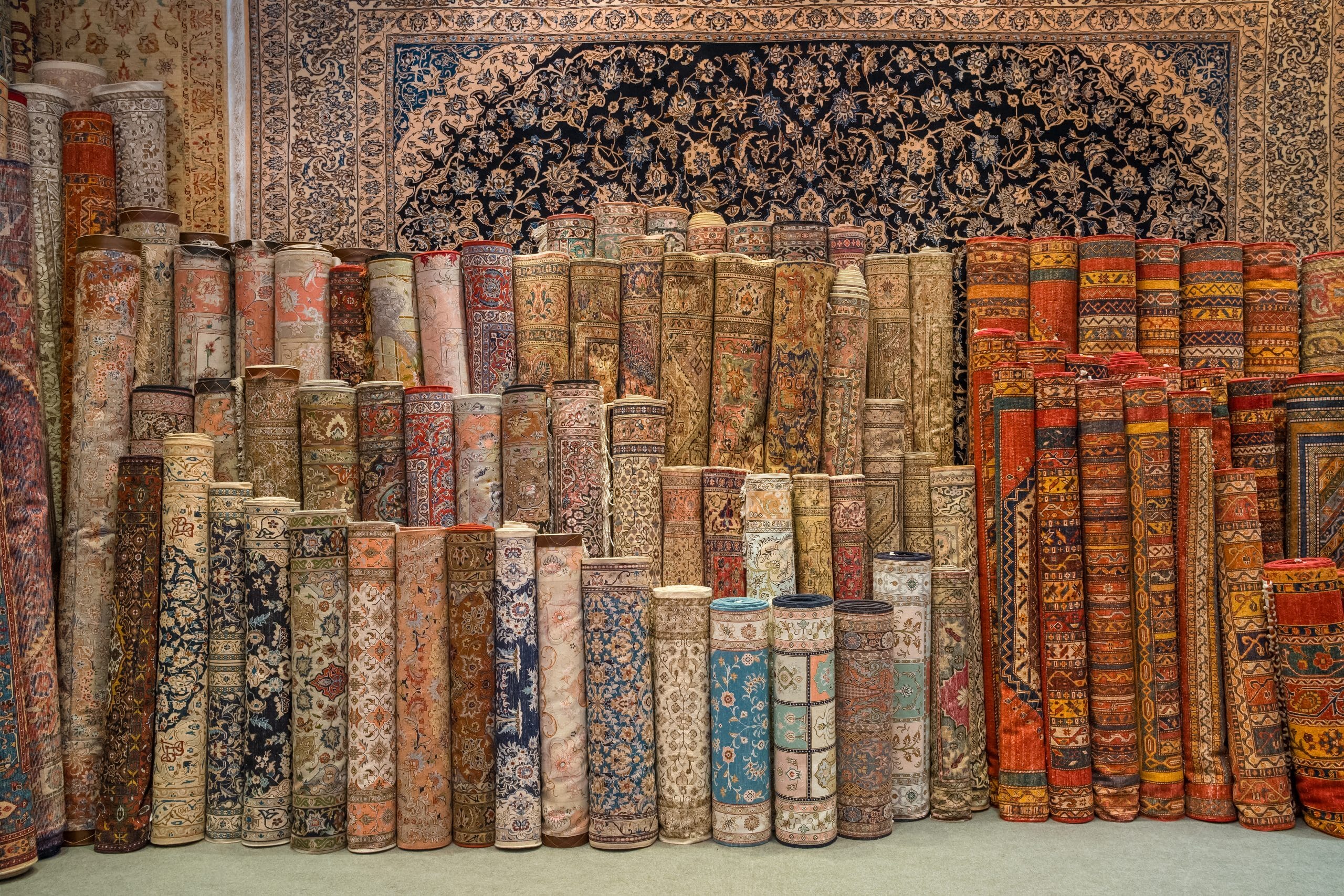
Moth treatment
Moth larvae eat wool, and they eat it quietly; you usually find the damage before you ever see a moth. The tell-tale signs are bare patches on the back of the rug, gritty sand-like droppings in the pile, loose tufts, and fine webbing in the dark corners: under furniture, along the wall edge, anywhere undisturbed. Vacuuming the visible rug doesn’t touch them, because the feeding happens where nothing moves. Treatment means killing every stage of the insect, egg to larva to adult, through the whole rug, then washing out the mess they left behind so nothing invites the next generation. If the larvae have already eaten through to the foundation, our repair team can rebuild the damaged areas after treatment.

Pickup and delivery
We collect your rug, clean it at Yatala, and bring it back. You don’t wrestle a three-metre wool rug into a hatchback, you don’t queue at a depot, and you don’t need to be home if there’s a safe spot to leave it rolled and wrapped. The driver calls ahead either way. Pickup and delivery runs across Brisbane, the Gold Coast, the Sunshine Coast, Toowoomba and Northern NSW on scheduled regional runs, which is how one facility serves five regions without the logistics costing more than the cleaning. The far ends of the run carry a distance fee, which we confirm up front, before anything is booked, so you’ll never meet it as a surprise on the invoice.
How rug pickup and delivery works

Odour removal
Some smells sit in a rug’s foundation and laugh at surface sprays: pet urine, damp, smoke, milk that went unnoticed under the pile. Deodorising a rug without washing it just layers perfume over the problem, and the perfume always loses. Our odour work starts with finding the source. Urine shows up under UV light, and it’s routinely in more places than the owner knew about. Then we treat it properly and flush the foundation clean with a full wash. Urine needs contact time with the right chemistry to break down its salts; that’s the step no quick clean includes, and it’s the difference between a smell that’s gone and a smell that’s resting. When the source is gone, the smell is gone.
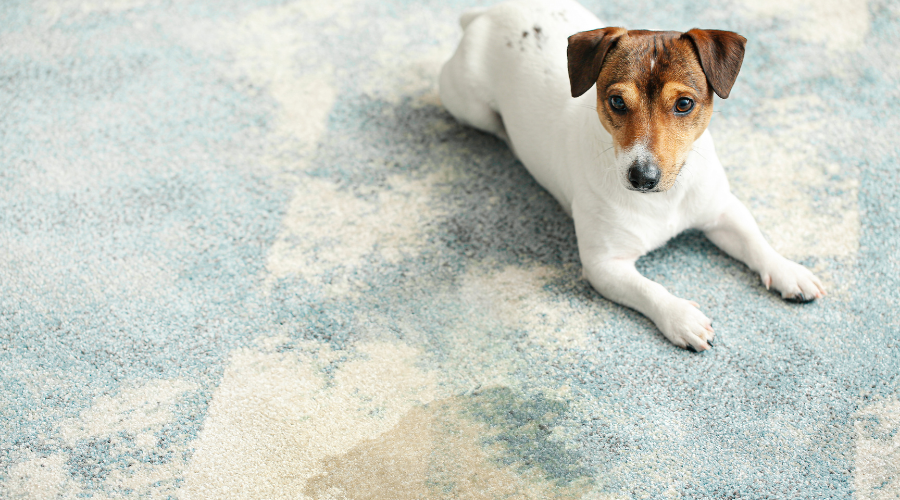
Stain removal
Stains are their own craft, separate from cleaning. Soil is general and comes out in the wash; a stain is a specific substance bonded to a specific fibre, and it gets its own diagnosis. What removes coffee sets a protein stain like blood; what lifts wine can strip colour from the rug along with it. That’s why every stain at Yatala is identified before it’s touched, treated with chemistry matched to both the stain and the fibre, then washed so the treatment itself doesn’t stay behind in the pile.

Every stain at Yatala is identified before it’s touched, treated with chemistry matched to both the stain and the fibre, then washed so the treatment itself doesn’t stay behind in the pile.
The stains that cross our wash floor most often, roughly in order: pet accidents, red wine, coffee and tea, food fats, blood, ink, and the mystery marks that turn out to be dye transfer from a wet doormat or a colourful throw. Each family gets different chemistry, and half the skill is knowing which family you’re looking at before you commit to a treatment.
Two honest things about stains. First, older is harder: a spill treated this week has a far better outlook than one that’s been walked on for a year. Second, no genuine rug cleaning company promises to remove every stain, because some, like old pet urine on wool, bleach spots and dyes from another textile, permanently change the fibre itself. What we promise instead is the right treatment, a truthful assessment before we start, and the free re-wash guarantee behind the result.
If the spill just happened
The short version until you reach the stain page: blot with a dry white cloth, work from the outside of the stain inward, use cold water only, and put nothing else on it. More rugs are saved by that restraint than by any product.
The specifics live on our stain removal page: what comes out, what doesn’t, and what to do in the first five minutes after a spill. Rug stain removal
08 · Where We Collect
Where we collect from
One facility, five regions. We don’t franchise the washing out or subcontract the driving. Every rug we clean is collected by us, washed at Yatala and delivered back by us. Our pickup runs cover:
Brisbane.
North side, south side and everything between. Brisbane is the heart of the run, usually with the fastest turnaround. Ipswich and Logan sit inside this corridor too.
Rug cleaning BrisbaneGold Coast.
From the northern suburbs down through the coast and into the hinterland. Yatala sits right on the Brisbane-Gold Coast corridor, so Gold Coast pickups are close to home for us.
Rug cleaning Gold CoastSunshine Coast.
Caloundra through Maroochydore to Noosa and the hinterland. The far northern end of the coast carries a distance fee, which we’ll confirm when you book.
Rug cleaning Sunshine CoastToowoomba.
We run regular pickups up the range, covering Toowoomba and the surrounding towns.
Rug cleaning ToowoombaNorthern NSW.
Tweed, Byron, Ballina, Lismore and the Northern Rivers. The far end of this run also carries a distance fee, and we’re straight about it before anything is booked, never after.
Rug cleaning Northern NSWNear the edge of one of these regions, or not sure which run you’re on? Ask in the quote form.
The answer costs nothing, and the runs flex more than a map suggests. Each region page lists its suburbs and towns in full, along with anything specific to that run, so if you want to check whether your street is covered before you write to us, start there.
Booking works the same everywhere: send the quote form, we confirm the price and pickup day, and the driver calls ahead.
You don’t need to do anything special to prepare: leave the rug where it is and we’ll roll it, or if you’d like a head start, a quick vacuum and a note about any stains helps the inspection. Add a second or third rug to the same pickup and each extra rug is $20 off, which is why neighbours and family often share a booking.
Because every rug comes back to the same facility, the service is identical wherever you are.
A rug from Lismore gets the same wash floor, the same drying room and the same people as a rug from Ascot. The only regional difference is the driving. How to prepare your rug for pickup
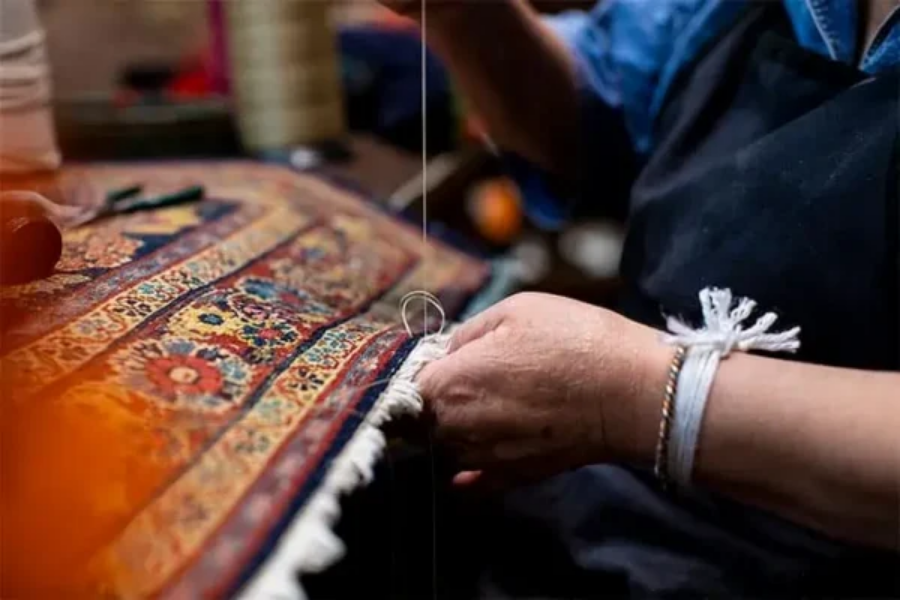
Repair & restoration
Damaged rather than dirty?
Fraying fringes, holes, moth damage, unravelling edges and tears are repair work, not cleaning work, a different craft with its own pages. Our repair team handles restoration, re-fringing and rebuilding, and plenty of rugs go through both doors in one visit: repaired first, washed after. If your rug needs mending, start here.
- 29 years of rug care
- Free re-wash guarantee, 48-hour notice
- $20 off every extra rug in the same order
- IICRC certified rug cleaners
- 7 days back to you, standard turnaround
- Fully insured door to door, every rug
Rated 4.9 from 10,413 reviews
Why people trust us with their rugs
Trust is the whole business when you’re handing over a rug that might be worth more than the couch, or one your grandmother carried here. So here’s the case, plainly.
The reviews below come from customers across all five regions: Brisbane families, Gold Coast pet owners, collectors with rugs worth more than the car that carried them. Read what they say about the rugs they thought were beyond saving; that’s the part of the job we’re proudest of.
IICRC certified
We’re an IICRC-certified rug cleaning company. That’s the international standard for cleaning and restoration training, and it means the people handling your rug have been trained and tested on fibre identification, chemistry and safe process, not just handed a machine.
The Yatala facility
The Yatala facility is the other half of the story. Full-immersion washing needs a wash floor, proper extraction and a controlled drying room; it can’t be done from the back of a van. Being purpose-built for rugs is what lets us take on the jobs in-home cleaners turn away: urine-soaked wool, mouldy rugs, silk, viscose, antiques.
Experience that shows
Experience fills in the rest. Rugs teach you things no course covers: which labels lie about fibre content, which decades of Chinese wool rugs carry fugitive reds, why a rug from a beach house needs different handling from the same rug out of a Toowoomba queenslander. Every rug that crosses the wash floor adds to that, and it all goes into how yours is treated.
Free re-wash guarantee
And the guarantee is simple: if you’re not happy with the result, tell us within 48 hours and we re-wash the rug. No forms, no argument.
Real words from real customers
Real words from real customers
Rated 4.9 ★ from 10,413 customersacross South East QLD and Northern NSW. Collected directly from our customers after every clean, and the count updates automatically as new reviews come in.
Ready when your rug is.
Your questions, answered properly
Find expert answers to your rug care questions — nine topics, every question we’re actually asked.
How to clean a rug: the questions everyone asks
More people search “how to clean a rug” than almost anything else about rugs, so here’s the working answer from people who do it every day.
At home, safe cleaning looks like this: vacuum both sides regularly, blot spills the moment they happen with a dry white cloth, and use plain cold water before you reach for any product. That routine handles ninety per cent of day-to-day rug care, and it costs nothing.
Where home cleaning stops being safe is where water and chemistry get involved. The internet is full of recipes: vinegar, baking soda, dish soap, carpet shampoo. Most of them do less than promised. Baking soda scattered on a rug absorbs a little odour at the surface and then sits in the pile as grit. Vinegar can help a fresh spill on some fibres and set certain stains on others, and on wool it can damage the fibre if it’s overused. We’ve written up the honest chemistry on both. Is vinegar or baking soda safe on a rug?
The bigger problem with washing a rug at home isn’t the soap, it’s the drying. A rug holds litres of water once it’s wet, and a rug that stays damp for days grows mould and smells worse than it did before you started. Getting a soaked three-by-two wool rug dry inside a house, in humid South East Queensland, is genuinely hard. This is most of the reason rugs are cleaned off-site at all. Why are rugs cleaned off-site?
A word on vacuuming, because it’s the one thing everyone can do and most people do half of: vacuum the back of the rug occasionally, not just the front. Vacuuming the back vibrates grit out of the foundation where the head can’t reach it from above. Flip the rug, run the vacuum over the back, then flip it and vacuum the front — you’ll be startled by what appears on the floor underneath. Skip the beater bar on fringes, loop pile and anything delicate.
So the honest split: routine care and fresh-spill first aid belong at home. Deep cleaning, the kind that gets urine, odour and years of soil out of the foundation, belongs in a wash facility. If you take one thing from this section: the products aren’t the danger, the drying is. Anything that gets a rug properly wet at home starts a race against mould that houses in this climate usually lose. How professionals deep clean a rug
And if you read all that and decide the rug deserves better than a weekend experiment, here’s what the alternative looks like from your side: a photo and measurements into the quote form, a firm price back, a pickup day that suits you, and the rug returned washed, dried and groomed. Between those two points you do nothing except live without the rug for a little while. People tell us that’s mostly when they realise how much floor the dog actually owns.
Quick answers
How do I clean a rug at home without a machine?
Vacuum well on both sides, spot-clean spills with cold water and a white cloth, and let the rug breathe outside in the shade now and then. Full washing without extraction equipment usually ends with a rug that won’t dry.
How do you clean vomit from a rug?
Scrape up solids, blot with cold water, and avoid heat: vomit is a protein stain, and warm water cooks it into the fibre. If the smell lingers after it dries, the residue is still in the pile.
How do you clean dog pee from a rug?
Blot fresh urine immediately with plenty of dry cloth, then rinse the spot with cold water and blot again. Once urine dries, its salts bond into the foundation, and no surface treatment reaches them. That’s a wash job.
How do you deep clean a rug?
Properly? Dust out the dry soil, wash the rug through both sides, rinse everything out and dry it fast in controlled conditions. Each step needs equipment for a reason.
How do you clean a wool rug at home?
Carefully, and only at the surface. Vacuum, blot spills with cold water, and never soak wool; it shrinks, browns and sours when it dries slowly.
How do you clean a Persian rug?
You test the dyes first, and everything else follows from that answer. Persians are the rugs we most often see damaged by confident DIY.
How do you clean a lambskin rug?
Not in the washing machine, whatever the label hints. Skins need the right temperature and chemistry or they dry stiff as a board.
How do you clean a white or cream rug?
With more caution than any other colour, because every mistake shows. Pale rugs are the strongest case for stain protection after a wash.
How do you clean a large rug?
Size is the whole problem: a big rug is too heavy to move when wet and too slow to dry at home. This is exactly what pickup and delivery is for.
How do you clean a throw rug?
Check the label first. Some small cotton and synthetic throw rugs are genuinely machine-washable on cold, and they’re the only rugs that are. If the label is gone or it says dry clean, treat it like any other rug.
How do you clean a rug that smells?
You find the source before you clean anything, because the treatment for urine, damp and smoke are three different treatments. The odour section further down this page walks through it.
How do you get crayon out of a rug?
Crayon is wax plus pigment. Lift what you can gently, then leave the rest for solvent treatment; scrubbing spreads the pigment deeper.
How do you flatten a rug?
Reverse-roll it for a day or two, or lay it flat under even weight. Persistent ripples in a rug that’s been wet can be shrinkage, which flattening won’t fix.
How do you clean a memory foam or muscle mat rug?
These are foam with a fabric face, and foam holds water like a sponge, and machine washing usually delaminates them. Vacuum, spot-clean the surface, and accept that they’re a short-lived comfort item rather than a cleanable rug.
How do you clean a rattan or bamboo rug?
Dry methods: vacuum, a barely-damp wipe along the weave, and straight back to dry. Natural plant fibres split and discolour when they’re soaked.
How do you clean a cowhide rug at home?
Shake it outside, vacuum with the hair, and wipe marks with a barely-damp cloth. Never saturate a hide: once the skin side gets wet and dries hard, it stays hard.
How do you clean an outdoor rug?
Outdoor polypropylene is the one rug you genuinely can hose off: mild soap, a soft brush, rinse well and dry it fully before it goes back down, or mould grows between rug and deck.
How do you clean a polypropylene rug?
Gently and quickly; it’s the most forgiving fibre there is. It’s also heat-sensitive, so keep hot water and dryers away from it.
How do you clean a faux fur or fluffy rug?
Shake, vacuum with plain suction, and spot-clean only. Full washing at home mats the pile; done professionally, the fibre gets groomed back up as it dries.
How do you clean a jute or seagrass rug?
Dry methods only: vacuum, prompt blotting, low-moisture cleaning. Water is jute’s enemy; it browns almost on contact.
How often should you vacuum a rug?
Weekly in living areas, more with pets. It’s the single cheapest thing you can do to extend a rug’s life, because it removes the grit that cuts fibres at the base.
What’s the best way to clean a rug?
For most rugs: full-immersion washing, off-site, by someone trained on your rug’s fibre. It’s the only method that cleans the whole rug rather than the top of it.
Renting machines, dry cleaning and other equipment questions
A cluster of questions we hear every week: where can I rent a rug cleaner, can rugs be dry cleaned, what can and can’t be vacuumed. The machine-hire question gets its own honest section earlier on this page, so here’s the short version plus the rest.
First, what the hire machine actually is: a hot water extraction unit, the same principle as a carpet cleaner’s van machine at a fraction of the power. It sprays warm solution into the pile and vacuums some of it back out. The domestic versions recover far less water than they lay down, which is the detail that decides most DIY outcomes.
You can rent one from most hardware stores and supermarkets, and on a small synthetic rug it will do a passable job if you keep the rug damp rather than soaked and dry it fast. What the rental machine cannot do is rinse the back of the rug, pull water out of the foundation, or tell you that the rug you’re about to soak has a cotton foundation that will shrink. On wool, viscose, silk or anything hand-made, the hire fee is the cheapest part of what the weekend ends up costing. Machine hire vs a full wash
On dry cleaning: yes, rugs can be dry cleaned, and a small number genuinely should be: rugs whose dyes or construction can’t take water. For everything else, dry cleaning is the weaker option, because low moisture means low soil removal. It’s a method we choose when the rug forces the choice, not a default. Washing vs steam cleaning compared
Quick answers
Where can I rent a rug cleaner?
Hardware stores, most big supermarkets, and some carpet retailers. Before you book one, check what your rug is made of, because the machine is only safe for synthetics.
Can rugs be dry cleaned?
Yes, though “dry” cleaning still uses solvents and a little moisture. It suits moisture-sensitive rugs and does little for deep soil, urine or odour.
Can you get an area rug dry cleaned?
You can, but most area rugs do far better with a full wash. We recommend dry cleaning only when the fibre rules water out.
Can sheepskin rugs be dry cleaned?
Some can, but skins usually respond better to a controlled wash with the right chemistry. The danger zone for sheepskin is heat, not water.
Can you vacuum a cowhide rug?
Yes: vacuum with the direction of the hair, using a plain head rather than a beater bar, which drags hair out of the hide.
Can you use a hired carpet machine on a wool rug?
Please don’t. Wool holds several times its weight in water, domestic machines can’t extract it, and slow-drying wool shrinks, browns and sours. Wool is the fibre we most often see hurt this way.
Can you steam clean a rug at home with a hired machine?
On a synthetic rug, cautiously, yes. On anything natural-fibre, the overwetting risk isn’t worth it; see the machine-hire section above for what we find in the aftermath.
Can I take my rug to a local dry cleaner?
Garment dry cleaners aren’t set up for rugs. The machines are too small and the solvents are chosen for suits, not rug dyes and backings. A rug facility is the right home for the job, whichever method the rug needs.
Is steam cleaning bad for rugs?
Not inherently; it’s bad for the wrong rugs. On stable synthetics it’s a reasonable refresh; on wool, viscose or anything hand-made, the combination of heat, moisture and slow drying causes most of the damage we’re asked to reverse.
What does rug cleaning cost? The pricing questions
“How much is rug cleaning” is one of the most-searched rug questions in Australia, and every company answers it the same unsatisfying way: it depends. Here’s what it actually depends on, so the quote you get makes sense.
Size sets the base. Fibre adjusts it: synthetics wash quickly, wool needs more care, and silk, viscose and antiques need the slowest handling in the building. Condition moves it again: a rug with old urine, mould or heavy soiling needs treatment steps a lightly-dusty rug doesn’t. Urgency is the last lever, if you need the rug back faster than the standard run.
What should make you cautious is any company quoting a single flat price for any rug, sight unseen. Either the price assumes the easiest possible job and grows once they have your rug, or every customer with an easy rug is paying for the hard ones. We quote from your rug’s size, fibre and condition. Send a photo with the measurements and you’ll get a number that doesn’t move on pickup day. How our pricing works · Get your quote
One more honest note: cheap quotes usually mean surface cleaning. An in-home steam pass over a rug costs less than a full wash for the same reason a car wash costs less than a service: it’s a different job. When you compare quotes, compare the method first and the number second. What goes into rug cleaning cost
Quick answers
How much does it cost to clean a rug?
It’s quoted per rug, from size, fibre and condition. A quick photo and the measurements get you a firm number within a business day.
How much does oriental or Persian rug cleaning cost?
More than a synthetic rug of the same size, because hand-made rugs take slower, gentler work at every step. The quote covers the extra hours, and we’ll tell you exactly what they are.
How much does it cost to clean a large rug?
Size is the biggest single factor in any quote, so large rugs sit at the upper end. The $20 multi-rug discount softens it if the big rug travels with friends.
What do other companies charge?
We won’t quote other businesses’ prices. They change, and most are for in-home steam cleaning, which is a different service from immersion washing. Compare method for method before price for price.
Is pickup and delivery included in the price?
Across most of our run, yes; it’s part of the service. The far ends of the Sunshine Coast and Northern NSW carry a distance fee, confirmed with your quote, never sprung afterwards.
Does stain removal cost extra?
General stains are treated as part of the wash. Stubborn or specialist stains like old urine, dye transfer and rust can need extra treatment, and we tell you before we do the work, not after.
What does urine or odour treatment add to the job?
Time, mostly. Contaminated rugs need soaking treatment before the wash, which is extra handling and extra days. The quote spells it out as its own line, so you can see exactly what the contamination is costing you.
Does my suburb change the price?
The wash price is the wash price: a rug from Toowoomba costs the same to clean as the identical rug from Brisbane. The only location factor is the distance fee at the far ends of the Sunshine Coast and Northern NSW runs, stated in your quote.
Can I get a quote without a photo?
You can. Size and a description will get you close. A photo makes the number firmer, because fibre and condition are two of the four things the price is built from.
Why is rug cleaning dearer than carpet cleaning?
Because it’s more work: transport both ways, dusting, a full wash of both sides, controlled drying and grooming, versus one pass of a wand over the pile. The result lasts accordingly.
How much is area rug cleaning?
The same question with an American accent. Area rug, floor rug and throw rug all get quoted the same way: size, fibre, condition, urgency.
Do you charge per square metre?
Size drives the quote, but it isn’t a straight per-metre rate; a small silk rug can be a bigger job than a large synthetic one. That’s why we quote per rug rather than off a chart.
Is it cheaper to clean several rugs at once?
Yes: every rug after the first in the same booking is $20 off, and one pickup run serves all of them. If you’ve been putting off two other rugs, this is the moment for them.
Is it worth paying to clean a cheap rug?
Sometimes no, and we’ll say so. If a wash costs more than the rug did, replacement can be the sensible call — though people are often surprised what a rug means to them once it’s at risk.
Stains and spills
Every stain on a rug is a race between you and chemistry. Fresh spills sit in the pile, where blotting with a dry cloth and a little cold water does real good. Old spills migrate down into the foundation and bond as they dry, which is why the stain that “came out” keeps reappearing: you cleaned the top of it, and the rest wicks back up as the rug dries.
The rules that save rugs: blot, never rub. Cold water before any product. No heat on anything protein-based: blood, milk, vomit, urine. And test anything you’re about to use on a corner first, because the damage from the wrong product is usually worse than the stain.
First aid by spill, in ten seconds each: red wine: blot hard, cold water, blot again, no salt (it sets some dyes). Coffee and tea: cold water quickly, since tannins darken as they age. Blood: cold water only, ever. Pet accidents: blot, rinse, blot, then book a wash, because what you can reach is the smaller half of the problem.
Silk deserves its own warning. A stain on genuine silk is a specialist problem from the first minute: the fibre is delicate, the dyes are often fugitive, and every home remedy on the internet can leave a mark worse than the spill. Blot gently with a dry white cloth and stop there. Silk rug cleaning
Quick answers
Can you shampoo a fluffy rug?
Long-pile rugs mat and felt when they’re scrubbed, so shampooing at home tends to ruin the texture you bought the rug for. They wash well professionally, where the pile can be groomed as it dries.
Can you get a stain out of 100% silk?
Often, but the odds depend on the stain, its age, and what’s already been tried on it. Untouched stains come out far more often than ones that have met supermarket stain remover.
Why does a stain keep coming back after cleaning?
Wicking. The stain material below the pile surface rises as the rug dries, so the mark reappears in the same spot a day later. It means the clean only reached the top of the stain. The cure is treatment that reaches the bottom of it.
Smells and hygiene
A clean-looking rug can still be the smelliest thing in the room. Odour lives in the foundation, where the pile meets the backing, and that’s a place air fresheners and surface sprays never reach. The usual culprits, in order: pet urine, damp (a rug that got wet and dried slowly), spilt milk or food working its way down, and smoke.
Dog owners, a specific note: the “dog smell” in a rug isn’t usually urine at all. It’s skin oils and dander worked deep into the pile over years of the dog choosing that rug as its own. It responds beautifully to washing, because oils are exactly what wash chemistry is built for. If the rug is where the dog sleeps, expect the smell to rebuild over a year or so, and budget the rug into the dog’s running costs.
The pattern people notice with a smelly rug is that it’s worse on humid days. That’s the giveaway that the source is still in there: moisture in the air reactivates urine salts and mildew residue, and the smell rises with the humidity. It’s also why a rug that “aired out” over summer comes back to haunt you in the wet season.
The fix follows the cause. If it’s in the foundation, the foundation has to be washed and rinsed, and the rug dried fast enough that mildew never gets a foothold. That’s a full wash with odour treatment, and it’s the difference between removing a smell and renting it out for a few weeks. Rug odour removal
Quick answers
How long does it take for a rug smell to go away?
If the source is still in the rug — it doesn’t. Surface smells fade in days; foundation odour outlasts every spray and comes back with humidity until the rug is washed.
Why does my Persian rug smell?
Usually one of three things: old urine you inherited with the rug, damp from a slow dry after cleaning or a leak, or simply decades of soil that’s never been washed out. A wash sorts all three, and dye-safe washing is exactly what Persians need.
Does baking soda get smells out of a rug?
It absorbs a little surface odour and none of the source. Sprinkle-and-vacuum is harmless as a freshen-up, but if the smell keeps returning, it’s coming from the foundation, and powder doesn’t go there.
Is a smelly rug a health problem?
It can be. A persistent damp or musty smell usually means mould or mildew activity, and old urine harbours bacteria. Both are worth taking seriously in a room where children play on the floor.
Is rug cleaning safe for kids, pets and allergy sufferers?
The question behind this one is usually about chemicals: is the rug safe to crawl on, sleep on, sit on once it comes back? With immersion washing, the honest answer is yes, and the reason is the rinse. Everything we put into a rug at Yatala is washed back out of it before the rug is dried. That is the difference between a wash and a spray-on treatment: nothing stays behind in the pile for a baby’s hands or a dog’s nose to find. The rug also comes home fully dry, because it doesn’t leave the drying room until it’s dry through the foundation, so there’s no damp window in your house and nothing for mould to work with.
For allergy and asthma households, the rug itself is usually the issue rather than the cleaning. A rug is the biggest soft filter in the room: it collects dust, dander, pollen and dust-mite waste at the base of the pile, and vacuuming recovers only the top layer. Washing flushes that load out of the whole rug, which is why allergy sufferers often notice the difference in a room before they notice the look of the rug. Wool rugs and sheepskins deserve particular mention, because dust mites live happily in both, and a full wash with proper drying is what genuinely resets them. Does rug cleaning remove allergens and dust mites?
One thing matters after any pet accident, for household health as much as for the rug: treat it as contamination, not as a stain. Old urine harbours bacteria, and a child playing on that patch of floor deserves better than a surface spray over the top of it.
Quick answers
Is professional rug cleaning safe for kids and pets?
Yes. Everything we use is washed and rinsed back out of the rug before it dries, which is precisely the point of immersion washing. A properly rinsed rug carries less residue than one cleaned at home with product that never left the pile.
Do dust mites live in wool rugs?
Happily, given the chance. Wool pile holds the warmth, humidity and skin flakes they feed on. Regular vacuuming knocks the numbers down; washing resets them.
Do dust mites live in sheepskin?
Yes, sheepskins are prime territory, which matters because they spend so much time under babies. A gentle, correctly-done wash keeps a sheepskin soft and genuinely clean at the same time.
Does rug cleaning help with allergies and asthma?
It removes the allergen load the vacuum can’t reach, and households notice. It isn’t a medical treatment, but a clean rug is one less reservoir in the room.
How often should rugs be cleaned, and how long do they last?
A good wool rug is a decades-long possession, and how long it lasts is mostly decided by what walks on it and what’s living down in the pile. Grit is the killer: every footstep grinds the sand at the base of the pile against the fibres like sandpaper. Regular vacuuming slows it; washing removes it. The rugs that reach us in the best condition after twenty years aren’t the ones from careful houses. They’re the ones that got washed on schedule, whatever the household threw at them in between.
The working rule for cleaning frequency: a rug in a busy room with kids or pets earns a wash roughly every year or two, a rug in a quiet room every two to three, and any rug straight away when something happens to it: a flood, a urine accident, a moth discovery. Between washes, vacuum both sides and rotate the rug now and then so it wears evenly.
Signs a rug is overdue: the colours look flat compared with a corner that lives under furniture; the pile feels gritty at the base when you press your fingers in; the rug releases a puff of dust when you drop a corner; or there’s a smell that comes and goes with the weather. Any one of those means the foundation is loaded, and the vacuum has done all it can.
As for turnaround, immersion washing takes days rather than hours by design. The rug has to be dusted, washed, rinsed and fully dried before it can be groomed and wrapped. Rushing the drying is how other people’s rugs end up in our odour queue. We confirm timing when we book your pickup, and if you have a deadline, say so and we’ll tell you honestly whether it’s achievable. What to expect when your rug is cleaned
Quick answers
How many years should a rug last?
A machine-made synthetic: five to fifteen years depending on traffic. A hand-knotted wool rug: generations, if the grit is kept out of it and the moths are kept off it. Cleaning is cheaper than replacing, every time.
Does professional cleaning make a rug last longer?
Measurably. Abrasive grit out of the foundation, moth food removed, urine chemistry neutralised before it weakens the fibre: every one of those is wear the rug doesn’t accumulate. Washing is maintenance, not cosmetics.
How long does professional rug cleaning take from start to finish?
Longer than an in-home steam clean, because full drying can’t be rushed. Pickup, wash, controlled drying and delivery are scheduled as one job, and we give you the timing up front when we quote.
How often should a rug be professionally cleaned?
Every one to two years for rugs in daily-use rooms, stretching to three for lightly-used ones, and immediately after any flood, leak or pet accident, when waiting turns a cleaning job into a restoration job.
Drying, colours and aftercare
Drying is the least glamorous part of rug cleaning and the part where the most damage happens. Half the “cleaning disasters” we’re asked to fix were actually drying disasters: the clean went fine, and then the rug sat wet for four days. So, clearly: no, a rug should not go in the clothes dryer. Heat shrinks wool and cotton, melts synthetic backing glue, and hardens skins. The size limit isn’t the problem — the heat is. Air movement, low humidity and time are what dry a rug safely, which is what a drying room provides and a dryer drum does not.
At home, the safe version is flat or over a rail, out of direct sun, with as much airflow as you can arrange, and turned so both sides dry. Direct sun feels efficient but fades dyes unevenly, which brings us to colour.
One more drying trap: never lay a wet rug back down on a timber floor, and don’t put furniture back on a damp one. Moisture trapped between rug and floor stains the timber, breeds mould in the backing, and furniture legs leave rust or dye marks that outlast the dampness. A rug goes back down bone dry or not at all.
Fading is cumulative and quiet. A rug near a window loses colour on the exposed side year by year, and nobody notices until the furniture moves. Rotating the rug shares the exposure; washing won’t restore lost colour, but it does revive the colour that’s hiding under soil. A surprising amount of “fading” turns out to be dirt. What a wash restores
On colour choices, since we get asked: mid-tone, patterned rugs hide the most between cleans. Very dark rugs show lint and pale dust; very pale rugs show everything else. None of that changes what’s living at the base of the pile, which is the same in every colour.
Quick answers
Can you dry a rug in the dryer?
No. Even small rugs with rubber or latex backing shed and crack in a hot drum. Air-dry flat or over a rail, out of the sun.
Can you dry a rug outside on the clothesline?
For a small rug on a dry, breezy day, yes: in the shade, turned a few times so both sides dry evenly. The line’s limits are size and weather: a big wet rug will stretch on a line under its own weight, and one shower restarts the whole race against mildew.
Can you put a fur or sheepskin rug in the dryer?
Definitely not. Heat is the one thing skins can’t recover from. They dry stiff and stay stiff.
How long does a rug take to dry after cleaning?
In our drying room, with moving air and managed humidity, drying is measured in days, not weeks, and the rug doesn’t leave until it’s dry through the foundation, because delivering a damp rug is how odour problems start.
Why do some rugs look faded?
Sun exposure, mostly, and it’s permanent. But soil dulls colour too, and that half of the problem washes out. Many rugs come back from Yatala noticeably brighter than their owners remember them.
What colour rug shows the least dirt?
Mid-tones and busy patterns. Charcoal shows lint, cream shows soil, and a patterned wool rug in the middle hides sins between washes.
What are popular rug colours?
Neutrals and soft earth tones dominate Australian homes right now, with traditional reds and blues holding steady in hand-made rugs. Buy what you love — we can keep any of them clean.
General rug knowledge
Some questions aren’t about our services at all. They’re about rugs. We answer them anyway, because the more you know about what’s on your floor, the better you’ll look after it, and because we’d rather you got rug facts from people who handle hundreds of them than from a listicle written by no one.
Start with the one we hear most: yes, you can get almost any rug professionally cleaned. Wool, silk, synthetics, skins, shaggy pile, jute: each has a safe method, and the handful of genuinely uncleanable rugs are usually ones already damaged beyond what washing can fix. If you’re not sure what your rug is, a photo of the front, the back and a close-up of the pile is normally enough for us to identify the fibre and construction. Every rug type we clean
A Persian rug, since the term gets used loosely: strictly, a hand-knotted rug made in Iran (Persia), named for its weaving region: Tabriz, Isfahan, Kashan and so on. “Oriental rug” is the wider family covering hand-knotted rugs from across Asia. The distinction matters to cleaners because hand-knotted rugs carry dyes and foundations that dictate how they can be washed. Oriental vs Persian rugs
Art silk is the other label worth decoding: it means “artificial silk”: viscose, rayon or bamboo silk, sold to look like the real thing at a fraction of the price. It also behaves nothing like real silk when wet, which is why identifying it before cleaning matters so much. Viscose and art silk rugs
On value: if a hand-made rug matters to you, photograph it front and back, keep any purchase paperwork, and mention it to your contents insurer. Most people discover their rug was underinsured at exactly the wrong moment. A clean, well-kept rug also holds its value in a way a neglected one never claws back; condition is most of what a valuer looks at.
Quick answers
Can you get rugs professionally cleaned?
Yes. That’s the whole trade. Every fibre has a safe method, and matching rug to method is the first decision on every job.
What can I use to clean my rug?
For day-to-day care: a vacuum, a dry white cloth and cold water. That short list solves more rug problems than every product aisle combined, and it can’t hurt anything. Beyond that, the answer depends entirely on the fibre, which is the polite way of saying: check before you spray.
How do I know if my rug is wool or synthetic?
Feel is a clue: wool is warm and springy, synthetics are cooler and slicker. But labels lie and blends confuse. Send us photos of the front, back and fringe and we’ll identify it; it’s the first thing we’d do at inspection anyway.
Can you clean a rug that’s been in a flood?
Often, yes, if it reaches us quickly. Flood water carries contamination, so the job is sanitising as much as cleaning, and mould starts within days. Roll it, don’t fold it, and call us the same week.
Can a jute rug be professionally cleaned?
Yes, with low-moisture methods, because jute browns and weakens when it’s soaked, so it never goes in the full wash. Honest note: heavily stained jute has limits, and we’ll tell you what’s realistic before we start.
Where can I get my shaggy rug cleaned?
Anywhere that washes rugs off-site rather than steaming them on your floor, because long pile needs a real wash and groomed drying. We collect them across all five regions.
Do cotton rugs shed?
New ones do, and flat-woven cotton keeps releasing lint for a while. Persistent heavy shedding in an older rug usually means fibre damage rather than newness.
What is art silk?
Viscose or rayon sold under a prettier name. Lovely sheen, fragile when wet, and the single most misidentified fibre owners bring to us.
What is a Persian rug worth cleaning-wise?
Treat any hand-knotted rug as worth doing properly. Even modest Persians outlast furniture when they’re washed instead of scrubbed.
Who does rug cleaning near me?
If you’re anywhere from Brisbane to the Northern Rivers, we do: one facility at Yatala, five pickup regions, and the same wash for every rug regardless of postcode.
Where is your facility?
Yatala, on the corridor between Brisbane and the Gold Coast, which is why we can run pickups both directions in the same day. You’re welcome to drop a rug off yourself if you’d rather.
Do rugs protect timber floors?
With a good underlay, yes: they take the traffic the timber would otherwise wear. Without underlay, grit trapped under a rug can scratch the finish, and a damp rug left down will mark it. Underlay is cheap insurance.
Do you clean rugs for businesses as well as homes?
Yes: offices, cafes, medical rooms, real estate agencies between tenancies. Same facility, same process; the only difference is that we work around your trading hours for pickup and delivery.
My rug’s been in the shed for years. Is it worth cleaning?
Bring it out and look at the back for moth damage before anything else. If the structure is sound, a wash will tell you what you’ve actually got; stored-rug smell and surface grime hide a lot of good rug underneath.
How do you start a rug cleaning business?
The honest answer: years of training, a facility with a wash floor and drying room, IICRC certification, and a long apprenticeship of rugs that teach you humility. The machine is the smallest part of it, which, incidentally, is also the answer to why hiring one doesn’t make you a rug cleaner for the weekend.
How do I get started?
Send the quote form with a photo and your rug’s size. We come back with a firm price, book a pickup day, and the driver calls ahead. From there it’s ours to worry about until it’s back on your floor.
Get your free quote today
Tell us about your rug and we’ll take it from there. Free pickup and delivery, and an honest assessment before any work begins.
Get your free quote today
Tell us about your rug and we’ll take it from there. Free pickup and delivery, and an honest assessment before any work begins.